Introduction
Welcome to Western Welding Academy! Today, we're diving into a heated showdown between two welding torches - an $80 budget-friendly contender and a high-end $250 professional torch. Ever wondered if splurging on the pricier option is worth it? Join us as we put these torches to the test and uncover the surprising differences that could impact your welding experience.
The $80 Budget Torch: What You Get for the Price
The $80 TIG torch is the type you find at any discount toolstore. At first look, it appears functional. It has a handle, a gas cup, and acable. It seems like it could work for DIY projects or light auto body repair.But the details matter. The cable is thin. The hose and the electrical cableare combined into a single line, which means if the hose fails, you replace theentire assembly. The handle is small with a fixed position that offers no angleadjustment.
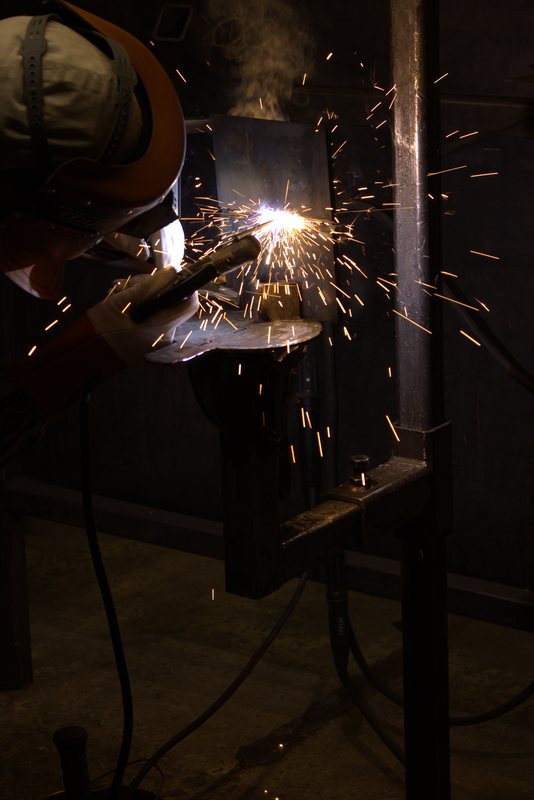
At its rated capacity of 150 amps, the budget torchperformed adequately. It held up to the amperage it was designed for. The weldwas passable. For a hobbyist welding thin gauge steel in a garage, this torchtechnically functions. But pipe welding is not thin gauge steel in a garage.
The $250 Professional Torch: Built for the Field
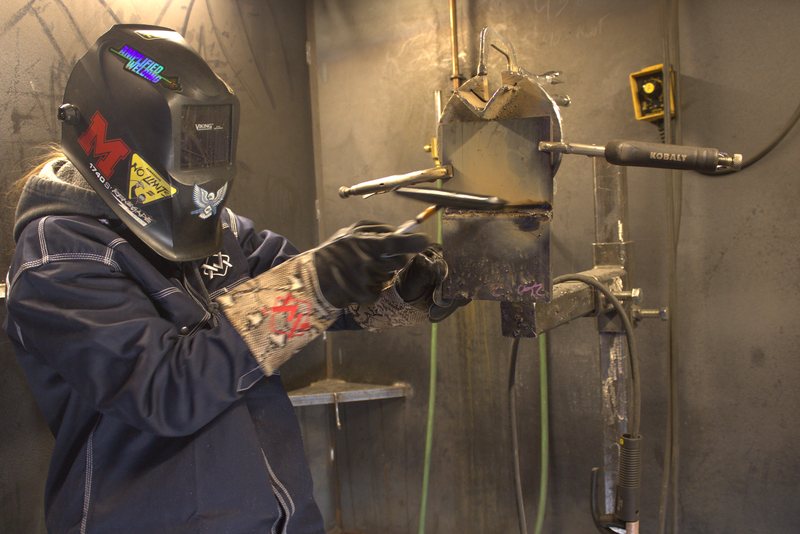
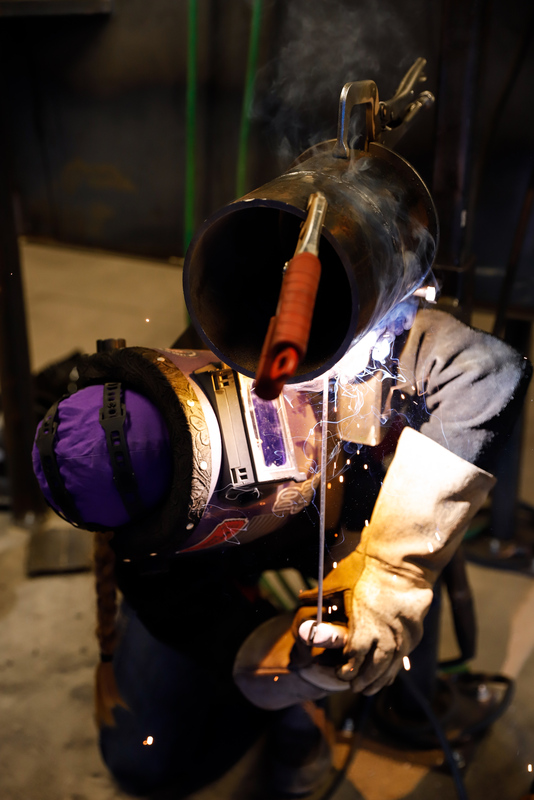
The professional-grade $250 TIG torch is a different tool.The hose and the electrical cable are separated, so you can replace one withoutscrapping the other. The cable is thicker and rated for 250 amps, though ithandles significantly more. The handle is larger, which reduces hand fatigueduring long welding sessions. The flex head allows angle adjustment fordifferent positions, which is critical for vertical, overhead, and pipe weldingwhere torch access is limited.
The build quality is immediately visible. The fittings aretighter. The collet body seats cleanly. The gas coverage is more consistent.This is the type of torch used on pipeline job sites, refinery shutdowns, andpressure vessel work where weld quality is code-critical.
The 400 Amp Test: Where Budget Equipment Fails
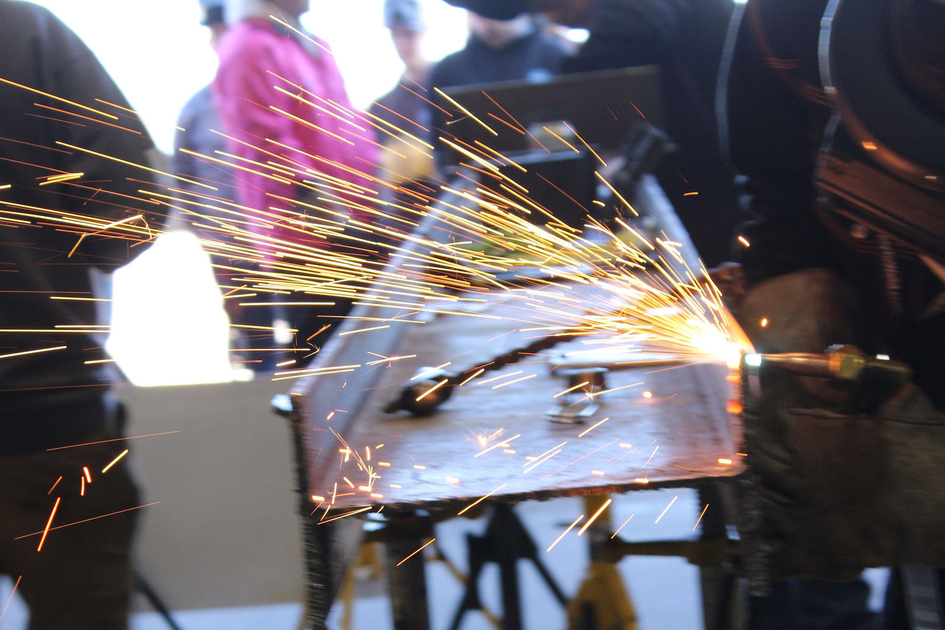
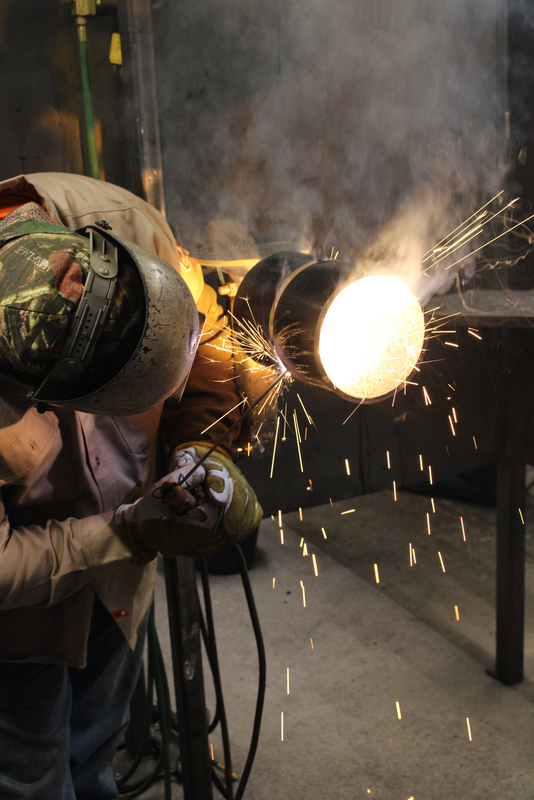
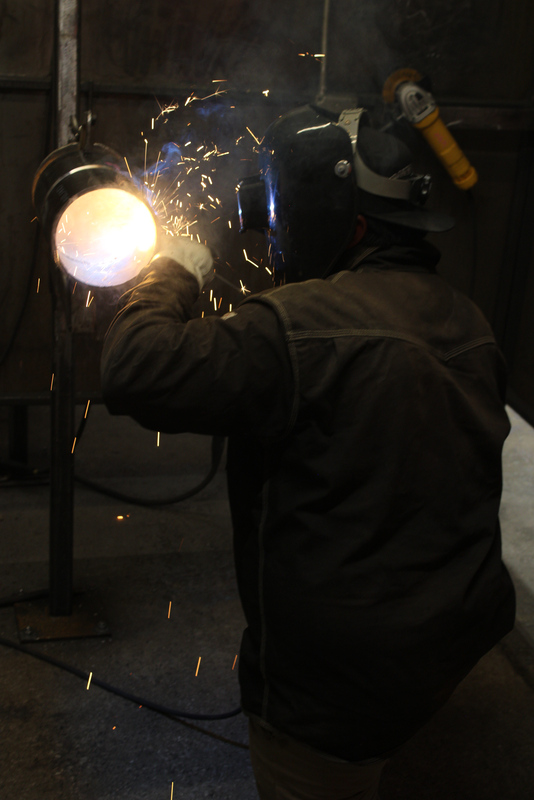
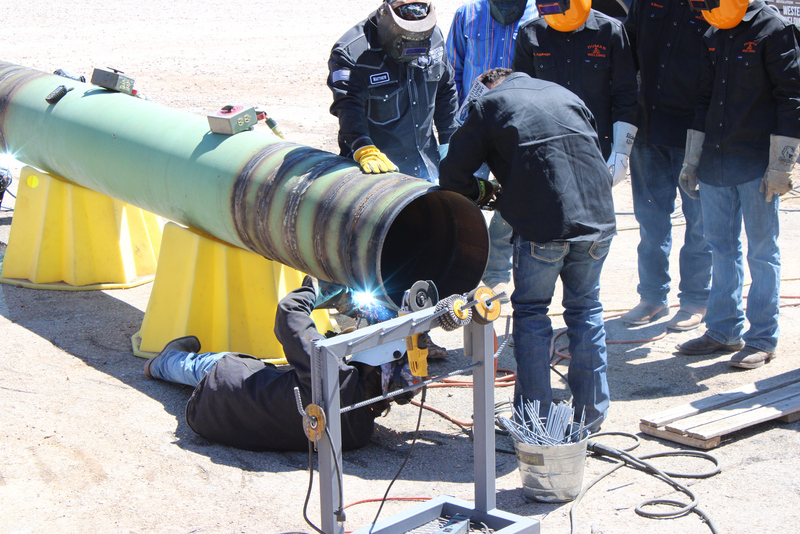
The real test happened when both torches were pushed to 400amps and above. The budget torch failed. The cable could not handle the heat at400 amps. It burned up and lost argon shielding gas, which means the weld zonewas exposed to atmospheric contamination. A weld made without proper shieldinggas coverage will contain porosity, oxidation, and inclusions that fail everycode inspection.
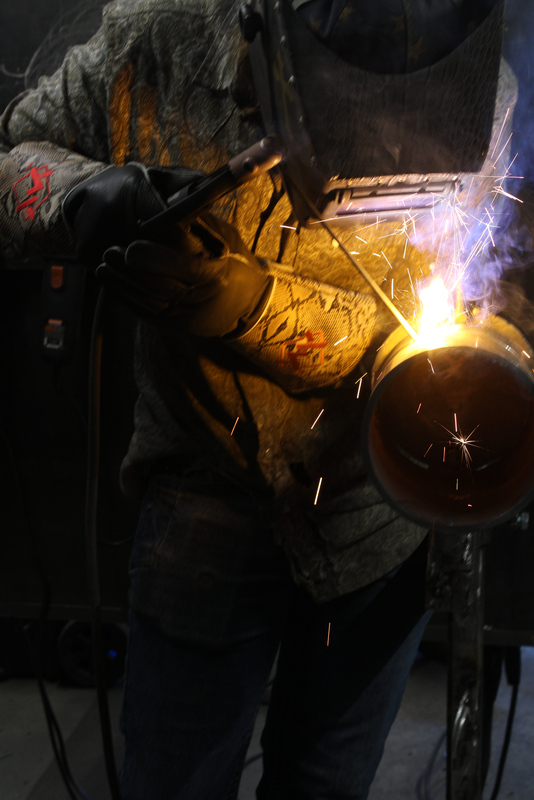
The professional torch handled 425 amps without failure. Itgot hot, but the hose and cable held up. The gas coverage remained consistent.The weld quality at 425 amps was clean and inspectable. That is the differencebetween equipment that works in a classroom and equipment that works on apipeline. Learn more about SMAWand TIG pipe welding courses for certification prep.
Train onprofessional equipment from day one. Call Western Welding Academy at(307) 284-5313 or applynow to start.
Why Equipment Quality Matters for Pipe Welding Students
The equipment you train on shapes the habits you take to thefield. A student who trains on a budget torch develops compensating habits towork around its limitations: shorter weld runs, lower amperage settings, andfixed torch angles. Those habits do not transfer to a pipeline job site wherethe work demands sustained high amperage, full-position access, and eight-hourshifts without equipment failure. At Western Welding Academy,students train on professional-grade equipment that matches what pipelinecontractors use in the field.
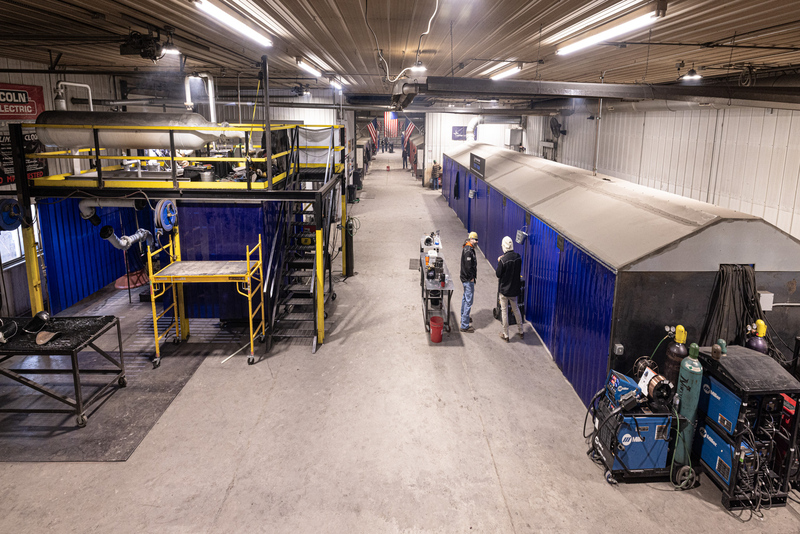
All equipment is included in the all-inclusive tuition.Students do not need to buy torches, helmets, or tools separately. The schoolprovides everything because the training needs to replicate field conditions asclosely as possible. When a graduate walks onto a pipeline job site, the torchin their hand should feel familiar, not foreign. Learn more about whata pipe welding school day actually looks like and the equipment studentsuse daily.
What This Means for Your Career
A pipe welder earning $60,000 to $125,000 per year does notuse budget equipment. The contractors supplying job site equipment useprofessional-grade torches rated for the amperage the job demands. A graduatewho trained on budget equipment and then picks up a professional torch on dayone of a pipeline job has to relearn torch handling, heat management, and anglecontrol. A graduate who trained on the same grade of equipment the field useshits the ground running. See the full breakdown of whatpipe welders actually earn after graduation.
Leyton Wagner earns $4,514 per paycheck. Gavin Walden earns$3,986 per paycheck. David Smolek earns $3,417 per paycheck. Noah clears $2,800per week. Hank reached $150,000 per year by age 21. Every one of them trainedon professional-grade equipment at Western Welding Academy before entering thefield. For beginnersstarting from zero, training on the right equipment from day one eliminatesthe relearning curve that budget-trained graduates face on their first jobsite.
Professionalequipment. Professional training. Professional pay. Call Western Welding Academy at(307) 284-5313 or applynow to train on the real thing.
Frequently Asked Questions
Q1. Can a cheap welding torch handle pipe welding?
No. Budget TIG torches fail at the amperage levels requiredfor pipe welding. In Western Welding Academy's test, the $80 budget torchburned up and lost shielding gas at 400 amps. The $250 professional torchhandled 425 amps without failure.
Q2. Does Western Welding Academy provide weldingequipment?
Yes. All welding tools and equipment are included in theall-inclusive tuition. Students train on professional-grade torches, machines,and accessories that match what pipeline contractors use in the field.
Q3. Why does torch quality matter for training?
The equipment you train on shapes the habits you take to thefield. Training on budget equipment creates compensating habits that do nottransfer to professional job sites. Training on professional equipment buildsthe correct technique from day one.
Q4. What is the difference between a budget andprofessional TIG torch?
Cable thickness, heat capacity, repairability, handledesign, and amp rating. A professional torch separates the hose and cable forindividual replacement, uses a thicker cable rated for higher amperage, andincludes a flex head for multi-position welding.
Q5. How much does pipe welding equipment cost?
Professional TIG torches run $200 to $350. Full weldingsetups for pipe work can exceed $2,000. At Western Welding Academy, allequipment is included in tuition from $17,050 to $35,800. Students do not buyequipment separately.
Q6. What makes Western Welding Academy different fromother welding schools?
Western Welding Academy delivers 85% booth time,all-inclusive tuition covering housing, tools, and materials, lifetimeretraining for every graduate, 330 combined years of instructor pipelineexperience, and a 94% hire rate within 90 days verified by a 234-alumni survey.It is the #1 AWS Accredited Testing Facility in the country.
Train on the Equipment the Field Uses
Budget equipment has a place in hobbyist garages. It doesnot have a place in pipe welding training. Western Welding Academytrains students on professional-grade equipment that matches what pipelinecontractors use on job sites. Call Western Welding Academy at(307) 284-5313 or applynow to start training with the right tools.


.jpg)



.jpg)


.jpg)
.jpg)
.jpg)
.jpg)
.jpg)
-thumbnail.jpg)

.jpg)