What a Pipe Welding School Day Actually Looks Like
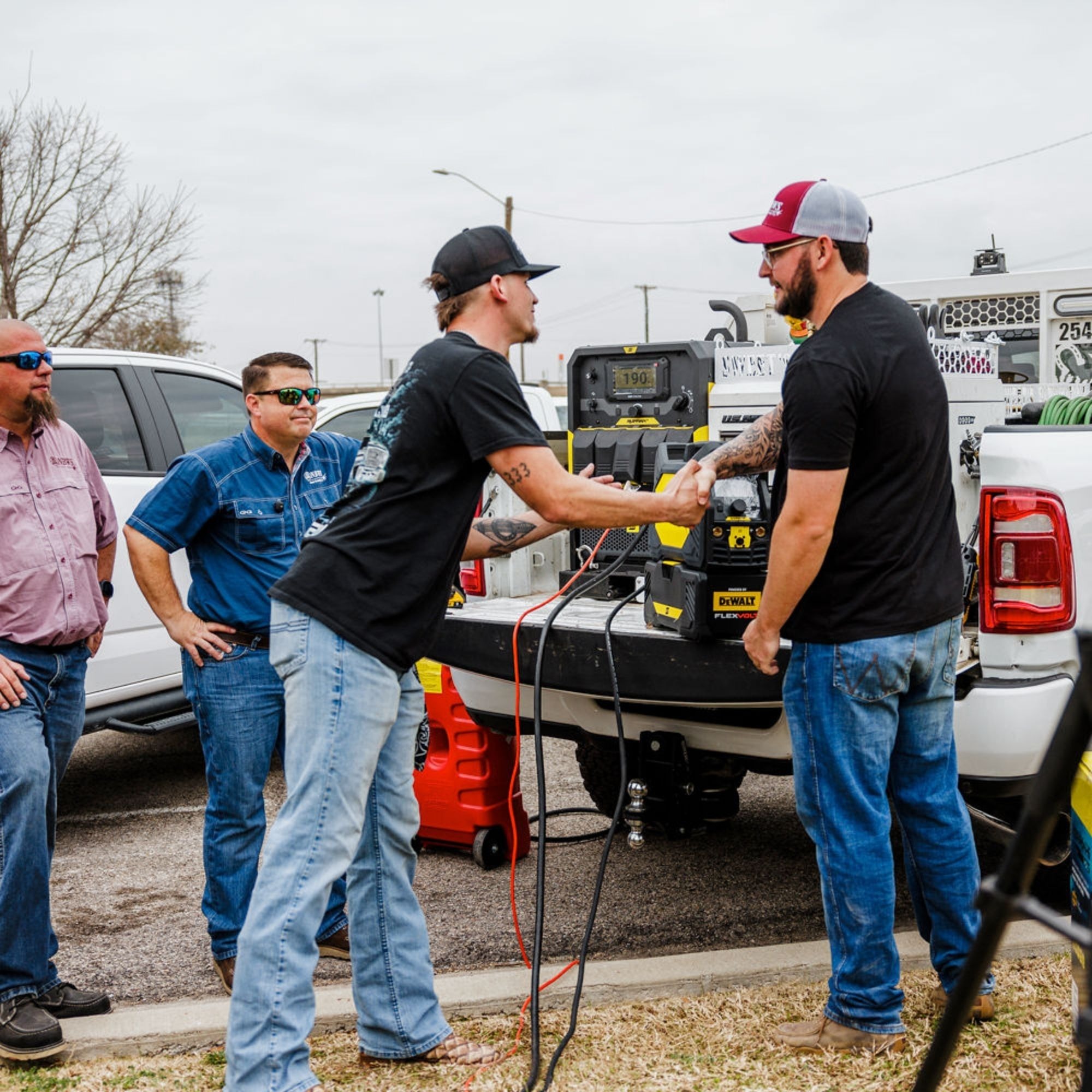
There is a moment almost every pipe welding school graduate runs into about two weeks after the diploma is in their hand. They have logged hundreds of hours in the booth. They have certifications. They have proof they can run a cap on a 6-inch carbon pipe. And the phone is not ringing.
That is the moment they realize the diploma was only half the job.
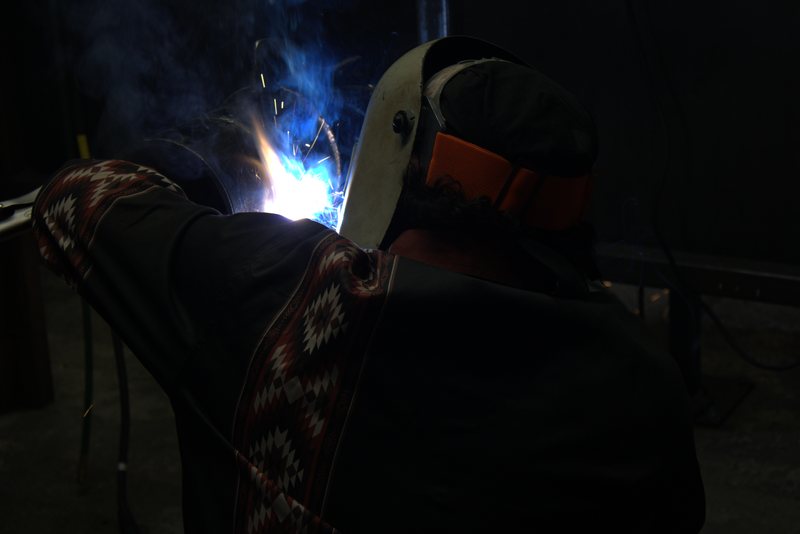
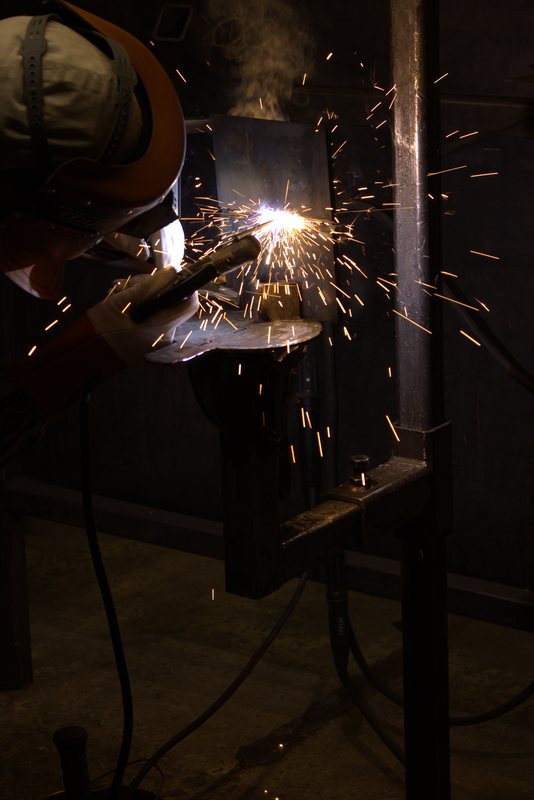
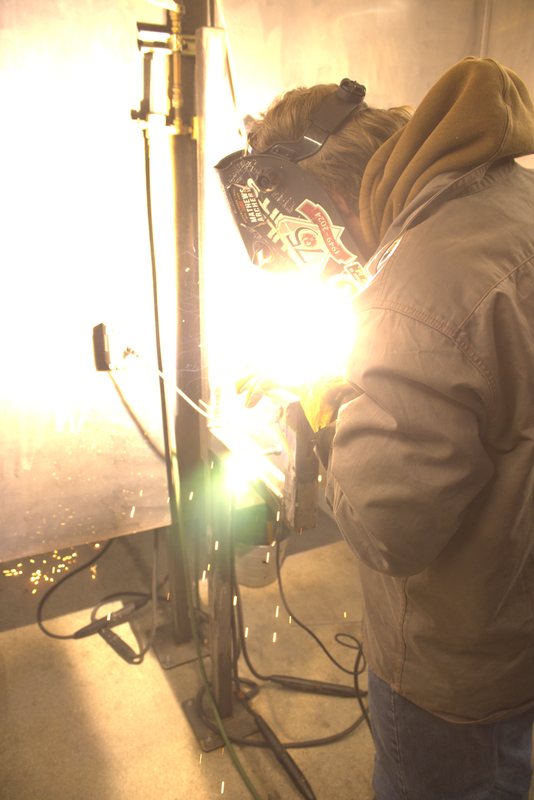
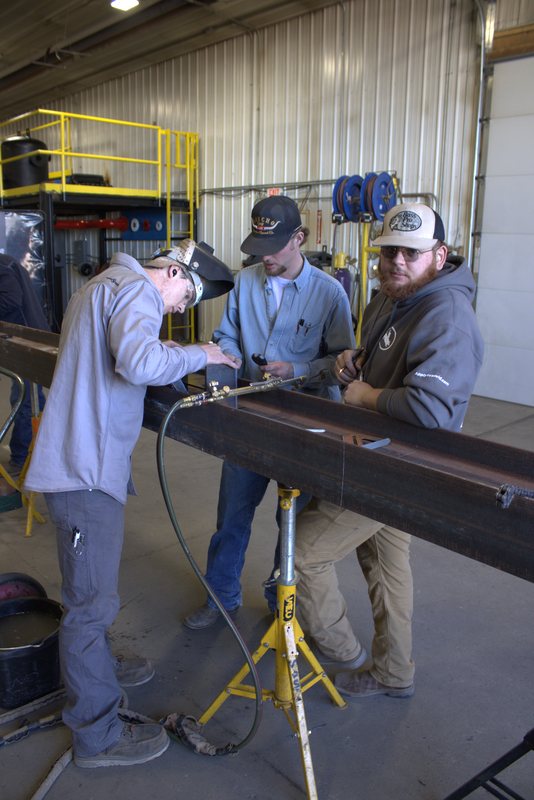
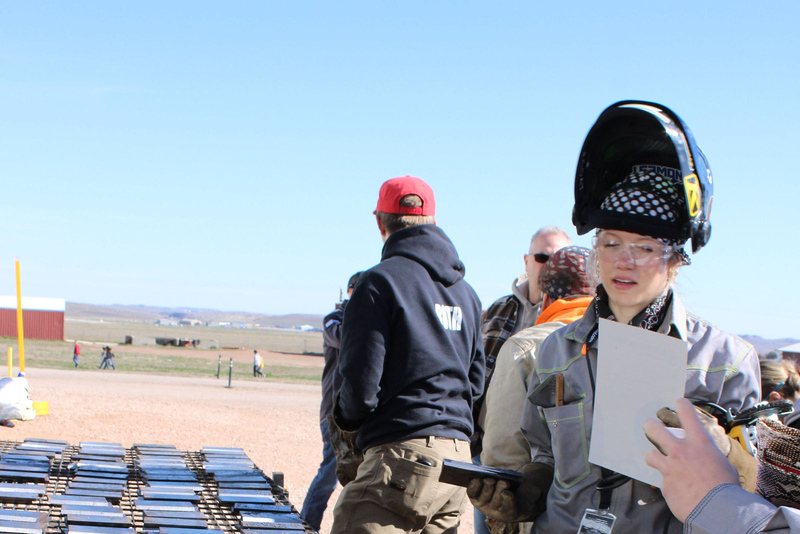
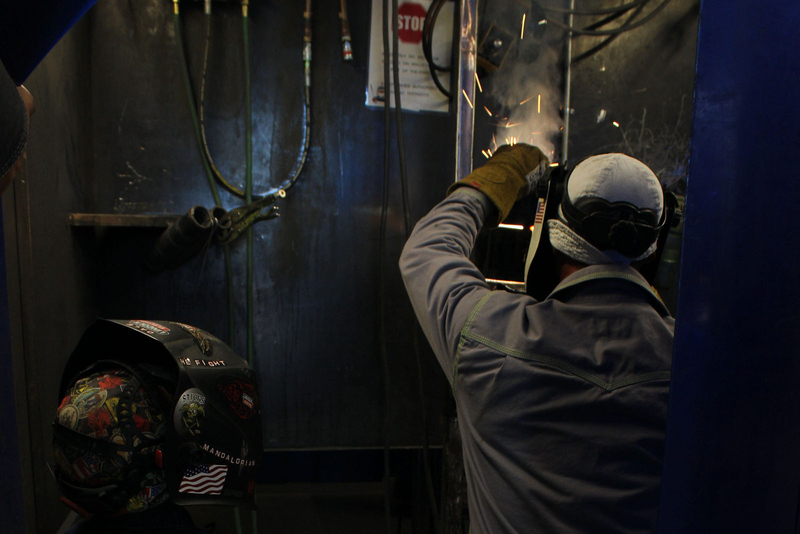
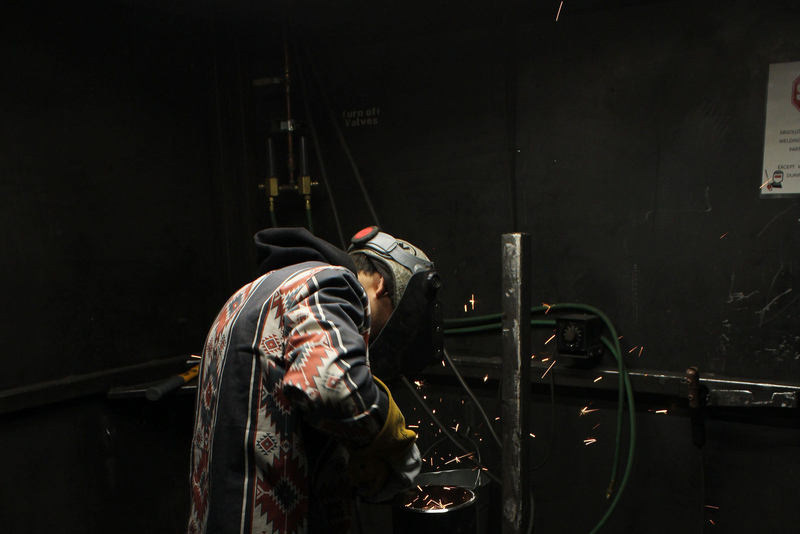
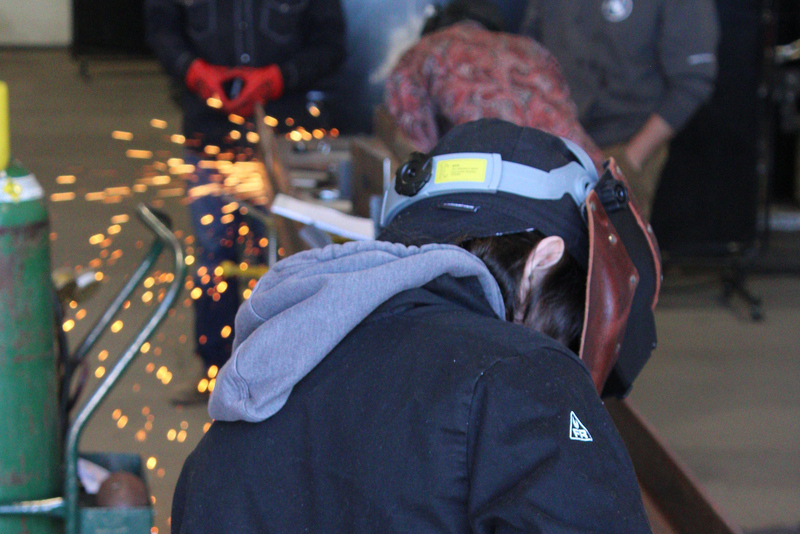
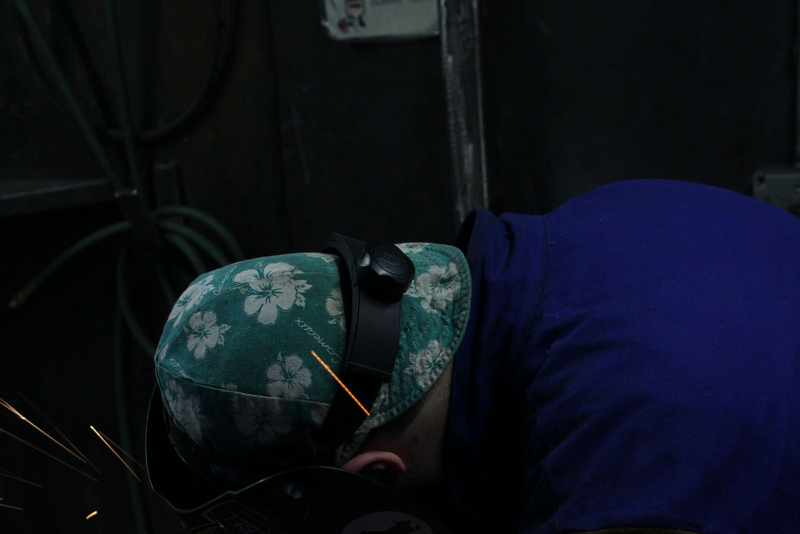
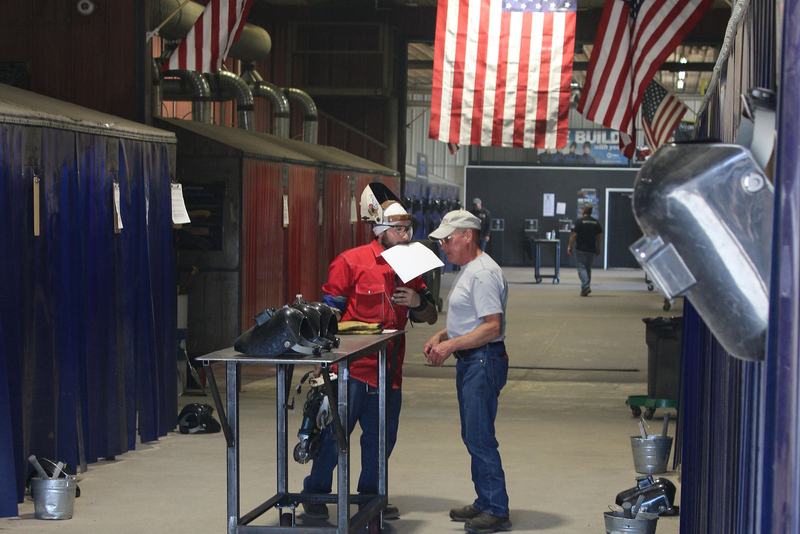
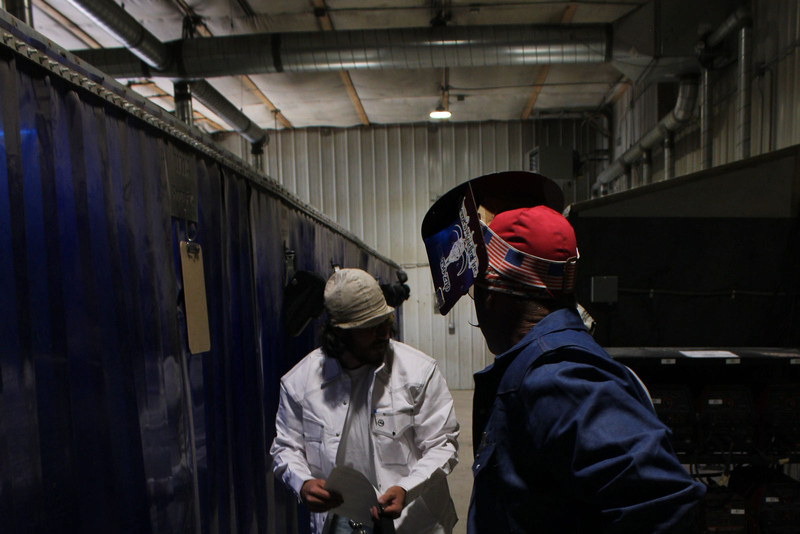
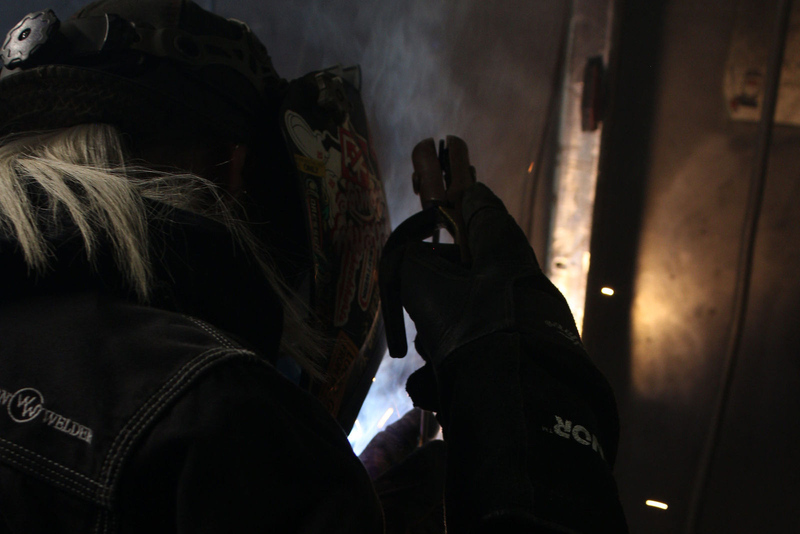
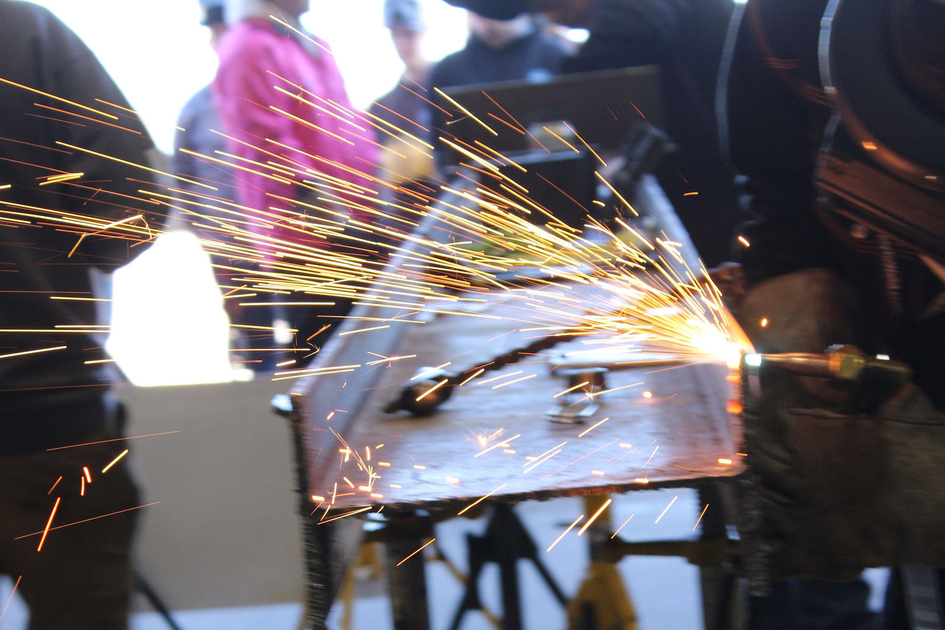
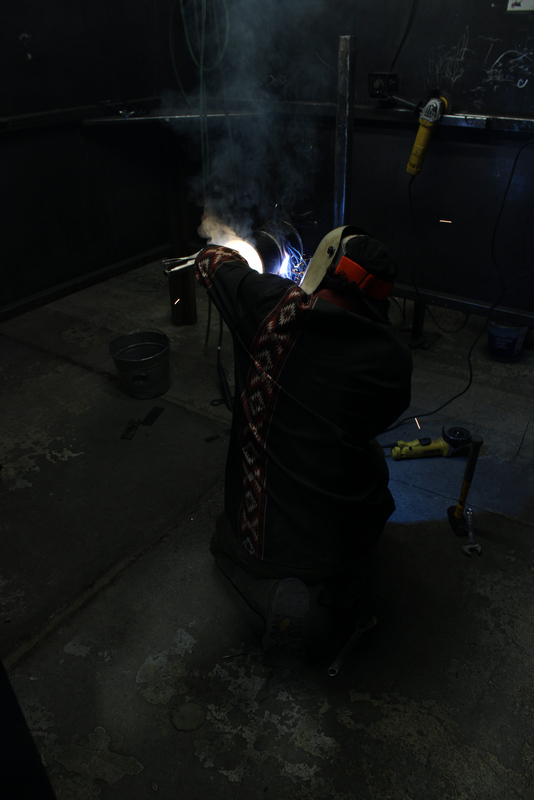
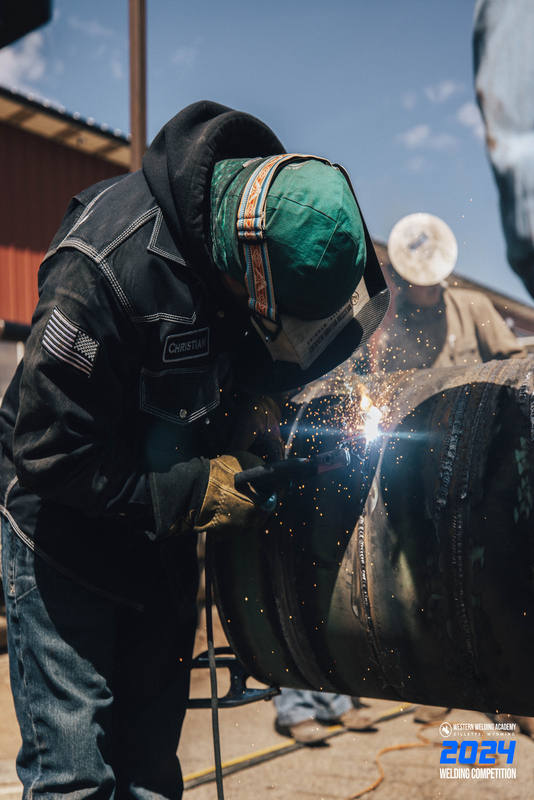
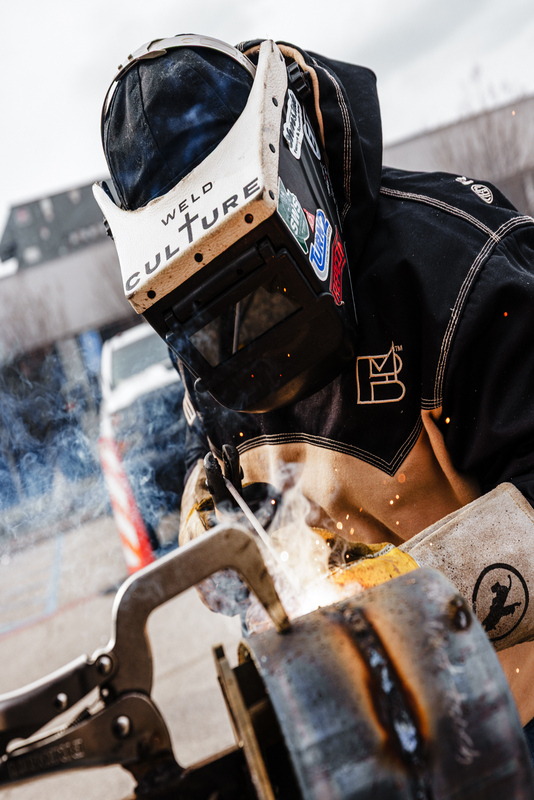
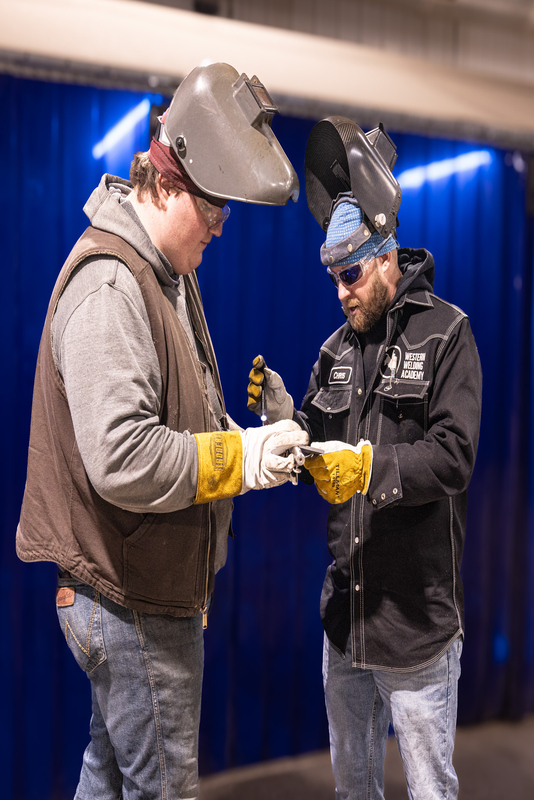
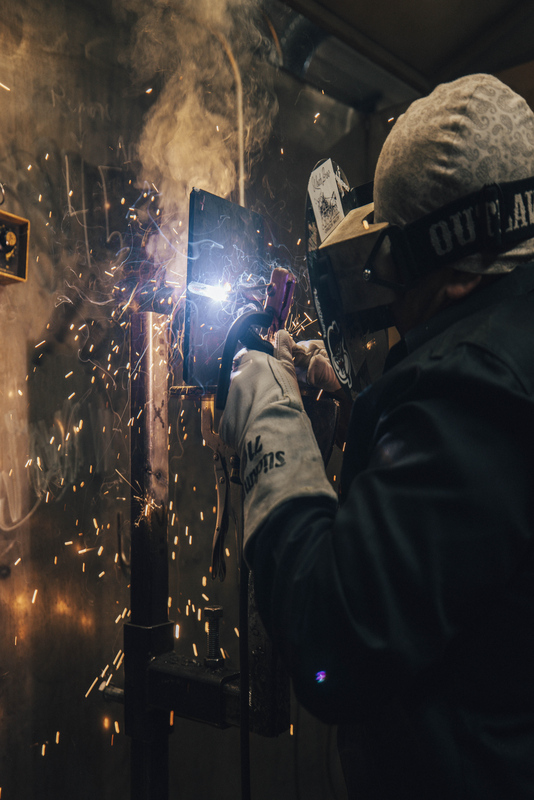
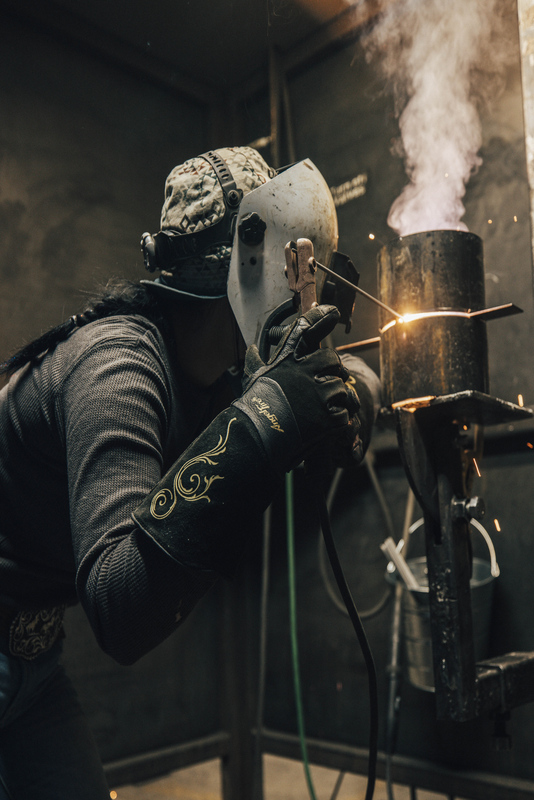
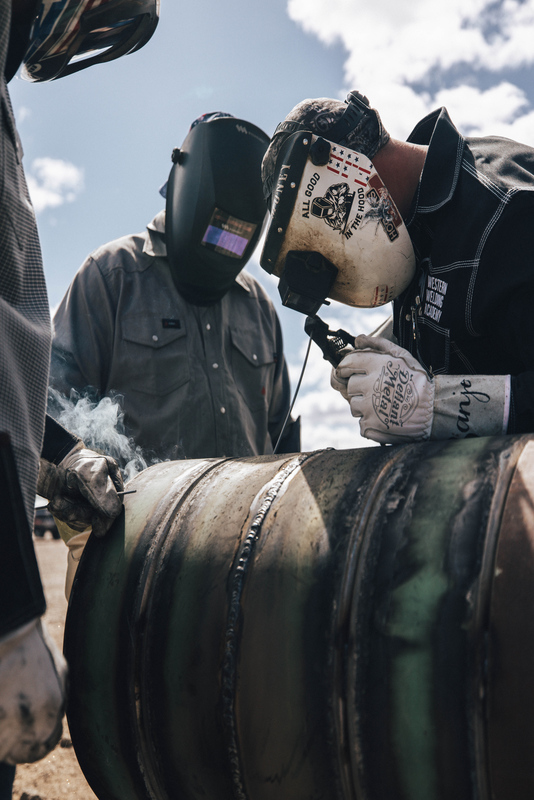
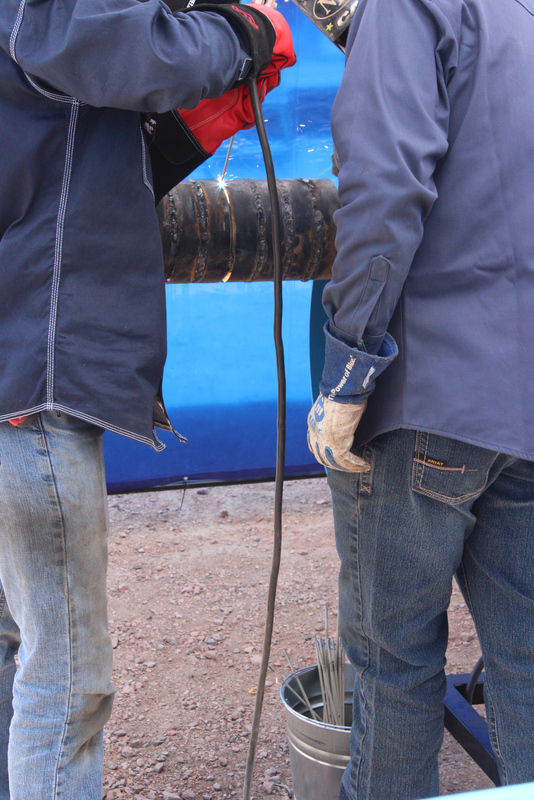
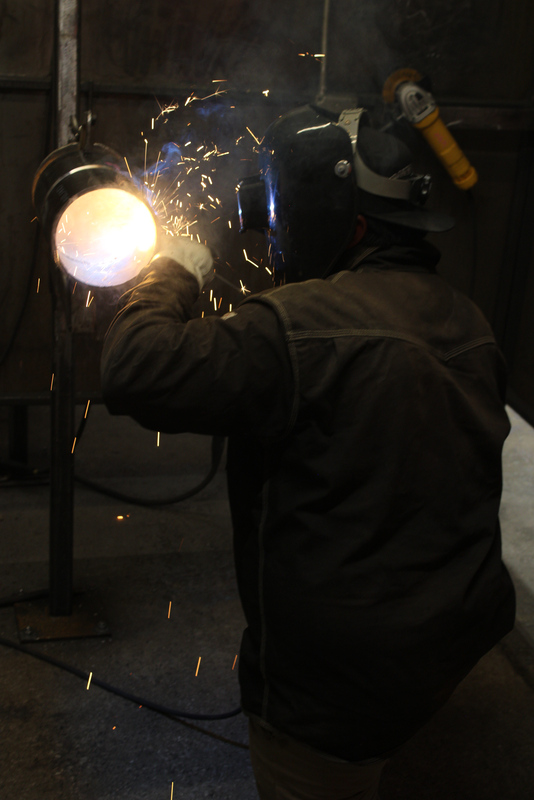
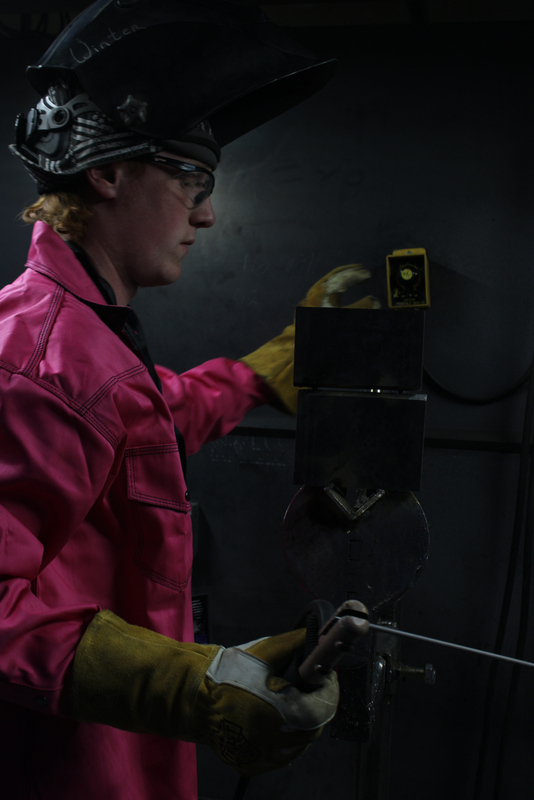
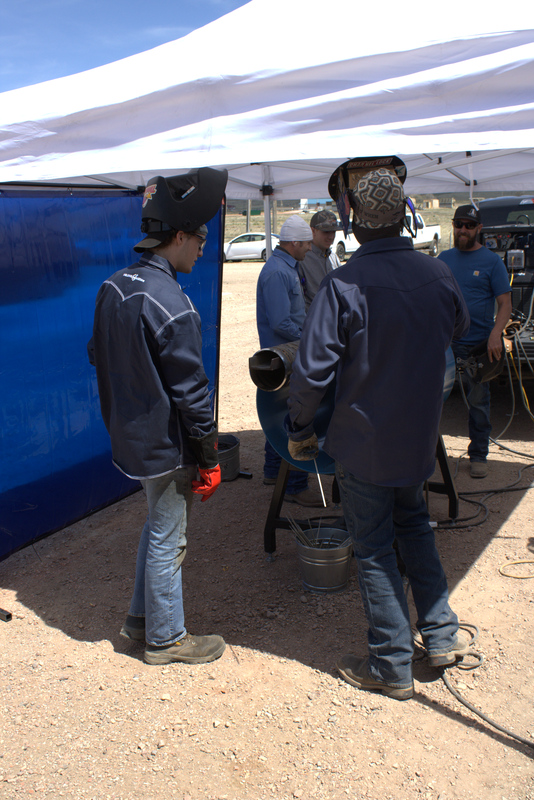
The day-to-day at a serious pipe welding school is not glamorous. You show up at 7 a.m. You spend most of the day on your feet, hood down, in front of a coupon. The instructor walks the line, watches your puddle, and calls out what is happening before you see it. You weld. You grind. You weld again. By 5 p.m. your shoulders ache and your forearms are smoked. Repeat that five days a week for 12 to 24 weeks and you walk out a different person than the one who walked in.
That part is straightforward. The booth is the booth. What catches new graduates off guard is everything that runs in parallel with the booth time. The relationships. The geography. The phone presence. None of it is on the syllabus, and all of it decides how fast you get hired.
Here is what a real pipe welding school day actually covers, and what nobody tells you about everything that happens around it.
What Booth Time Actually Looks Like
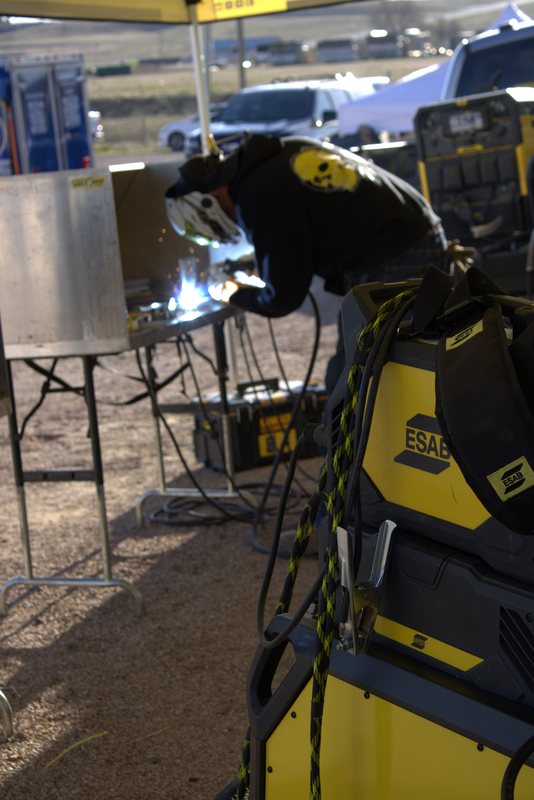
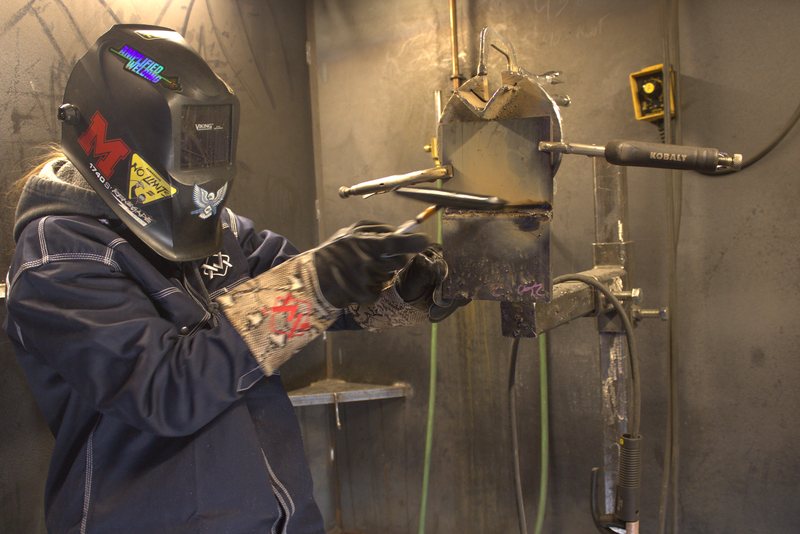
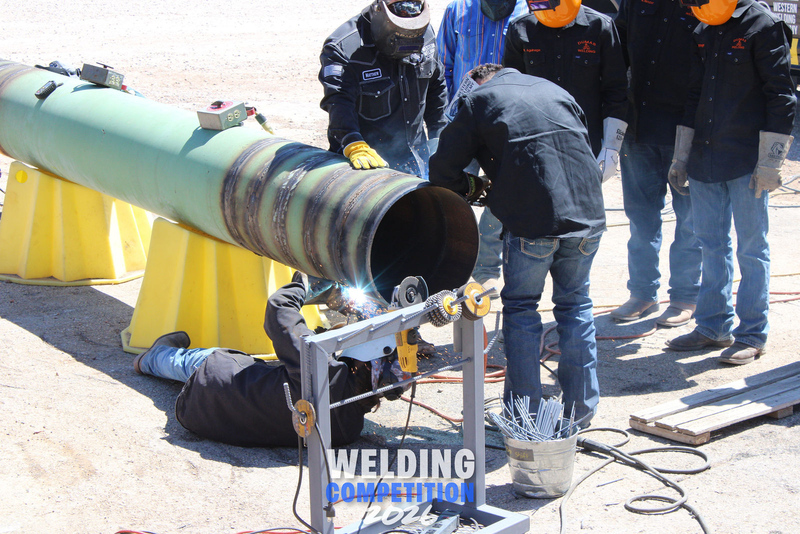
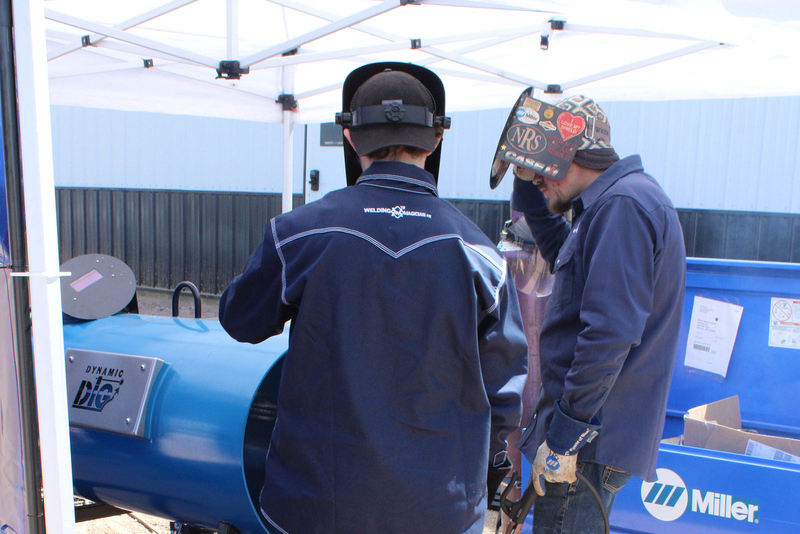
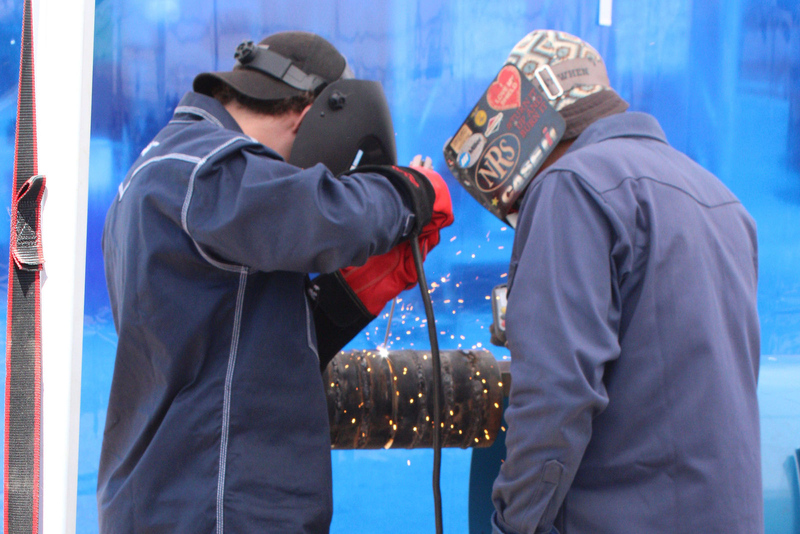
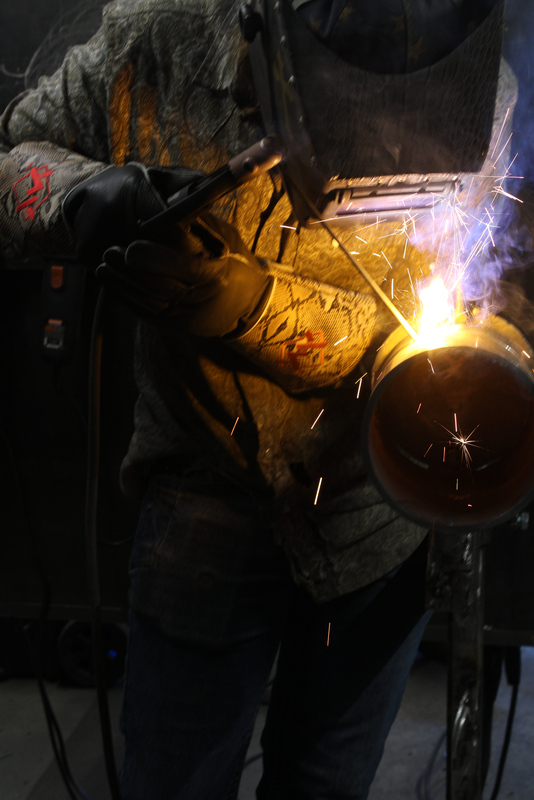
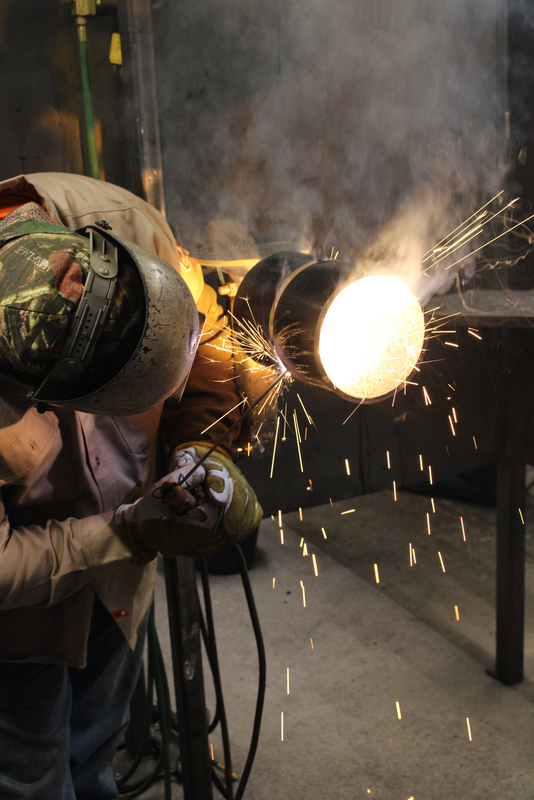
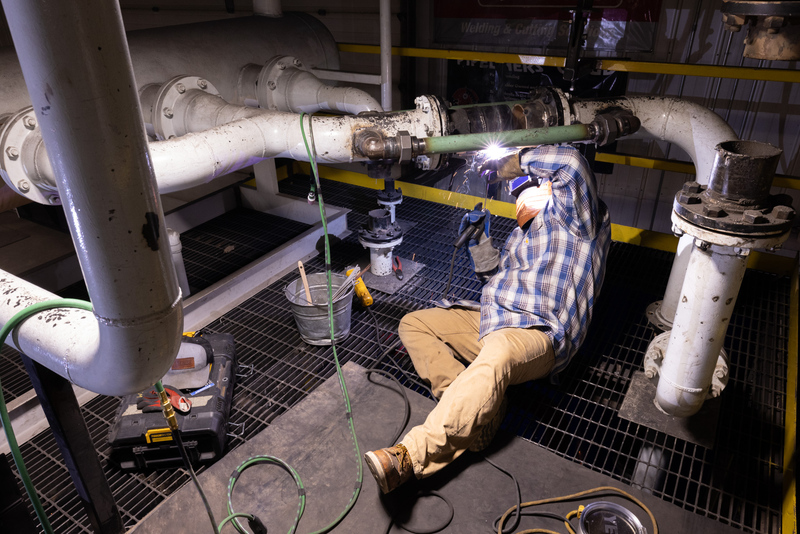
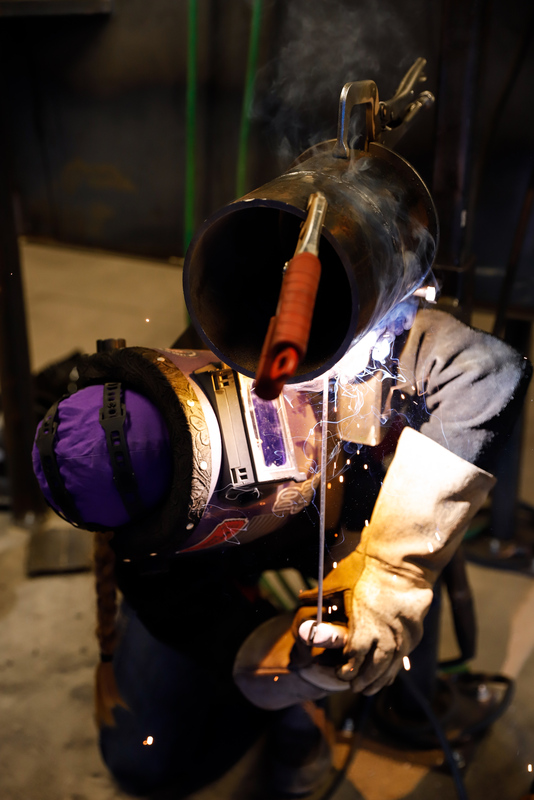
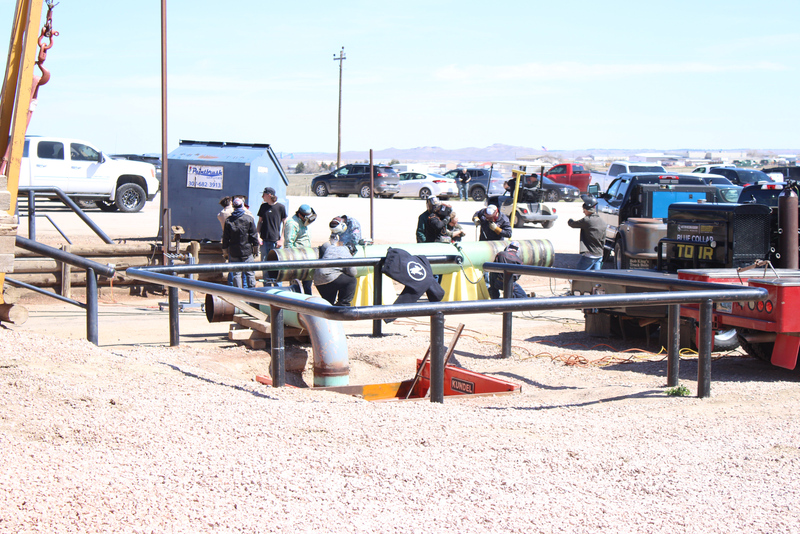
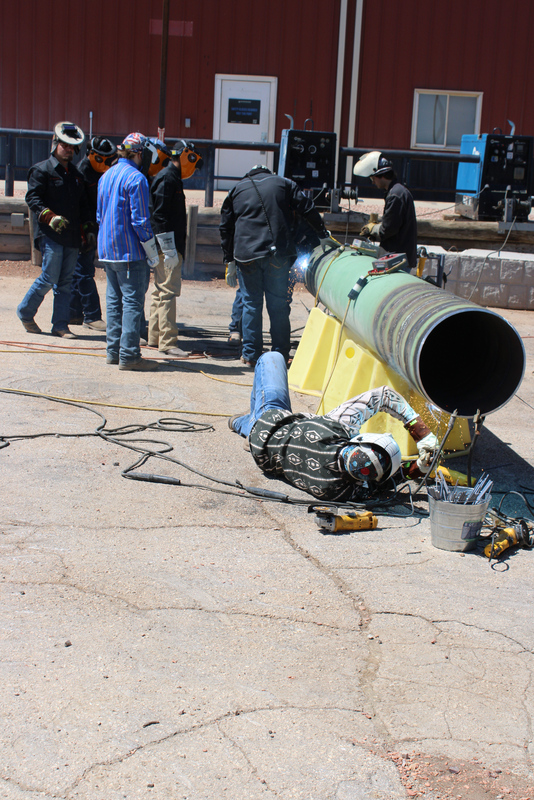
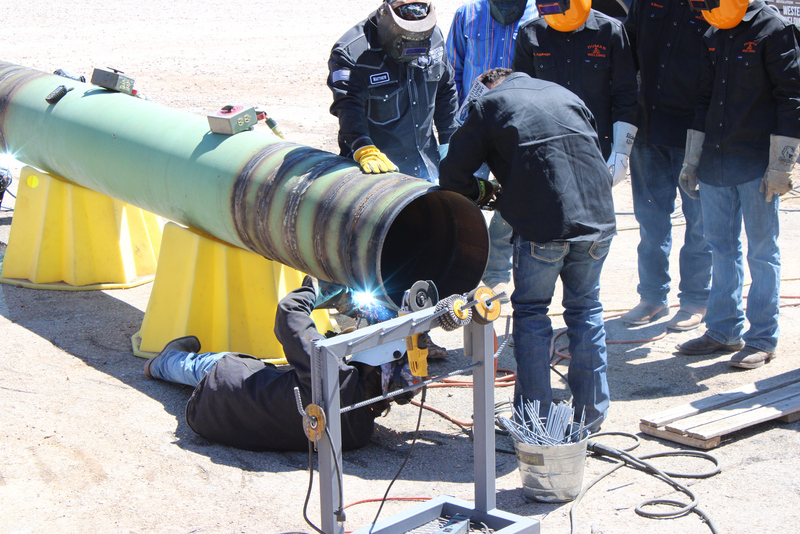
A real pipe welding school day is built around one thing:time on the stinger. Everything else is support work for that. You will spendmost of your week in two processes. SMAW (stick welding) is used for rootpasses and fill passes on most pipeline work. It is the backbone of pipewelding in the field. GTAW (TIG welding) is used for root passes onhigh-pressure pipe and for any job that needs cleaner, more controlled welds.Learn more about SMAWpipe welding courses for certification prep.
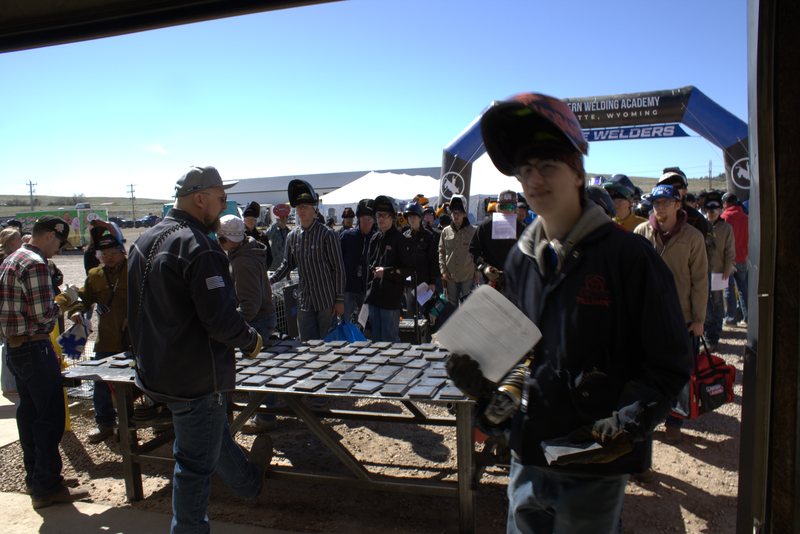
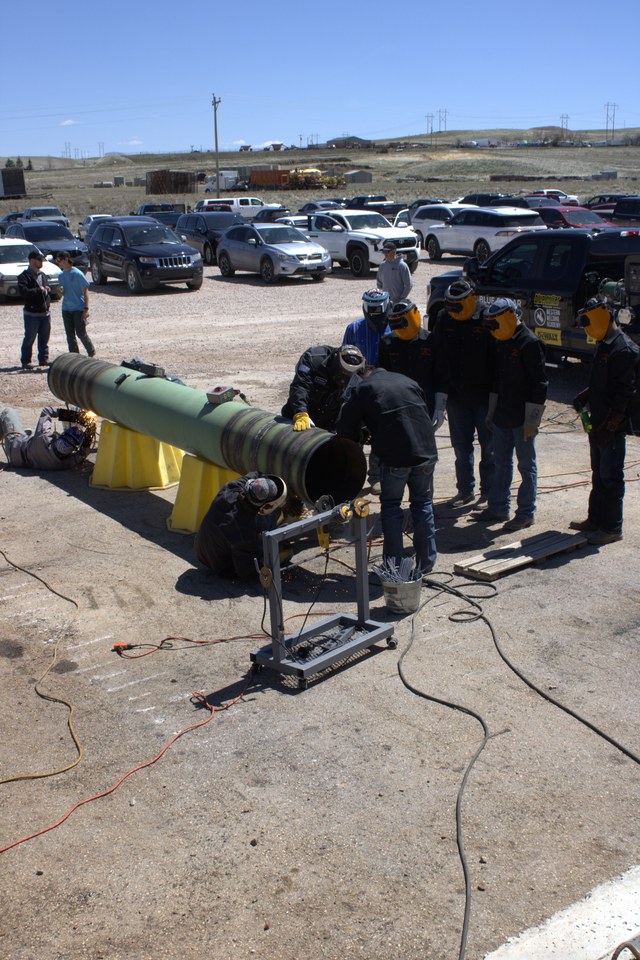
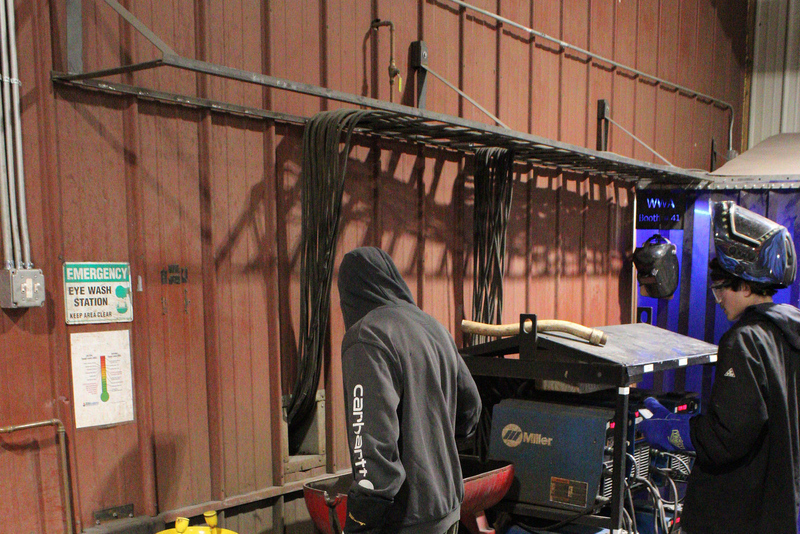
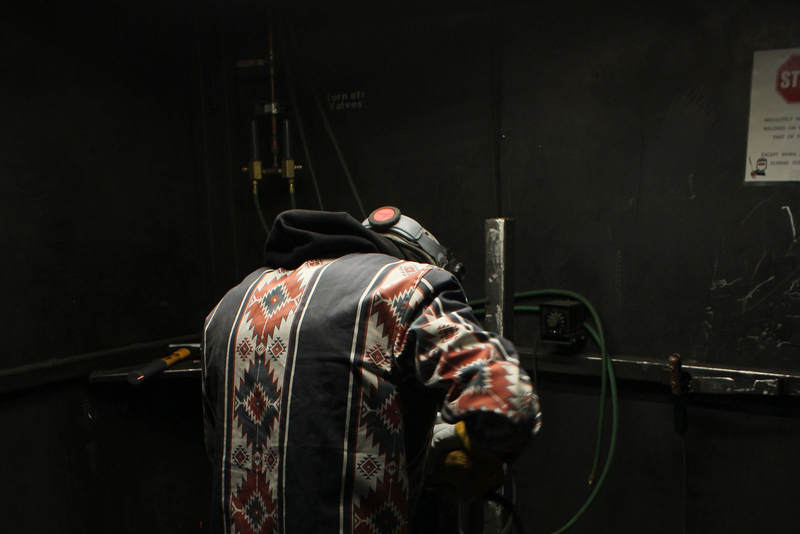
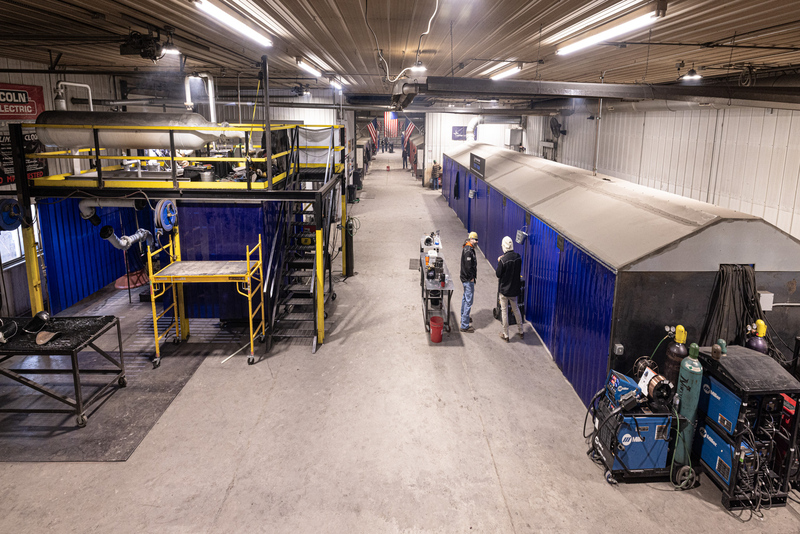
At WesternWelding Academy, students train 40 hours a week with 85% of that time spentin a welding booth. There is no shortcut. You log the hours, your hands learnthe work, and your eyes start to read a puddle without thinking about it. Byweek eight, most students are running a stinger the way a driver works aclutch. The conscious effort goes away. The muscle memory takes over. If aschool is selling you a pipe welding program with three hours of booth time aday, walk away. The skill comes from reps. There is no substitute.
A Typical Week Inside Pipe Welding School
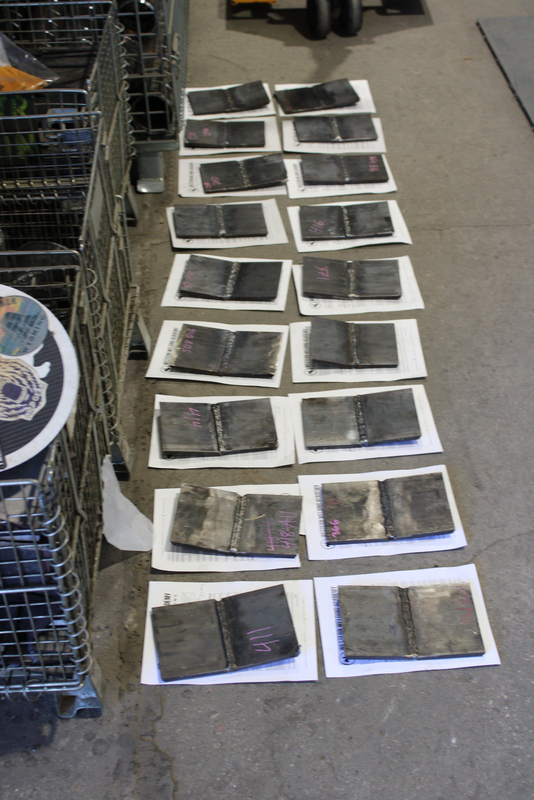
This is the part most prospective students never see untilthey enroll. It is not classroom-heavy. It is booth-heavy. Monday throughFriday runs 7 a.m. to 5 p.m. with 40 hours of total training time. Of those 40hours, 32 or more are spent in the welding booth running SMAW and GTAW on pipe.The remaining 8 hours cover theory, safety, metallurgy, and instructordemonstrations. During test prep weeks, the entire schedule shifts to mock 6Gand API tests under timed conditions. Every Friday includes a weekly evaluationwhere welds are cut, inspected, and graded by the instructors.
The Four Signals That Get Graduates Hired
Pipeline foremen and refinery contractors hire fast and hireoften. They do not have time to interview every applicant. They scan for fourthings and make a call inside ten minutes.
The first signal is certifications. A 6G test pass is theentry ticket for most pipeline jobs. API 1104 opens the door to cross-countrywork. ASME Section IX gets you into refineries and power plants. A welderwithout these is just a welder. A welder with them is a hire. Western Welding Academy isthe #1 AWS Accredited Testing Facility. Students test on campus during theprogram.
The second signal is who vouches for you. This is the onemost graduates underestimate. Pipeline hiring runs on referrals. A foreman whohas hired three good welders out of a specific school will hire the fourth on aname drop. Your instructors and the people you trained next to are part of yournetwork whether you treat them that way or not. Western Welding Academymaintains a 94%hire rate within 90 days because the school's reputation with contractorsis built on 2,000+ graduates working across all 50 states.
The third signal is where you can be on Monday. Pipelinework moves. Refinery turnarounds happen in 14-day windows. If you live inWyoming and the job is in West Virginia, the question is whether you can be onsite Tuesday morning. The graduate who says yes gets the call. The graduate whoneeds two weeks gets passed.
The fourth signal is how you talk on the phone. Mostpipeline foremen are former welders. They size you up in the first 30 seconds.They want to know whether you sound like a hand. Short answers. Direct. Nopadding. You either pass that test or you do not. These four signals worktogether. A graduate with all four lands a job in the first month.
Ready to startlogging booth hours? Call WesternWelding Academy at (307) 284-5313 or apply now to begintraining.
The Graduate Who Took 11 Months and the One Who Took 19 Days
Two graduates finished the same program within a month ofeach other. The first was probably the most technically gifted welder in hiscohort. Quiet. Kept to himself. Did not socialize much. He finished, packed up,drove home to a small town in southern Ohio, and waited for callbacks onresumes he submitted online. The callbacks did not come. He widened his searchafter three months. He took a part-time job at an auto shop. By month nine hewas second-guessing whether welding was a real career. He finally got his firstpipeline gig at month 11, after a former classmate referred him.
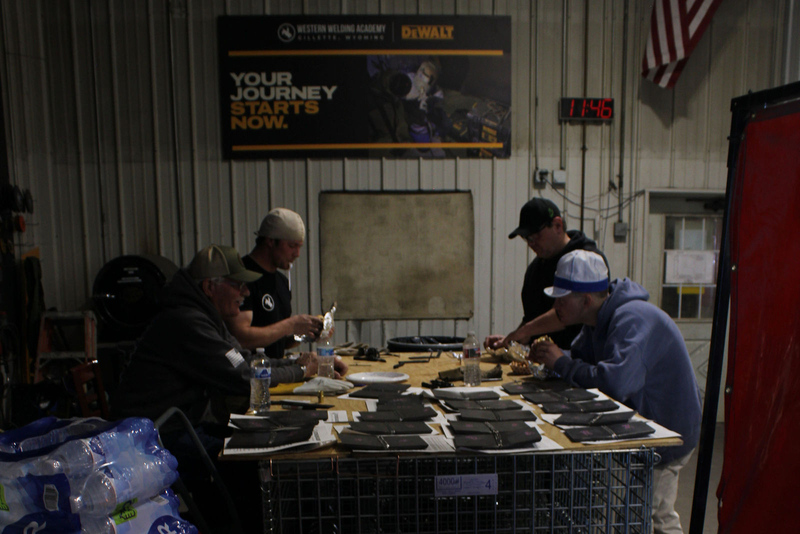
The second graduate was average in the booth. He passed hiscertifications on schedule but never blew anyone away. What he did do is showup to every instructor's lunch break. He asked questions about the contractorsthey used to work for. He took notes. By the time he graduated he had fivenames and three phone numbers from instructors who had explicitly told him tocall. He drove to the first job site nine days after graduation. He startedwelding 19 days later.
The first graduate had better skill. The second graduate hada better strategy. Both are working today. One spent an extra ten monthslearning that lesson the hard way. This pattern repeats every year, in everycohort. The graduates who think hardest about hiring are the ones who gethired.
What Verified Graduates Earn After Training
The booth time pays off. The numbers below come fromverified Western WeldingAcademy graduate records. These are real paychecks from graduates who putin the hours and entered pipeline careers.
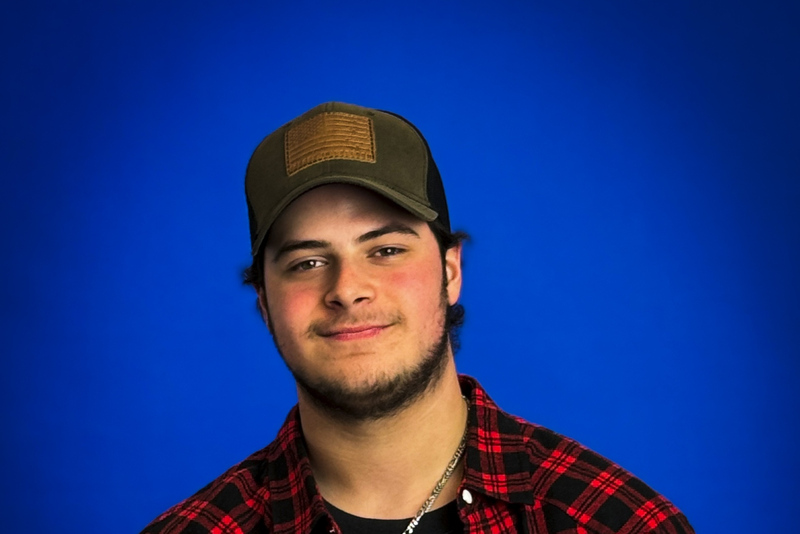
Leyton Wagner earns $4,514 per paycheck as a pipeline welderand Western Welding Academygraduate. Every paycheck traces back to the booth hours he logged during theExpert program. See the full breakdown of whatpipe welders actually earn after graduation.
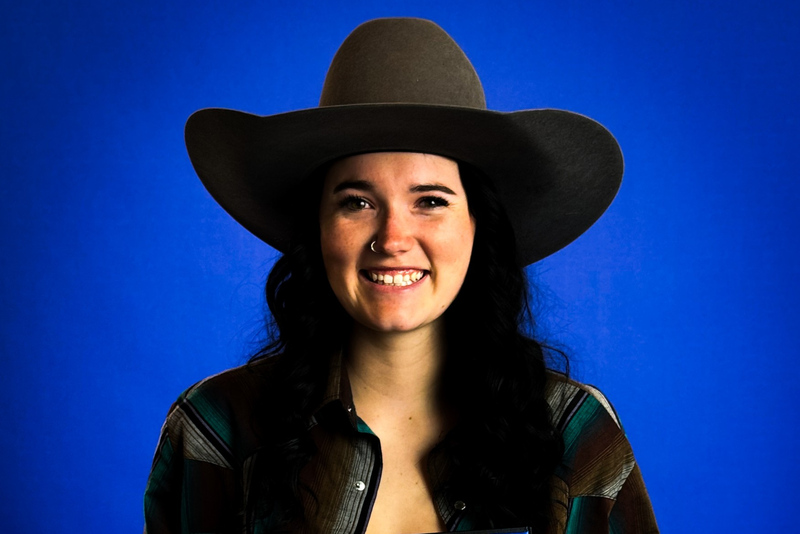
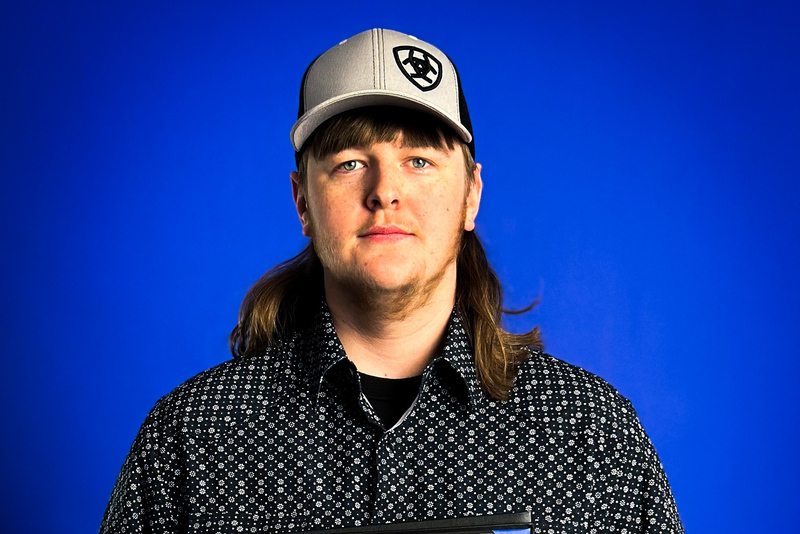
Gavin Walden earns $3,986 per paycheck. David Smolek earns$3,417 per paycheck. Both are Expert program graduates whose verified earningsconfirm that the training produces consistent outcomes in the $3,400 to $4,500per-check range.
Noah clears $2,800 per week on the North Slope in Alaska.Pipeline and remote location premiums push earnings past six figures forgraduates willing to travel.
Hank reached $150,000 per year by age 21. He logged hisbooth hours, earned his certifications, built his four signals, and entered theworkforce ready to go anywhere on Monday. Read his full story about howa 21-year-old welder makes $150,000 a year. For beginnersstarting from zero, this is what the booth time leads to.
What Separates the Best Pipe Welding School From the Rest
WesternWelding Academy was built by working pipe welders for working pipe welders.The instructors carry 330 combined years of pipeline and refinery fieldexperience. They are not classroom educators. They are working or recentlyretired pipeliners who teach from the field. Housing and tools are included inall tuition packages. Programs run 12 to 24 weeks at 85% booth time. The schoolholds the #1 AWS Accredited Testing Facility designation, so students train andtest in the same building with the same instructors. The 94% hire rate across2,000+ graduates is not a marketing line. It is the byproduct of a programbuilt around the four signals from the start.
The booth is wherecareers start. Call WesternWelding Academy at (307) 284-5313 or apply now to startlogging hours.
Frequently Asked Questions
Q1. How long is a pipe welding school day?
A standard day runs from 7 a.m. to 5 p.m., Monday throughFriday. About 85% of that time is spent in the welding booth, which works outto roughly 32+ booth hours and 40 total training hours per week. The remainingtime covers safety, theory, metallurgy, and instructor demonstrations.
Q2. Do certifications guarantee a welding job?
No. Certifications qualify you to compete for jobs, but theydo not close hires on their own. Employers also look at who refers you, whetheryou can travel to the work, and how you handle a phone call. Graduates whotreat the certification as the whole story tend to take longer to get hired.
Q3. How fast do Western Welding Academy graduates gethired?
94% of graduates are hired within 90 days. This is verifiedby a 234-alumni survey conducted in November 2024. Graduates who work all fourhiring signals (certifications, connections, geographic flexibility, and phonepresence) land their first job within 30 to 60 days.
Q4. What welding certifications matter most for pipelinework?
The most common requirements are 6G position certificationin carbon steel, often combined with SMAW root and GTAW hot pass. API 1104 isrequired for most cross-country pipeline jobs. ASME Section IX is required forrefinery and pressure vessel work. Western Welding Academy programs preparestudents for all of these.
Q5. What does tuition include?
All tuition is all-inclusive: housing, tools, materials,PPE, and certification testing at the #1 AWS Accredited Testing Facility. Nohidden fees. No separate housing or equipment charges.
Q6. What makes Western Welding Academy different fromother welding schools?
Western Welding Academy delivers 85% booth time,all-inclusive tuition covering housing, tools, and materials, lifetimeretraining for every graduate, 330 combined years of instructor pipelineexperience, and a 94% hire rate within 90 days verified by a 234-alumni survey.It is the #1 AWS Accredited Testing Facility in the country.
Start Where the Booth Time Is Real
Pipe welding is one of the few skills where you cantrain for under six months and walk into a six-figure career. The booth time atWestern Welding Academy iswhere that career starts: 40 hours a week, 85% hands-on, with instructors whohave run the same jobs you are training to do. Call Western Welding Academy at(307) 284-5313 or applynow to start your career in the welding booth.

.jpg)
.jpg)


.jpg)
.jpg)
.jpg)
.jpg)
.jpg)
-thumbnail.jpg)

.jpg)