Why a Pipe Welding School Beats a Four-Year College Path
Pipe Welding School vs. College: The Bottom Line
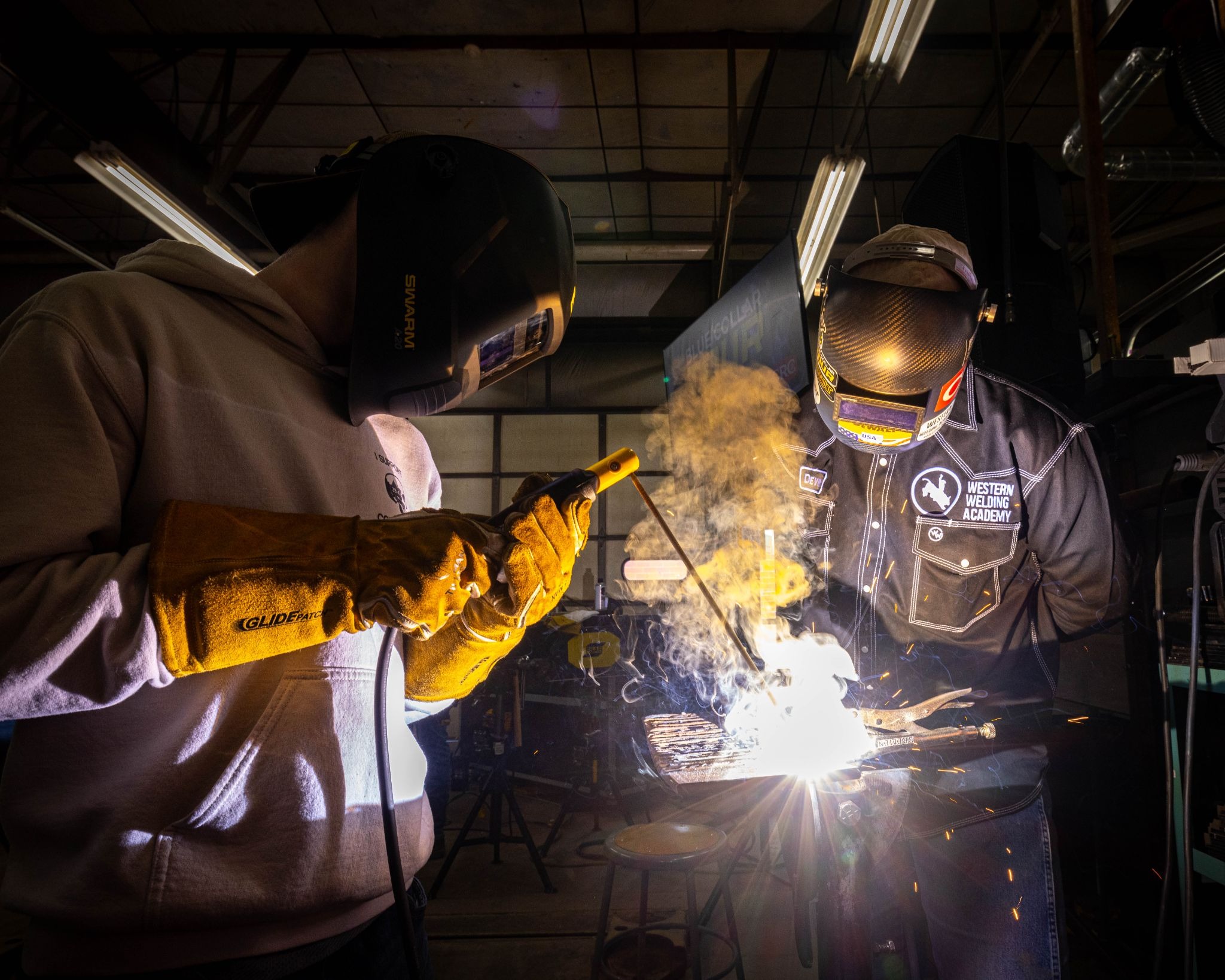
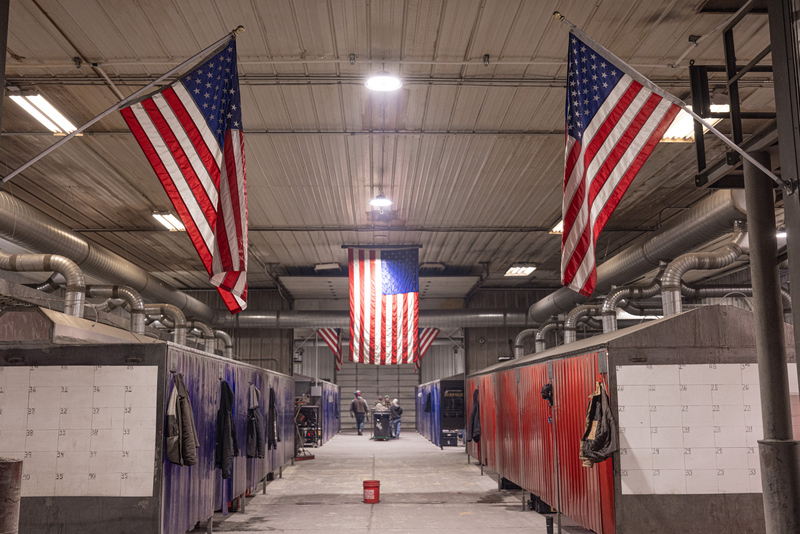
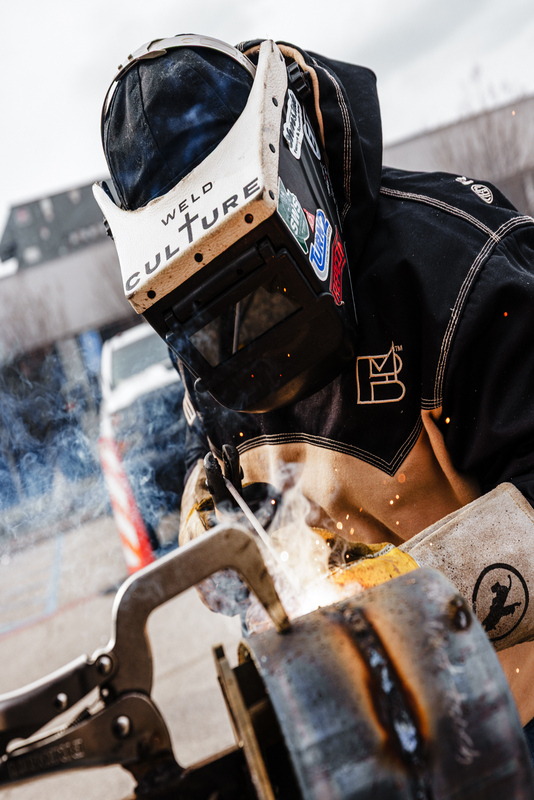
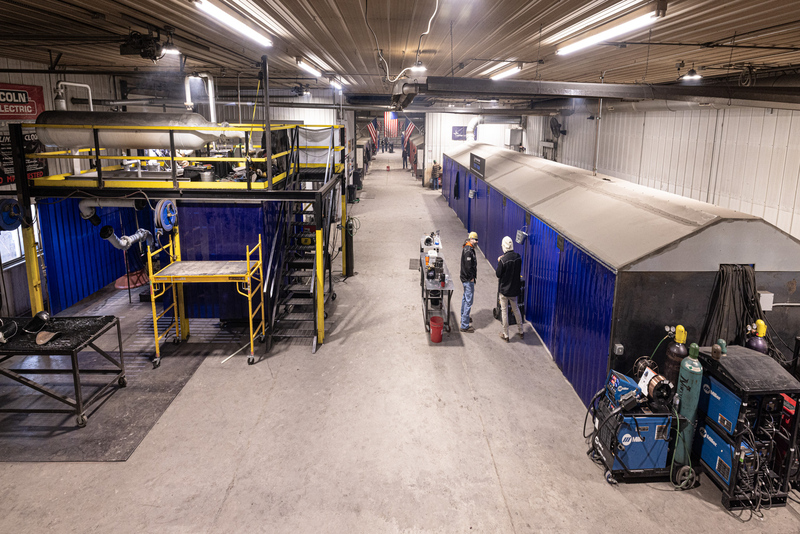
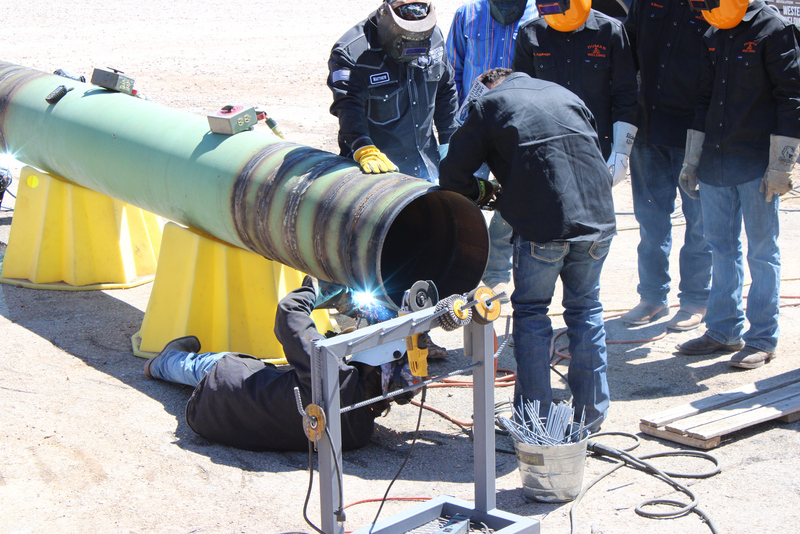
A pipe welding school beats a four-year college path on time, cost, and earnings. At Western Welding Academy, students complete training in 12 to 24 weeks instead of four years. Graduates earn a median starting salary of $60,000, with top performers clearing $125,000 or more per year. The tuition payback period is five to seven months, compared to the 20-year average repayment timeline for a bachelor's degree. Western Welding Academy maintains a 94% hire rate within 90 days of graduation, and 85% of training time is spent in the welding booth, not a classroom. Every program includes housing, tools, and materials in the tuition cost.
The Four Signals Pipeline Employers Actually Read
Hiring managers at pipeline contractors and oil and gascompanies are not reading resumes the way a corporate recruiter reads them.They are not looking for keywords or career objectives. They are looking forfour signals, and they spot them in the first five minutes of a conversation.
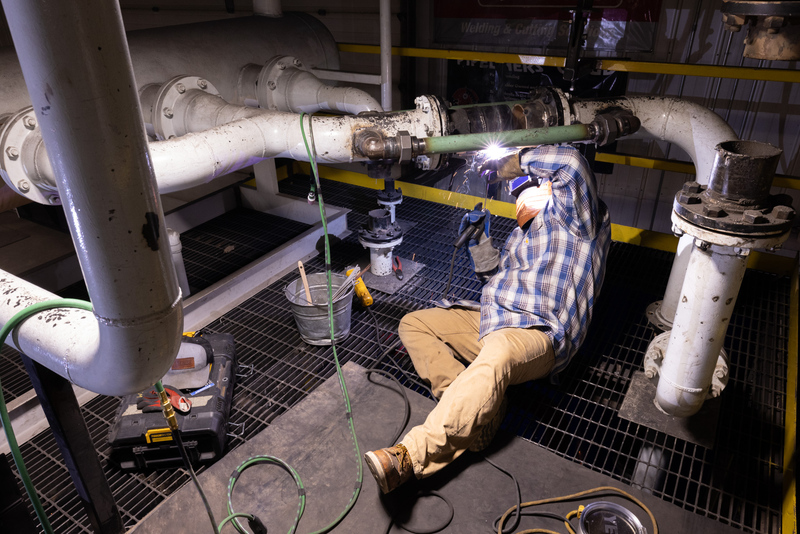
The first signal is certifications. Specifically the onesthat matter for the work they do. A 6G test pass is the entry ticket for mostpipeline jobs. An API 1104 cert opens the door to cross-country work. ASMESection IX gets you into refineries and power plants. A welder without these isjust a welder. A welder with them is a hire. See what a$4,514 paycheck proves about certification pay.
The second signal is industry connections. This is the onenobody talks about until they are unemployed. Most pipeline jobs are not postedpublicly. They move through word of mouth, through the network of foremen,project managers, and superintendents who have been working together fordecades. A graduate who came out of a school those people respect already has ahead start. A graduate from a school nobody in the industry has heard of startsfrom zero.
The third signal is geographic flexibility. Pipeline workhappens where the pipelines are. That means Wyoming, North Dakota, Texas,Oklahoma, Pennsylvania, and sometimes farther. A welder who refuses to leavetheir hometown is going to wait a long time for the right job. A welder who canthrow a tool bag in a truck and go where the work is moves up fast.
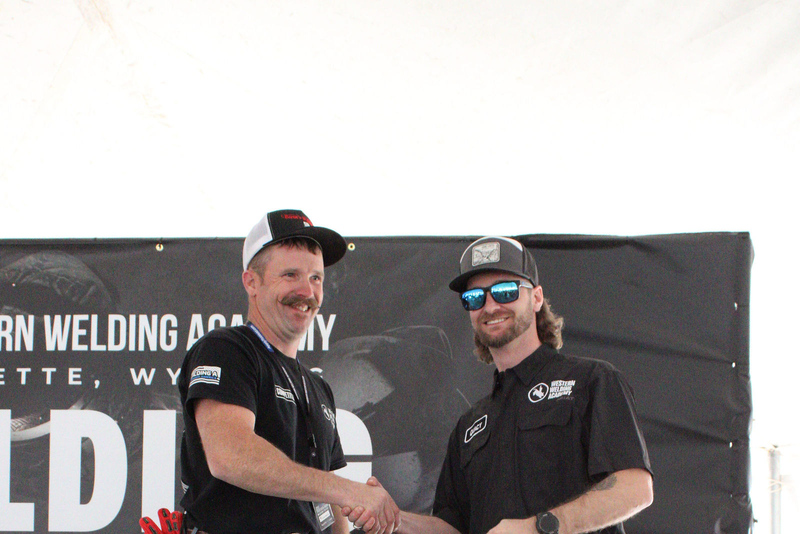
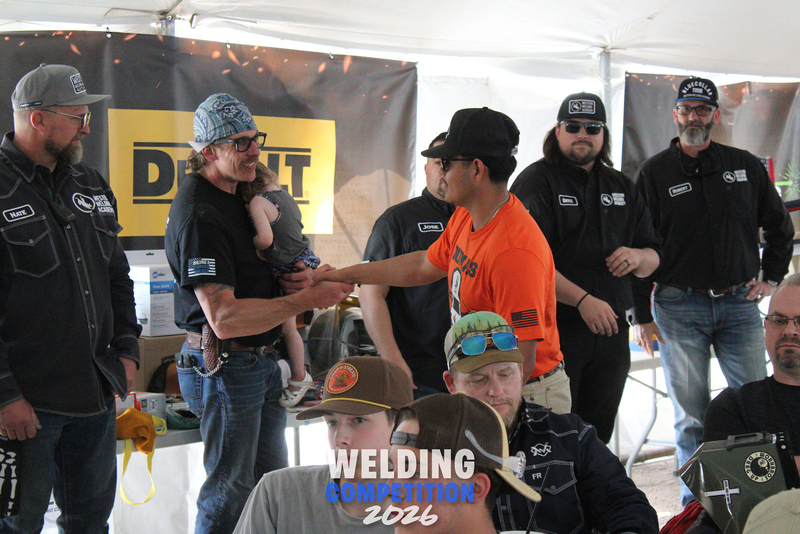
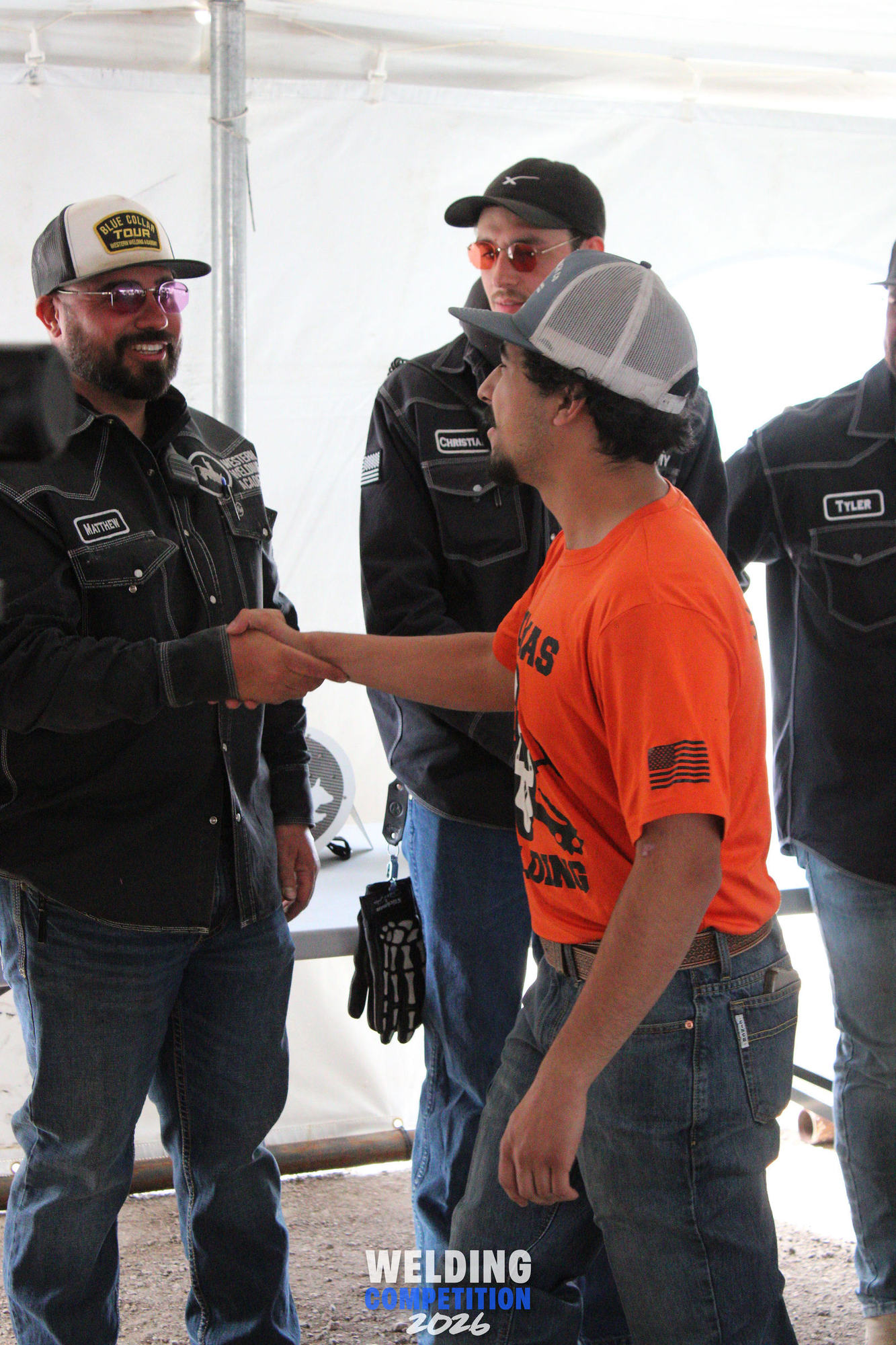
The fourth signal is how a graduate presents themselves. Notin a polished corporate way. Just plainly, with confidence. A foreman can tellwithin two minutes of meeting someone whether they can hold their own on acrew. Eye contact, handshake, ability to talk about a weld without rambling,willingness to start at the bottom and prove out. Schools that drill this intostudents alongside the technical work produce different graduates than schoolsthat do not.
Ready to build allfour signals? Call WesternWelding Academy at (307) 284-5313 or apply now to start in12 to 24 weeks.
A Story From the Field
Two students finished the same 24-week program in the samecohort. Same instructors, same booth time, same final week. The first studentwas sharper technically. His welds were cleaner. His 6G test was one of thebest the instructors had seen that year. He went home to a small town in theMidwest, expecting work to come to him because of how good he was. Four monthslater, he was still mowing lawns to pay rent.
The second student was average. His welds were solid but notflashy. He passed 6G on his second try. What he did differently was simple. Hekept in touch with the school's job placement coordinator every week. He toldhis instructors he would work anywhere in the country. When a Wyomingcontractor called the school looking for two welders to start the followingMonday, his name came up first because he had been visible and ready.
He had a job within 11 days of graduating. He was earningover six figures within his first year. The other student eventually foundwork, but he lost almost half a year of income because he did not understandhow to get hired as a welder. The skill was there. The strategy was not. Thispattern repeats every year, in every cohort. The graduates who think hardestabout hiring are the ones who get hired.
What Verified Graduates Are Earning
The numbers below come from verified Western Welding Academygraduate records. These are real paychecks from graduates who built all foursignals and entered pipeline careers.
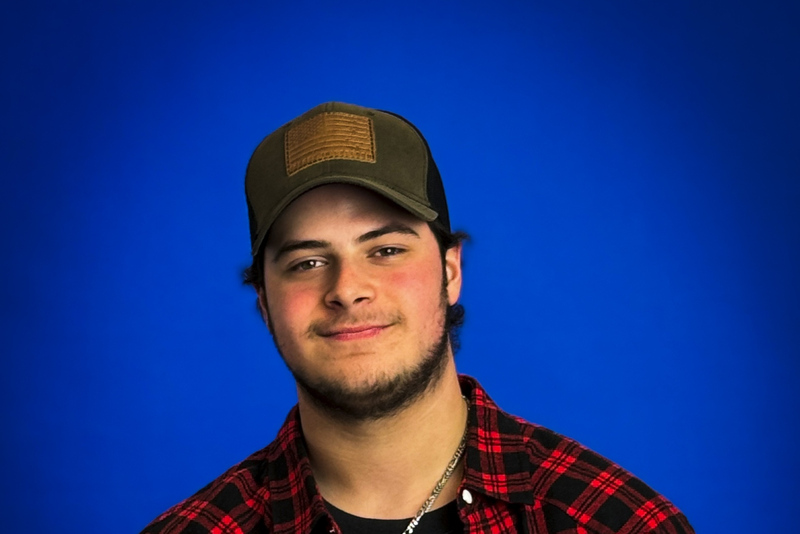
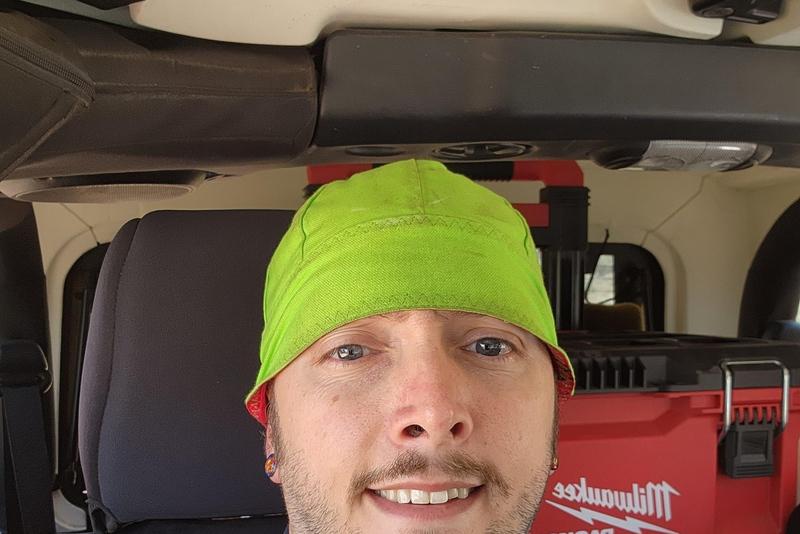
Leyton Wagner earns $4,514 per paycheck as a pipeline welderand Western Welding Academygraduate. At his earning rate, the $35,800 Expert program tuition pays back inabout 4 months. Meanwhile, the average college graduate starts at $55,000 with$100,000+ in debt and a 20-year repayment timeline.
Gavin Walden earns $3,986 per paycheck. His verifiedearnings confirm the $3,500 to $4,500 per-check range is consistent for pipewelding graduates. See the full breakdown of whatpipe welders actually earn after graduation.
David Smolek earns $3,417 per paycheck. Even at the lowerend of the verified range, his biweekly earnings translate to roughly $88,000per year. That is $33,000 more than the average college graduate starts at,with a fraction of the debt.
Noah clears $2,800 per week welding on the North Slope inAlaska. Pipeline and remote location premiums push earnings past six figuresfor graduates willing to travel.
Hank reached $150,000 per year by age 21. While his formerclassmates were starting sophomore year and taking on more student loans, hewas already clearing six figures. Read his full story about howa 21-year-old welder makes $150,000 a year. For beginnersstarting from zero or adults making a careerchange to welding, the math on pipe welding school versus college is notclose.
How to Evaluate a Welding School Before Enrolling
Before you enroll anywhere, look hard at the school's hiringoutcomes. Not their marketing copy. Their actual numbers. Ask what percentageof graduates are hired within 60 to 90 days. Ask which companies hire from theschool year after year. Ask what certifications graduates leave with and whichones are tested for during the program. Ask whether the school has a jobplacement coordinator who actively connects students to employers. Ask whatrecent graduates say about the help they got after finishing.
WesternWelding Academy answers all of those questions with verified data. 94% hirerate within 90 days from a 234-alumni survey. Named employers including SpaceX,Steam 88, Boilermakers Local, and Pipefitters unions. API 1104 and AWS D1.1certification testing on campus at the #1 AWS Accredited Testing Facility.Active job placement support during the final weeks of training. And verifiedgraduate paychecks published on the school's website. A school that cannotanswer those questions clearly is a school that is going to leave you to figureout the hiring side on your own.
Choose the paththat pays. Call WesternWelding Academy at (307) 284-5313 or apply now to startearning in weeks, not years.
Frequently Asked Questions
Q1. Is welding school better than college for income?
For pipe welding, yes. Expert Pipe Welder graduates earn$60,000 to $125,000 starting. The average college graduate earns $55,000 with$100,000+ in debt. Pipe welding graduates pay back tuition in 5 to 7 months.College graduates carry debt for 20 years on average.
Q2. How long does pipe welding school take compared tocollege?
The Foundational program takes 12 weeks. The Expert takes 24weeks. A four-year college degree takes four years minimum. The time differencemeans pipe welding graduates start earning 3 to 4 years before collegegraduates do.
Q3. Do pipe welders make more than college graduates?
Top pipe welders earn $125,000 or more per year. Hankreached $150,000 by age 21. The average college graduate starts at $55,000. Thepipe welding earning ceiling is higher than most four-year degrees outside ofmedicine, law, or engineering.
Q4. What certifications do pipe welding graduates earn?
API 1104 for pipeline work, AWS D1.1 for structural work,and ASME Section IX for refinery and pressure vessel work. Western WeldingAcademy is the #1 AWS Accredited Testing Facility. Students test on campusduring the program.
Q5. How do pipe welders get hired?
Through four signals: certifications, industry connections,geographic flexibility, and professional presentation. 94% of Western WeldingAcademy graduates are hired within 90 days through the school's employernetwork and active job placement support.
Q6. What makes Western Welding Academy different fromother welding schools?
Western Welding Academy delivers 85% booth time,all-inclusive tuition covering housing, tools, and materials, lifetimeretraining for every graduate, 330 combined years of instructor pipelineexperience, and a 94% hire rate within 90 days verified by a 234-alumni survey.It is the #1 AWS Accredited Testing Facility in the country.
Choose the Path That Leads to a Paycheck, Not a Payment Plan
College is the right path for some people. It is thewrong path for many more than the system admits. For people who like workingwith their hands, who do not want six figures of debt, and who want to startearning serious money in their early twenties, pipe welding is one of thecleanest answers available. WesternWelding Academy produces graduates who earn $60,000 to $125,000+ withverified paycheck data, 94% placement, and zero student debt. Call Western Welding Academy at(307) 284-5313 or applynow to start the conversation.

.jpg)


.jpg)


.jpg)
.jpg)
.jpg)
.jpg)
.jpg)
-thumbnail.jpg)

.jpg)