When to Begin Pipeline Welder Training for the Best Pay
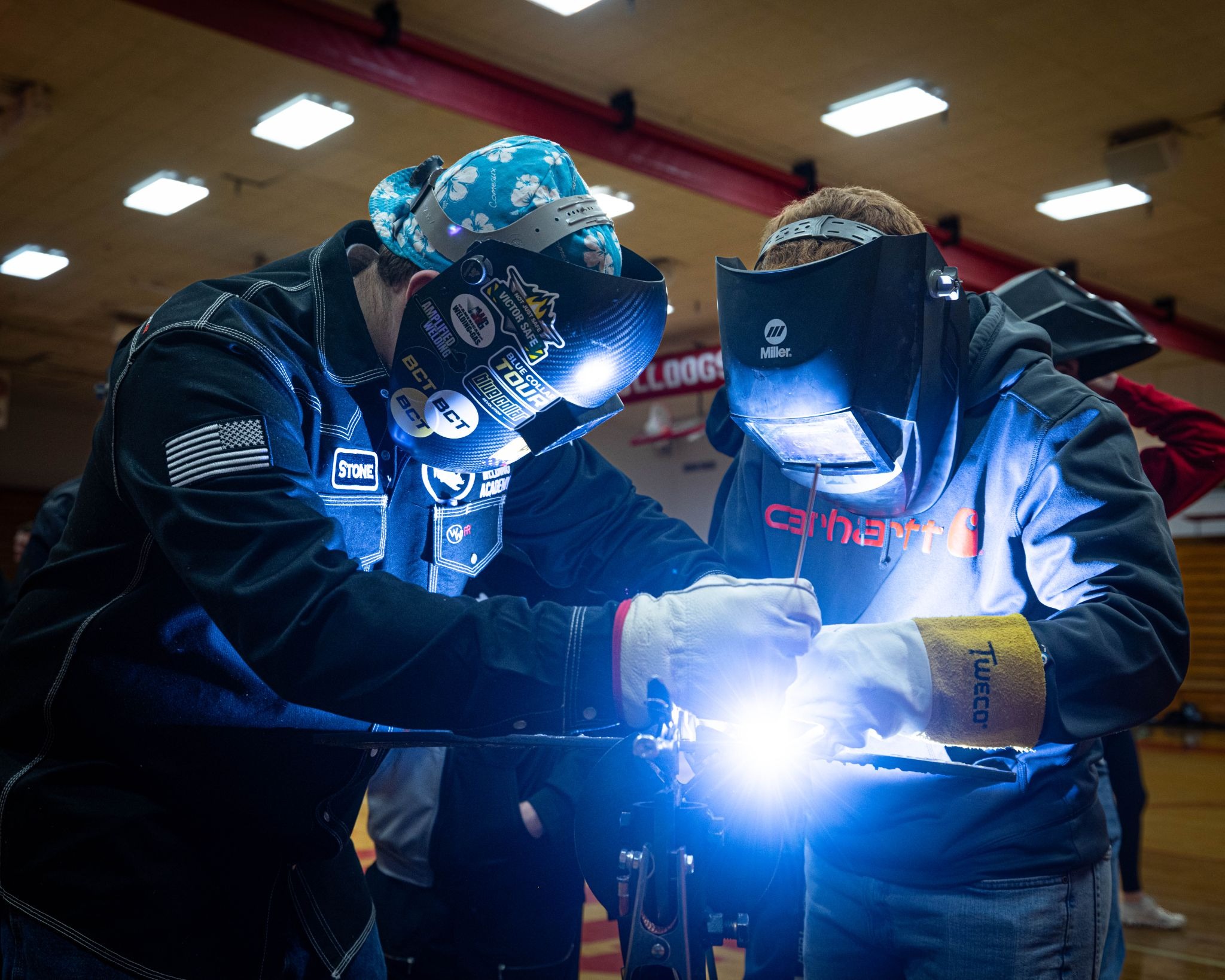
There is a moment most graduates do not see coming. They finish the program, pass the test, hold the certification in their hands, and assume the hard part is over. Then they start sending applications, and the phone stays quiet. A week passes. Two weeks. The diploma turns out to be only half the job.
Timing matters more than people think. Not just the timing of when you enroll, but the timing of every move you make from the day you sign up to the day you cash your first pipeline check. Pipeline welder training is the foundation. What you do around it decides whether you walk into a $70,000 job or sit at home with a certification and no offers.
After watching hundreds of graduates move through this transition, a few patterns become hard to ignore.
The Real Cost of Waiting
Every month you spend thinking about pipeline traininginstead of doing it is a month of pipeline income you are not collecting. AtExpert Pipe Welder graduate earnings of $60,000 to $125,000 per year, eachmonth of delay costs $5,000 to $10,000 in lost income. A six-month delay costs$30,000 to $62,000. A twelve-month delay costs $60,000 to $125,000. A two-yeardelay costs $120,000 to $250,000.
The math works in reverse too. A welder who starts now andcompletes the ExpertPipe Welder program in 24 weeks could be earning pipeline pay within 9months total. Over five years, that is $300,000 to $625,000 in cumulativeearnings. A welder who waits 12 months to start reaches the same five-year markwith $60,000 to $125,000 less in the bank. The training itself is 12 to 24weeks. The cost of not training is measured in years of income.
The Four Signals Pipeline Employers Use to Hire
Pipeline contractors do not hire based on diplomas. Theyhire based on four signals. The first is certifications, but the right ones. A6G stick certification on carbon pipe will get you in the door at most pipelinejobs. API 1104 opens cross-country work. ASME Section IX opens refineries andpower plants. The test that matters is the one the contractor uses on day one,not the one your school happens to offer.
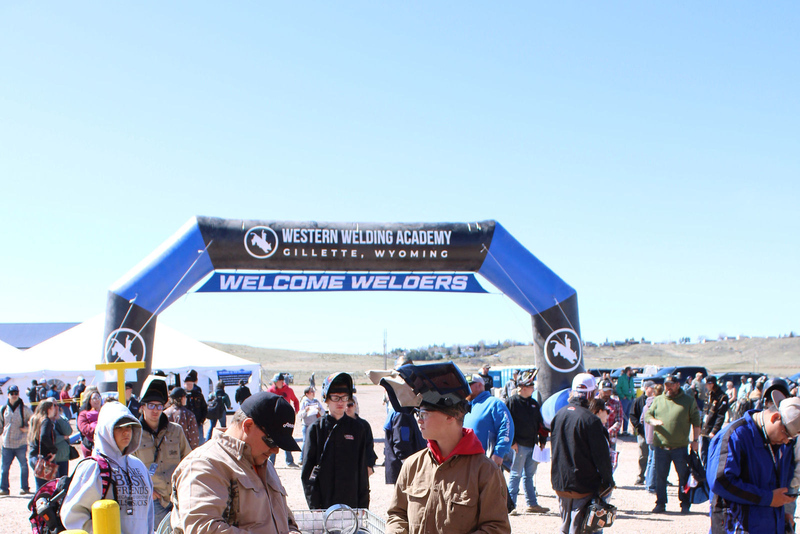
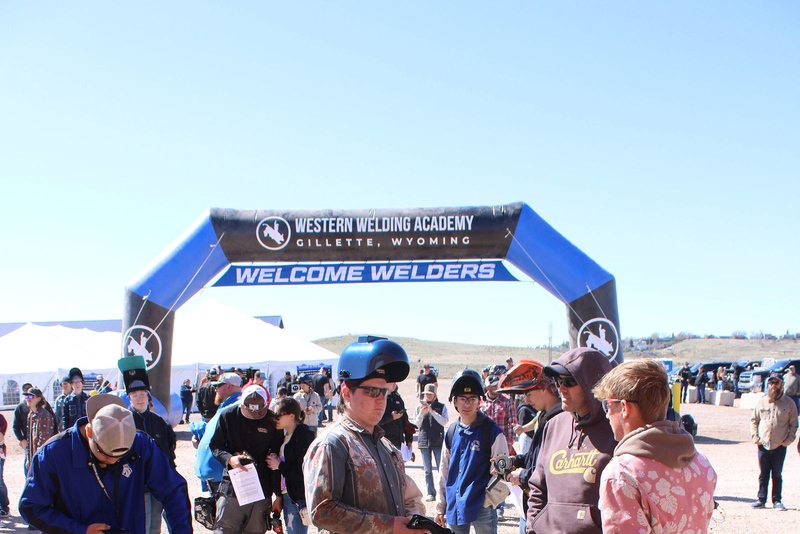
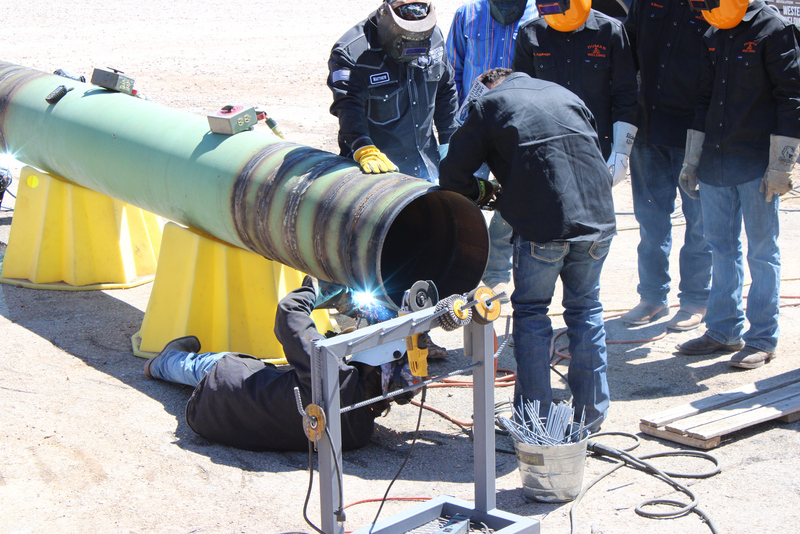
The second is relationships. Welding is a small industry.Foremen call other foremen. Recruiters keep lists of people they have heardabout. A graduate who has connected with pipeline supervisors during traininghas a different shot than one who only fills out online applications. This isthe part nobody teaches in a classroom, but it is built into training atWestern Welding Academy through direct contractor connections during theprogram.
The third is geographic flexibility. The welder who saysthey will only work within an hour of home is competing for a tiny slice of themarket. The welder who says they will go where the work is opens up the wholecountry. Pipeline jobs move. Crews follow the project. The graduates who gethired fast tend to be the ones who packed a bag before the offer came in.
The fourth is how you present yourself on the phone and inperson. Most pipeline foremen are former welders. They size you up in the first30 seconds. Short answers. Direct. No padding. The way you carry yourself inthose five minutes matters more than your transcript. Western Welding Academyinstructors drill this into students alongside the technical work because theyknow what foremen are looking for.
Stop waiting andstart building all four signals. Call Western Welding Academy at(307) 284-5313 or applynow to begin pipeline training.
Two Graduates, Two Different Timelines
Two graduates finished the same program in the same week.The first was technically excellent. Clean welds, fast on the grinder, passedhis 6G on the first attempt. He went home to a small town in the Midwest,posted his certifications on job boards, and waited. He had no contacts in thepipeline industry. He was unwilling to travel more than an hour for a job. Sixmonths later, he was still working at his old warehouse job, occasionallychecking job boards on his lunch break.
The second was average on a good day. His welds passed butwere not pretty. He took two attempts to clear his 6G. What he did have was awillingness to drive anywhere, a phone full of numbers he collected frominstructors and visiting contractors, and the habit of calling foremen directlyinstead of waiting for an email back. He had a job three weeks aftergraduation. Within a year, he was making $85,000.
Same school. Same certifications. Completely differentoutcomes. The first graduate waited for the perfect opportunity. The secondgraduate created one. The timing of when you start matters, but the timing ofhow you operate after graduation matters just as much.
What Verified Graduates Earn When They Stop Waiting
The numbers below come from verified Western Welding Academygraduate records. Every paycheck below represents a graduate who stoppedwaiting and started training.
Leyton Wagner earns $4,514 per paycheck as a pipeline welderand Western Welding Academygraduate. Every month he waited before enrolling would have cost him roughly$9,000 in pipeline income he was not earning. See the full breakdown of whatpipe welders actually earn after graduation.
Gavin Walden earns $3,986 per paycheck. David Smolek earns$3,417 per paycheck. Both are Expert program graduates whose verified earningsconfirm that the $3,400 to $4,500 per-check range is the payoff for graduateswho started when they were ready instead of when conditions were perfect.
Noah clears $2,800 per week on the North Slope in Alaska.Pipeline and remote location premiums push earnings past six figures forgraduates willing to travel.
Hank reached $150,000 per year by age 21. He did not waitfor the right time. He enrolled, trained, and entered the workforce while hispeers were still in college. Read his full story about howa 21-year-old welder makes $150,000 a year. For beginnersstarting from zero or adults making a careerchange to welding, the timing question has the same answer: now.
How Western Welding Academy Eliminates the Timing Excuse
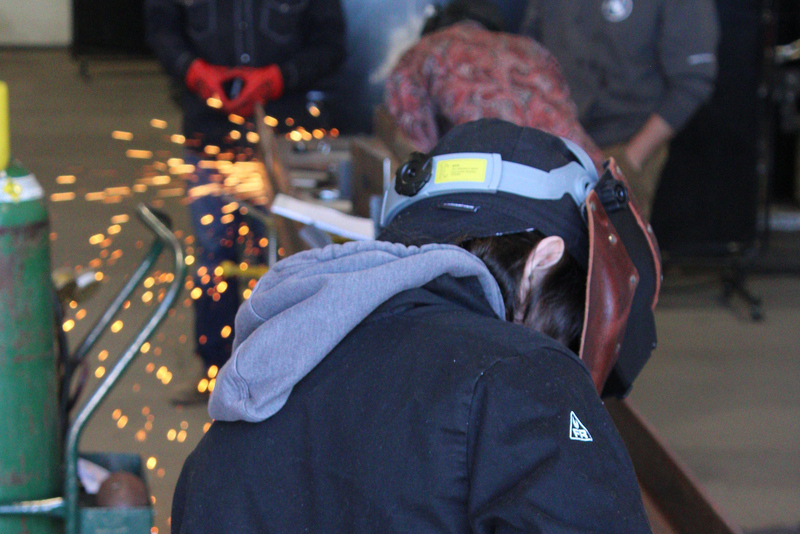
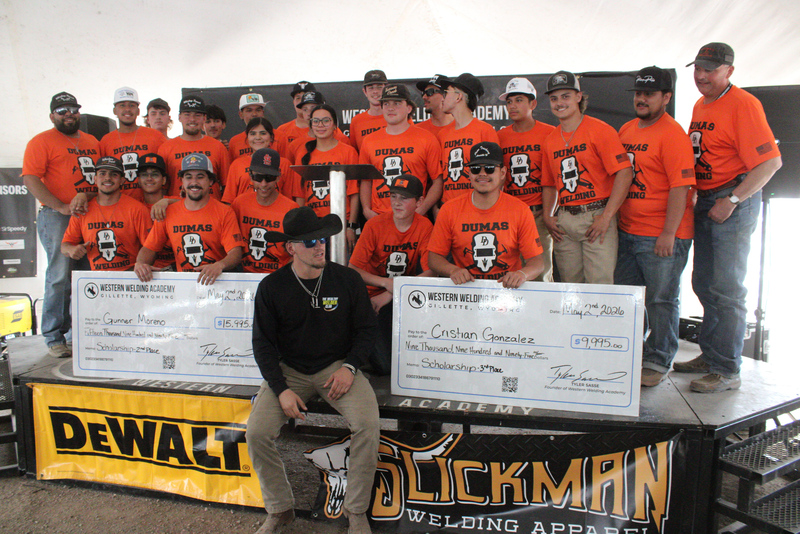
WesternWelding Academy was built around the reality that timing and placement arenot separate from training. Tyler Sasse, who founded Western Welding Academy in2019 after 20+ years in pipeline welding, structured the curriculum so that jobplacement is built into the months you spend on campus, not a separate eventafter graduation. The school connects students directly to hiring contractorsduring the program.
The FoundationalPipe Welder runs 12 weeks at $17,050. The ExpertPipe Welder runs 24 weeks at $35,800. All tuition is all-inclusive withhousing, tools, materials, and PPE. The 94% hire rate within 90 days (verifiedby a 234-alumni survey, November 2024) reflects a program designed to eliminatethe gap between graduation and employment. The instructors bring 330 combinedyears of field experience. They are the bridge between training and the firstpaycheck.
The best time tostart was yesterday. The second best time is now. Call Western Welding Academy at(307) 284-5313 or applynow to stop waiting.
Frequently Asked Questions
Q1. When is the best time to start pipeline weldertraining?
Now. There is no perfect month or season. Every month ofdelay costs $5,000 to $10,000 in pipeline income not earned. The best pay comesfrom starting when you are ready to commit, not from waiting for idealconditions.
Q2. How long does it take to start earning afterenrolling?
The total timeline from enrollment to first paycheck istypically 6 to 9 months: 12 to 24 weeks of training plus 90 days for jobplacement. 94% of graduates are hired within 90 days of completing theirprogram.
Q3. Do I need experience before starting pipelinetraining?
No. All programs accept complete beginners. The minimumenrollment age is 17.5 with no upper age limit. No prior welding experience isrequired. No high school diploma is needed at enrollment.
Q4. How much do pipeline welders earn?
Expert Pipe Welder graduates earn $60,000 to $125,000 peryear. Verified paychecks range from $3,417 to $4,514 per paycheck. Hank reached$150,000 per year by age 21. Starting pay depends on the program,certifications, and willingness to travel.
Q5. What if I cannot afford to stop working duringtraining?
Financial aid options including Ascent Financing, ClimbCredit, and scholarships are available. All tuition is all-inclusive withhousing, tools, and materials. Graduates typically pay back tuition in 5 to 7months of pipeline work.
Q6. What makes Western Welding Academy different fromother welding schools?
Western Welding Academy delivers 85% booth time,all-inclusive tuition covering housing, tools, and materials, lifetimeretraining for every graduate, 330 combined years of instructor pipelineexperience, and a 94% hire rate within 90 days verified by a 234-alumni survey.It is the #1 AWS Accredited Testing Facility in the country.
Stop Telling Yourself You Will Start When Things Settle Down
Things rarely settle down on their own. They settle once youmake a move. A pipe welder career rewards the people who start when they areready, not when conditions are perfect. Western Welding Academyproduces graduates earning $60,000 to $125,000+ with 94% placement within 90days. Call Western WeldingAcademy at (307) 284-5313 or apply now to talkthrough the right program and start date for where you are right now.


.jpg)


.jpg)


.jpg)
.jpg)
.jpg)
.jpg)
.jpg)
-thumbnail.jpg)

.jpg)