What a Pipe Welding School Actually Teaches You in 2026
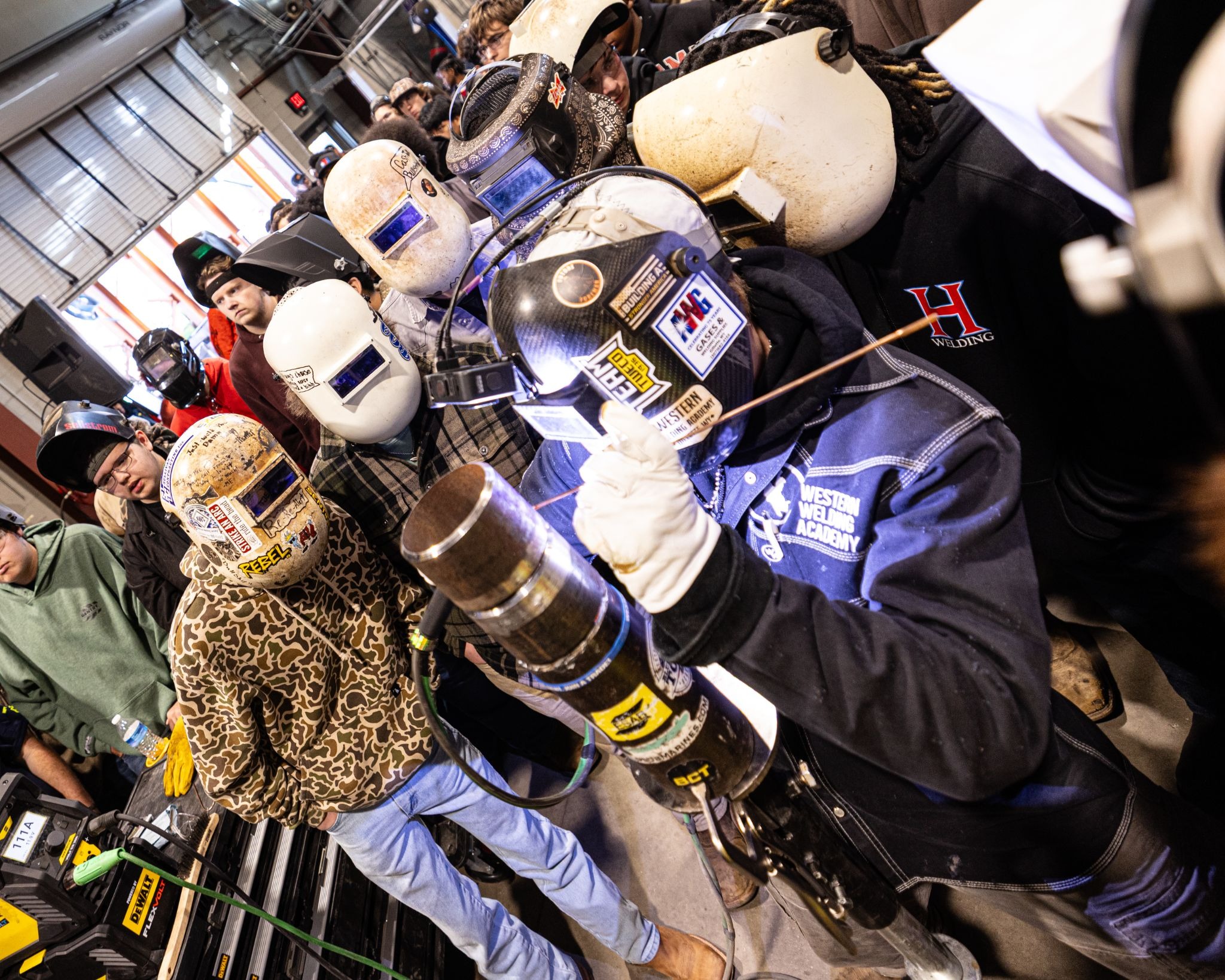
Most people walk into a pipe welding school thinking they will learn how to weld. They walk out realizing they learned something different. They learned how to weld pipe the way employers in oil, gas, and pipeline need it welded. That is a much smaller skill set than welding in general, and it is also the one that pays.
There is a reason a 12-week program can turn a beginner into a hireable welder. The training is narrow on purpose. You are not learning every process under the sun. You are learning the exact ones pipeline contractors test for on day one of a job.
Here is what a serious pipe welding school actually covers, and what most people get wrong about it.
The Core Welding Processes You Will Learn
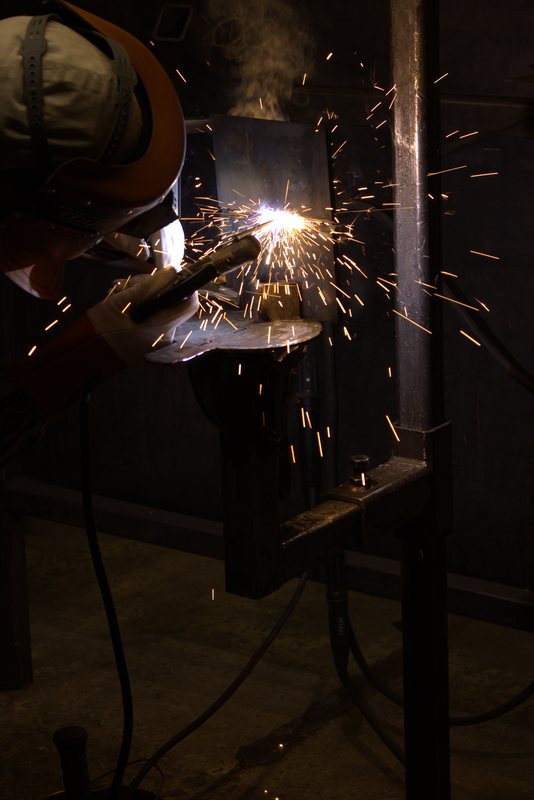
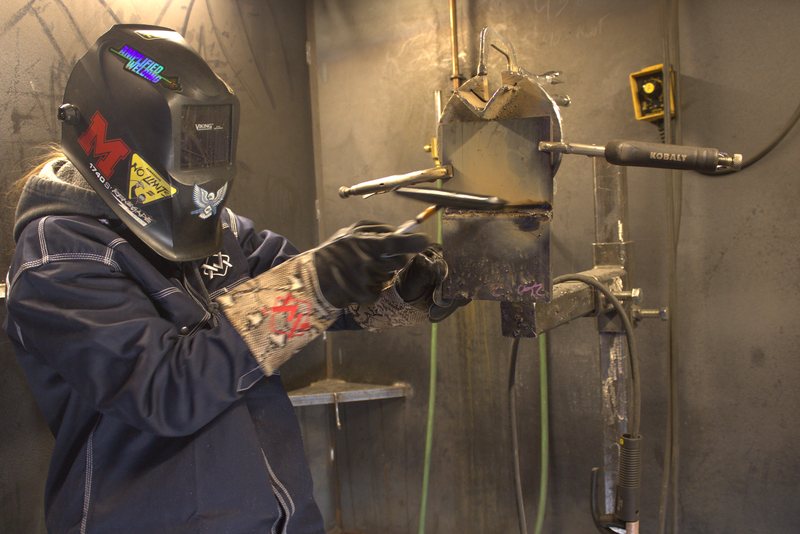
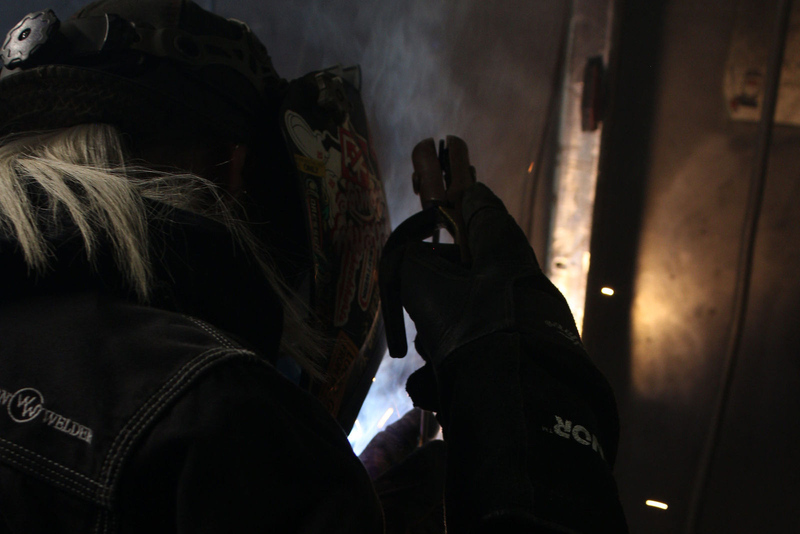
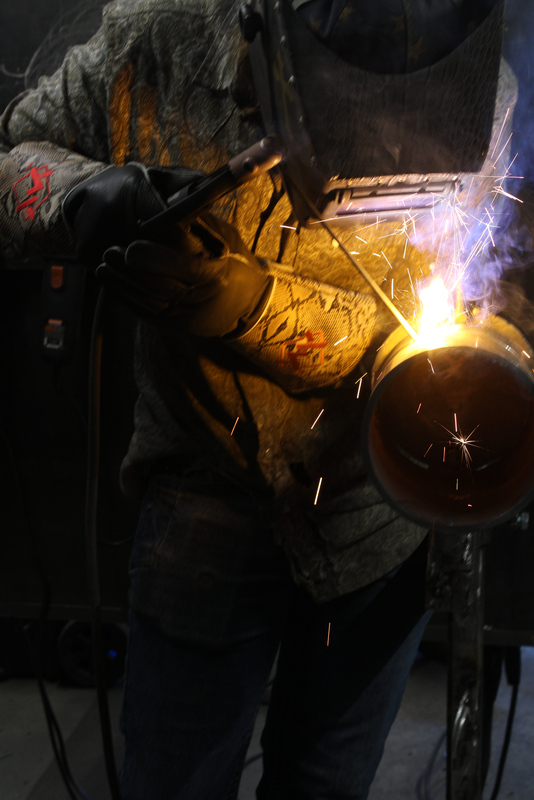
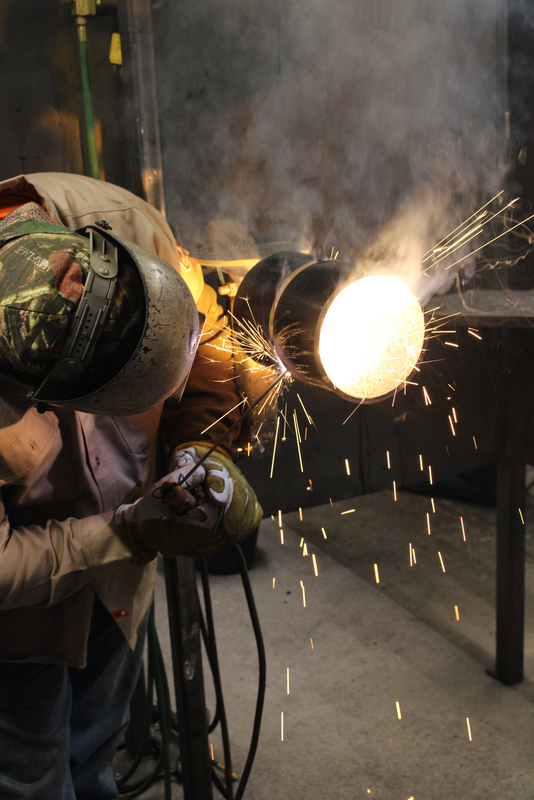
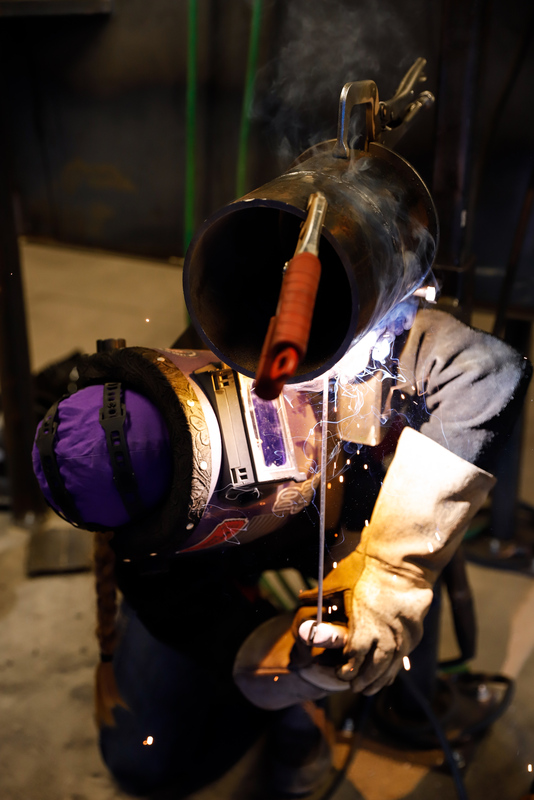
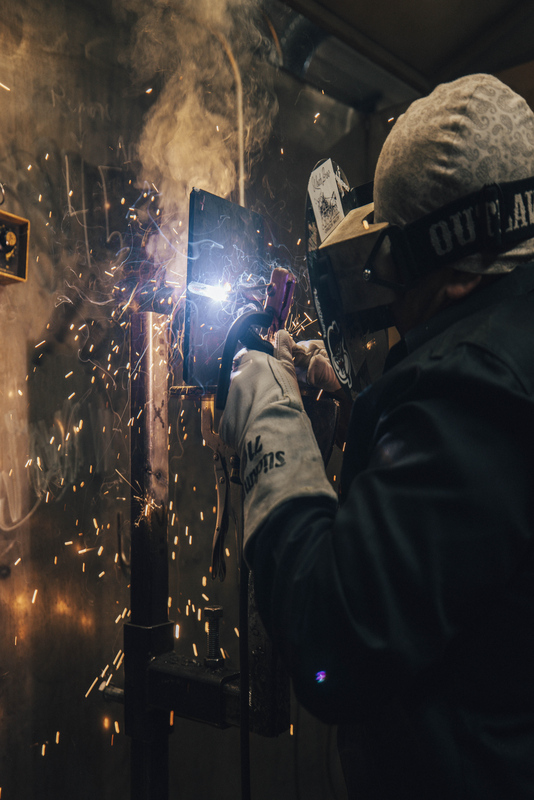
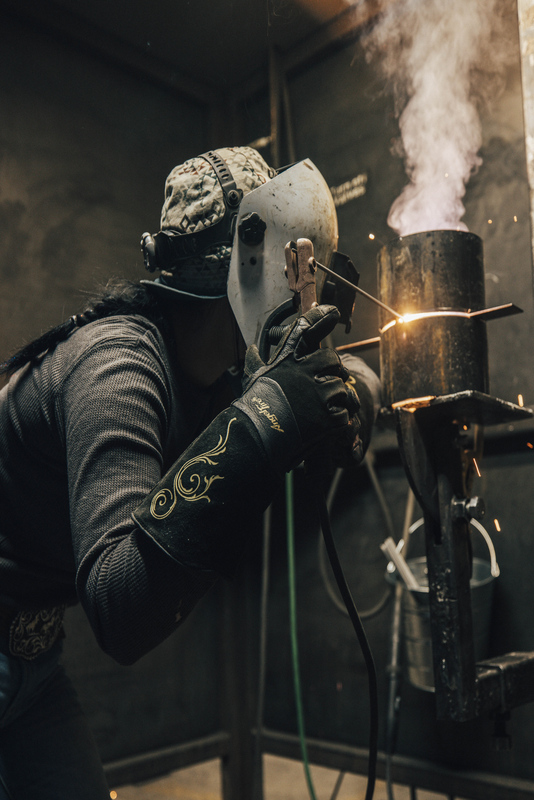
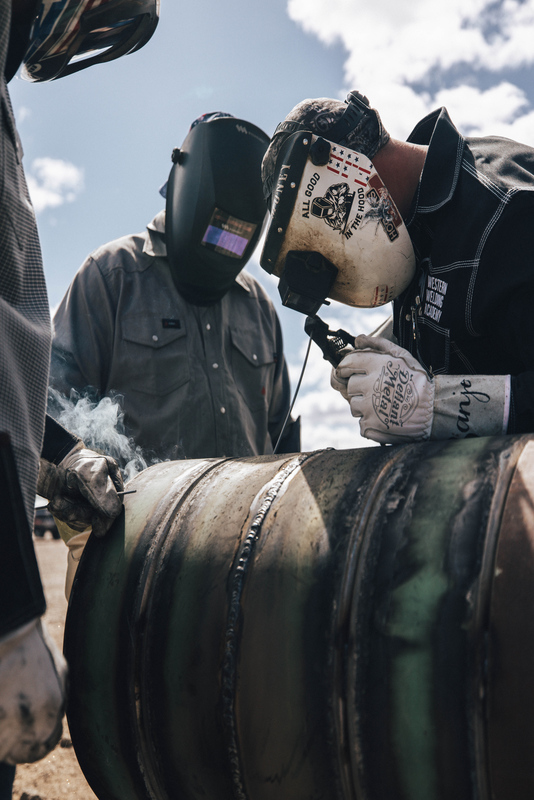
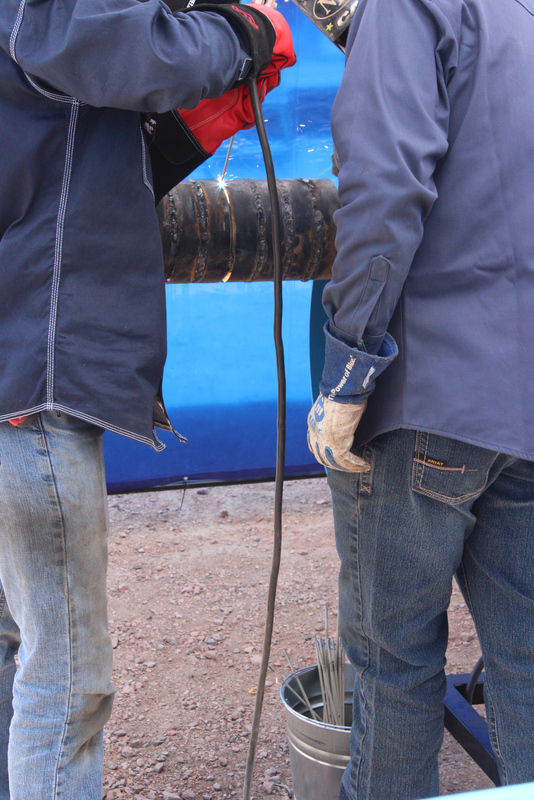
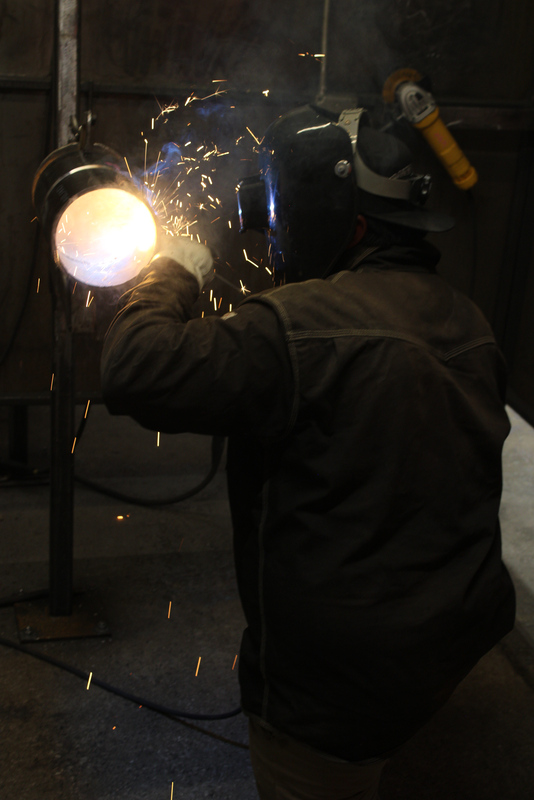
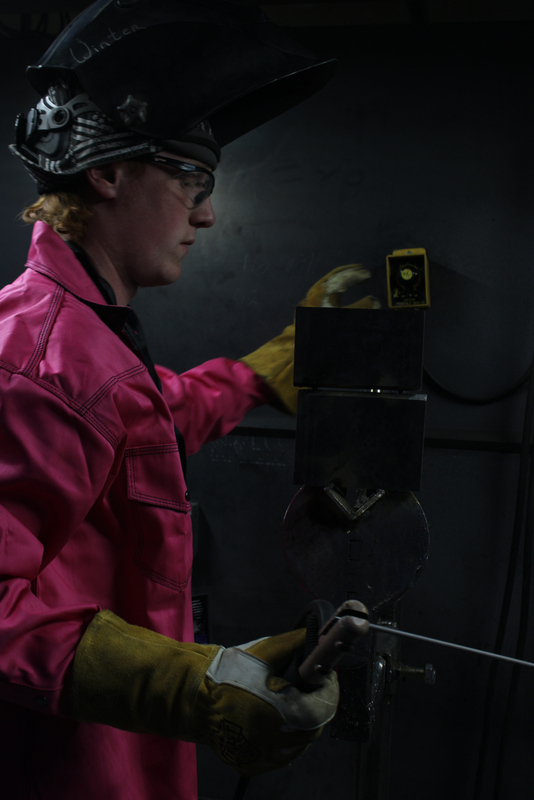
Pipe welding is built around a small set of processes. Agood pipe welding school teaches each one until you can run a clean beadwithout thinking about it. SMAW (stick welding) is used for root passes andfill passes on most pipeline work. It is the backbone of pipe welding in thefield. Every pipeline contractor tests in SMAW first. If you cannot pass astick test, you do not get past the gate. Learn more about SMAWpipe welding courses for certification prep.
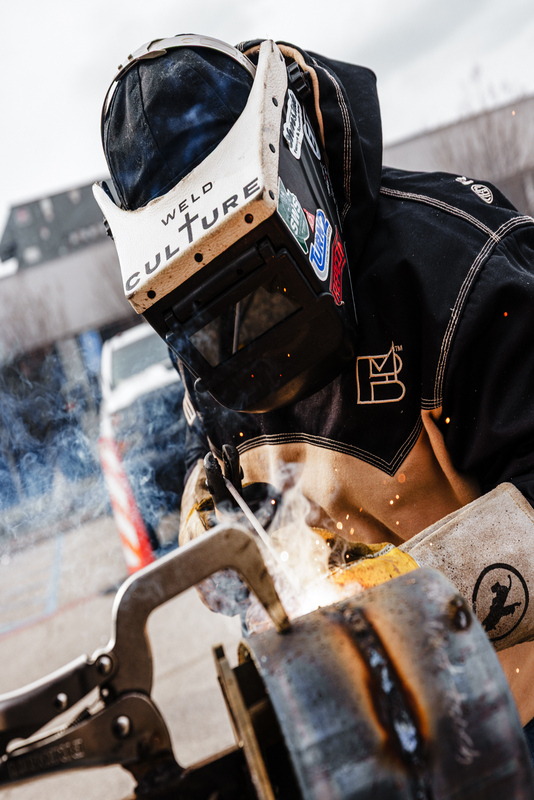
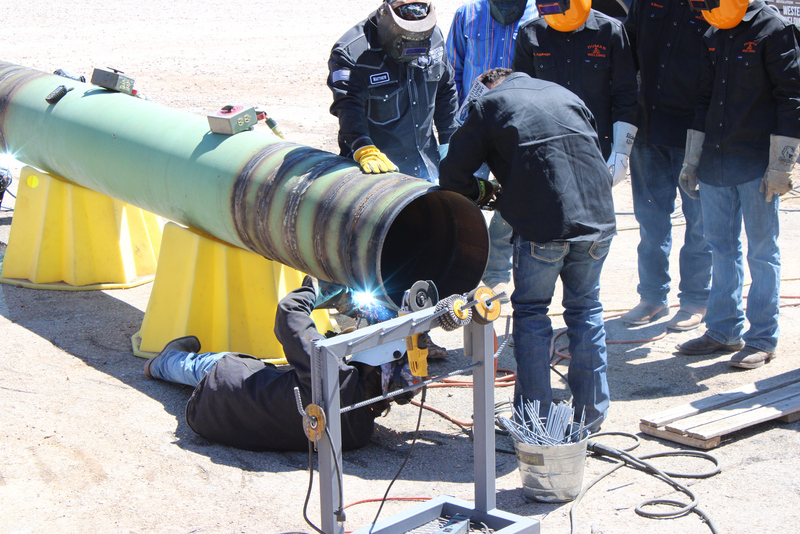
GTAW (TIG welding) is used for root passes on high-pressurepipe and for any job that needs cleaner, more controlled welds. TIG requiresfiner motor coordination than stick. The torch control, filler feeding, andfoot pedal heat management are separate skills that demand dedicated boothtime. You will also touch FCAW and MIG depending on the program, but stick andTIG are what put a paycheck in your pocket.
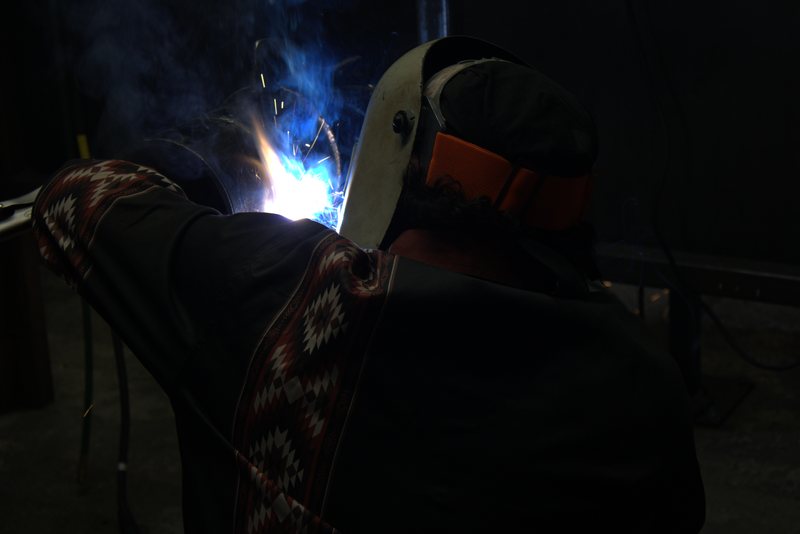
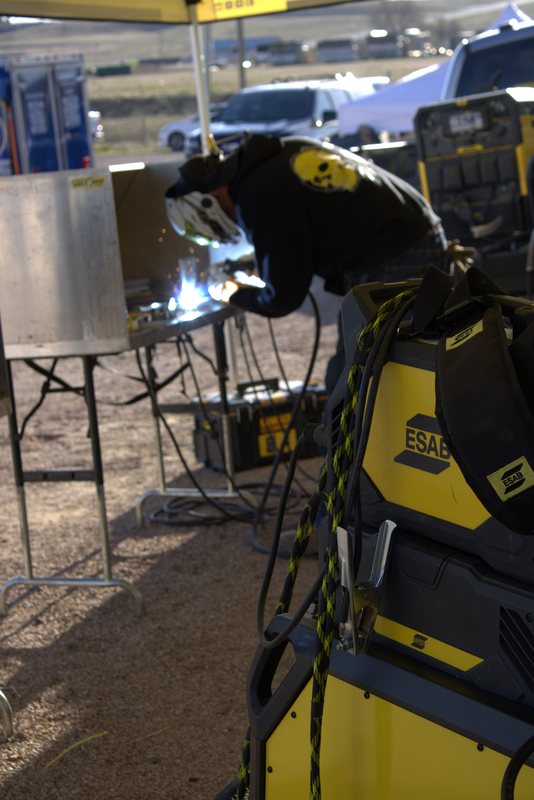
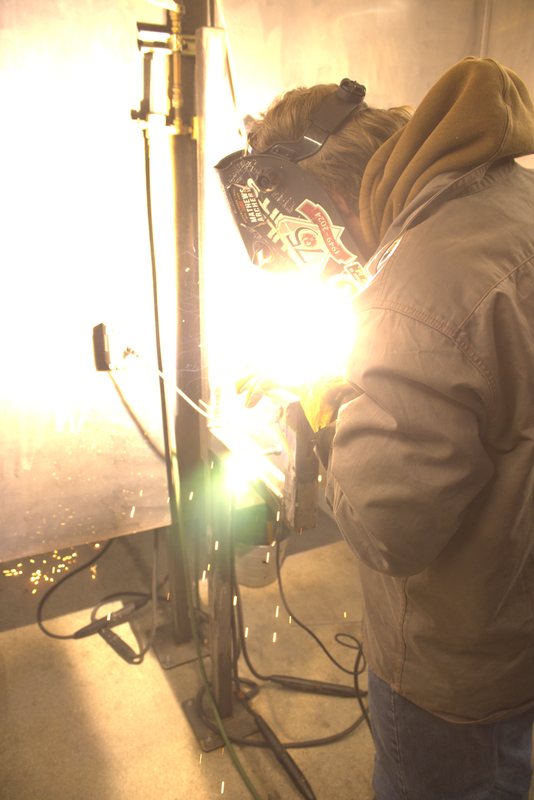
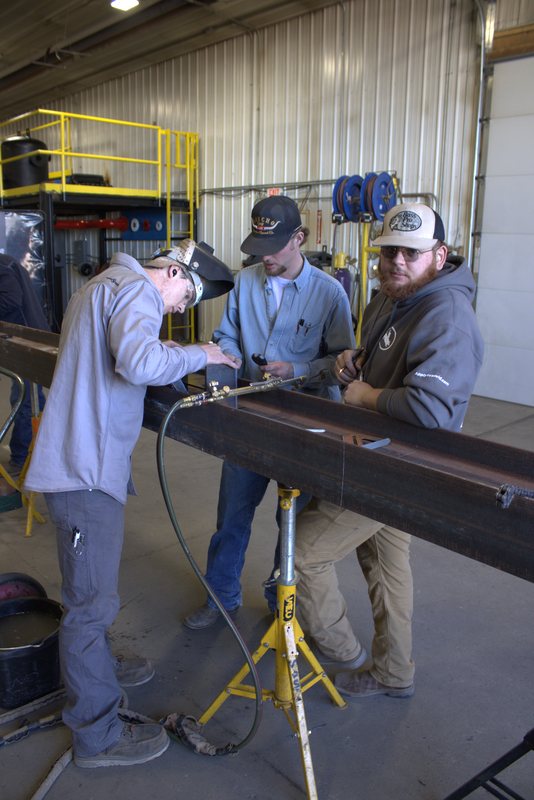
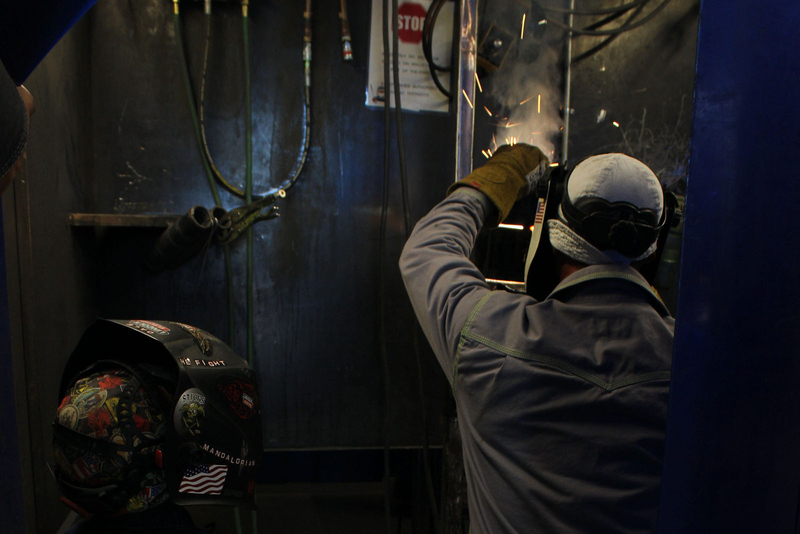
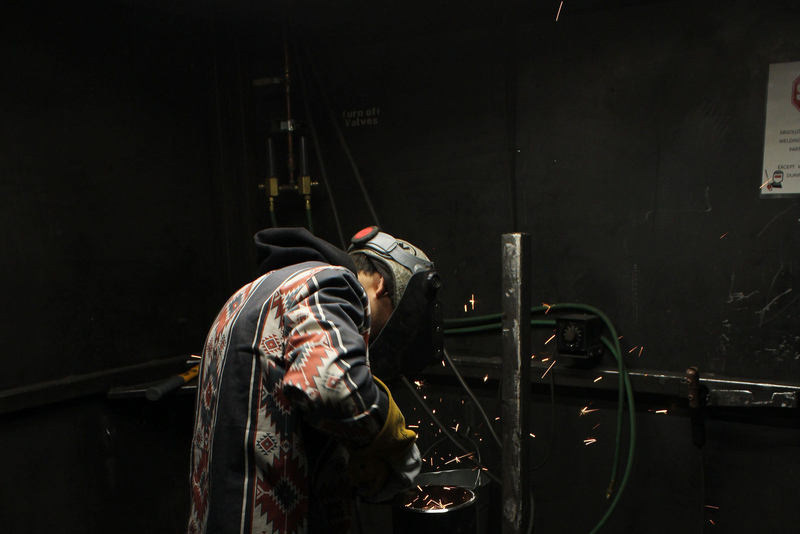
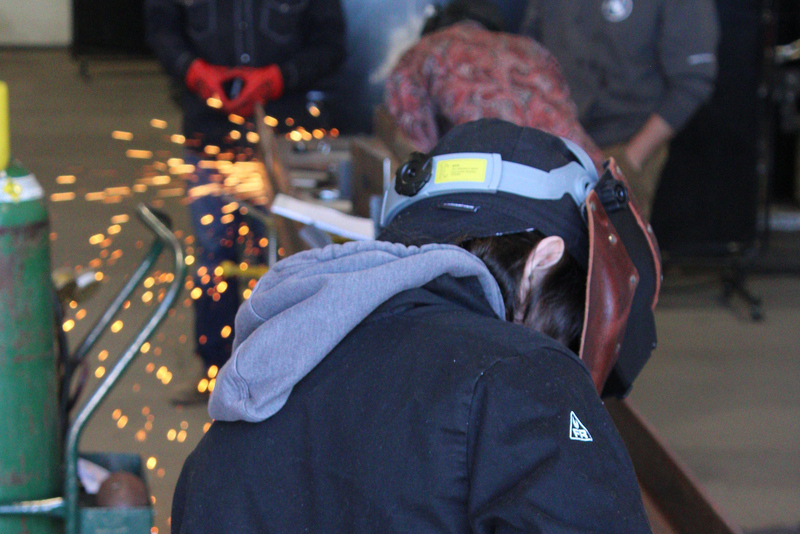
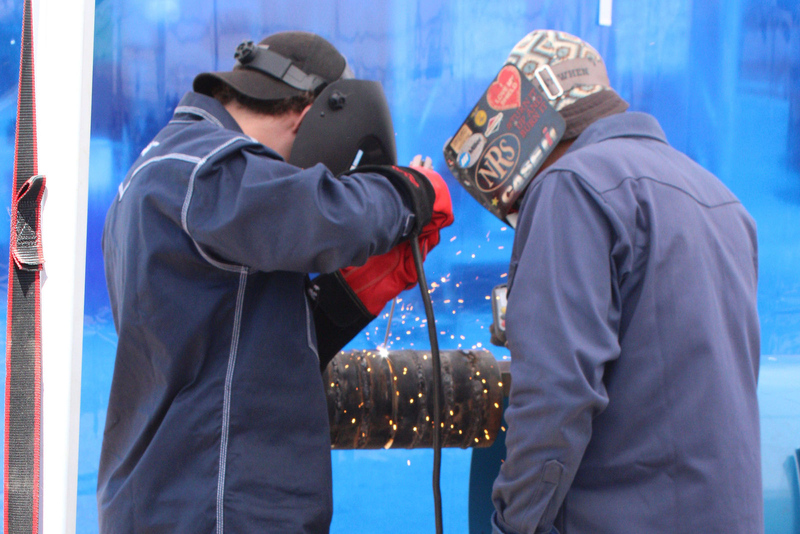
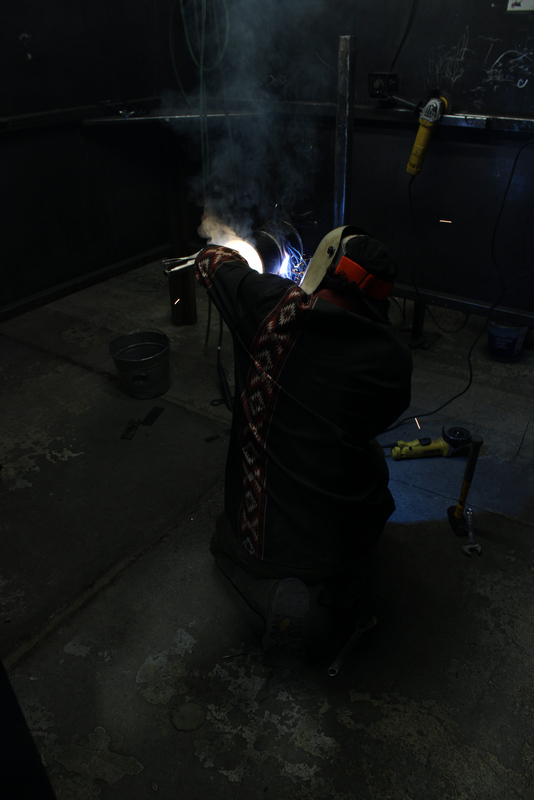
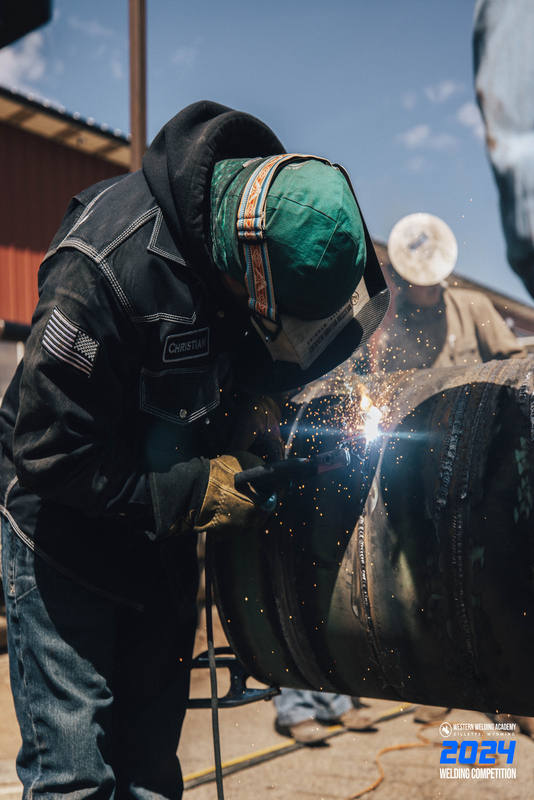
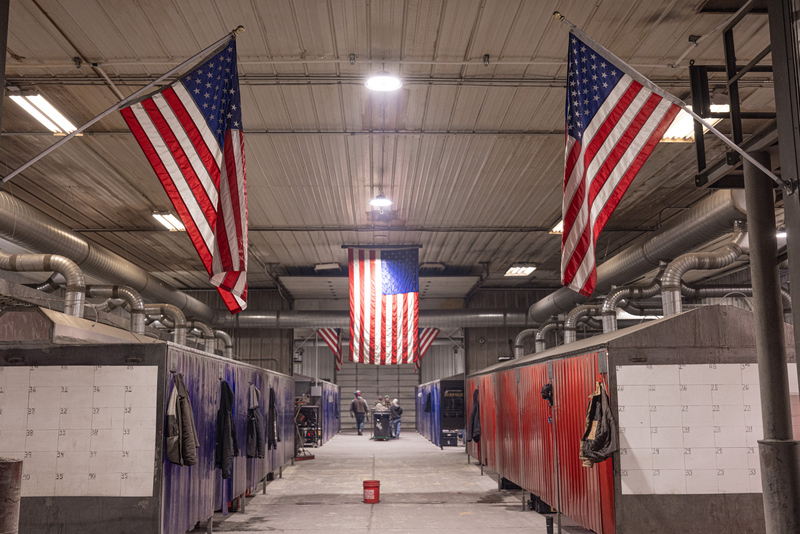
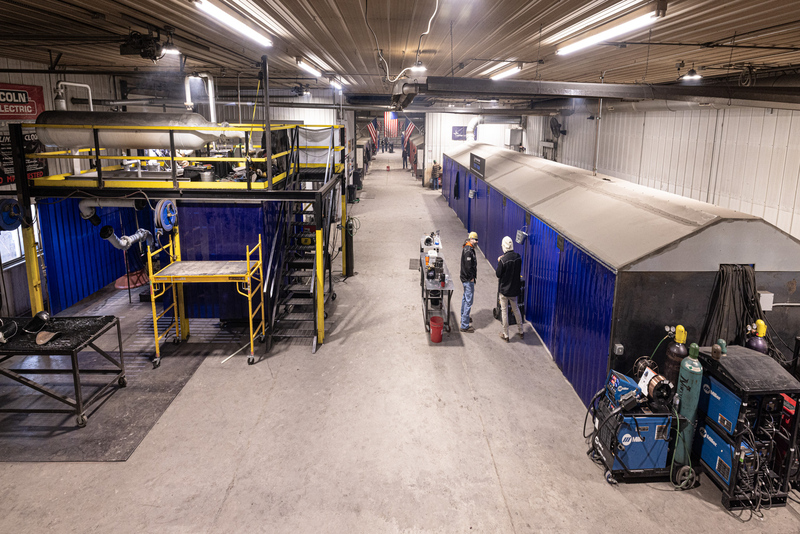
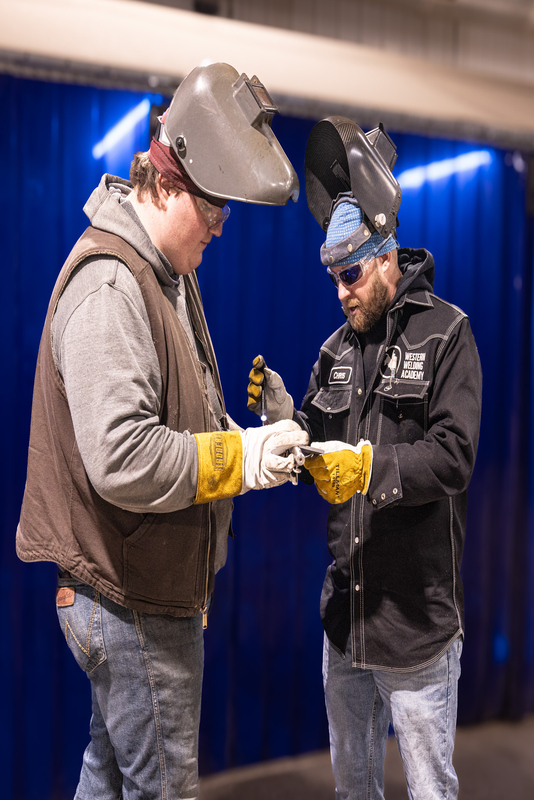
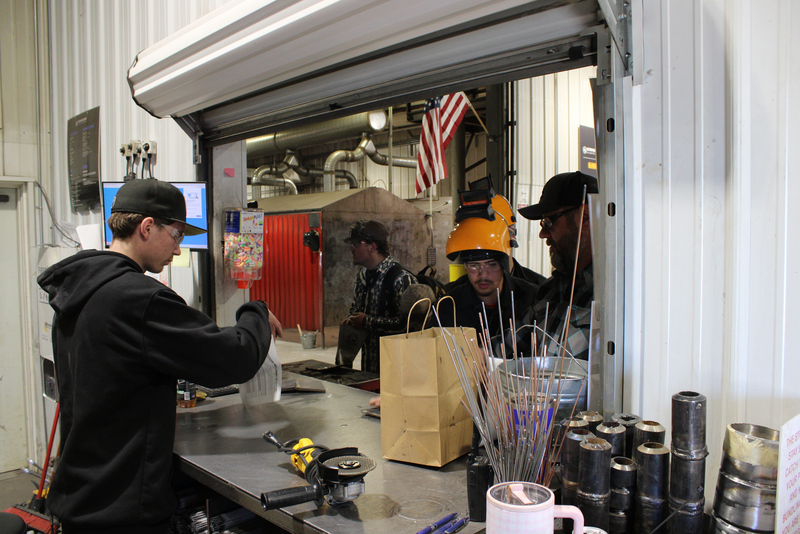
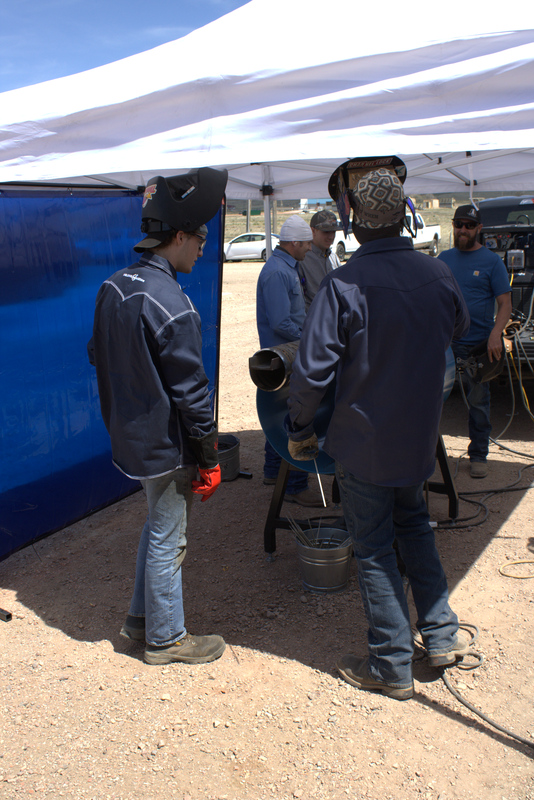
At WesternWelding Academy, students train 40 hours a week with 85% of that time spentin a welding booth. There is no shortcut to skill. You log the hours, yourhands learn the work, and your eyes start to read a puddle without thinkingabout it. Read more about whata pipe welding school day actually looks like.
The Certifications That Actually Matter
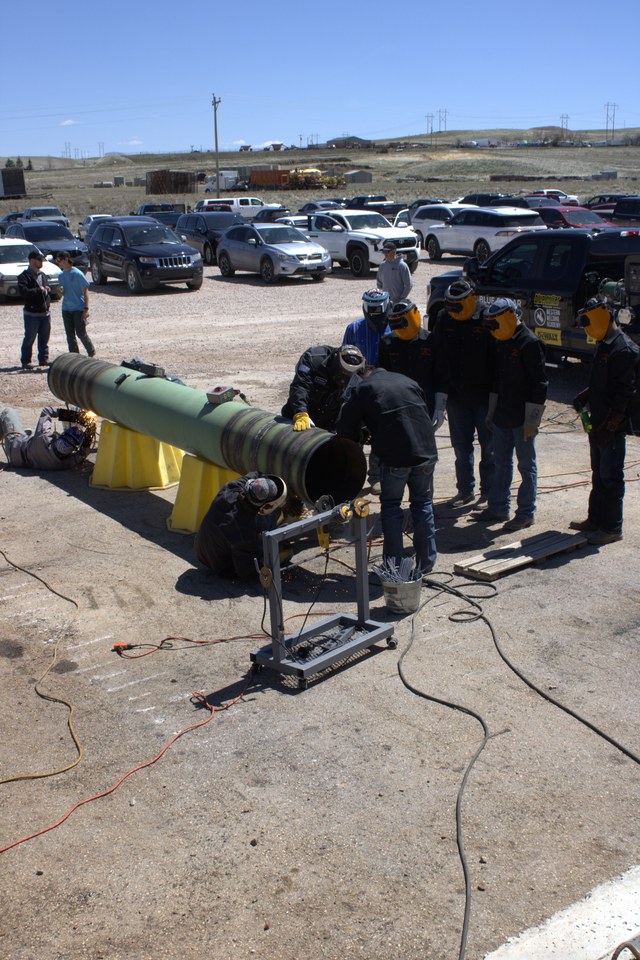
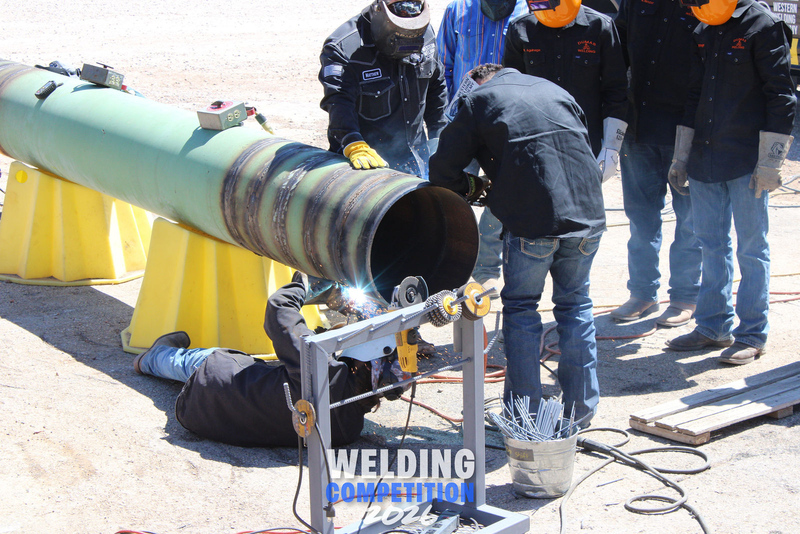
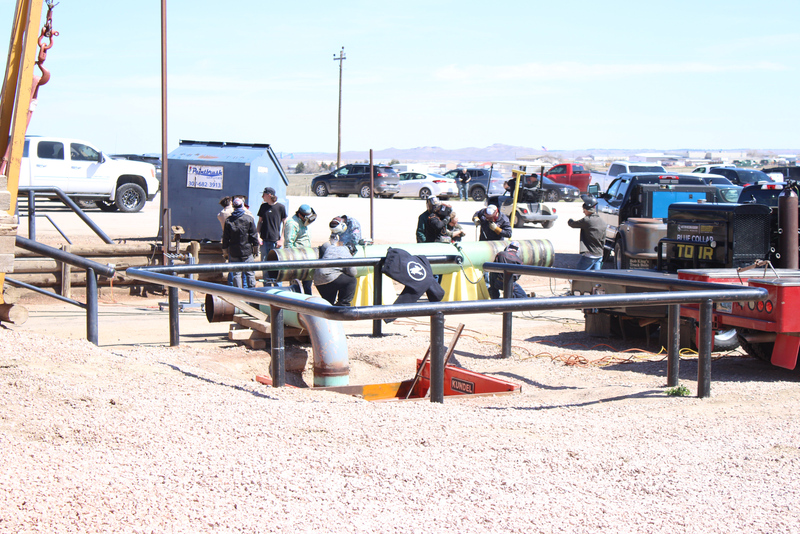
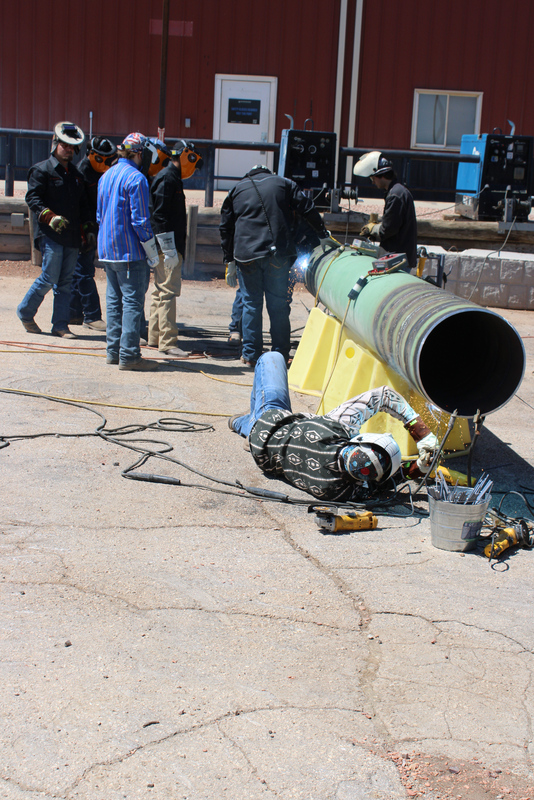
A certification is the difference between someone who canweld and someone who can prove it on paper. Employers do not hire on talk. Theyhire on tests passed. The 6G pipe weld test is the hardest standard position.The pipe is fixed at 45 degrees and you weld around it without repositioning.If you can pass 6G, most pipeline contractors will put you to work. It is theuniversal qualifier for pipe welding jobs.
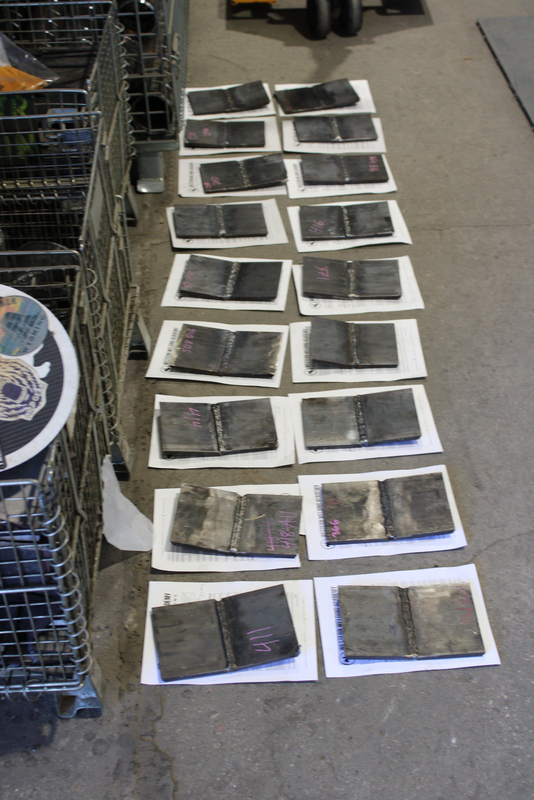
API 1104 is the standard test for cross-country pipelinewelding. It covers oil, gas, and water transmission pipelines. Without API1104, you cannot weld on most transmission pipeline projects. ASME Section IXis the standard for refineries, power plants, and pressure piping. These threecertifications open the $60,000 to $125,000 pay range. Pipeline welder trainingwithout preparation for these tests is a waste of money. The certification isthe product. The training is the path to it. See what a$4,514 paycheck proves about certification pay.
Ready to learn theskills that pay? Call WesternWelding Academy at (307) 284-5313 or apply now to starttraining.
Skills You Build Beyond the Weld
A pipe welding school worth attending teaches more than howto run a bead. The trade is a system and you need every piece working.Blueprint reading and weld symbol literacy are required on every code job site.You learn to read joint prep specifications and translate them into correctbevel angles, root gaps, and tack placement before you ever strike an arc.
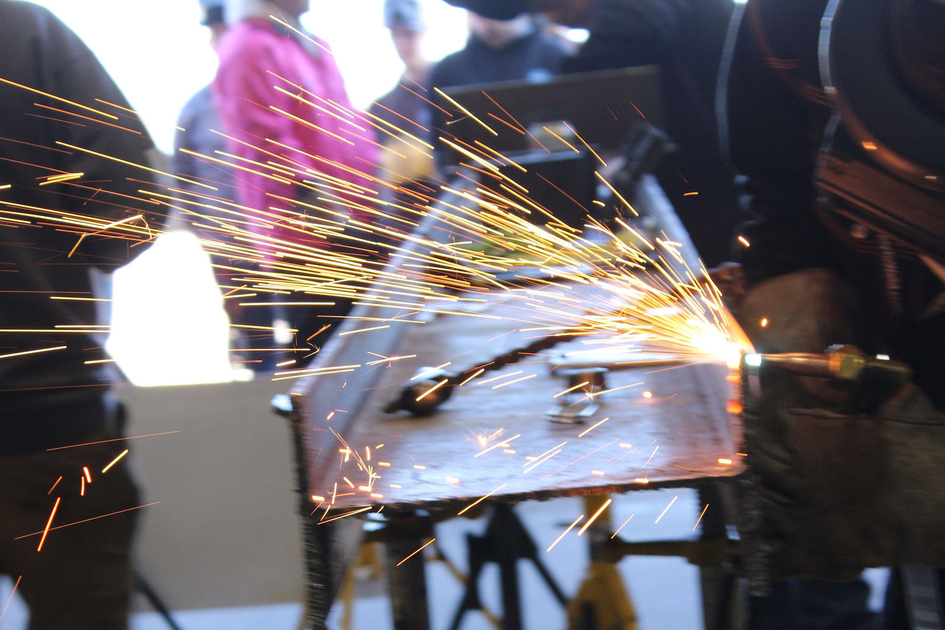
Grinding, fitting, and tacking pipe before welding it arethe preparation skills that make the weld possible. Bad fit-up kills goodwelds. You learn to prepare every joint to the standard that inspectionrequires. Defect identification is the quality control skill that saves yourreputation. You learn to identify porosity, undercut, lack of fusion, and slaginclusion in your own welds before an inspector does.
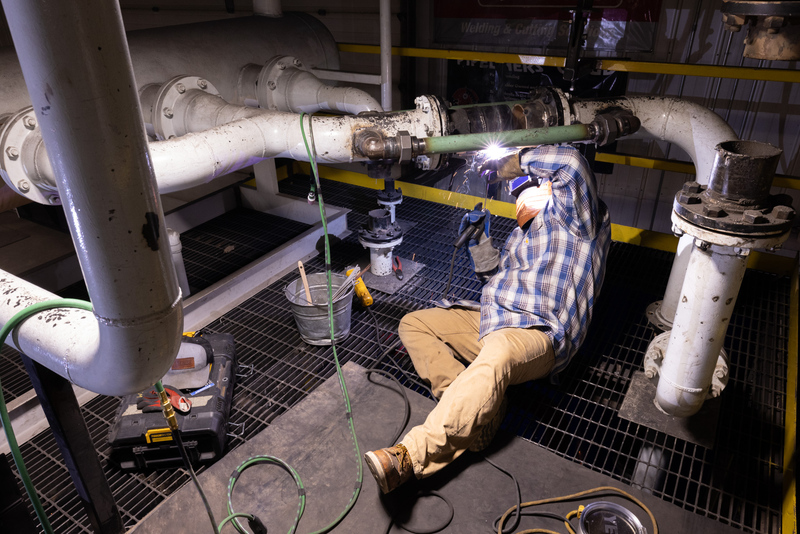
Working in awkward positions in cold weather, wind, andtight spaces is the field reality that classroom training never covers. Jobsite communication, crew dynamics, and showing up as the kind of welder otherwelders want next to them at four in the morning are the professional skillsthat make a graduate hireable. Skill alone does not get you hired. Skill plusthe ability to function on a real crew does.
How Long Pipe Welding School Takes
The length of the program decides how far you go in yourfirst job. The FoundationalPipe Welder runs 12 weeks at $17,050 and prepares graduates for entry-levelpipe welding at $40,000 to $60,000. The Professional Pipe Welder adds TIG andASME Section IX prep in 19 weeks at $27,600 for $50,000 to $90,000. The ExpertPipe Welder is the most popular track at 24 weeks and $35,800. Expertgraduates pass 6G tests and walk into pipeline jobs at $60,000 to $125,000within their first year. The Advanced Structural Welding program covers AWSD1.1 in 12 weeks at $25,800 for $40,000 to $70,000.
All tuition is all-inclusive with housing, tools, materials,and PPE. No hidden fees. Tuition pays back in 5 to 7 months for most graduates.All programs include testing at the #1 AWS Accredited Testing Facility andlifetime retraining for every graduate.
What Verified Graduates Earn After Training
The numbers below come from verified Western Welding Academygraduate records. These are the outcomes of the training described above. Seethe full breakdown of whatpipe welders actually earn after graduation.
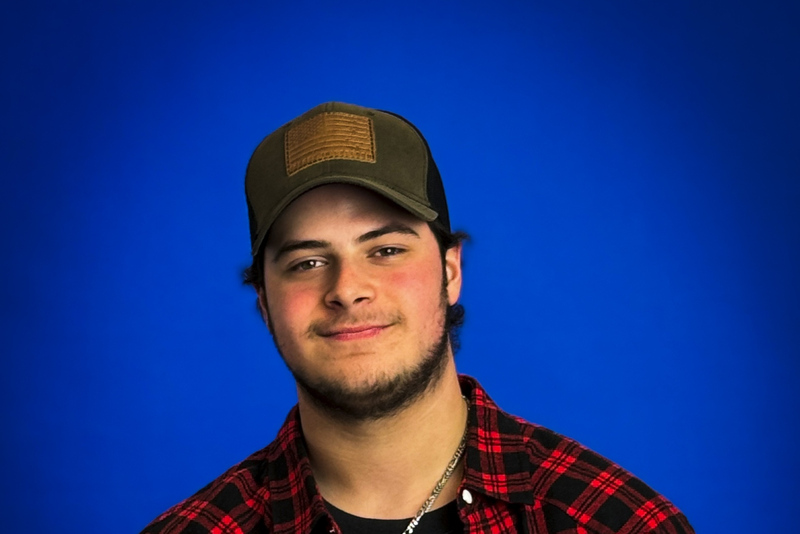
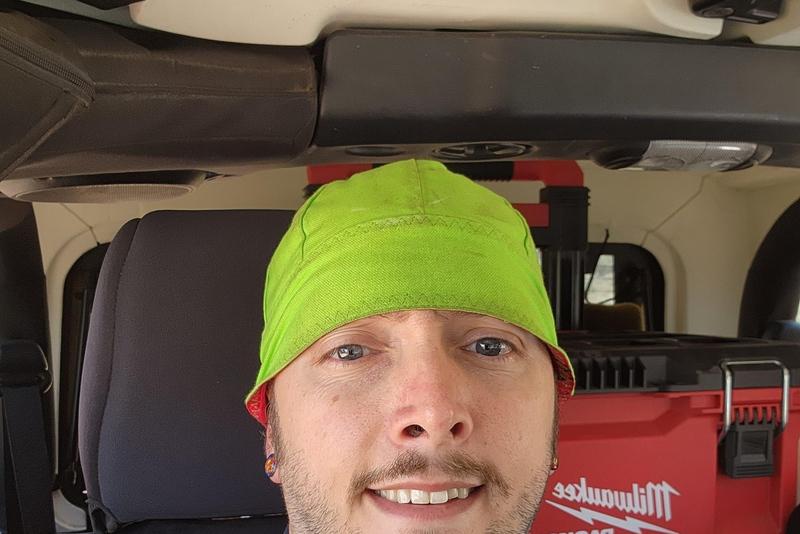
Leyton Wagner earns $4,514 per paycheck as a pipelinewelder. Gavin Walden earns $3,986 per paycheck. David Smolek earns $3,417 perpaycheck. All are Expert program graduates with verified earnings published onthe Western Welding Academy website.
Noah clears $2,800 per week on the North Slope in Alaska.Hank reached $150,000 per year by age 21. These outcomes trace directly back tothe processes, certifications, and job site skills covered in the training. Theprogram teaches the skill. The certification proves it. The employer networkconverts it into a paycheck.
What Separates the Best Pipe Welding School From the Rest
WesternWelding Academy was built by working pipe welders for working pipe welders.The instructors carry 330 combined years of pipeline and refinery fieldexperience. They are not classroom educators. They are working or recentlyretired pipeliners who teach from the field. Housing and tools are included inall tuition packages. Training runs 85% booth time at 40 hours per week. Theschool holds the #1 AWS Accredited Testing Facility designation. The 94% hirerate across 2,000+ graduates is the byproduct of a curriculum built around whatcontractors actually need, not what looks good in a brochure.
Learn the skills.Earn the certs. Get hired. Call Western Welding Academy at(307) 284-5313 or applynow to start.
Frequently Asked Questions
Q1. How long does it take to become a pipe welder?
Most students reach a hireable skill level in 12 to 24 weeksof full-time training. The Expert Pipe Welder program takes 24 weeks andprepares students for 6G, API 1104, and ASME Section IX testing. TheFoundational program runs 12 weeks for SMAW-focused entry-level readiness.
Q2. Do I need experience to enroll in pipe weldingschool?
No. Western Welding Academy accepts students with zerowelding experience every month. The minimum enrollment age is 17.5 with noupper age limit. Work ethic matters more than background.
Q3. What certifications will I leave with?
That depends on the program. Expert Pipe Welder graduatesleave prepared for 6G, API 1104, and ASME Section IX testing. All testinghappens on campus at the #1 AWS Accredited Testing Facility at no extra cost.
Q4. Is pipe welding school worth the cost?
Most Western Welding Academy graduates pay back tuition in 5to 7 months of pipeline work. The hire rate sits at 94% within 90 days. Expertgraduates earn $60,000 to $125,000 per year.
Q5. What do I learn besides welding?
Blueprint reading, weld symbols, joint preparation, defectidentification, grinding and fit-up, and job site communication. These skillsare what make graduates hireable. Skill with a torch alone does not close ahire.
Q6. What makes Western Welding Academy different fromother welding schools?
Western Welding Academy delivers 85% booth time,all-inclusive tuition covering housing, tools, and materials, lifetimeretraining for every graduate, 330 combined years of instructor pipelineexperience, and a 94% hire rate within 90 days verified by a 234-alumni survey.It is the #1 AWS Accredited Testing Facility in the country.
Learn What Pays and Start Earning
A pipe welding school teaches you a career, not just aprocess. Western WeldingAcademy covers the processes, the certifications, and the job site skillsthat turn training into a paycheck. Call Western Welding Academy at(307) 284-5313 or applynow to start learning the skills that pay.
The Core Welding Processes You Will Learn
Pipe welding is built around a small set of processes. Agood pipe welding school teaches each one until you can run a clean beadwithout thinking about it. SMAW (stick welding) is used for root passes andfill passes on most pipeline work. It is the backbone of pipe welding in thefield. Every pipeline contractor tests in SMAW first. If you cannot pass astick test, you do not get past the gate. Learn more about SMAWpipe welding courses for certification prep.
GTAW (TIG welding) is used for root passes on high-pressurepipe and for any job that needs cleaner, more controlled welds. TIG requiresfiner motor coordination than stick. The torch control, filler feeding, andfoot pedal heat management are separate skills that demand dedicated boothtime. You will also touch FCAW and MIG depending on the program, but stick andTIG are what put a paycheck in your pocket.
At WesternWelding Academy, students train 40 hours a week with 85% of that time spentin a welding booth. There is no shortcut to skill. You log the hours, yourhands learn the work, and your eyes start to read a puddle without thinkingabout it. Read more about whata pipe welding school day actually looks like.
The Certifications That Actually Matter
A certification is the difference between someone who canweld and someone who can prove it on paper. Employers do not hire on talk. Theyhire on tests passed. The 6G pipe weld test is the hardest standard position.The pipe is fixed at 45 degrees and you weld around it without repositioning.If you can pass 6G, most pipeline contractors will put you to work. It is theuniversal qualifier for pipe welding jobs.
API 1104 is the standard test for cross-country pipelinewelding. It covers oil, gas, and water transmission pipelines. Without API1104, you cannot weld on most transmission pipeline projects. ASME Section IXis the standard for refineries, power plants, and pressure piping. These threecertifications open the $60,000 to $125,000 pay range. Pipeline welder trainingwithout preparation for these tests is a waste of money. The certification isthe product. The training is the path to it. See what a$4,514 paycheck proves about certification pay.
[INSERT TABLE EMBED HERE -See Section 2 below]
Ready to learn theskills that pay? Call WesternWelding Academy at (307) 284-5313 or apply now to starttraining.
Skills You Build Beyond the Weld
A pipe welding school worth attending teaches more than howto run a bead. The trade is a system and you need every piece working.Blueprint reading and weld symbol literacy are required on every code job site.You learn to read joint prep specifications and translate them into correctbevel angles, root gaps, and tack placement before you ever strike an arc.
Grinding, fitting, and tacking pipe before welding it arethe preparation skills that make the weld possible. Bad fit-up kills goodwelds. You learn to prepare every joint to the standard that inspectionrequires. Defect identification is the quality control skill that saves yourreputation. You learn to identify porosity, undercut, lack of fusion, and slaginclusion in your own welds before an inspector does.
Working in awkward positions in cold weather, wind, andtight spaces is the field reality that classroom training never covers. Jobsite communication, crew dynamics, and showing up as the kind of welder otherwelders want next to them at four in the morning are the professional skillsthat make a graduate hireable. Skill alone does not get you hired. Skill plusthe ability to function on a real crew does.
How Long Pipe Welding School Takes
The length of the program decides how far you go in yourfirst job. The FoundationalPipe Welder runs 12 weeks at $17,050 and prepares graduates for entry-levelpipe welding at $40,000 to $60,000. The Professional Pipe Welder adds TIG andASME Section IX prep in 19 weeks at $27,600 for $50,000 to $90,000. The ExpertPipe Welder is the most popular track at 24 weeks and $35,800. Expertgraduates pass 6G tests and walk into pipeline jobs at $60,000 to $125,000within their first year. The Advanced Structural Welding program covers AWSD1.1 in 12 weeks at $25,800 for $40,000 to $70,000.
All tuition is all-inclusive with housing, tools, materials,and PPE. No hidden fees. Tuition pays back in 5 to 7 months for most graduates.All programs include testing at the #1 AWS Accredited Testing Facility andlifetime retraining for every graduate.
What Verified Graduates Earn After Training
The numbers below come from verified Western Welding Academygraduate records. These are the outcomes of the training described above. Seethe full breakdown of whatpipe welders actually earn after graduation.
[INSERT CHART EMBED HERE -See Section 3 below]
Leyton Wagner earns $4,514 per paycheck as a pipelinewelder. Gavin Walden earns $3,986 per paycheck. David Smolek earns $3,417 perpaycheck. All are Expert program graduates with verified earnings published onthe Western Welding Academy website.
Noah clears $2,800 per week on the North Slope in Alaska.Hank reached $150,000 per year by age 21. These outcomes trace directly back tothe processes, certifications, and job site skills covered in the training. Theprogram teaches the skill. The certification proves it. The employer networkconverts it into a paycheck.
What Separates the Best Pipe Welding School From the Rest
WesternWelding Academy was built by working pipe welders for working pipe welders.The instructors carry 330 combined years of pipeline and refinery fieldexperience. They are not classroom educators. They are working or recentlyretired pipeliners who teach from the field. Housing and tools are included inall tuition packages. Training runs 85% booth time at 40 hours per week. Theschool holds the #1 AWS Accredited Testing Facility designation. The 94% hirerate across 2,000+ graduates is the byproduct of a curriculum built around whatcontractors actually need, not what looks good in a brochure.
Learn the skills.Earn the certs. Get hired. Call Western Welding Academy at(307) 284-5313 or applynow to start.
Frequently Asked Questions
Q1. How long does it take to become a pipe welder?
Most students reach a hireable skill level in 12 to 24 weeksof full-time training. The Expert Pipe Welder program takes 24 weeks andprepares students for 6G, API 1104, and ASME Section IX testing. TheFoundational program runs 12 weeks for SMAW-focused entry-level readiness.
Q2. Do I need experience to enroll in pipe weldingschool?
No. Western Welding Academy accepts students with zerowelding experience every month. The minimum enrollment age is 17.5 with noupper age limit. Work ethic matters more than background.
Q3. What certifications will I leave with?
That depends on the program. Expert Pipe Welder graduatesleave prepared for 6G, API 1104, and ASME Section IX testing. All testinghappens on campus at the #1 AWS Accredited Testing Facility at no extra cost.
Q4. Is pipe welding school worth the cost?
Most Western Welding Academy graduates pay back tuition in 5to 7 months of pipeline work. The hire rate sits at 94% within 90 days. Expertgraduates earn $60,000 to $125,000 per year.
Q5. What do I learn besides welding?
Blueprint reading, weld symbols, joint preparation, defectidentification, grinding and fit-up, and job site communication. These skillsare what make graduates hireable. Skill with a torch alone does not close ahire.
Q6. What makes Western Welding Academy different fromother welding schools?
Western Welding Academy delivers 85% booth time,all-inclusive tuition covering housing, tools, and materials, lifetimeretraining for every graduate, 330 combined years of instructor pipelineexperience, and a 94% hire rate within 90 days verified by a 234-alumni survey.It is the #1 AWS Accredited Testing Facility in the country.
Learn What Pays and Start Earning
A pipe welding school teaches you a career, not just aprocess. Western WeldingAcademy covers the processes, the certifications, and the job site skillsthat turn training into a paycheck. Call Western Welding Academy at(307) 284-5313 or applynow to start learning the skills that pay.

.jpg)


.jpg)


.jpg)
.jpg)
.jpg)
.jpg)
.jpg)
-thumbnail.jpg)

.jpg)