Where to Find the Best Pipe Welding School in the USA Now
The first time a new graduate walks out of a pipe welding school holding a fresh certificate, there is usually a small moment of confusion that hits a few days later. The phone has not rung. The application portal looks the same as it did six months ago. The pipeline jobs they pictured during week one are not just sitting there waiting.
This is the part of the journey nobody really prepares students for. The diploma is half the job. The other half is figuring out how the hiring side of the industry actually works, and that part is rarely taught in the booth.
After watching a few hundred graduates move through this exact transition, the pattern is clear. The students who get hired fast are not always the most talented welders. Hiring outcomes are a different game than welding outcomes. They follow their own logic.
The Four Signals Pipeline Employers Use to Hire
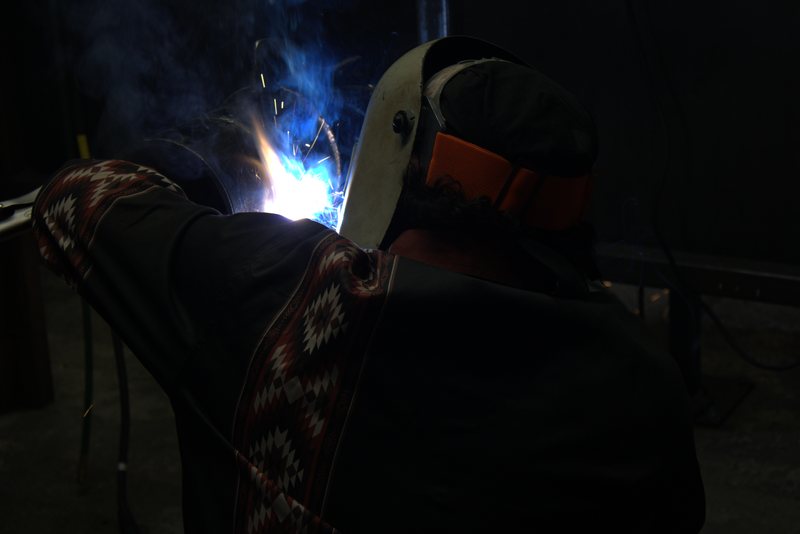
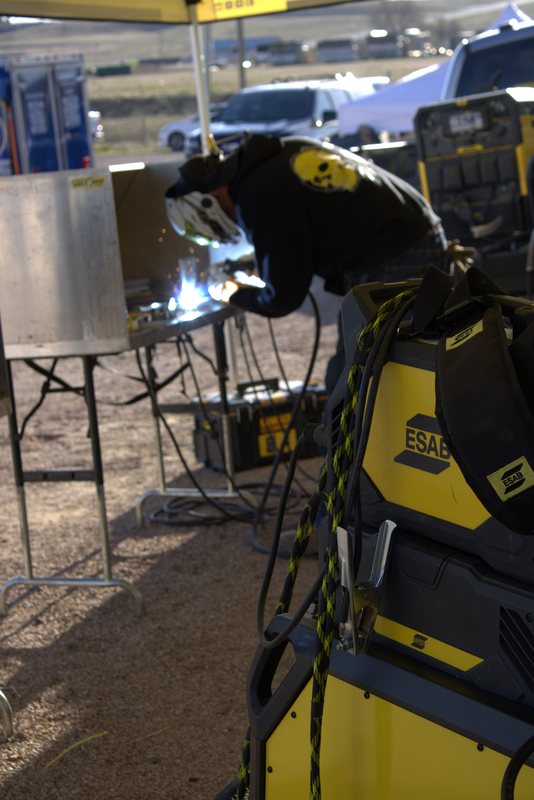
When a hiring foreman or contractor decides whether to bringsomeone onto a crew, they read four signals and make a call inside ten minutes.The first is certifications that match the work. A 6G stick certification isthe universal handshake for pipeline jobs. API 1104 matters for cross-countrypipeline. ASME Section IX matters for refineries and pressure piping. If agraduate has the right certs for the contractor's work, the conversationstarts. If not, no amount of skill closes that gap. Learn how SMAWpipe welding courses prepare you for certification.
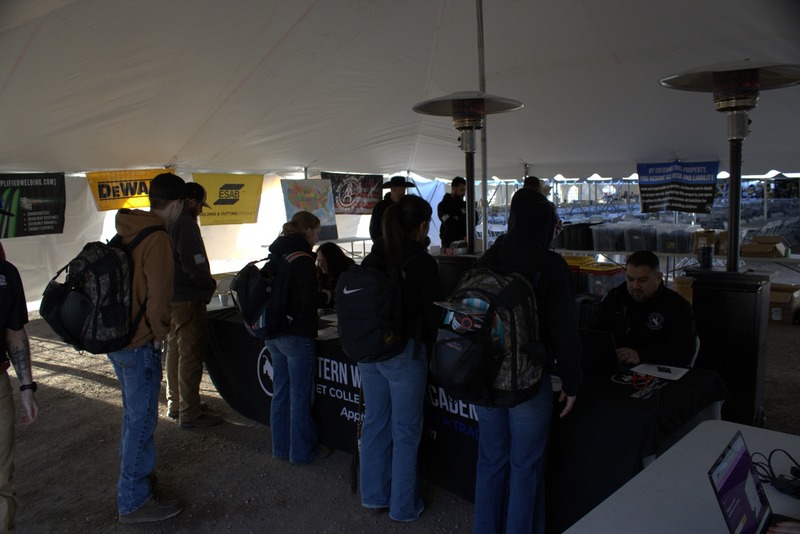
The second is a real connection to the industry. Pipewelding is a relationship business. Foremen hire people they know, or peoplewho come recommended by people they know. A graduate who shows up with zeronetwork is starting from a different place than a graduate whose schoolconnected them directly to hiring contractors during the program.
The third is geographic flexibility. Pipeline welding moveswith the work. A graduate who is only willing to take jobs within an hour oftheir hometown is fishing in a small pond. A graduate who is willing to followthe work opens up the whole country. Employers know this and they hireaccordingly.
The fourth is how the graduate presents themselves. Not in apolished corporate way. In a working way. Can you make eye contact, answerdirect questions without rambling, and show up ready to go? Most foremen havehired enough welders to read a person in five minutes. The way you carryyourself in those five minutes matters more than your transcript.
The Mistake of Betting on Just One Signal
The most common mistake new graduates make is leaning hardon one signal and assuming the others will sort themselves out. The naturalathlete leans on raw skill and wonders why nobody is calling. The connectedgraduate leans on a family contact and cannot close the deal withoutcertifications. The flexible graduate says they will go anywhere but nobody iscalling because they have no network. The polished graduate interviews well butcannot back it up in the booth.
Hiring outcomes come from stacking signals, not from beingexceptional at one of them. The best pipe welding school in the USA is the onethat builds all four signals into the program, not just the welding part.
Find the schoolthat builds all four signals. Call Western Welding Academy at(307) 284-5313 or applynow to start.
Two Graduates, Two Outcomes
A top-five welder from his class went home after graduation,sent his resume to three companies in his county, and waited. He had nocontacts in the pipeline industry. He was unwilling to relocate. Six weekslater, he was still waiting. Skill was not the problem. He had built his entirejob search around one signal and ignored the other three.
A middle-of-the-pack graduate from the same class got his 6Gcertification, took a referral from one of the instructors to a contractor inNorth Dakota, was willing to relocate within two weeks, and showed up to theinterview with clean boots and a notebook full of questions. He had an offer innine days. Same school. Same certifications. Completely different outcomes. Thedifference was which signals they invested in.
How to Evaluate a Pipe Welding School
The most useful question to ask is not which school has thebest reputation. It is which school is built around all four hiring signals.Ask which certifications graduates leave with and what the pass rate lookslike. Ask if the school has direct contact with hiring contractors and howoften those contractors visit campus to recruit. Ask for an honest conversationabout travel requirements. Ask whether the school teaches the non-welding partsof getting hired: how you talk to a foreman, how you handle the first week on acrew, how you stay hireable after the first contract ends.
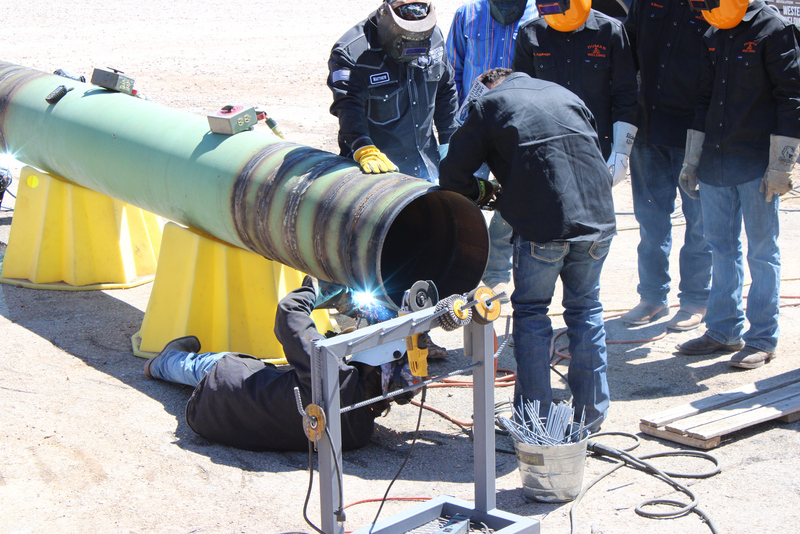
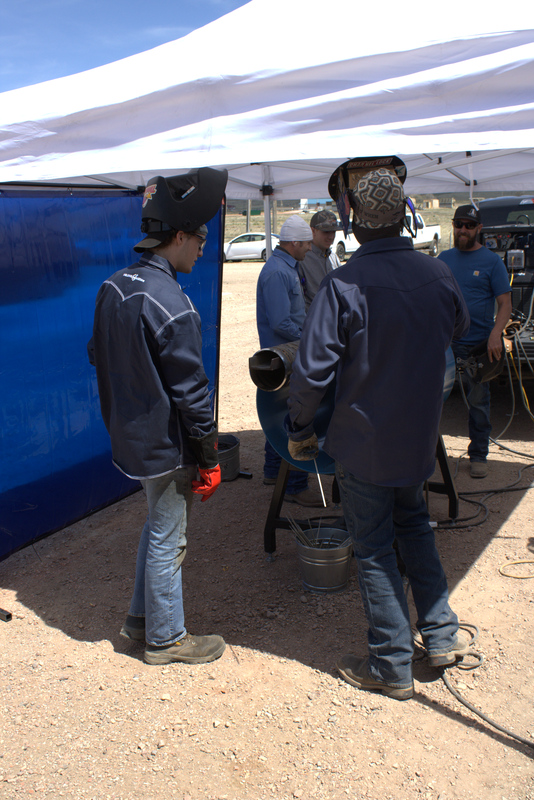
WesternWelding Academy answers every one of those questions with verified data.Graduates leave with API 1104, AWS D1.1, and ASME Section IX certificationreadiness. The 94% hire rate within 90 days comes from a 234-alumni survey.Named employers including SpaceX, Steam 88, Boilermakers Local, and Pipefittersunions recruit directly from campus. Training runs 85% booth time at 40 hoursper week. The instructors bring 330 combined years of pipeline and refineryfield experience. All tuition is all-inclusive from $17,050 to $35,800 withhousing, tools, materials, and PPE. The school is the #1 AWS Accredited TestingFacility.
What Graduates Earn From the Best Program
The numbers below come from verified Western Welding Academygraduate records. These are the outcomes a great pipe welding school produces.
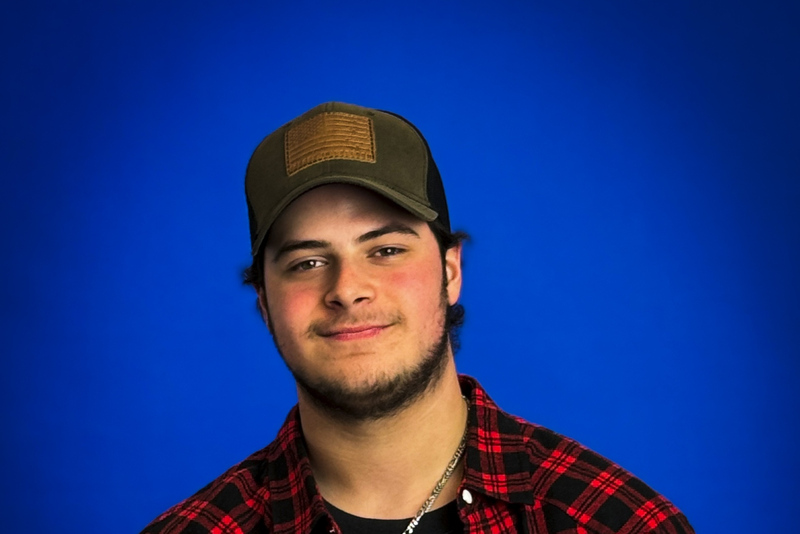
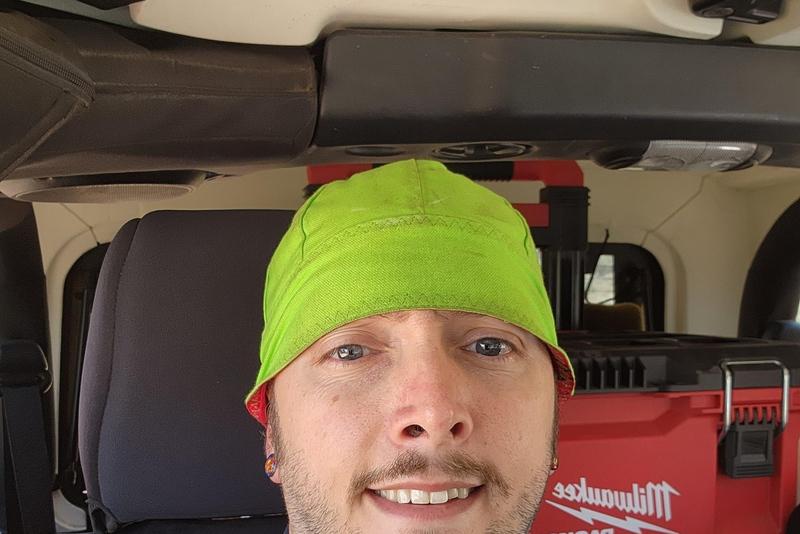
Leyton Wagner earns $4,514 per paycheck as a pipelinewelder. Gavin Walden earns $3,986 per paycheck. David Smolek earns $3,417 perpaycheck. All are verified WesternWelding Academy graduates. See the full breakdown of whatpipe welders actually earn after graduation.
Noah clears $2,800 per week on the North Slope in Alaska.Hank reached $150,000 per year by age 21. These are the outcomes that the bestpipe welding school produces. The Foundationalprogram starts at $17,050 for 12 weeks. The Expertprogram runs 24 weeks at $35,800 and produces graduates earning $60,000 to$125,000. For beginnersstarting from zero, the path to six-figurepipeline welding careers starts with choosing the right school.
The best pipewelding school proves its results. Call Western Welding Academy at(307) 284-5313 or applynow to train at the #1 AWS ATF.
Frequently Asked Questions
Q1. What is the best pipe welding school in the USA?
The best pipe welding school is the one that builds all fourhiring signals: certifications, industry connections, geographic flexibilitycoaching, and professional presentation. Western Welding Academy delivers 85%booth time, 94% hire rate, API 1104 and AWS D1.1 certification, and namedemployer connections.
Q2. How do I choose a pipe welding school?
Ask for the hire rate with a defined timeframe and samplesize. Ask which certifications graduates earn. Ask which employers recruit fromthe school. Ask whether housing is included. If the school cannot answer thesequestions with specific data, look elsewhere.
Q3. Do I need experience to attend pipe welding school?
No. All programs at Western Welding Academy accept completebeginners. The minimum enrollment age is 17.5 with no upper age limit. No priorwelding experience is required.
Q4. How much does the best pipe welding school cost?
Western Welding Academy tuition ranges from $17,050(Foundational, 12 weeks) to $35,800 (Expert, 24 weeks). All tuition isall-inclusive with housing, tools, materials, and PPE. Graduates pay backtuition in 5 to 7 months of pipeline work.
Q5. How fast do graduates get hired from the bestschools?
94% of Western Welding Academy graduates are hired within 90days. This is verified by a 234-alumni survey from November 2024. Graduatesconnect with employers including SpaceX, Steam 88, Boilermakers Local, andPipefitters unions.
Q6. What makes Western Welding Academy different fromother welding schools?
Western Welding Academy delivers 85% booth time,all-inclusive tuition covering housing, tools, and materials, lifetimeretraining for every graduate, 330 combined years of instructor pipelineexperience, and a 94% hire rate within 90 days verified by a 234-alumni survey.It is the #1 AWS Accredited Testing Facility in the country.
Find the School That Proves Its Results
The best pipe welding school in the USA is not a nameon a list. It is the school that builds certifications, connections,flexibility, and professional readiness into the same program. Western Welding Academy doesexactly that with verified outcomes, verified paychecks, and 94% placement.Call Western Welding Academyat (307) 284-5313 or applynow to start training at the best pipe welding school in the country.

.jpg)


.jpg)


.jpg)
.jpg)
.jpg)
.jpg)
.jpg)
-thumbnail.jpg)

.jpg)