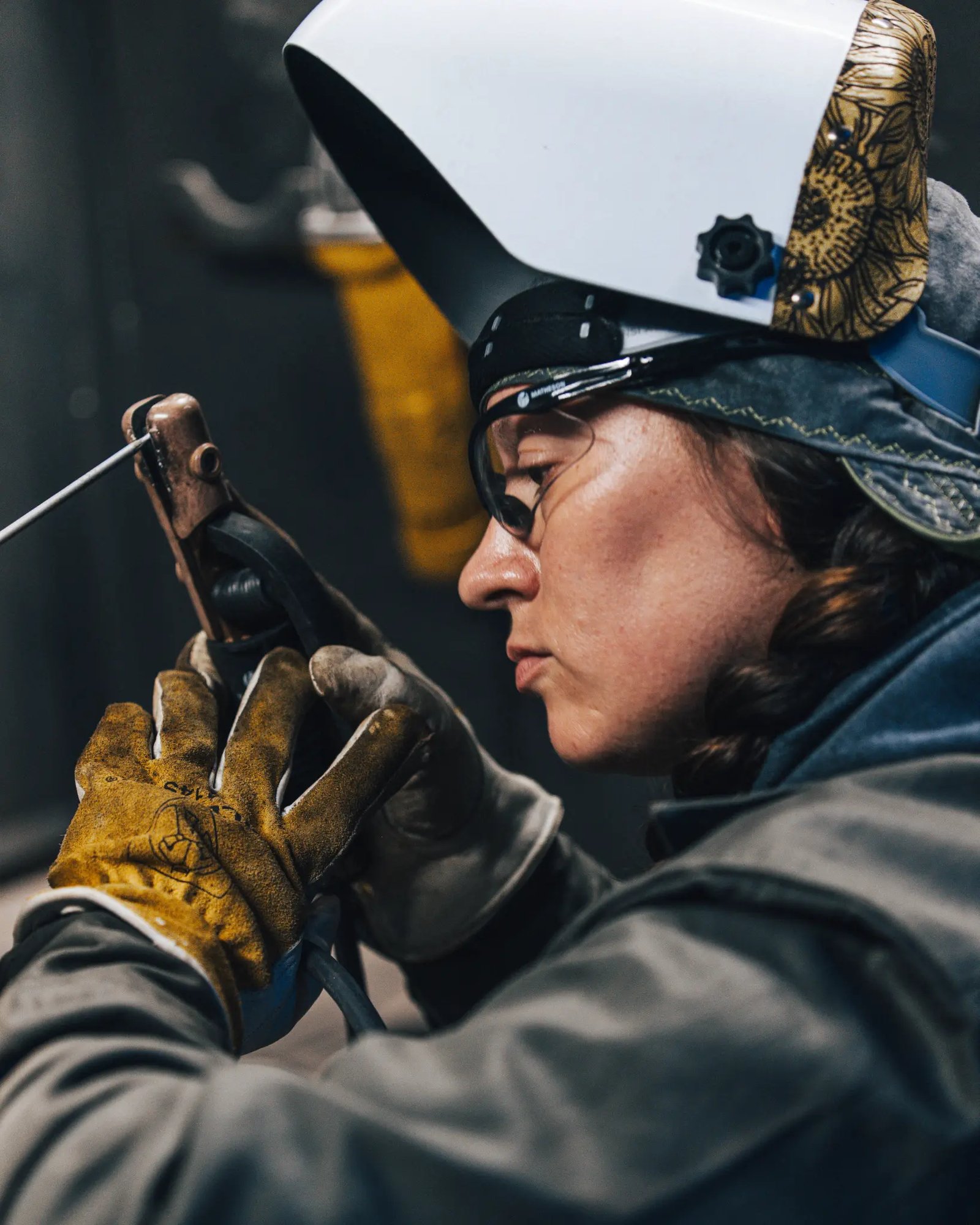
What Skills Actually Help You in Pipe Welding School?
The skills that matter most before pipe welding school are not technical welding abilities. They are basic physical and mental habits that help you perform well in a demanding hands-on environment. Western Welding Academy has trained over 2,000 graduates from all 50 states. The students who do best share a few common traits, and none of them involve prior welding experience.
Good hand-eye coordination tops the list. Pipe welding requires precise torch control and steady hand movement along a joint. You build this coordination through practice at school, but students who have worked with their hands before tend to pick it up faster. Any background in carpentry, automotive work, plumbing, or even playing musical instruments helps here.
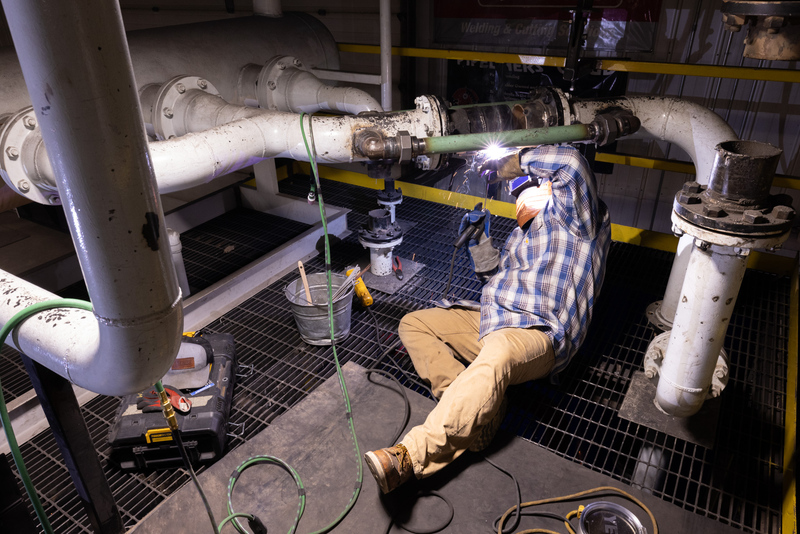
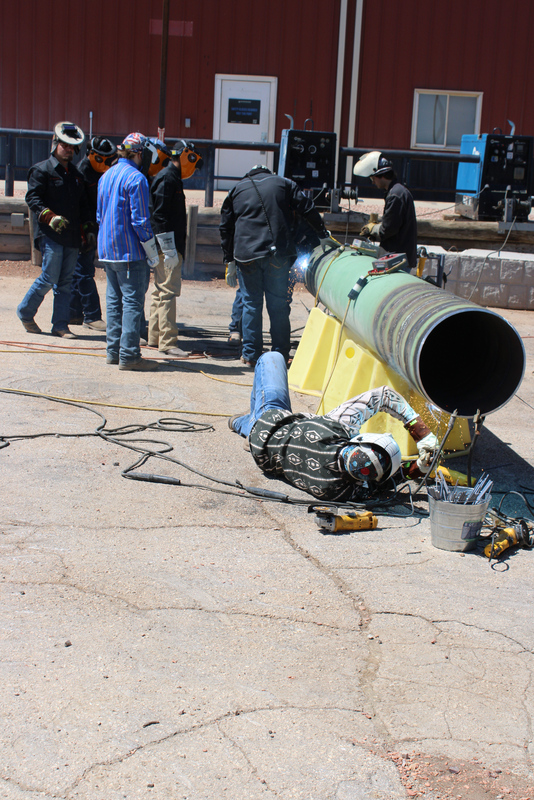
Physical stamina matters more than raw strength. Pipe welders hold awkward positions for extended periods. They weld overhead, in tight spaces, and at ground level. If you can stay focused through physical discomfort and fatigue, you already have a useful foundation. Students who have worked construction, farming, or any labor-intensive job know what this feels like.
Basic spatial awareness rounds out the core skills. Pipe welding involves reading blueprints, understanding angles, and visualizing how a weld joint fits together from different positions. You do not need advanced math. You need to understand basic measurements, fractions, and how parts fit together in three dimensions. If you struggle with these, Western Welding Academy covers measurement and blueprint reading during training. The school builds every technical skill from scratch.
Which Skills Do Not Matter as Much as You Think?
Many people delay pipe welding school because they think they need skills that are not actually required. This is the biggest myth holding beginners back. The internet is full of advice saying you need to master MIG or stick welding first. That is not true at a school designed for beginners.
Prior welding experience is not required. Western Welding Academy starts every student at the same level. Their Foundational Pipe Welder program begins with basic stick welding fundamentals and builds toward pipe. Students with zero welding background graduate at the same rate as those with shop class or hobbyist experience. The 85% graduation rate in the Expert program proves the curriculum works for complete beginners.
Owning your own welding tools is unnecessary. The school provides all equipment, PPE, and consumables during training. Your $7,050 tuition for the Foundational program or $16,800 for the Expert program covers everything. You do not need to invest in a welding machine, helmet, or gloves before your first day. Some students wonder whether to learn MIG, TIG, or stick first. The answer is that the curriculum handles this progression for you.
A mechanical or automotive background is helpful but not needed. Students from retail, food service, office work, and military service all complete the program at the same rate. Your work history does not determine your welding ability. Your work ethic does.
Ready to build the skills that lead to a welding career? Apply now or call (307) 284-5313 today.
How Does Western Welding Academy Develop Every Skill You Need?
Western Welding Academy does not expect you to show up with welding skills. The entire training model assumes you start from zero. That is why 95% of students travel from outside Wyoming to attend. They come for a program specifically built to take beginners to certified pipe welder status in 12 to 24 weeks.
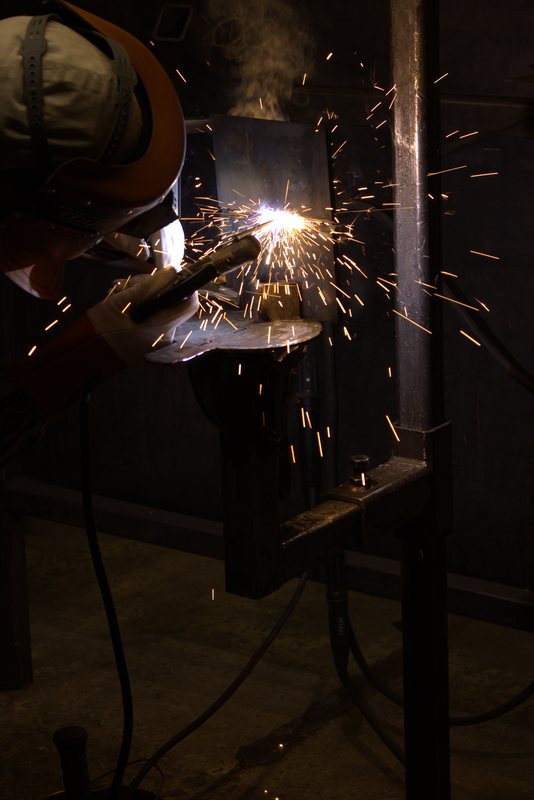
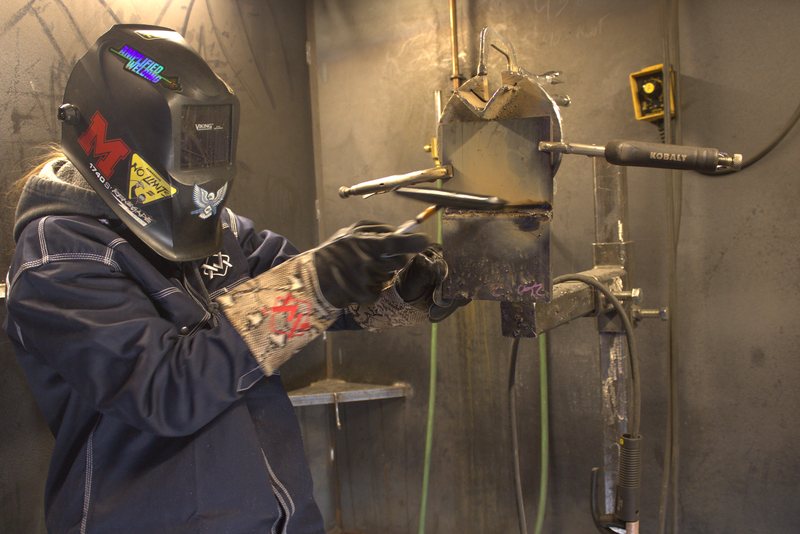
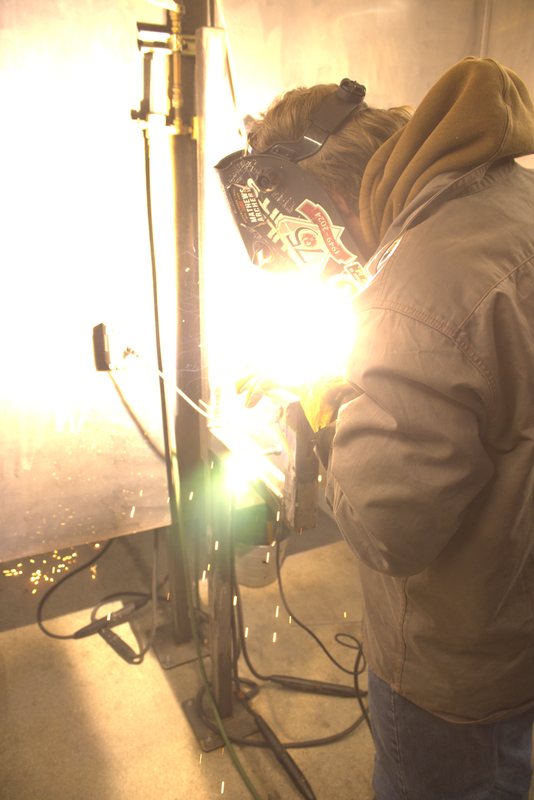
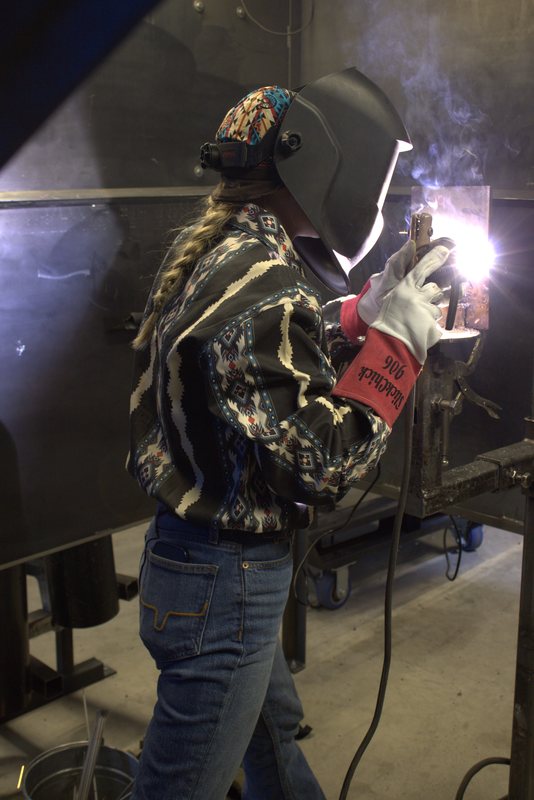
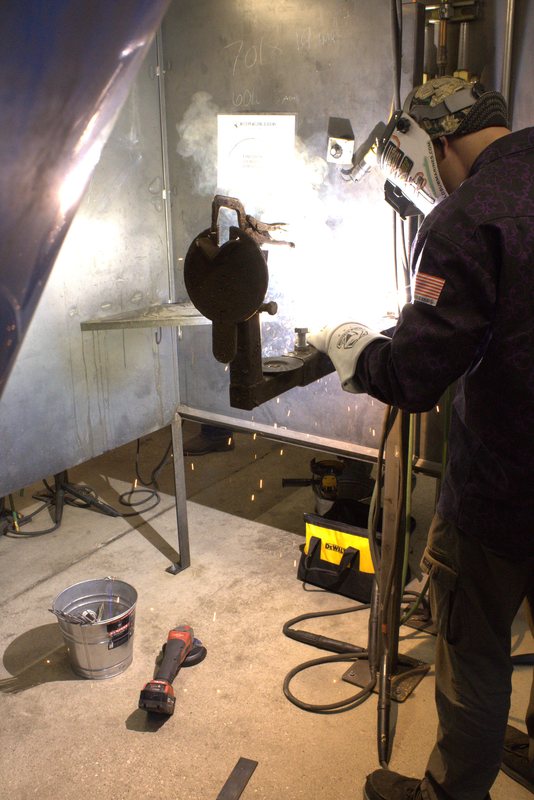
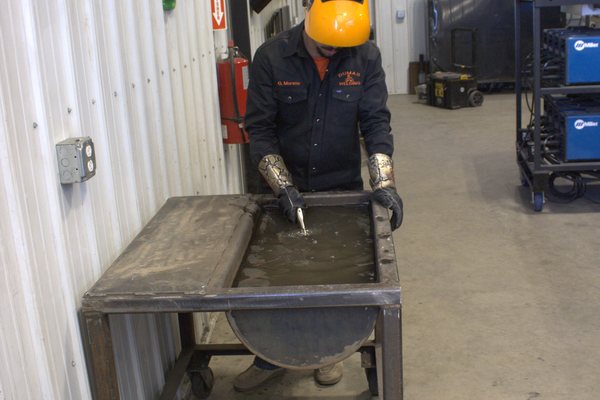
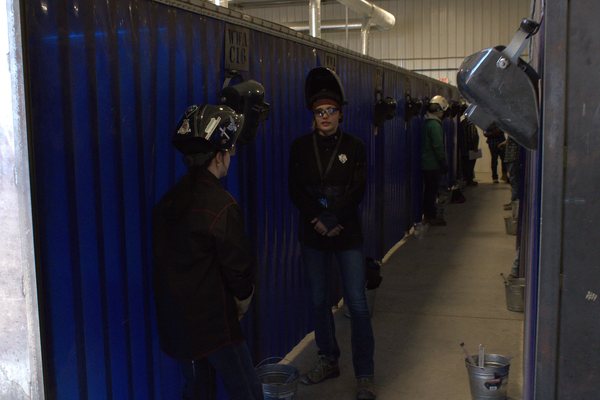
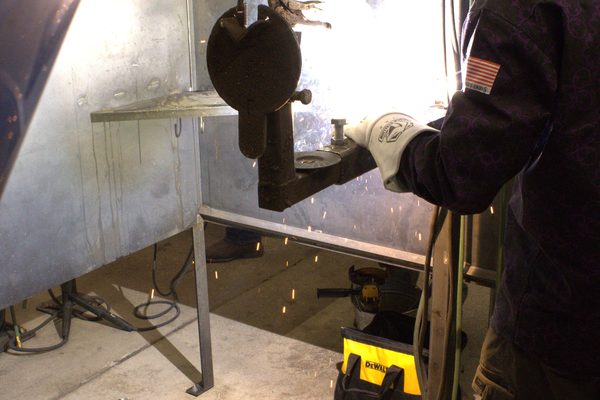
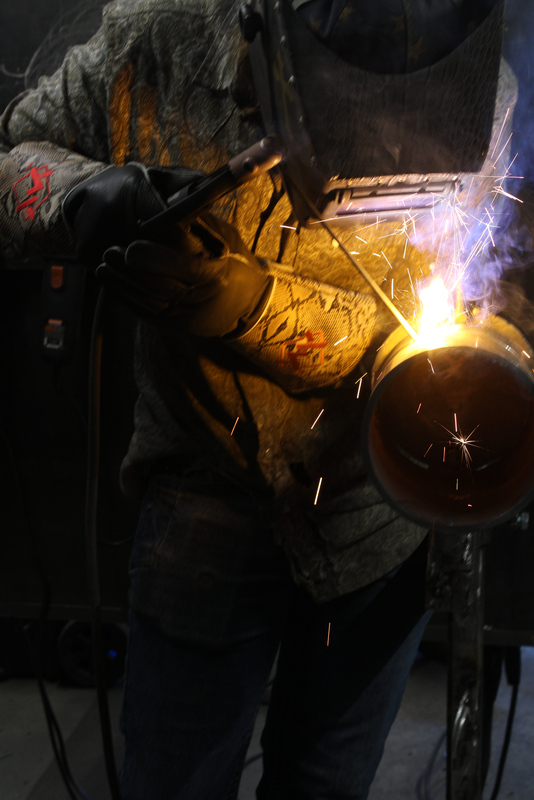
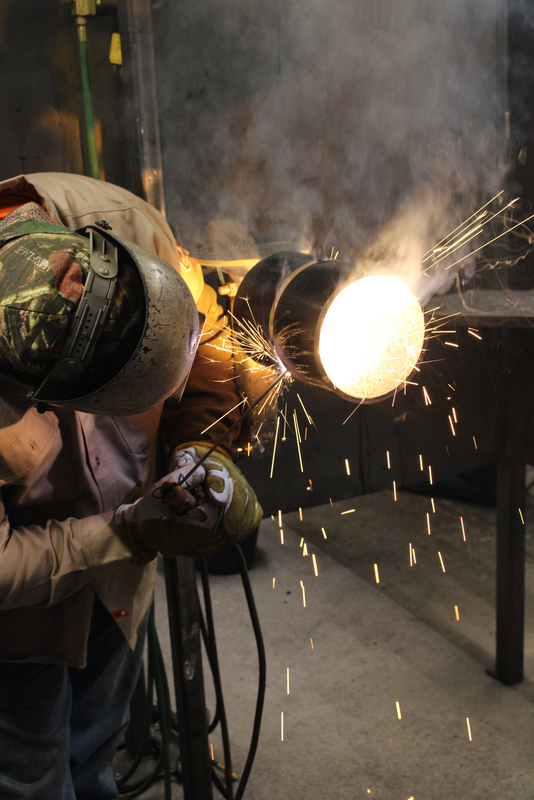
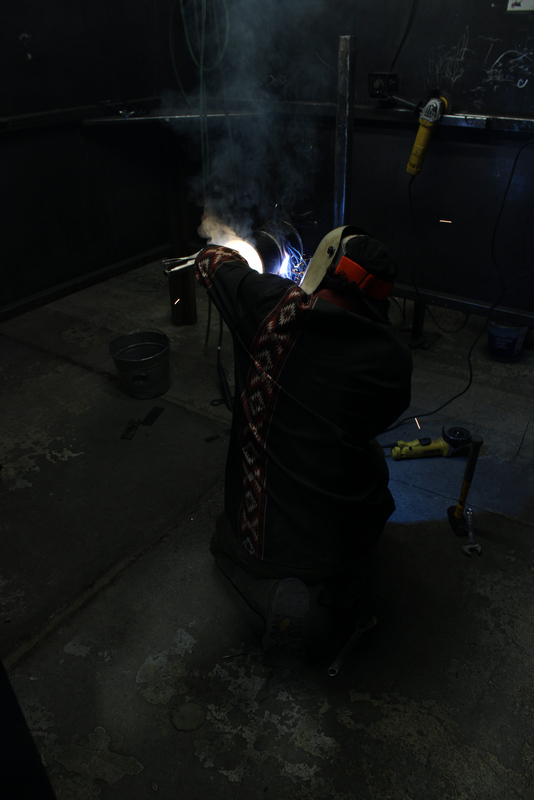
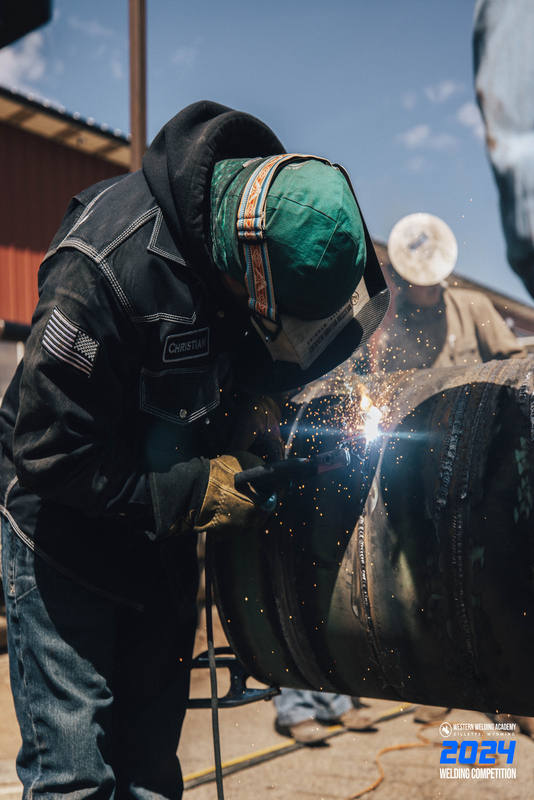
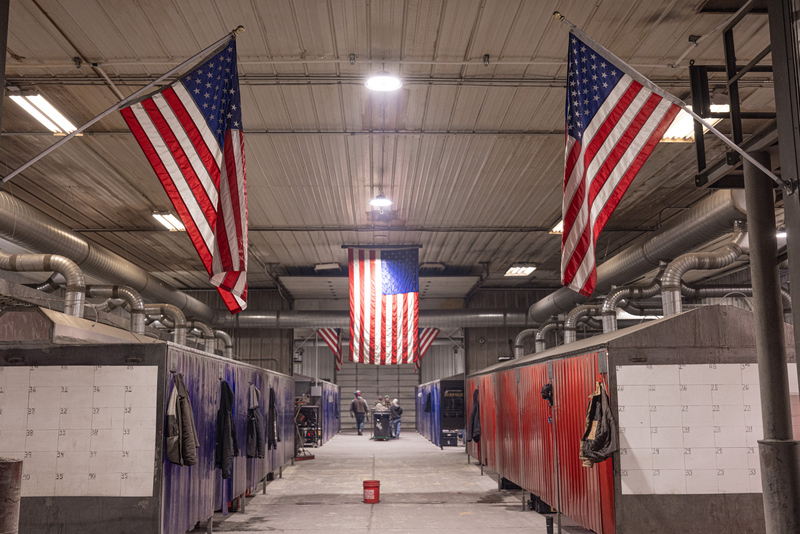
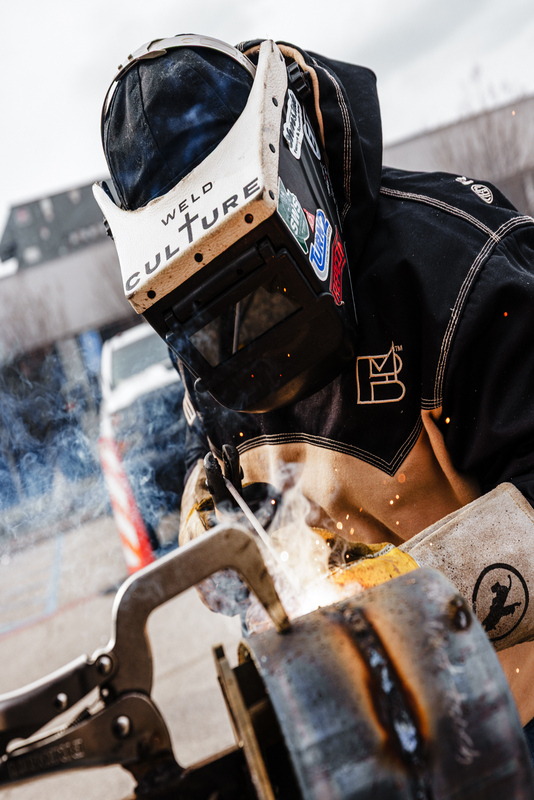
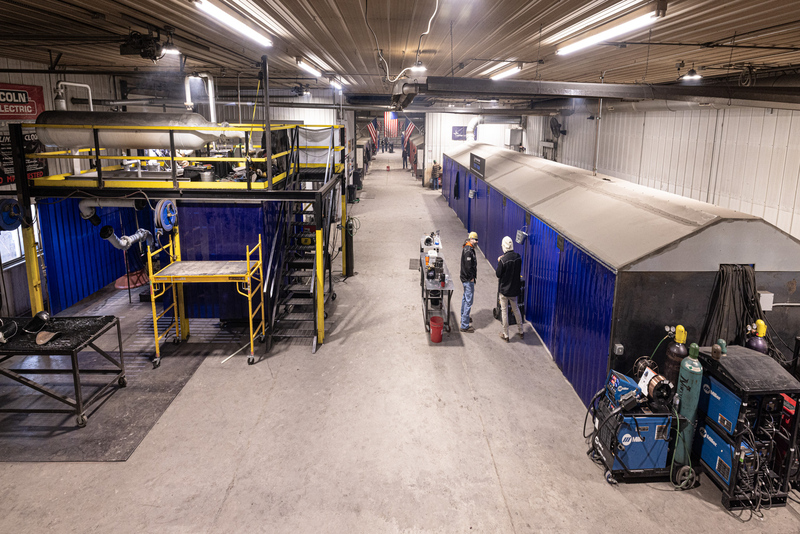
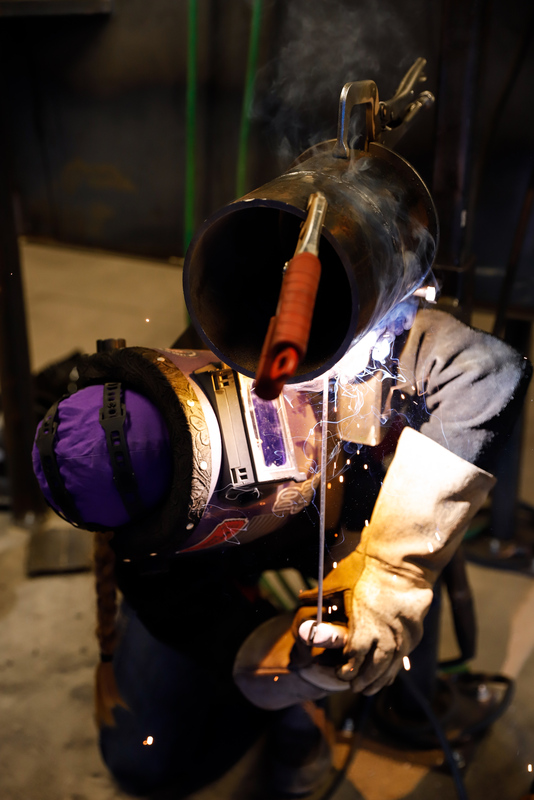
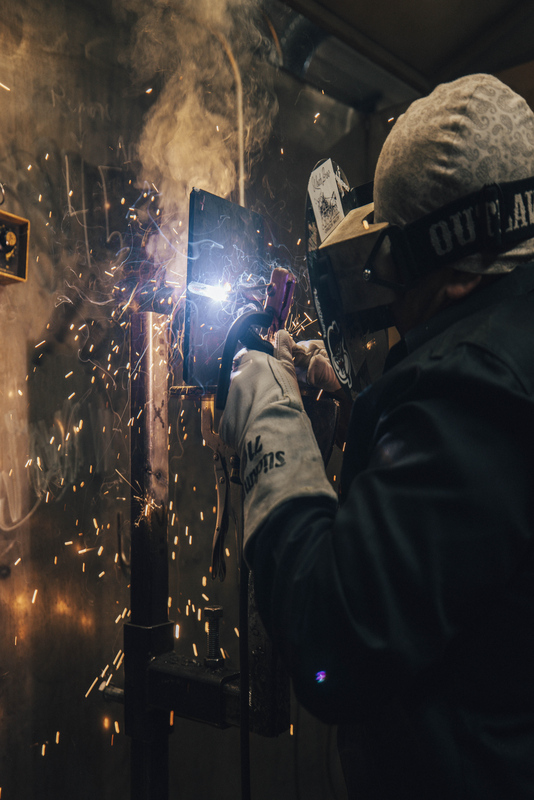
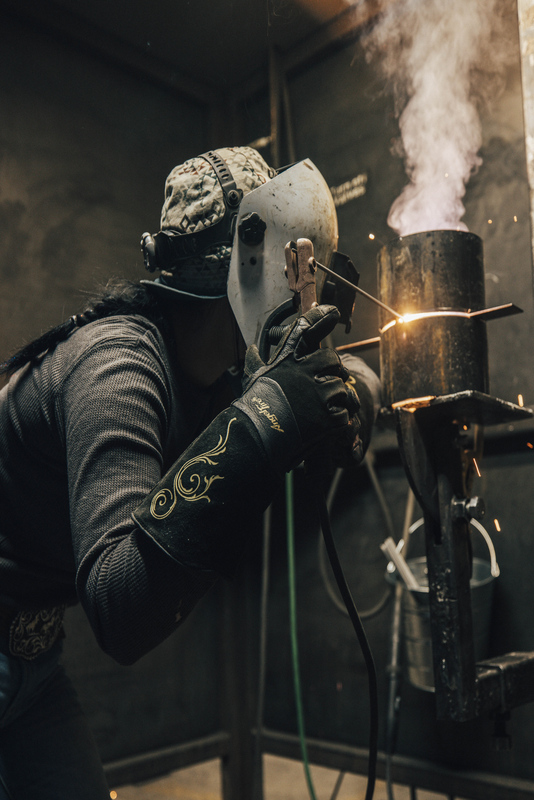
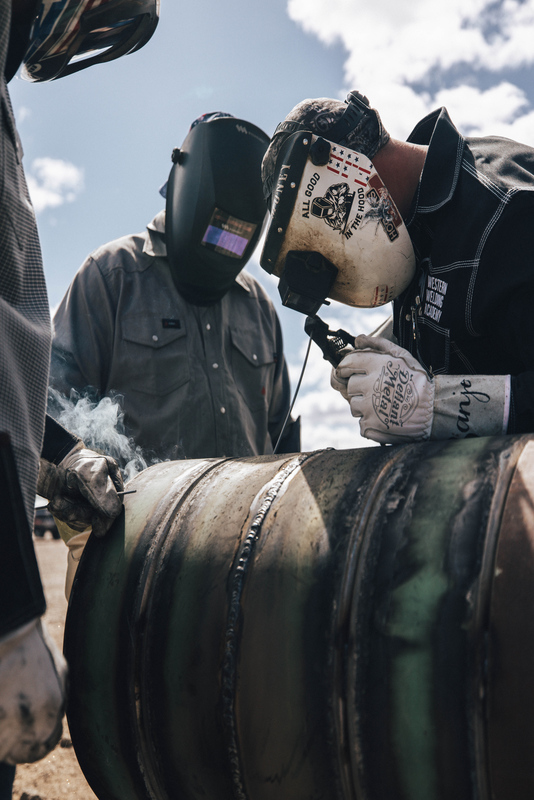
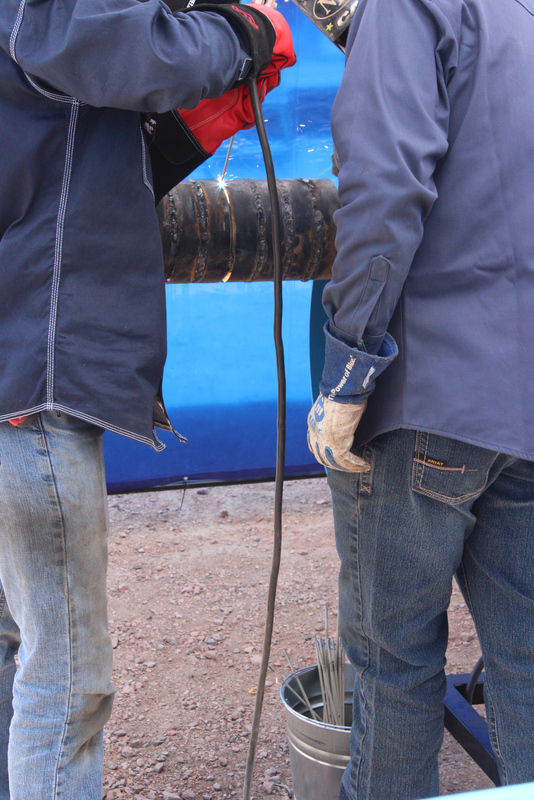
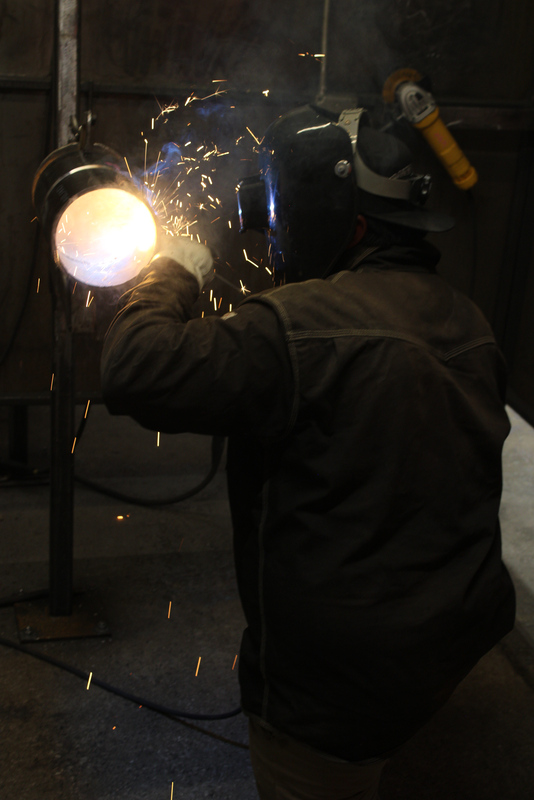
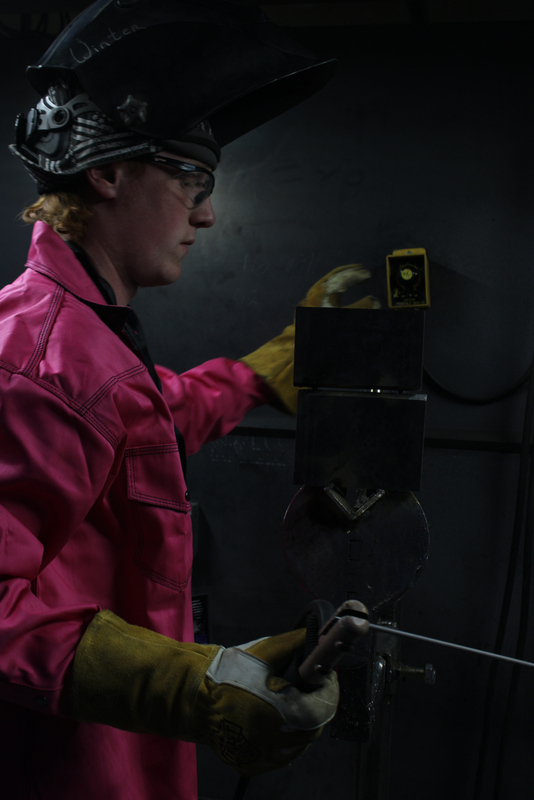
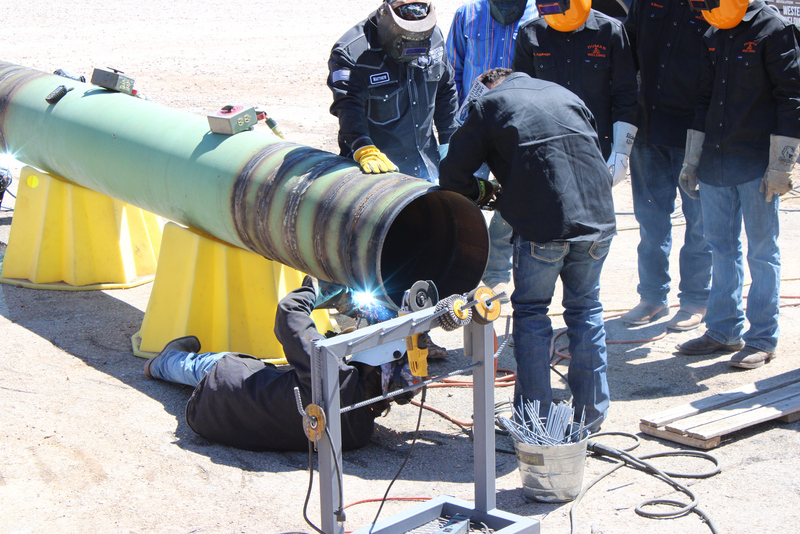
The curriculum dedicates 85% of training time to hands-on booth work. Students spend 40 hours per week in a welding booth. That is 480 total booth hours in the 12 week Foundational program and 960 hours in the 24 week Expert program. Compare that to a community college that offers 10 to 15 booth hours per week spread across two years. More practice in less time builds skills faster.
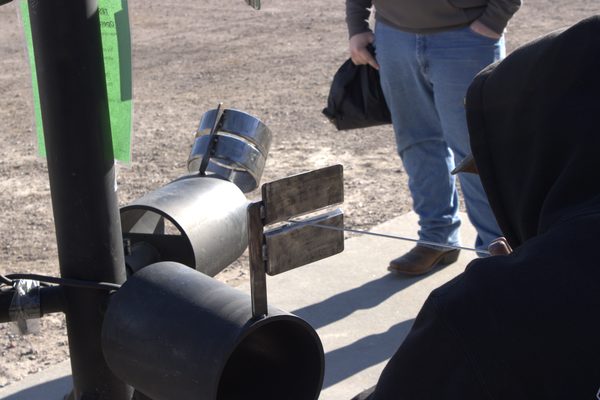
The Professional Pipe Welder program runs 19 weeks at $12,600. It covers stick, MIG, TIG, and flux core welding on both plate and pipe. Students earn multiple certifications including 6G pipe qualification. The Expert Pipe Welder program adds advanced TIG pipe welding, stainless steel, and chrome moly for students targeting the highest paying pipeline and refinery positions.
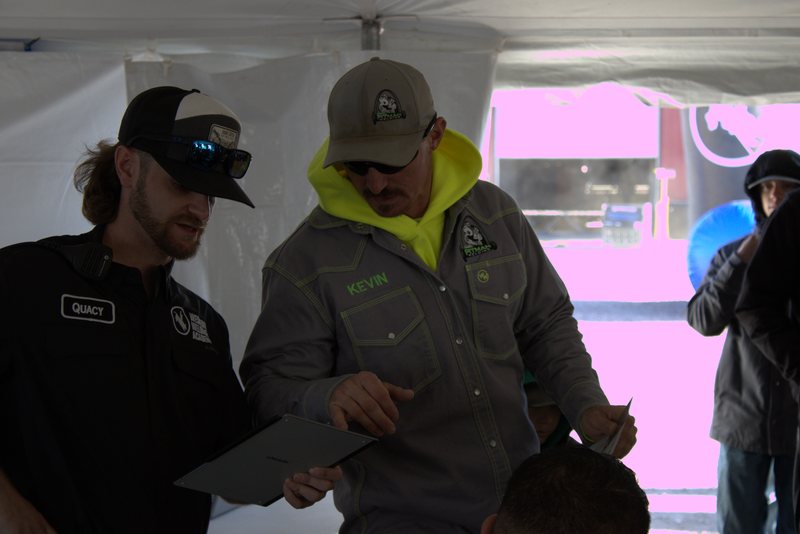
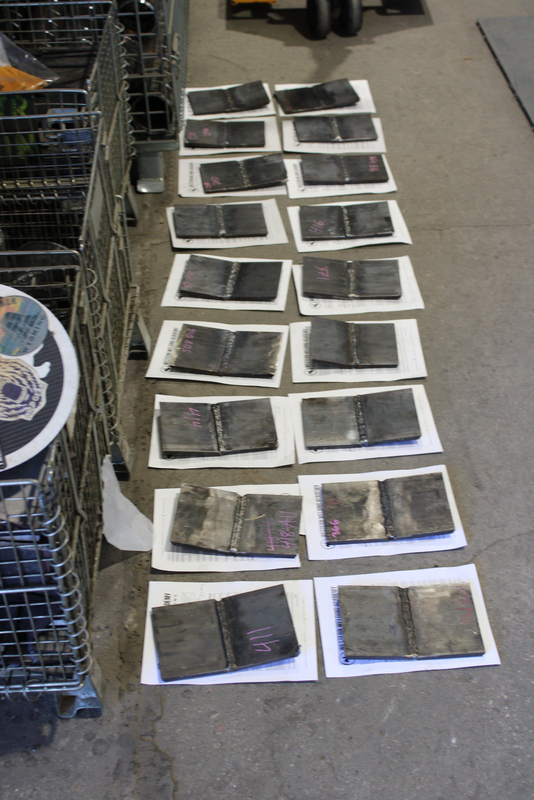
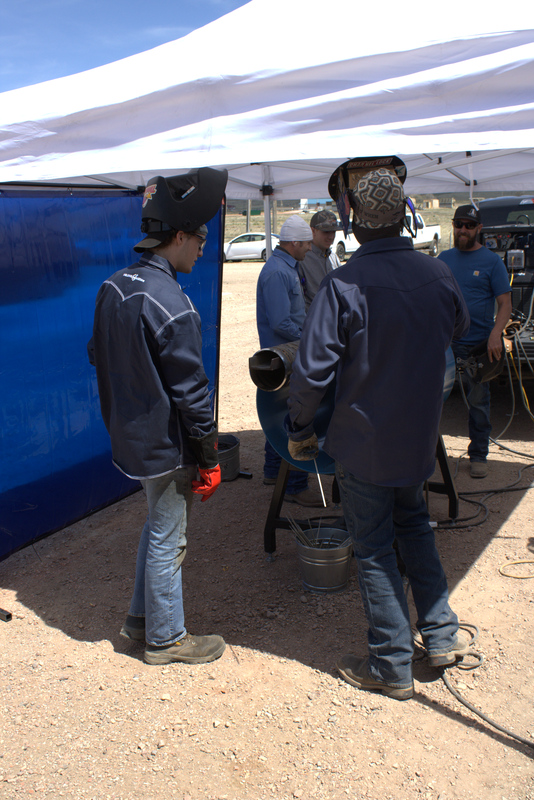
Every instructor at Western Welding Academy has real pipeline field experience. They teach from direct knowledge, not textbook theory. The school also operates as the number one AWS Accredited Testing Facility. Students test on site with the same equipment they train on. This removes the stress of traveling to an unfamiliar testing facility for certification.
What Do Graduates Earn After Building These Skills?
The skills you build at Western Welding Academy translate directly into earning power. Graduates from the Foundational program earn starting wages around $60,000 per year. Professional program graduates average $70,000. Expert program graduates earn $60,000 to $125,000 depending on specialization and location. The tuition pays for itself within 5 to 7 months of full time work.
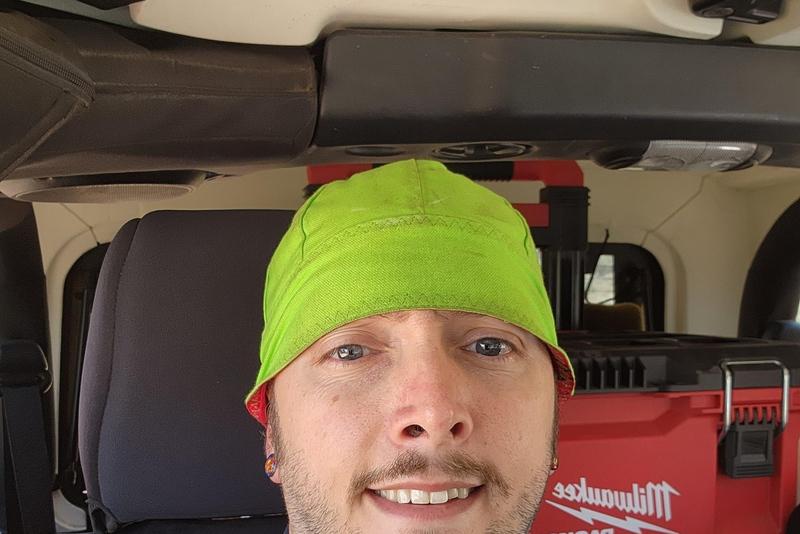
Leyton Wagner earned $4,514 on a single paycheck after completing his training at Western Welding Academy. His verified earnings show what focused pipe welding training produces. Leyton did not need prior experience. He needed the right program.
Gavin Walden pulled in $3,986 per paycheck after graduating. His pipeline position came within 90 days of finishing school. That timeline matches the school's 94% hire rate. Gavin built every skill he needed inside the Western Welding Academy booth.
David Smolek earns $3,417 per paycheck in his welding position. He came to the program with a strong work ethic and basic hand skills. The school turned those traits into certified pipe welding ability in weeks, not years.
Noah clears $4,800 per week as a pipeline welder. He started at Western Welding Academy without a welding background and let the curriculum build his skills systematically. His weekly earnings show what happens when training matches market demand.
Hank earns over $150,000 per year at age 21. He started his training as a teenager and invested in structured skill development instead of trying to learn on job sites. His income at 21 exceeds what most college graduates earn at 30.
What Separates Students Who Succeed From Those Who Struggle?
Western Welding Academy maintains an 85% graduation rate in the Expert program. That compares to 68% at Competitor A, 43% at Competitor B, and 56% at Competitor C. The difference comes down to curriculum design and student selection, but the traits that predict success are not what most people expect.
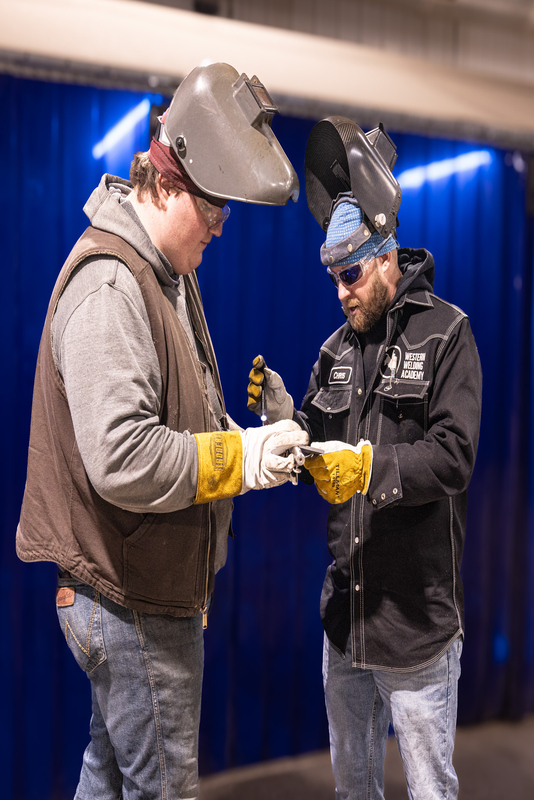
Coachability matters more than talent. Students who listen to instructor feedback, adjust their technique, and practice corrections outperform students who think they already know what they are doing. Prior hobbyist welders sometimes struggle more than complete beginners because they have to unlearn bad habits before building correct technique.
Consistency beats intensity. Welding is a motor skill. Students who show up every day, maintain focus during booth time, and practice the same joint repeatedly build muscle memory faster. Skipping days or rushing through exercises slows progress and weakens fundamentals.
Mental toughness completes the picture. Pipe welding training pushes students physically and mentally. You will fail welds. You will struggle with overhead positions. You will feel frustrated with TIG pipe at first. Students who treat each failed weld as feedback rather than failure are the ones who earn their 6G certification and walk into $60,000 to $125,000 jobs.
How Do You Know If You Are Ready for Pipe Welding School?
If you are physically able to stand for 8 hours, follow instructions, and commit to 12 to 24 weeks of focused training, you are ready. That is the honest answer. Western Welding Academy has accepted students from every background. Office workers, restaurant servers, military veterans, recent high school graduates, and career changers all complete the program. The beginner welding path from zero to pipeline welder is designed exactly for people with no prior experience.
The welding industry needs 82,500 new welders every year. The United States faces a 330,000 welder deficit by 2028. Employers like SpaceX, Steam 88, UFO Motorsports, and major pipeline companies hire directly from Western Welding Academy. The demand for qualified pipe welders far exceeds the supply, which means every graduate who can pass certification tests has job options.
Stop waiting for the perfect time or the perfect skill set. The basic skills you need are the ones you already have: a strong work ethic, the ability to take feedback, and the willingness to commit. Western Welding Academy teaches everything else.
Start building real welding skills in as little as 12 weeks. Apply now or call (307) 284-5313 today.
Frequently Asked Questions
Q1. Do I need welding experience before pipe welding school?
No. Western Welding Academy starts every student at the fundamentals. The curriculum builds from basic stick welding to advanced pipe welding over 12 to 24 weeks. Over 2,000 graduates have completed the program, and many arrived with zero prior welding experience. The 85% graduation rate proves the training works for beginners.
Q2. What physical skills help in pipe welding school?
Good hand-eye coordination, physical stamina, and the ability to hold steady positions help most. Pipe welders work overhead, at ground level, and in tight spaces. You do not need to be exceptionally strong. You need to stay focused through long booth sessions and maintain consistent hand movement under fatigue.
Q3. Do I need to buy welding tools before starting school?
No. Western Welding Academy provides all equipment, safety gear, and consumables during training. Your tuition covers everything from welding machines to protective equipment. Students do not need to invest in personal tools until they start working after graduation.
Q4. Is prior math or blueprint reading knowledge required?
Basic math skills with fractions and measurements are helpful, but Western Welding Academy covers blueprint reading and measurement as part of the curriculum. You do not need advanced math. If you can read a tape measure and understand basic fractions, you have enough foundation to start.
Q5. How long does pipe welding school take for a complete beginner?
The Foundational Pipe Welder program takes 12 weeks. The Professional runs 19 weeks. The Expert takes 24 weeks. All three programs accept complete beginners and include 40 hours of weekly booth time with 85% hands-on instruction.
Q6. What makes Western Welding Academy different from other welding schools?
Western Welding Academy delivers 40 hours per week of booth time with 85% hands-on training, compared to 10 to 15 hours at most schools. The school operates as the number one AWS Accredited Testing Facility. It has a 94% hire rate within 90 days, an 85% Expert program graduation rate, and graduates earning $60,000 to $125,000 per year.
Start Building Your Pipe Welding Career Today
The basic skills you need for pipe welding school are not welding skills. They are work ethic, focus, and commitment. Everything else is taught inside the booth. Call Western Welding Academy at (307) 284-5313 or apply now to start your training.
.jpg)
.jpg)


.jpg)
.jpg)
.jpg)
.jpg)
.jpg)
-thumbnail.jpg)

.jpg)