Why Aluminum Is Different from Steel
Steel gives you visual cues. It changes color as it heats. It moves slowly under the arc. Aluminum does none of that. It stays silver until it suddenly melts through the joint. The base metal melts around 1,200 degrees Fahrenheit, but the aluminum oxide layer sitting on top of it melts at roughly 3,700 degrees. That means you have to break through a barrier that is three times hotter than the metal underneath.
Aluminum also conducts heat about five times faster than carbon steel. The heat you apply at the joint spreads across the entire workpiece in seconds. This is why beginners burn through thin aluminum or end up with warped parts. The metal does not stay hot where you need it. It bleeds energy in every direction. Understanding this single property will change how you approach every aluminum weld.
Porosity is the other problem most new welders face. Aluminum absorbs hydrogen when it is molten. If there is any moisture, oil, or contamination on the surface, the weld traps gas bubbles as it solidifies. Those bubbles weaken the joint and can cause it to fail under load. Clean metal and dry shielding gas are not optional. They are the difference between a weld that holds and one that cracks.
TIG vs MIG for Aluminum Welding
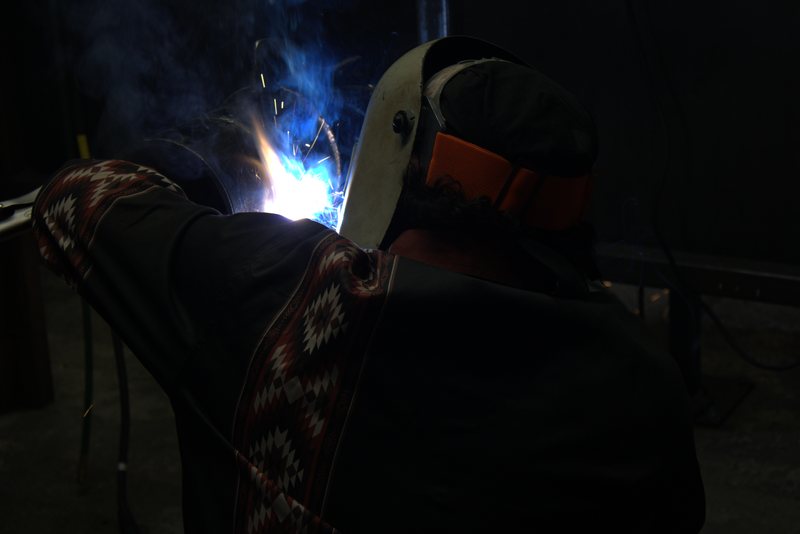
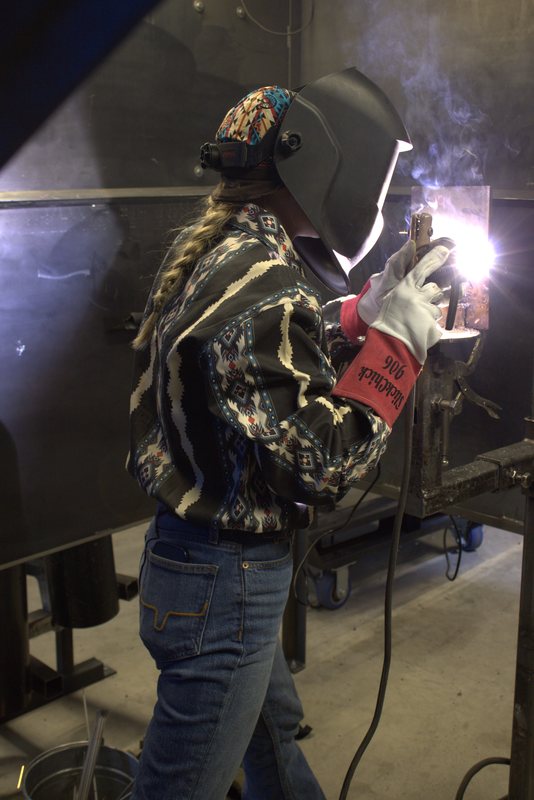
TIG welding, also called GTAW, is the process most professionals reach for on aluminum. It uses an alternating current that cleans the oxide layer on one half of the cycle and penetrates the base metal on the other half. The welder controls the heat with a foot pedal and feeds a separate filler rod by hand. This gives you precise control over the puddle, which is critical on a metal that wants to run away from you.
TIG works best on thinner aluminum, typically under a quarter inch. It produces clean, visually strong welds with minimal spatter. The tradeoff is speed. TIG is slower than MIG, and it demands more hand coordination. A beginner should expect to spend several hours just practicing torch movement and filler dabs before laying a real bead. The learning curve is steep but worth it for precision work.
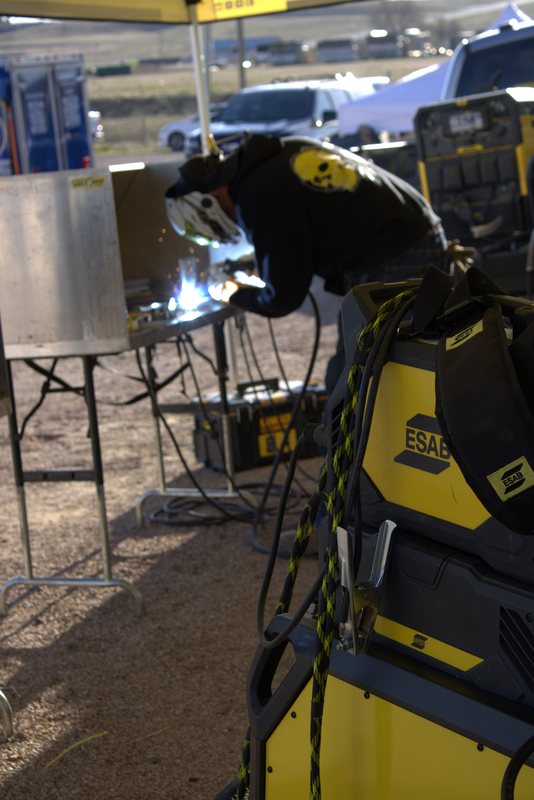
MIG welding, or GMAW, is the faster option. It feeds aluminum wire through a spool gun and uses pure argon shielding gas. MIG handles thicker aluminum better than TIG and covers more ground per minute. The downside is that aluminum wire is softer than steel wire and tends to kink in the feed system. A spool gun mounted directly on the torch solves this by shortening the wire path. If you plan to weld aluminum in production or structural applications, MIG is often the practical choice.
Can you stick weld aluminum? Technically, yes. Aluminum stick electrodes exist, but they produce messy welds with heavy slag and limited control. Most shops and employers do not accept stick-welded aluminum joints for structural or code work. For beginners learning how to weld aluminum, TIG or MIG are the only two processes worth investing time in. If you want to understand how SMAW pipe welding applies to other metals, that is a separate skill set.
Ready to learn aluminum welding the right way? Apply now or call (307) 284-5313.
How to Prep Aluminum Before Welding
Surface preparation decides whether your aluminum weld passes or fails. Start by degreasing the workpiece with acetone or a dedicated aluminum solvent. Grease, oil, and fingerprints introduce contaminants that cause porosity. After degreasing, remove the oxide layer with a stainless steel wire brush dedicated only to aluminum. Using a brush that has touched carbon steel will embed steel particles into the aluminum and contaminate the weld.
Brush in one direction, not back and forth. Scrubbing back and forth pushes contaminants into the surface instead of lifting them off. Once the oxide layer is removed, weld within a few hours. The oxide reforms quickly, especially in humid conditions. If the material sits overnight, brush it again before welding.
For thicker aluminum, preheating the workpiece to 250 to 300 degrees Fahrenheit reduces the thermal shock and helps the weld puddle form evenly. Use a temperature-indicating crayon or an infrared thermometer to confirm the temperature. Overheating weakens the surrounding metal, especially on heat-treatable alloys like 6061. The goal is to take the chill off, not to cook it.
Your filler metal matters as well. ER4043 flows easily and resists cracking, which makes it a solid choice for beginners. ER5356 is stronger and more corrosion resistant but can be less forgiving. Match the filler to the base alloy and the application. Getting this wrong causes cracks and weak joints that no amount of technique can fix.
Common Mistakes Beginners Make with Aluminum
The number one mistake is skipping surface prep. Beginners assume aluminum looks clean enough to weld. It never is. The oxide layer is invisible to the naked eye, and it will destroy your weld quality every time. No shortcut exists for proper cleaning.
The second mistake is using too much heat. Because aluminum conducts heat so quickly, beginners crank the amperage to compensate. This leads to burn-through on thin stock and warping on everything else. Start lower than you think you need. Use a foot pedal on TIG to taper the heat as the workpiece gets hotter through the weld pass.
Dragging the torch instead of pushing it is another common error. On steel, you can drag or push depending on the process. On aluminum, you always push. Pushing the torch keeps the shielding gas ahead of the puddle and protects the molten aluminum from atmospheric contamination. Dragging exposes the puddle to air and guarantees porosity.
Finally, many beginners use the wrong polarity. TIG welding aluminum requires alternating current. Using DC will not clean the oxide layer, and the weld will not fuse properly. MIG welding aluminum uses DC electrode positive. Getting polarity wrong is easy to do and hard to diagnose until you see the results.
Where Aluminum Welding Jobs Pay the Most
Aluminum welding jobs exist across aerospace, marine, automotive, food processing, and structural fabrication. Aerospace pays at the top of the scale because the tolerances are tight and the materials are expensive. Welders working on aircraft structures and fuel systems can earn $30 to $45 per hour depending on certifications and location.
Marine fabrication is another high-demand sector. Aluminum hulls, fuel tanks, and structural components on commercial vessels require certified welders who can pass code tests to AWS D1.2 standards. Welders in this sector earn $25 to $40 per hour in coastal markets like Louisiana, Texas, and Washington.
The broader welding industry faces a shortage of 82,500 welders per year, with a projected deficit of 330,000 by 2028. Welders who can handle aluminum in addition to steel and stainless are the ones who get called first. The highest-paying welding specialties almost always require proficiency in more than one process and more than one metal.
Why the Right Training Decides Everything
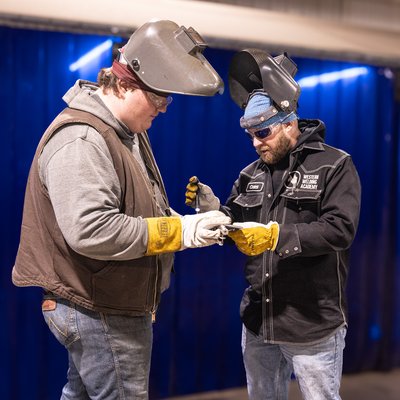
Learning how to weld aluminum from YouTube videos will teach you what the process looks like. It will not teach you how the puddle feels under your hands, how the foot pedal responds when the workpiece heats up, or how to adjust in real time when the joint starts to move. Aluminum welding is a hands-on skill that demands hands-on training.
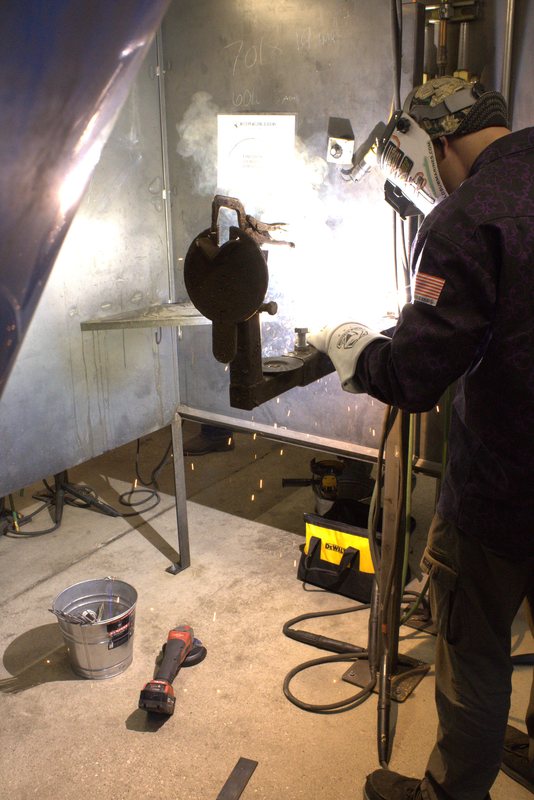
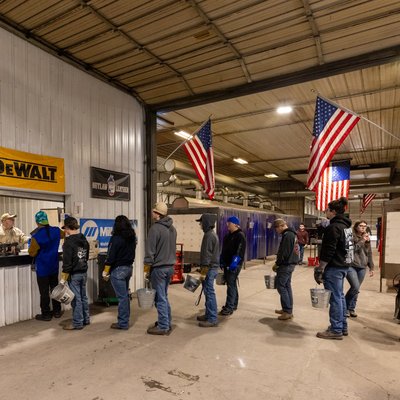
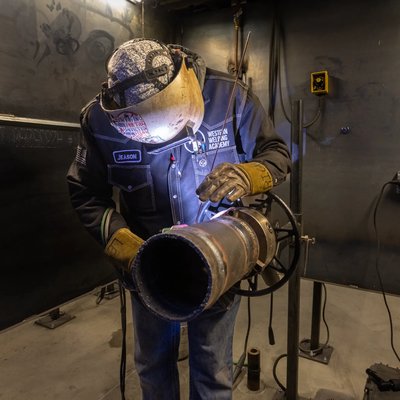
Western Welding Academy puts students in the welding booth for 85% of their program, 40 hours a week. That is where aluminum welding skills are built: repetition, correction, and more repetition under the guidance of instructors with 330 combined years of field experience. The school has graduated over 2,000 students with a 94% hire rate, and most graduates pay back their tuition within 5 to 7 months of landing their first job.
Leyton Wagner earns $4,514 per paycheck as a verified graduate of Western Welding Academy. His outcome reflects the earning potential that opens up when a welder combines process versatility with real field readiness. That number is not a projection. It is documented on the school's website.
Gavin Walden brings home $3,986 per paycheck, also verified through Western Welding Academy's graduate tracking. Gavin went through the same hands-on training model, spending the majority of his program time in the booth perfecting his technique across multiple processes.
David Smolek earns $3,417 per paycheck. His path followed the same pattern: intensive booth training, proper certifications, and willingness to go where the work is. Three different graduates, three different pay levels, all well above the national average for early-career welders.
Noah cleared $2,800 per week working on the North Slope in Alaska after graduating. Hank hit $150,000 per year by age 21. These are not outliers from a 30-year dataset. They are recent graduates who stacked the right certifications, trained in the right environment, and moved when opportunity called.
The Expert Pipe Welder program runs 24 weeks and covers SMAW, GTAW, and advanced techniques across carbon steel, stainless, and other alloys. Tuition is $35,800, all-inclusive, covering housing, tools, and materials. Graduates from this program earn $60,000 to $125,000 depending on specialty and willingness to travel. The Professional Pipe Welder program covers similar ground in 19 weeks at $27,600 with salary outcomes of $50,000 to $90,000.
Ready to learn aluminum welding the right way? Apply now or call (307) 284-5313.
Frequently Asked Questions
Q1. What is the best way to weld aluminum for beginners?
TIG welding with alternating current is the best starting point for beginners. It gives you precise control over heat input and allows you to clean the oxide layer during the welding process. Start with thin practice coupons and use a foot pedal to manage amperage as the workpiece heats up.
Q2. Can you stick weld aluminum?
Yes, aluminum stick electrodes exist, but the results are rough and not accepted for most structural or code work. Stick welding aluminum produces heavy slag, poor bead appearance, and inconsistent penetration. TIG or MIG are the standard processes for aluminum in professional settings.
Q3. Why is aluminum so hard to weld?
Aluminum melts at a lower temperature than steel but has an oxide layer that melts at roughly 3,700 degrees Fahrenheit. It conducts heat five times faster than carbon steel, causing rapid heat dissipation and warping. It also absorbs hydrogen when molten, which causes porosity if the surface is not properly cleaned.
Q4. Do you need AC or DC to weld aluminum?
TIG welding aluminum requires alternating current. The AC cycle alternates between cleaning the oxide layer and penetrating the base metal. MIG welding aluminum uses DC electrode positive. Using the wrong polarity will prevent proper fusion and produce defective welds.
Q5. What gas do you use for aluminum welding?
Pure argon is the standard shielding gas for both TIG and MIG aluminum welding. Some MIG applications use an argon and helium mix to increase heat input on thicker material. Never use CO2 or mixed gases designed for steel. They react with molten aluminum and destroy the weld.
Q6. What makes Western Welding Academy different from other welding schools?
Western Welding Academy dedicates 85% of program time to hands-on booth training, 40 hours per week. Instructors carry 330 combined years of industry experience. The school has graduated over 2,000 students with a 94% hire rate, and most graduates pay back tuition within 5 to 7 months. All tuition is all-inclusive, covering housing, tools, and materials.
Start Welding Aluminum the Right Way
Aluminum welding is not harder than steel welding. It is different. The welders who succeed with it are the ones who learn the science behind the metal before they strike the arc. Clean the surface. Choose the right process. Control the heat. Every other variable follows from those three fundamentals.
Call Western Welding Academy at (307) 284-5313 or apply now to start your welding career with real hands-on training from day one.


.jpg)
.jpg)
.jpg)
.jpg)
.jpg)
-thumbnail.jpg)

.jpg)