What a Welding Procedure Specification Actually Is
A WPS is a written document that provides direction to the welder for making production welds according to a specific code. On pipeline work, that code is usually API 1104 or ASME Section IX. The WPS lists every essential variable the welder must follow: the welding process for each pass, the filler metal type and diameter, the joint design, the position, the electrical parameters, the shielding gas type and flow rate, the preheat and interpass temperature ranges, and the post weld heat treatment requirements.
The WPS is not a suggestion. It is a binding instruction. Every variable on the document has been qualified through a Procedure Qualification Record (PQR), which is a destructive test proving that a weld made with those specific variables meets code requirements. Deviating from the WPS means the weld is no longer qualified, regardless of how good it looks.
The Key Sections of a WPS and What They Mean
A standard WPS contains specific sections that control different aspects of the weld. Reading them in order builds a complete picture of what the joint requires before the welder strikes an arc.
Joint Design and Preparation
This section specifies the bevel angle, root face dimension, root opening (gap), and land preparation. On pipeline work, typical values are 30 to 37.5 degree bevel angles with a 1/16 to 3/32 inch root gap. The joint design directly affects penetration, fusion, and the welder's ability to tie in the root pass. Misreading the root gap specification is one of the most common WPS errors new welders make.
Base Metal and Filler Metal
The base metal section identifies the pipe material grade and thickness range the procedure covers. The filler metal section specifies the electrode classification (such as E6010 for root, E8010 for fill and cap on high strength pipe), diameter, and any specific brand requirements. Using the wrong electrode classification invalidates the entire weld.
Welding Process and Electrical Parameters
This section lists the welding process for each pass (SMAW, GTAW, FCAW, or combinations), along with the acceptable amperage and voltage ranges. The ranges are not arbitrary. They represent the window within which the PQR testing proved the weld meets code. Welding outside these ranges means welding outside the qualified envelope.
Learn to read and apply WPS documents on real pipe joints. Apply now or call (307) 284-5313.
Preheat and Interpass Temperature
Preheat temperature is the minimum temperature the pipe must reach before welding begins. Interpass temperature is the maximum temperature allowed between passes. These values prevent cracking in the heat affected zone and control the metallurgical properties of the finished weld. On high strength pipeline steel, preheat requirements of 200 to 300 degrees Fahrenheit are common. Missing preheat or exceeding interpass limits causes hydrogen cracking that may not appear until hours or days after welding.
Position and Technique
The position section indicates which welding positions the procedure qualifies: 1G (rolled), 2G (horizontal), 5G (fixed horizontal), or 6G (fixed at 45 degrees). The technique section specifies stringer beads versus weave beads, travel direction (uphill or downhill), and any restrictions on bead width relative to electrode diameter.
Post Weld Heat Treatment (PWHT)
Some WPS documents require stress relief heat treatment after welding is complete. The PWHT section specifies the heating rate, hold temperature, hold time, and cooling rate. Missing or incorrectly performing PWHT on a joint that requires it means the entire weld must be cut out and redone after proper heat treatment.
Common WPS Reading Mistakes That Cause Rejections
The mistakes that cause WPS related rejections on pipeline jobs are predictable. New welders make them because they learned to weld without learning to read the documents that govern the weld.
Using the wrong electrode for a specific pass is the most frequent error. A WPS may call for E6010 on the root and hot pass but E8010 on fill and cap passes. Grabbing the wrong rod from the oven changes the mechanical properties of the entire joint. Reading the filler metal section pass by pass prevents this mistake.
Ignoring preheat requirements causes the most expensive failures. A welder who starts welding cold pipe because the WPS looked complicated or because they skipped that section risks hydrogen cracking that shows up on the X-ray the next day. That rejection costs a full day of rework.
Welding outside the amperage range happens when welders adjust heat based on feel instead of checking the WPS limits. Running too hot causes burn through and excessive heat input. Running too cold causes lack of fusion. Both result in rejection.
Why Proper Training Includes WPS Application
A welding school that teaches technique without teaching code application sends graduates to the job site unprepared. Pipeline welders do not get to choose their own parameters. They weld what the WPS tells them to weld. If they cannot read and follow the document, their technique skills do not matter.
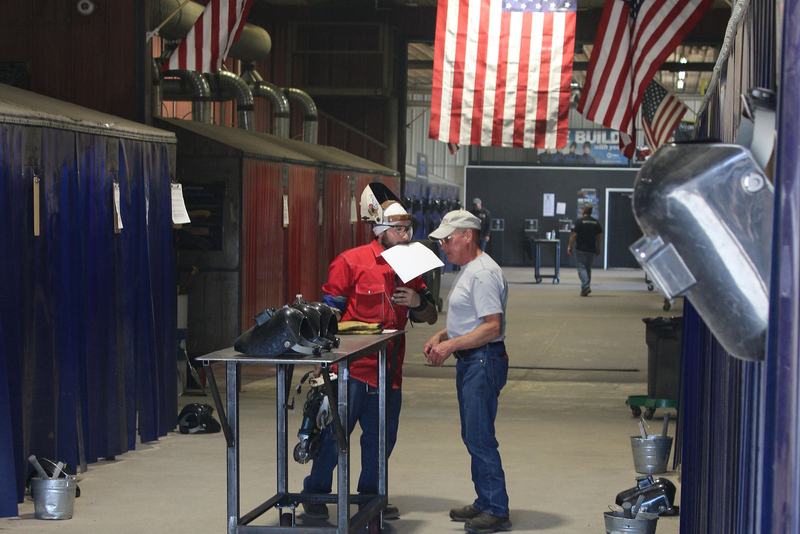
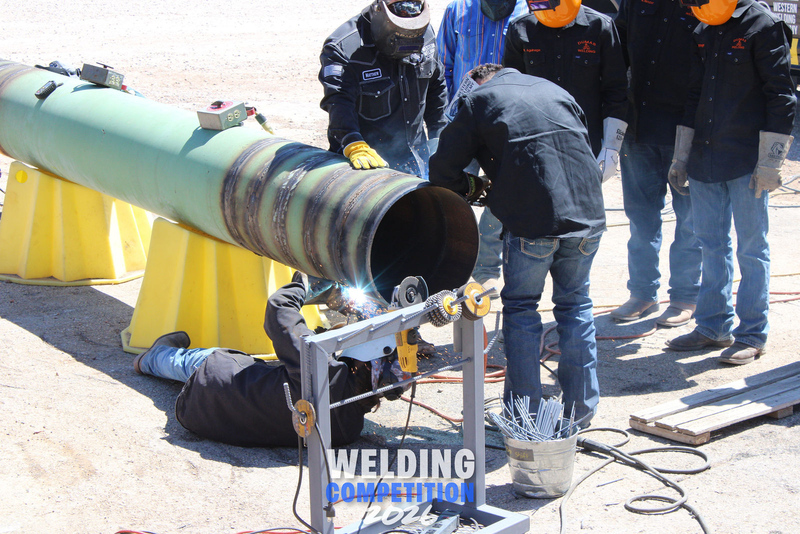
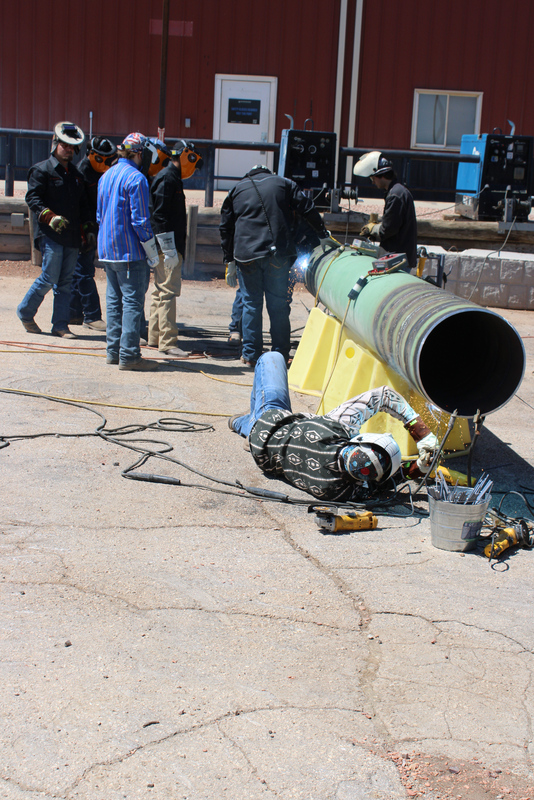
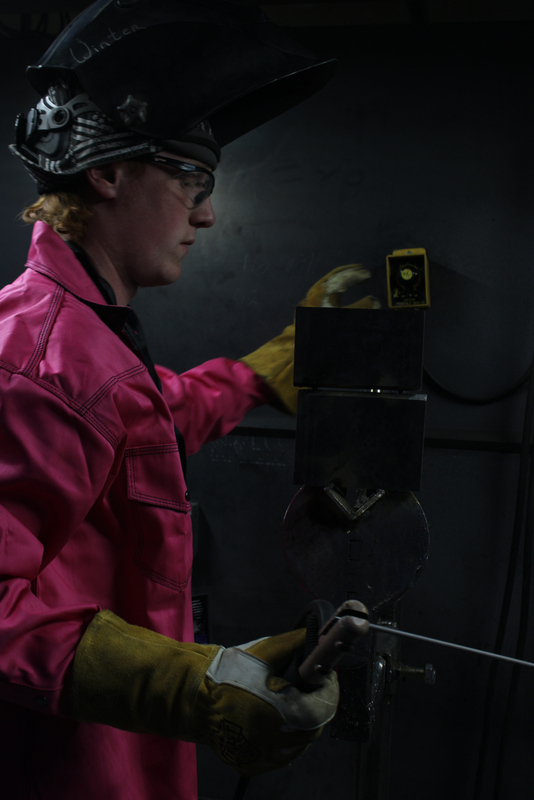
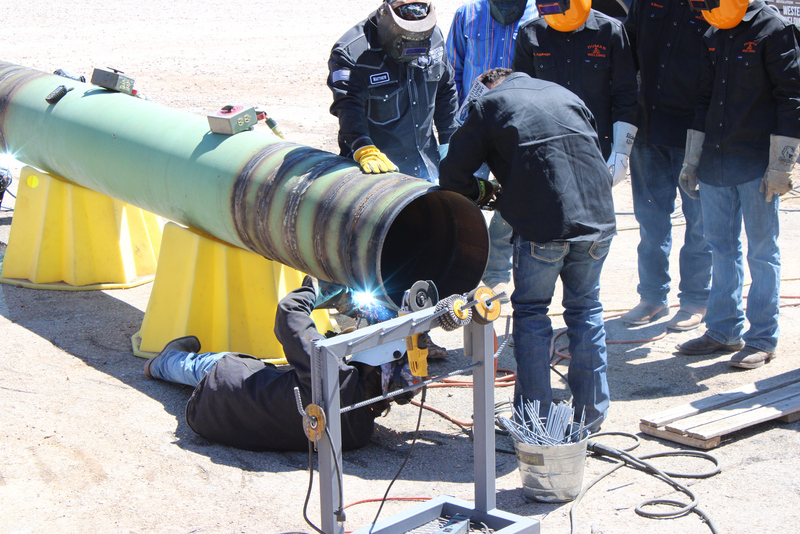
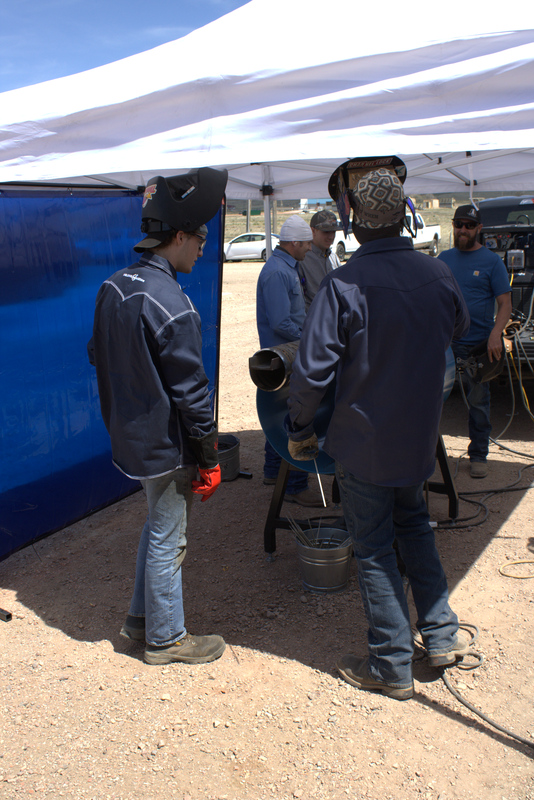
At Western Welding Academy, students read and apply WPS documents on every pipe joint they weld. The Expert Pipe Welder program covers API 1104 code requirements alongside hands-on welding. Students learn to cross reference the WPS with their technique, check their parameters against the qualified ranges, and verify preheat and interpass temperatures before and during welding. This integration of code knowledge with booth practice is why graduates pass certification tests and job site qualifications at rates that exceed the national average.
What WPS Fluency Is Worth on the Pipeline
Pipeline contractors pay premium rates to welders who can read a WPS, set up their equipment to match, and produce welds that pass inspection without supervision. Every rejected weld costs time and money. Welders who weld to code from the first joint earn trust and callbacks. Western Welding Academy graduates enter the workforce with both the technique and the code knowledge that keeps them welding and earning.
Leyton Wagner earns $4,514 per paycheck. His training at Western Welding Academy included reading and applying WPS documents on every pipe joint, so he arrived on his first pipeline job already fluent in the paperwork that controls the weld.
Gavin Walden takes home $3,986 per paycheck. His ability to set up for a new WPS quickly and produce code compliant welds from the first joint makes him a reliable production welder contractors want on their crew.
David Smolek earns $3,417 per paycheck. His WPS reading skills mean he catches electrode and parameter requirements before striking an arc, preventing the kind of rejections that slow down a pipeline spread.
Noah clears $4,800 per week on pipeline projects. His multi process certification across SMAW, GTAW, and FCAW means he can follow WPS documents that call for process changes between passes without missing a beat.
Hank crossed $150,000 per year before age 22. His code knowledge and clean weld record earned him positions on critical path joints where reading and following the WPS correctly is not optional.
How to Build WPS Reading Into Your Welding Career
Start by understanding that every production weld on a pipeline has a WPS behind it. Get comfortable reading the document sections before you try to memorize them. Focus first on the fields that directly affect your setup: process, filler metal, amperage range, preheat, and position. Then expand to the fields that affect your technique: interpass temperature, bead sequence, and travel direction.
The fastest path to WPS fluency is structured training where code application and booth practice happen together. A program that separates classroom theory from welding practice produces welders who know the answers on a written test but fumble the application on a real joint. Integrated training builds the habit of checking the WPS before every weld, the same way you check your hood and gloves.
Learn to read, apply, and weld to code on every joint. Apply now or call (307) 284-5313.
Frequently Asked Questions
Q1. What happens if you deviate from a WPS on a pipeline job?
Any deviation from the qualified WPS variables makes the weld non-code-compliant. Depending on the deviation, the weld may be rejected on visual inspection, X-ray, or destructive testing. The joint must be cut out and rewelded to the correct WPS. Repeated deviations can result in removal from the project.
Q2. Who writes the WPS for a pipeline project?
The welding engineer or the contractor's quality department writes and qualifies the WPS. The welder's job is to read, understand, and follow it exactly. Welders do not modify or create WPS documents in the field.
Q3. How many WPS documents does a typical pipeline project have?
A typical pipeline project may have 5 to 15 different WPS documents covering various pipe diameters, wall thicknesses, material grades, and joint configurations. A welder may work under several different WPS documents during a single project depending on the work assigned.
Q4. Do you need to memorize the WPS?
No. The WPS must be available at the work station for reference at all times during welding. However, experienced welders become familiar enough with common WPS formats that they can set up quickly without studying every line. The key skill is knowing which sections to check for each joint.
Q5. What is the difference between a WPS and a PQR?
The WPS tells the welder what to do. The PQR proves the procedure works. A PQR documents the actual variables used during a qualification test weld and the results of destructive testing on that weld. The WPS draws its authority from a supporting PQR.
Q6. What makes Western Welding Academy different from other welding schools?
Western Welding Academy integrates WPS reading and code application with 85% hands-on booth time, on-site AWS accredited testing, 6G and API 1104 certification, a 94% placement rate within 90 days, and named graduates earning $3,400 to $4,800 per paycheck. Over 2,000 graduates from all 50 states have completed the program.
Read the WPS, Weld to Code, Stay Employed
WPS fluency separates pipeline welders who pass every test from welders who guess and get cut. Western Welding Academy builds that fluency alongside the technique that makes it matter. Call Western Welding Academy at (307) 284-5313 or apply now to learn the code knowledge and welding skills that pipeline contractors pay for.


.jpg)



.jpg)


.jpg)
.jpg)
.jpg)
.jpg)
.jpg)
-thumbnail.jpg)

.jpg)