Why Certification Tests Exist and What They Actually Measure
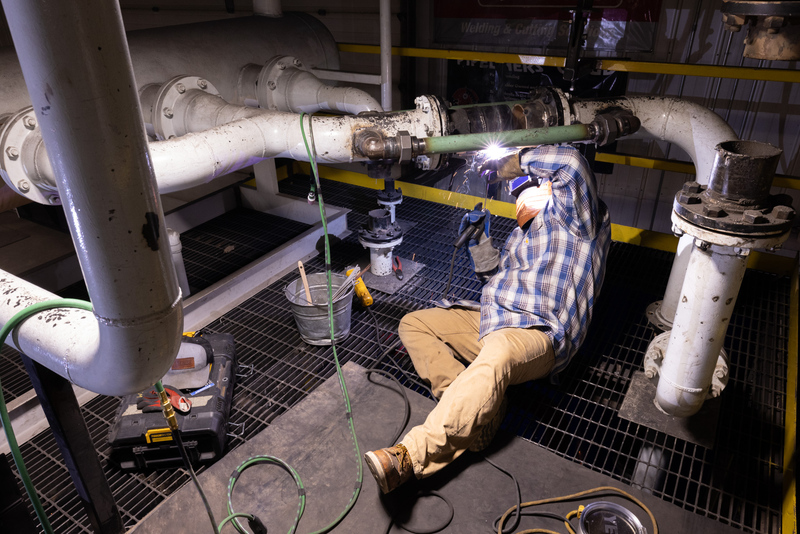
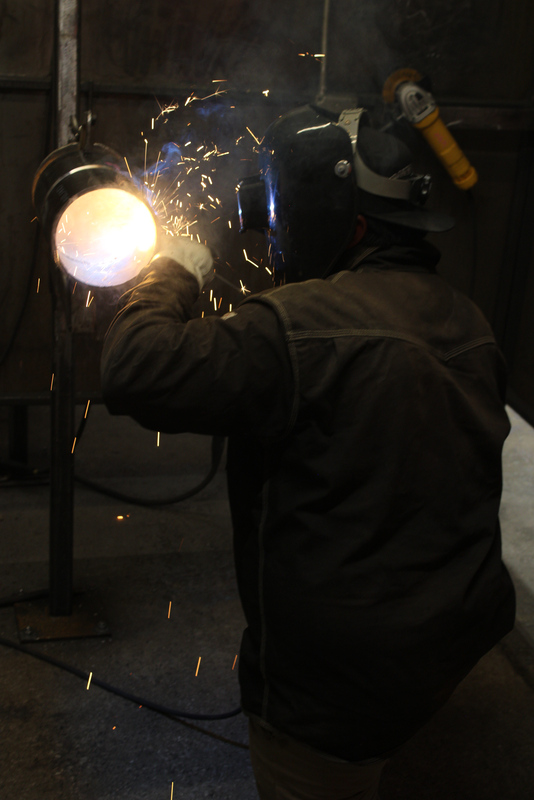
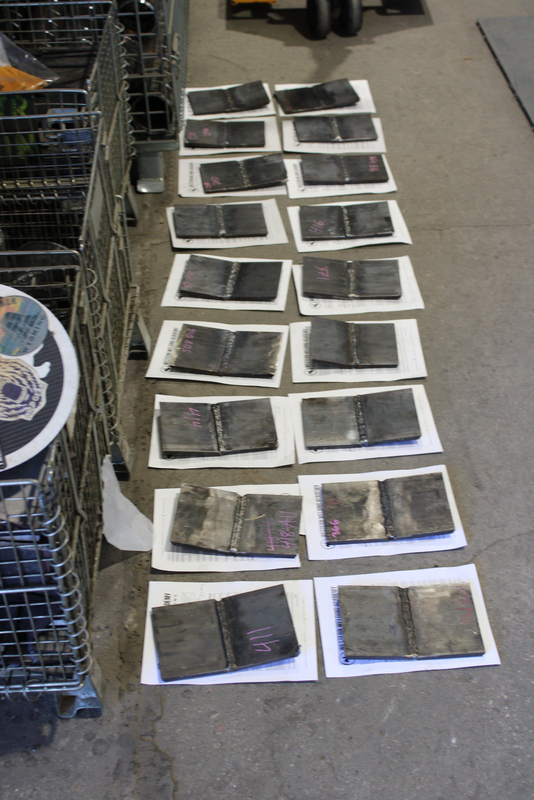
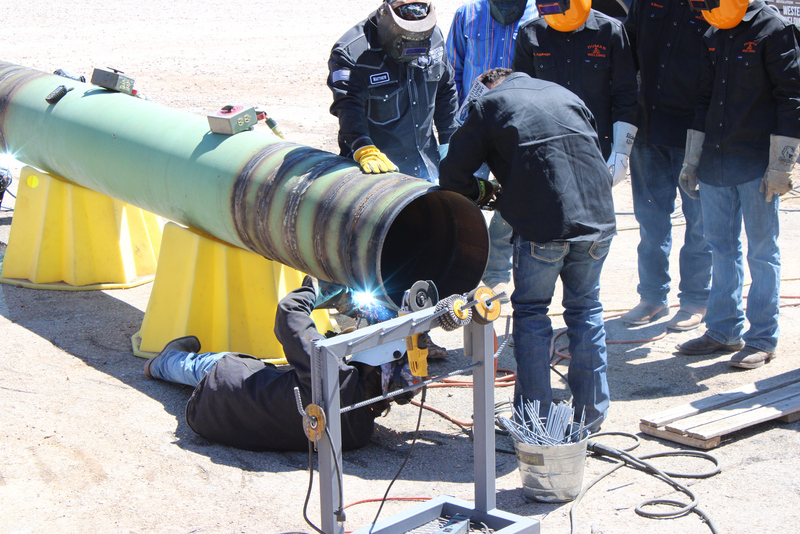
Pipe welding certification tests are not skill demonstrations. They are quality verification systems. The test does not care how many years you have welded. It cares whether your weld joint meets code requirements under controlled conditions. The 6G certification places a pipe at a 45 degree fixed angle and requires the welder to produce a complete joint that passes X ray, bend testing, or both. Every defect is measured against a written standard.
Shop welding rarely faces this level of scrutiny. Visual inspection by a supervisor is the norm. A weld that holds and looks decent passes. Certification testing uses destructive and nondestructive examination methods that reveal internal defects invisible to the naked eye. Porosity, lack of fusion, incomplete penetration, and slag inclusions all fail the test even when the surface looks perfect.
This is the first shock for experienced welders. The standard is not whether the weld works. The standard is whether the weld meets a written specification at every point in the joint. That distinction separates shop quality from code quality.
Root Pass Failures: The Number One Test Killer
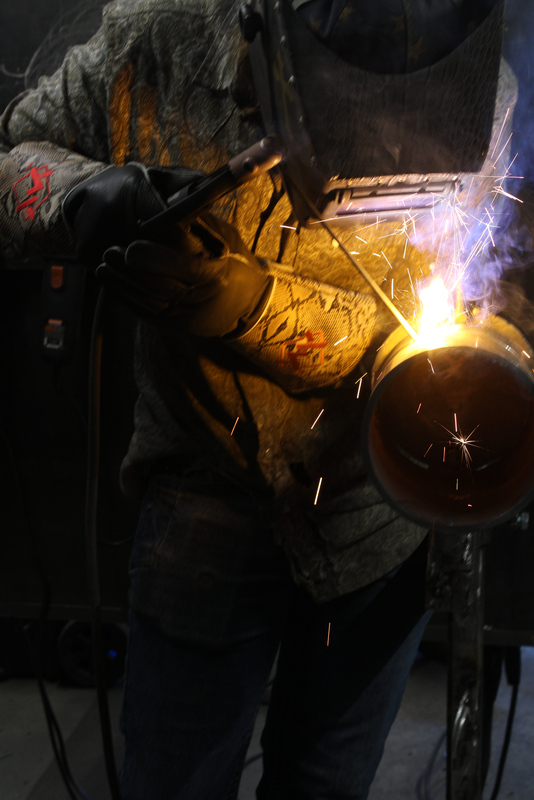
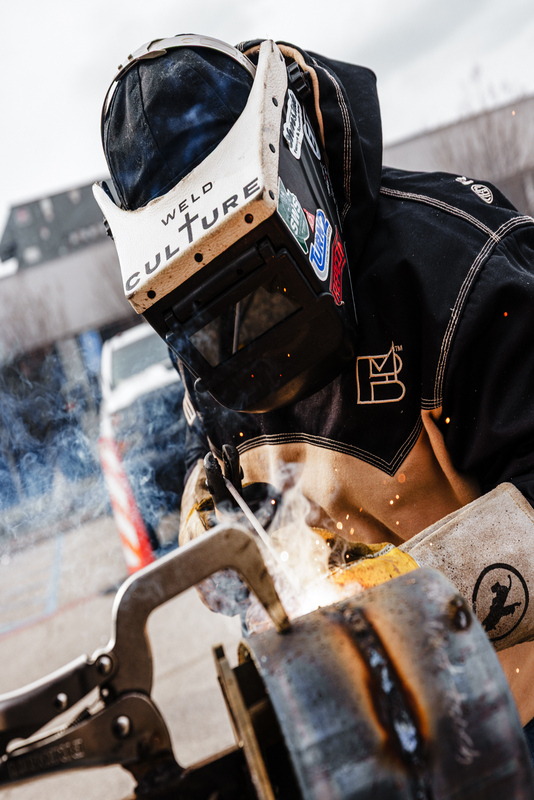
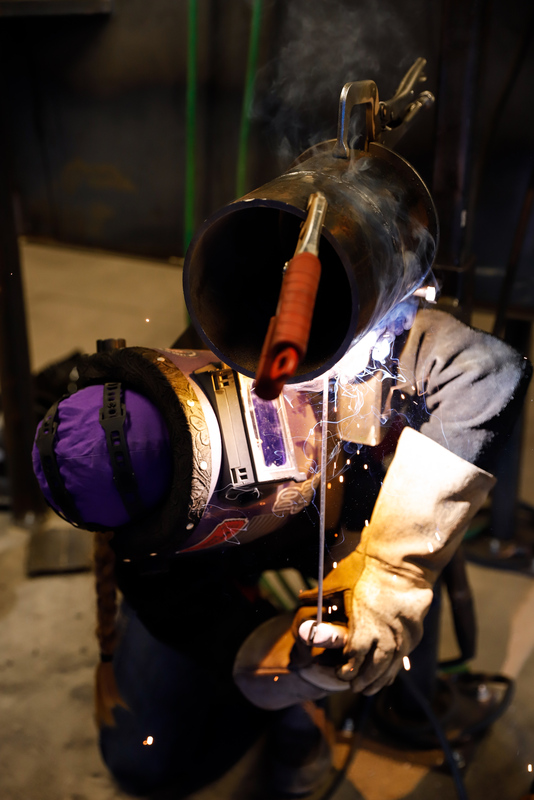
The root pass is where most experienced welders fail their first pipe certification attempt. An open root joint on pipe requires full penetration from one side only. The welder controls a keyhole, maintains consistent internal reinforcement, and keeps the root profile within tight tolerances. Too much penetration fails. Too little penetration fails. Uneven penetration fails.
Shop welders almost never practice open root technique. Structural joints use backing bars. Production fabrication uses backing strips or ceramic backing. The root pass is either supported mechanically or welded from both sides. Pipe does not offer that option. The root pass on a pipe joint is the most technically demanding single pass in welding, and it is the first thing the examiner evaluates.
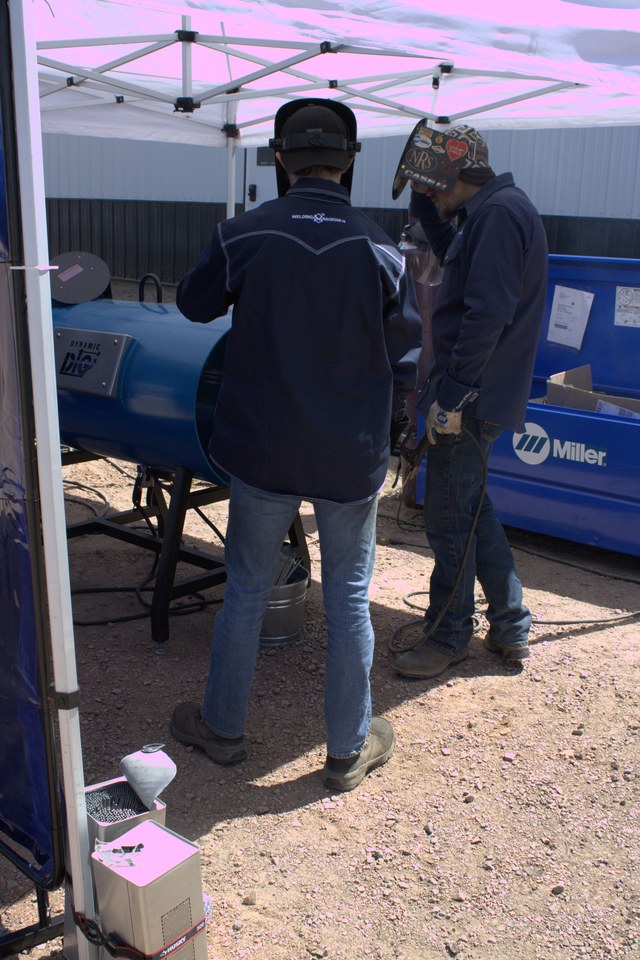
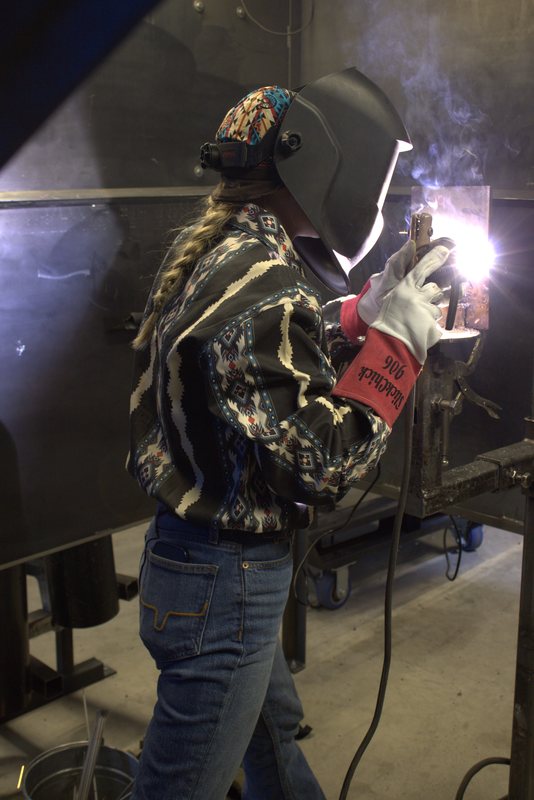
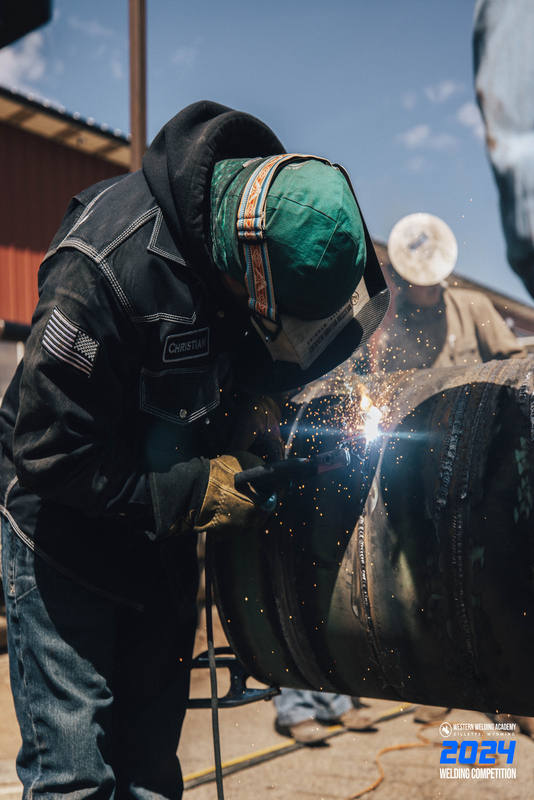
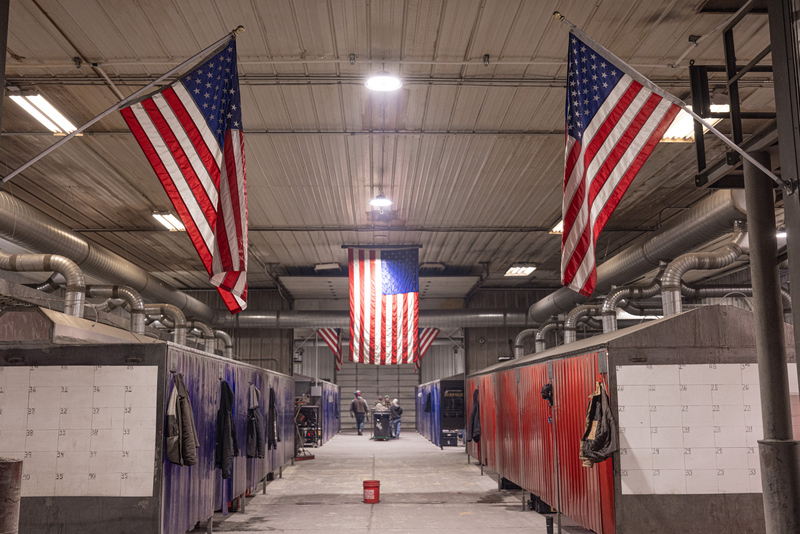
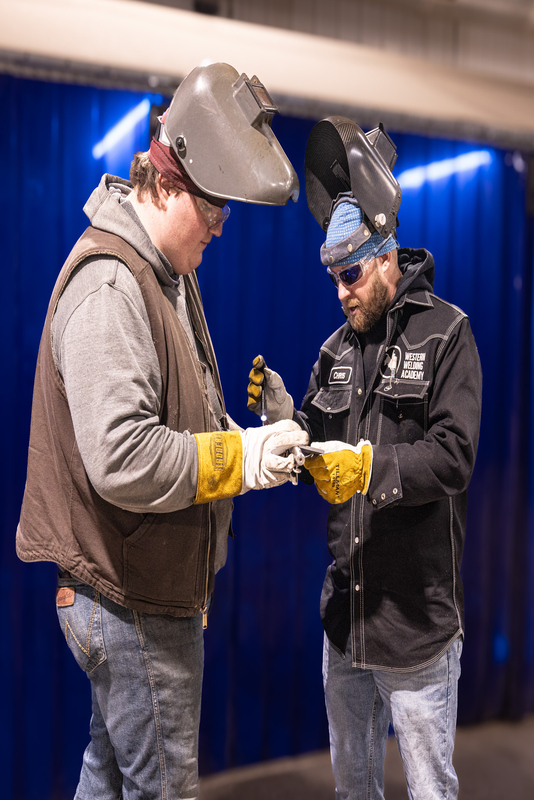
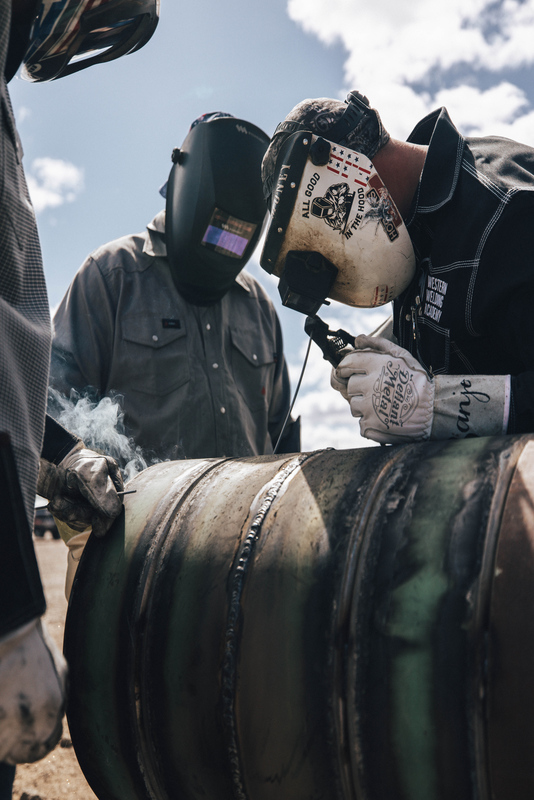
At Western Welding Academy, students practice open root passes for weeks before they ever attempt a certification test coupon. The curriculum dedicates specific training blocks to keyhole control, gap management, and penetration consistency. By the time a student sits for the API 1104 test, they have completed hundreds of root passes under instructor evaluation.
Stop failing certification tests. Start training for them. Apply now or call (307) 284-5313.
Position Transitions: Where Muscle Memory Betrays You
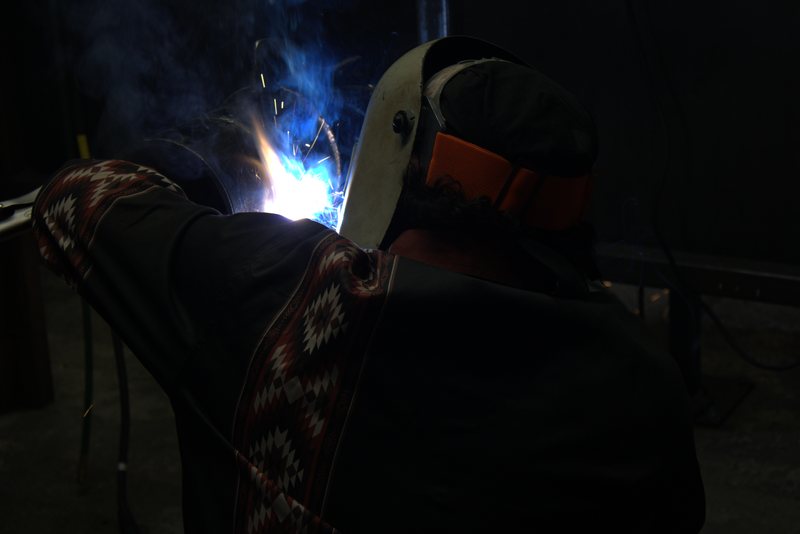
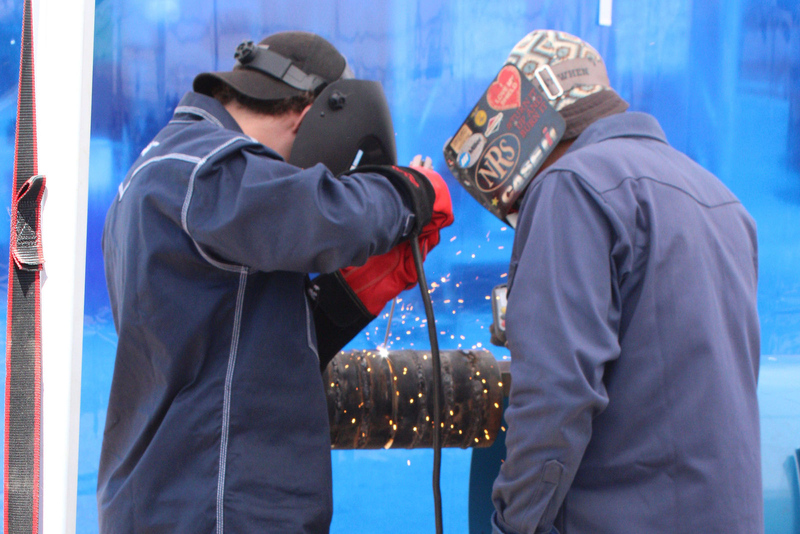
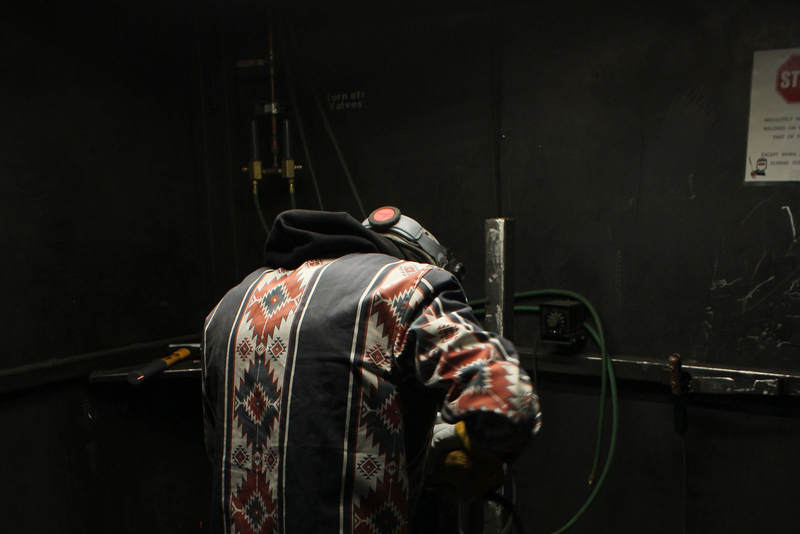
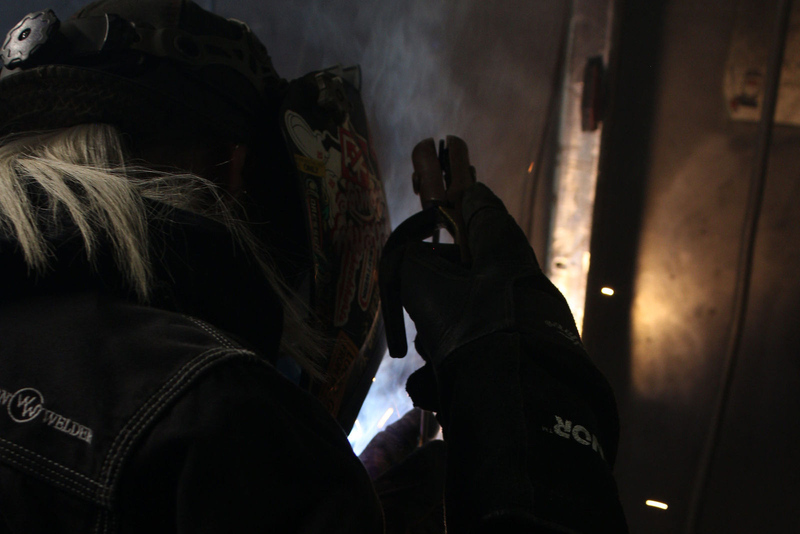
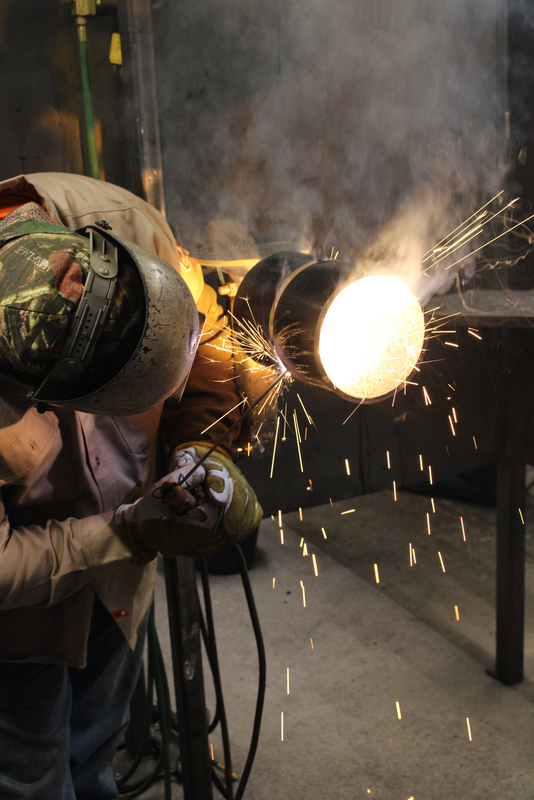
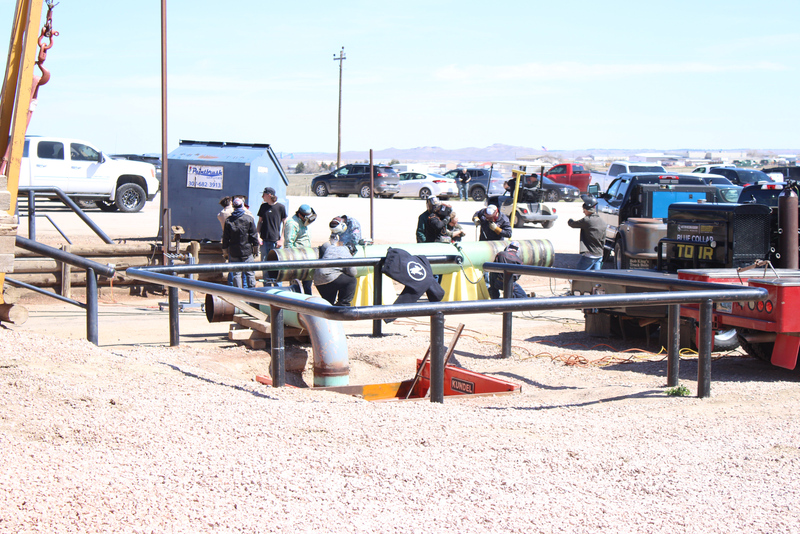
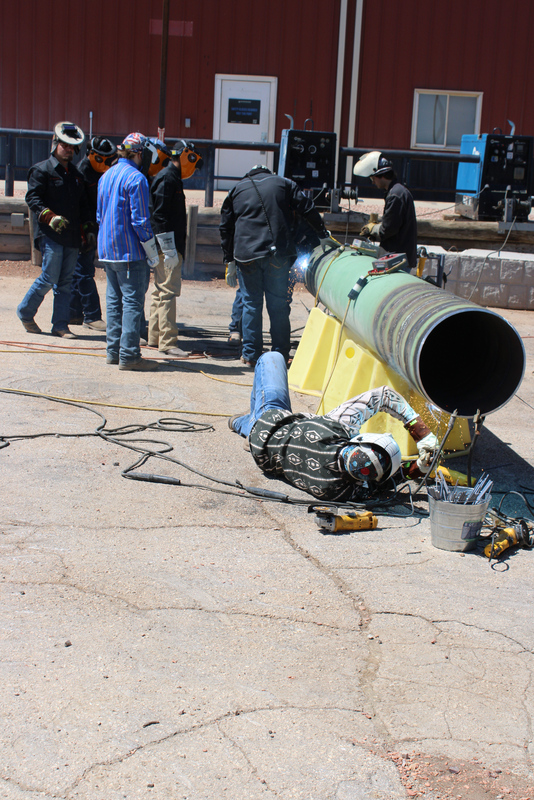
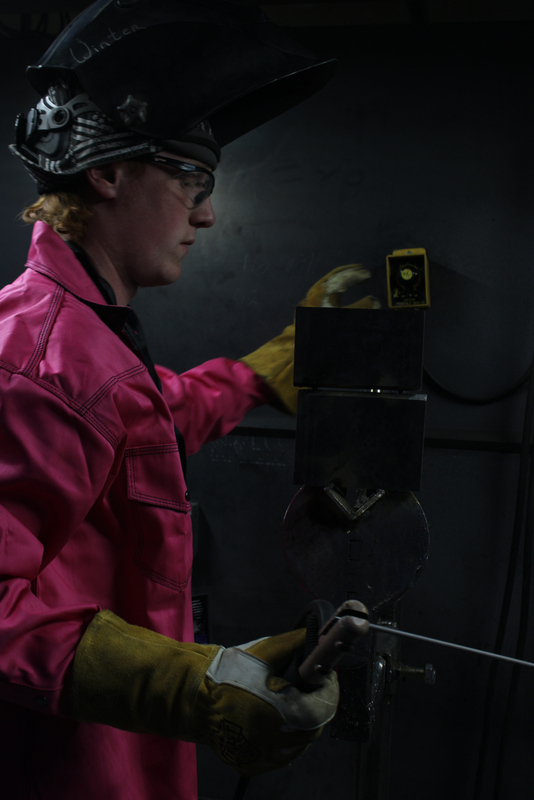
A 6G pipe test requires welding through every position on a single joint without stopping the pass. The welder starts at the bottom of the pipe, welds uphill through vertical, transitions through overhead at the top, and comes back down the other side. Each position change demands a different torch angle, travel speed, and heat input. The transition must be seamless.
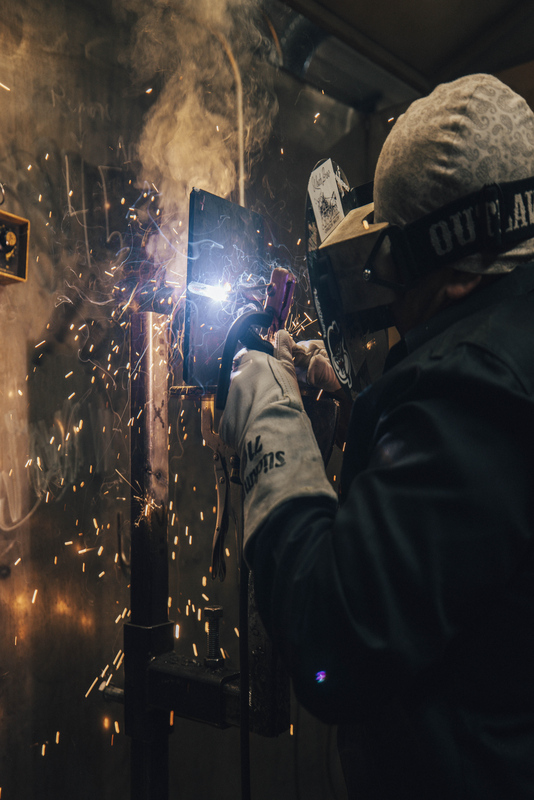
Experienced shop welders have muscle memory for one or two positions. They weld flat and horizontal all day. When the test forces them overhead, their instincts fail. They increase travel speed to fight gravity, which causes lack of fusion. They drop the arc length to maintain control, which causes stubbing and porosity. Every compensation they make creates a new defect.
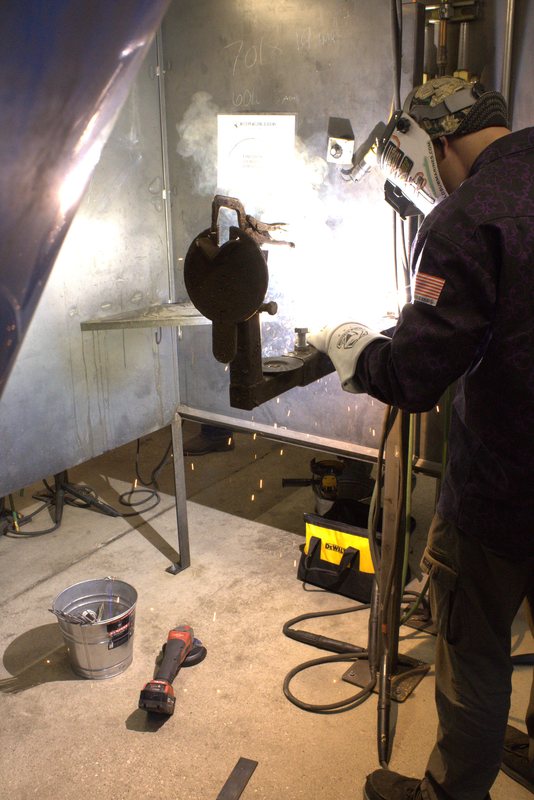
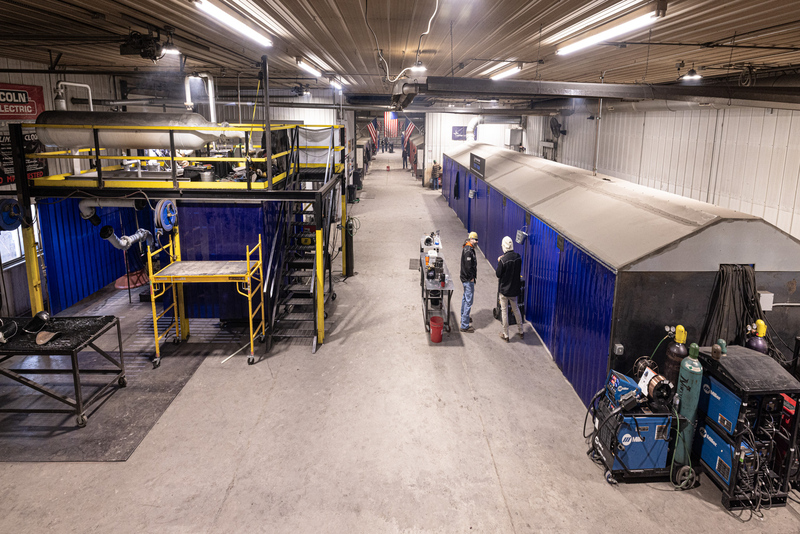
The fix is not awareness. It is repetition. A welder needs hundreds of hours of position practice to build new muscle memory that overrides the old. The 24 week Expert Pipe Welder program at Western Welding Academy provides over 800 hours of booth time. That volume of practice is what it takes to make position transitions automatic.
Process Switching: Stick and TIG Are Not Optional
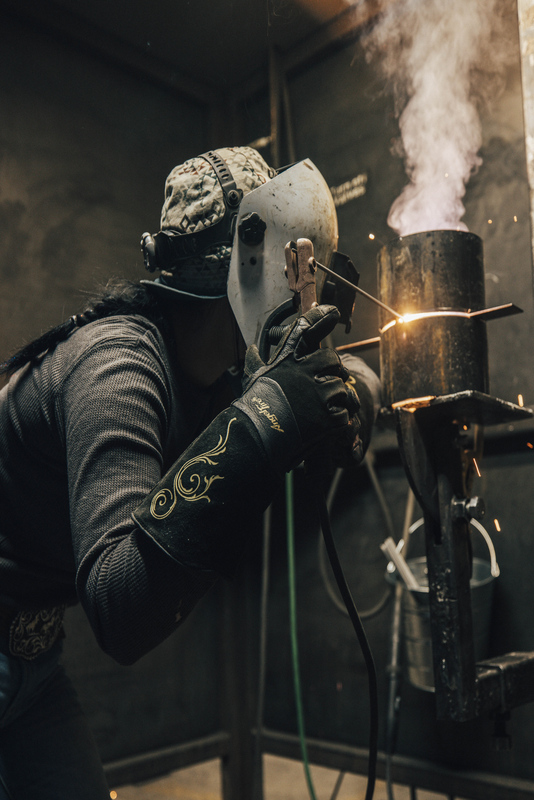
Many experienced welders built their careers on MIG (GMAW). MIG dominates shop fabrication because it is fast, consistent, and requires less manual skill than other processes. Pipe welding certification tests do not use MIG. They use SMAW (stick), GTAW (TIG), and FCAW (flux core). A welder who has spent five years on MIG has to learn new processes from fundamentals.
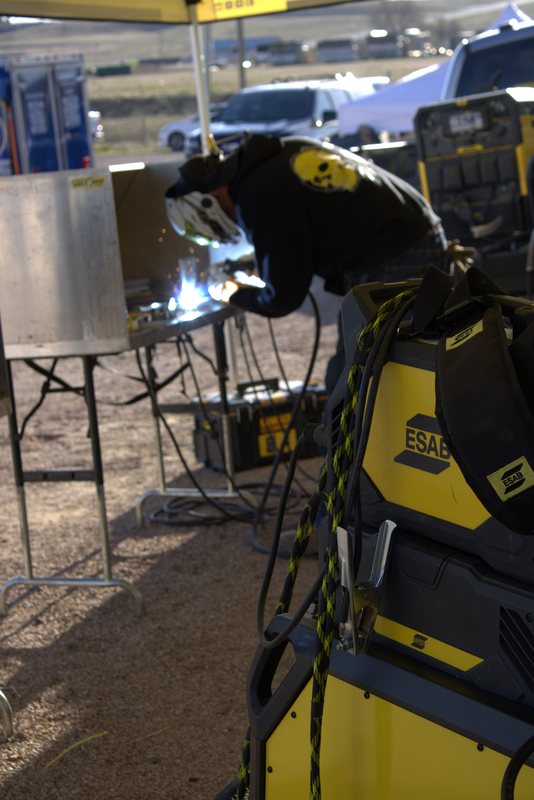
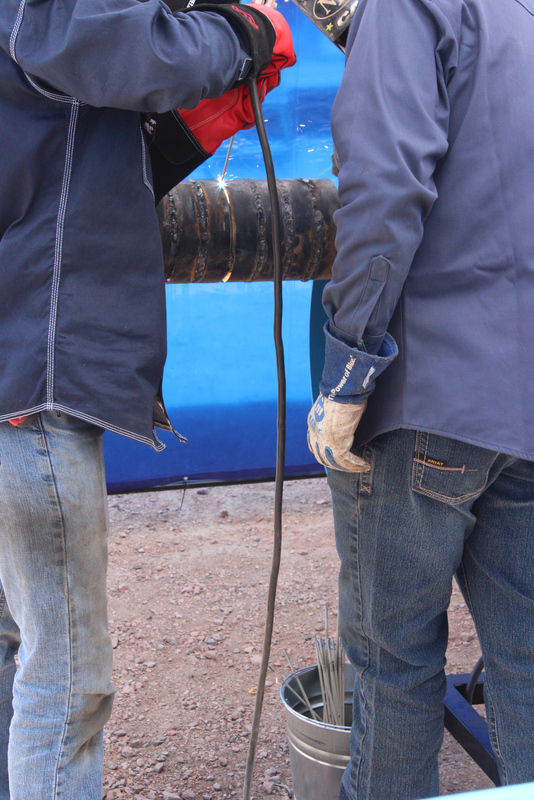
Stick welding requires manual electrode feeding, electrode angle control, and slag management that MIG handles automatically. TIG requires two hand coordination, filler rod manipulation, and precise gas coverage. Both processes have a steeper learning curve than MIG. An experienced MIG welder attempting a pipe certification with stick for the first time will struggle with electrode selection, amperage settings, and restart technique.
The Foundational Pipe Welder program covers SMAW and FCAW pipe certifications in 12 weeks. The Expert program adds TIG root passes and combination joints. Experienced welders who already understand arc behavior and metal properties learn new processes faster than complete beginners, but they still need structured instruction to reach certification level proficiency.
Time Pressure and Test Anxiety: Shop Confidence Does Not Transfer
Certification tests run under strict time limits and observation. The welder works on a coupon that will be cut apart and tested. There are no do overs. One defect in the wrong location fails the entire test. This pressure is completely different from daily shop work where a welder can grind out a mistake and reweld it.
Experienced welders often report that their hands shake on the first certification test attempt. Years of shop confidence evaporate when the stakes change. The root pass that they practiced successfully twenty times in a row suddenly falls apart under observation. This is not a skill problem. It is a preparation problem. Welders who test in the same environment where they train, on the same machines, with the same joint configurations, perform significantly better.
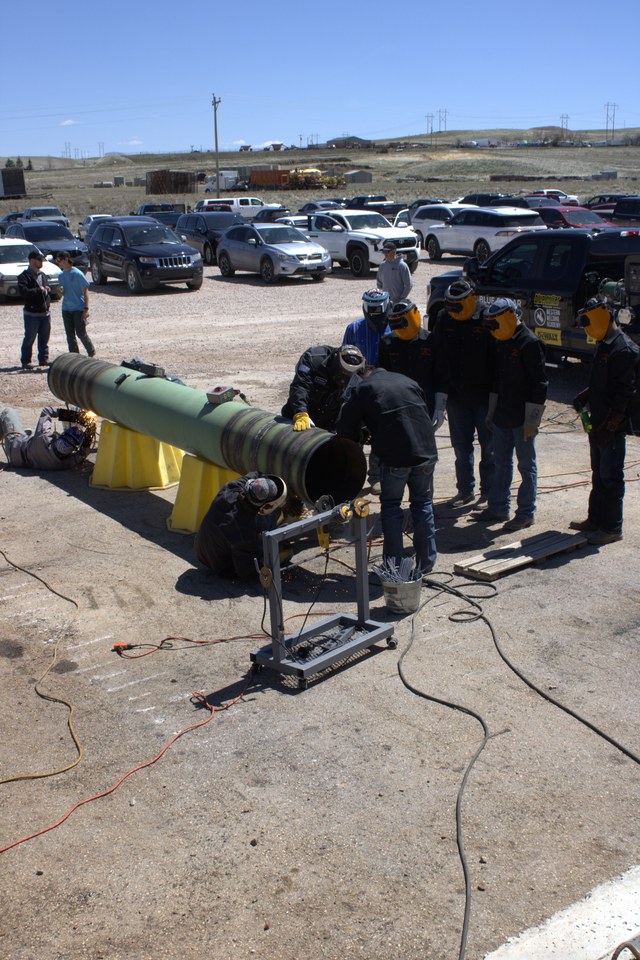
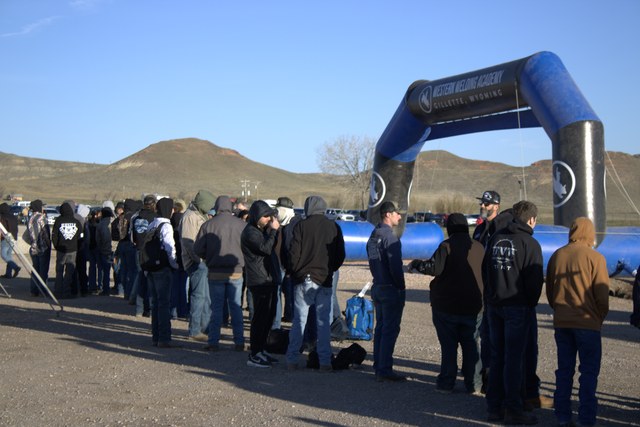
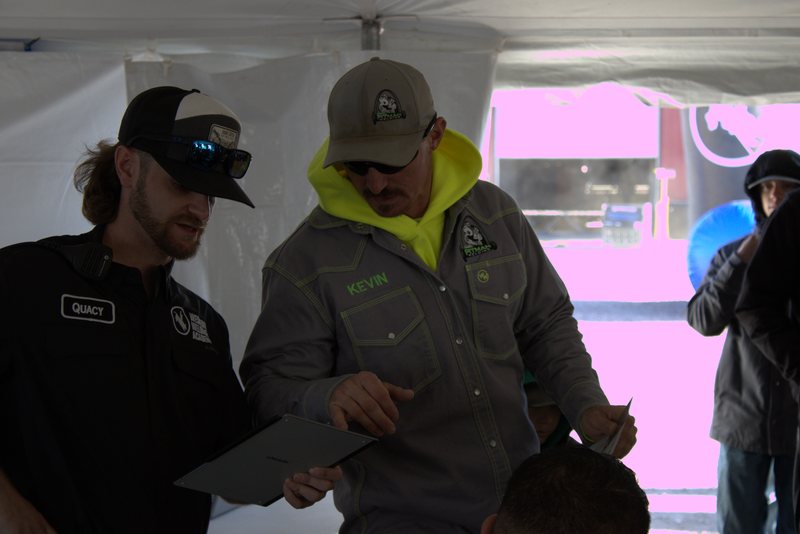
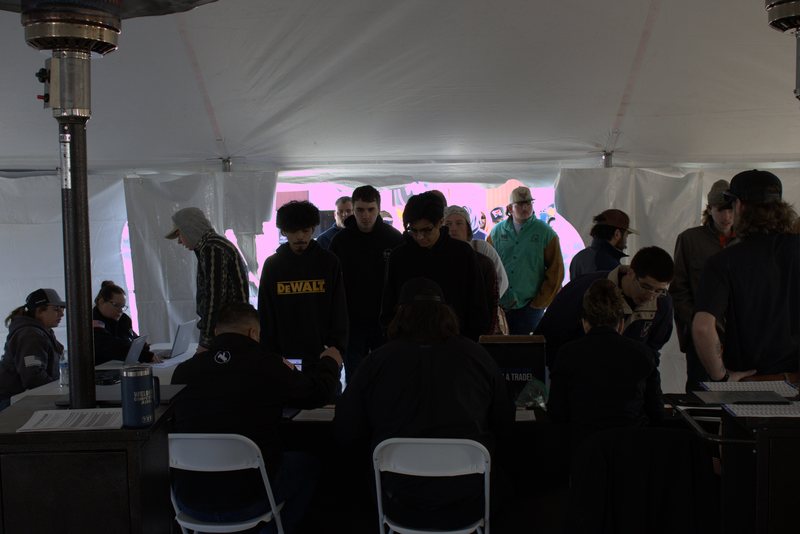
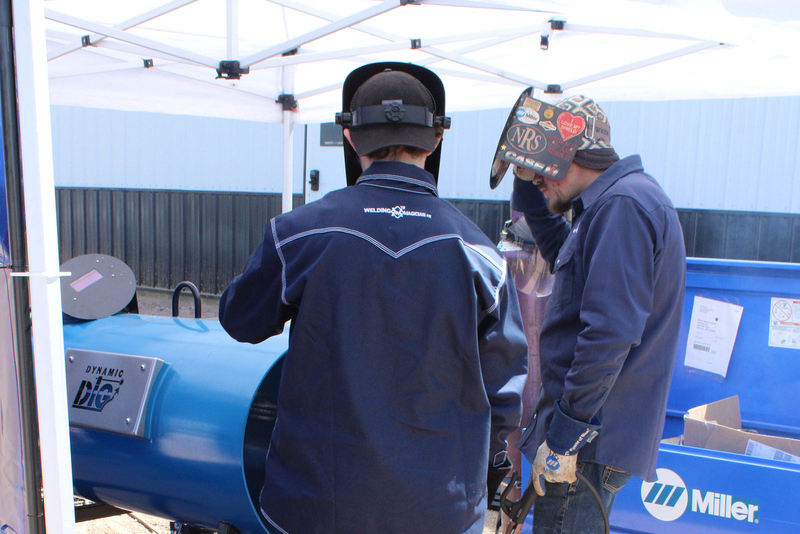
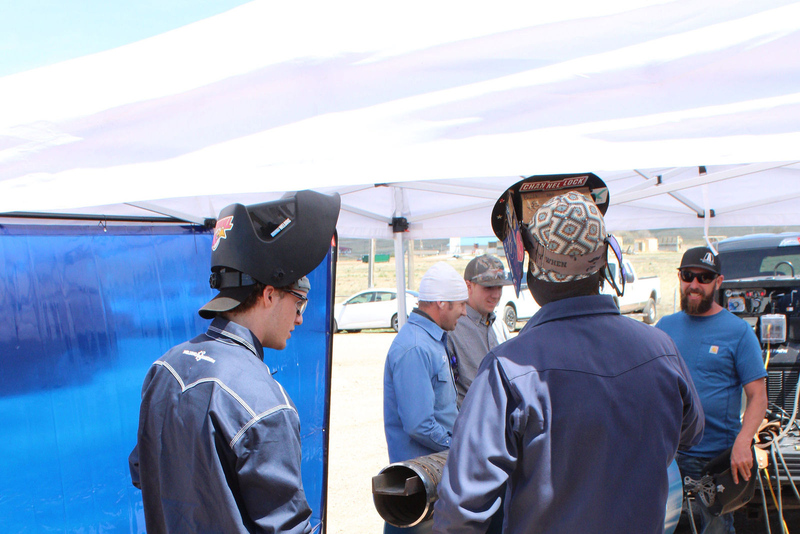
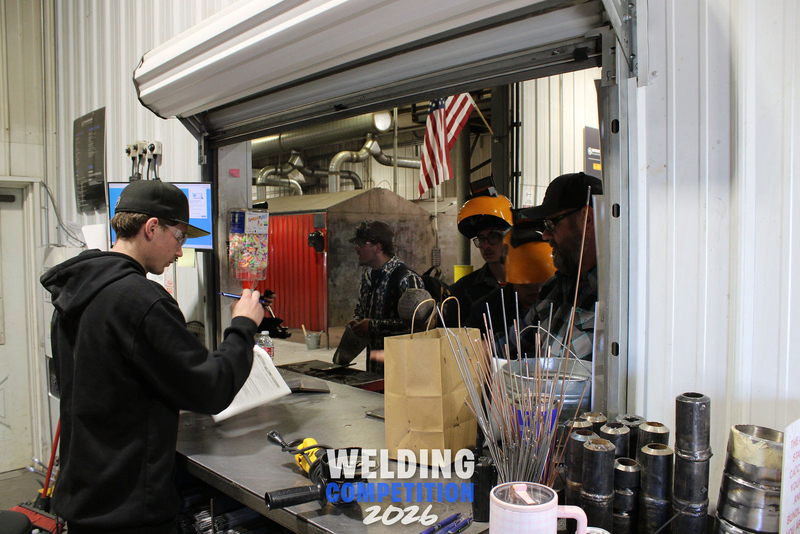
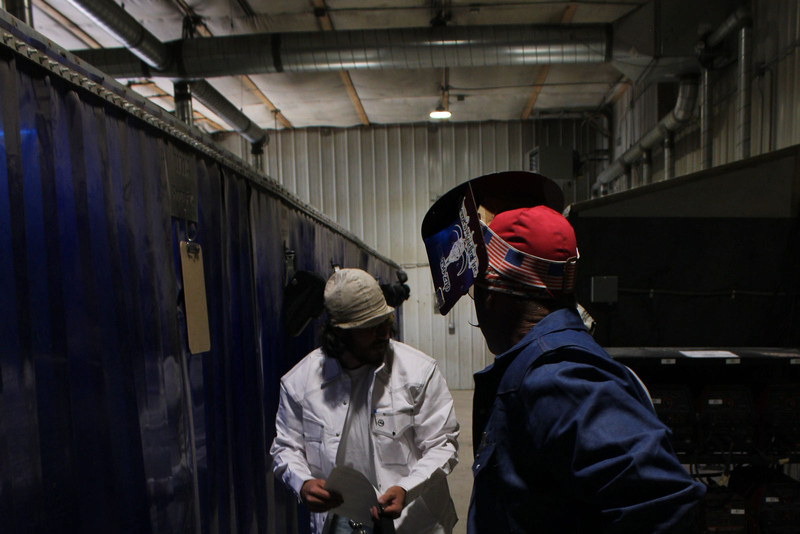
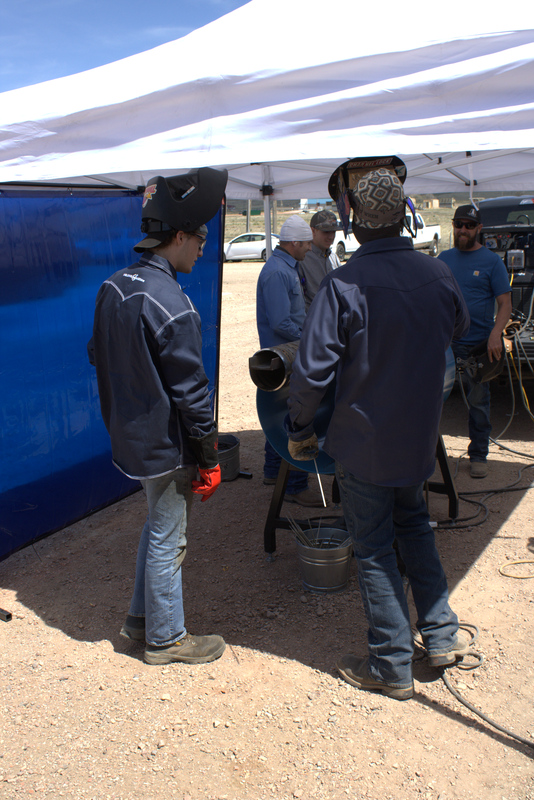
Western Welding Academy operates an on site AWS Testing Facility. Students test on the exact equipment they trained on. Mock certification tests throughout the program build familiarity with test conditions. By test day, the welder has already completed the same process dozens of times. The test is a repetition, not a surprise.
What Do Pipe Welders Earn After Passing Certification?
Passing a pipe welding certification test opens access to the highest paying welding jobs in the country. Pipeline, refinery, boilermaker, and industrial construction employers require certified pipe welders and pay accordingly. Graduates of Western Welding Academy earn $60,000 to $125,000 per year. Here are verified paychecks from graduates who passed their certification tests and went straight to work.
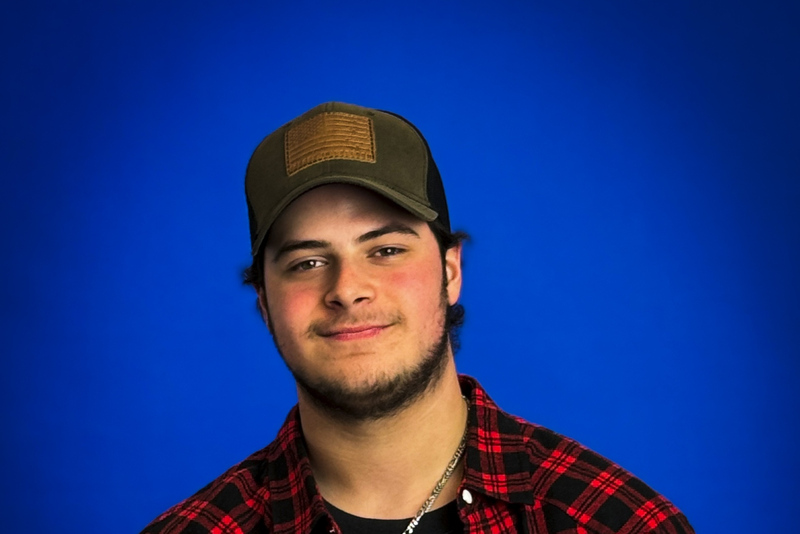
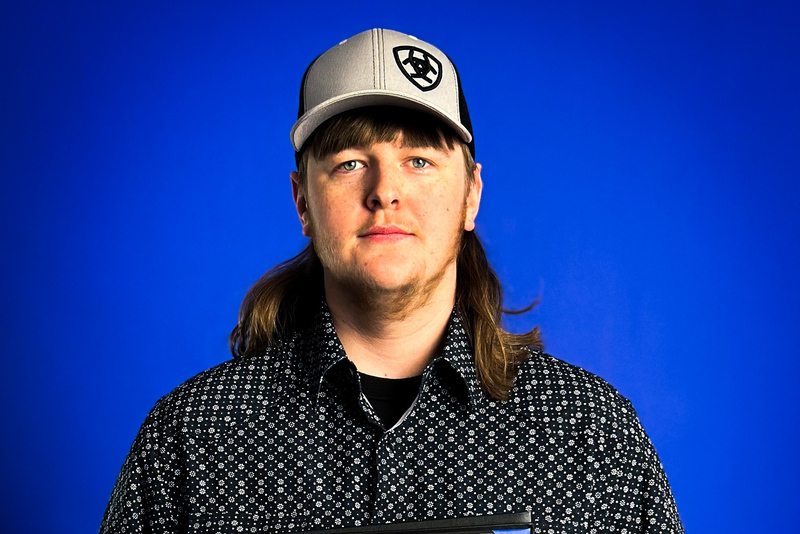
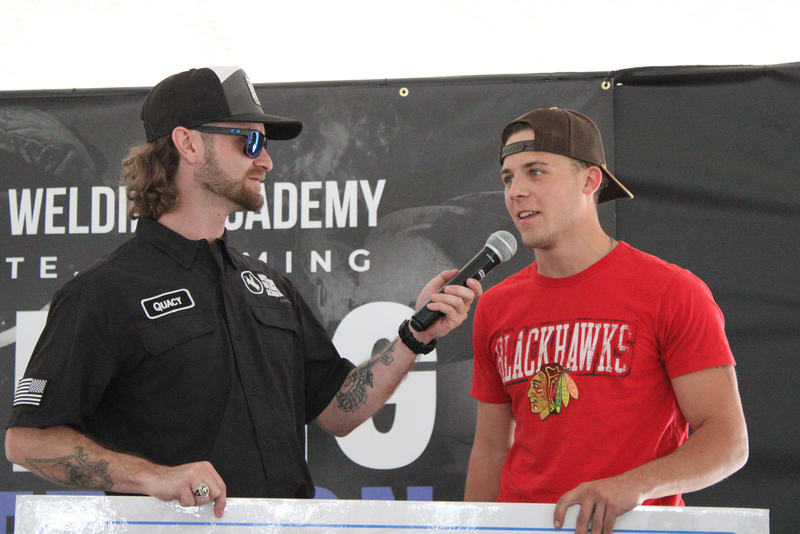
Leyton Wagner earned $4,514 on a single paycheck after completing the Expert Pipe Welder program at Western Welding Academy. That figure is published on the school's website. Gavin Walden posted a $3,986 paycheck on social media after earning his pipe certifications. David Smolek shared his $3,417 paycheck publicly. Every one of these graduates passed the same certification tests that stop unprepared welders cold.
Noah started clearing $4,800 per week right out of welding school. Hank reached $150,000 per year at age 21. The certification test is the gatekeeper. Once you pass it, the earnings follow immediately.
Pass the test. Start the paycheck. Apply now or call (307) 284-5313.
Frequently Asked Questions
Q1. How many attempts does it take most experienced welders to pass a pipe certification?
Without structured training, experienced welders often fail their first two or three attempts. The root pass and position transitions are the most common failure points. With a focused program like Western Welding Academy, first attempt pass rates improve dramatically because students practice the exact test conditions before sitting for the exam.
Q2. Can I use MIG for any pipe welding certification test?
Most pipe welding certification tests require SMAW (stick), GTAW (TIG), or FCAW (flux core). MIG is not accepted for pipeline, refinery, or boilermaker certification. Welders who have only used MIG need to learn at least one new process before testing.
Q3. What is the difference between 6G and API 1104 certification?
6G is a position designation that tests welding on a fixed pipe at a 45 degree angle. API 1104 is a pipeline industry specification that tests technique, quality, and procedure compliance for cross country pipeline work. Both are offered at the on site AWS Testing Facility at Western Welding Academy.
Q4. Do I need to retrain completely or just learn pipe technique?
Experienced welders do not start from zero. Your arc control, safety habits, and metal knowledge transfer. You need to add pipe specific skills: open root technique, position welding, and new processes like stick and TIG. The 12 week Foundational program is designed to add these skills efficiently.
Q5. How much does certification testing cost at Western Welding Academy?
Testing costs are included in tuition for enrolled students. The school operates the number one AWS Testing Facility in the country. Students test on the same equipment they train on, which eliminates the added expense and unfamiliarity of testing at a third party facility.
Q6. What makes Western Welding Academy different from other welding schools?
The school runs 85% hands on booth time at 40 hours per week, maintains an 85% Expert graduation rate compared to an industry average below 60%, places 94% of graduates within 90 days, and operates the number one AWS Testing Facility in the country. Over 2,000 graduates from all 50 states have completed training in Gillette, Wyoming.
Pass Your Pipe Certification on the First Attempt
Good welders fail pipe tests because they train for the wrong standard. Certification requires code level quality in every position on every process. A structured program with mock tests, daily instructor feedback, and on site testing gives you the preparation that shop experience alone cannot. Call Western Welding Academy at (307) 284-5313 or apply now to pass the test that opens the highest paying welding jobs in the country.

.jpg)

.jpg)


.jpg)
.jpg)
.jpg)
.jpg)
.jpg)
-thumbnail.jpg)

.jpg)