What Makes Aerospace Welding Different from Industrial Welding
Aerospace welding uses the same fundamental processes as industrial welding, but the tolerances, materials, and inspection standards are far stricter. A structural steel weld that passes AWS D1.1 might be rejected under aerospace standards for defects invisible to the naked eye. Aerospace welds are inspected using radiographic testing, fluorescent penetrant inspection, and sometimes CT scanning to detect internal flaws measured in thousandths of an inch.
The materials are different too. Aerospace welders work with titanium, Inconel, Hastelloy, aluminum-lithium alloys, and other specialty metals that react to contamination, heat input, and atmospheric exposure in ways that carbon steel does not. Titanium welding requires a completely oxygen-free environment around the weld zone, achieved through trailing shields and purge dams. Aluminum alloys crack if heat input is not precisely controlled. These materials demand a TIG welder with exceptional arc control and deep process understanding.
Certifications and Standards That Aerospace Employers Require
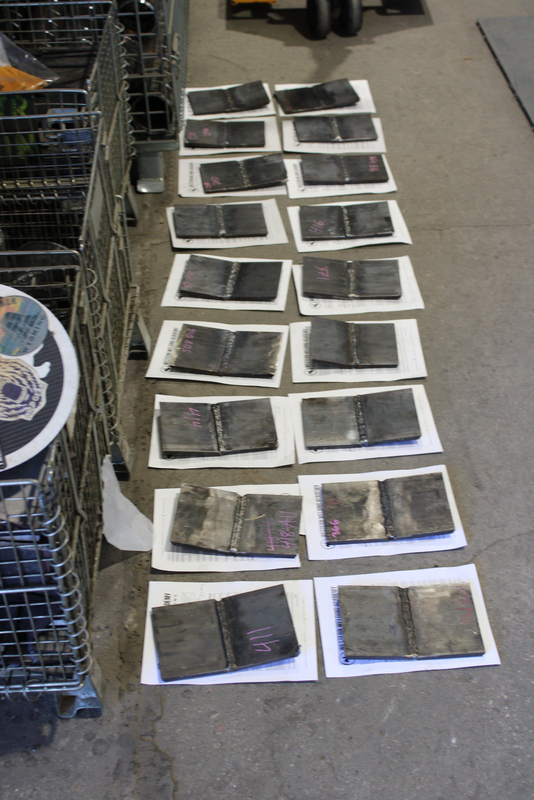
The AWS D17.1 specification covers fusion welding for aerospace applications and is the primary industry standard. Passing a D17.1 welding test on your target materials and joint configurations is the first major milestone for any aerospace welding career. Many employers also require or value AWS D1.1 (structural steel) and AWS D1.2 (aluminum) certifications as foundational credentials.
Nadcap (National Aerospace and Defense Contractors Accreditation Program) is a facility-level accreditation that affects how welders work inside certified shops. While Nadcap certifies the facility rather than the individual, aerospace welders must follow Nadcap-compliant procedures and documentation requirements. The FAA requires that welders working on certified aircraft meet specific training and skill standards. Understanding these overlapping standards before entering the field helps you target the right training and certifications.
Ready to launch your welding career? Apply now or call Western Welding Academy at (307) 284-5313 today.
What Aerospace Welders Earn
Aerospace welders earn $68,000 to $122,000 per year based on 2026 Glassdoor data, with an average of approximately $83,000. Top earners at defense contractors, space launch companies, and precision fabrication shops exceed $100,000 annually. Salary.com reports a range of $52,000 to $63,000 for standard aerospace welding positions, while specialized roles at companies like SpaceX, Boeing, Lockheed Martin, and Northrop Grumman pay at the higher end.
The premium reflects the skill level required. Fewer welders can pass D17.1 tests on aerospace materials than can pass D1.1 on structural steel. The supply of qualified aerospace welders is small relative to demand, which keeps wages elevated. Welders who combine D17.1 qualification with experience on multiple aerospace alloys are in the strongest position. Read what pipe welders earn across different specialties and how aerospace compares.
How to Build the Skills Aerospace Employers Look For
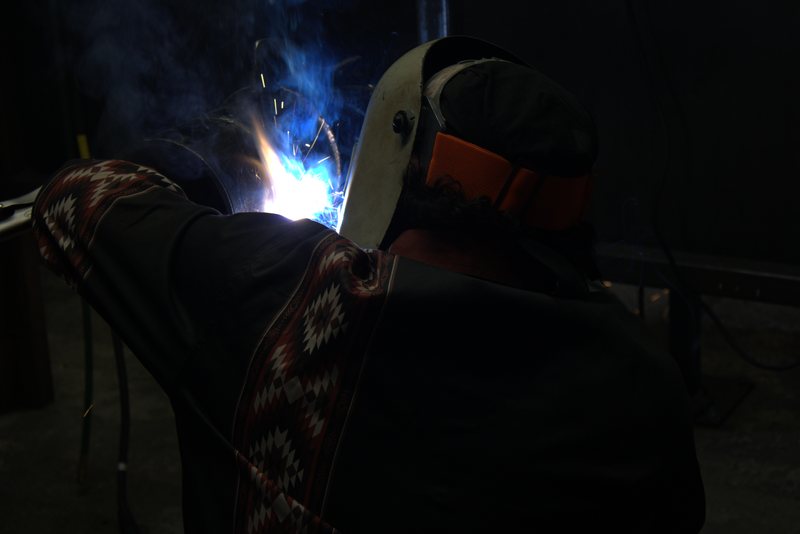
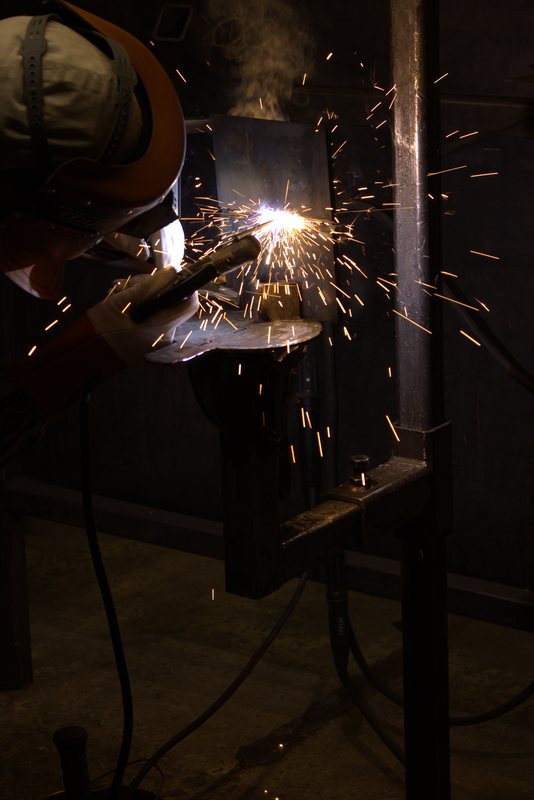
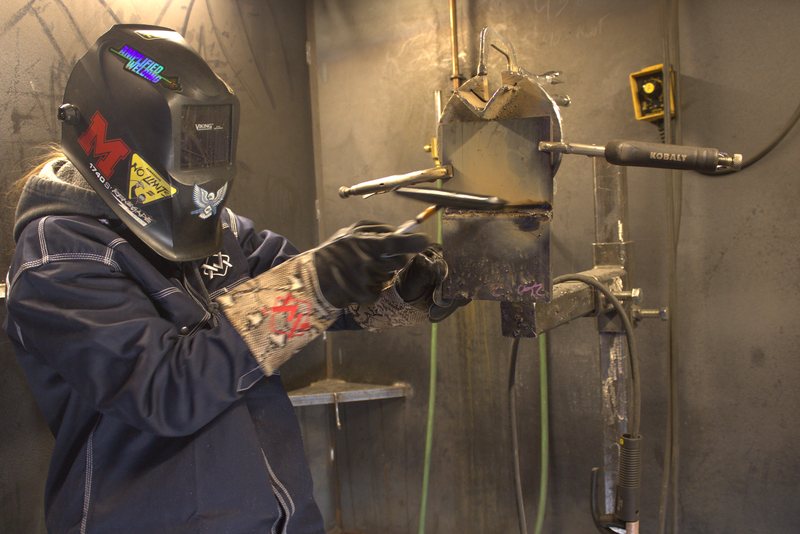
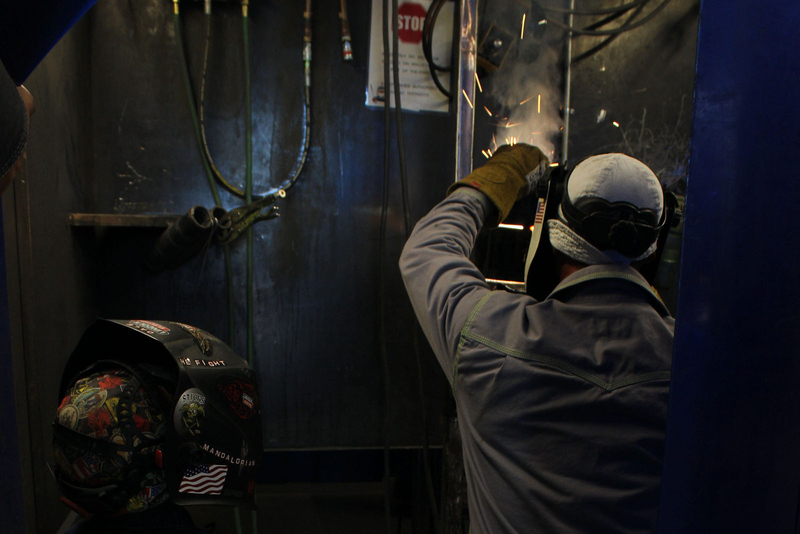
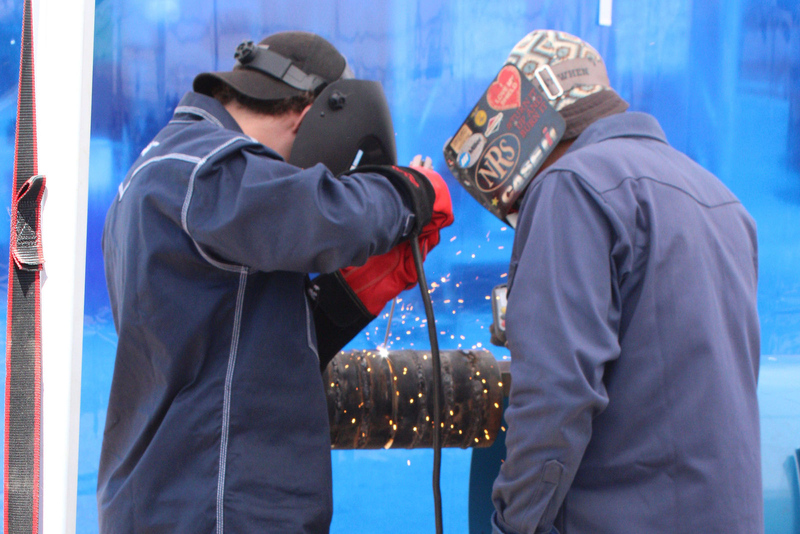
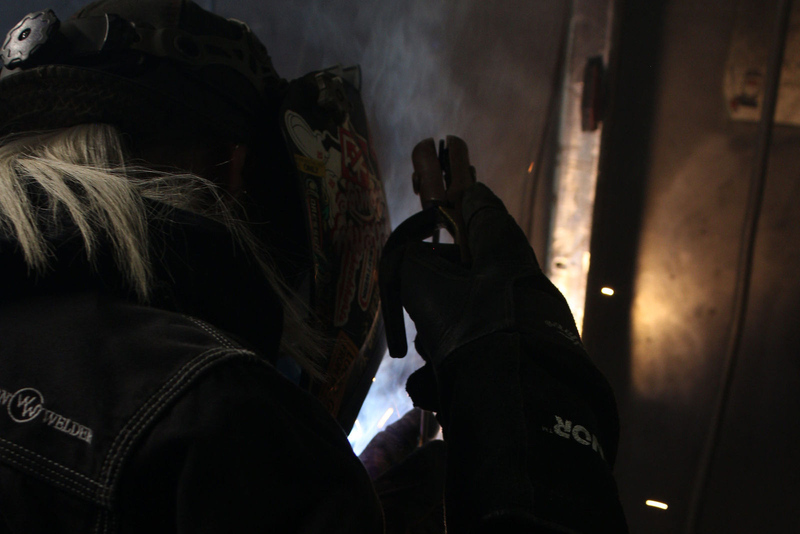
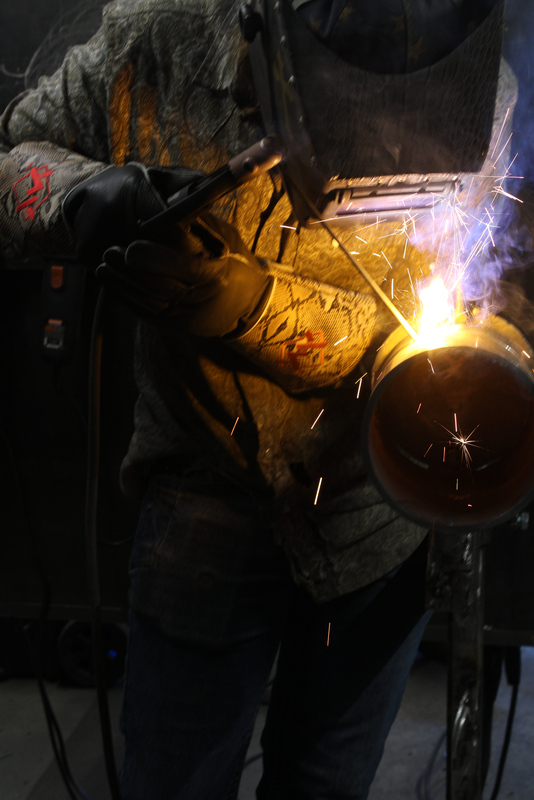
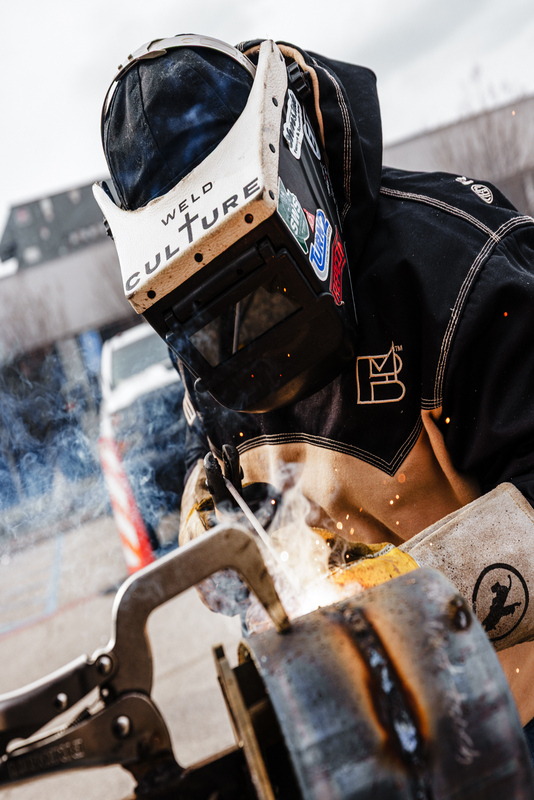
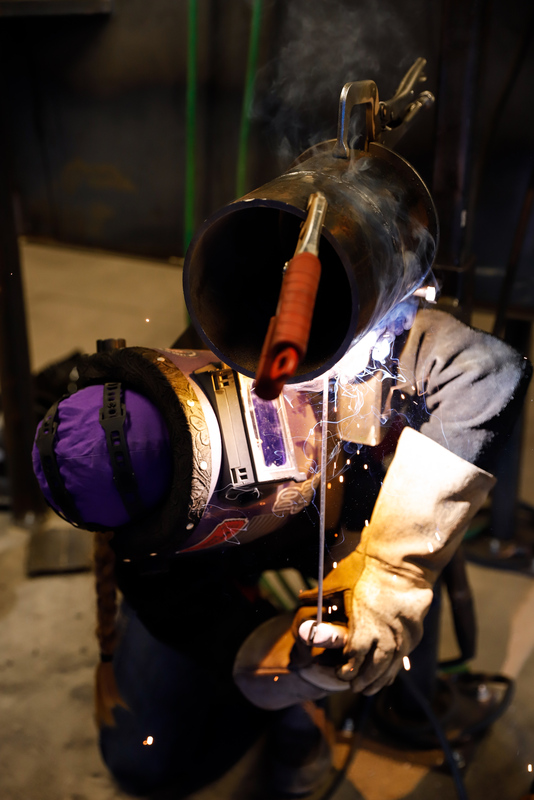
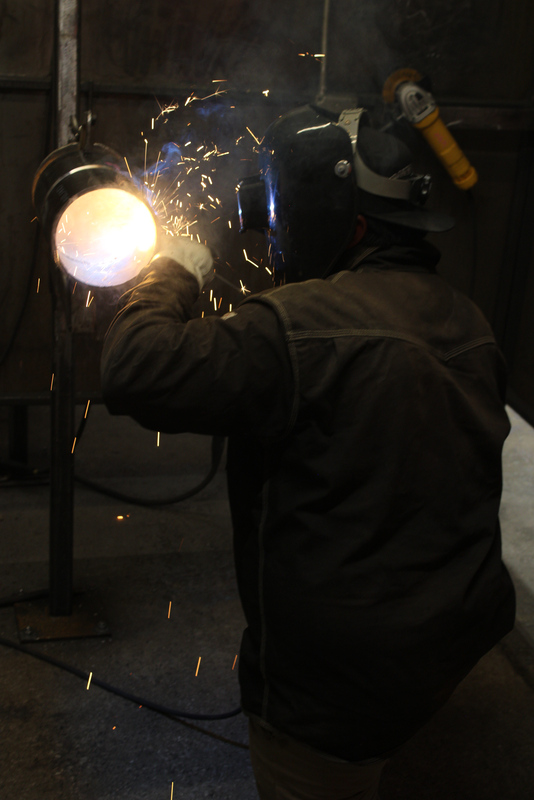
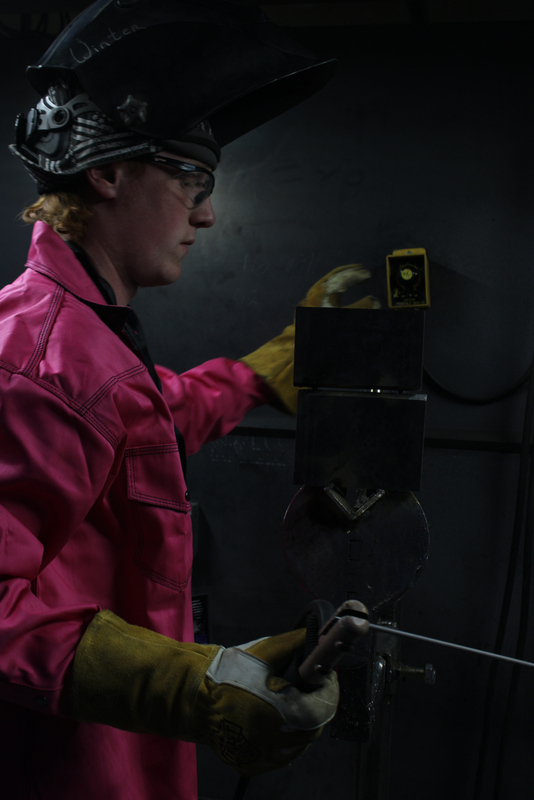
Every aerospace welding career starts with exceptional TIG (GTAW) skills. TIG is the dominant process in aerospace because it provides the heat control and precision required for thin-wall alloys and critical joints. Manual TIG dexterity also prepares welders for orbital welding systems used in aerospace production. Learn about what orbital welding is and where it is used and how TIG skills translate.
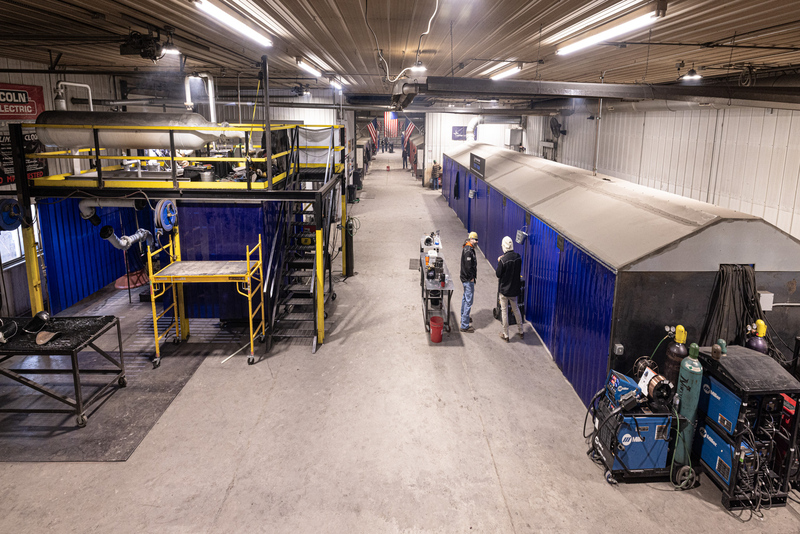
At Western Welding Academy, students build deep TIG skills through the Expert Pipe Welder program. With 24 weeks of training at $35,800 and 85 percent booth time, students develop the arc control and process knowledge that aerospace fabrication demands. The school holds the number one AWS Accredited Testing Facility ranking and provides the AWS testing experience that aerospace credentials build on.
What Western Welding Academy Graduates Earn
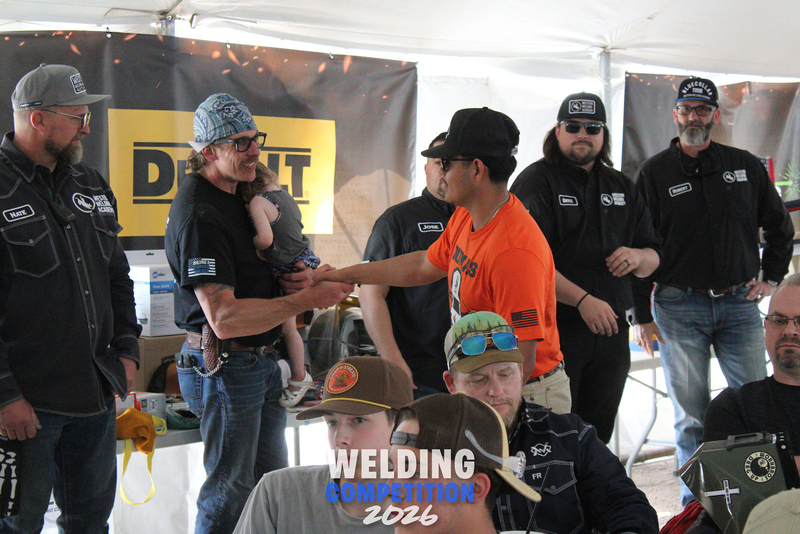
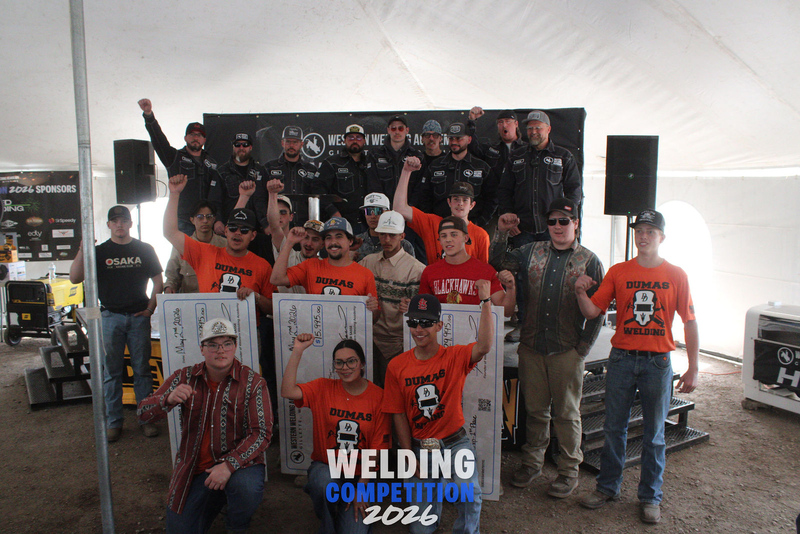
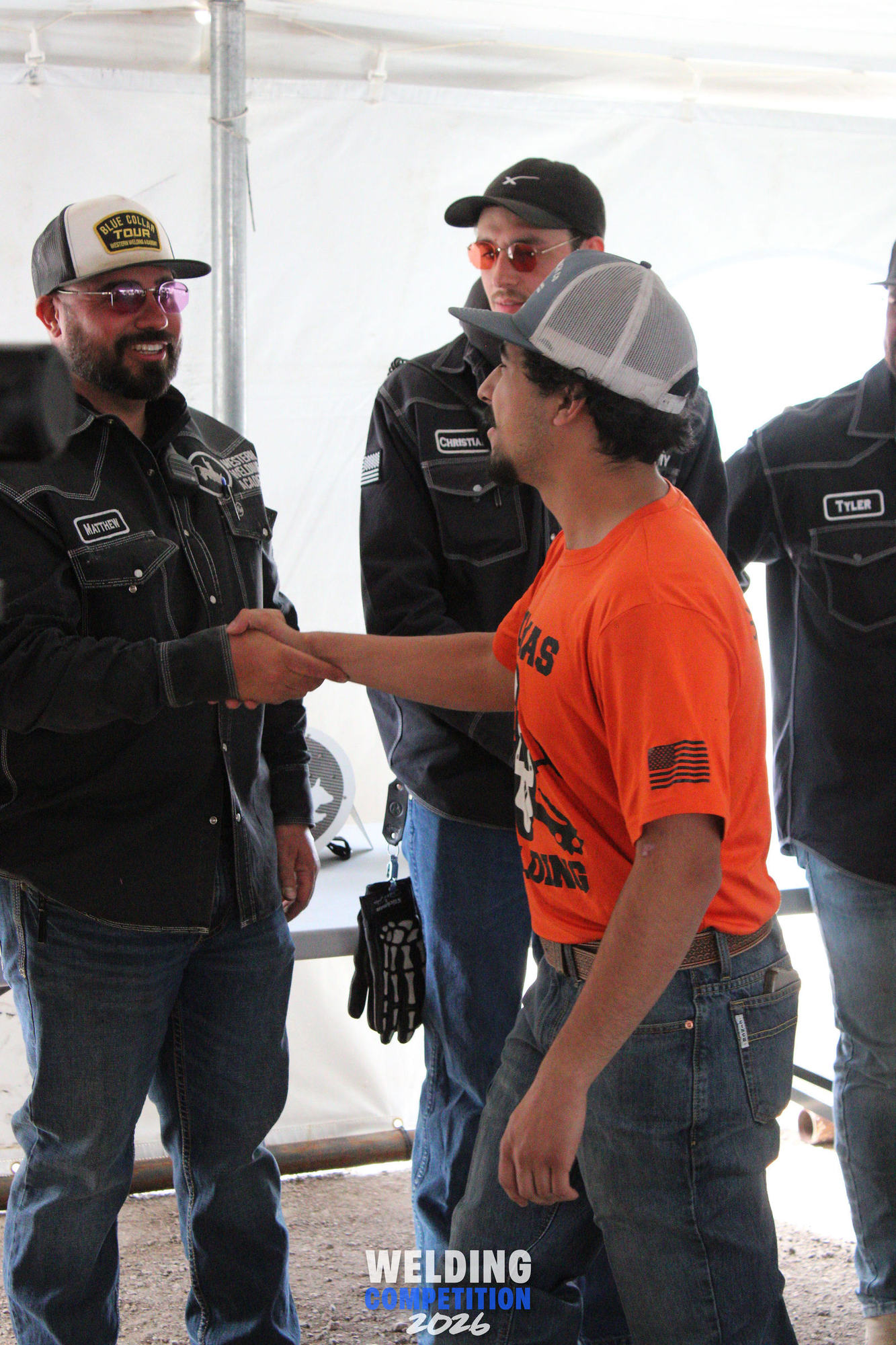
Graduates of Western Welding Academy earn verified paychecks that demonstrate the value of strong TIG skills in a market that rewards precision.
Leyton Wagner earns $4,514 per paycheck as a Western Welding Academy graduate. His TIG precision translates directly to the quality standards aerospace employers require. Gavin Walden takes home $3,986 per paycheck. David Smolek earns $3,417 per paycheck.
Noah clears $2,800 per week on the North Slope in Alaska, and Hank reached $150,000 per year by age 21. SpaceX, one of the employers that recruits from Western Welding Academy, builds rockets using the same TIG welding processes students practice every day.
Ready to launch your welding career? Apply now or call Western Welding Academy at (307) 284-5313 today.
Frequently Asked Questions
Q1. What welding process is used most in aerospace?
TIG welding (GTAW) is the dominant process in aerospace because it provides precise heat control and clean welds on thin-wall alloys including titanium, aluminum, and nickel superalloys. MIG (GMAW) and plasma arc welding (PAW) are also used in some applications, but TIG proficiency is the baseline requirement for all aerospace welding positions.
Q2. How much do aerospace welders make?
Aerospace welders earn $68,000 to $122,000 per year based on 2026 data, with an average around $83,000. Top earners at defense contractors and space launch companies exceed $100,000 annually. Pay varies by employer, certification level, and the specific alloys and processes the welder is qualified on.
Q3. What certification do I need for aerospace welding?
The AWS D17.1 specification is the primary certification for fusion welding in aerospace applications. Many employers also require or prefer AWS D1.1 (structural steel) and D1.2 (aluminum) as foundational credentials. FAA training requirements and Nadcap-compliant procedures apply depending on the type of work and aircraft certification level.
Q4. Can you start aerospace welding right out of welding school?
Entry-level aerospace positions exist at fabrication shops and manufacturing facilities that build components for aerospace companies. A strong TIG foundation, multi-process experience, and AWS testing credentials make you a competitive candidate. Some graduates enter through companies that train welders to their specific D17.1 procedures after hiring.
Q5. What materials do aerospace welders work with?
Aerospace welders work with titanium, aluminum alloys (including aluminum-lithium), stainless steel, Inconel, Hastelloy, and other nickel superalloys. Each material requires specific shielding procedures, heat input control, and filler metal selection. Titanium is the most demanding because it requires complete atmospheric protection during welding.
Q6. What makes Western Welding Academy different from other welding schools?
Western Welding Academy delivers 85 percent hands-on booth time with deep TIG skills development across all programs. SpaceX recruits directly from the school. The school holds a 94 percent hire rate within 90 days, verified by a 234-alumni survey. With 2,000 graduates, 330 combined instructor years, and the number one AWS Accredited Testing Facility ranking, the school builds the precision foundation that aerospace careers demand.
Launch Your Aerospace Welding Career
Aerospace welding starts with TIG mastery. The right training puts you on the path to building rockets, aircraft, and defense systems. Call Western Welding Academy at (307) 284-5313 or apply now to start building precision skills that aerospace employers seek.


.jpg)


.jpg)


.jpg)
.jpg)
.jpg)
.jpg)
.jpg)
-thumbnail.jpg)

.jpg)