Step 1: Research Available Apprenticeship Programs
Start with union apprenticeship programs. The Boilermakers, Pipefitters (UA), Ironworkers, and Sheet Metal Workers all run apprenticeship pipelines for welders. Visit their local union halls or check apprenticeship.gov for listings in your area. Each union has different requirements, pay scales, and training structures.
Non-union apprenticeships also exist through contractors, manufacturing companies, and state workforce programs. These tend to be less structured but can offer faster entry. Check your state's Department of Labor website and local job boards for openings. Large energy companies in states like Wyoming, Texas, and North Dakota sometimes run their own welding apprentice programs tied to specific projects.
Step 2: Meet the Minimum Eligibility Requirements
Most apprenticeship programs require applicants to be at least 18 years old with a high school diploma or GED. Some programs accept applicants at 17 with parental consent. A valid driver's license is typically required because apprentices travel between job sites. Physical fitness matters because welding is manual labor in demanding conditions.
Union programs often require passing a basic math and reading aptitude test. Some programs also require a drug test and background check. Having prior welding training, even a short certificate program, is not always required but dramatically improves your ranking in the applicant pool.
Ready to launch your welding career? Apply now or call Western Welding Academy at (307) 284-5313 today.
Step 3: Build Skills That Make Your Application Stand Out
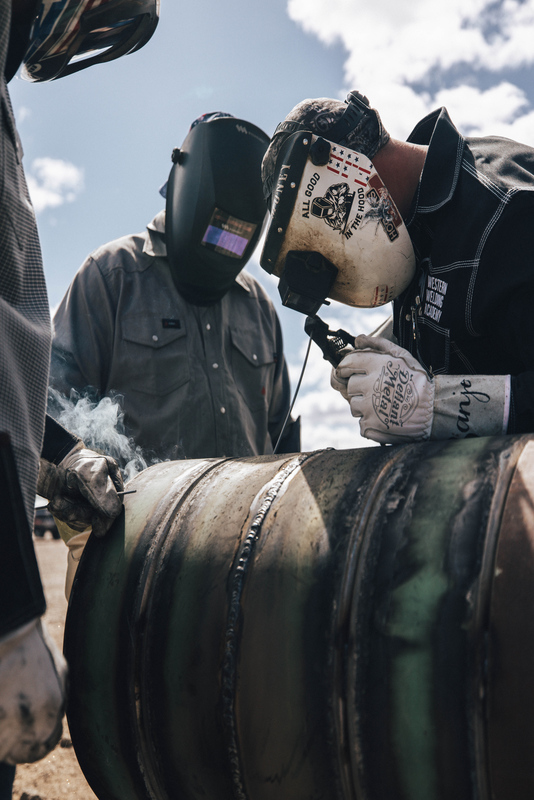
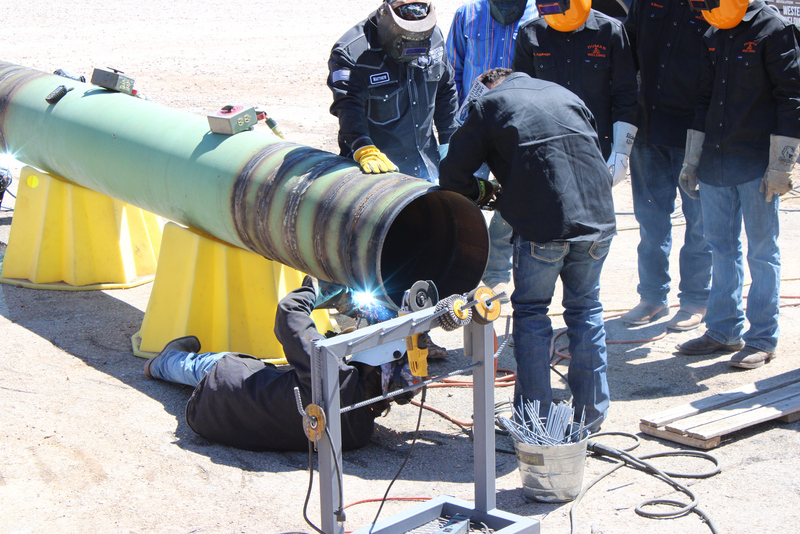
Apprenticeship committees rank applicants. Candidates with welding school credentials, multi-process experience, and AWS testing exposure jump ahead of applicants with no training. At Western Welding Academy, the Foundational Pipe Welder program gives students 12 weeks of hands-on training in MIG, TIG, and stick welding for $17,050. That foundation makes your apprenticeship application significantly stronger than someone walking in cold.
Some union programs allow applicants with formal training to skip early stages or advance faster through the apprenticeship. A welder who arrives with pipe welding experience and process knowledge is more valuable to the program from day one. Learn about whether apprenticeships or welding school offer a better path and how the two can work together.
Step 4: Submit Your Application and Prepare for Testing
Application windows for union apprenticeships open at specific times during the year. Check with your target local union for deadlines. Applications typically require your resume, education records, any welding certifications, and references. Submit everything on time and complete every section. Incomplete applications get rejected regardless of your qualifications.
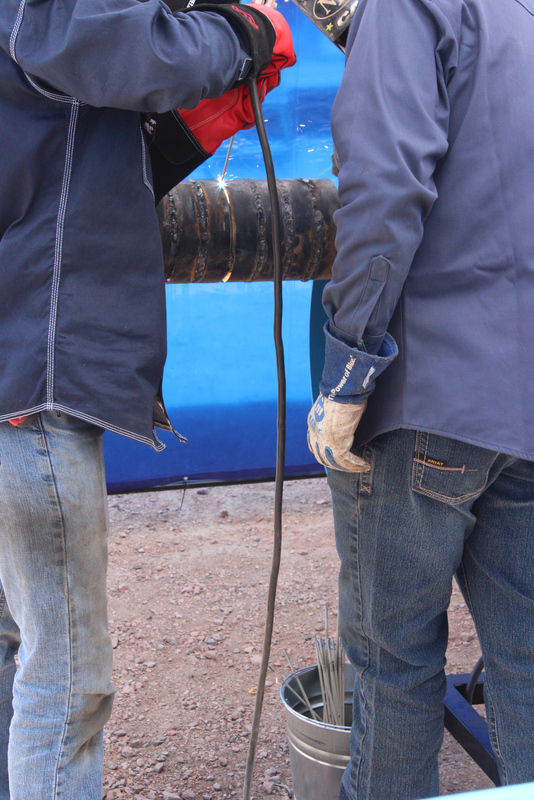
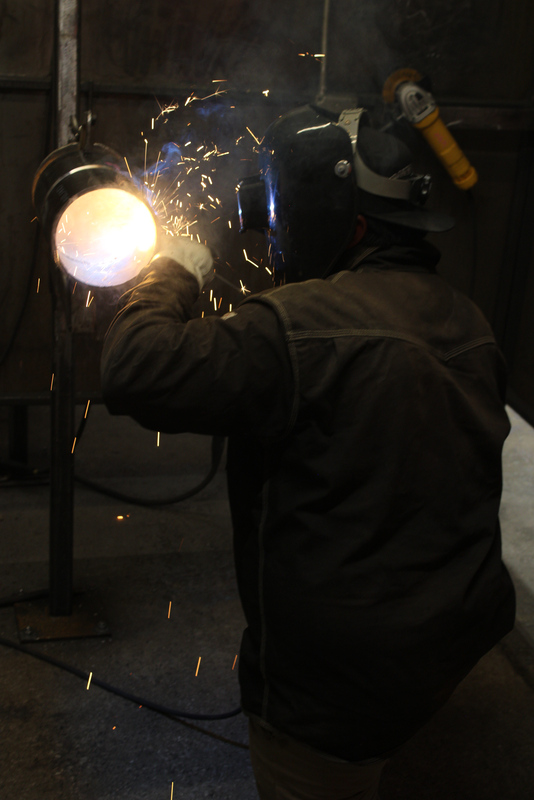
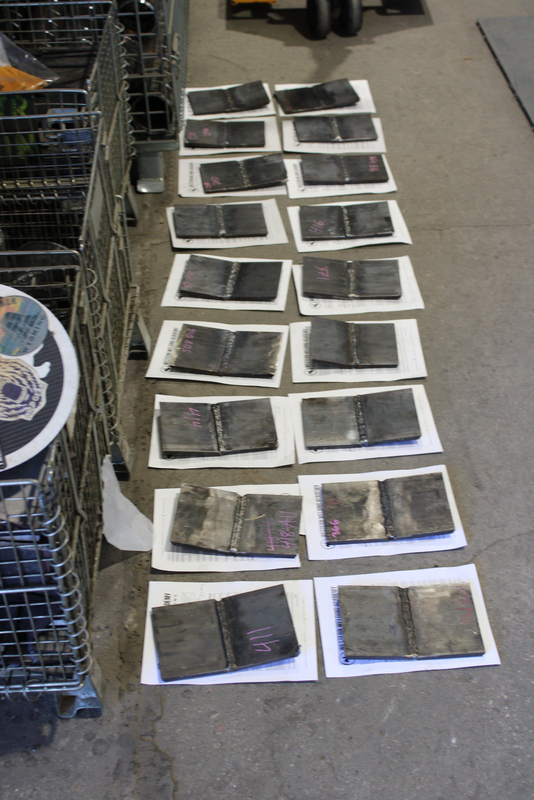
Many programs require a hands-on welding test as part of the application process. You may be asked to run a bead, complete a groove weld, or demonstrate basic torch cutting. Some programs use written aptitude tests covering math, spatial reasoning, and mechanical comprehension. Practice both. A welding school background gives you a significant advantage on every test format.
Step 5: Interview and Get Accepted
After passing tests and submitting your application, you interview with the apprenticeship committee. They evaluate your motivation, reliability, physical readiness, and ability to commit to a multi-year program. Be prepared to explain why you want to be a welder, what experience you have, and how you handle physically demanding work.
Show up on time, dress professionally, and bring copies of any welding certifications or school transcripts. Applicants who demonstrate they have already invested in their own training make a stronger impression than those who have done nothing to prepare. The committee wants candidates who will complete the program, and prior training signals commitment.
Why Welding School Before an Apprenticeship Is the Strongest Play
Western Welding Academy graduates enter the job market or apprenticeship applications with 85 percent booth time, multi-process credentials, and verifiable skills. The school holds a 94 percent hire rate within 90 days, verified by a 234-alumni survey from November 2024. With 2,000 graduates, 330 combined instructor years, and the number one AWS Accredited Testing Facility ranking, the school provides the foundation that makes apprenticeship acceptance easier.
Many graduates choose direct employment over apprenticeships because the earning potential is immediate. The Expert Pipe Welder program targets the $60,000 to $125,000 salary range. Employers including SpaceX, Boilermakers, and Pipefitters unions recruit directly from the school. Whether you pursue an apprenticeship or direct employment, Western Welding Academy training strengthens every path. See what welding school graduates earn nationwide.
What Western Welding Academy Graduates Earn
Graduates of Western Welding Academy earn verified paychecks that demonstrate why many graduates skip the apprenticeship timeline entirely.
Leyton Wagner earns $4,514 per paycheck. Gavin Walden takes home $3,986 per paycheck. David Smolek earns $3,417 per paycheck. These graduates went from training to full-wage employment without spending 3 to 5 years as apprentices.
Noah clears $2,800 per week on the North Slope in Alaska. Hank reached $150,000 per year by age 21. The school's training path got them earning at maximum speed, which is the real advantage of combining formal training with career entry.
Ready to launch your welding career? Apply now or call Western Welding Academy at (307) 284-5313 today.
Frequently Asked Questions
Q1. How competitive are welding apprenticeships?
Welding apprenticeships are highly competitive, especially union programs with the best pay and benefits. Applicants with formal welding training, certifications, and multi-process experience rank higher than untrained candidates. Some programs accept as few as 10 to 20 percent of applicants.
Q2. Can I apply for an apprenticeship without any welding experience?
Yes. Some programs accept beginners and train from scratch. However, applicants with prior welding training consistently rank higher and have better acceptance rates. Many union committees give preference to candidates who have completed a welding school program or hold basic certifications.
Q3. Where do I find welding apprenticeship listings?
Start at apprenticeship.gov for federal and state listings. Visit local union halls for Boilermakers, Pipefitters (UA), Ironworkers, and Sheet Metal Workers. Check your state Department of Labor website and local job boards. Large contractors and energy companies also post apprenticeship openings on their career pages.
Q4. Do welding apprentices get paid from day one?
Yes. Welding apprentices earn wages from the first day of work, typically starting at 40 to 60 percent of a journeyman welder's rate. Pay increases at set intervals as you complete training milestones and demonstrate skill progression. Full journeyman wages are reached after 3 to 5 years.
Q5. Does welding school count toward apprenticeship hours?
Some apprenticeship programs credit formal welding school hours toward the required training total. This can shorten the apprenticeship timeline by several months. Check with your specific program because credit policies vary between unions and employers.
Q6. What makes Western Welding Academy different from other welding schools?
Western Welding Academy delivers 85 percent hands-on booth time and all-inclusive tuition covering tools, materials, PPE, and housing. The school holds a 94 percent hire rate within 90 days, verified by a 234-alumni survey. With 2,000 graduates, 330 combined instructor years, and the number one AWS Accredited Testing Facility ranking, graduates enter apprenticeships or direct employment with the strongest possible credentials.
Take the First Step Toward Your Welding Career
Whether you pursue an apprenticeship or direct employment, the right training makes every path easier. Call Western Welding Academy at (307) 284-5313 or apply now to start building your credentials.



.jpg)



.jpg)


.jpg)
.jpg)
.jpg)
.jpg)
.jpg)
-thumbnail.jpg)

.jpg)