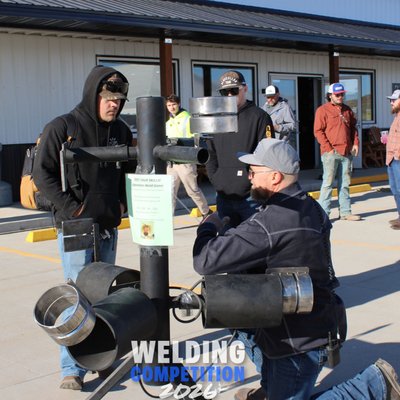
What Makes a Welding Program Intensive?
An intensive welding program means full time, structured training at 40 hours per week. That is eight hours a day, five days a week, with a fixed start date and a fixed graduation date. There is no part time track, no evening schedule, and no self paced option. You show up Monday through Friday and you weld.
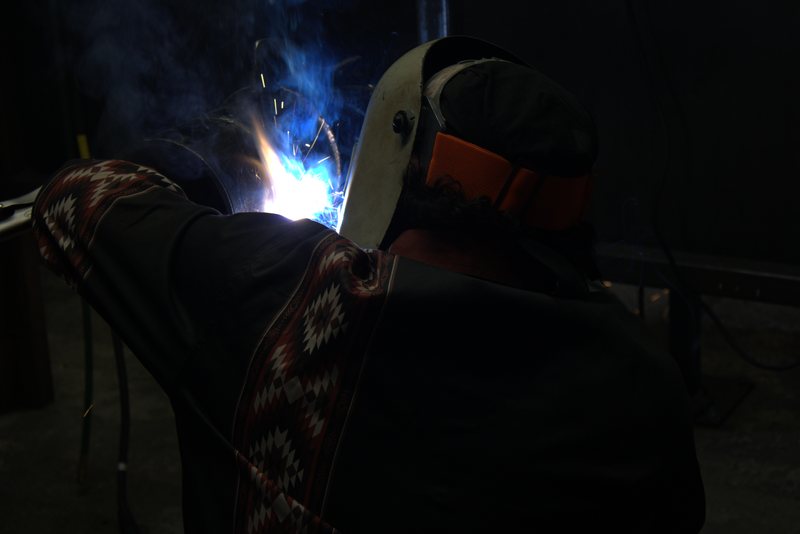
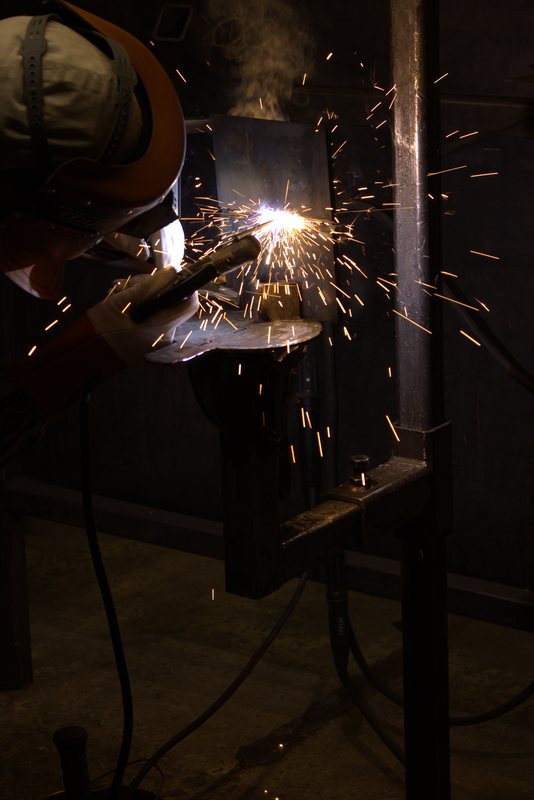
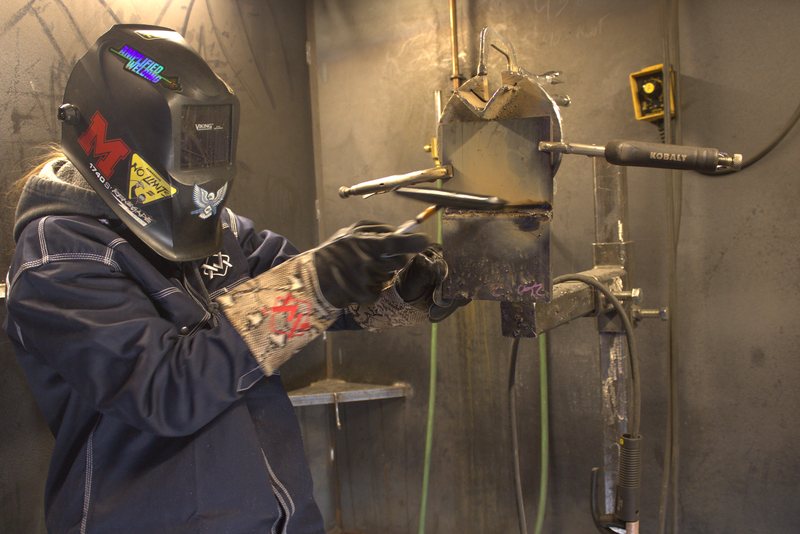
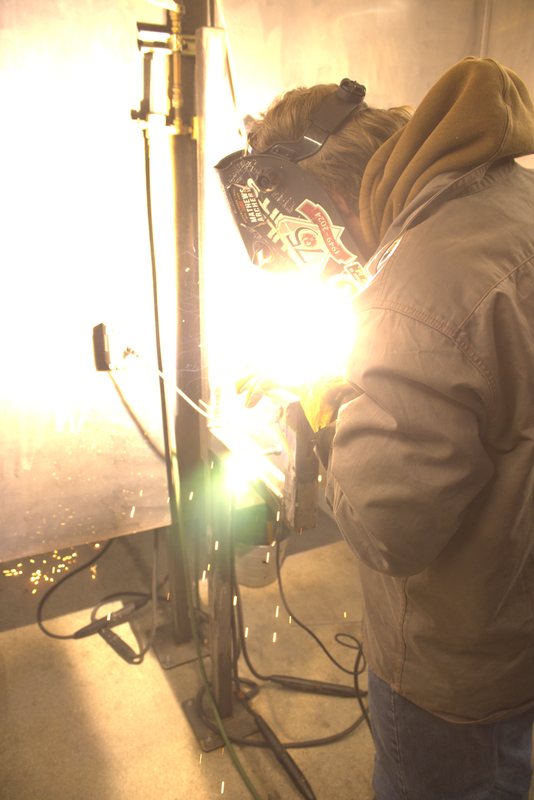
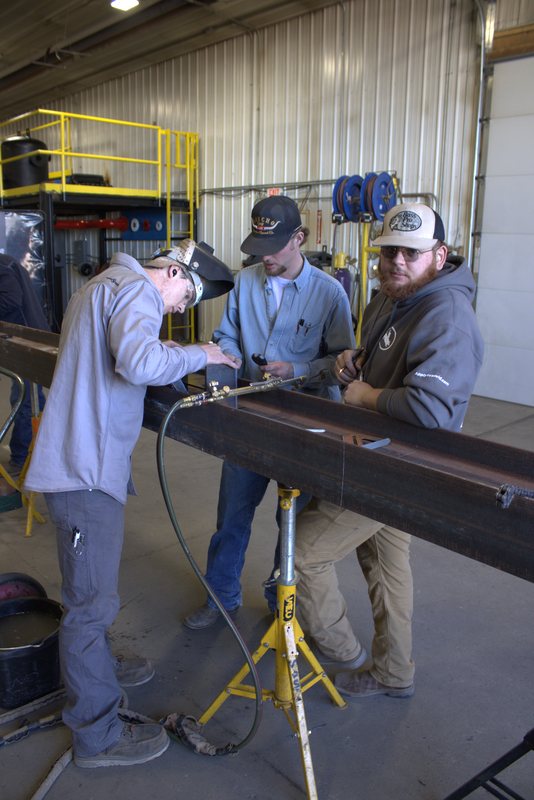
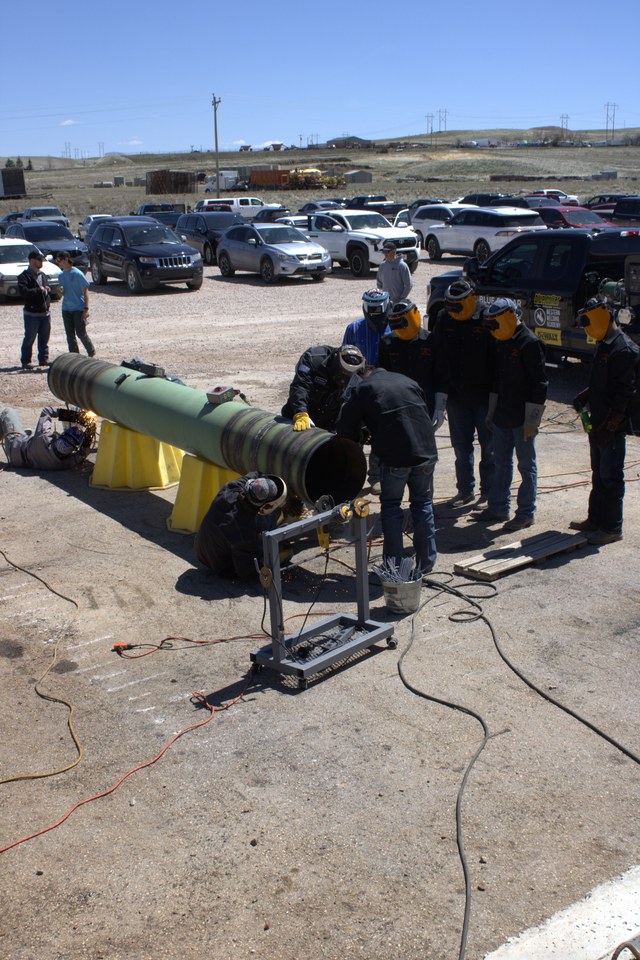
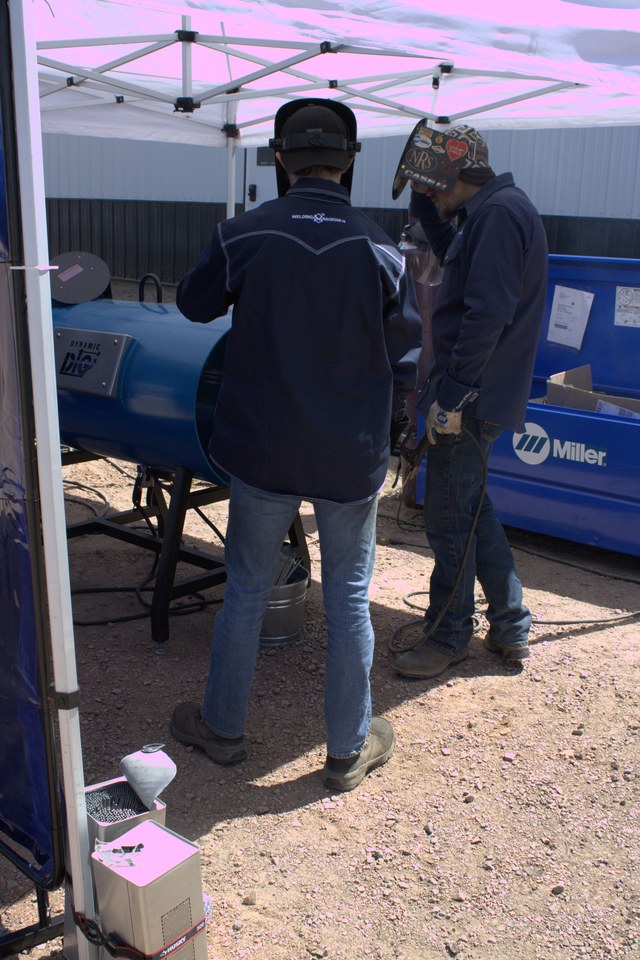
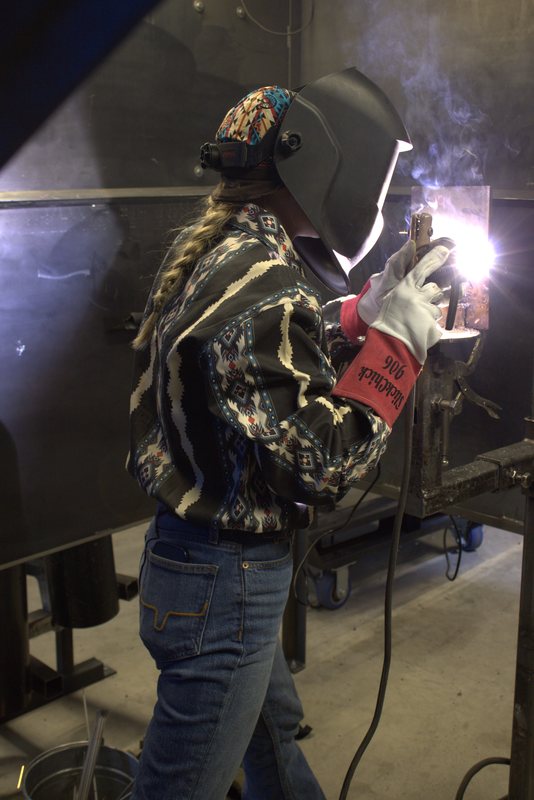
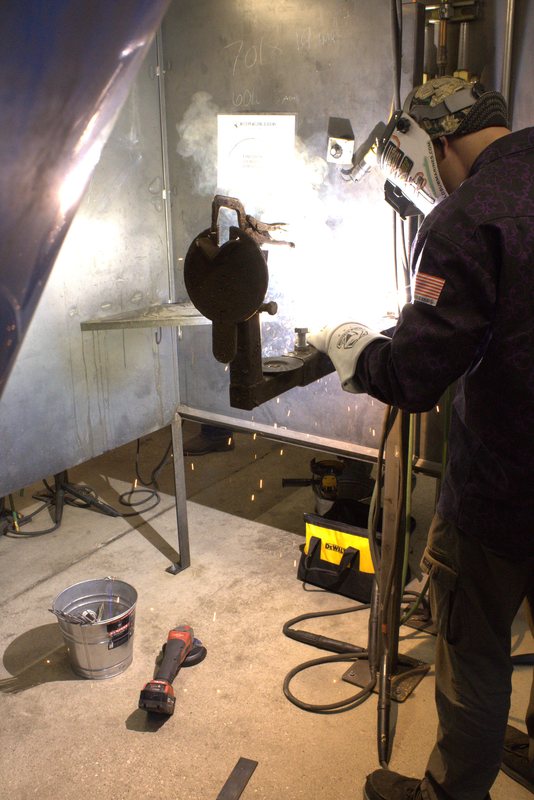
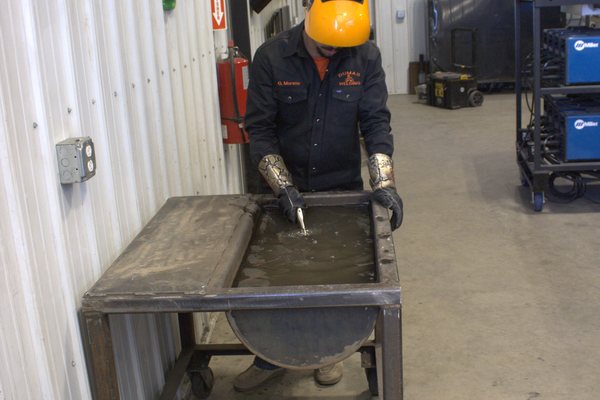
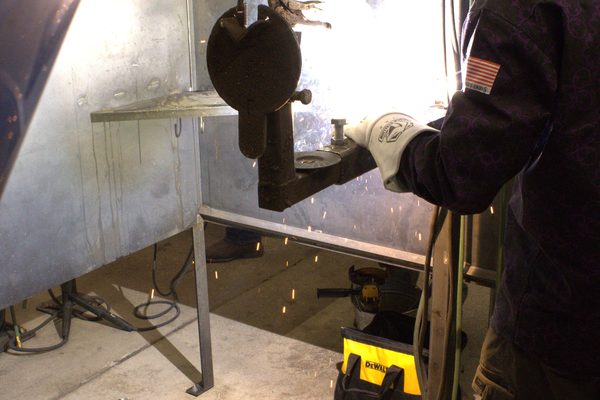
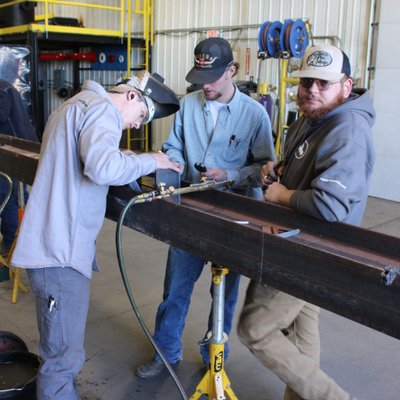
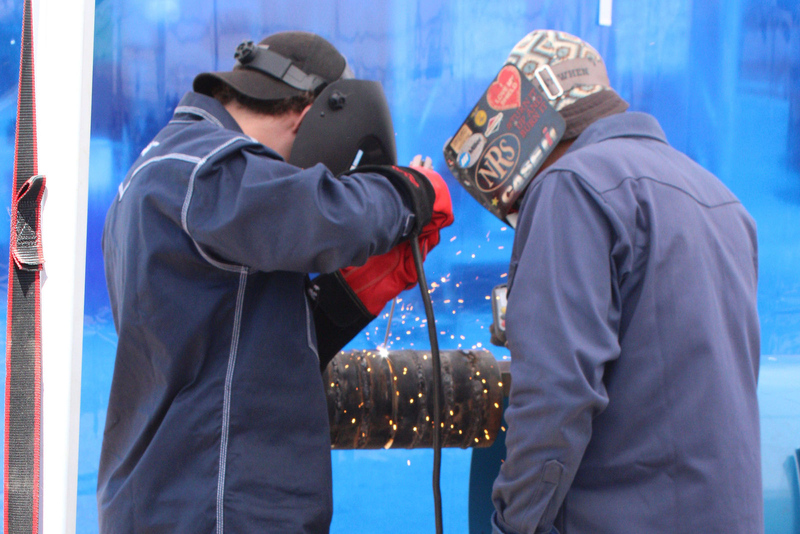
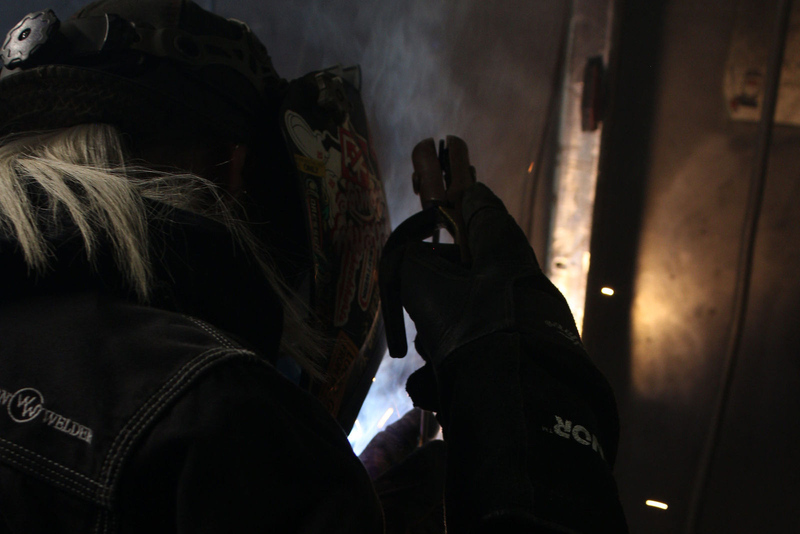
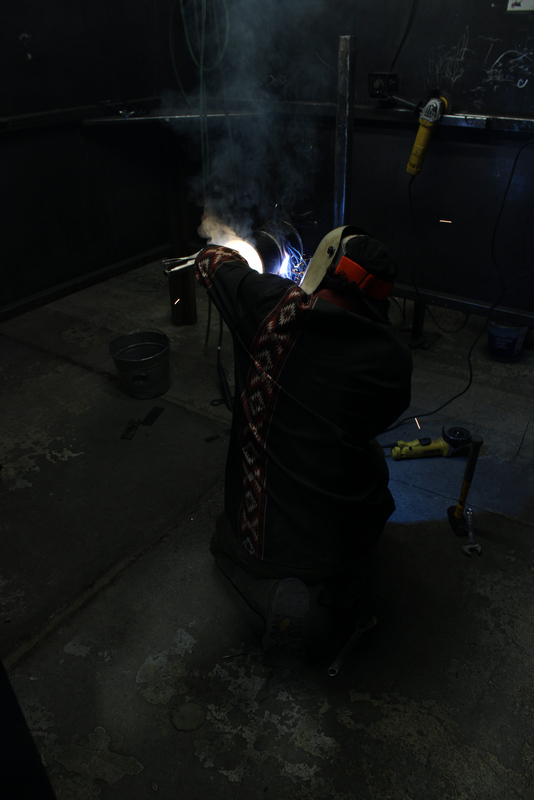
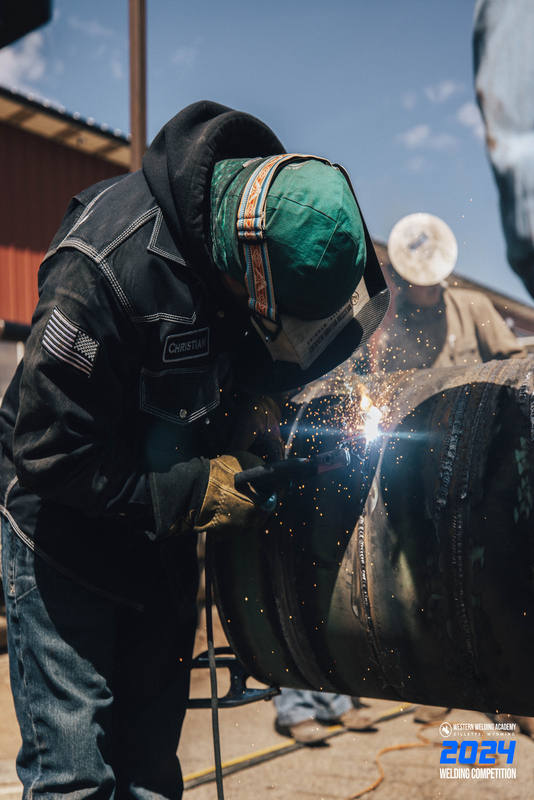
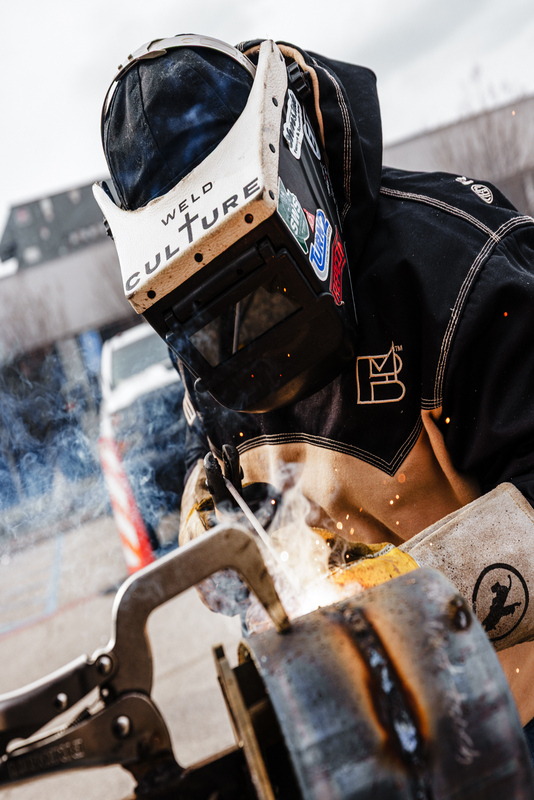
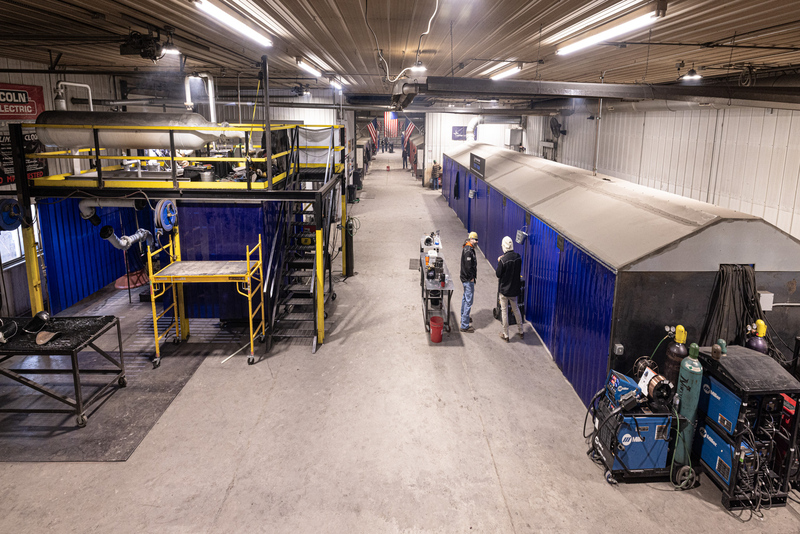
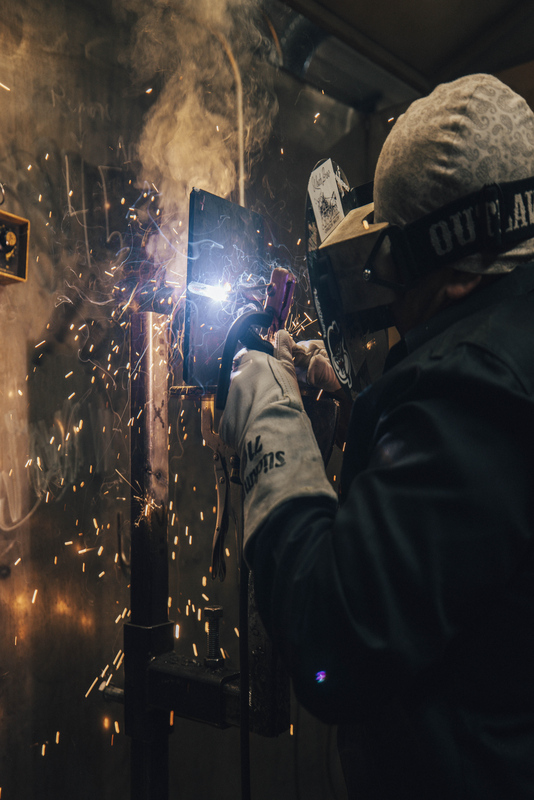
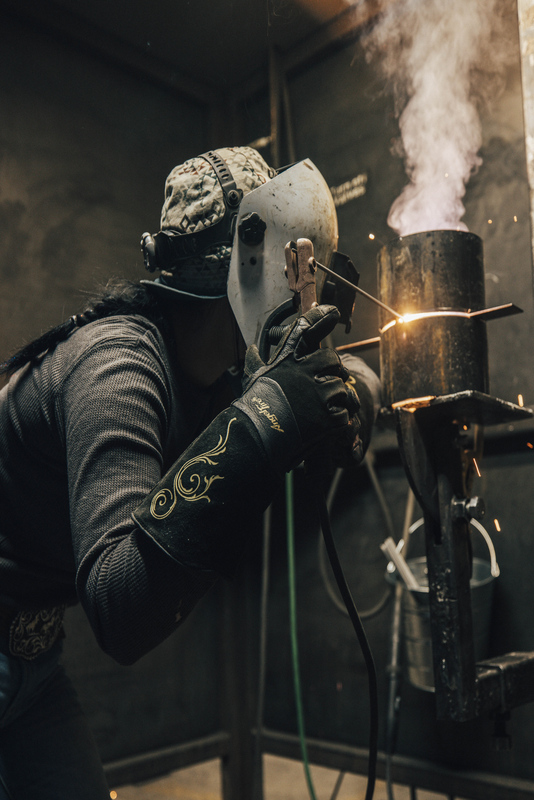
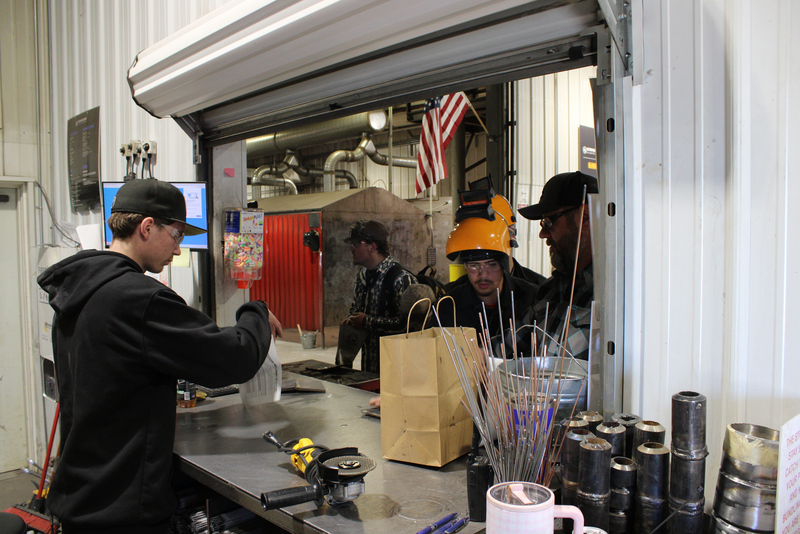
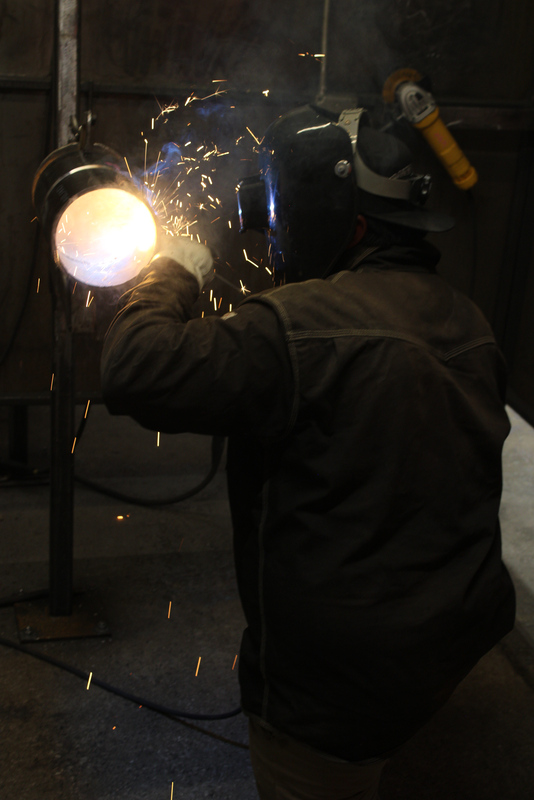
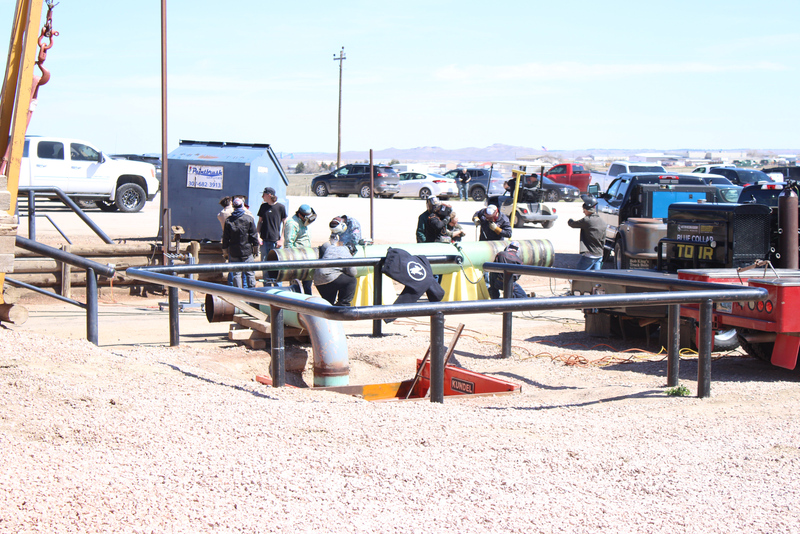
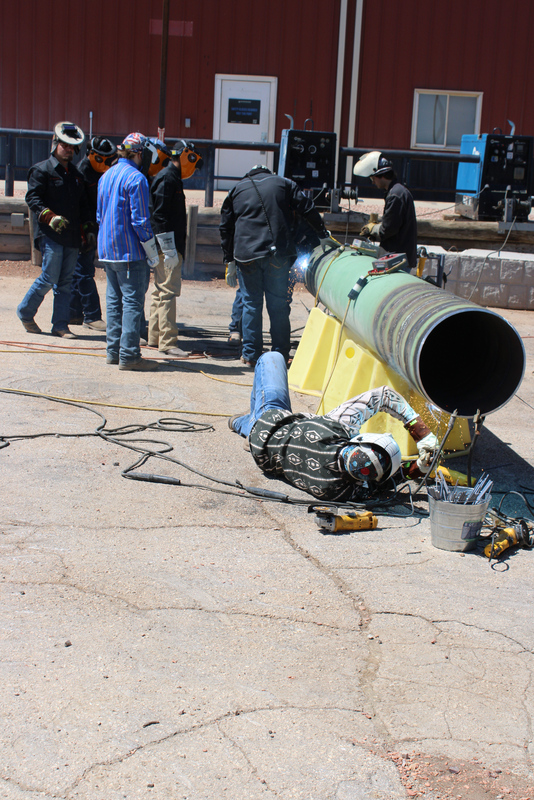
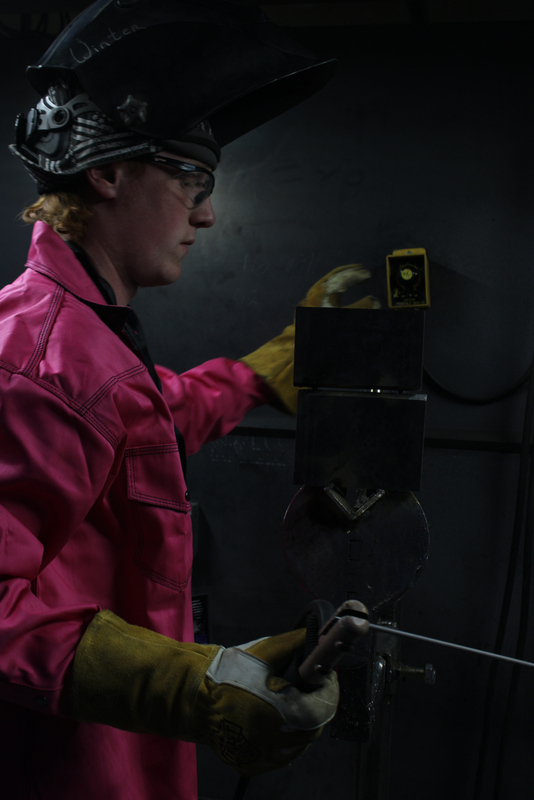
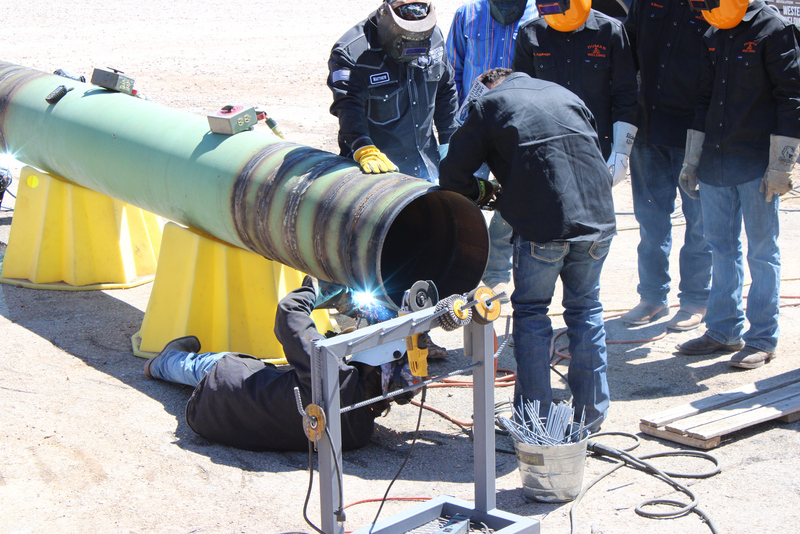
Western Welding Academy dedicates 85% of every training day to hands on booth time. That means roughly six and a half hours per day with a torch or electrode in your hand. The remaining time covers welding theory, safety protocols, blueprint reading, and certification prep. Compare that to community college welding programs where students spend two to three hours per week in the booth and take 18 to 24 months to finish.
The word intensive does not mean harder. It means concentrated. You learn the same skills in a shorter window because you are practicing them every single day instead of once or twice a week. Research on how much practice it takes to get good at welding confirms that repetition frequency matters more than total calendar time.
What Does a Typical Week Look Like?
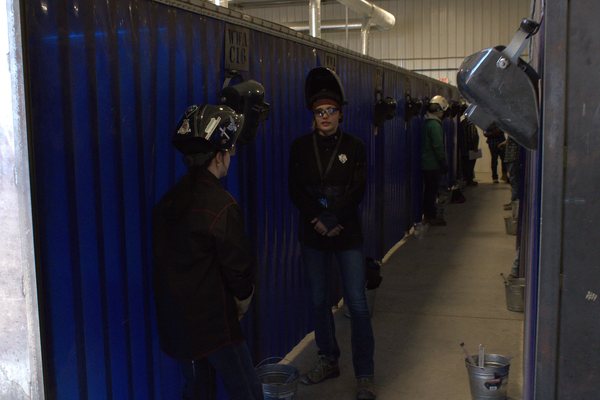
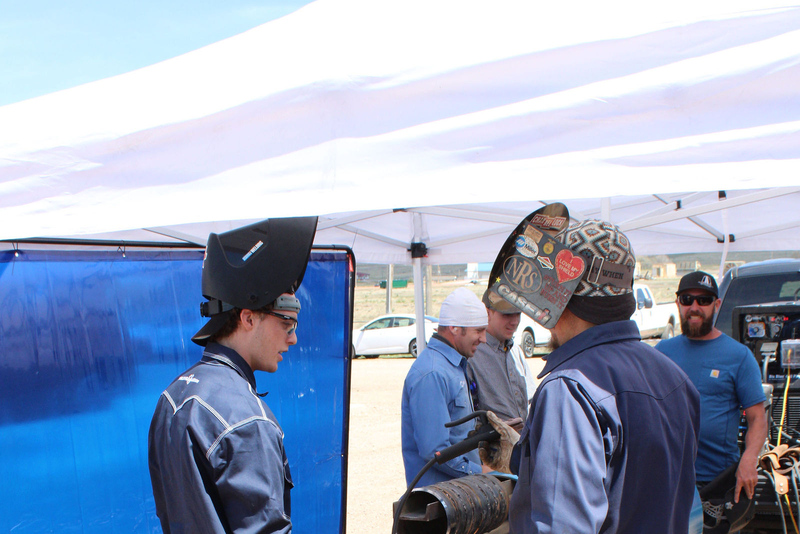
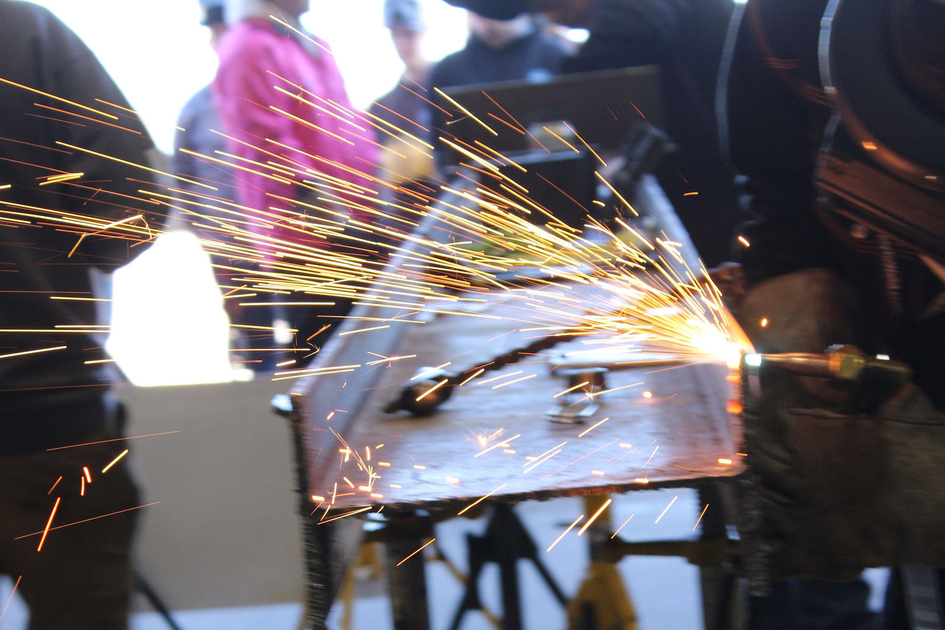
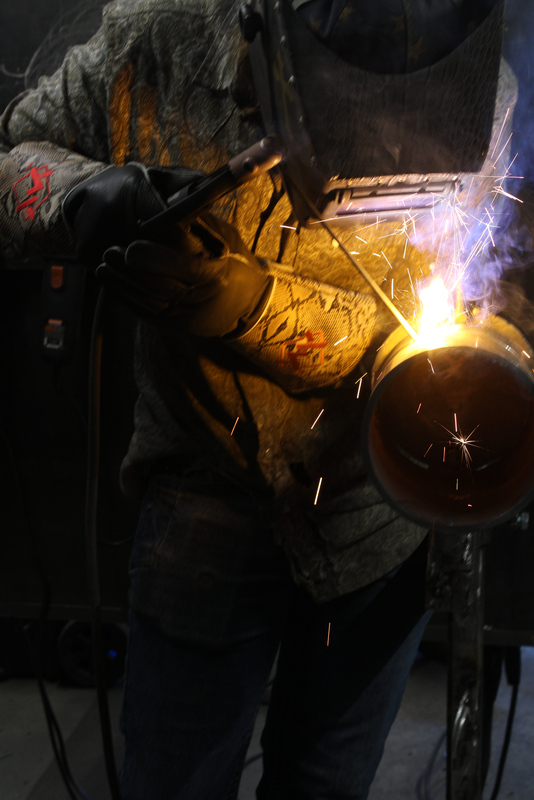
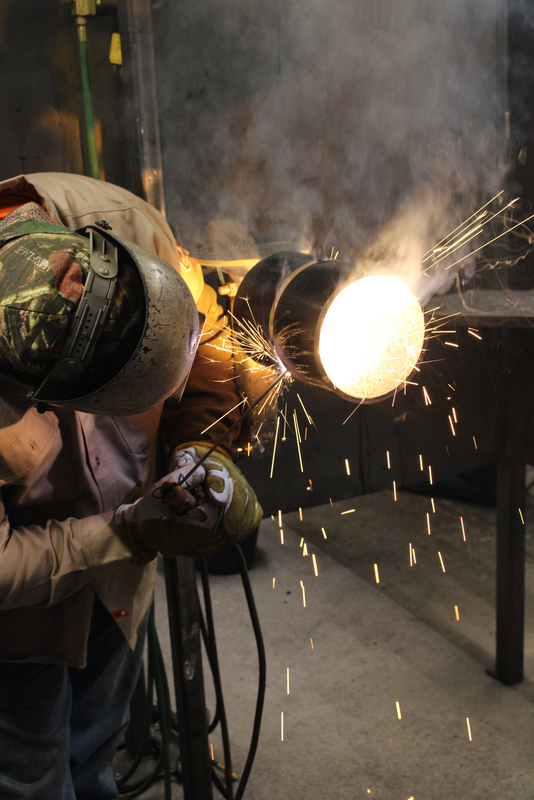
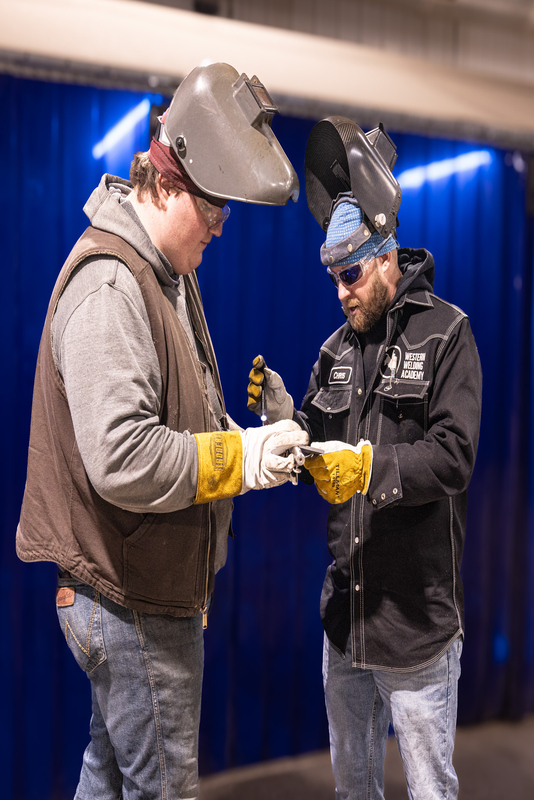
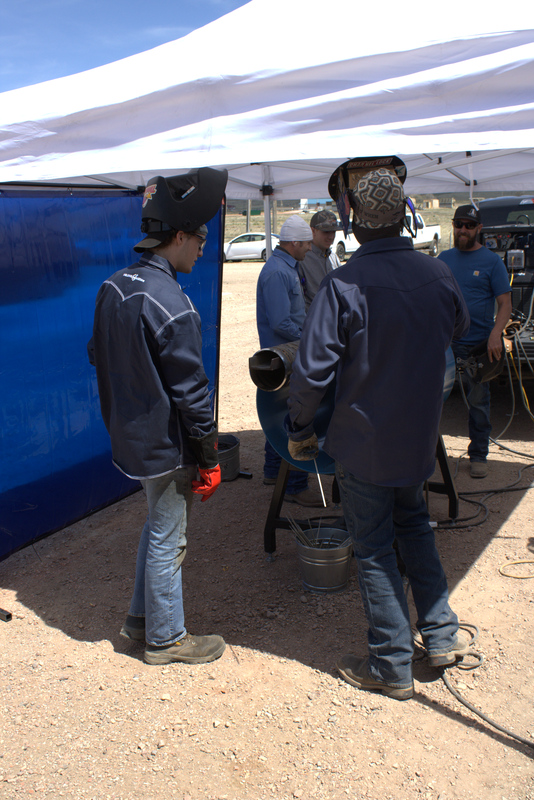
Every week at Western Welding Academy follows the same structure. Morning starts with a brief classroom session covering the day's welding process, joint configuration, or position. By mid morning, students are in their booths running beads. Lunch break. Afternoon is more booth time with instructor walkthroughs, technique corrections, and qualification test practice.
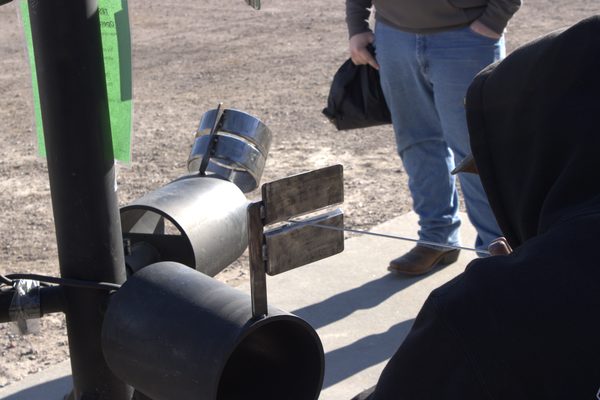
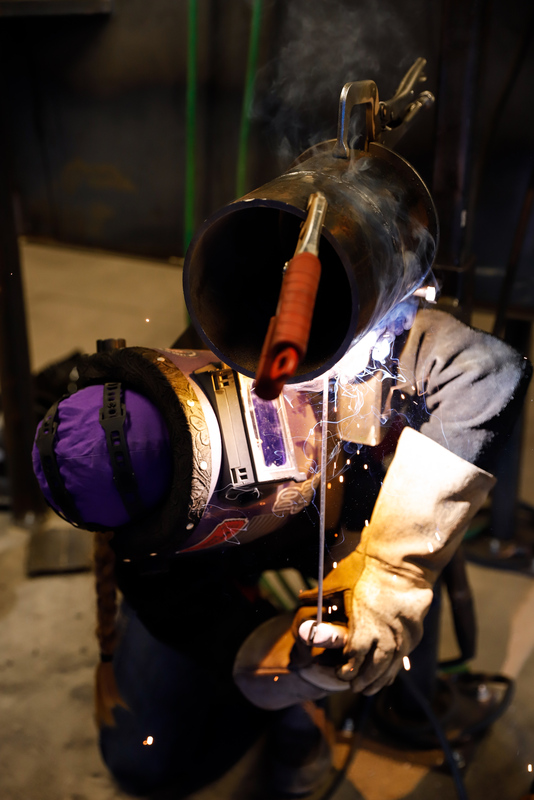
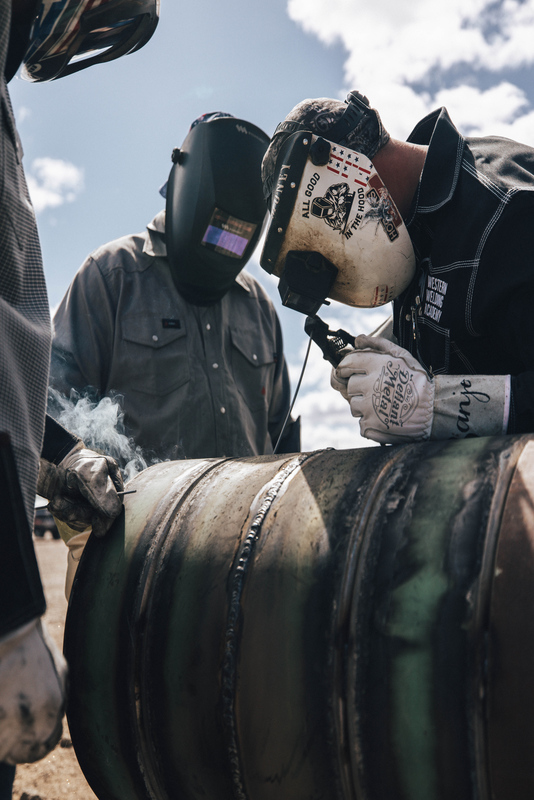
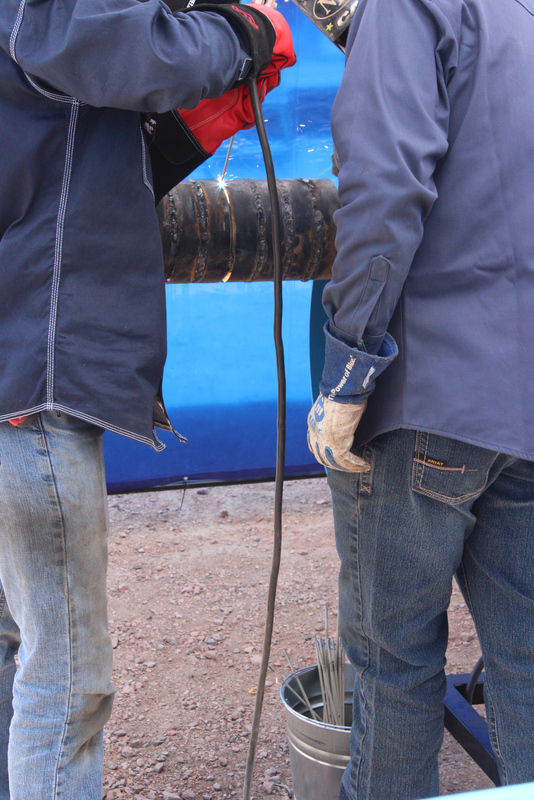
Week one covers safety, equipment setup, arc control, and basic stringer beads. Weeks two through four build flat and horizontal position welds in SMAW (stick). Weeks five through eight introduce vertical and overhead positions. By week nine, students are running pipe joints. The progression is deliberate. Each week builds on the last, and the 40 hour schedule means you never lose momentum between sessions.
For career changers, this structure is critical. A part time program stretching over 18 months means you forget skills between sessions. An intensive program keeps your muscle memory fresh because you welded yesterday, and the day before that, and the day before that.
Stop researching and start welding. Apply now or call (307) 284-5313.
How Do Intensive Programs Compare to Other Training Options?
Career changers typically consider four training paths: community college, union apprenticeships, online courses, and intensive trade schools. Each has a different timeline, cost, and outcome. The difference that matters most is how fast you go from zero experience to earning a paycheck.
Community college programs take 18 to 24 months and cost $8,000 to $15,000. You attend part time while working another job. The advantage is flexibility. The disadvantage is that you spread 200 hours of booth time across two years. Union apprenticeships offer paid training but take three to five years and are competitive to enter. Online courses cost $200 to $2,000 but cannot teach you to weld. Welding is a physical skill that requires a booth, a machine, and an instructor watching your technique.
Western Welding Academy compresses the same skill development into 12 to 24 weeks of full time training. The Foundational Pipe Welder program takes just 12 weeks at $7,050. The Professional Pipe Welder runs 19 weeks at $13,600 and adds TIG and advanced pipe certifications. The 24 week Expert Pipe Welder at $19,800 covers every process and position for $60,000 to $125,000 per year careers. The school's program comparison guide breaks down exactly which track fits your goals.
Why Does 85% Booth Time Matter for Career Changers?
Career changers are trading income for training. Every day in school is a day without a paycheck from your old career. That makes efficiency critical. If you are spending half your training time in lectures, group discussions, or watching demonstrations, you are paying for time that does not build your welding skill.
At Western Welding Academy, 85% booth time means roughly 34 hours per week of actual welding. Over a 12 week Foundational program, that is over 400 hours of hands on practice. Over the 24 week Expert program, it exceeds 800 hours. That volume of deliberate practice is what builds the muscle memory and arc control that employers test for during hiring.
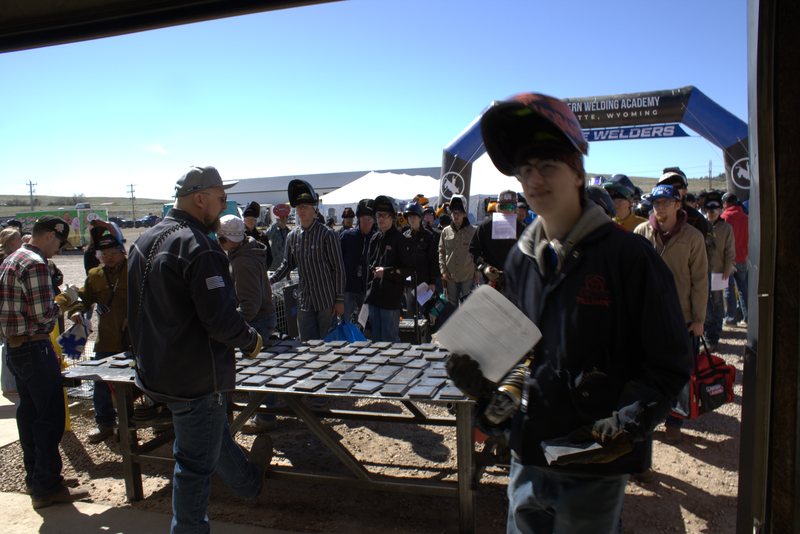
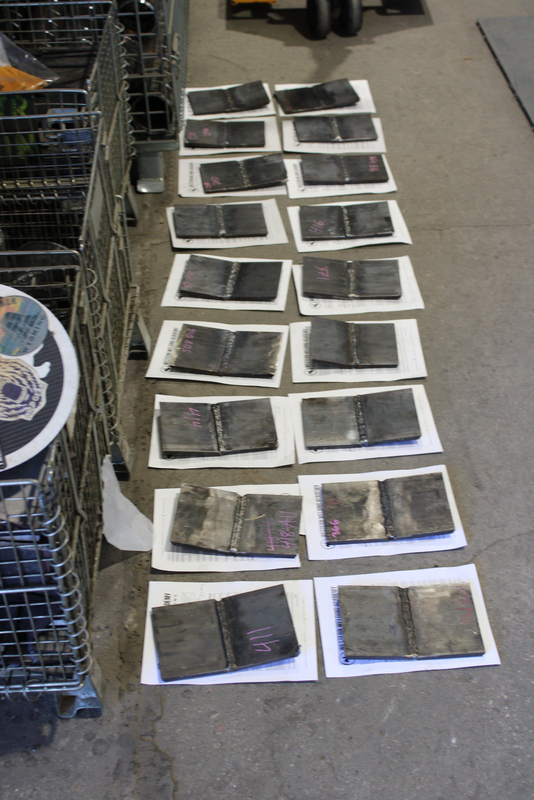
The school is the number one AWS Testing Facility in the country. Students test on site with the same equipment they trained on. There is no travel to a separate testing center, no unfamiliar machines, and no gap between your last practice weld and your certification test. That continuity is why Western Welding Academy maintains an 85% Expert program graduation rate compared to the industry average below 60%.
What Do Career Changers Earn After an Intensive Program?
The payoff for completing an intensive welding program shows up in the first paycheck. Graduates of Western Welding Academy earn $60,000 to $125,000 per year depending on their program level, certifications, and the industry they enter. Here are verified earnings from real graduates.
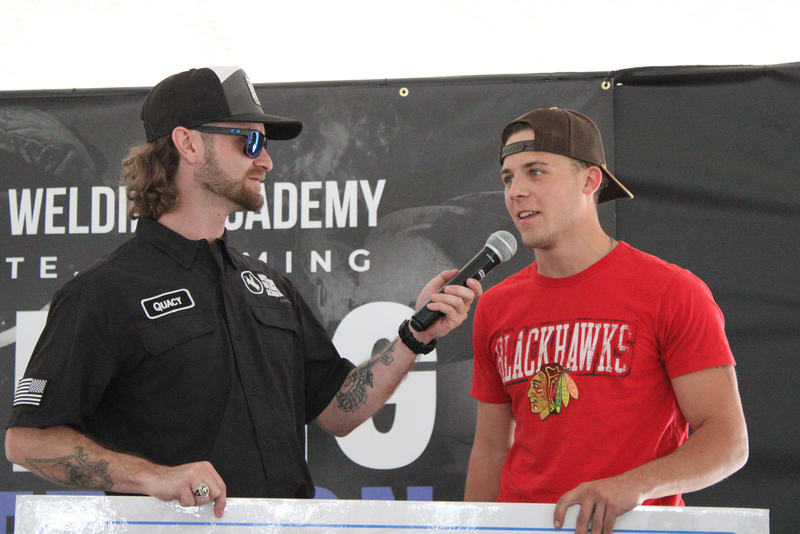
Leyton Wagner earned $4,514 on a single paycheck after completing the Expert Pipe Welder program. That figure is published on the Western Welding Academy website. At that rate, his annual gross exceeds $117,000. For a career changer who was earning $35,000 to $45,000 in a previous job, that is a life changing jump within months of graduation.
Gavin Walden posted a paycheck of $3,986 on social media after graduating. David Smolek shared his $3,417 paycheck publicly. Both were earning more per pay period than many career changers earn per month in their previous jobs. These are not outlier results. They reflect what certified pipe welders earn in pipeline, refinery, and industrial construction work.
Noah started clearing $4,800 per week right out of welding school. Hank hit $150,000 per year at age 21. The earning potential does not depend on your previous career. It depends on the certifications you hold and the quality of your training.
Your next paycheck could look like this. Apply now or call (307) 284-5313.
What Makes the Intensive Format Work Better Than Stretched Out Training?
The advantage of intensive training is not just speed. It is immersion. When you weld for eight hours a day, five days a week, your body and brain adapt to the work in a way that part time training cannot replicate. You develop arc feel, puddle control, and position comfort through daily repetition. You also build the stamina and work habits that translate directly to job site expectations.
Employers notice the difference. A graduate from an intensive program has recent, concentrated experience. A graduate from a two year part time program has the same certification but may not have welded consistently for months if their schedule was interrupted by work, family, or semester breaks. Western Welding Academy places 94% of graduates within 90 days because employers trust the intensity and quality of the training.
For career changers specifically, the intensive format works because it matches the urgency of your situation. You are not a teenager exploring options. You are an adult who needs to get trained and start earning as fast as possible. That is exactly what intensive programs are designed to do.
Frequently Asked Questions
Q1. How long does an intensive welding program take?
Intensive welding programs range from 12 to 24 weeks of full time training at 40 hours per week. The length depends on the program level. A foundational program takes 12 weeks. A professional program takes 19 weeks. An expert level program with all certifications takes 24 weeks.
Q2. Can I work a job while attending an intensive welding program?
No. Intensive programs run eight hours per day, five days per week. The schedule does not allow for a second job. This is a full time commitment. Career changers should plan financially for 12 to 24 weeks without income from their previous job before enrolling.
Q3. Do I need prior welding experience for an intensive program?
No prior experience is required. Intensive programs start with arc control and basic beads on day one. The curriculum is designed to take someone with zero experience through every skill level. Over 95% of students at Western Welding Academy arrive from outside Wyoming with no trade background.
Q4. How much does an intensive welding program cost?
Costs range from $7,050 for a 12 week Foundational program to $19,800 for a 24 week Expert program at Western Welding Academy. Graduates see a 5 to 7 month tuition payback from their welding income. The total cost is typically less than a single semester at a four year university.
Q5. What certifications do you earn in an intensive program?
Certifications depend on the program level. Foundational programs cover SMAW stick welding certifications. Professional programs add TIG, MIG, and advanced pipe certifications. Expert programs include every process, every position, and specialty certifications like 6G and 6GR that qualify you for the highest paying pipeline and refinery jobs.
Q6. What makes Western Welding Academy different from other welding schools?
The school dedicates 85% of every training day to hands on booth time, graduates over 2,000 students from all 50 states, operates the number one AWS Testing Facility, and places 94% of graduates within 90 days. The 85% Expert graduation rate is the highest verified rate among intensive welding programs in the country.
Start Your Intensive Welding Training Today
Every week you spend thinking about a career change is a week of welder pay you are leaving behind. An intensive welding program at Western Welding Academy takes 12 to 24 weeks from enrollment to employment. Call Western Welding Academy at (307) 284-5313 or apply now to start earning $60,000 to $125,000 per year.


.jpg)


.jpg)


.jpg)
.jpg)
.jpg)
.jpg)
.jpg)
-thumbnail.jpg)

.jpg)