How Do Tuition and Total Costs Compare?
Community college welding programs typically cost $3,000 to $6,000 in tuition and fees for in-state students. That is the number on the brochure, and it looks like a bargain. But the programs run 12 to 24 months. If you are not working full-time during school (and most full-time welding students cannot), you are giving up 12 to 24 months of potential income. At entry-level welding pay of $4,000 per month, that is $48,000 to $96,000 in lost wages.
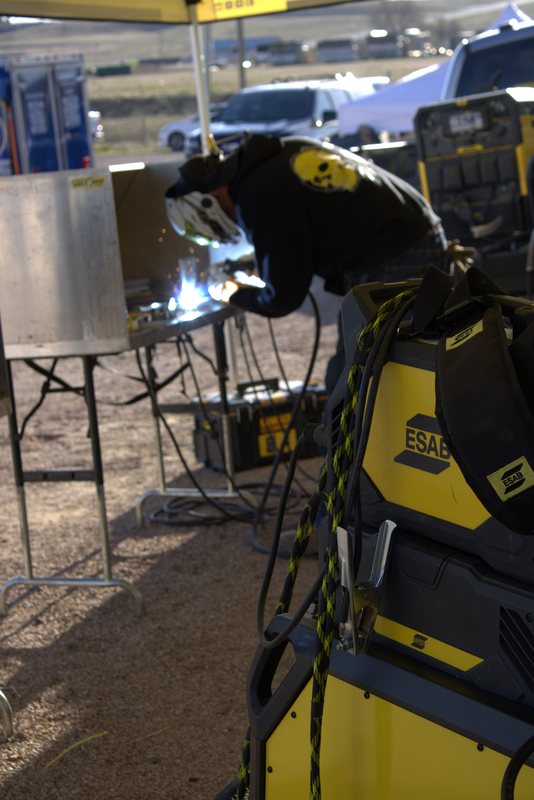
Private welding trade schools charge more upfront. Western Welding Academy programs range from $17,050 for the 12-week Foundational Pipe Welder to $35,800 for the 24-week Expert Pipe Welder. Housing is included. Students keep a $4,500 ESAB welding machine at graduation. The 19-week Professional Pipe Welder runs $27,600 all-in.
Here is the math that changes the picture. A community college student paying $5,000 tuition over 18 months loses roughly $72,000 in wages. True cost: $77,000. A WWA Professional student paying $27,600 over 19 weeks (about 4.75 months) loses roughly $19,000. True cost: $46,600. The "cheap" option costs $30,000 more when you count lost earning time.
Ready to start earning? Apply now or call (307) 284-5313 today.
How Does Hands-On Training Time Compare?
This is the biggest gap between the two paths. Community college welding programs include general education requirements: English, math, history, and electives. A typical two-year program might include 600 to 800 hours of actual welding time spread across four semesters, mixed in with lectures and lab demonstrations. Some programs get as little as 400 hours of booth time over the full two years.
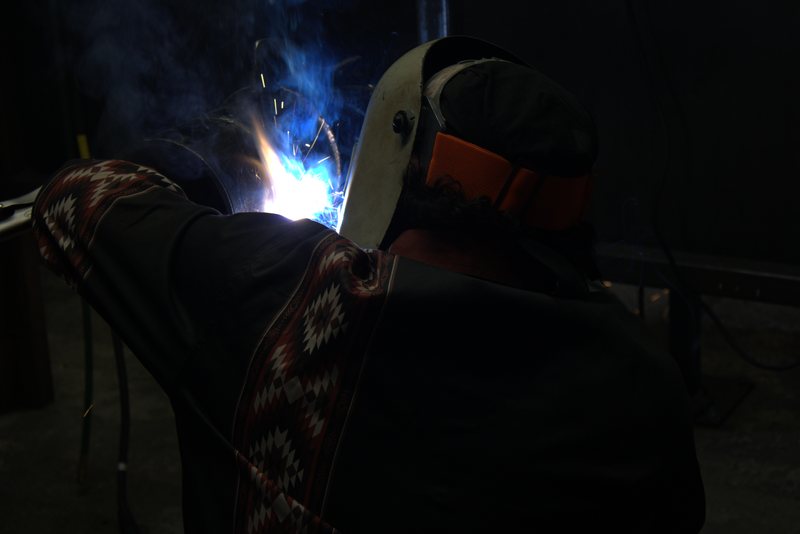
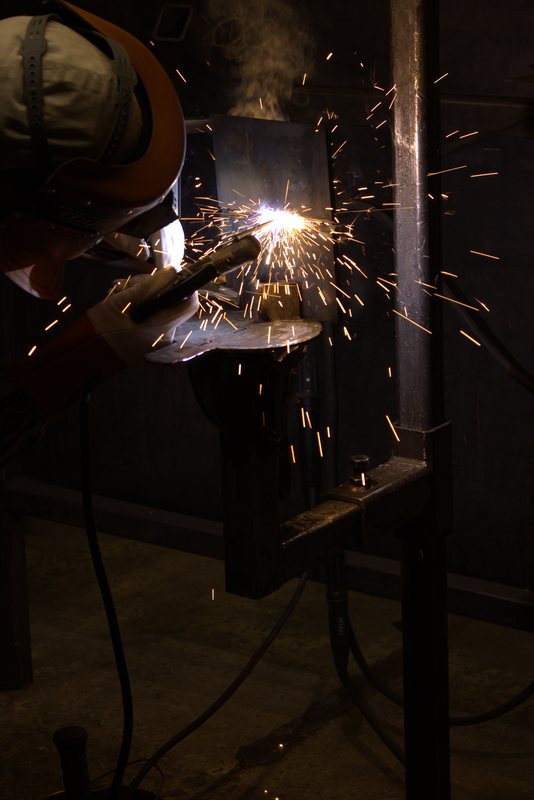
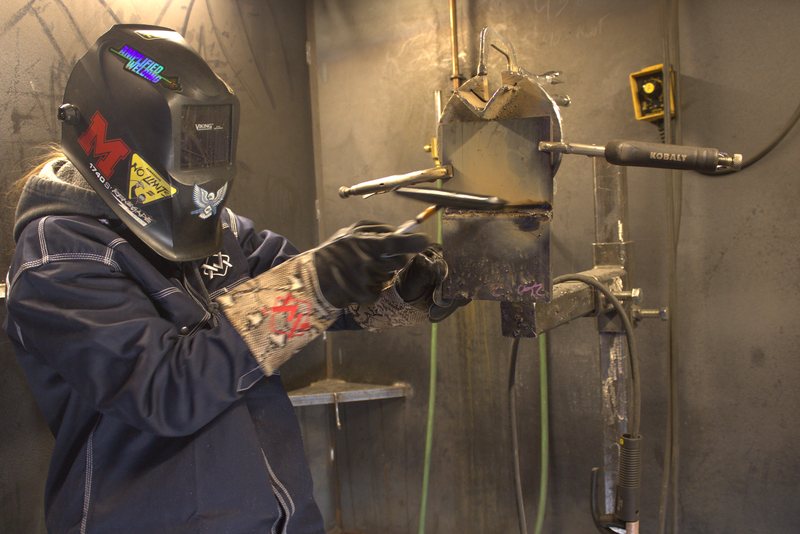
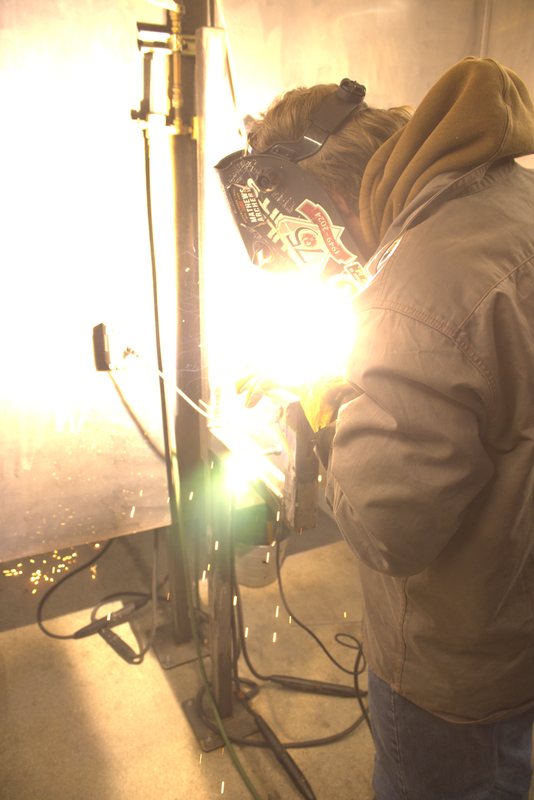
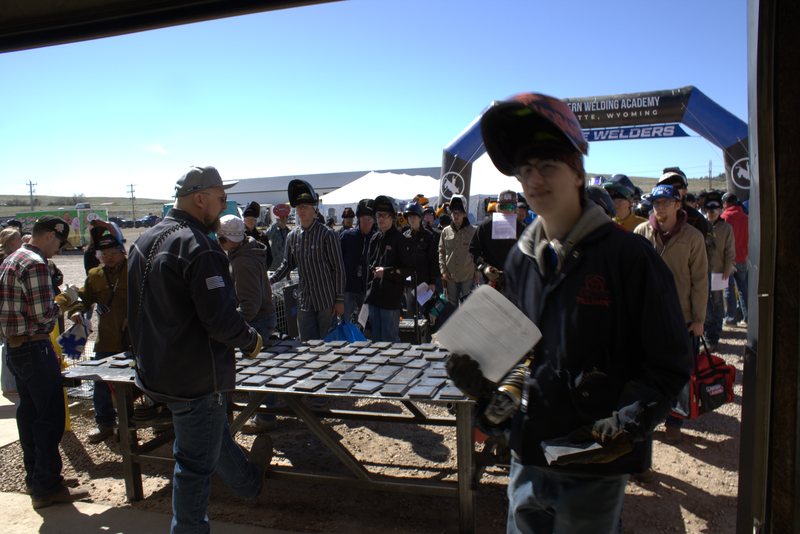
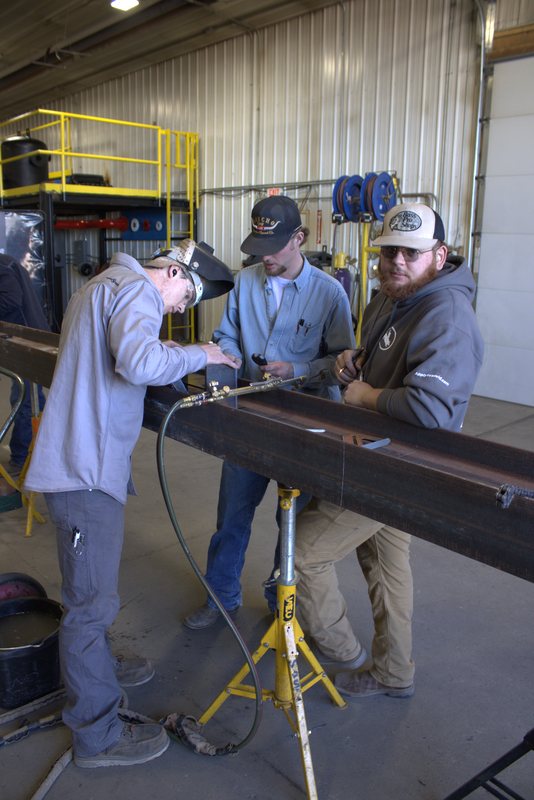
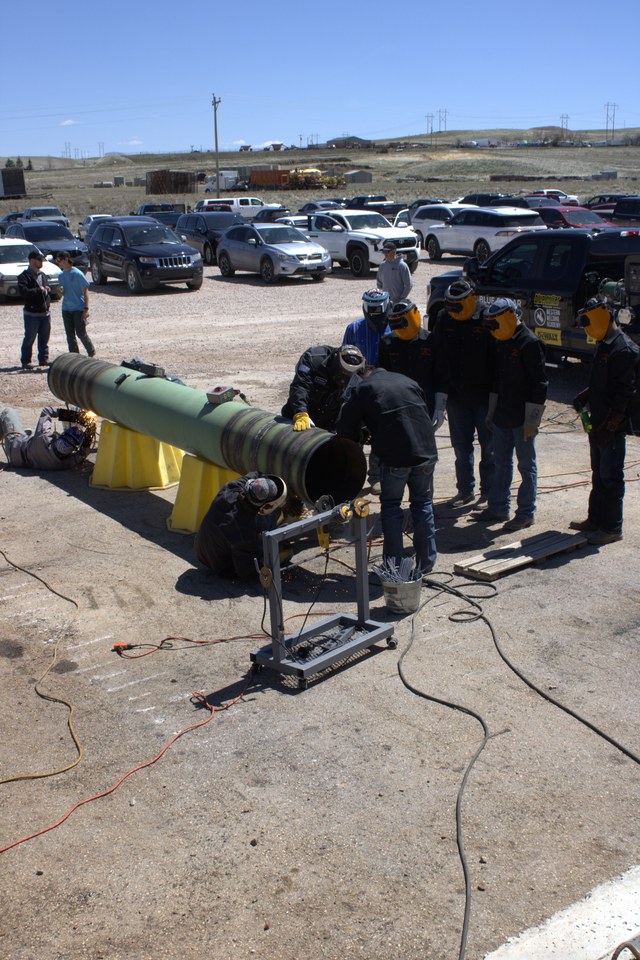
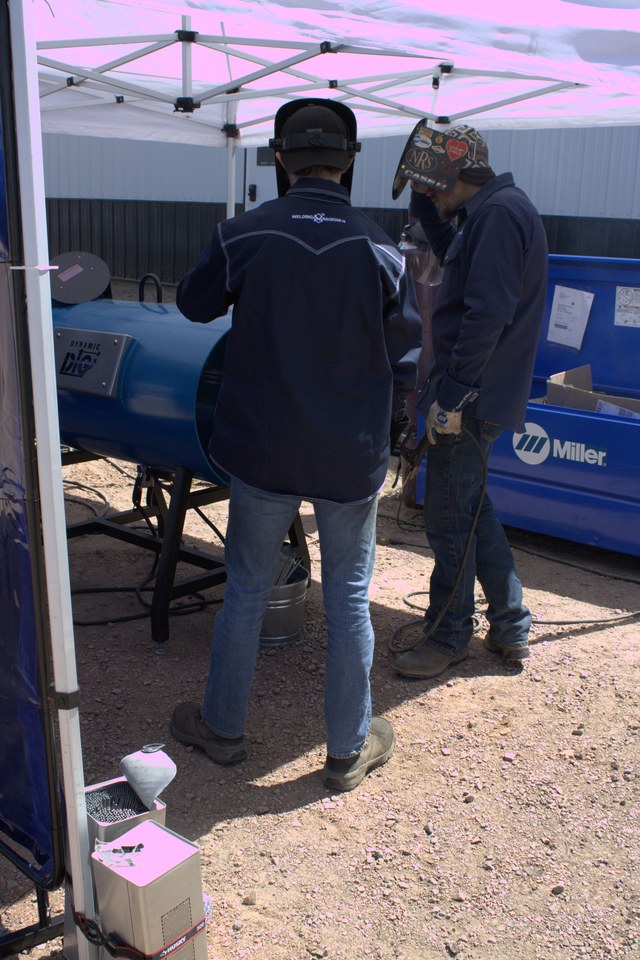
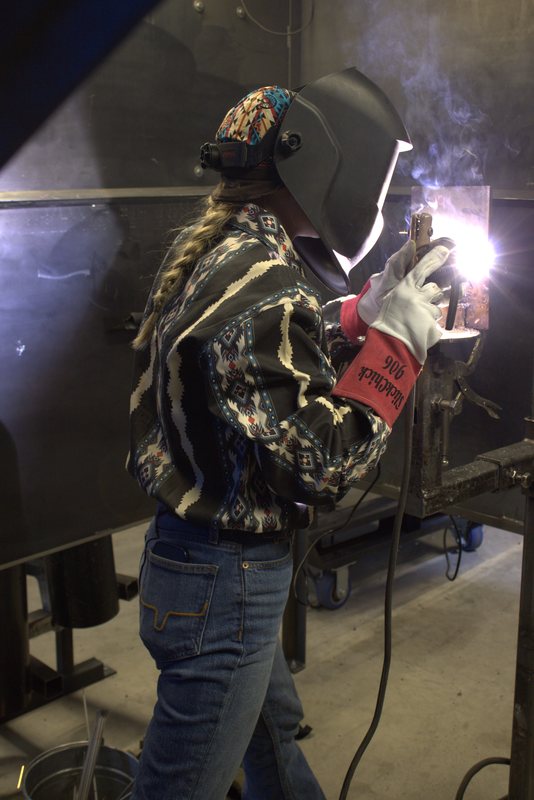
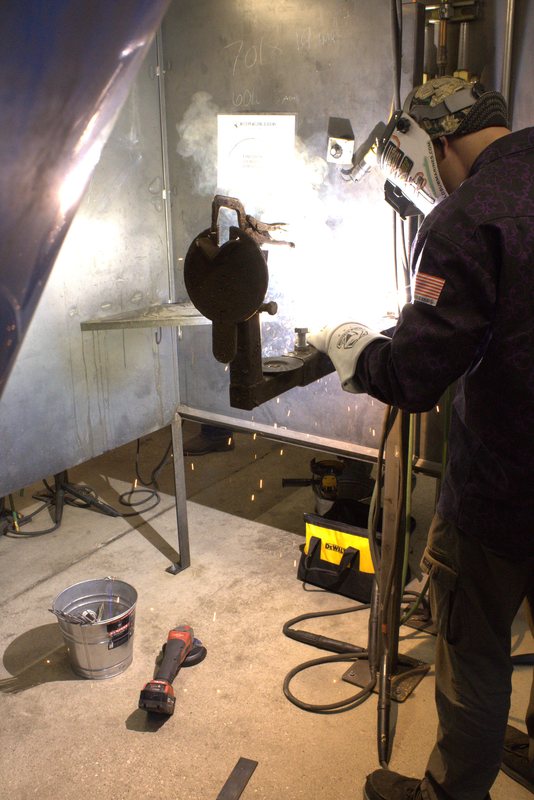
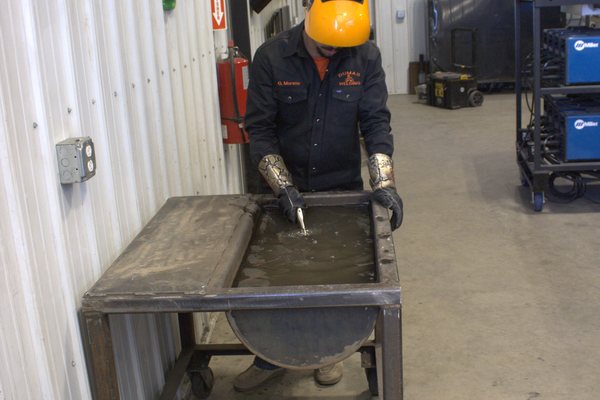
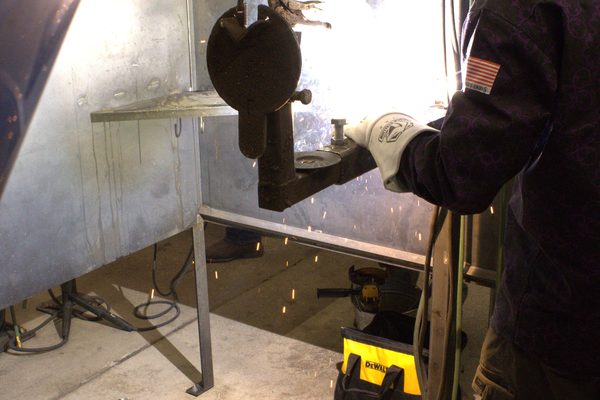
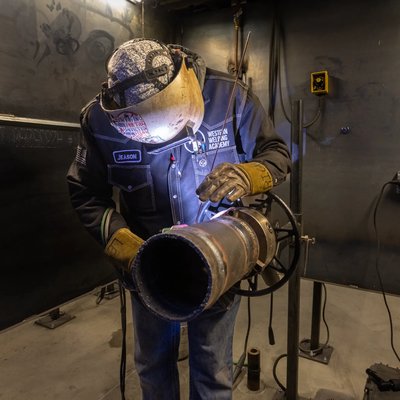
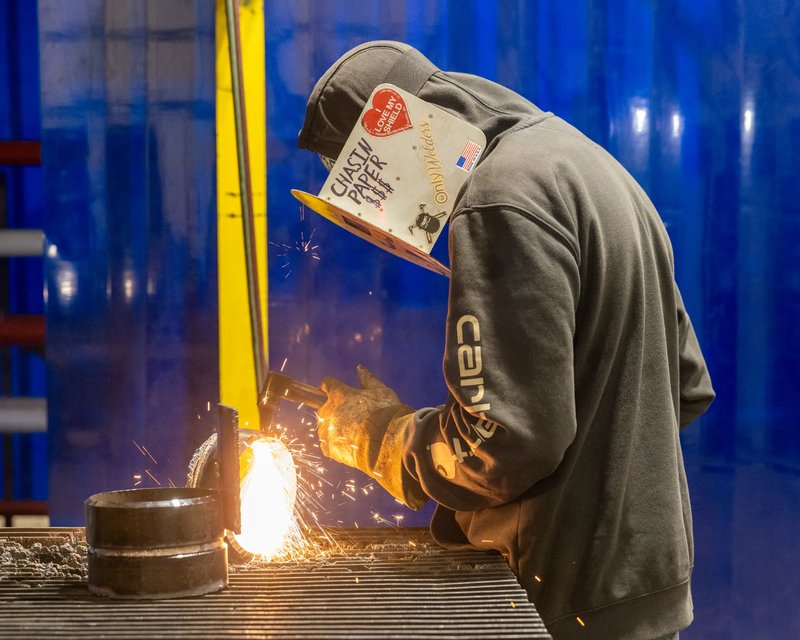
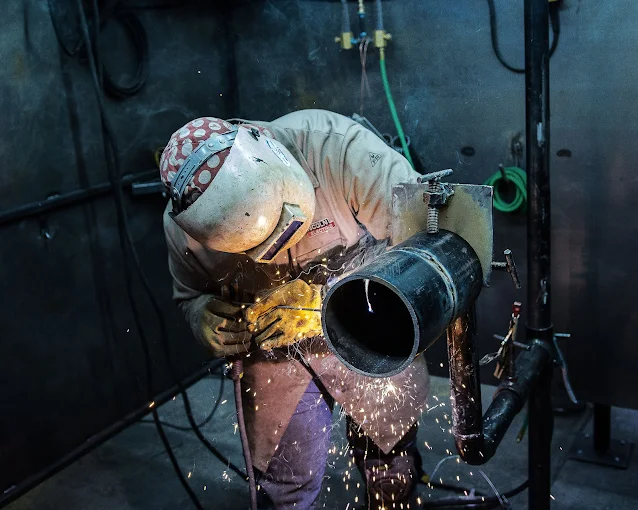
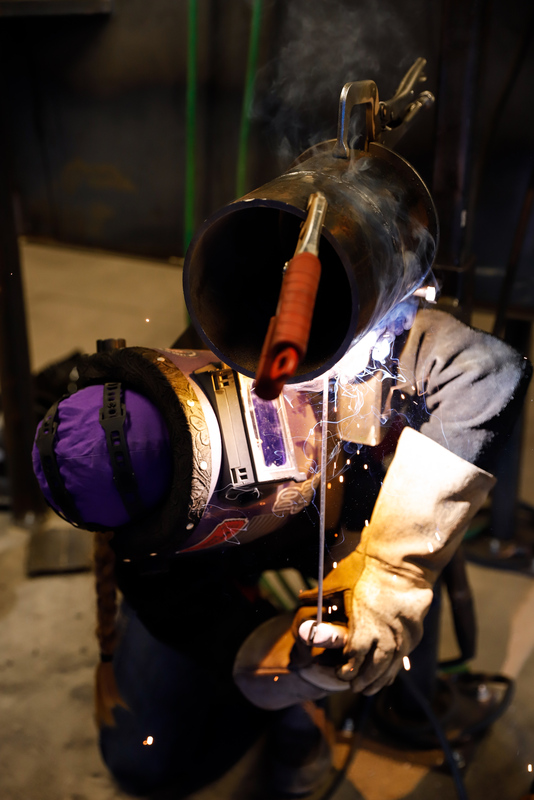
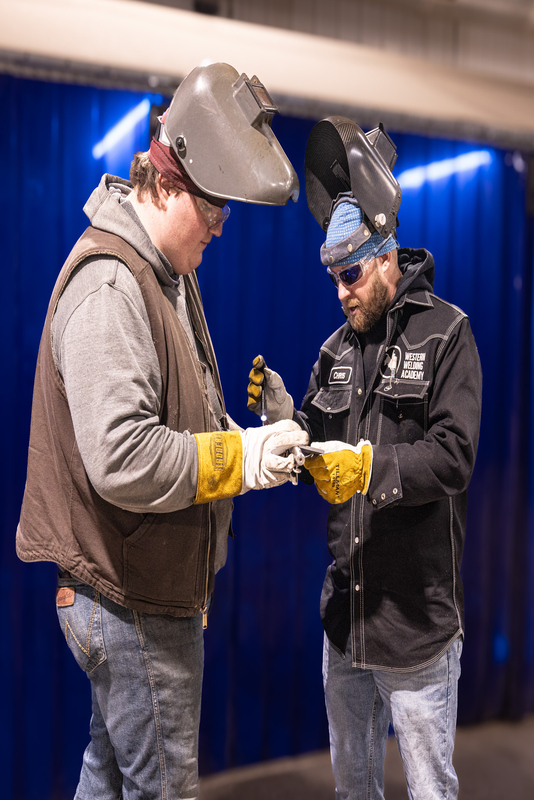
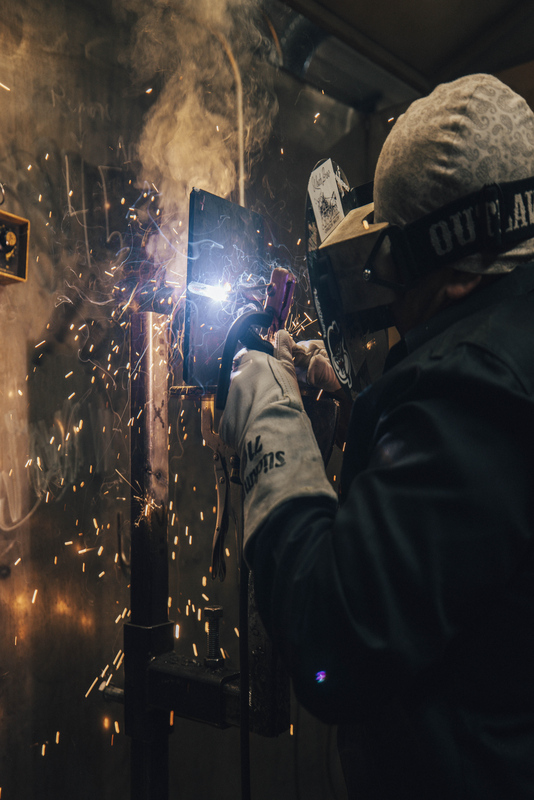
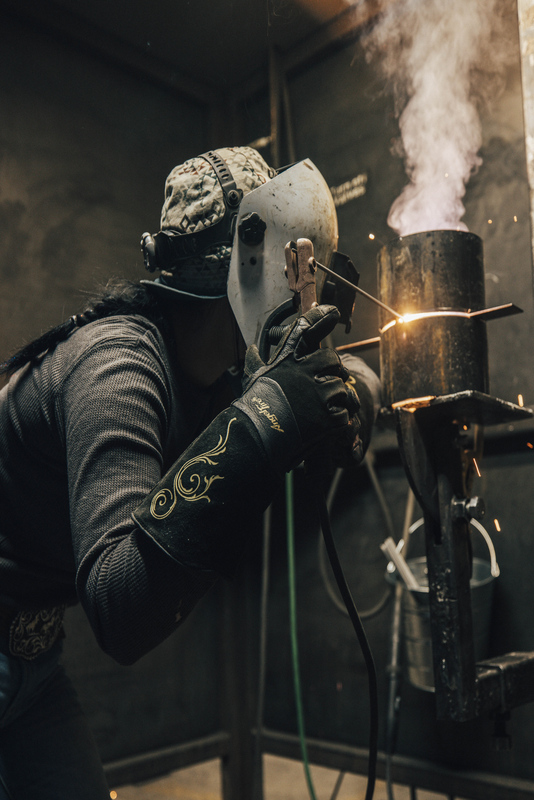
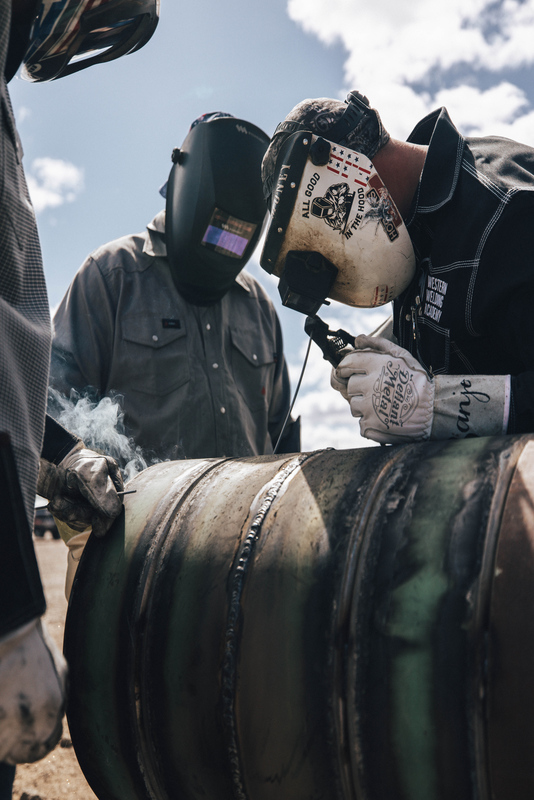
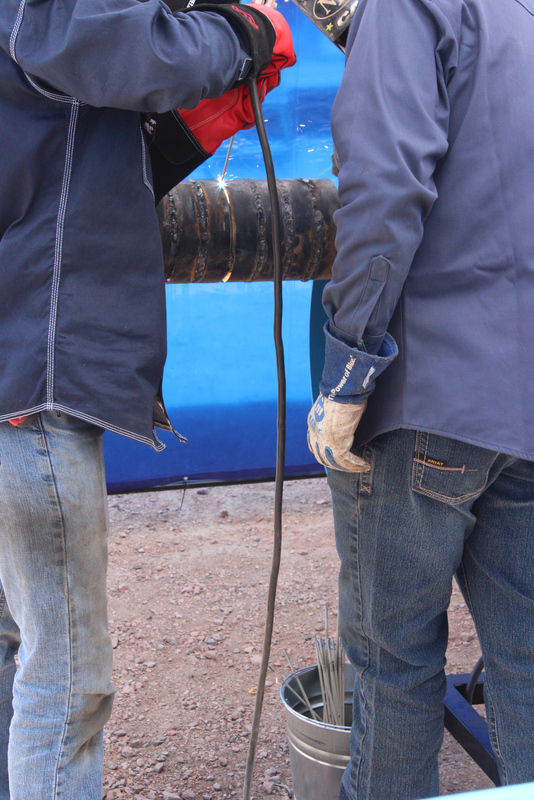
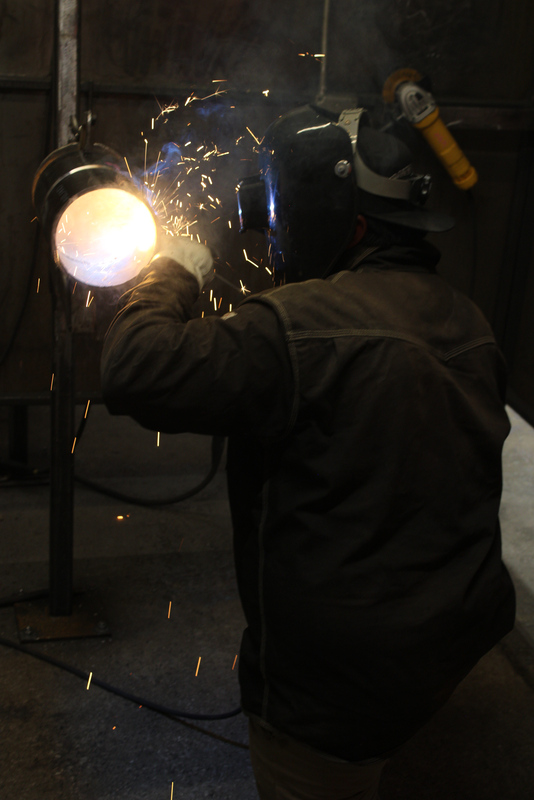
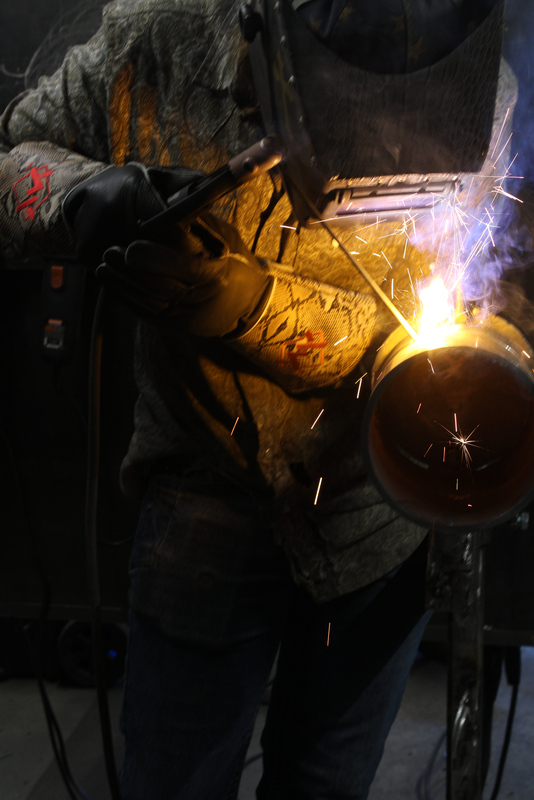
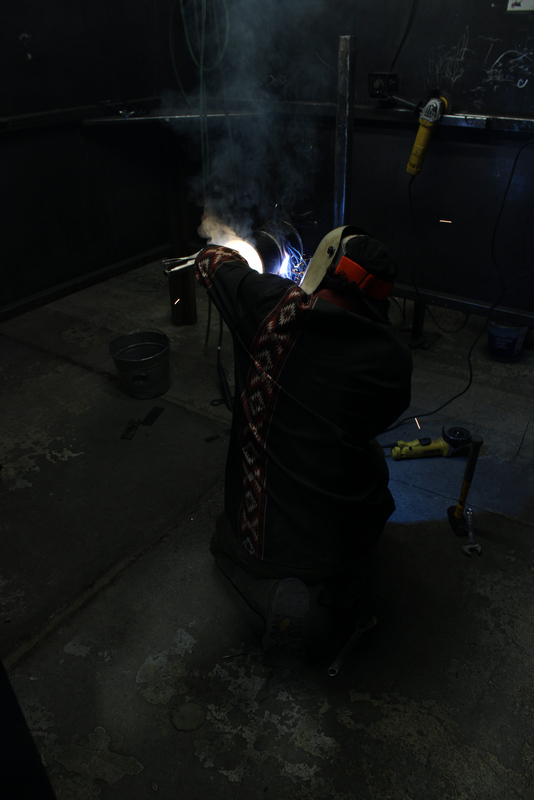
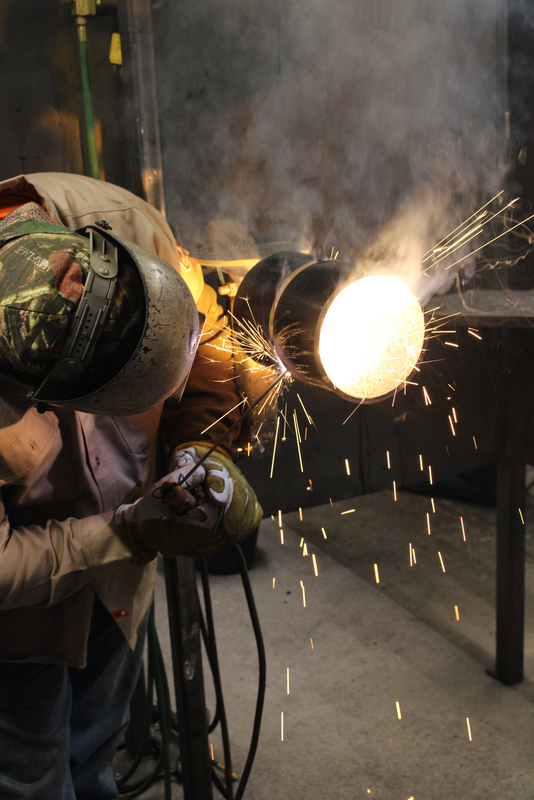
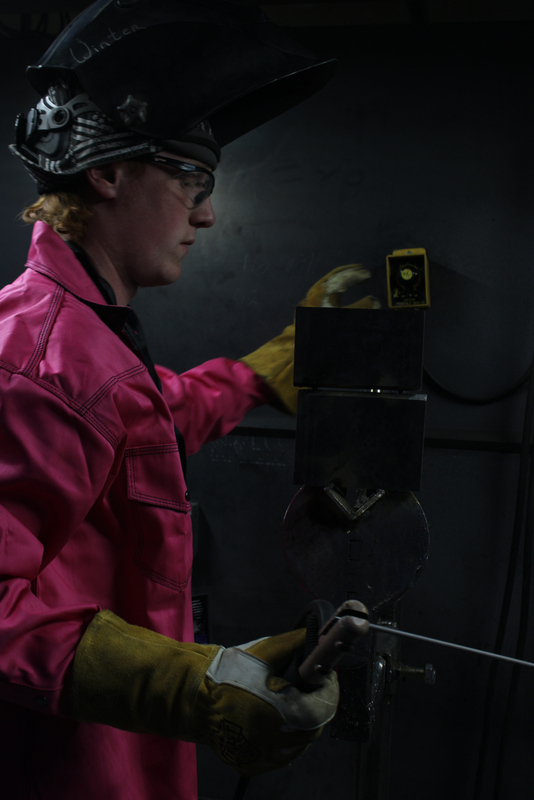
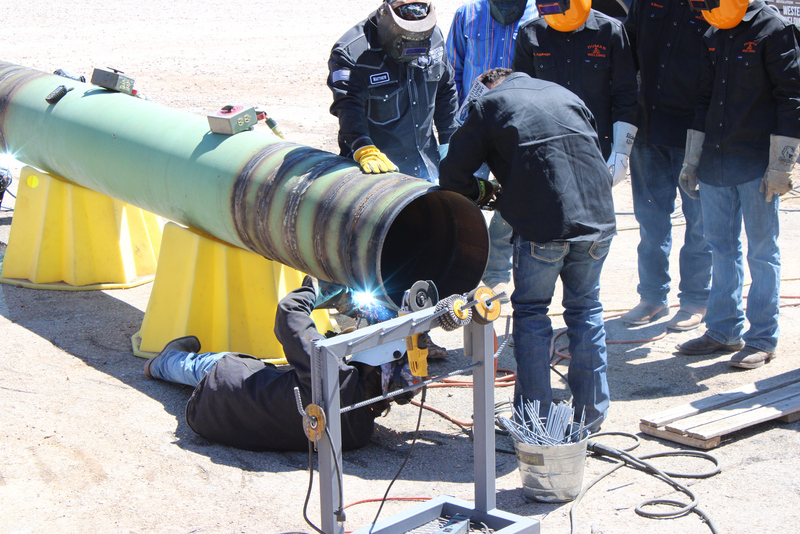
Western Welding Academy dedicates 85% of every training day to hands-on welding. Students weld 40 hours per week. A 12-week student logs roughly 480 hours. A 24-week Expert student logs 960 hours. That means a 24-week WWA student gets more booth time than most community college students get in two full years. And all of those hours are on pipe, which is where the money is in welding careers.
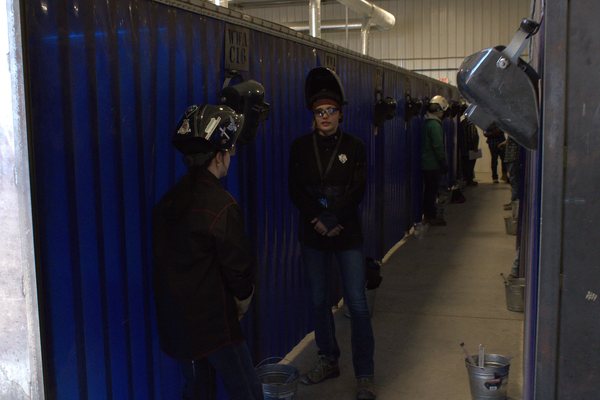
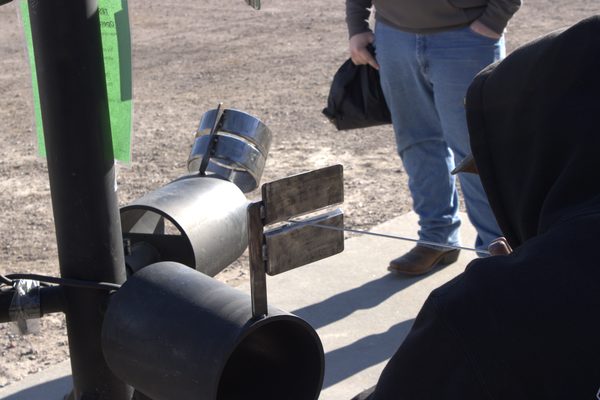
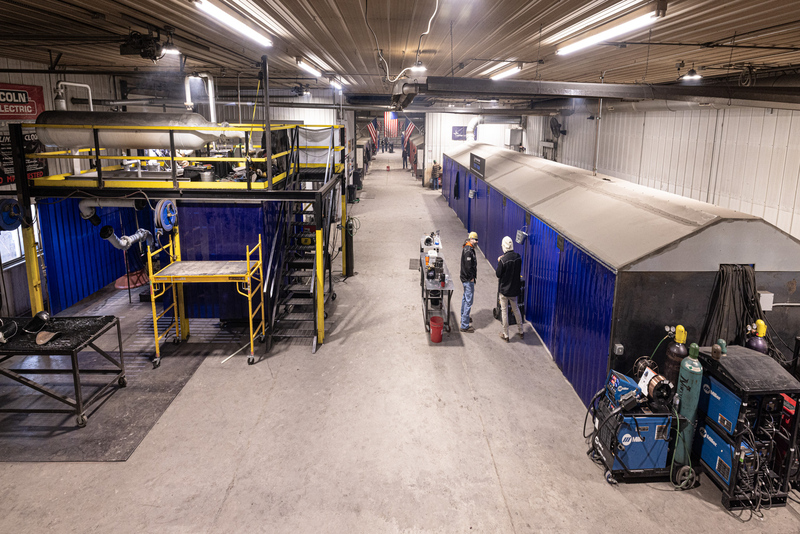
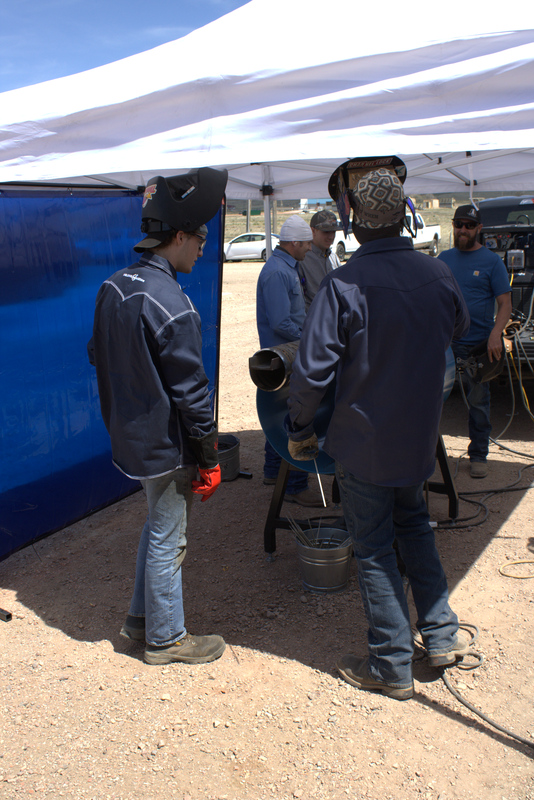
The quality of that time matters too. Community college classes often run 20 to 30 students per instructor. WWA maintains a 17:1 student-to-instructor ratio. Smaller classes mean more feedback on your welds, faster correction of bad habits, and quicker progression through certification levels. Community colleges also tend to teach broader welding processes for general fabrication work. WWA teaches pipe welding in 6G and 6GR positions, which is what pipeline contractors test on when they hire.
What Certifications Do You Walk Away With?
Community colleges typically award an associate degree or a certificate of completion in welding technology. Some programs include AWS D1.1 structural welding certifications. Very few community colleges offer pipe welding certifications like ASME Section IX or API 1104. The degree itself does not qualify you to weld pipe on a job site. You still need to pass a performance qualification test with a specific employer or testing facility after graduation.
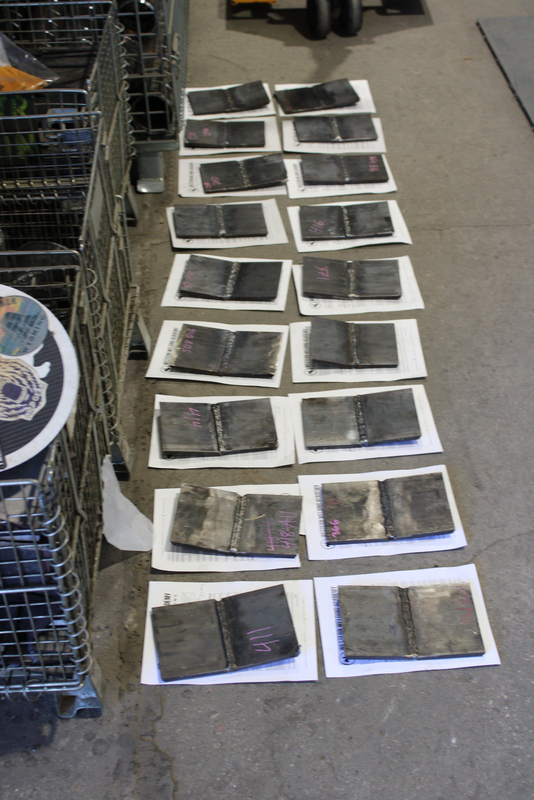
Western Welding Academy is an AWS Accredited Testing Facility. Students test and certify on campus as part of the program. Depending on the program tier, graduates earn ASME Section IX certifications in SMAW, GTAW, and advanced pipe welding processes. These are the certifications that pipeline and refinery contractors require before they will put you on a job. The Professional program includes up to 4 certifications. The Expert program includes the full suite of certifications that open doors to the highest-paying pipe welding positions.
How Fast Can You Start Earning After Each Path?
Time to first paycheck is the metric that separates these two paths most dramatically. A community college student who starts in September will not graduate until the following May or the May after that. If they take the two-year associate route, they are looking at roughly 20 to 24 months before entering the job market. Even a one-year certificate program means 10 to 12 months of school before earning.
Western Welding Academy graduates start working in weeks, not months. The school's 94% job placement rate within 90 days means that the overwhelming majority of graduates are on a job site earning money less than three months after finishing. Many get hired before they even complete the program through WWA's employer network, which includes companies like SpaceX, Steam 88, Boilermakers locals, and Pipefitters unions.
The earning gap over the first three years is massive. A WWA Foundational graduate who finishes in 12 weeks and starts at $55,000 per year earns roughly $151,250 in their first three calendar years (starting 3 months after enrollment). A community college graduate who finishes in 18 months and starts at $45,000 earns roughly $67,500 over that same three-year window. The trade school graduate is ahead by $83,750, even after paying higher tuition.
What About the Associate Degree?
Some students prefer the community college route because they want an associate degree. That is a valid goal if you plan to move into welding inspection, engineering, or management down the road. The degree provides a foundation for further education.
But for students whose goal is to start welding and earning as quickly as possible, the associate degree adds time without adding earning power. Welding employers care about certifications and booth test results, not degrees. A certified pipe welder with an ASME Section IX qualification and a clean 6G test will get hired over someone with an associate degree and no pipe certifications every single time. Trade school vs college degree ROI favors the shorter, certification-focused path for anyone who wants to weld for a living.
Which Path Is Right for You?
Community college makes sense if you want a broad education, need to stay close to home, or plan to pursue further academic credentials. The low tuition is attractive if cost per semester is your primary concern and you are not counting lost wages.
A dedicated trade school like Western Welding Academy makes sense if your goal is to become a pipe welder, start earning within months, and maximize your lifetime earnings. The higher upfront tuition pays for itself through faster job placement, higher starting wages, and pipe-specific certifications that command premium pay. Most WWA graduates pay back their tuition within 5 to 7 months of starting work.
The math is clear: pay less now and wait longer to earn, or invest more upfront and start your career 6 to 18 months sooner at higher wages. For pipe welding specifically, the trade school path wins on every financial metric.
Ready to start earning? Apply now or call (307) 284-5313 today.
Frequently Asked Questions
Q1. Is welding trade school worth it compared to community college?
Yes, for students focused on pipe welding careers. Trade schools like Western Welding Academy cost more in tuition but finish in 12 to 24 weeks instead of 12 to 24 months. When you factor in lost wages, the trade school path costs less overall and puts you on a job site earning $55,000 or more per year while community college students are still in class.
Q2. How much does community college welding cost compared to trade school?
Community college welding tuition is $3,000 to $6,000. Trade school tuition ranges from $17,050 to $35,800 at WWA. But when you include 12 to 24 months of lost wages ($48,000 to $96,000) at community college versus 3 to 6 months at trade school ($12,000 to $24,000), the community college path can cost $30,000 or more in total when counting everything.
Q3. Do welding employers care about an associate degree?
Most welding employers prioritize certifications and weld test results over academic degrees. A pipe welder with ASME Section IX and a clean 6G test gets hired based on demonstrated skill. An associate degree can help if you want to move into inspection, supervision, or engineering, but it is not required for welding positions and does not increase starting pay at most employers.
Q4. How many hours of actual welding do you get in community college?
Most community college welding programs include 400 to 800 hours of booth time over 12 to 24 months. A 24-week Western Welding Academy Expert student logs 960 hours. A 12-week Foundational student logs roughly 480 hours. You can get equal or more booth time in a fraction of the calendar time at a dedicated trade school.
Q5. Can I get financial aid at a welding trade school?
Western Welding Academy offers financing through Ascent Financing and Climb Credit, plus scholarships, grants, and military benefits. Community colleges participate in federal Pell Grants (up to $7,395 for 2025-2026) and federal student loans. Both paths have financial aid options, but trade school financing typically results in faster payoff due to quicker job placement.
Q6. What welding certifications can I get at community college vs trade school?
Community colleges typically offer AWS D1.1 structural certifications and a certificate or associate degree. Western Welding Academy offers ASME Section IX pipe welding certifications in SMAW, GTAW, and advanced processes. Pipe certifications command higher pay and are required for pipeline, refinery, and power plant work. Most community colleges do not offer these.
Stop Waiting and Start Welding
Every semester in a classroom is six months of pipe welding wages you are not earning. Western Welding Academy puts you in the booth from day one, certifies you on-site, and has you working within 90 days of graduation. Call (307) 284-5313 or apply now to start your pipe welding career in weeks, not years.


.jpg)
.jpg)
.jpg)
.jpg)
.jpg)
-thumbnail.jpg)

.jpg)