Choosing the Right Welding Machine for Home Use
A MIG welder running on 110V/220V dual voltage is the best starting point for most home shops. Machines like the Lincoln 140 or Miller Multimatic 215 handle steel, stainless, and aluminum with the right wire and gas setup. Expect to spend $500 to $1,500 for a quality MIG machine. A 110V outlet limits you to thinner materials (up to 3/16 inch). A 220V circuit opens up thicker work and more consistent arc performance.
Stick welders are the cheapest option, starting at $200 to $400 for a capable machine. They require no shielding gas and work on rusty, dirty metal. TIG machines are the most expensive, typically $800 to $2,500 for a home-grade unit. Unless you specifically need TIG for precision work, start with MIG or stick and add processes later. Learn more about the differences between MIG, TIG, and stick welding to choose the right process for your goals.
Setting Up Your Workspace Safely
You need a space with a concrete floor, at least 10 by 10 feet of clear area, and good ventilation. A garage, detached shed, or carport with open sides works. Never weld in a closed room without forced ventilation. Welding fumes accumulate fast and cause serious respiratory damage. A basic exhaust fan rated for 500 CFM or higher keeps fumes below hazardous levels.
Fire safety is non-negotiable. Keep a fire extinguisher rated for metal fires (Class D or ABC) within arm's reach. Clear all combustible materials at least 35 feet from your welding area. Welding sparks travel farther than most people expect. A welding curtain or screen protects anyone else in the area from arc flash exposure.
Ready to launch your welding career? Apply now or call Western Welding Academy at (307) 284-5313 today.
Electrical Requirements for Home Welding
Most 110V welders draw 20 amps and run on a standard household outlet. A dedicated 20-amp circuit with no other appliances on the same breaker prevents tripping. For 220V machines, you need a 50-amp dedicated circuit installed by a licensed electrician. This typically costs $200 to $500 depending on your panel and distance to the outlet.
Undersized wiring causes voltage drop, unstable arcs, and potential fire hazards. Never run a welder on an extension cord unless it is rated for the amperage and gauge. A 10-gauge cord for 110V machines or a direct 220V plug-in is the minimum safe setup. Cutting corners on electrical work is the fastest way to burn down a home shop.
Essential Equipment Beyond the Welding Machine
A steel workbench or welding table provides a flat, grounded surface for your projects. A simple DIY table built from 2-inch angle iron and 1/4-inch plate costs under $200 in materials if you weld it yourself. A 4.5-inch angle grinder with grinding, cutting, and flap discs is the most-used accessory in any welding shop. Budget $50 to $100 for the grinder and $30 to $50 for a starter pack of discs.
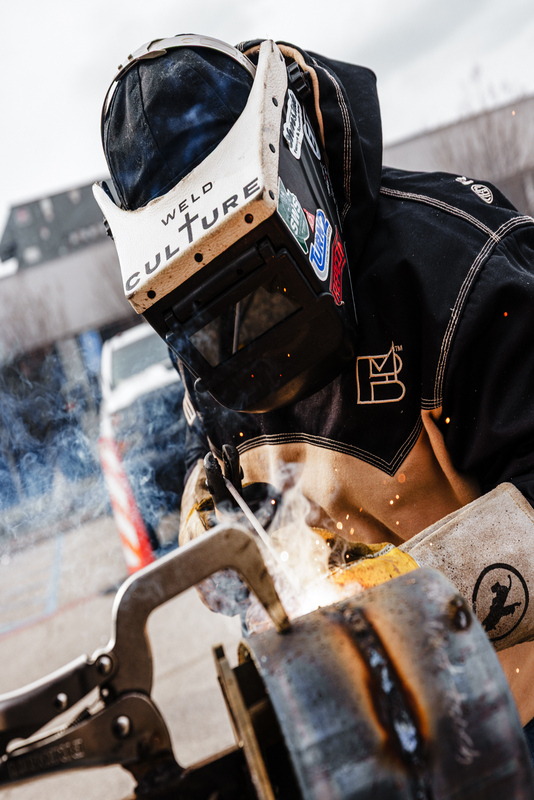
Clamps, vise grips, a bench vise, a tape measure, a speed square, and a chipping hammer round out the basic shop. PPE is mandatory: auto-darkening helmet, safety glasses, welding gloves, a respirator, and leather boots. Check the full list of tools every welder should own for a detailed cost breakdown.
Why Professional Training Pays Off Before You Build a Shop
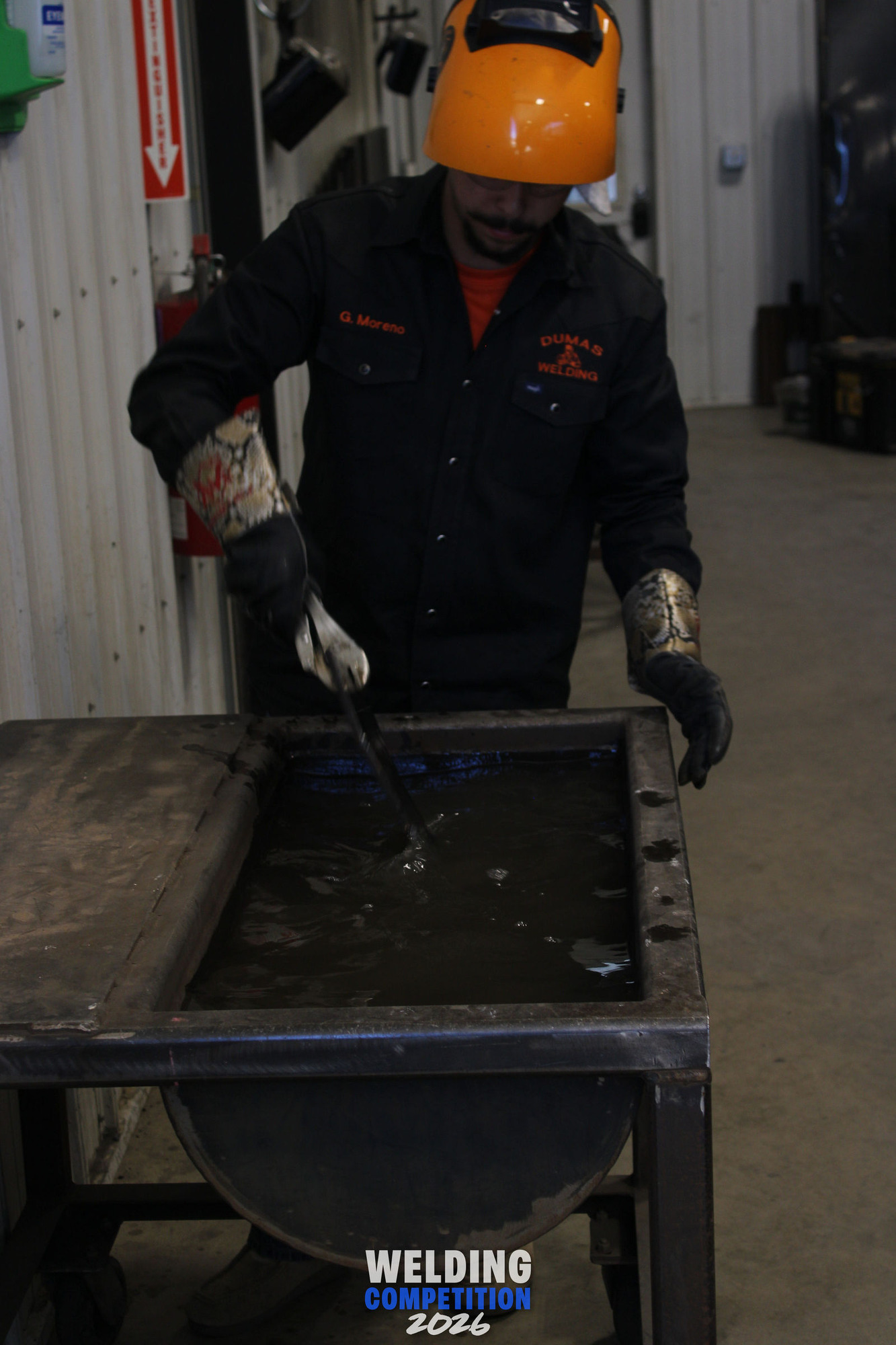
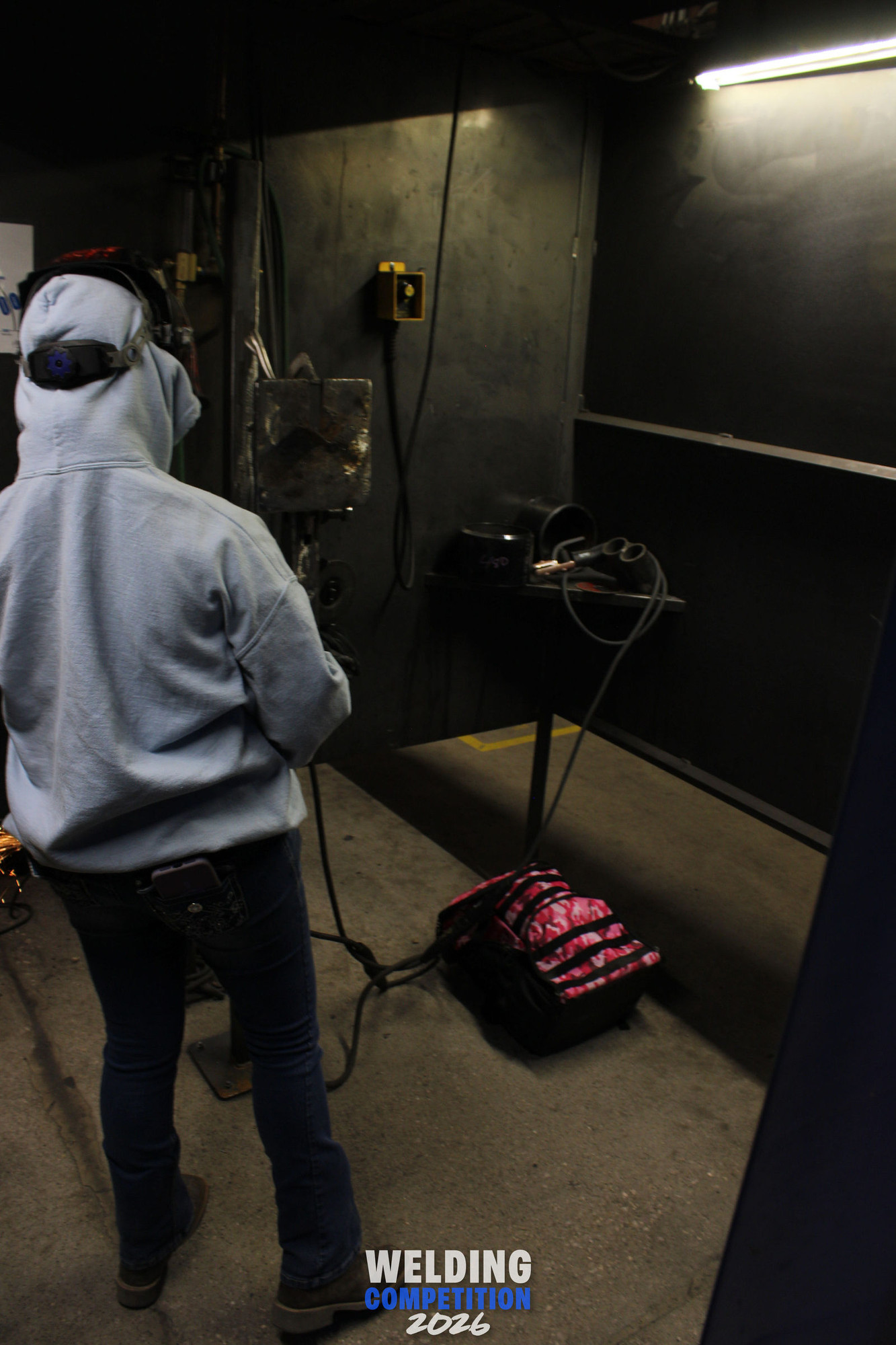
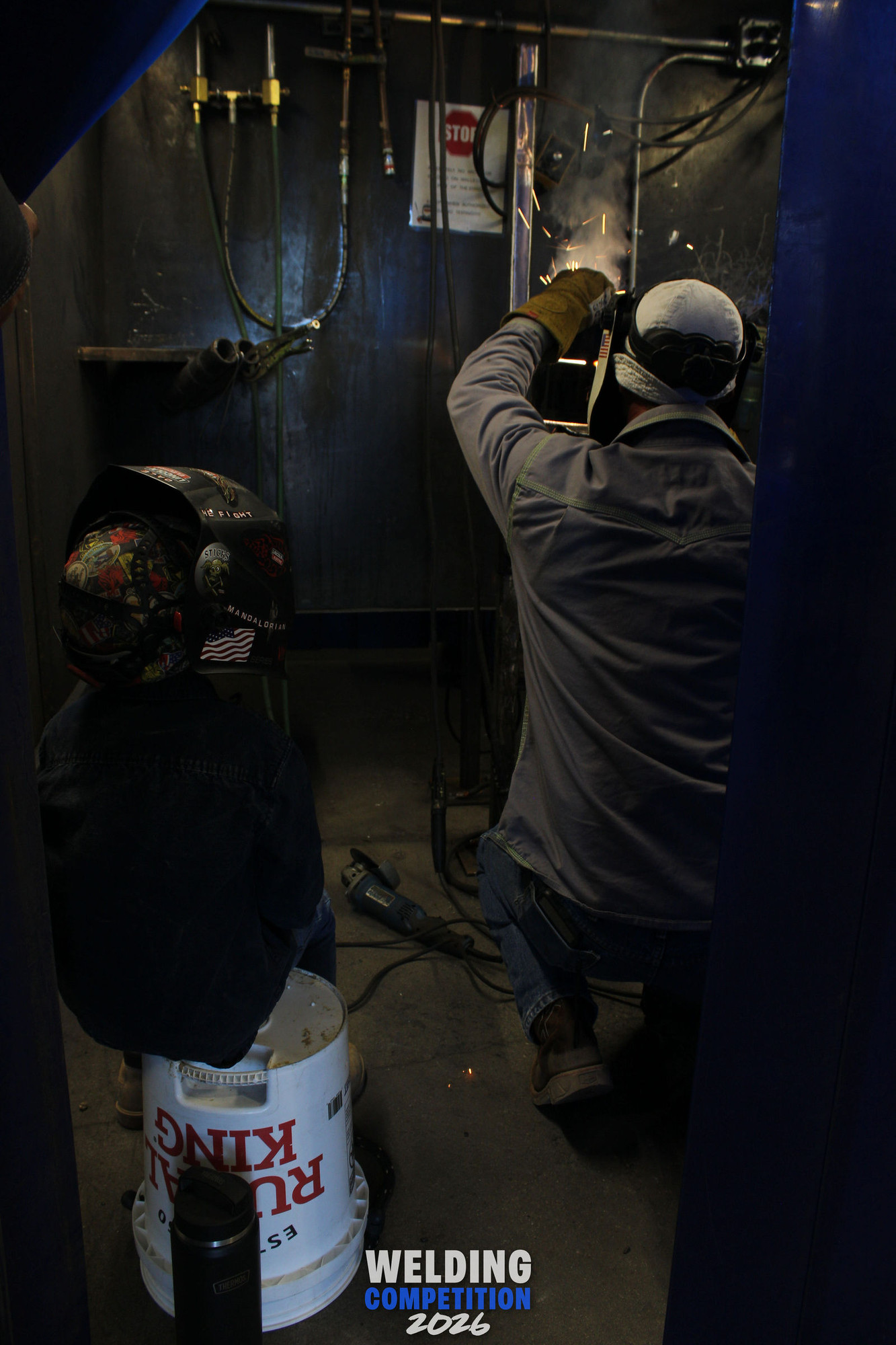
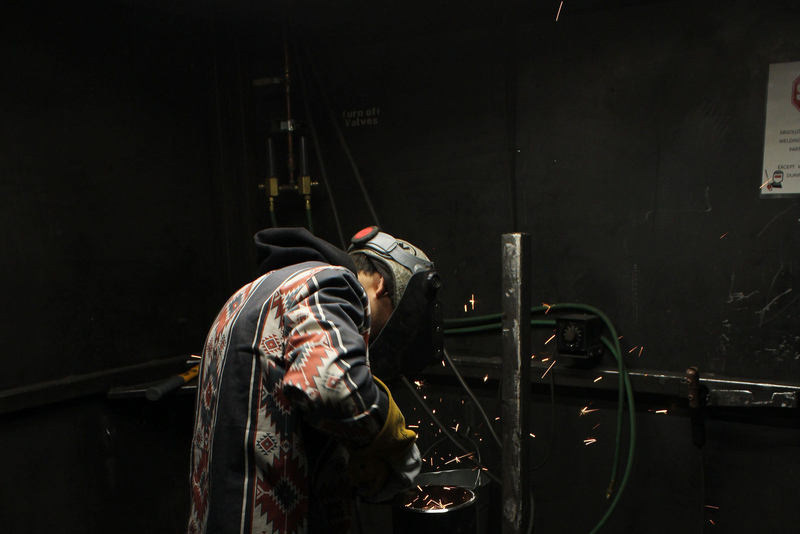
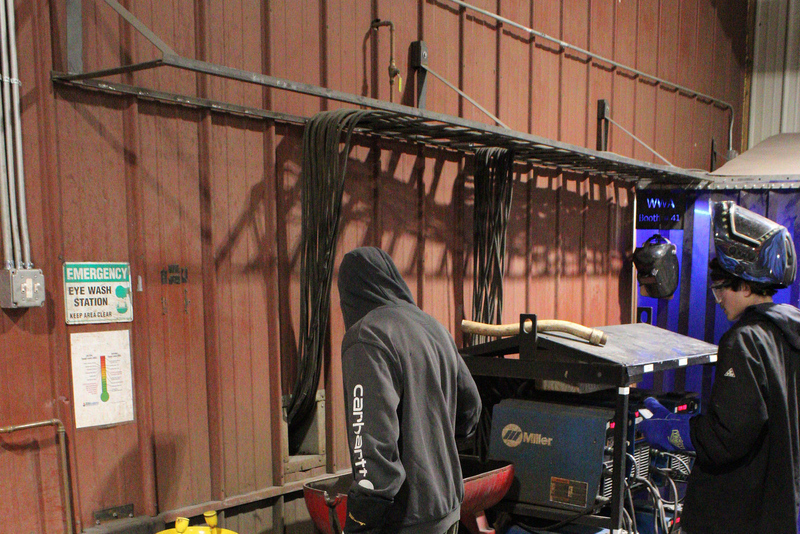
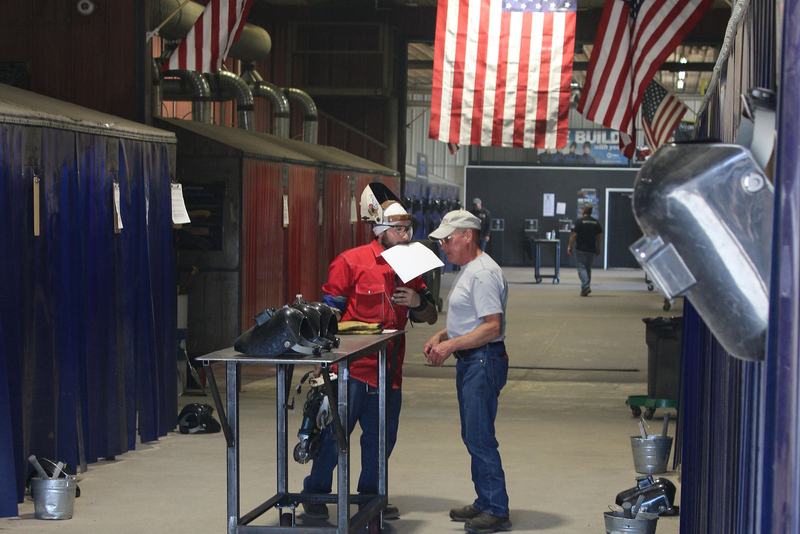
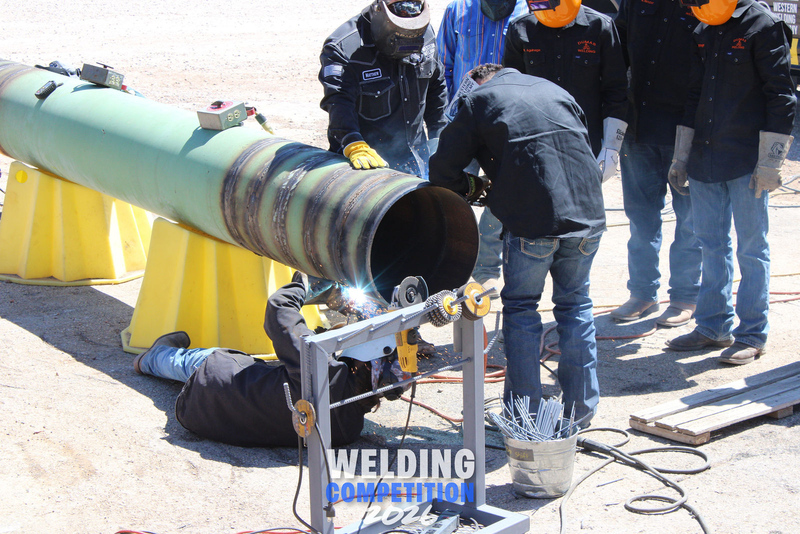
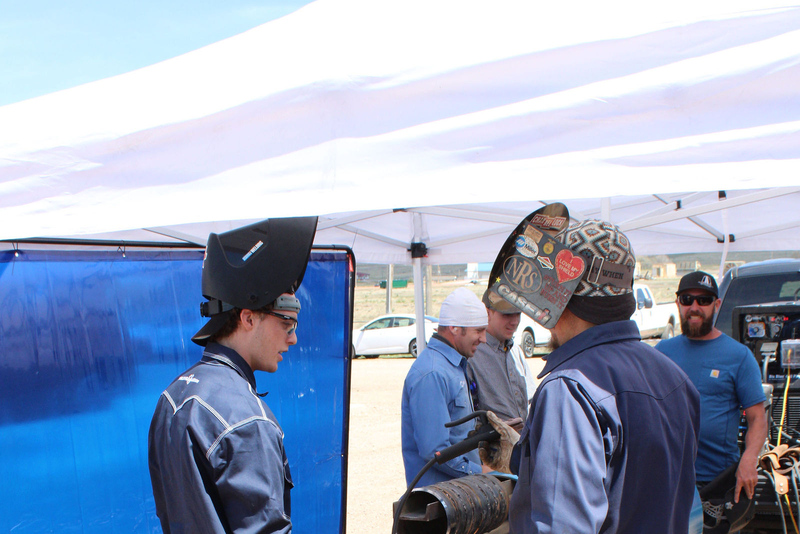
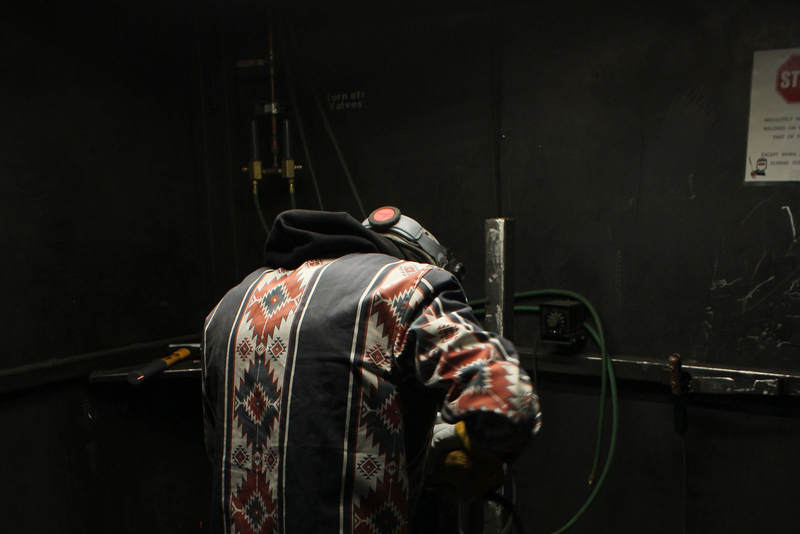
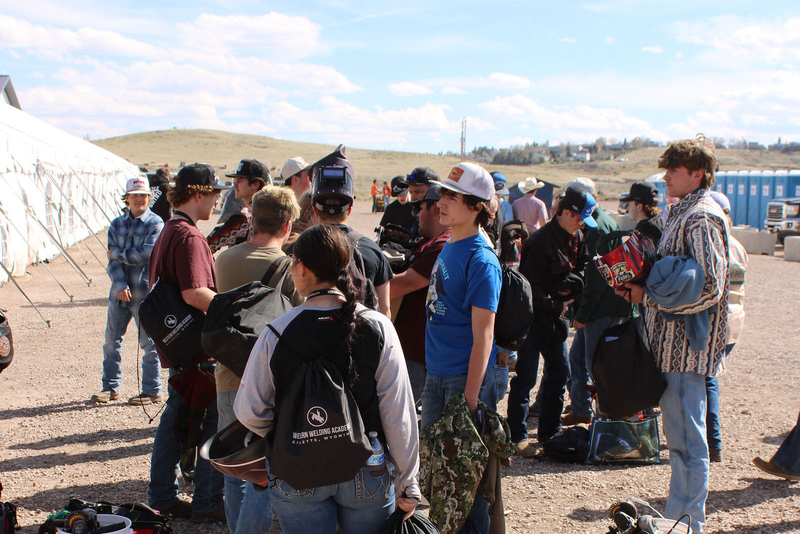
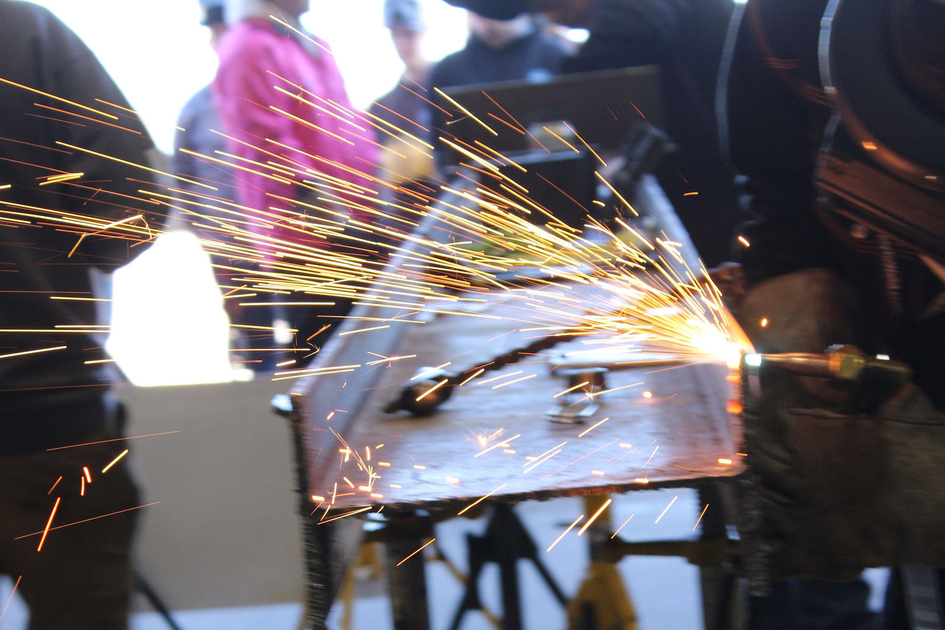
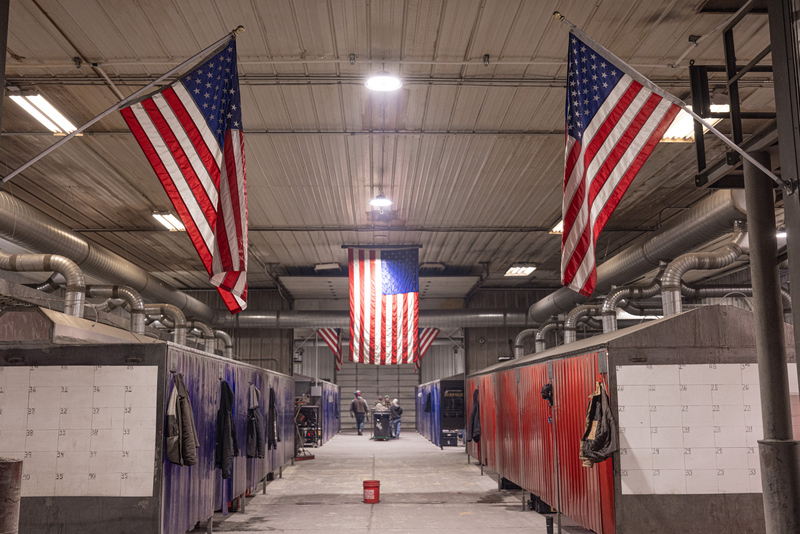
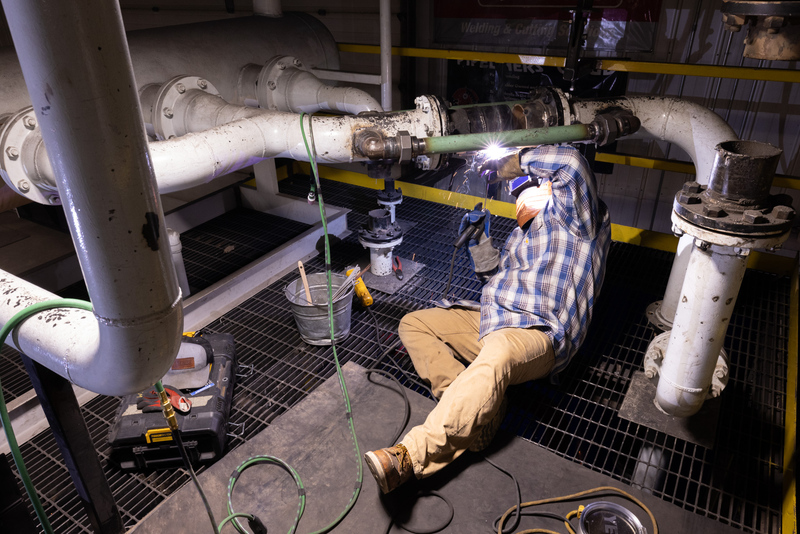
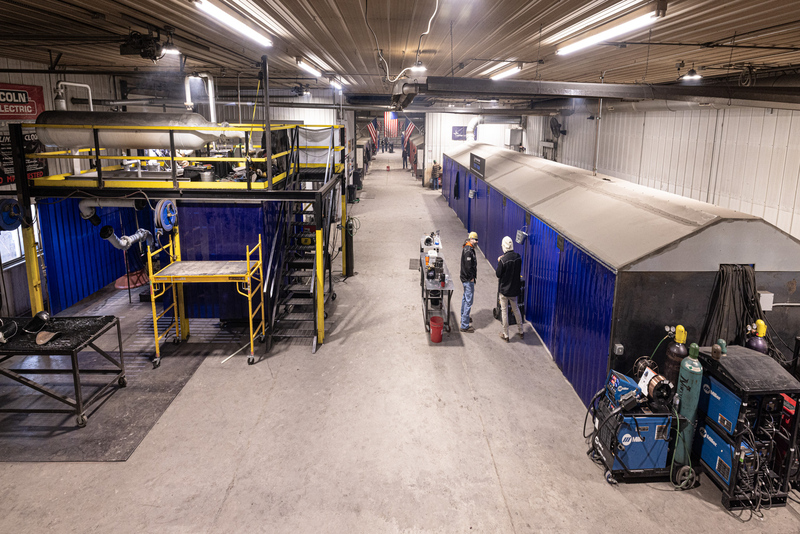
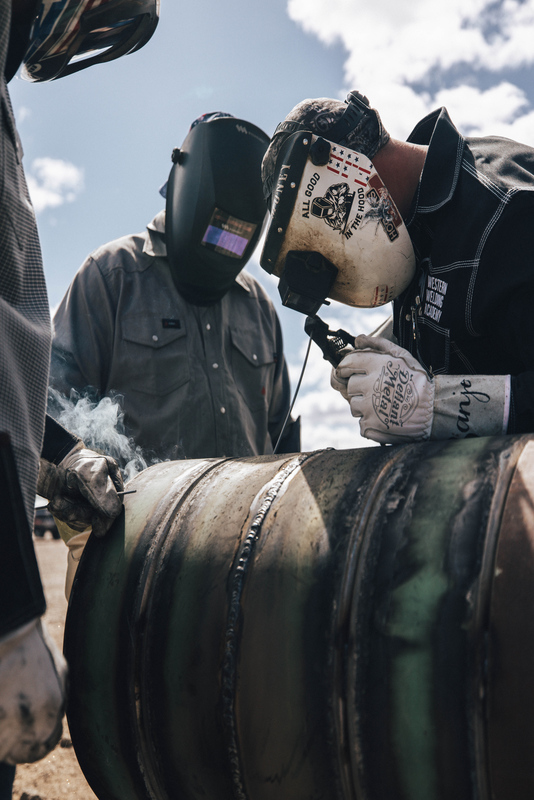
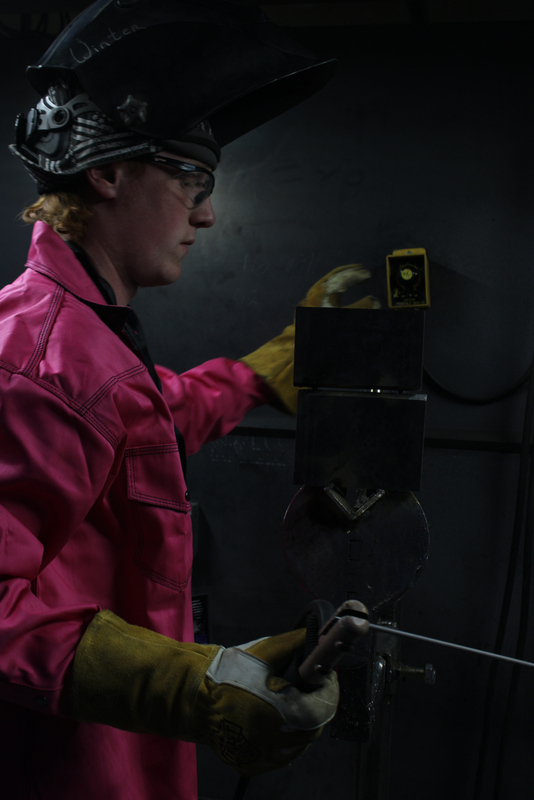
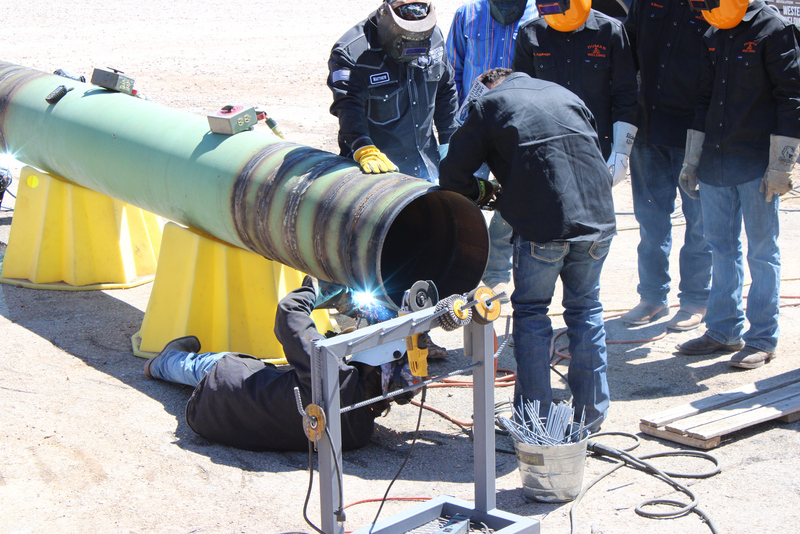
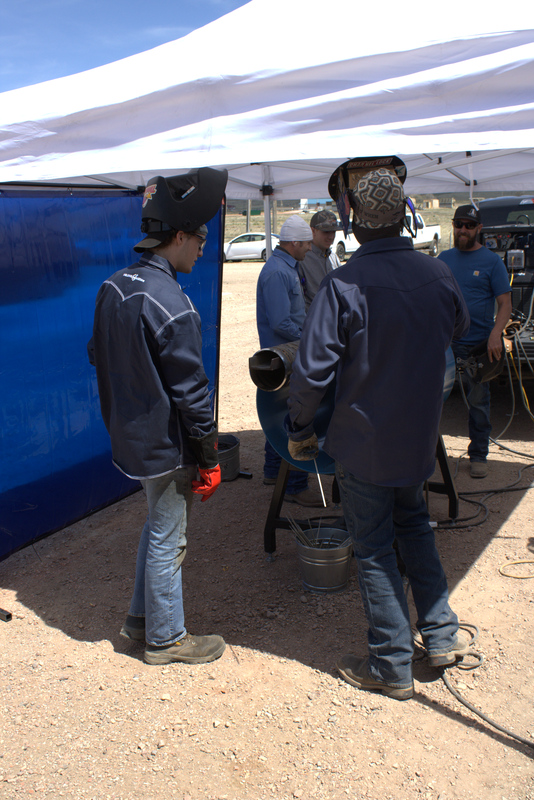
Western Welding Academy puts students in a fully equipped professional welding shop with 85 percent booth time, 40 hours per week. Graduates learn on industrial-grade equipment and understand exactly which tools and processes they need before spending their own money. The school's all-inclusive tuition covers everything, including housing, tools, materials, and PPE.
The Foundational Pipe Welder program runs 12 weeks at $17,050. The Expert Pipe Welder program runs 24 weeks at $35,800. The school holds a 94 percent hire rate within 90 days, verified by a 234-alumni survey from November 2024. With 2,000 graduates and 330 combined instructor years, Western Welding Academy gives you the knowledge to build the right shop after you have the skills and income to support it.
What Western Welding Academy Graduates Earn
Graduates of Western Welding Academy earn verified paychecks that fund a complete home shop within the first months of working.
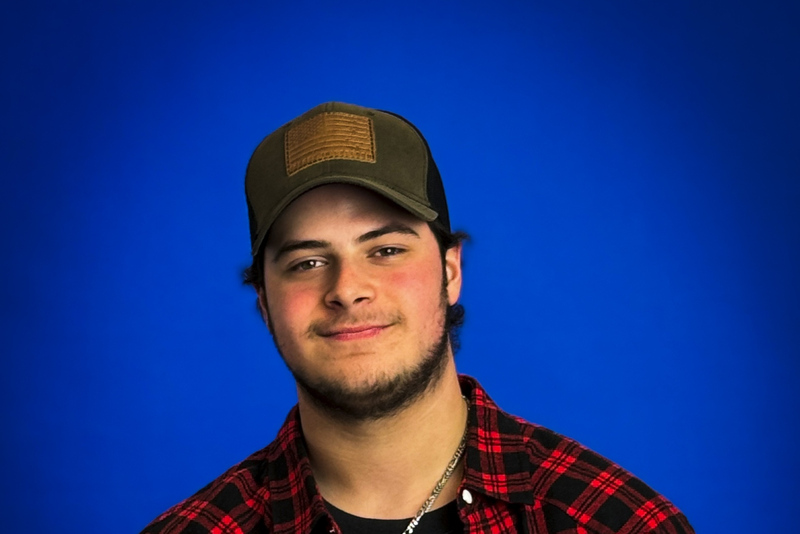
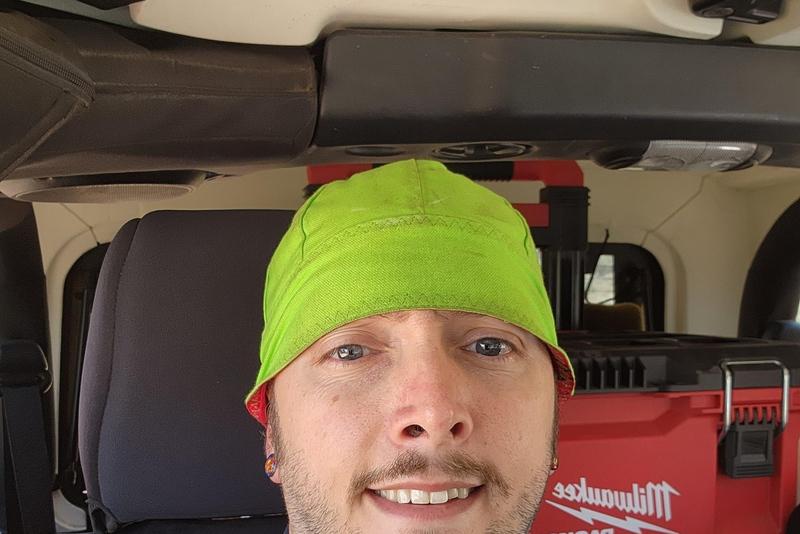
Leyton Wagner earns $4,514 per paycheck. Two paychecks cover a complete home welding setup including machine, table, tools, and PPE. Gavin Walden takes home $3,986 per paycheck. David Smolek earns $3,417 per paycheck.
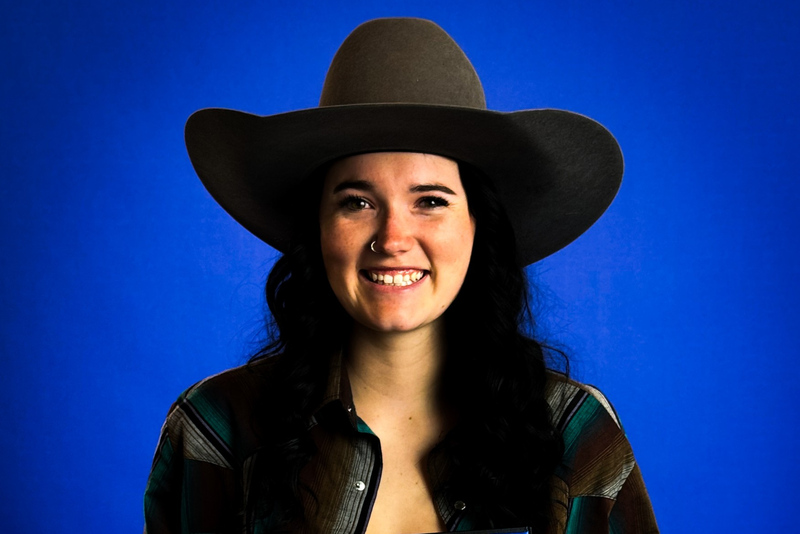
Noah clears $2,800 per week working on the North Slope in Alaska. Hank reached $150,000 per year by age 21. Investing in professional training first means you earn the income to build the shop you actually want, not the cheapest one you can scrape together.
Ready to launch your welding career? Apply now or call Western Welding Academy at (307) 284-5313 today.
Frequently Asked Questions
Q1. How much does it cost to set up a basic home welding shop?
A basic home welding shop costs $1,500 to $5,000 depending on the welding machine, electrical setup, and tool quality. A MIG welder, angle grinder, workbench, PPE, hand tools, and ventilation make up the core investment. Used equipment can reduce costs significantly if you know what to look for.
Q2. Can I run a welder on a regular home outlet?
A 110V welder runs on a standard 20-amp household outlet but limits you to thinner materials. For thicker steel and more consistent performance, a 220V dedicated 50-amp circuit is recommended. Have a licensed electrician install the circuit to ensure safe wiring and proper breaker sizing.
Q3. Do I need ventilation in a home welding shop?
Yes. Welding produces toxic metal fumes that cause serious lung damage over time. At minimum, use a 500 CFM exhaust fan and keep the workspace open to airflow. Never weld in a sealed garage or basement. A half-face respirator with P100 cartridges adds a second layer of protection.
Q4. What is the best first welding machine for home use?
A dual-voltage MIG welder (110V/220V) is the most versatile choice for home use. It handles steel, stainless, and aluminum with different wire and gas combinations. Quality machines from Lincoln, Miller, or Hobart in the $500 to $1,500 range provide reliable performance for years.
Q5. Should I get professional training before setting up a home shop?
Yes. Professional training teaches you which equipment and processes match your goals, how to weld safely, and how to avoid expensive mistakes. Graduates of welding programs build better home shops because they know what they need and what they can skip based on real experience.
Q6. What makes Western Welding Academy different from other welding schools?
Western Welding Academy delivers 85 percent hands-on booth time with all-inclusive tuition covering tools, materials, PPE, and housing. The school holds a 94 percent hire rate within 90 days, verified by a 234-alumni survey. With 2,000 graduates, 330 combined instructor years, and the number one AWS Accredited Testing Facility ranking, graduates know their equipment before buying their own.
Build Your Skills Before You Build Your Shop
The best home shop starts with the right training. Learn the processes, understand the equipment, then invest in your own setup with confidence. Call Western Welding Academy at (307) 284-5313 or apply now to start with a professional foundation.

.jpg)

.jpg)


.jpg)
.jpg)
.jpg)
.jpg)
.jpg)
-thumbnail.jpg)

.jpg)