The Certification That Opens Pipeline Doors: API 1104
The American Petroleum Institute's API 1104 certification is the single most important credential for pipeline welding. This certification covers welding on oil, gas, and water transmission pipelines. Every major pipeline contractor in the country requires it. Without API 1104, your resume does not reach the interview stage regardless of how many years you have been welding.
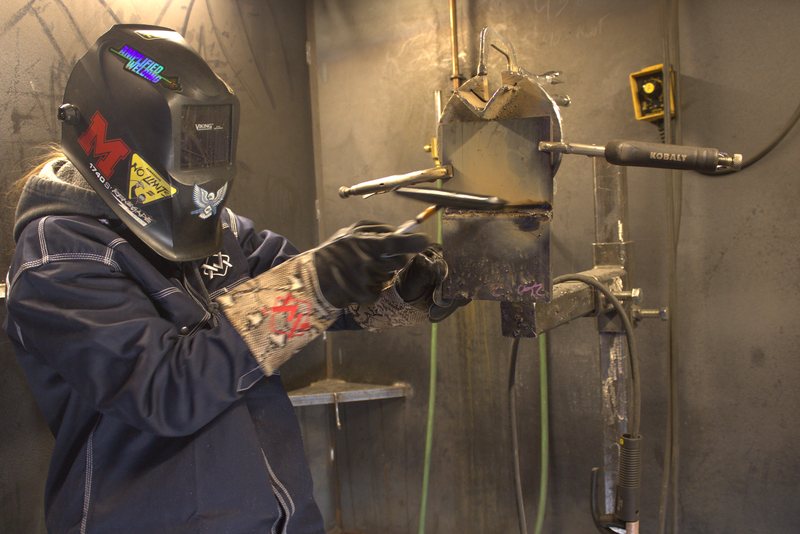
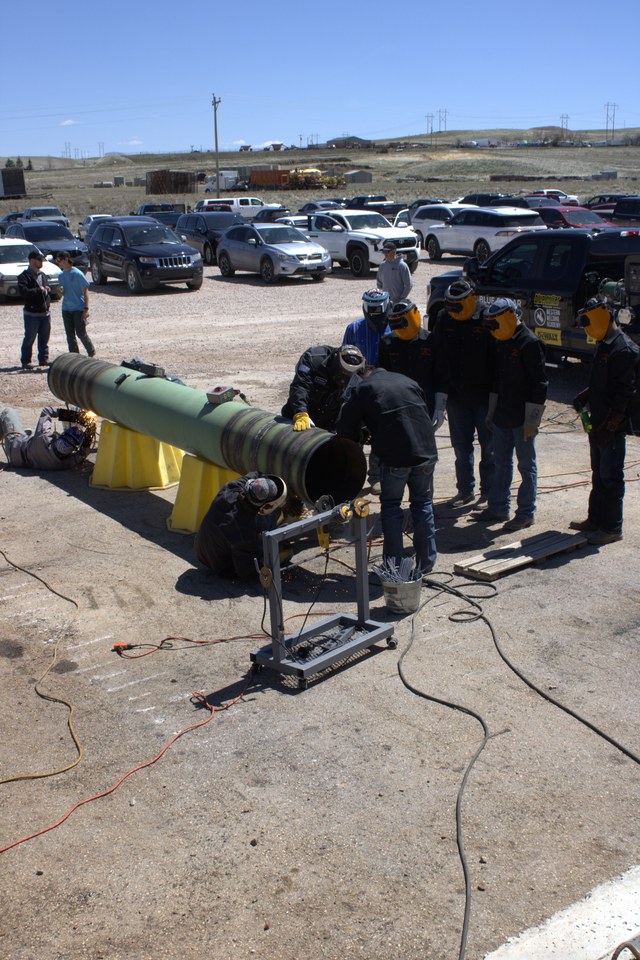
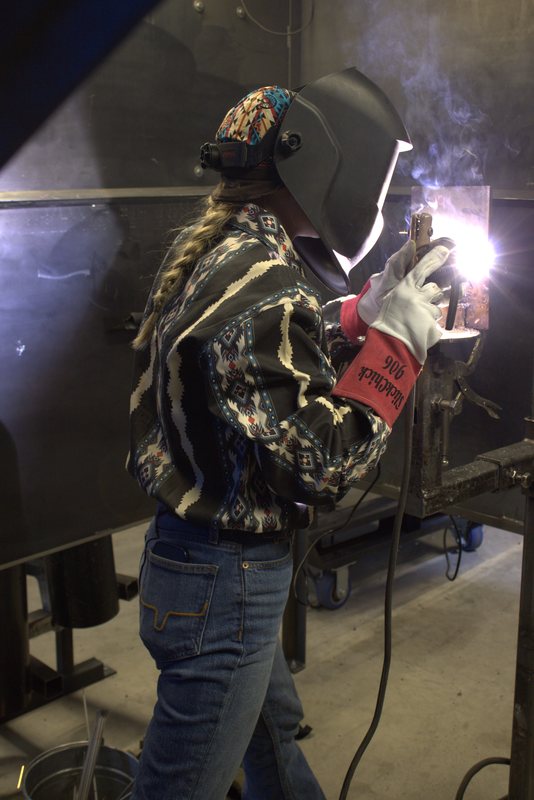
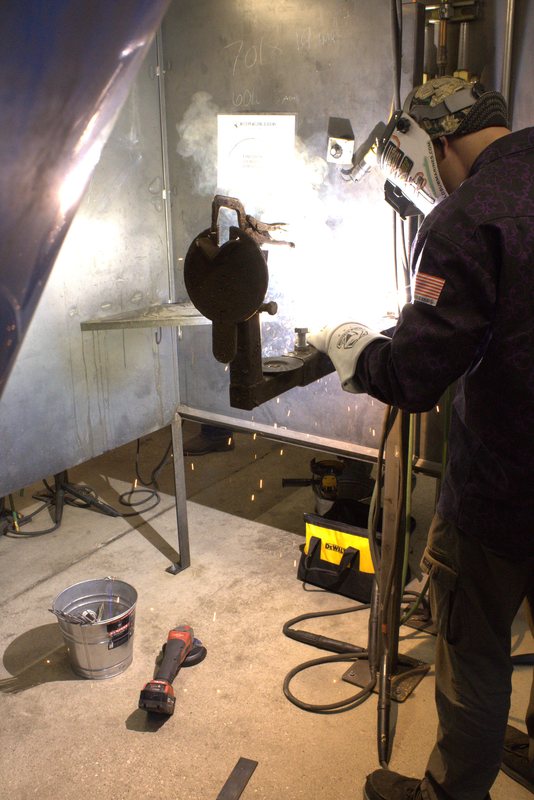
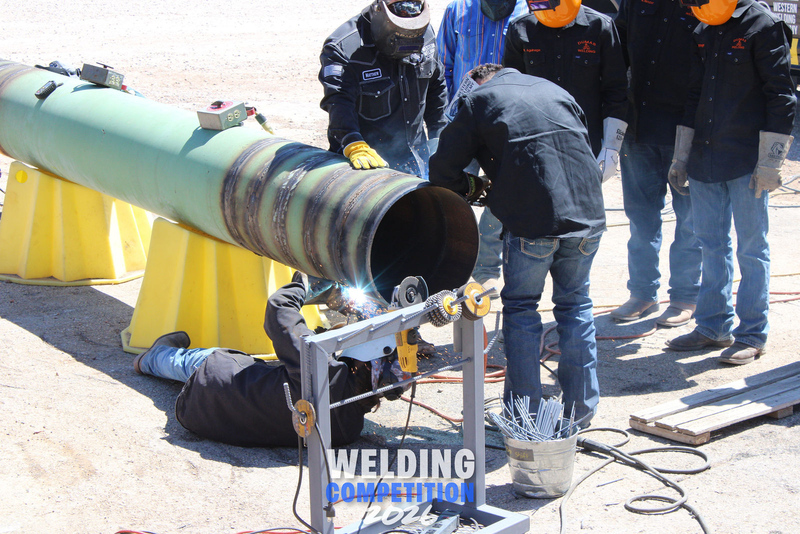
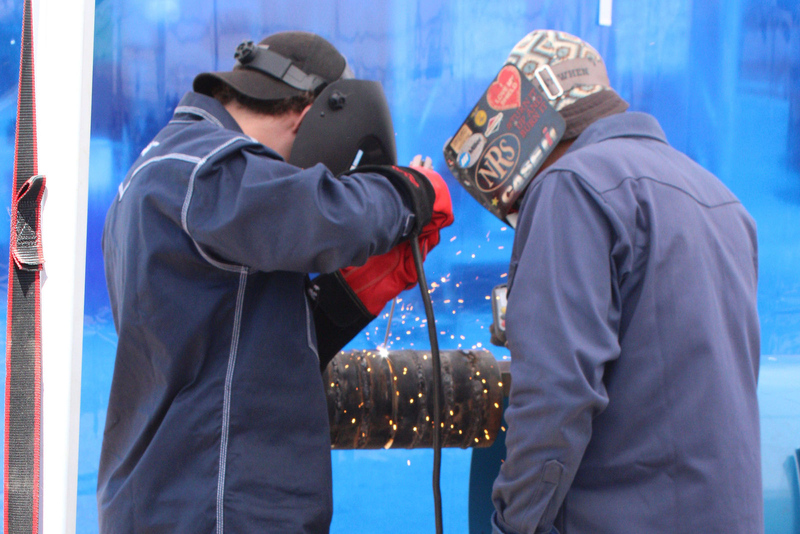
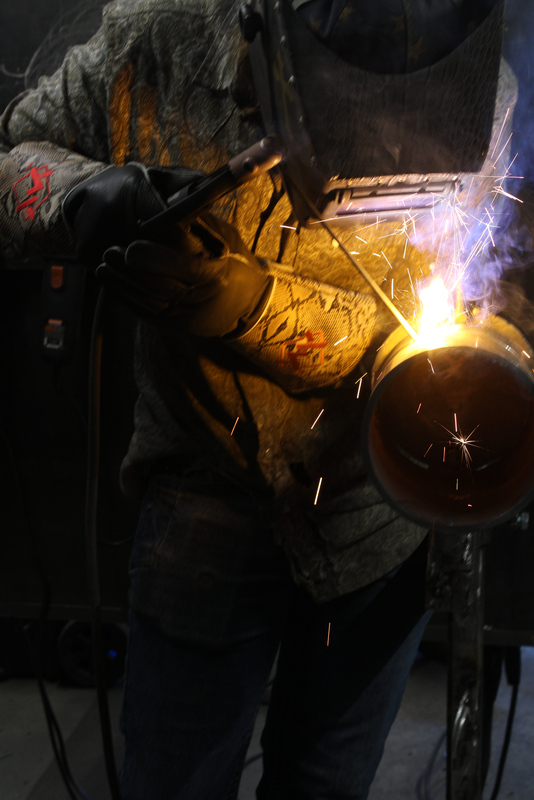
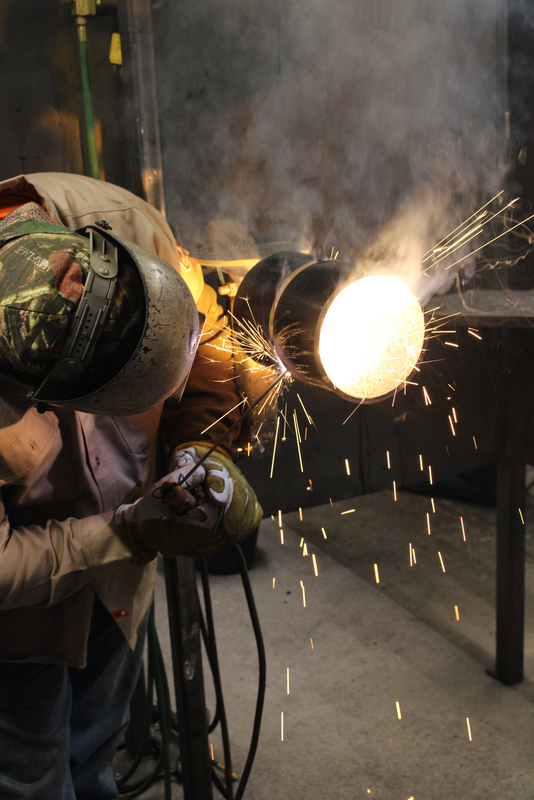
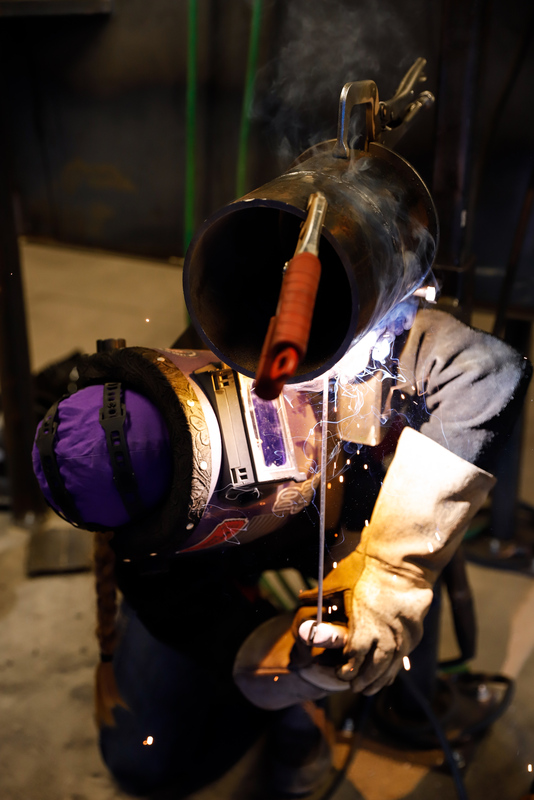
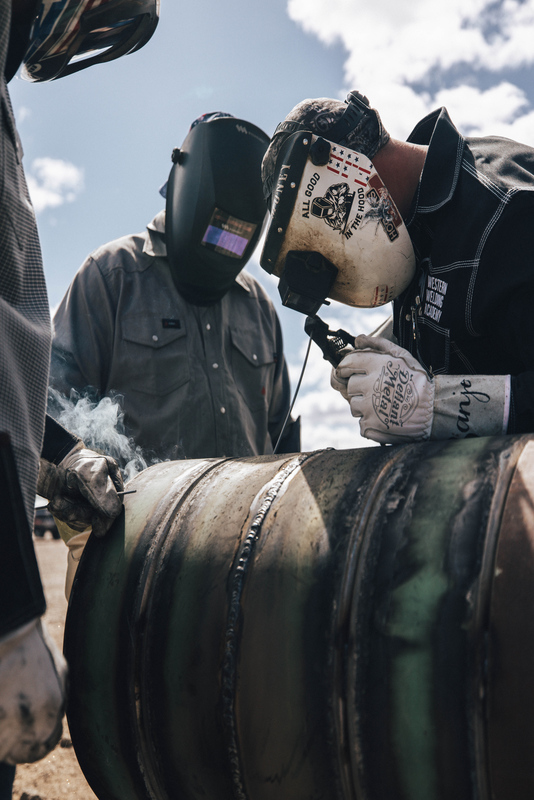
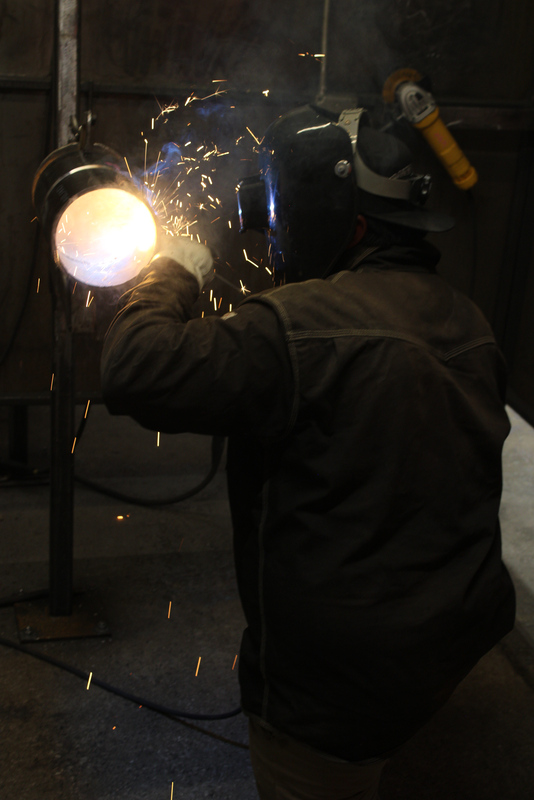
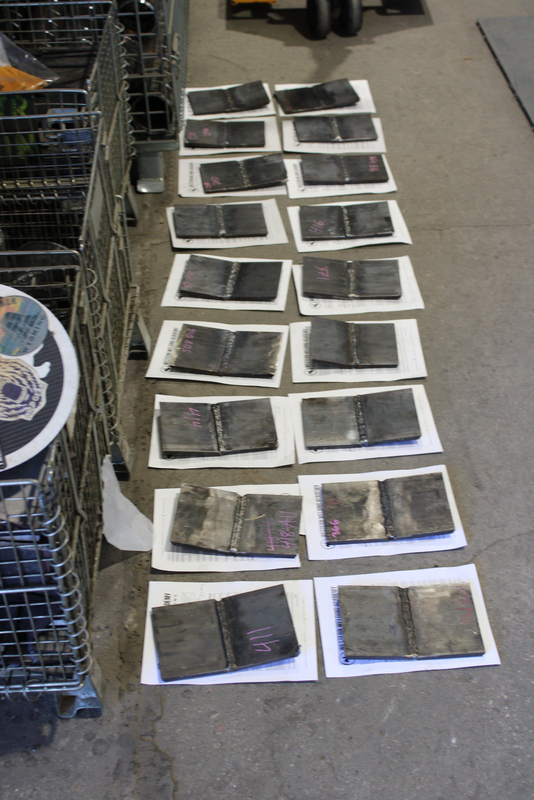
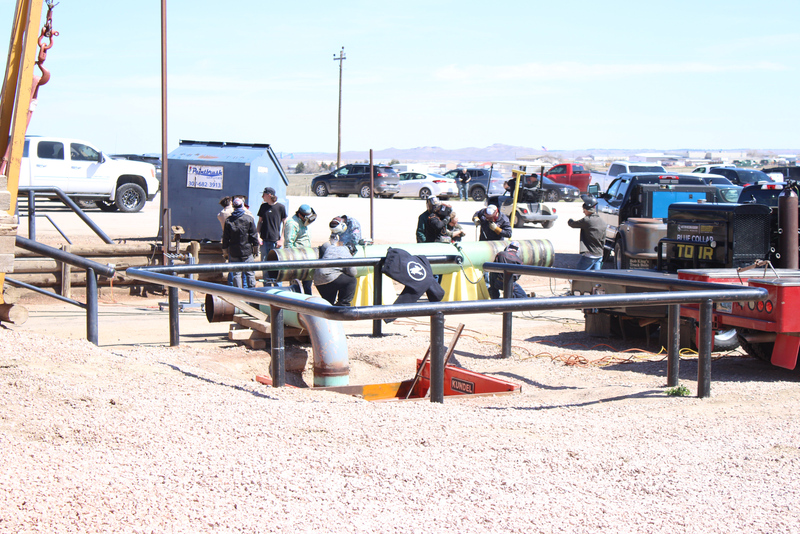
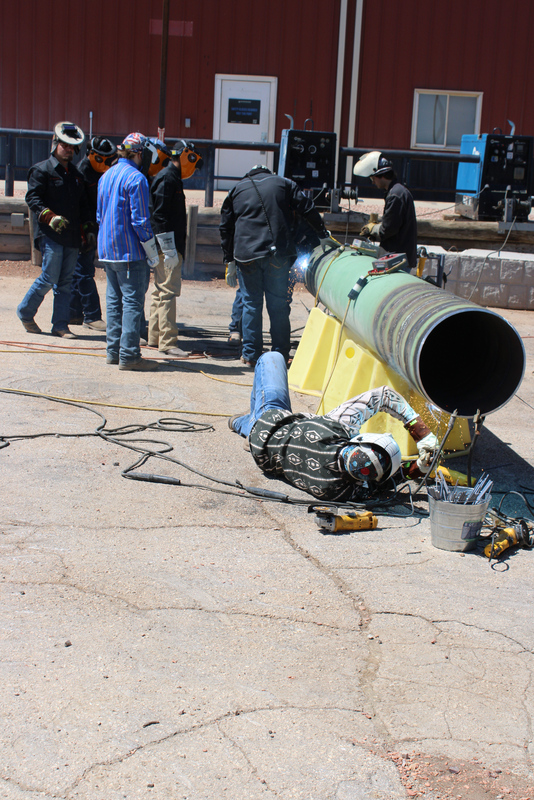
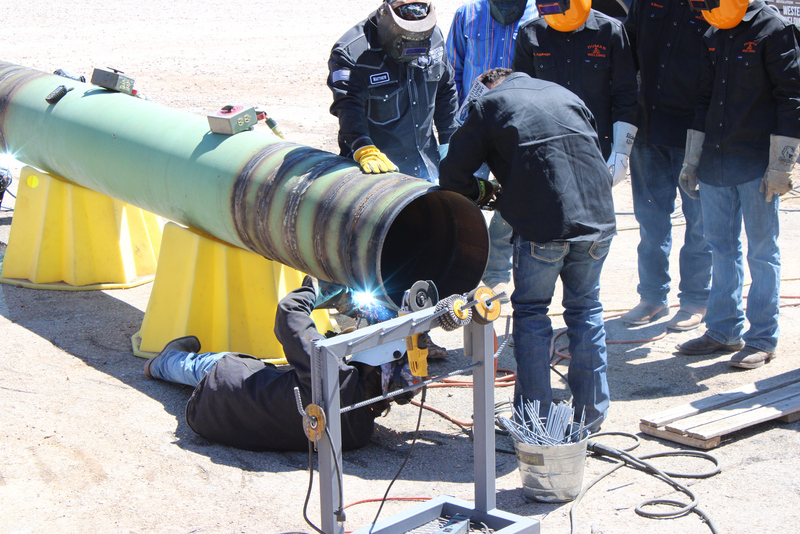
The test requires welding a pipe joint in the 6G position (pipe fixed at a 45 degree angle) using the stick process for the root, fill, and cap passes. The joint is then destroyed and evaluated for internal defects. X ray or bend testing confirms whether the weld meets code quality standards throughout the entire joint, not just on the visible surface.
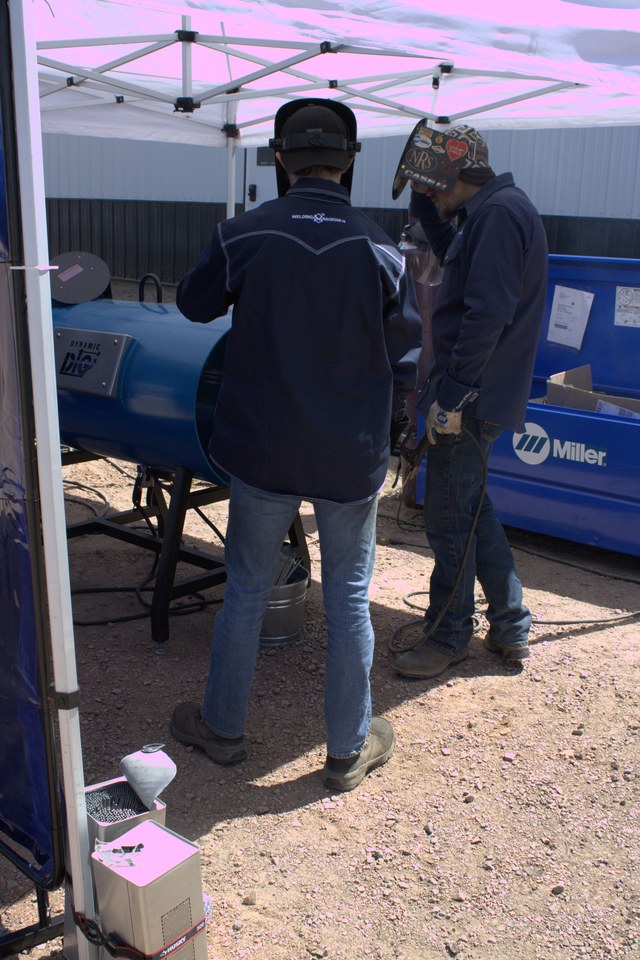
Experienced welders often assume their shop certifications cover pipeline work. They do not. AWS D1.1 structural certifications, ASME pressure vessel qualifications, and state welding licenses are separate credentials with separate testing standards. Pipeline contractors need to see API 1104 specifically. At Western Welding Academy, students earn this certification on site at the number one AWS Testing Facility in the country.
The Position Certification That Proves Competence: 6G and 6GR
The 6G certification tests a welder's ability to weld on a pipe joint fixed at 45 degrees. This position requires the welder to move around the pipe through flat, vertical, overhead, and every angle in between on a single joint. Passing 6G proves competence in all positions. It is the hardest standard position test and the one that pipeline employers value most.
The 6GR certification adds a restriction ring to the test. The ring simulates a branch connection or saddle joint where the welder cannot access the back side of the root pass. This forces the welder to achieve full penetration from one side only. 6GR is the premium certification that commands the highest pay rates on pipeline projects.
Many experienced welders hold 3G (vertical plate) or 4G (overhead plate) certifications from their shop work. These do not satisfy pipeline requirements. The 6G and 6GR tests are pipe specific and position specific. They verify skills that plate certifications cannot demonstrate. Earning them requires dedicated pipe training with instructor feedback.
Earn the certifications pipeline contractors actually require. Apply now or call (307) 284-5313.
ASME Section IX: The Pressure Vessel and Refinery Credential
ASME Section IX certification qualifies a welder to work on pressure vessels, boilers, and refinery piping. This credential opens doors to refinery shutdowns, power plant maintenance, and petrochemical facility work. These jobs pay $70,000 to $100,000 per year and often run on scheduled maintenance cycles that provide predictable seasonal income.
The ASME test evaluates welds against the Boiler and Pressure Vessel Code. Quality requirements are strict because the welded components operate under pressure. A defect that causes a failure in a pressure vessel has catastrophic consequences. The testing standard reflects that reality.
Experienced welders who already hold ASME qualifications for plate or structural work find that the pipe version of this test is substantially different. Pipe welding under ASME requires position control, root pass technique, and multi pass strategy that plate ASME testing does not evaluate. Western Welding Academy covers ASME Section IX pipe qualifications in the Professional and Expert Pipe Welder programs.
AWS D1.1: The Structural Welding Foundation
AWS D1.1 is the structural welding code that governs building construction, bridges, and infrastructure projects. Many experienced welders already hold this certification. It is valuable for structural welding careers but does not substitute for pipe specific certifications when applying to pipeline contractors.
However, AWS D1.1 combined with pipe certifications creates a versatile credential set. A welder who holds both can work structural projects during pipeline off seasons or pivot between sectors based on where the highest paying work is available. The combination makes you employable across more job types than either certification alone.
If you already hold AWS D1.1, your next step is adding API 1104 and 6G pipe certifications. Your existing structural skills give you a foundation in code quality welding. The question of which process to learn is already answered for pipeline: stick and TIG. You need focused pipe training to bridge the gap between structural and pipeline qualification. The fastest path to those certifications is through a pipe welding school that tests on campus at an AWS Accredited Testing Facility.
The Certification Stack That Maximizes Pipeline Earning Power
Individual certifications get you through the door. The right combination of certifications determines your earning ceiling. Pipeline welders who hold API 1104, 6G, 6GR, and ASME Section IX command the highest rates because they qualify for the widest range of high paying projects.
The Expert Pipe Welder program at Western Welding Academy is built around this full certification stack. Over 24 weeks at 40 hours per week, students earn every certification that pipeline and refinery employers require. The program maintains an 85% Expert graduation rate compared to an industry average below 60%. That graduation rate means most students who start the program finish with the complete set of certifications.
The earnings difference between a single certification and the full stack is significant. Here are verified paychecks from Western Welding Academy graduates who earned the certifications pipeline employers demand.
Leyton Wagner earned $4,514 on a single paycheck after completing the Expert Pipe Welder program at Western Welding Academy. That figure is published on the school's website. Gavin Walden posted a $3,986 paycheck on social media. David Smolek shared his $3,417 paycheck publicly. Each of these graduates holds the certification stack that pipeline employers require.
Noah started clearing $4,800 per week right out of welding school. Hank reached $150,000 per year at age 21. The certifications are the ticket. The skills behind them are the engine.
Stack the certifications that command pipeline pay. Apply now or call (307) 284-5313.
Frequently Asked Questions
Q1. Can I use my existing shop certifications for pipeline jobs?
Shop certifications like AWS D1.1 structural or general ASME plate qualifications do not satisfy pipeline requirements. Pipeline contractors specifically require API 1104 and 6G pipe position certifications. Your existing credentials are valuable but they need to be supplemented with pipe specific tests.
Q2. Which certification should I earn first?
API 1104 with a 6G position qualification is the first certification to pursue. It is the most widely required credential across pipeline contractors. Once you hold API 1104 in 6G, you qualify for the majority of pipeline welding positions available.
Q3. How long does it take to earn pipeline certifications?
At Western Welding Academy, the 12 week Foundational program earns your first pipe certifications. The 19 week Professional adds ASME qualifications. The 24 week Expert program earns the complete certification stack. Training runs 40 hours per week with 85% booth time.
Q4. Do certifications expire?
Most welding certifications require renewal or continuity documentation. If you stop welding under a specific code for an extended period, your qualification under that code may lapse. Maintaining active employment in pipe welding keeps your certifications current. Specific renewal periods vary by certification body and employer.
Q5. Is the 6GR certification worth the extra effort?
Yes. The 6GR restriction ring test qualifies you for branch connection and saddle joint work that fewer welders can perform. This scarcity drives higher pay rates. Welders with 6GR consistently earn more per hour than those with 6G alone because they qualify for more complex, higher paying scopes of work.
Q6. What makes Western Welding Academy different from other welding schools?
The school runs 85% hands on booth time at 40 hours per week, maintains an 85% Expert graduation rate compared to an industry average below 60%, places 94% of graduates within 90 days, and operates the number one AWS Testing Facility in the country. Over 2,000 graduates from all 50 states have completed training in Gillette, Wyoming.
Get the Certifications That Get You Pipeline Work
Pipeline employers hire certifications first and experience second. The API 1104, 6G, 6GR, and ASME Section IX credentials are what separate a $40,000 shop welder from a $100,000 pipeline welder. Call Western Welding Academy at (307) 284-5313 or apply now to earn every certification that pipeline contractors require.


.jpg)


.jpg)


.jpg)
.jpg)
.jpg)
.jpg)
.jpg)
-thumbnail.jpg)

.jpg)