Why Does Every Pipe Welder Start With Stick Welding?
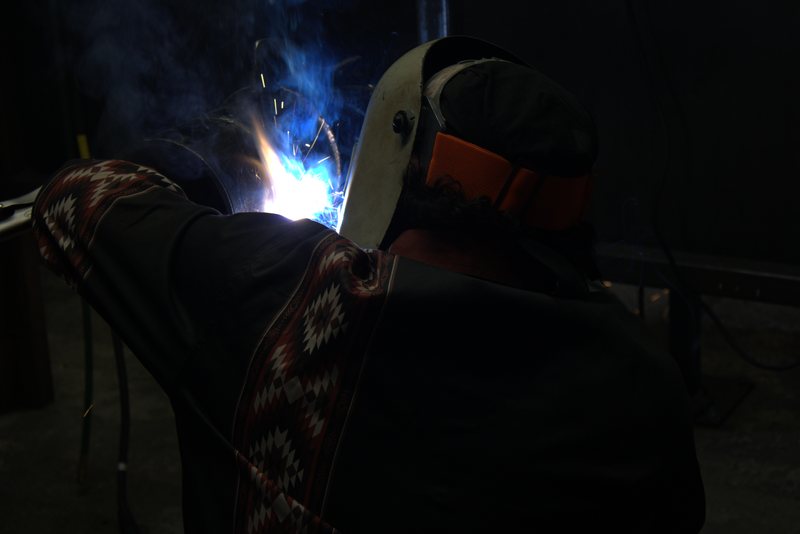
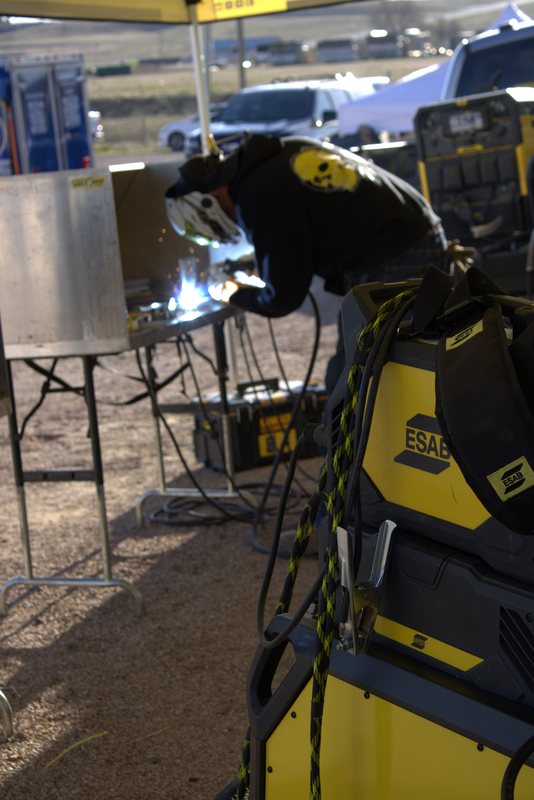
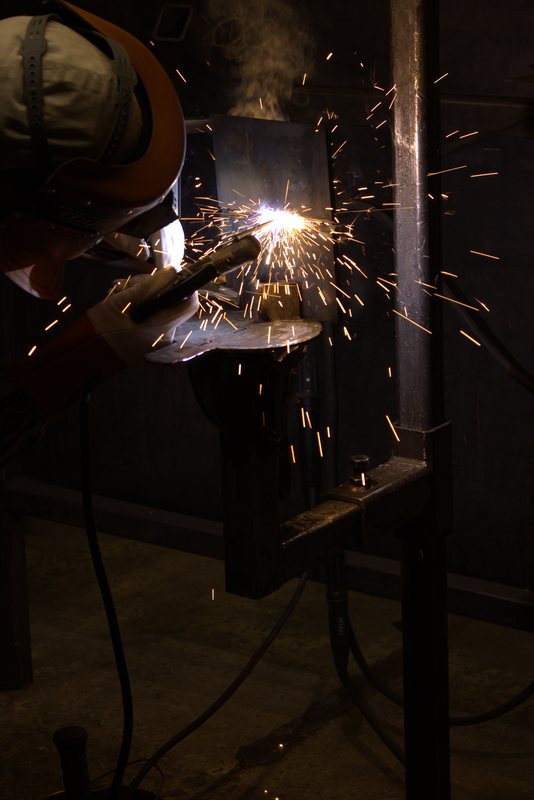
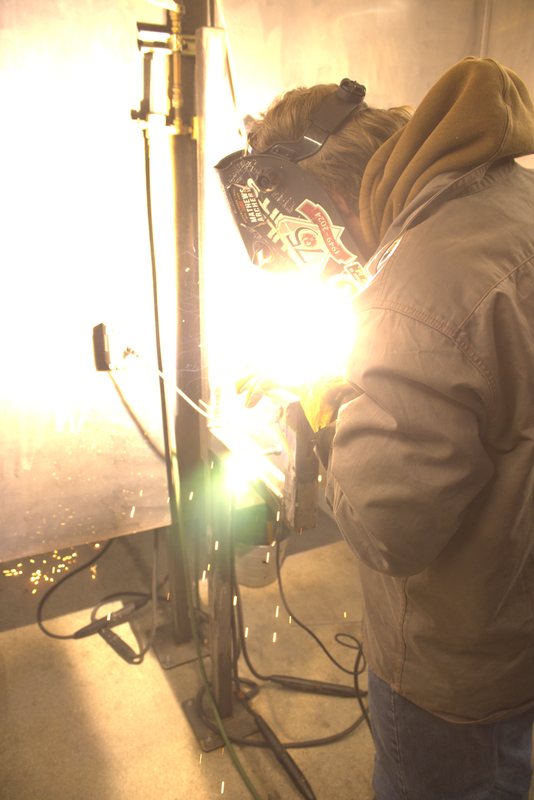
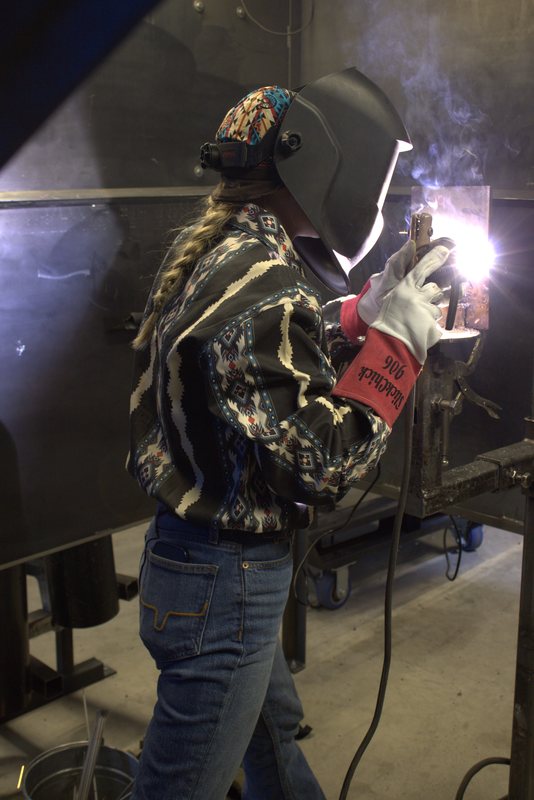
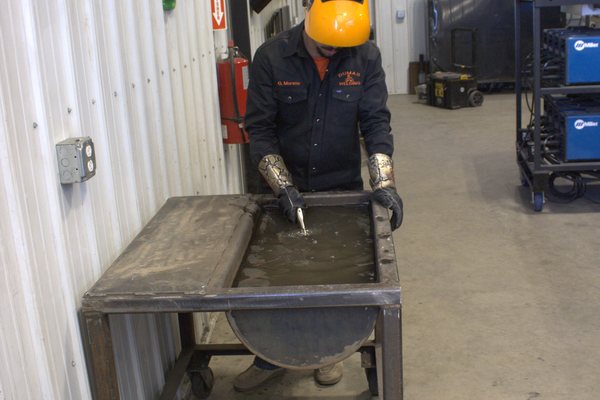
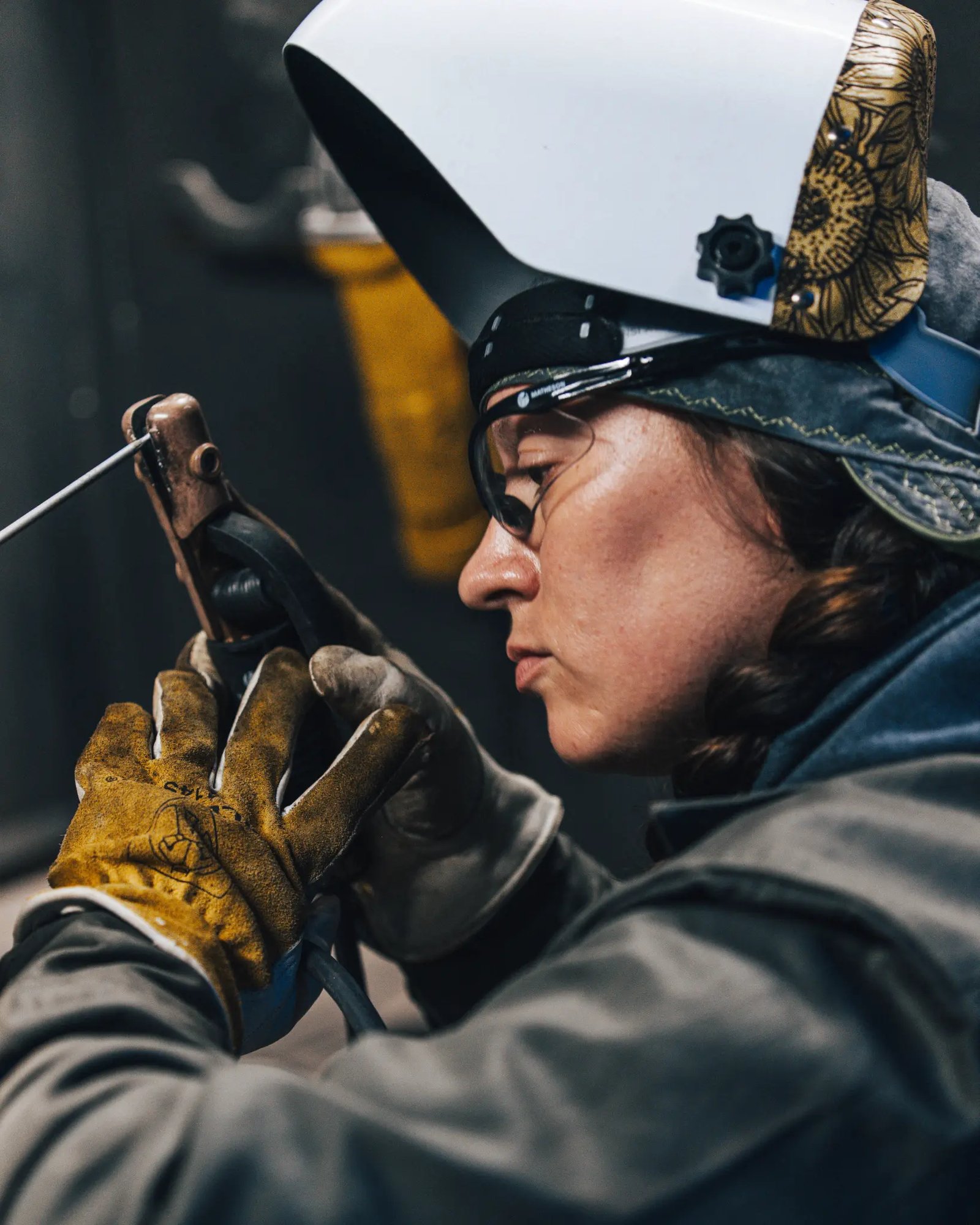
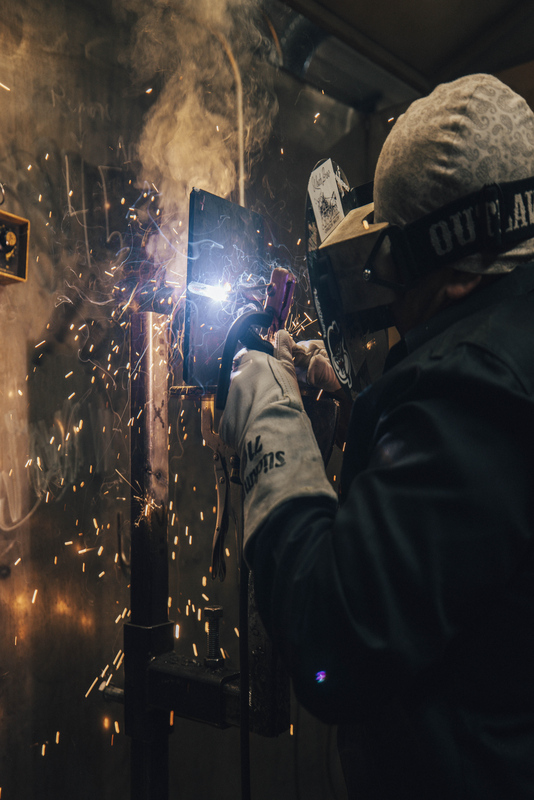
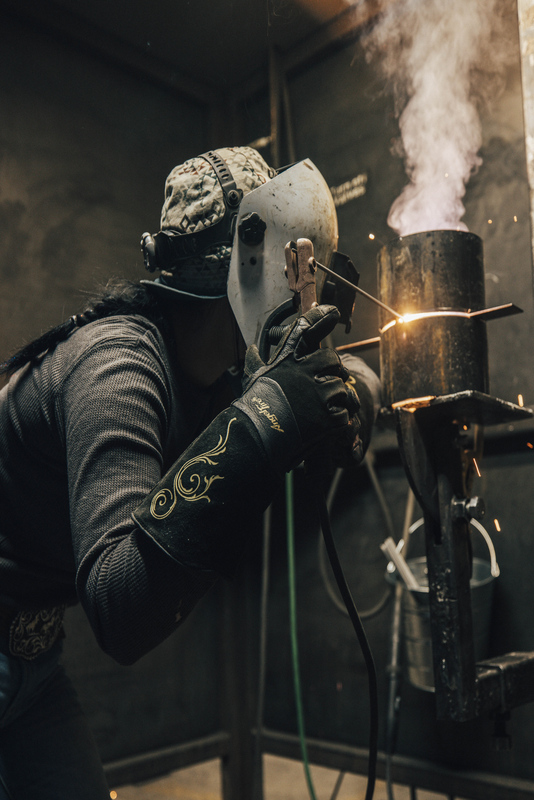
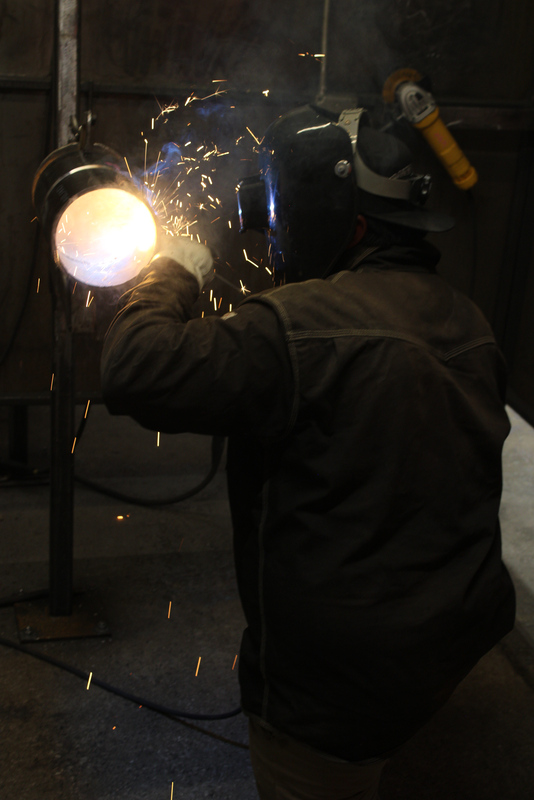
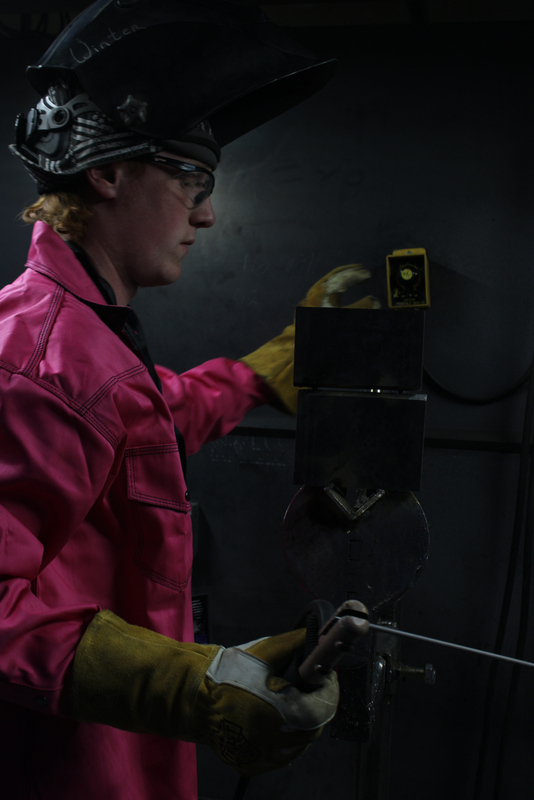
Stick welding, also called SMAW, is the foundation of pipe welding. Every pipe welding process builds on the hand control, arc management, and heat reading skills you develop with a stick electrode. If you want to know how to stick weld as a beginner, the answer is simple: you learn rod angle, travel speed, and arc length on flat plate before anything else.
Stick welding teaches you to read the puddle. That skill transfers directly to pipe. When you run a root pass on a 6G pipe joint, you are reading the same puddle behavior you learned on flat plate, except now gravity is pulling the metal in a different direction with every clock position. The fundamentals are identical. The application is harder.
Many beginners ask whether to learn MIG, TIG, or stick welding first. For pipe welding careers, stick is the answer. Pipeline contractors require SMAW and downhill technique. TIG gets added later for root passes. MIG has limited use in pipe work. Starting with stick puts you on the shortest path to pipe welding certifications.
What Are the Stages From Stick Welding to Pipe Welding?
The progression from stick to pipe follows a clear sequence. Each stage builds on the last. Skipping stages creates gaps that show up on certification tests and cost you jobs. Here is the path that every successful pipe welder follows.
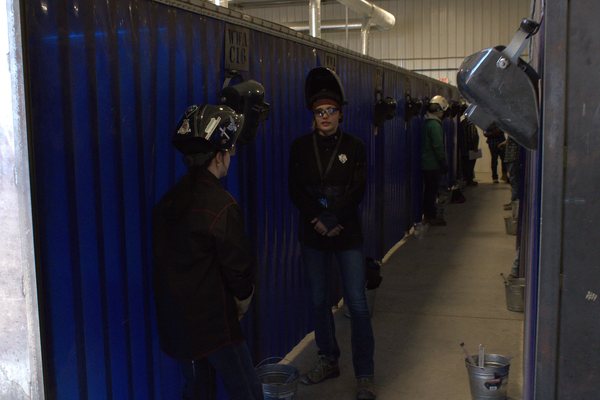
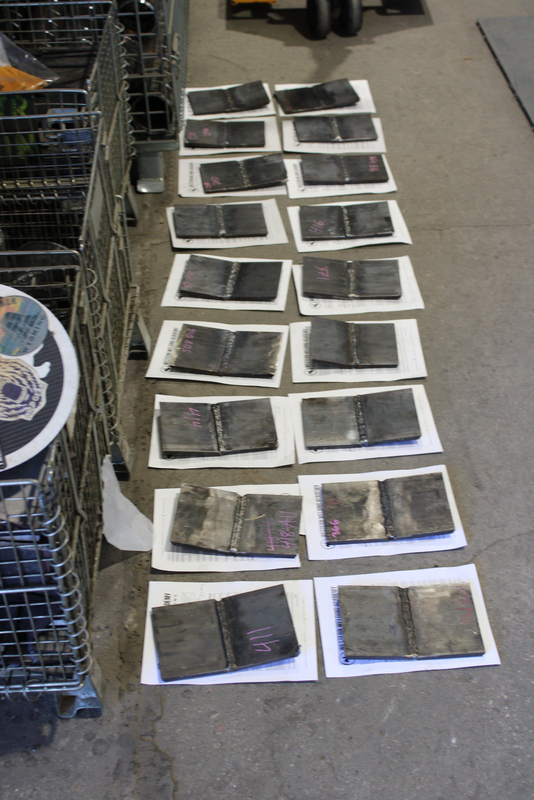
Stage one is flat plate stick welding. You learn to strike an arc, run consistent beads, and control penetration on flat material. This is where hand stability, rod angle, and travel speed become muscle memory. At this stage, you are building the physical foundation that every future skill depends on.
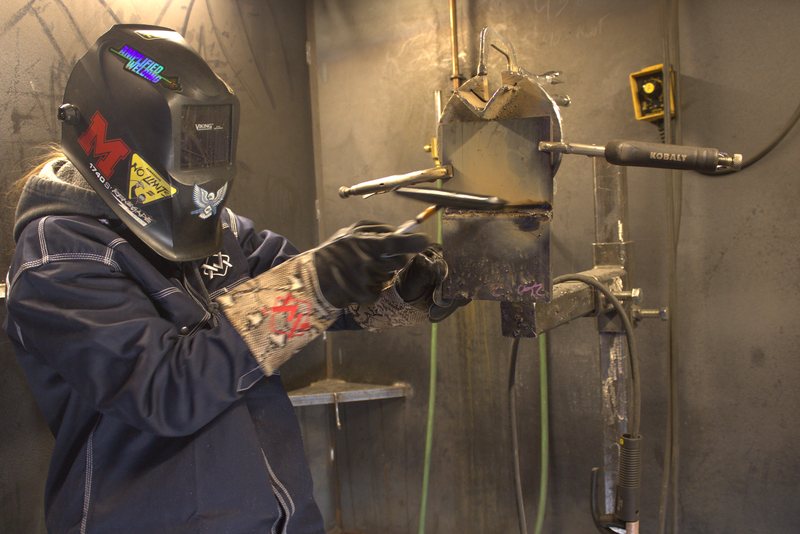
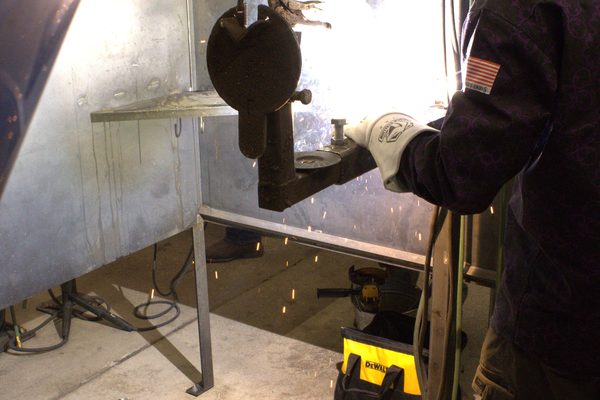
Stage two is multi-position plate welding. You move from flat to vertical and overhead positions. Gravity becomes your opponent instead of your ally. The puddle behaves differently overhead than it does flat. Learning to control the puddle in every position is the single most important skill transition between basic welding and pipe welding.
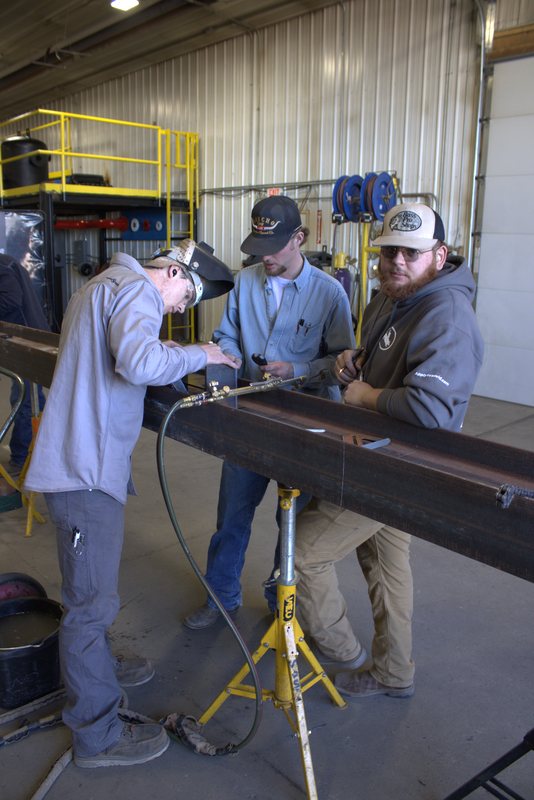
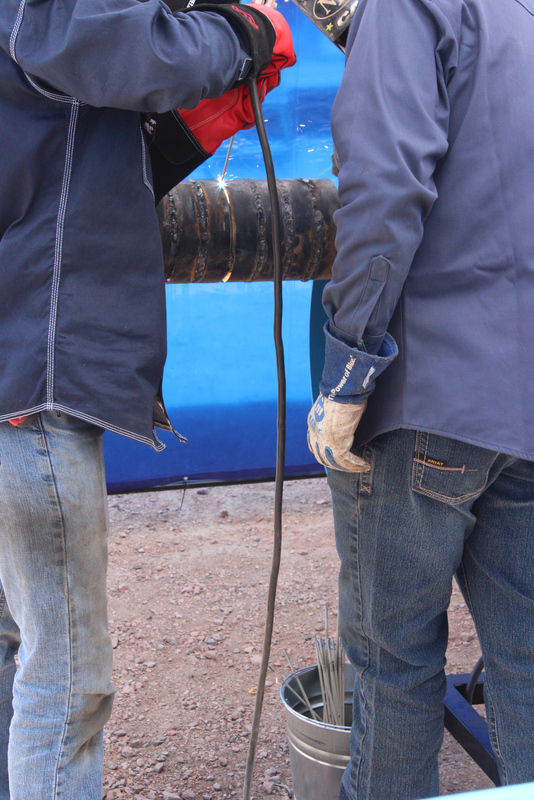
Stage three is pipe fitting and tack welding. You learn to read pipe joint geometry, set gap and land dimensions, and tack pipes in alignment. Fit-up determines whether a weld passes or fails before you strike the first arc. Poor fit-up creates root defects that no amount of skill can fix.
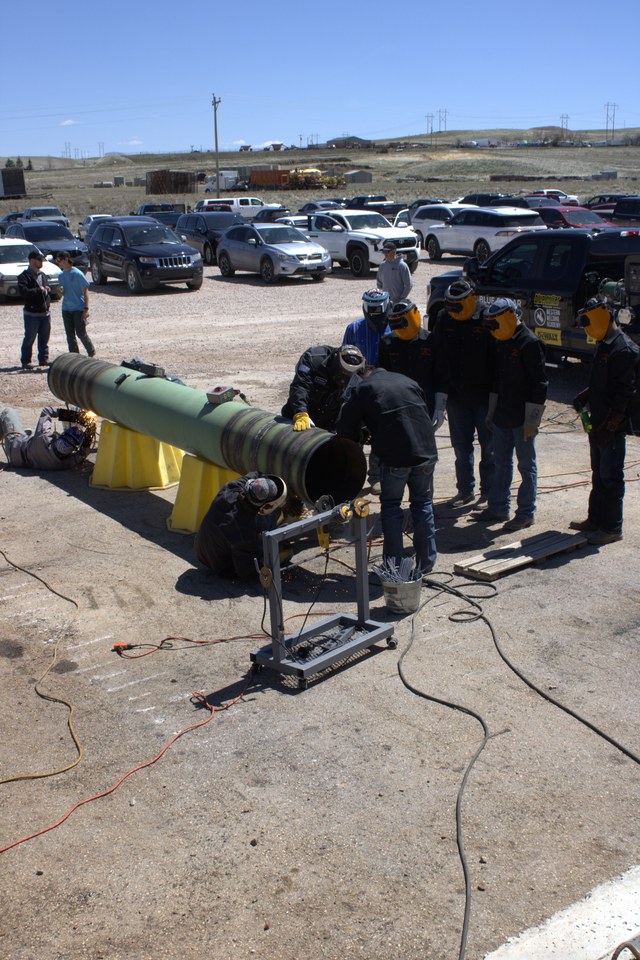
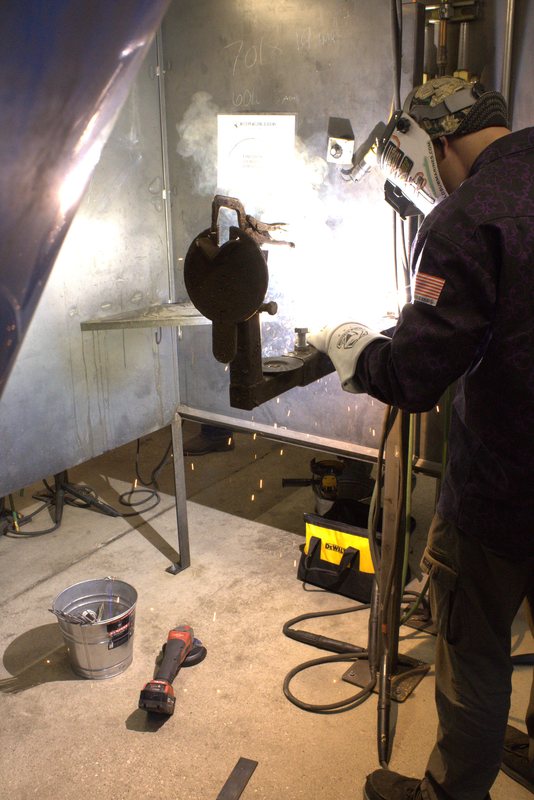
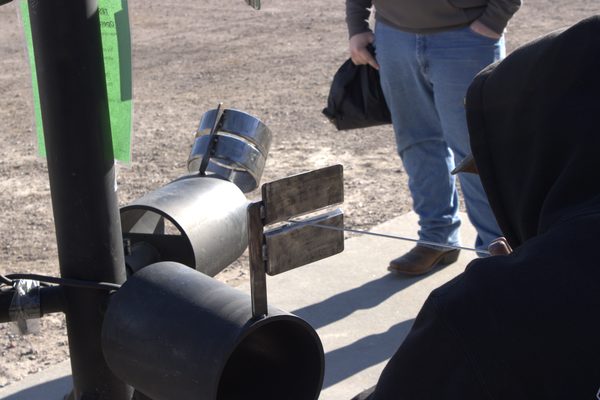
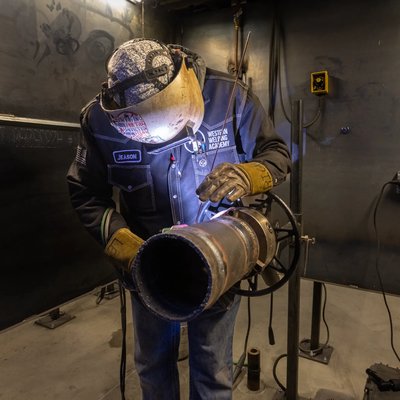
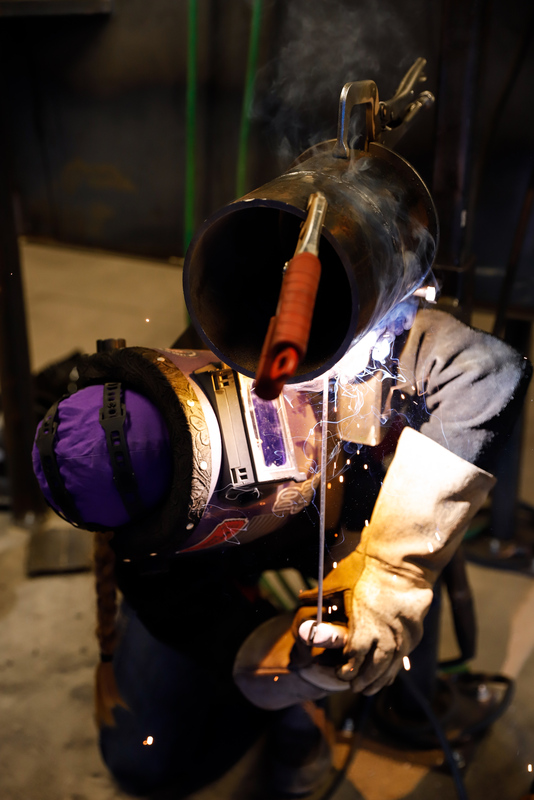
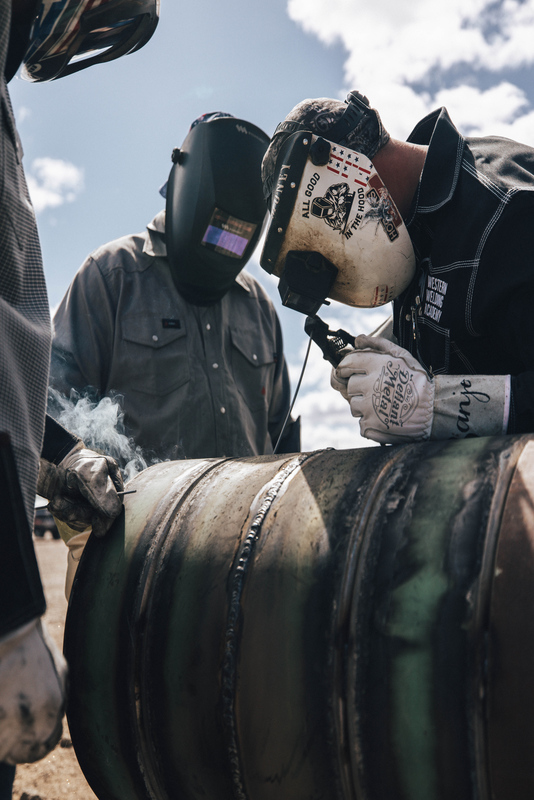
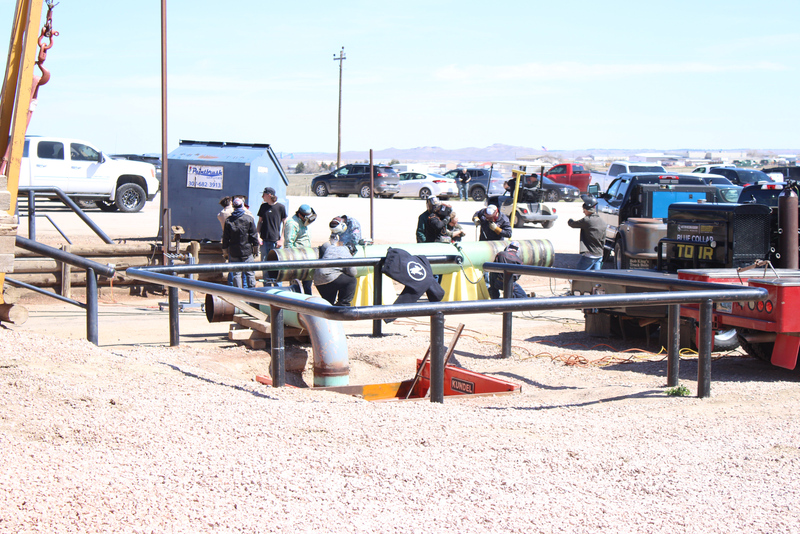
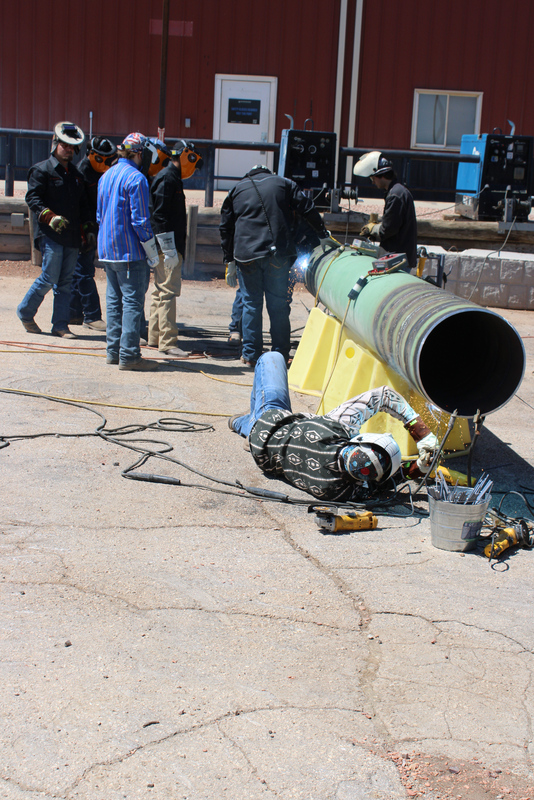
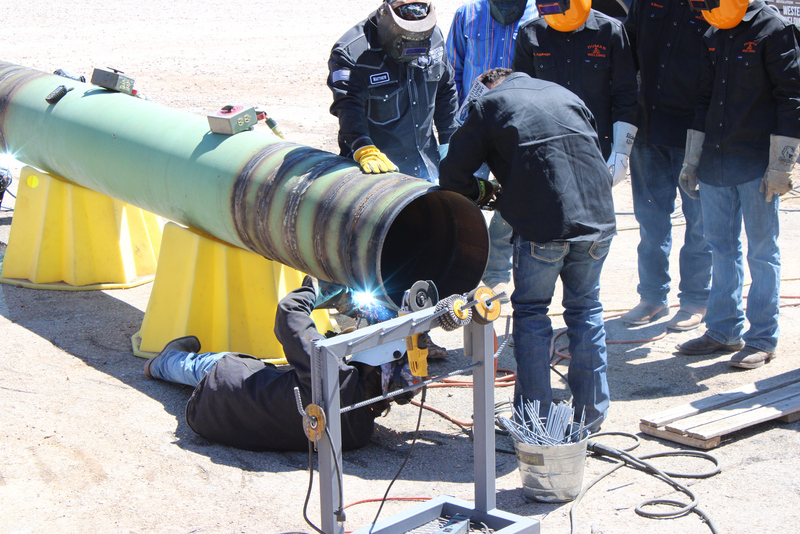
Stage four is pipe welding in fixed positions. You weld pipe joints in the 2G, 5G, and 6G test positions. The 6G position, a pipe fixed at 45 degrees, requires you to weld overhead, vertical, and horizontal in a single continuous joint. This is the certification position that qualifies you for the highest paying pipeline jobs in the country.
Stage five is downhill welding and advanced processes. You add downhill technique, which is the method pipeline contractors require for production speed. You also learn TIG root passes for high-pressure applications. This stage is what separates a certified pipe welder from someone who can weld pipe.
Which Program Matches Each Stage of the Progression?
Western Welding Academy structures its programs around this exact progression. Each program takes you further along the path. The right choice depends on where you want to land in terms of earnings and career options.
The Foundational Pipe Welder program covers stages one through four in 12 weeks at $17,050. You go from zero to 6G pipe welder. Graduates earn starting pay around $60,000 a year. This is the fastest and most affordable path from stick welding to pipe welding certification. It is all inclusive: housing in Gillette, Wyoming, tools, materials, and safety gear are included in tuition.
The Professional Pipe Welder program covers stages one through five in 19 weeks at $27,600. You add downhill welding and advanced processes that pipeline contractors require for field work. Starting pay for Professional graduates reaches $50,000 to $90,000 a year depending on location and overtime. If you want to understand how to choose between the Foundational, Professional, and Expert programs, this is the decision point that determines your earning ceiling.
The Expert Pipe Welder program is the full 24 week path at $35,800. It covers every process, every position, and every certification that exists for pipe welding. Expert graduates earn $60,000 to $125,000 a year, with top earners clearing $150,000 or more. This program has an 85% graduation rate. Tuition pays for itself in 5 to 7 months of field work.
Choose the program that matches your earning goal. Apply now or call (307) 284-5313 today.
How Long Does the Beginner to Pipe Welder Journey Take?
At a community college, the answer is two to four years. You take general education courses, split booth time across 15 to 20 students, and graduate with basic certifications that qualify you for shop work at $18 an hour. At Western Welding Academy, the answer is 12 to 24 weeks. The difference is program structure and intensity.
Every program at Western Welding Academy runs 40 hours a week with 85% booth time. That means you spend 34 hours a week with a torch in your hand. Community colleges average 10 to 15 booth hours a week. More booth time compresses the learning curve. If you are wondering how long it takes to become a certified pipe welder from scratch, the fastest answer is 12 weeks at 34 booth hours a week.
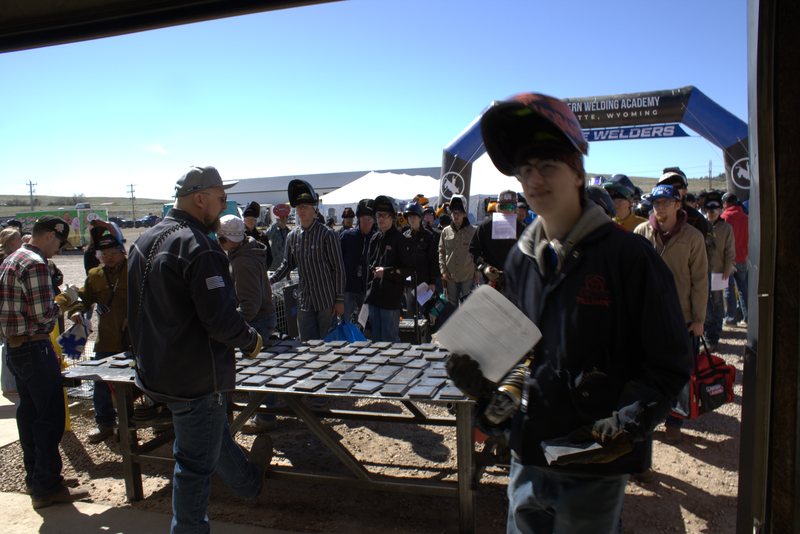
All instructors at the school are active or recently retired pipeline welders. They teach the techniques that working pipe welders use in the field, not textbook theory. The 94% hire rate within 90 days proves that employers trust the training. Over 2,000 graduates from all 50 states have completed the program.
What Do Beginners Earn After Completing the Pipe Welding Path?
The earnings data tells the story. Western Welding Academy publishes verified paycheck data from graduates who started as complete beginners. These are real numbers from real welders who followed the stick to pipe progression.
Leyton Wagner earned $4,514 per paycheck after completing his training at Western Welding Academy. He started as a complete beginner, learned the stick to pipe progression, earned his certifications, and landed a field position that pays more in one check than most entry level jobs pay in a month.
Gavin Walden earned $3,986 per paycheck. He followed the same beginner to pipe welder path. The progression from flat plate stick welding to 6G pipe welding is the same regardless of your starting point. What matters is the quality of your training.
David Smolek earned $3,417 per paycheck. Even at the lower end of pipe welding pay, his earnings dwarf what a basic welder with stick-only certification brings home. The progression from stick to pipe adds $15 to $20 an hour to your starting rate.
Noah clears $4,800 per week in Alaska. He went from zero experience to one of the highest paying pipe welding positions in the country. The entire progression from stick to pipe, including certification, took less than six months.
Hank reached $150,000 a year by age 21. His path started exactly where yours does: running beads on flat plate with a stick electrode. The progression works. The earnings prove it.
What Separates a Good Training Program From a Bad One?
The biggest risk for a beginner is choosing a program that leaves you stuck at stage two: multi-position plate welding with no pipe certification. A program that does not take you through the full stick to pipe progression is a program that caps your earning potential at $25 an hour. You can learn more about what to look for in a beginner welding program to avoid this trap.
Booth time is the most important metric. Western Welding Academy delivers 34 booth hours per week. Programs that split time between classroom theory and shared equipment deliver 10 to 15 hours. The math is simple: at 34 hours a week for 24 weeks, Expert students log over 800 hours of booth time. A community college student gets 600 hours across two years. You get more practice in 24 weeks than most students get in four semesters.
Instructor quality matters just as much. Every instructor at Western Welding Academy has real pipeline field experience. They teach downhill technique, fitup practices, and field procedures because they have done those jobs. The Expert graduation rate is 85%. Competitor A graduates 68%. Competitor B graduates 43%. Competitor C graduates 56%. Those numbers come from a 234-alumni survey conducted in November 2024.
The testing facility matters too. Western Welding Academy is the number one AWS Testing Facility. Certifications earned here carry nationwide recognition. Employers like SpaceX, Steam 88, UFO Motorsports, Boilermakers, and Pipefitters locals hire directly from the school. That is the difference between a certification that opens doors and one that sits on a shelf.
Start your stick to pipe welding journey today. Apply now or call (307) 284-5313 today.
Frequently Asked Questions
Q1. Do I need stick welding experience before enrolling in a pipe welding program?
No. Western Welding Academy takes complete beginners with zero experience. Every program starts with stick welding fundamentals and builds through the full progression to pipe. You do not need prior training, a certificate, or any shop experience to enroll.
Q2. How many weeks does it take to go from stick welding to pipe welding?
At Western Welding Academy, 12 to 24 weeks depending on your program choice. The Foundational program covers the progression in 12 weeks. The Expert program takes 24 weeks and delivers the highest number of certifications and the highest earning ceiling.
Q3. Can I skip stick welding and start with pipe welding directly?
No. Stick welding builds the hand control and puddle reading skills that pipe welding requires. Skipping stick creates gaps that show up on certification tests. Every program at Western Welding Academy builds stick fundamentals first because the progression works.
Q4. What certifications do I earn along the stick to pipe progression?
Depending on your program, you earn plate certifications in multiple positions, 6G pipe certifications, and API 1104 pipeline certification. The Expert program includes every standard certification for pipe welding. All testing happens at the number one AWS Testing Facility.
Q5. Is the tuition worth it for a complete beginner?
Expert program tuition is $35,800 all inclusive. Graduates earn $30 to $35 an hour starting, with top earners clearing $4,800 per week. Tuition pays for itself in 5 to 7 months of field work. The 94% hire rate within 90 days means you start earning almost immediately after graduation.
Q6. What makes Western Welding Academy different from other welding schools?
Western Welding Academy is the only pipe welding school solely owned and operated by real pipeline welders. It carries a 94% hire rate within 90 days, an 85% Expert program graduation rate, and the number one AWS Testing Facility ranking. All tuition is all inclusive. Over 2,000 graduates from all 50 states. No other school matches those numbers.
Choose Your Program and Start the Progression Today
The path from stick welding to pipe welding is proven. Thousands of beginners have followed it. The question is not whether you can do it. The question is which program gets you there at the timeline and price point that works for you.
Call Western Welding Academy at (307) 284-5313 or apply now to enroll in the program that takes you from stick welding to pipe welding fastest.


.jpg)
.jpg)
.jpg)
.jpg)
.jpg)
-thumbnail.jpg)

.jpg)