Phase 1: Skill Assessment and Adjustment (Weeks 1 to 3)
Every experienced welder enters pipe training with habits from their previous work. The first phase is not starting over. It is identifying which of your existing skills transfer to pipe and which need correction. A welder with strong stick experience in multiple positions moves through this phase faster than a welder with only flat position MIG experience.
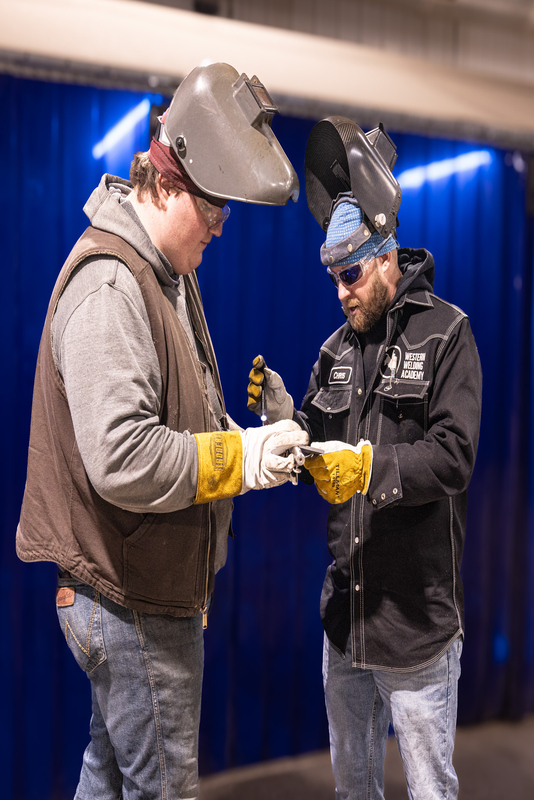
During these first weeks, instructors at Western Welding Academy evaluate your arc control, rod manipulation, position comfort, and process knowledge. They identify the specific adjustments you need. An experienced stick welder might need 1 to 2 weeks of adjustment. A MIG only welder might need the full 3 weeks to build stick and TIG fundamentals from scratch.
This phase is where experienced welders gain their biggest advantage over complete beginners. You do not need to learn what an arc is. You do not need to develop basic hand stability. Your metal knowledge transfers directly. The adjustment phase recalibrates your technique for pipe specific demands like open root joints and continuous position changes.
Phase 2: Pipe Technique Development (Weeks 3 to 8)
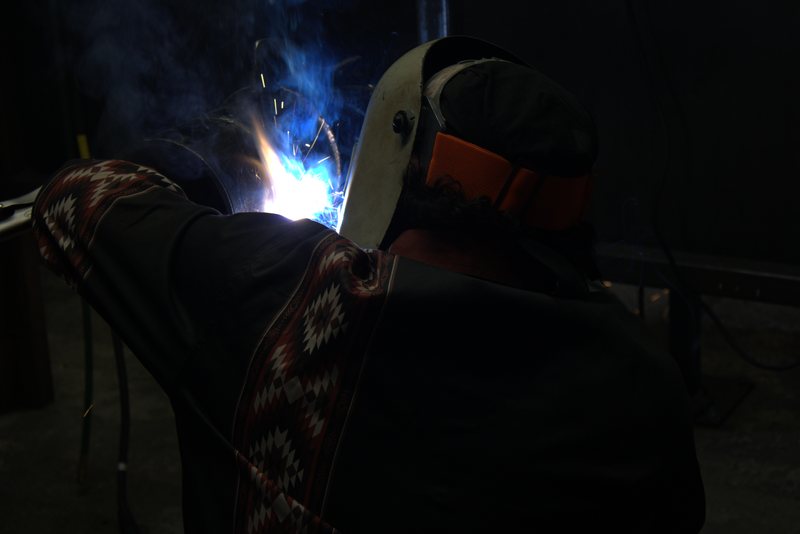
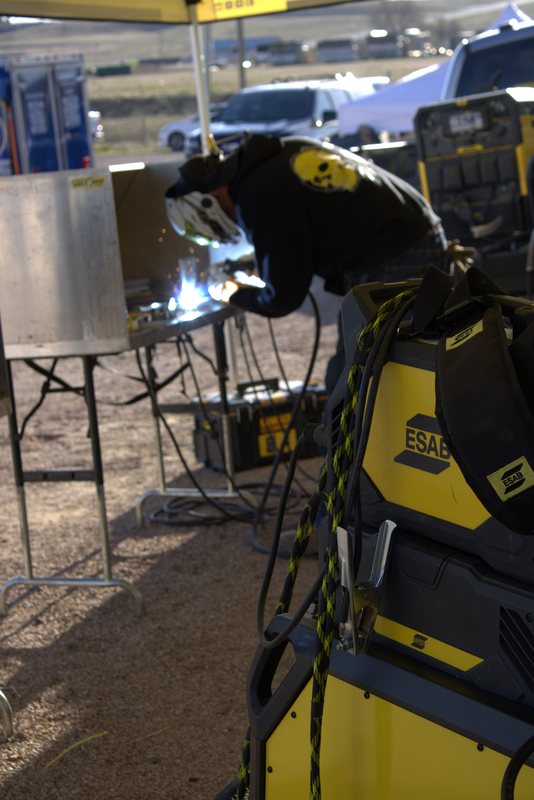
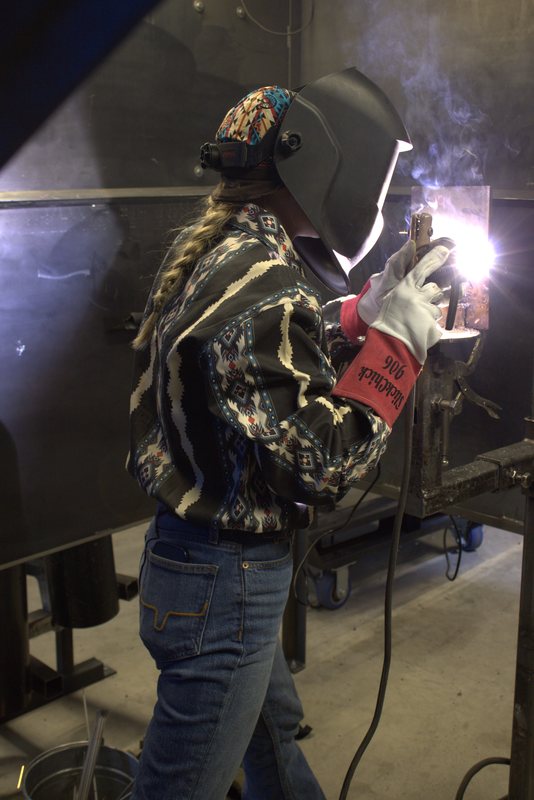
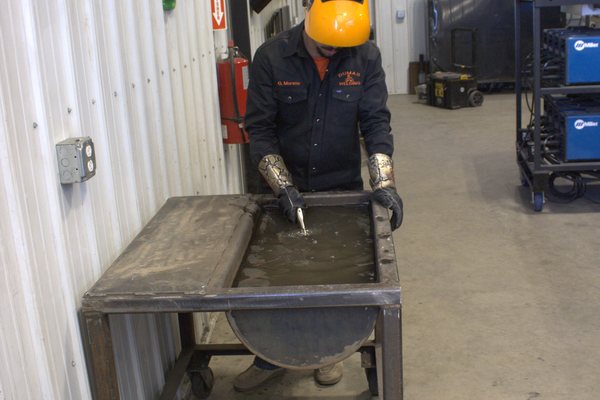
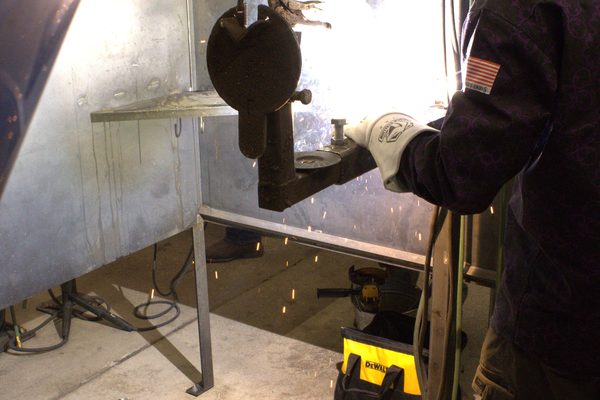
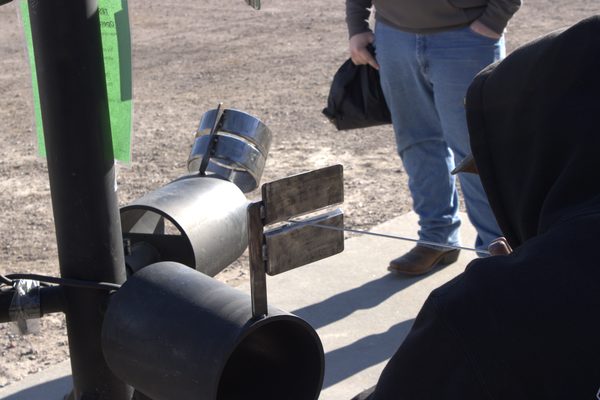
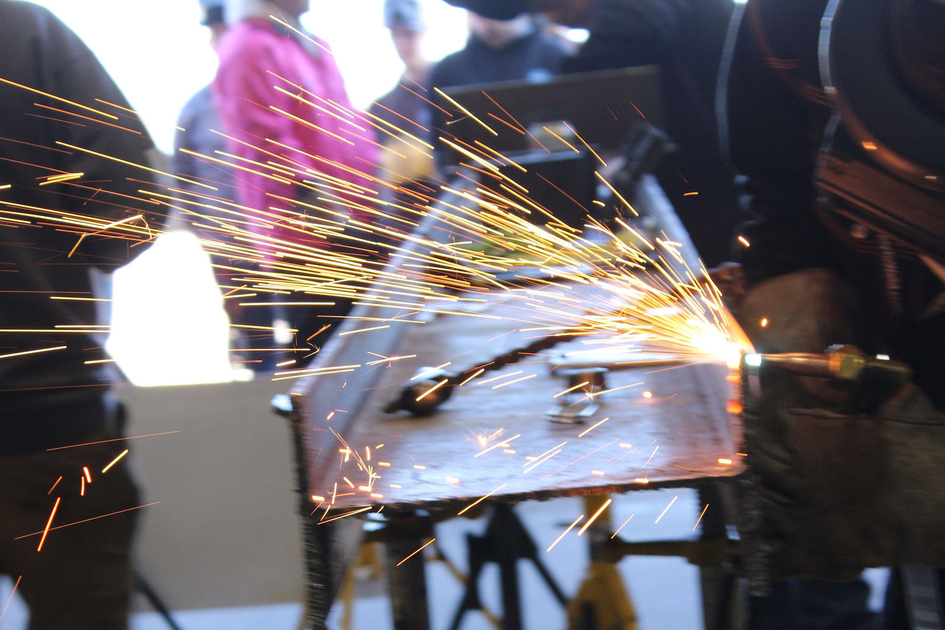
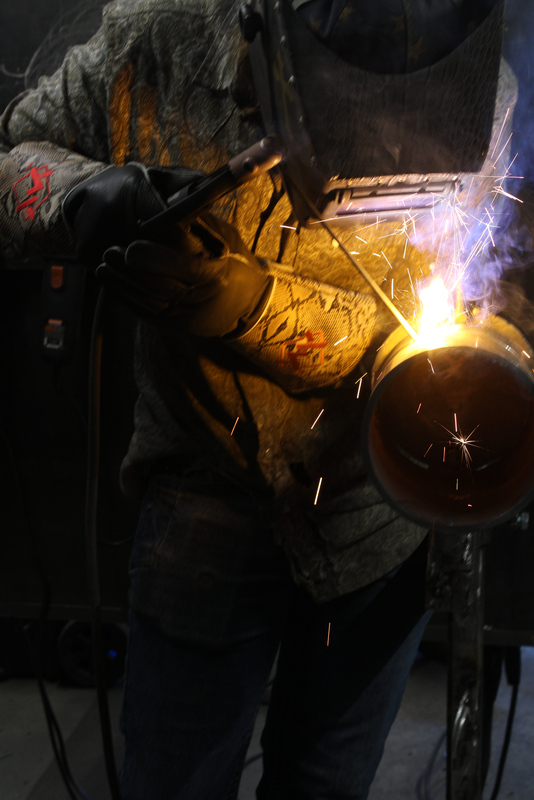
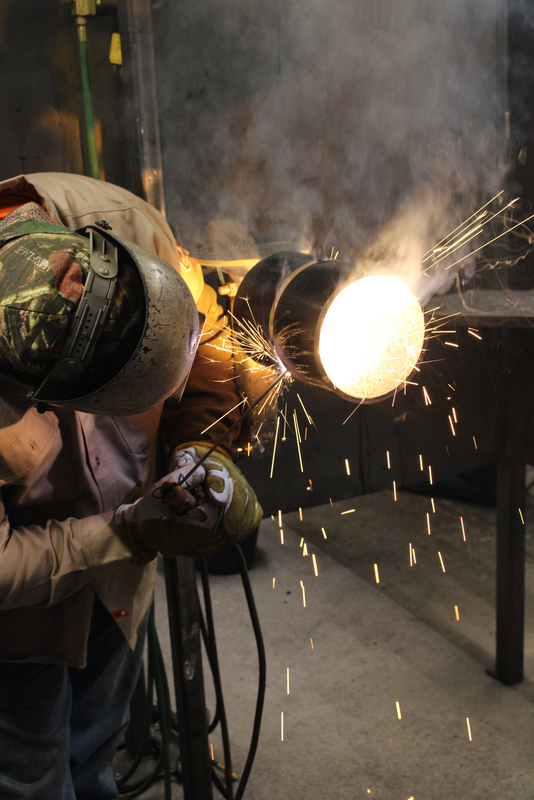
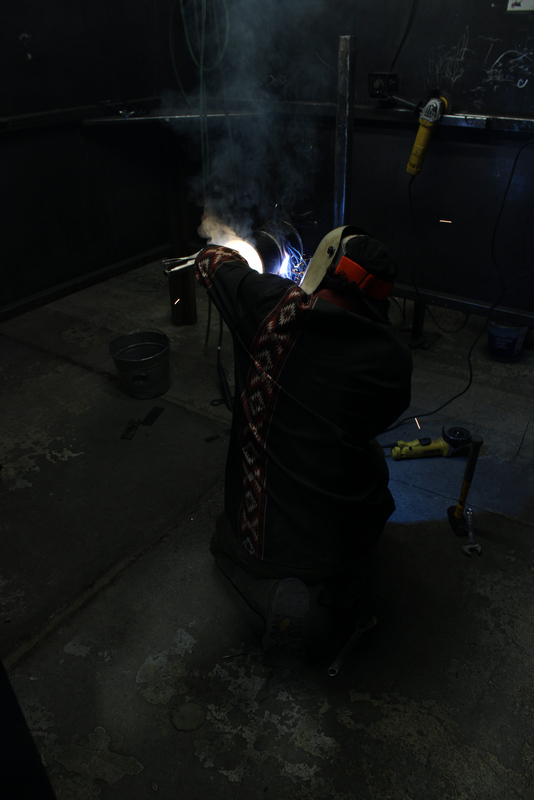
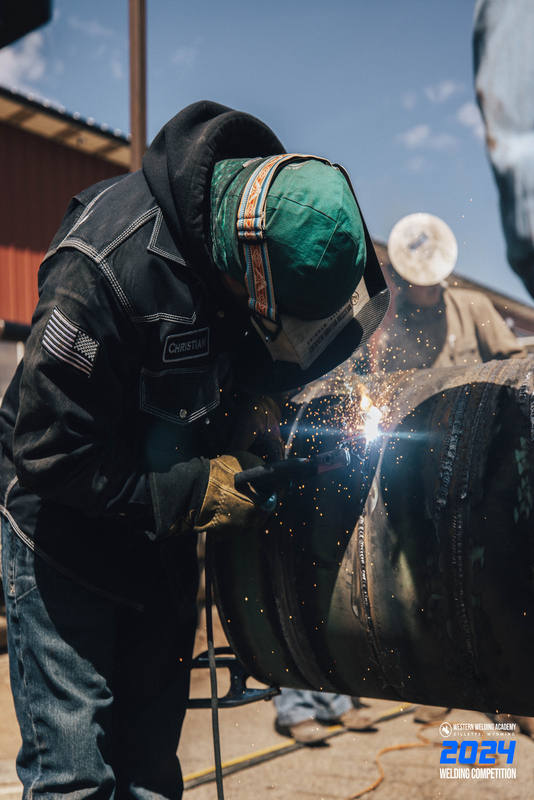
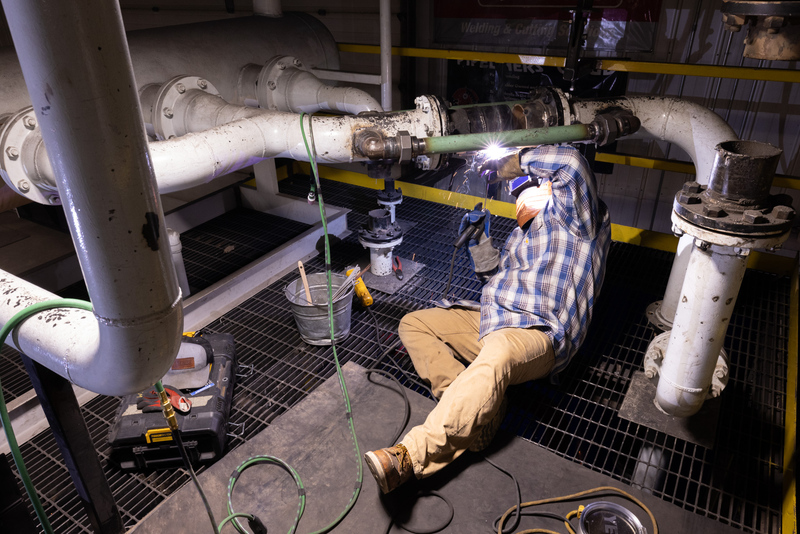
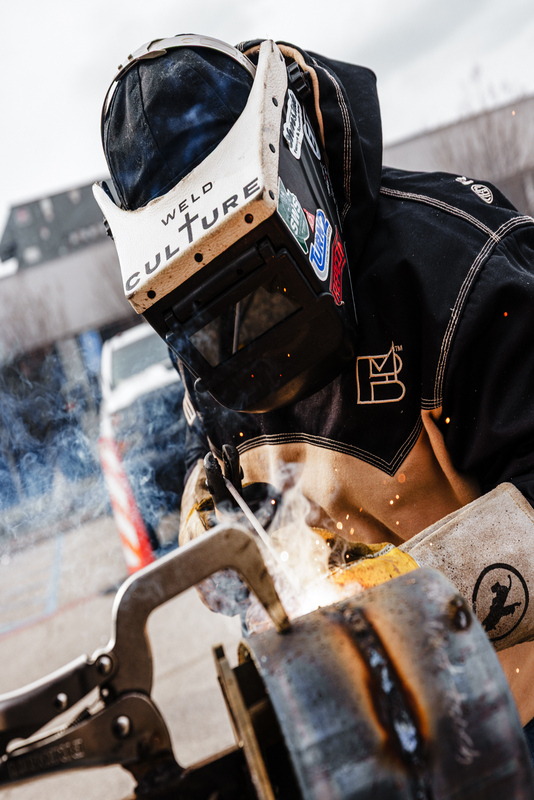
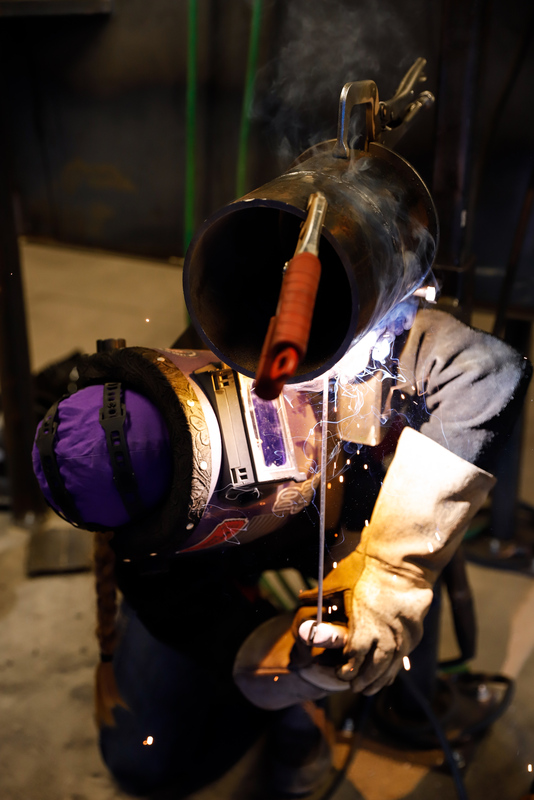
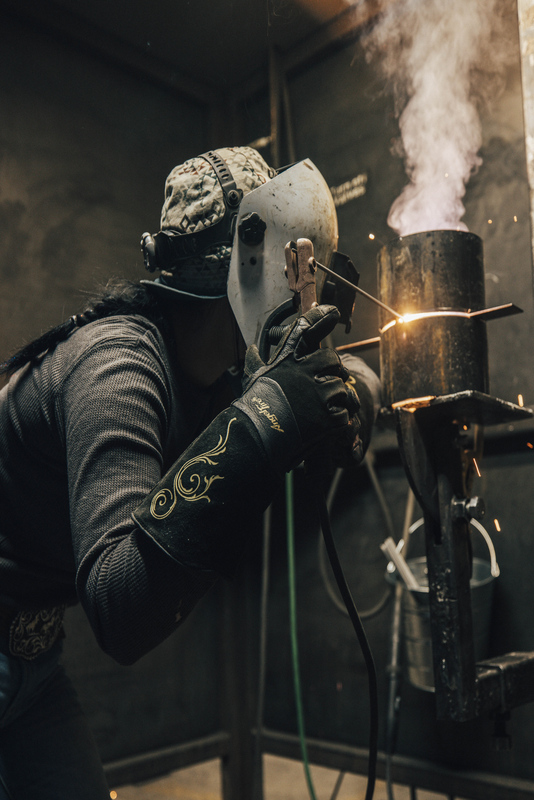
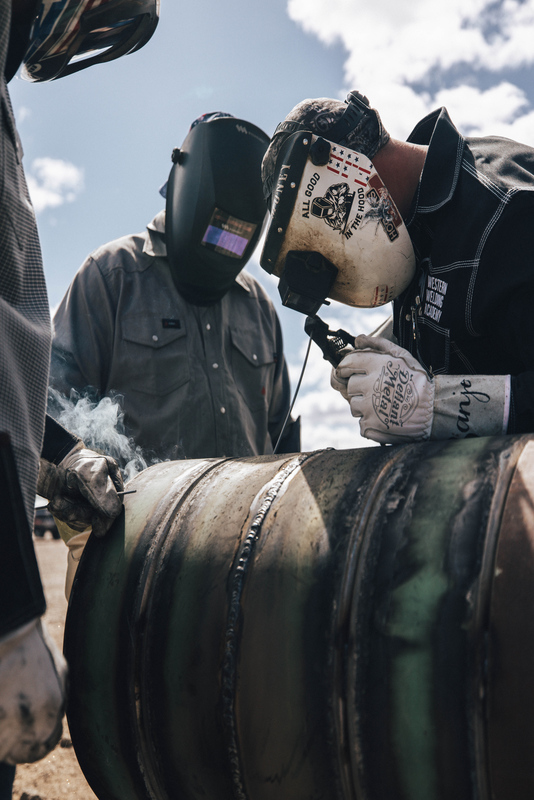
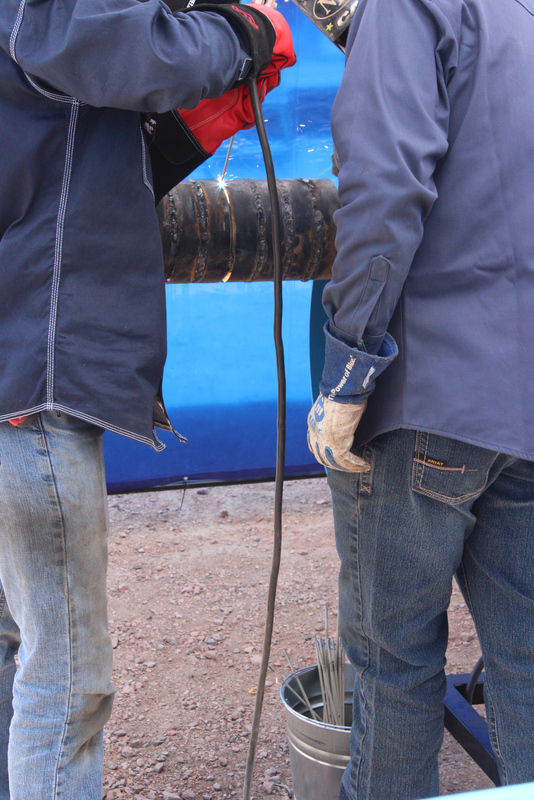
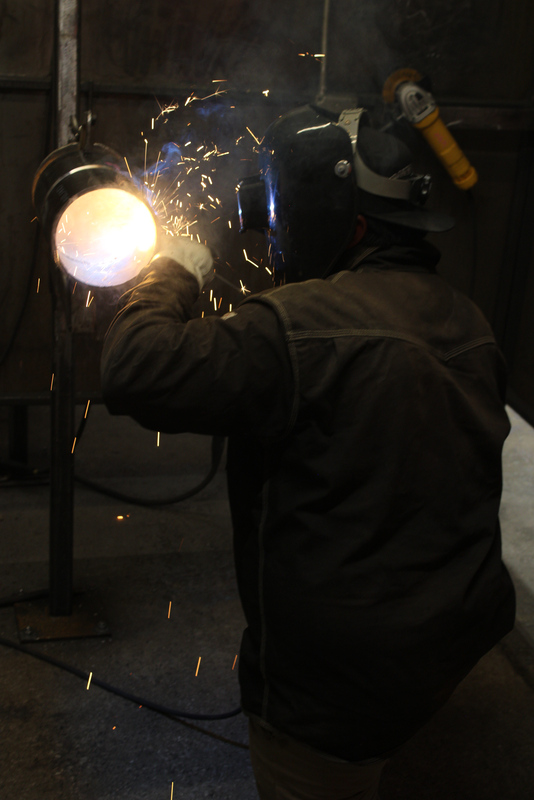
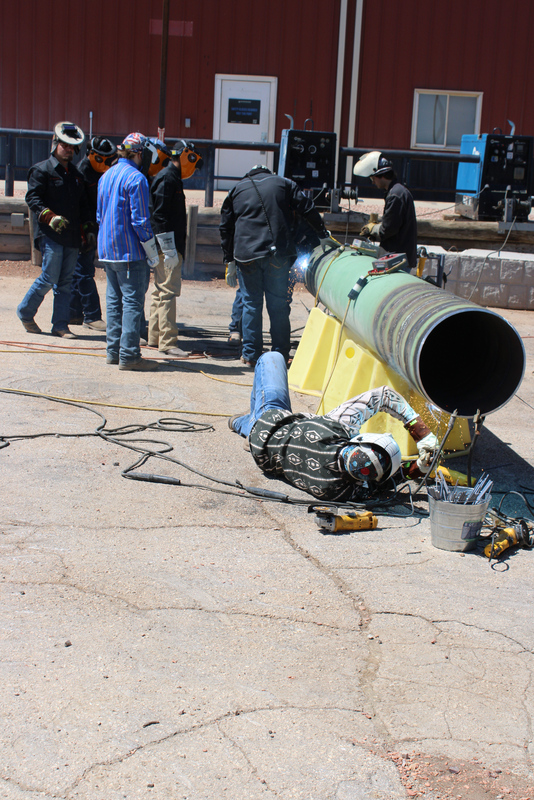
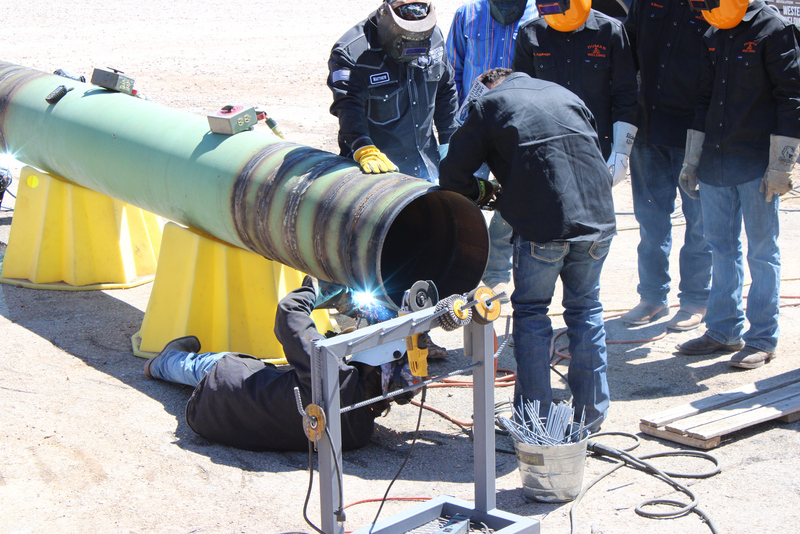
Once your fundamentals are calibrated for pipe, the real pipe training begins. This phase covers root passes, hot passes, fill passes, and cap passes on pipe joints in progressively difficult positions. You start with 2G (horizontal) and work through 5G (fixed horizontal) to 6G (the 45 degree fixed position that most employers require).
For experienced welders, this phase moves faster than it does for beginners. Your arc control is already developed. Your ability to read the puddle is established. You are building pipe specific technique on a foundation that already exists. A beginner spends these same weeks learning basic rod angles and arc length control simultaneously with pipe technique.
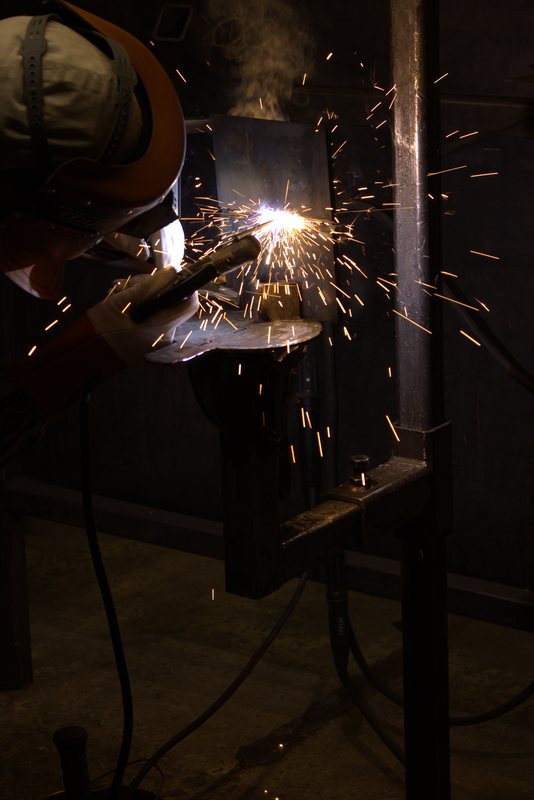
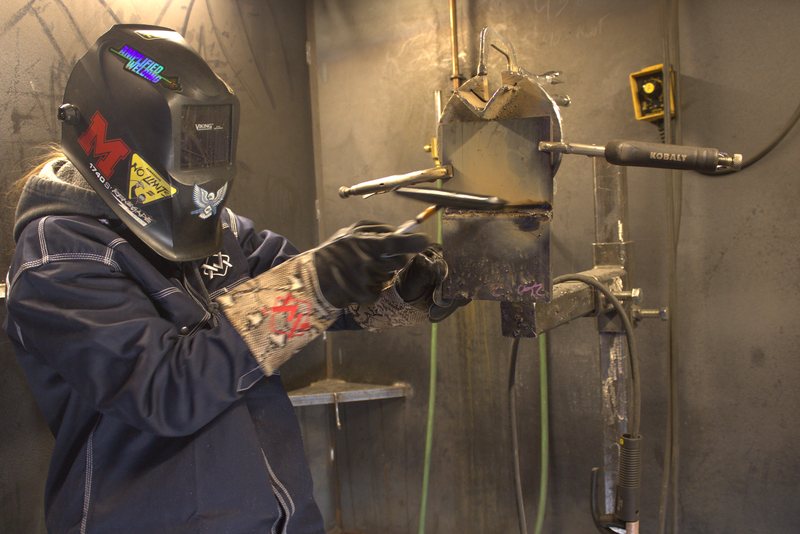
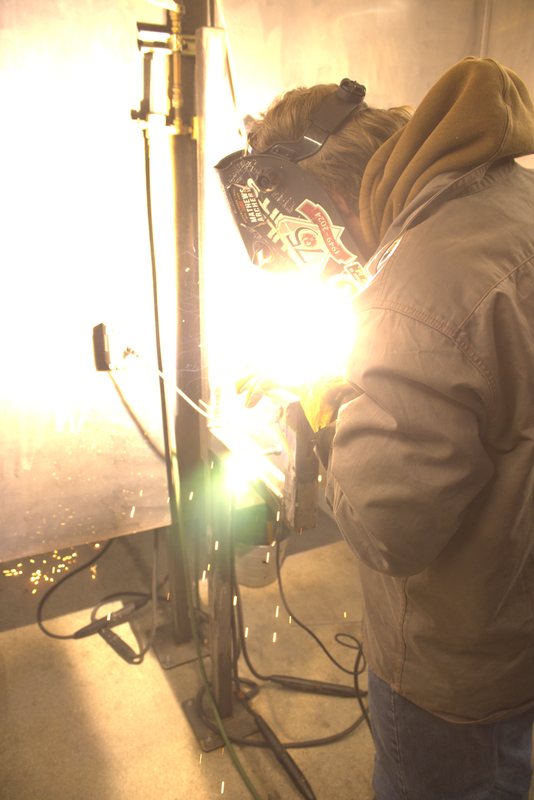
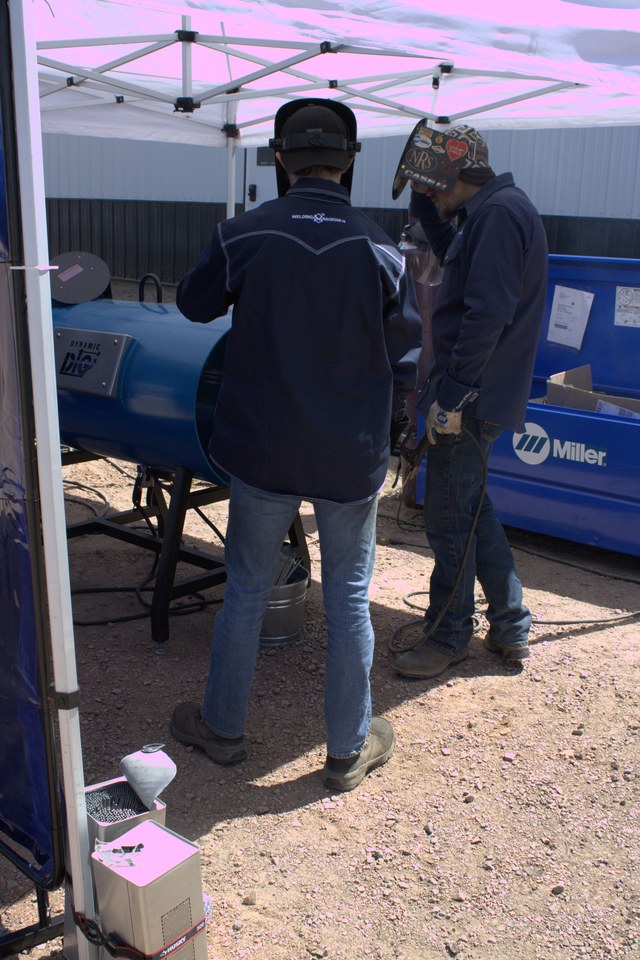
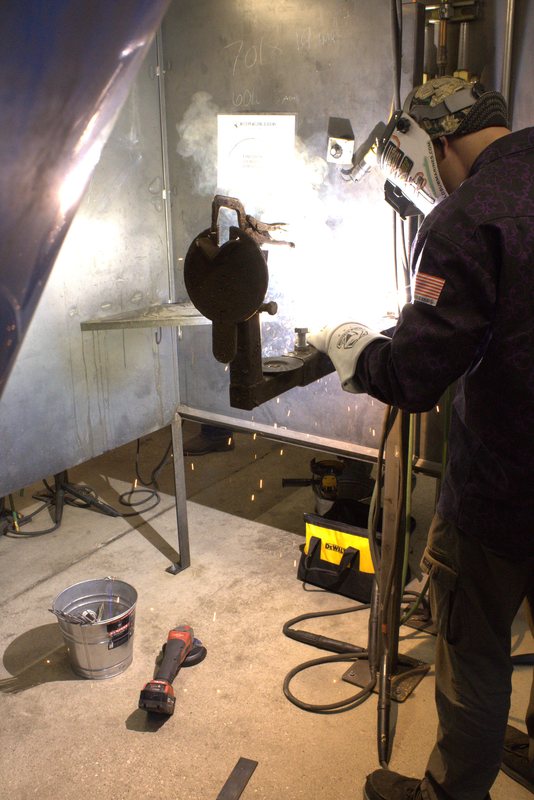
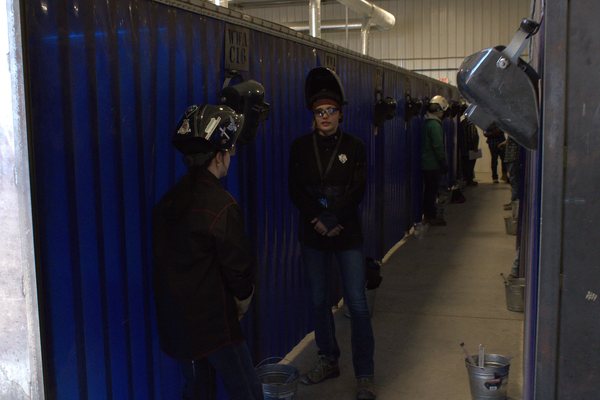
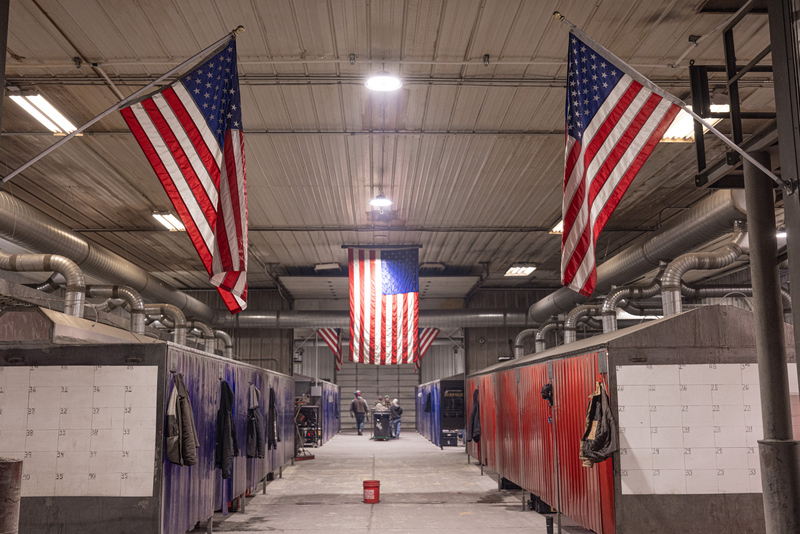
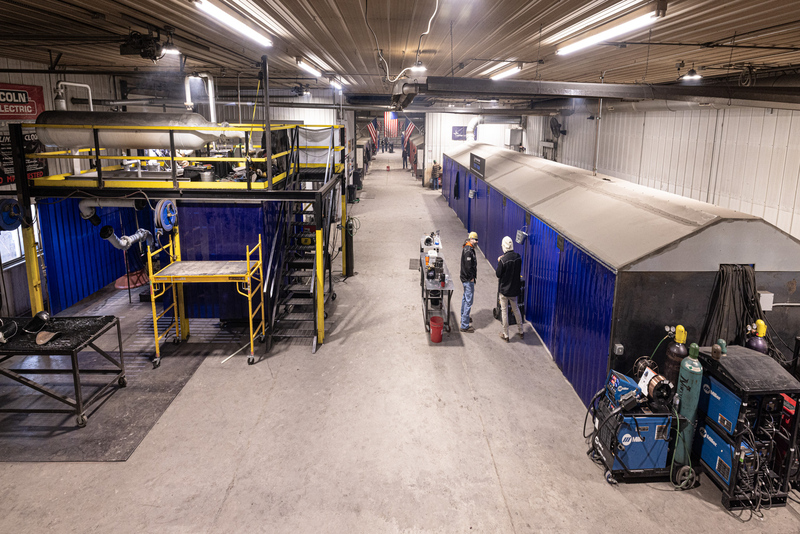
The difference in training speed is significant. At Western Welding Academy, the 85% booth time at 40 hours per week means you spend roughly 34 hours per week actually welding. In 5 weeks, that is 170 hours of focused pipe practice. Compare that to community college programs that spread the same material over 2 years with 50% classroom time.
Start your pipe transition timeline today. Apply now or call (307) 284-5313.
Phase 3: Code Quality and Testing Standards (Weeks 6 to 12)
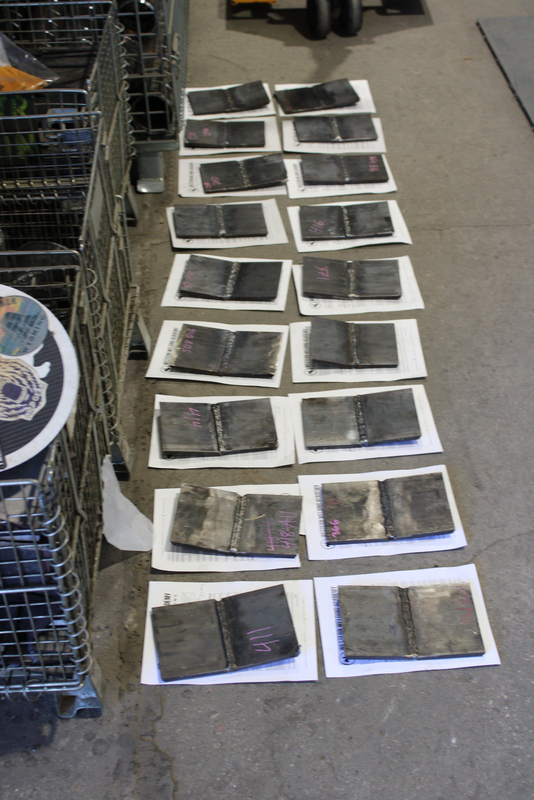
This is the phase that separates pipe welders from general welders. Shop work uses visual inspection. Pipe work uses X ray, ultrasonic testing, bend tests, and destructive evaluation. Experienced welders must learn to weld to a standard they have never been held to before.
The API 1104 certification and 6G/6GR certifications that pipeline employers require are earned during this phase. Experienced welders typically pass these tests at higher rates than beginners because their arc control is more consistent. But the code quality standards still require dedicated training regardless of experience level.
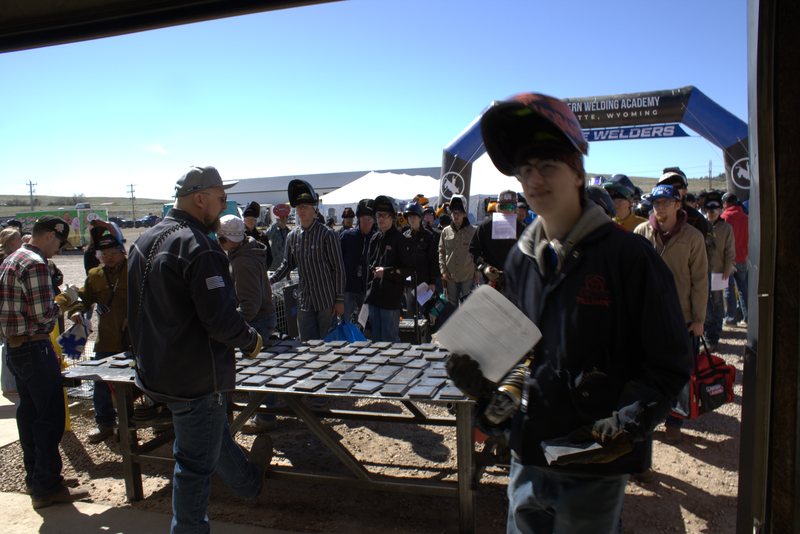
Western Welding Academy operates the number one AWS Testing Facility in the country on site. Students run mock certification tests throughout their training. By the time you sit for the actual certification, you have already completed the same process multiple times in the same facility on the same equipment. This familiarity eliminates test day surprises.
Phase 4: Advanced Process and Position Mastery (Weeks 10 to 20)
Welders who enroll in the Professional Pipe Welder or Expert Pipe Welder programs continue past basic certification into advanced territory. This phase covers TIG root passes with stick fill and cap, downhill technique for cross country pipeline work, and specialized processes that command premium pay rates.
Experienced welders who already have multi process backgrounds move through this phase more efficiently. A welder with TIG experience can focus on applying that TIG skill to pipe roots rather than learning TIG from the ground up. A stick welder can focus on refining downhill technique rather than building basic stick competence first.
This is the phase where program choice matters most. The 12 week Foundational program stops after Phase 3. The 19 week Professional program takes you through most of Phase 4. The 24 week Expert program completes all four phases and produces the highest certified, most employable graduates. The Expert program maintains an 85% graduation rate compared to an industry average below 60%.
Phase 5: Job Placement and First Paycheck (Weeks 12 to 28)
The final phase is not training. It is the transition from certified welder to employed pipe welder. Western Welding Academy places 94% of graduates within 90 days. For experienced welders with existing industry connections, placement often happens faster. Some graduates receive job offers before they finish training.
The payback period on tuition is aggressive. At $60,000 to $125,000 per year in pipe welding versus $35,000 to $55,000 in general shop work, the income increase covers the cost of training within 5 to 7 months. That means an experienced welder can go from starting a 12 week program to earning more than their previous salary in under 6 months total. A 24 week Expert program graduate reaches that same payback point within 10 to 12 months from enrollment.
The timeline is not theoretical. Here are verified paychecks from Western Welding Academy graduates who made this same transition.
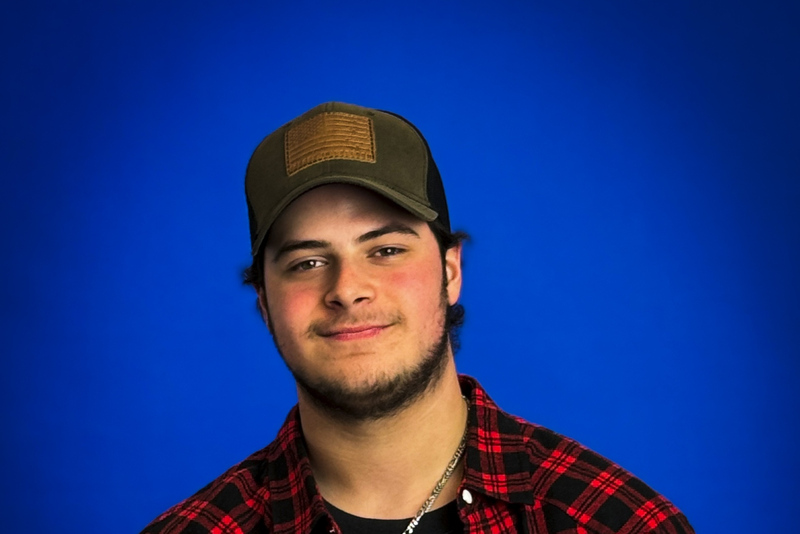
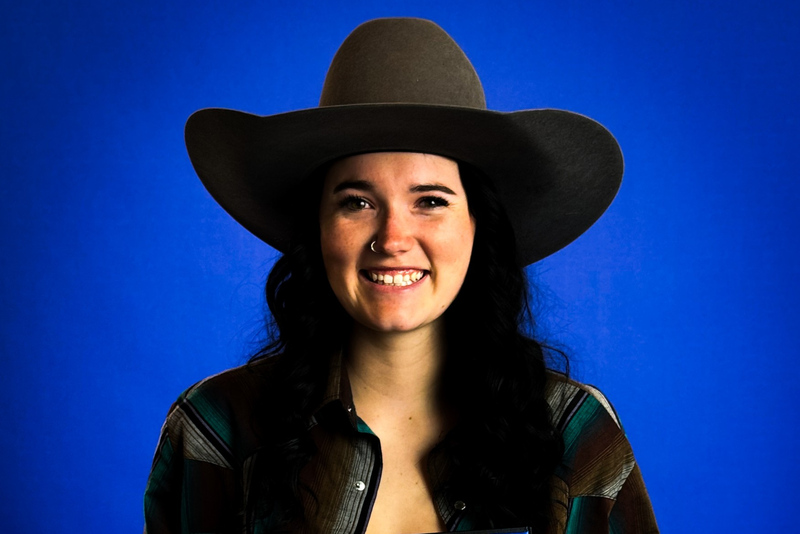
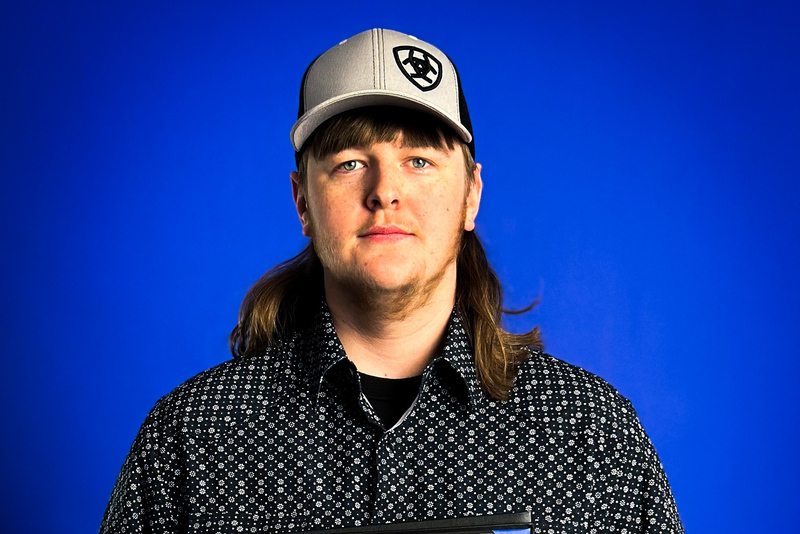
Leyton Wagner earned $4,514 on a single paycheck after completing the Expert Pipe Welder program at Western Welding Academy. That figure is published on the school's website. Gavin Walden posted a $3,986 paycheck on social media. David Smolek shared his $3,417 paycheck publicly. These are real numbers from real graduates.
Noah started clearing $4,800 per week right out of welding school. Hank reached $150,000 per year at age 21. The transition timeline is measured in months, not years. The earnings difference lasts for decades.
Your pipe welding timeline starts with one call. Apply now or call (307) 284-5313.
Frequently Asked Questions
Q1. Does previous welding experience shorten the training timeline?
Yes. Experienced welders move through the adjustment and technique phases faster than complete beginners. Your existing arc control and metal knowledge transfer directly. The time savings varies by your background. Multi process welders with position experience gain the most advantage.
Q2. Which program is best for experienced welders?
It depends on your goal. The Foundational program at 12 weeks works if you need a basic certification quickly. The Professional at 19 weeks adds multi process skills. The Expert at 24 weeks produces the highest earning graduates with the most certifications. Most experienced welders choose Professional or Expert.
Q3. Can I work while attending the program?
The program runs 40 hours per week with 85% booth time. That schedule is equivalent to a full time job. Most students do not work simultaneously. The intensive format is what compresses a 2 year community college program into 12 to 24 weeks.
Q4. How soon after graduation do most welders get hired?
Western Welding Academy places 94% of graduates within 90 days. Many receive offers before finishing. Experienced welders with existing industry contacts and a clean work history often get hired even faster than the 90 day average.
Q5. What certifications will I earn during the program?
Depending on the program, you can earn ASME Section IX, API 1104, AWS D1.1, and position certifications from 2G through 6GR. The Expert program earns the most certifications. All testing happens on site at the number one AWS Testing Facility in the country.
Q6. What makes Western Welding Academy different from other welding schools?
The school runs 85% hands on booth time at 40 hours per week, maintains an 85% Expert graduation rate compared to an industry average below 60%, places 94% of graduates within 90 days, and operates the number one AWS Testing Facility in the country. Over 2,000 graduates from all 50 states have completed training in Gillette, Wyoming.
Your Transition Timeline Starts Now
You have the welding foundation. You need the pipe specific training, certifications, and employer connections to make the jump. The timeline is 12 to 24 weeks of focused training followed by a 94% placement rate within 90 days. Call Western Welding Academy at (307) 284-5313 or apply now to start the shortest path from where you are to where pipe welding money is.

.jpg)
.jpg)


.jpg)
.jpg)
.jpg)
.jpg)
.jpg)
-thumbnail.jpg)

.jpg)