What Does a Structured Welding Program Actually Mean?
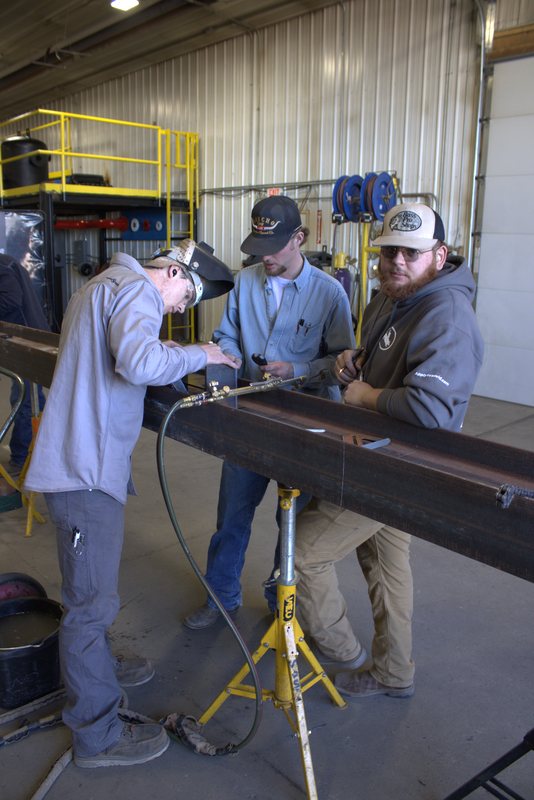
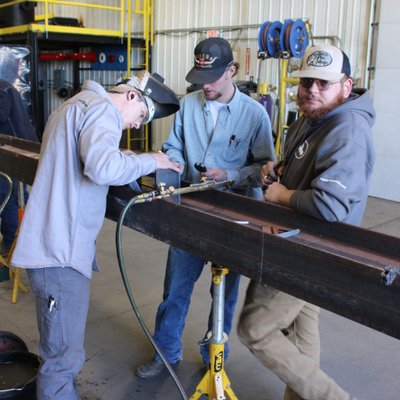
A structured program means a fixed curriculum, a set schedule, a progression order that builds each skill on the one before it, and an instructor who corrects your technique in real time. It means you practice flat position before vertical, vertical before overhead, and plate before pipe. Every day has a purpose. Every week has a measurable goal.
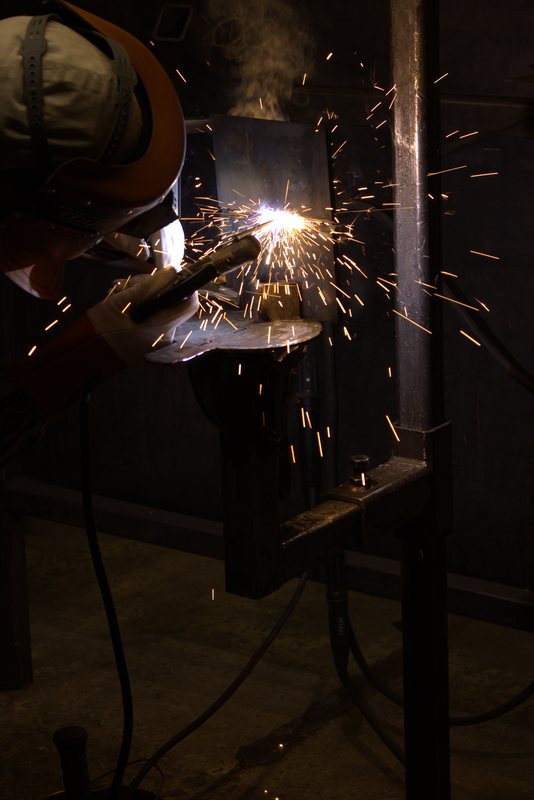
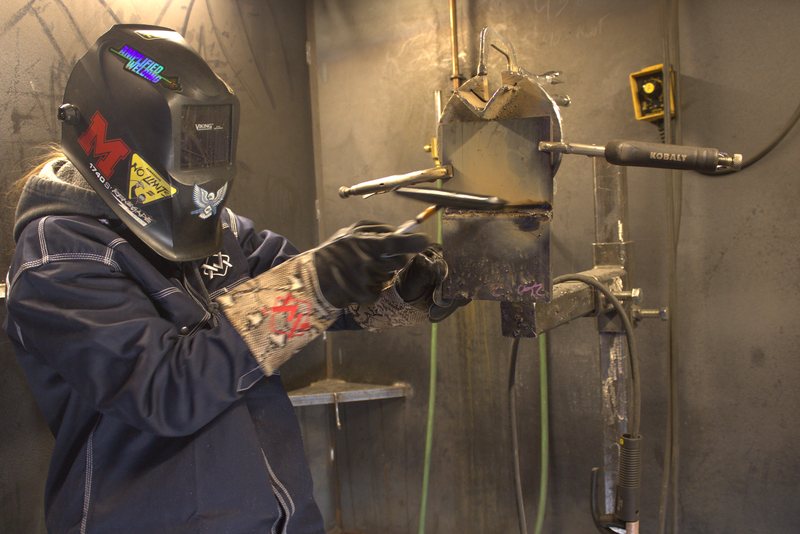
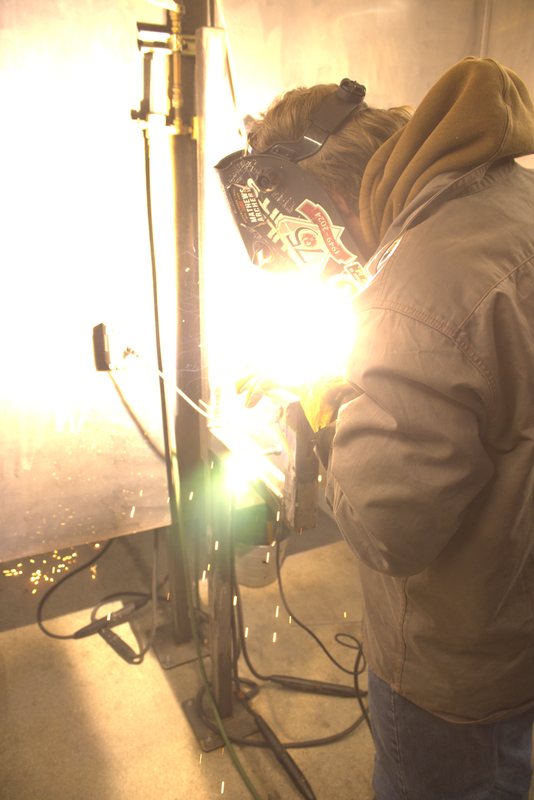
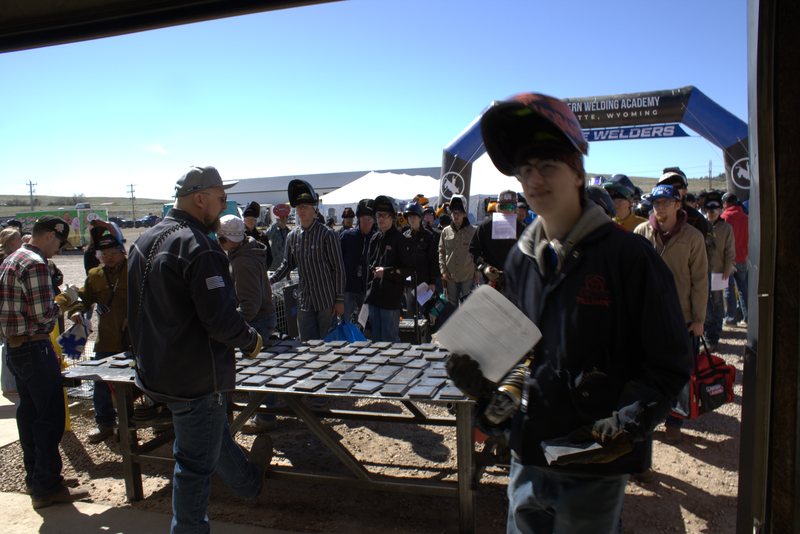
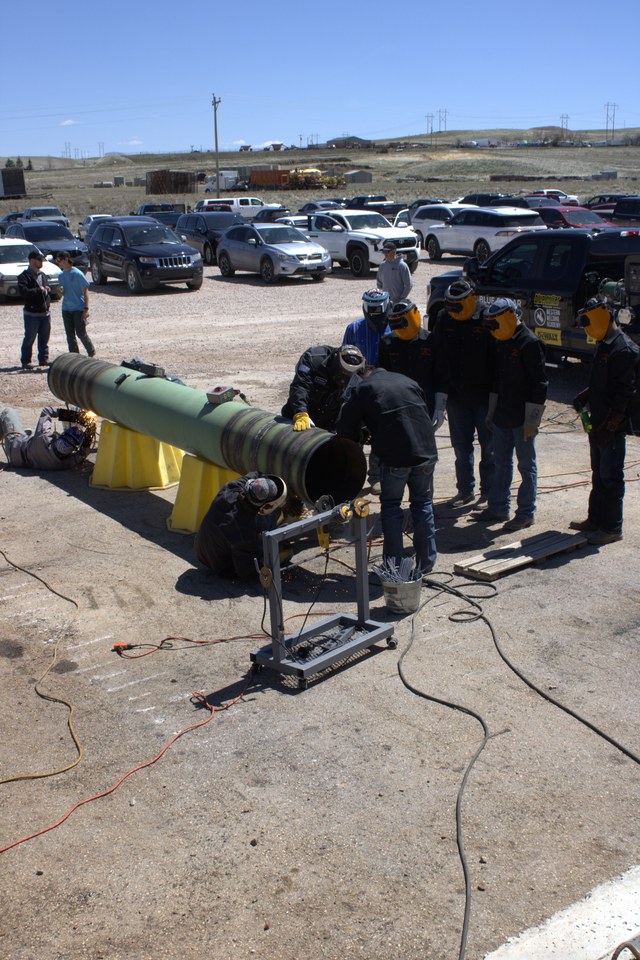
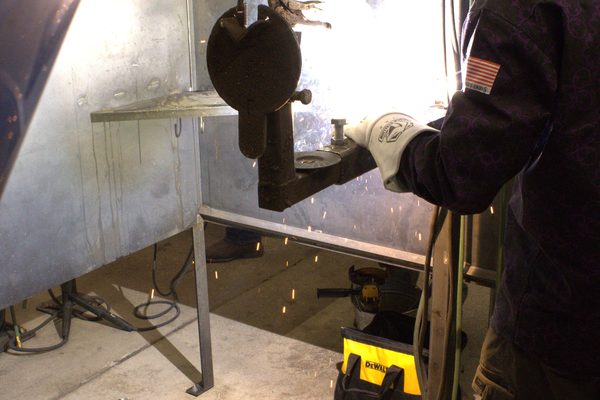
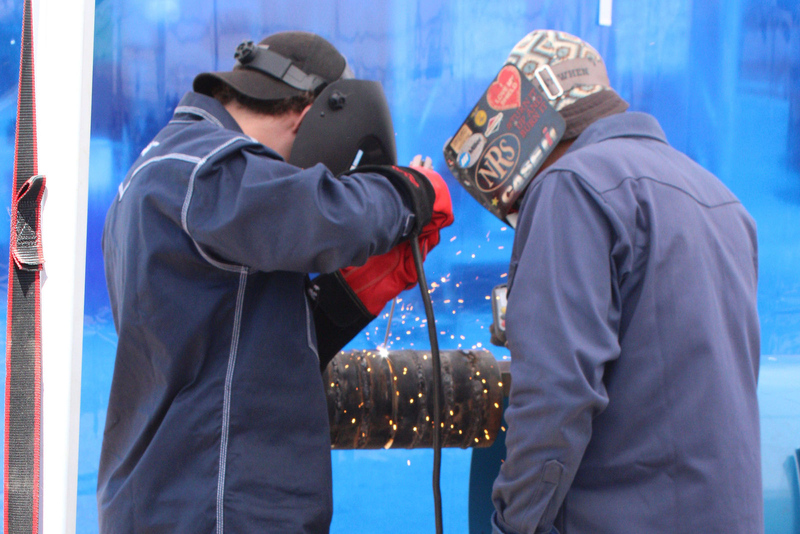
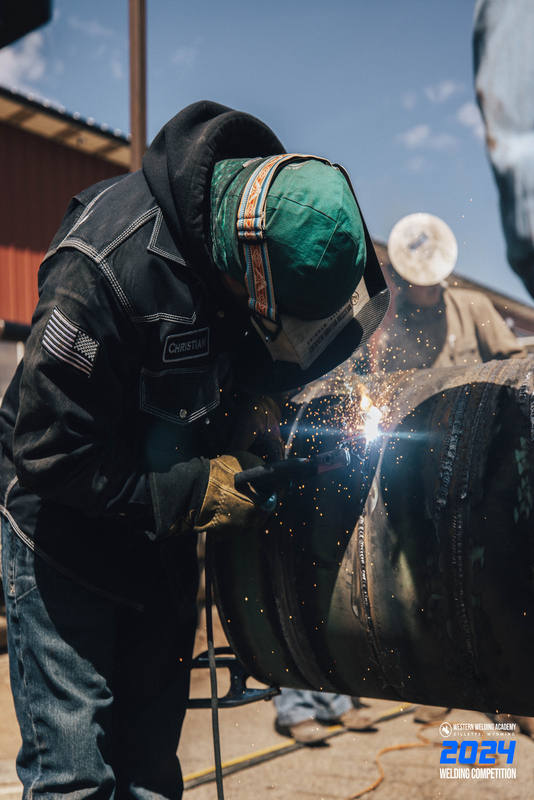
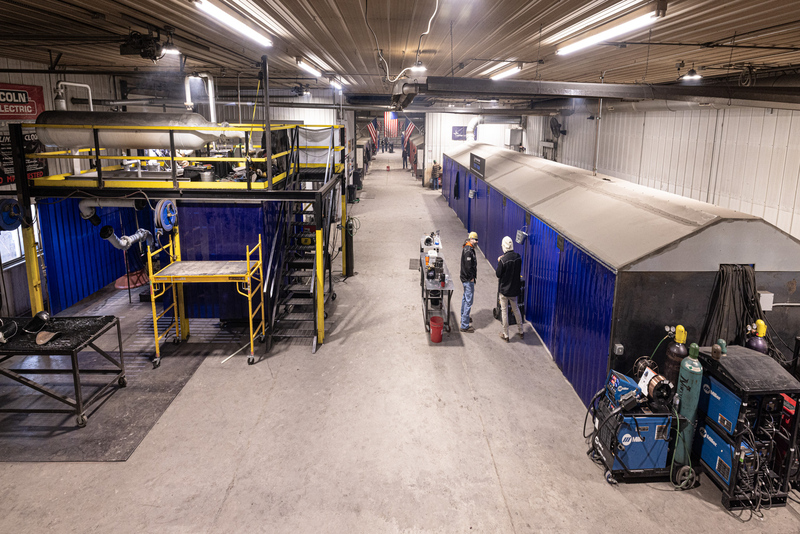
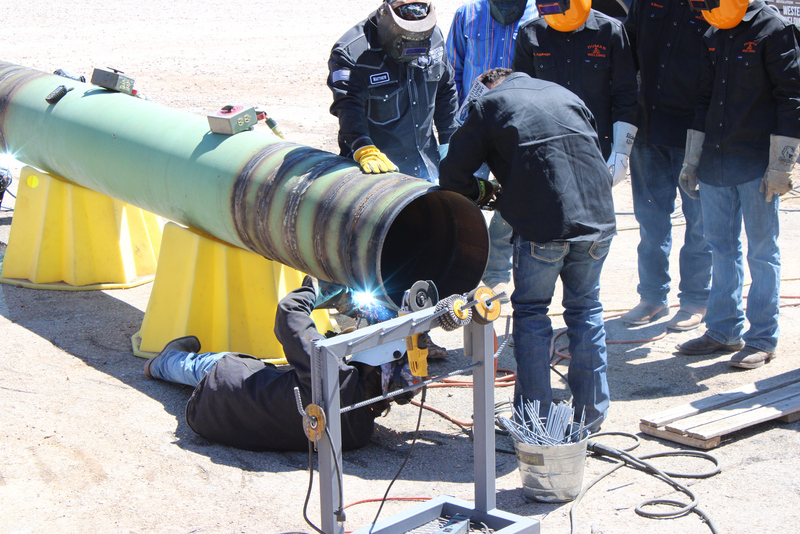
Western Welding Academy runs 40 hours per week with 85% of that time in the welding booth, making it the most intensive pipe welding school in the country for adult retrainers. The curriculum follows a specific progression from arc control and basic stringer beads through flat, horizontal, vertical, and overhead positions, then into pipe joints and certification testing. Students do not choose what to practice. The program tells them what comes next based on where they are in the skill sequence.
That is the opposite of how most adults try to learn welding on their own. Self taught welders pick whatever project looks interesting, skip fundamentals they find boring, and practice bad habits for months before realizing they cannot pass a certification test. Structure prevents all of that.
Why Do Adults Fail Without Structure?
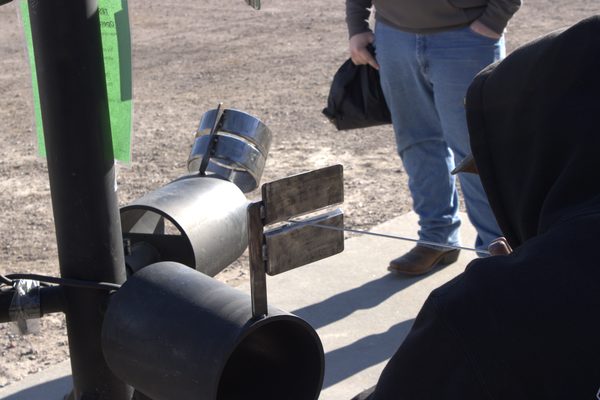
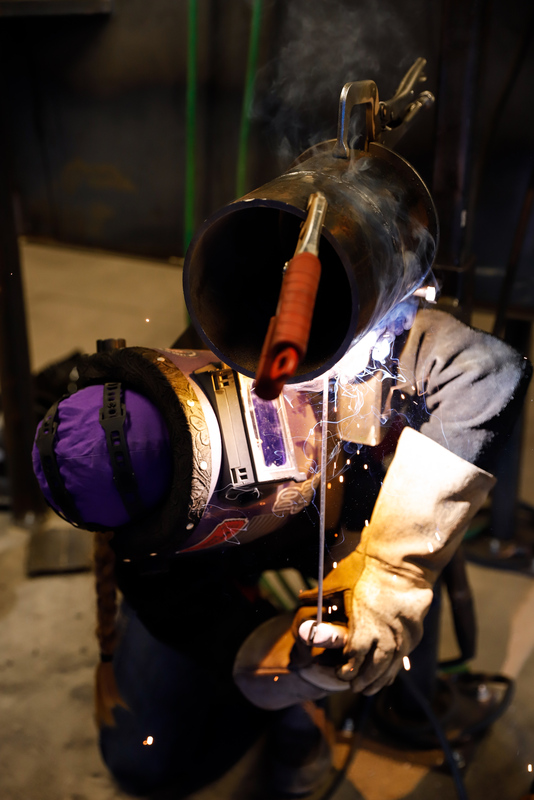
Adults fail without structure for three specific reasons. First, they do not know what they do not know. A self taught welder can run a decent looking bead on flat plate and believe they are ready for pipe work. They are not. Pipe welding requires position control, root penetration, and multi pass technique that flat plate never teaches.
Second, adults learn bad habits faster than teenagers because they practice more intensely. An adult who watches a YouTube tutorial and spends a weekend in their garage will ingrain that technique, right or wrong. Unlearning a bad habit takes longer than learning the correct method from the start. The difference between welding school and an apprenticeship comes down to this: school teaches the right technique first, while apprenticeships often inherit whatever habits the shop already has.
Third, adults need credentials, not just skills. Employers do not hire welders based on what they say they can do. They hire based on certifications. A structured program builds toward specific certifications like API 1104, 6G, and 6GR that self taught welders cannot earn without a qualified testing facility.
Stop guessing and start a structured program. Apply now or call (307) 284-5313.
How Does Structure Compress the Learning Timeline?
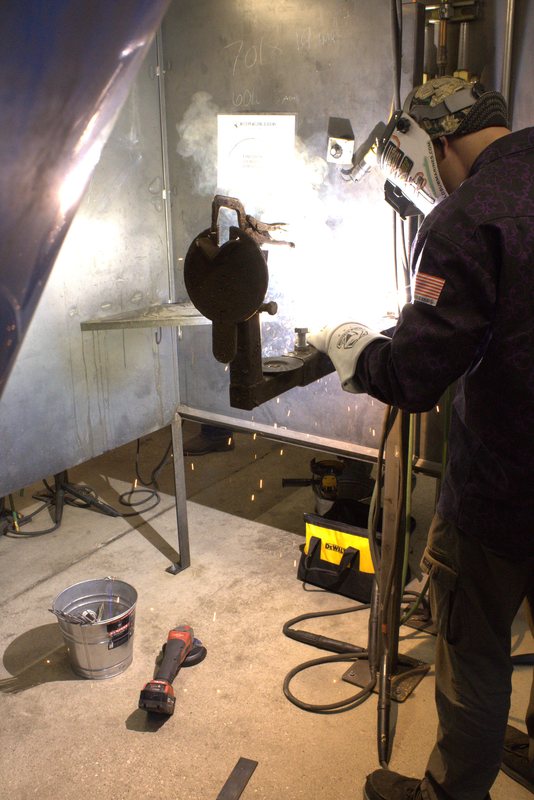
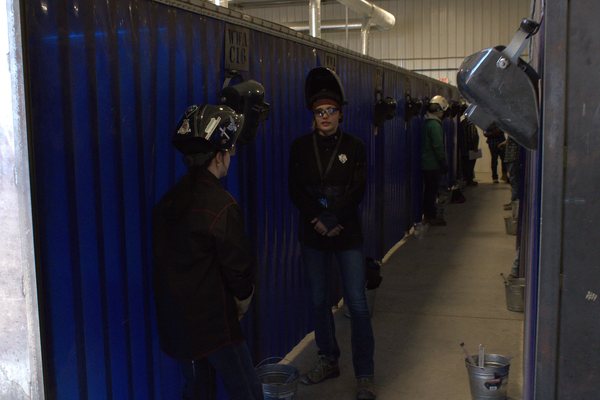
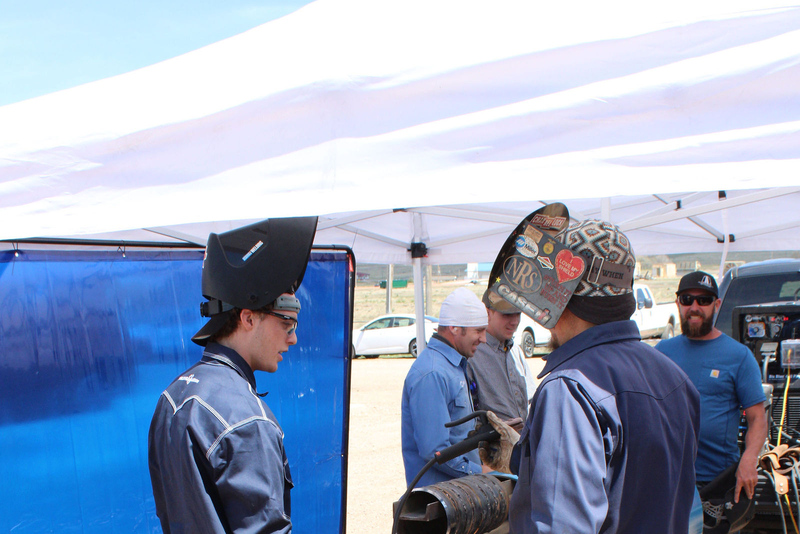
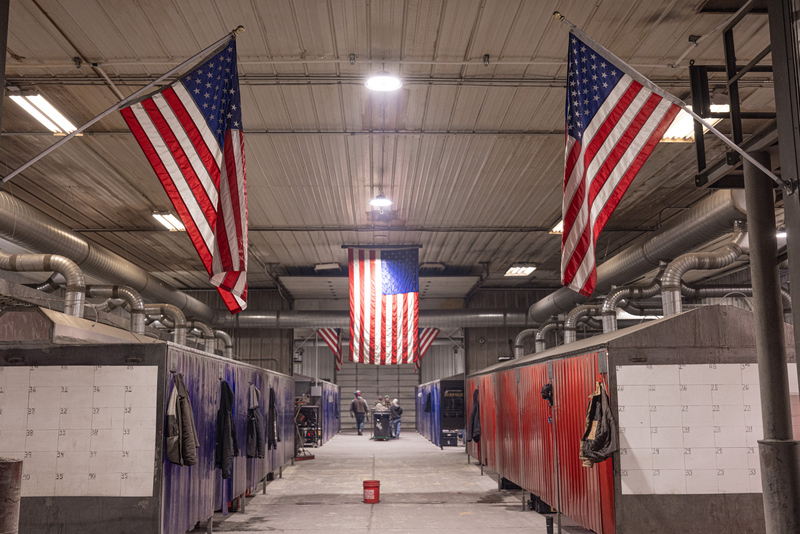
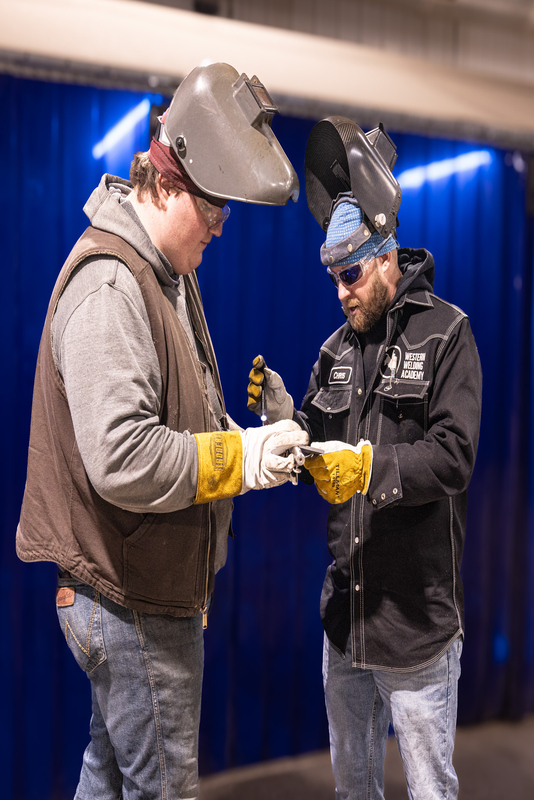
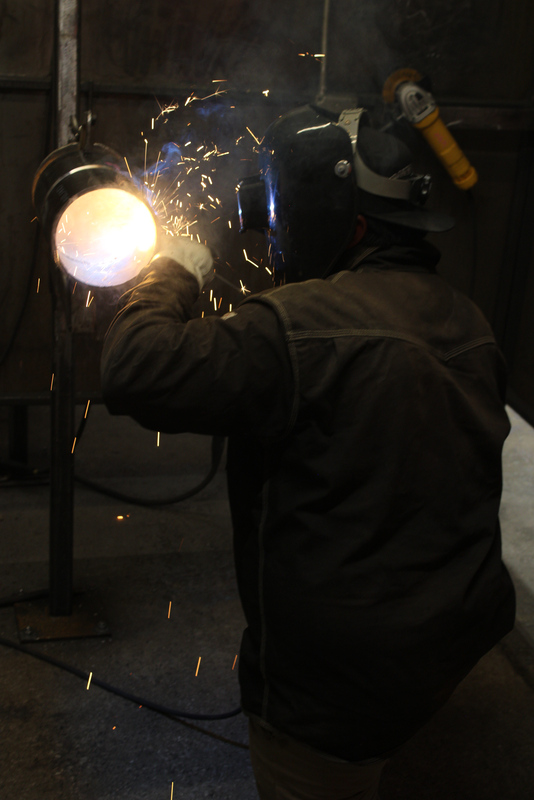
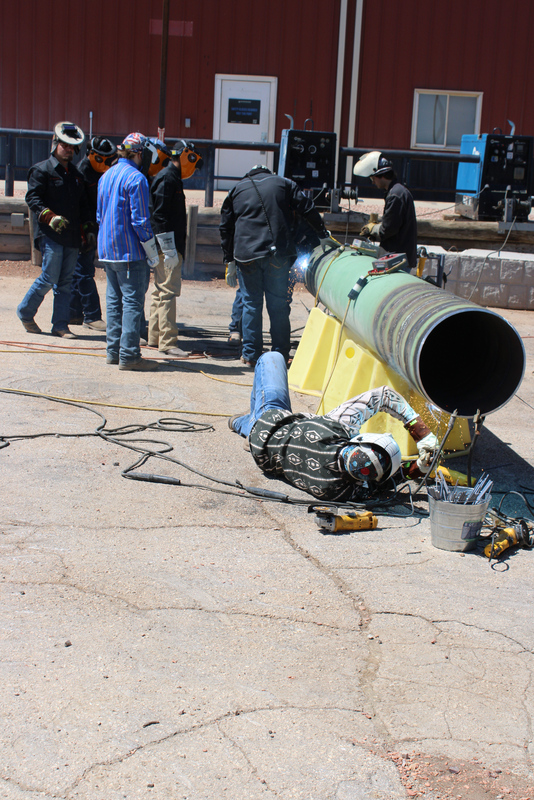
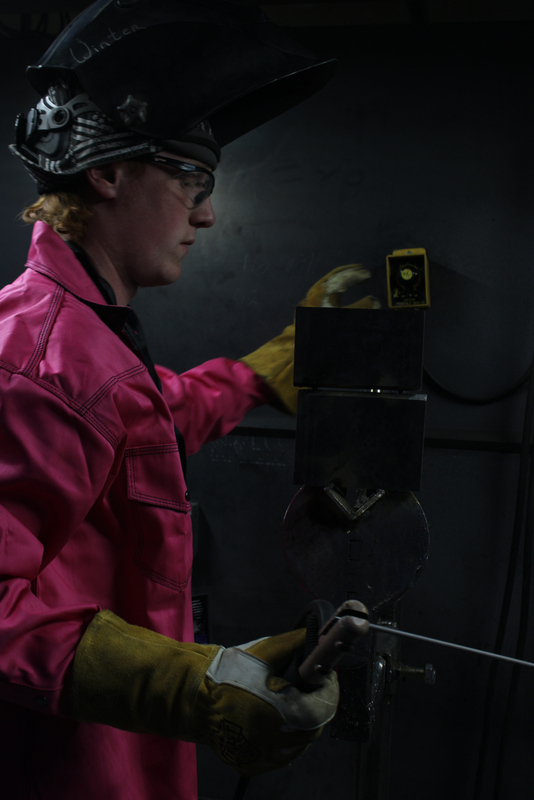
A self taught welder might spend two to three years reaching the skill level that a structured program delivers in 12 to 24 weeks. The reason is daily repetition with expert feedback. At Western Welding Academy, students weld roughly 34 hours per week. Instructors walk through the booth bay correcting technique, adjusting settings, and pushing students to the next skill level as soon as they demonstrate competence at the current one.
Community college programs stretch the same material over 18 to 24 months because students attend part time and spend significant hours in lectures. A structured intensive program delivers more booth hours in 12 weeks than most community college students get in two years. The Foundational Pipe Welder program packs over 400 hours of hands on practice into 12 weeks. The 24 week Expert Pipe Welder exceeds 800 hours.
For an adult retrainer, that compression is everything. Every week in school is a week without income from your previous career. A structured program gets you to certification and employment in the shortest possible window.
What Happens When Adults Choose Unstructured Training?
Unstructured training takes many forms. Weekend workshops at a community makerspace. Online courses that teach theory but zero hands on skill. Borrowing booth time from a friend's shop. Watching hours of welding content on YouTube. Each of these feels productive but none of them lead to a pipe welding career.
The result is the same every time. The adult spends months or years accumulating scattered skills that do not add up to a hireable package. They cannot pass a certification test because no one taught them the specific techniques that tests require. They cannot get hired because employers see no credentials. They eventually realize they need formal training and enroll in a program anyway, having wasted the time and money they spent on the unstructured path.
Western Welding Academy sees this pattern regularly. Students arrive after spending a year or more trying to teach themselves, only to start from the beginning because their self taught technique does not meet certification standards. Even adults with no trade skills can become certified pipe welders in under a year when they choose the right program from the start. The structured program resets their habits and builds correct technique from day one. The 85% Expert graduation rate proves that structure works for students of every background and age.
What Do Structured Program Graduates Earn?
The financial case for a structured program is clear. Graduates of Western Welding Academy earn $60,000 to $125,000 per year depending on their certifications and industry. Self taught welders without certifications typically earn $30,000 to $40,000 in shop fabrication jobs. The certification gap created by skipping structured training costs tens of thousands of dollars per year in lost income. Here are verified earnings from graduates who completed structured programs.
Leyton Wagner earned $4,514 on a single paycheck after completing the Expert Pipe Welder program at Western Welding Academy. That figure is published on the school's website. Gavin Walden posted a $3,986 paycheck on social media. David Smolek shared his $3,417 paycheck publicly. These earnings reflect what certified pipe welders command in pipeline, refinery, and industrial construction work.
Noah started clearing $4,800 per week right out of welding school. Hank reached $150,000 per year at age 21. Every one of these graduates went through a structured program with daily booth time, instructor feedback, and a clear certification path. None of them were self taught.
Invest in structure. The payoff starts in months. Apply now or call (307) 284-5313.
How Do You Evaluate Whether a Program Is Truly Structured?
Not every welding school runs a structured program. Ask five questions before enrolling. First, what percentage of training time is hands on booth time? Below 70% is not enough. Western Welding Academy runs at 85%. Second, is the curriculum fixed or self paced? Fixed curricula with daily instructor oversight prevent students from skipping fundamentals.
Third, what is the graduation rate? A low graduation rate means the program is not structured well enough to carry students through. The Expert program at Western Welding Academy holds an 85% graduation rate compared to the industry average below 60%. Fourth, do students test on site at an AWS certified facility? On site testing means students qualify on the same equipment they trained on. Fifth, what is the 90 day job placement rate? Western Welding Academy places 94% of graduates within 90 days. That number is only possible with a structured program that produces consistently qualified welders.
Frequently Asked Questions
Q1. Can I teach myself pipe welding without a formal program?
You can learn basic welding techniques on your own, but pipe welding requires position control, root penetration, and multi pass skills that demand instructor feedback. Self taught welders cannot earn the 6G, 6GR, or API 1104 certifications that pipeline and refinery employers require without testing at a qualified facility.
Q2. How much does a structured pipe welding program cost?
Programs at Western Welding Academy range from $7,050 for the 12 week Foundational program to $19,800 for the 24 week Expert program. Graduates see a 5 to 7 month payback on tuition from their welding income, making it one of the fastest returns on education investment available.
Q3. Is a community college welding program considered structured?
Community college programs have a curriculum, but the part time schedule (two to three booth hours per week) stretches learning over 18 to 24 months and limits skill retention between sessions. An intensive structured program delivers 34 booth hours per week, which builds muscle memory and arc control faster.
Q4. How long does a structured program take?
Structured intensive programs range from 12 to 24 weeks of full time training at 40 hours per week. The length depends on how many certifications and processes the program covers. The Expert program at 24 weeks covers every process, every position, and the advanced certifications that unlock the highest paying jobs.
Q5. Do employers care whether training was structured or self taught?
Employers care about certifications and weld test results, both of which require structured training to earn. A welder who completed a structured program at the number one AWS Testing Facility holds verifiable credentials that self taught welders cannot match. Employers like SpaceX, boilermakers, and pipefitters recruit directly from Western Welding Academy because of this.
Q6. What makes Western Welding Academy different from other welding schools?
The school runs 85% hands on booth time at 40 hours per week, maintains an 85% Expert graduation rate (industry average is below 60%), places 94% of graduates within 90 days, and operates the number one AWS Testing Facility in the country. Over 2,000 graduates from all 50 states have completed structured training in Gillette, Wyoming.
Choose Structure and Start Your Pipe Welding Career
Structure is the difference between spending years trying and spending weeks succeeding. A structured pipe welding program gives you daily booth time, expert instruction, and a clear path to the certifications that pay $60,000 to $125,000 per year. Call Western Welding Academy at (307) 284-5313 or apply now to start your structured training.


.jpg)


.jpg)


.jpg)
.jpg)
.jpg)
.jpg)
.jpg)
-thumbnail.jpg)

.jpg)