What Structural Welders Already Have That Transfers
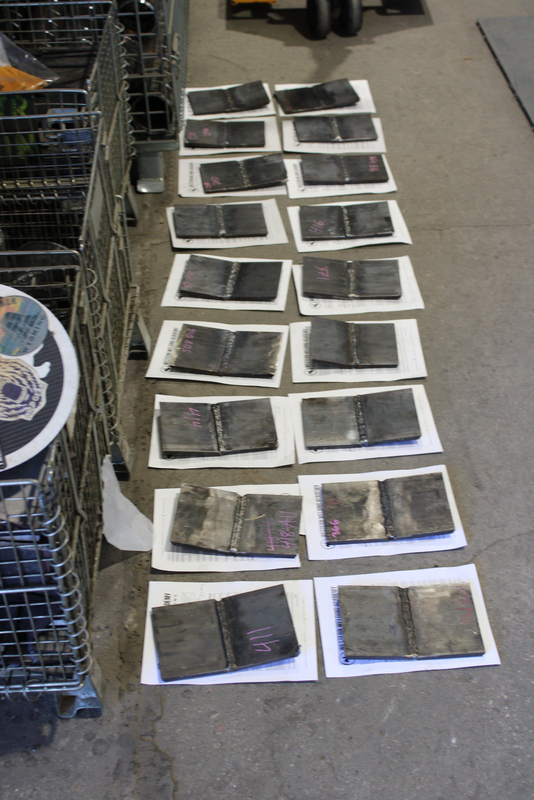
Structural welders bring more transferable skill to pipe training than most other welding backgrounds. You already understand code quality standards because AWS D1.1 demands inspection ready welds. You have worked with multi pass technique on thick material. You know what it means for a weld to be tested and held to a written procedure.
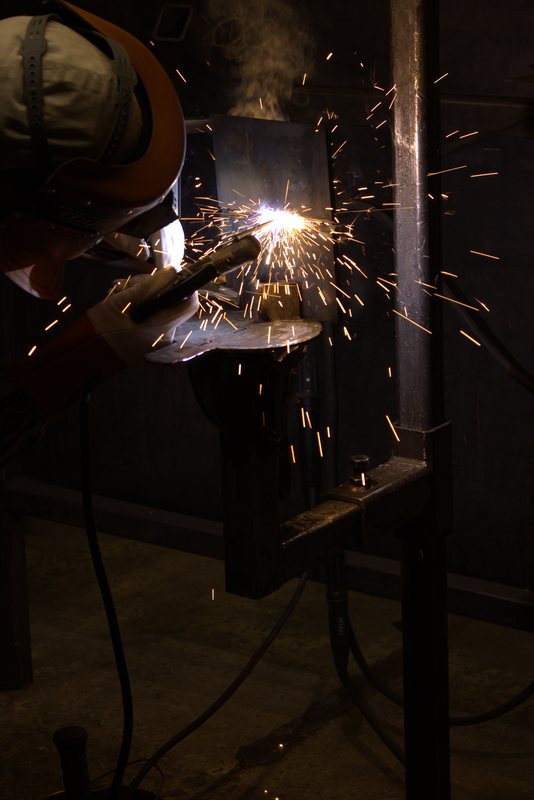
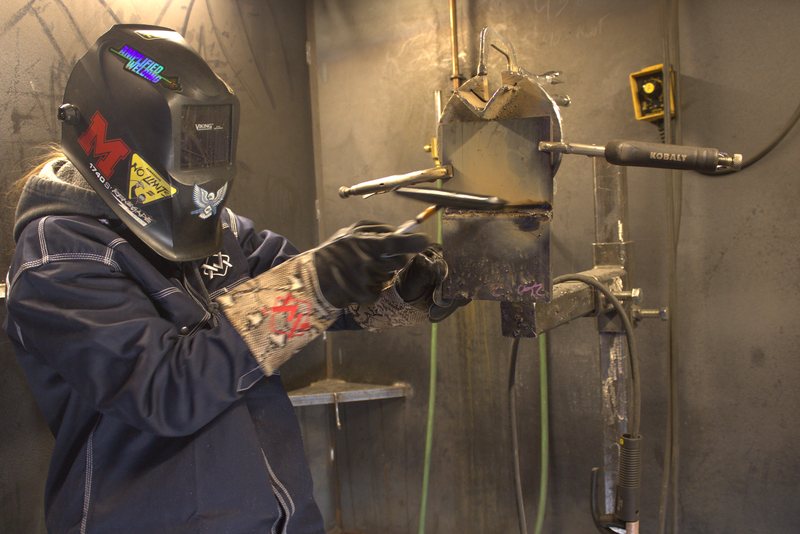
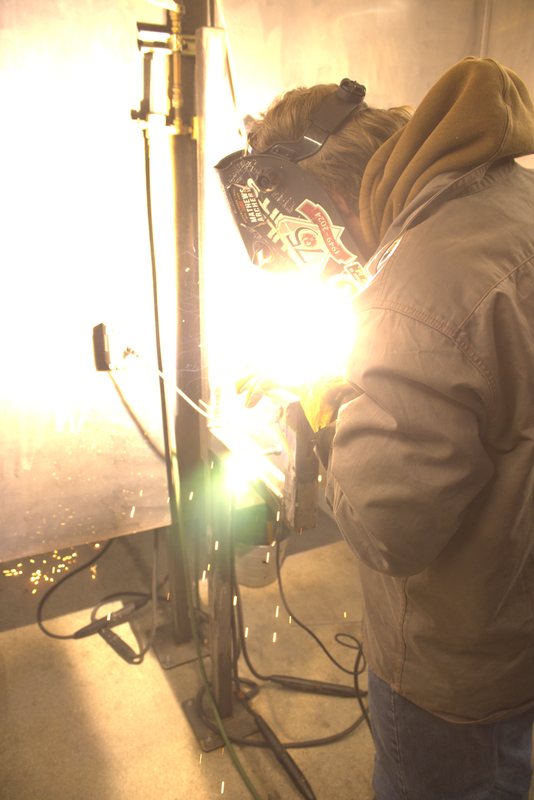
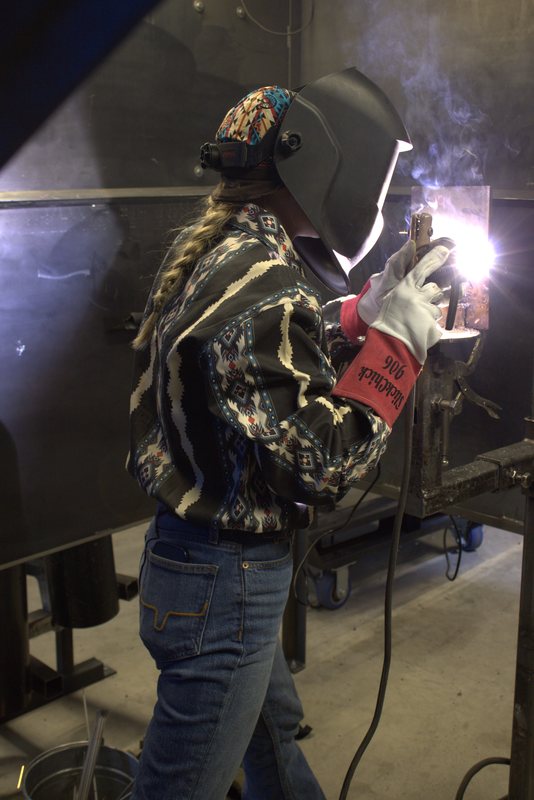
Your stick welding experience transfers directly to pipe. Most structural welders have logged thousands of hours with the stick process in vertical and overhead positions. That position comfort is the single biggest advantage you carry into pipe training. Complete beginners spend their first several weeks just learning to control the arc in positions other than flat. You skip that phase entirely.
Your understanding of welding procedure specifications carries over too. Structural welders follow WPS documents that specify everything from preheat temperature to interpass limits. Pipeline welding uses the same concept under API 1104 and ASME codes. The discipline of following a procedure exactly is already part of how you work.
The Three Gaps Structural Welders Need to Close
Despite strong transferable skills, structural welders have three specific gaps that prevent them from walking onto a pipeline job. Each gap requires targeted training to close.
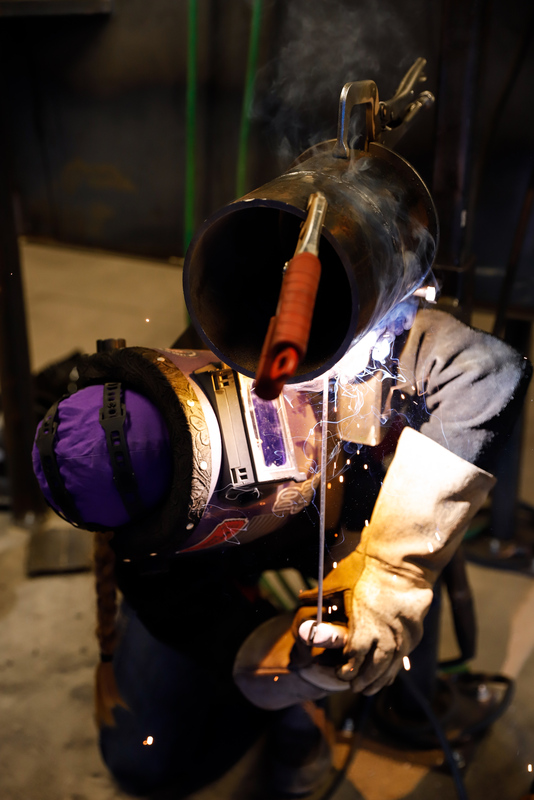
Gap 1: Open root technique. Structural joints use backing bars or are welded from both sides. Pipe joints require open root passes where the welder achieves full penetration from one side only. The keyhole technique for pipe root passes is entirely different from anything in structural welding. This is the skill that takes the most practice to develop.
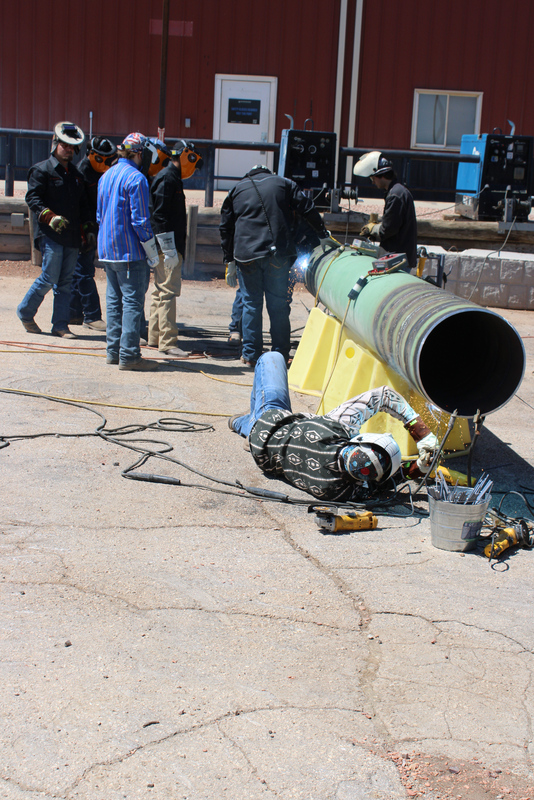
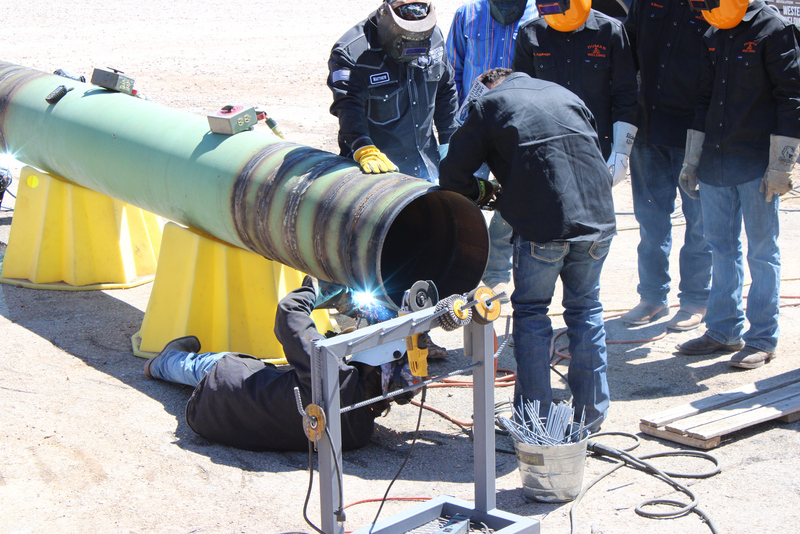
Gap 2: Continuous position welding. Structural welders work in fixed positions. You set up for a vertical weld and stay vertical. Pipe welding in the 6G position requires continuous movement through every position on a single joint. Your body position, rod angle, and travel speed must change constantly as you move around the pipe. This is a new motor skill that structural welding does not develop.
Gap 3: TIG root passes. Many pipeline and refinery jobs require TIG root passes with stick fill and cap. Most structural welders have limited or no TIG experience. Learning TIG from scratch takes dedicated training time. The good news is that your existing hand stability and arc control from stick work accelerate TIG learning significantly.
Close the three gaps between structural and pipeline welding. Apply now or call (307) 284-5313.
Which Program Fits a Structural Welder's Background
The right program depends on your current skill set and your earning goal. Western Welding Academy offers three pipe welding programs that serve different starting points.
The Foundational Pipe Welder program runs 12 weeks at $7,050. For a structural welder with strong stick skills and multi position experience, this program covers the pipe specific gaps efficiently. You earn API 1104 and 6G certifications. This is the fastest path to a pipeline paycheck if you have a solid structural foundation.
The Professional Pipe Welder program runs 19 weeks at $13,600. This program adds TIG pipe technique and ASME Section IX qualifications. If you want to qualify for refinery work in addition to pipeline jobs, this is the right fit. The extra 7 weeks cover the TIG gap that most structural welders need to close.
The Expert Pipe Welder program runs 24 weeks at $19,800. This program earns every certification that pipeline and refinery employers require, including 6GR restricted access. Structural welders who complete the Expert program graduate with the full certification stack and qualify for the highest paying work. The program maintains an 85% graduation rate compared to an industry average below 60%. Structural welders make the transition fastest at a pipe welding school built specifically for pipeline certification.
The Structural to Pipeline Earnings Jump
The financial case for the transition is straightforward. Structural welding pays $45,000 to $70,000 per year depending on location and experience. Pipeline welding pays $60,000 to $125,000 per year. The difference is $15,000 to $55,000 annually. Training costs $7,050 to $19,800 depending on the program. The tuition pays for itself within 5 to 7 months of the higher earning rate.
Here are verified paychecks from Western Welding Academy graduates who made the jump from general welding to pipeline work.
Leyton Wagner earned $4,514 on a single paycheck after completing the Expert Pipe Welder program at Western Welding Academy. That figure is published on the school's website. Gavin Walden posted a $3,986 paycheck on social media. David Smolek shared his $3,417 paycheck publicly.
Noah started clearing $4,800 per week right out of welding school. Hank reached $150,000 per year at age 21. The structural skills you already have shorten the training timeline. The pipeline certifications you earn multiply the paycheck.
How Structural Welders Move Through Training Faster
Your structural background gives you a measurable speed advantage. Complete beginners at Western Welding Academy spend the first 3 to 4 weeks building basic arc control, rod manipulation, and position comfort. You already have those skills. Your training starts at pipe specific technique from day one.
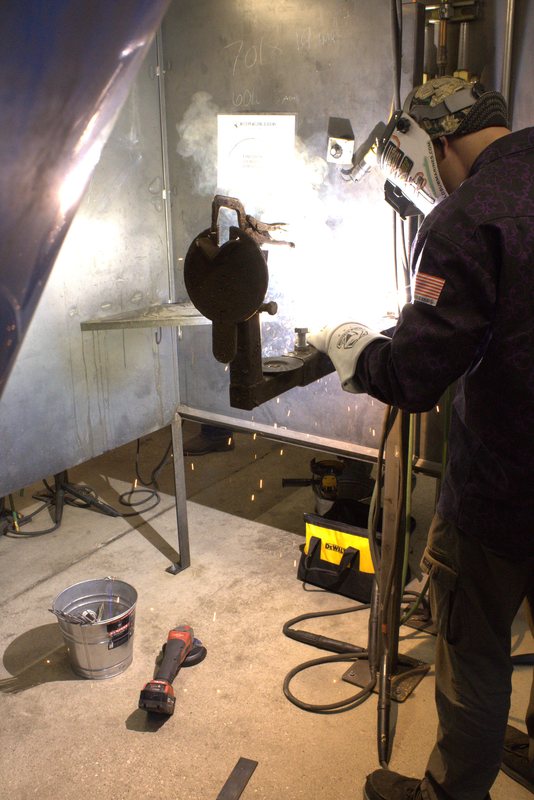
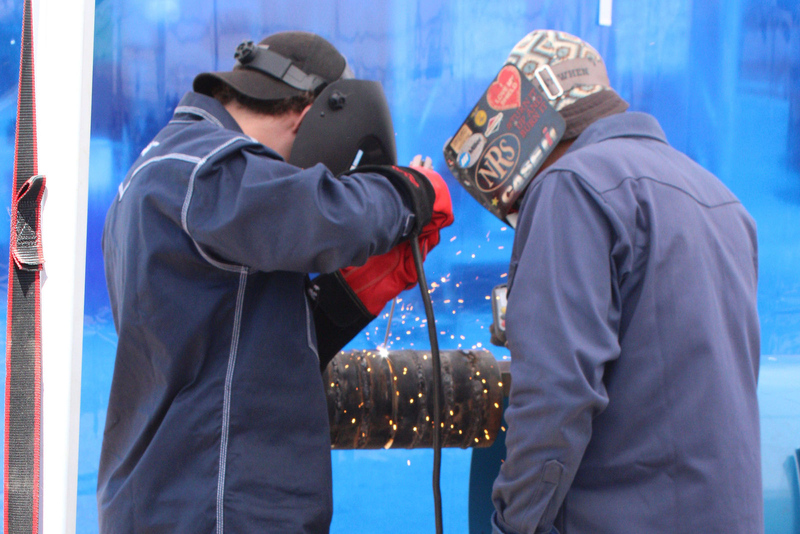
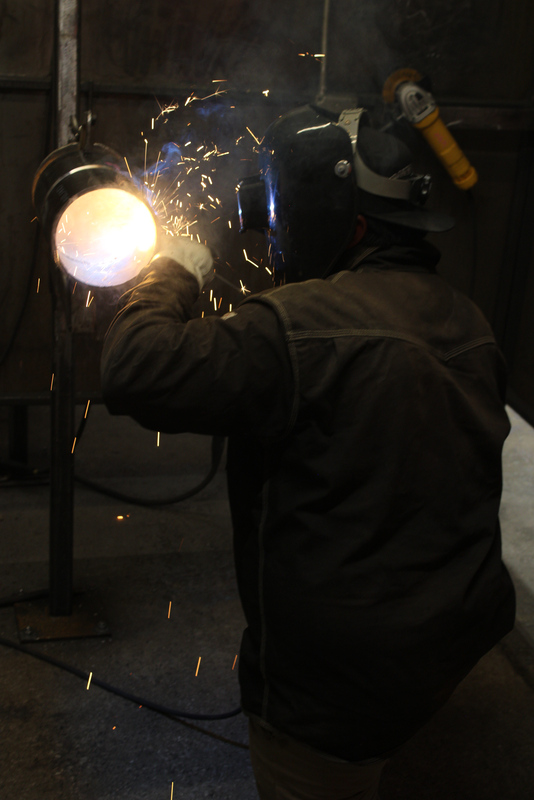
The 85% hands on booth time at 40 hours per week means you spend roughly 34 hours per week actually welding pipe. For a structural welder, those hours compound faster because you are refining existing motor skills rather than building new ones from zero. Instructors work with you daily to redirect structural habits into pipe technique rather than teaching fundamentals you already know.
Western Welding Academy places 94% of graduates within 90 days. Structural welders with existing industry connections and a clean work history often receive offers even faster. Some graduates line up pipeline jobs before their training ends. The combination of structural credentials plus pipe certifications makes you a versatile hire that contractors value.
Turn your structural foundation into pipeline earnings. Apply now or call (307) 284-5313.
Frequently Asked Questions
Q1. Do I need to give up structural welding to pursue pipeline work?
No. Adding pipe certifications to your structural credentials makes you more versatile. You can work pipeline projects during peak season and take structural jobs during slower periods. Many welders rotate between both depending on where the highest paying work is at any given time.
Q2. Will my AWS D1.1 certification transfer to pipeline work?
AWS D1.1 does not substitute for API 1104 or 6G pipe certifications. Pipeline contractors require pipe specific credentials. However, your D1.1 experience means you already understand code quality welding. That understanding accelerates your pipe training significantly.
Q3. How much faster do structural welders progress compared to beginners?
Structural welders typically skip 2 to 4 weeks of foundational training that beginners need. Your position welding experience and stick process knowledge let you start pipe specific technique immediately. The net result is faster progression through the program.
Q4. Is the Foundational program enough for a structural welder?
The 12 week Foundational program earns API 1104 and 6G certifications, which qualify you for most pipeline jobs. If you want TIG pipe capability and ASME refinery credentials, the Professional or Expert programs are better fits. Choosing between programs depends on your earning goal.
Q5. Can I attend while still working structural jobs?
The program runs 40 hours per week with 85% booth time. That is a full time commitment. Most students pause their current work during training. The intensive format is what compresses 2 years of community college content into 12 to 24 weeks.
Q6. What makes Western Welding Academy different from other welding schools?
The school runs 85% hands on booth time at 40 hours per week, maintains an 85% Expert graduation rate compared to an industry average below 60%, places 94% of graduates within 90 days, and operates the number one AWS Testing Facility in the country. Over 2,000 graduates from all 50 states have completed training in Gillette, Wyoming.
Make the Move From Structural Steel to Pipeline Pay
Your structural skills are the foundation. Pipe certifications are the multiplier. The transition takes 12 to 24 weeks of focused training and the earnings difference lasts for decades. Call Western Welding Academy at (307) 284-5313 or apply now to turn your structural experience into pipeline earning power.


.jpg)


.jpg)


.jpg)
.jpg)
.jpg)
.jpg)
.jpg)
-thumbnail.jpg)

.jpg)