What MIG Welding Is and How the Process Works
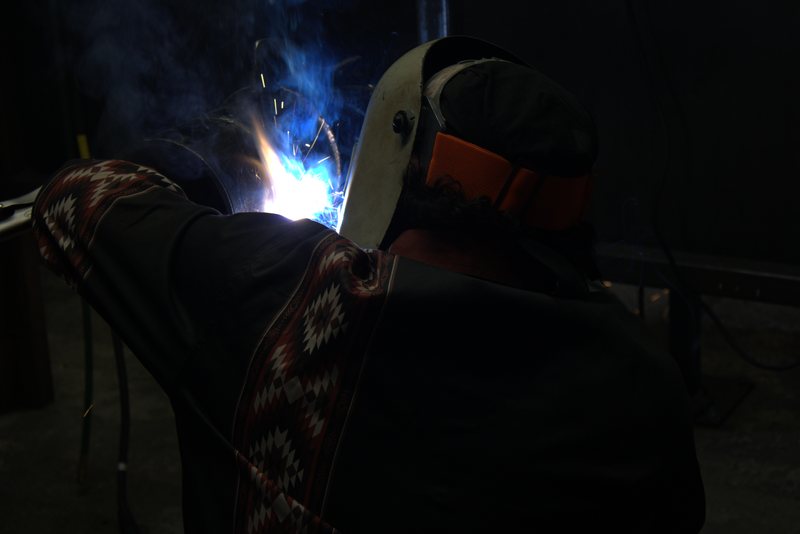
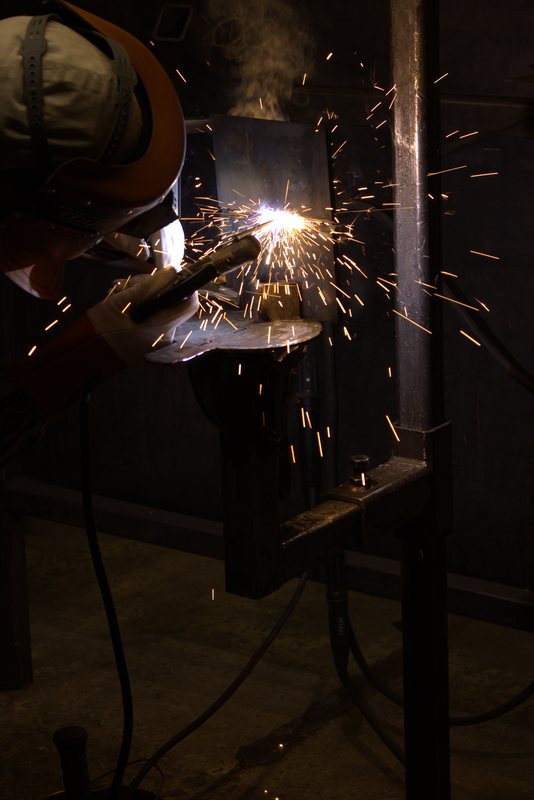
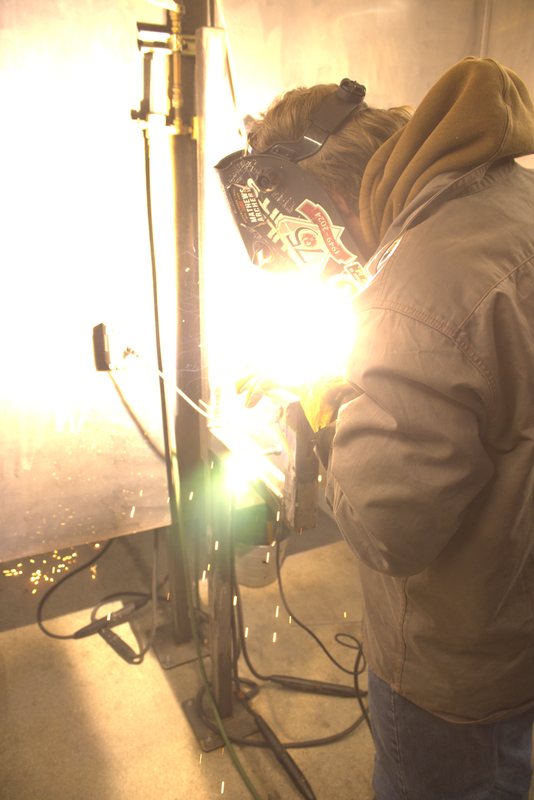
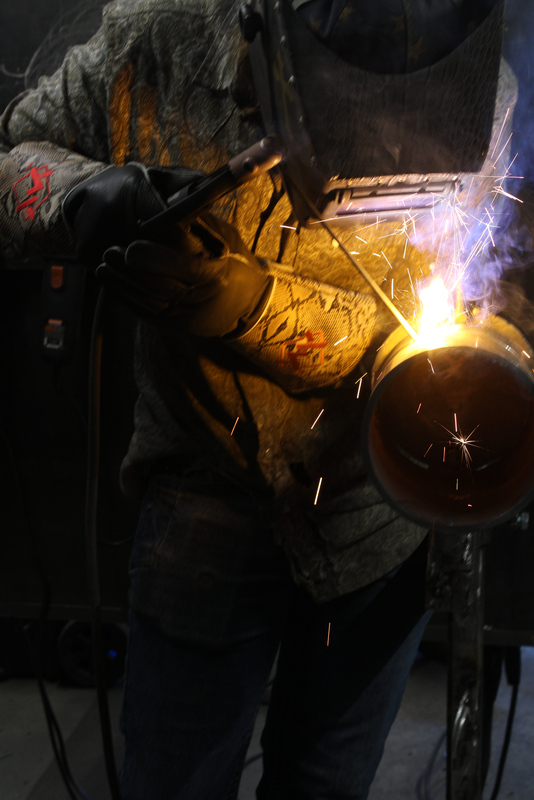
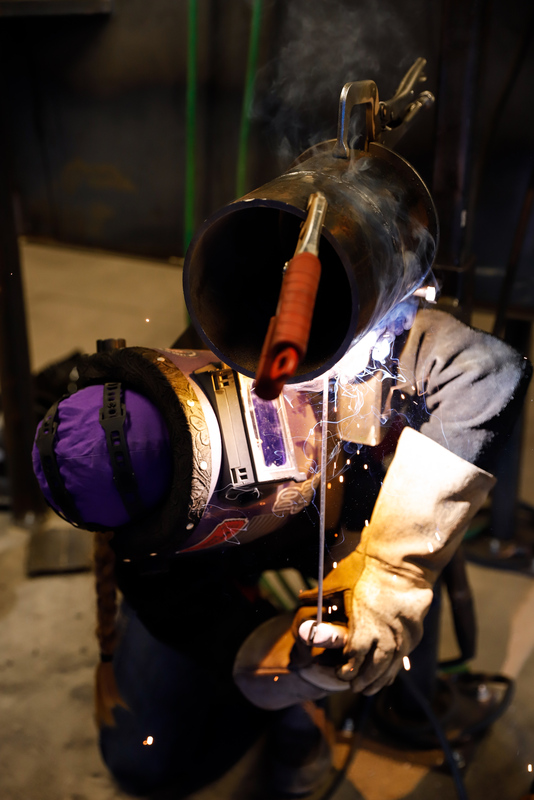
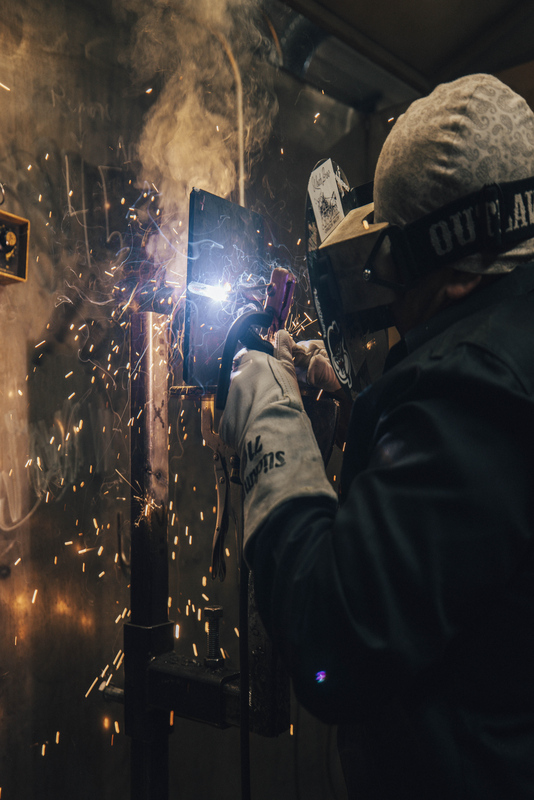
MIG stands for Metal Inert Gas, formally known as Gas Metal Arc Welding (GMAW). The machine feeds a continuous solid wire electrode through a gun at a speed you set. The wire melts into the joint while shielding gas flows through the nozzle to protect the weld pool from atmospheric contamination. You pull the trigger, aim the gun, and move at a steady pace. The machine handles the rest.
The process works on mild steel, stainless steel, and aluminum depending on the wire and gas combination. Most beginners start on mild steel with .030 or .035 inch wire and 75/25 argon/CO2 shielding gas (called C25). This combination produces a stable arc, moderate penetration, and low spatter. MIG is the standard process in manufacturing, fabrication shops, and automotive repair.
Essential Equipment for MIG Welding
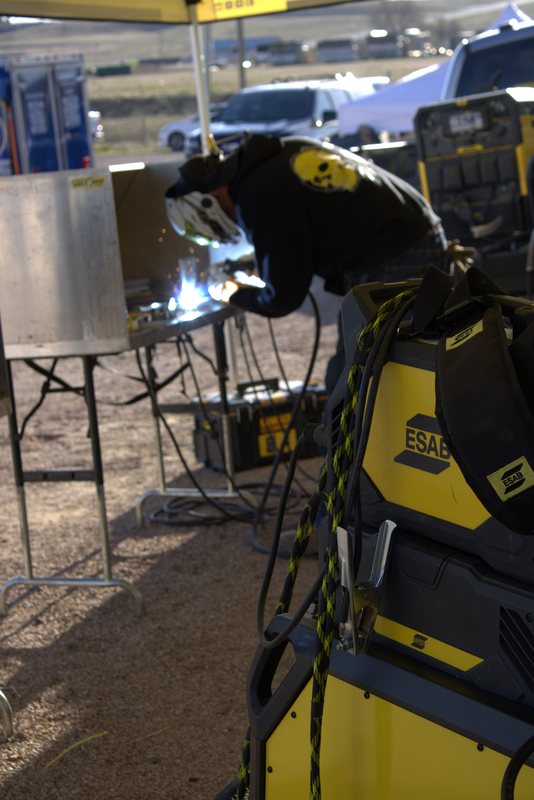
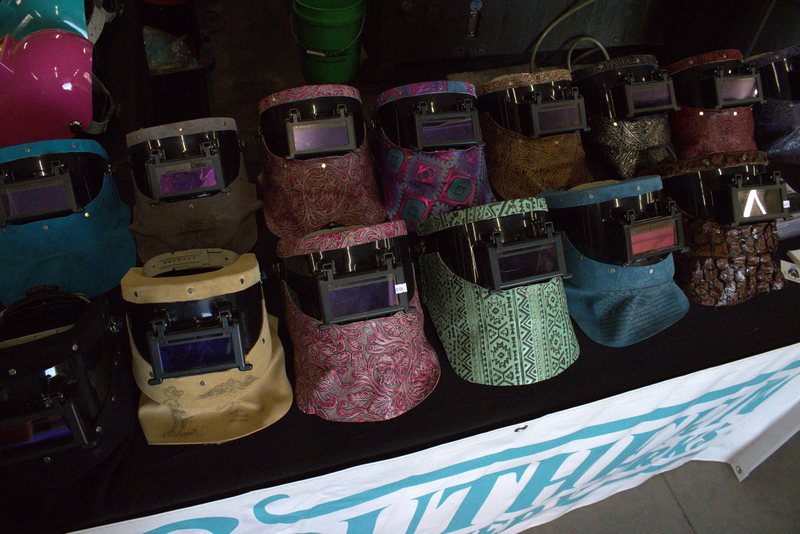
A basic MIG setup includes the welding machine (110V or 220V), a spool of solid wire, a shielding gas bottle with regulator, and the MIG gun that comes with the machine. Budget machines start at $300 to $500. Quality units from Lincoln, Miller, or Hobart run $500 to $1,500. You also need an auto-darkening helmet (Shade 10 to 13), safety glasses, MIG welding gloves, and a wire brush for cleaning.
Set gas flow at 15 to 25 CFH (cubic feet per hour) for indoor work. Higher flow rates waste gas without improving coverage. Lower rates cause porosity from atmospheric contamination. The gas bottle connects to the regulator on the back of the machine, and the gas hose routes through the MIG gun to the nozzle. Check all connections for leaks before welding. Read the full list of tools every welder should own.
Ready to launch your welding career? Apply now or call Western Welding Academy at (307) 284-5313 today.
How to Set Up Your MIG Welder
Start by matching wire size to material thickness. Use .030 inch wire for 24 gauge to 3/16 inch steel. Use .035 inch wire for 3/16 inch and thicker. Set voltage based on thickness: 15 to 17 volts for thin material (1 to 2mm), 17 to 19 volts for 1/8 inch, and 19 to 21 volts for 3/16 inch and up. Adjust wire feed speed until the arc sounds like a steady, crisp frying sound.
The general rule is 1 amp per .001 inch of material thickness. So 1/8 inch steel (.125 inch) needs roughly 125 amps. Your wire feed speed controls amperage on a MIG machine. Start in the middle of the recommended range for your wire size and thickness, then adjust based on the arc sound and bead appearance. Too much wire speed causes the wire to stub into the puddle. Too little creates a weak, cold bead that sits on top of the metal.
Basic MIG Welding Technique
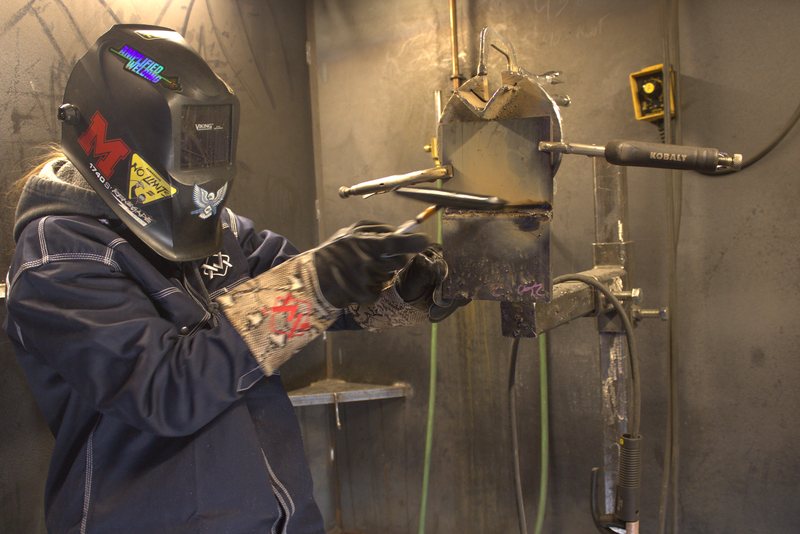
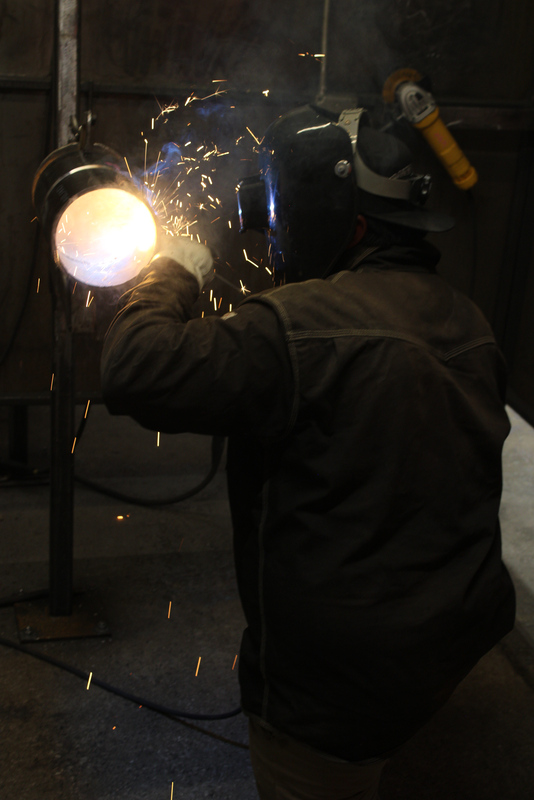
Hold the gun at 10 to 15 degrees from vertical, tilted in the direction of travel (push technique for gas-shielded MIG). Maintain 3/8 to 1/2 inch stick-out distance between the contact tip and the workpiece. Travel at a steady pace, watching the weld pool form behind the arc. The bead should be flat to slightly convex with even edges and consistent width.
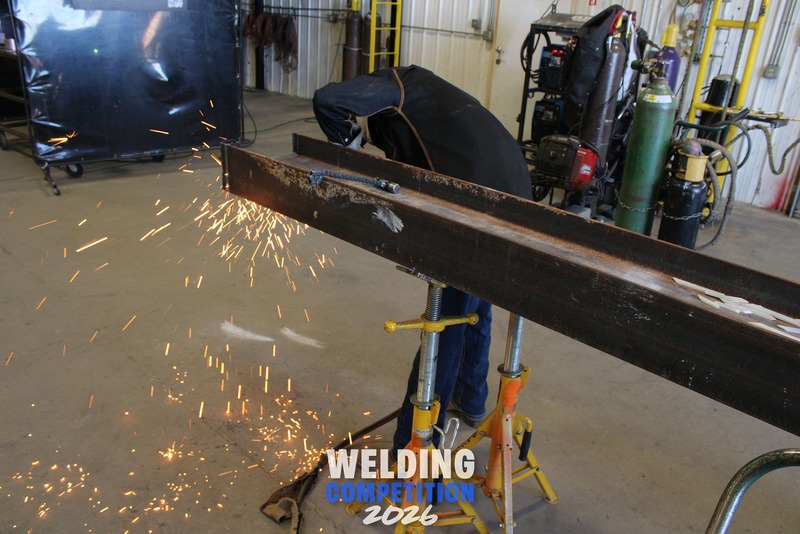
For flat position welding on butt joints, use a slight weave or straight-line technique. For fillet welds (T-joints), aim the gun into the corner at 45 degrees. Start with flat position work and progress to horizontal, vertical, and overhead as your control improves. Most beginners can produce acceptable flat position beads within their first few hours of practice. Understanding MIG is the foundation for learning how to choose between MIG, TIG, and stick welding.
Common MIG Welding Mistakes and How to Fix Them
Porosity (holes in the weld) means your shielding gas coverage is inadequate. Check gas flow rate, nozzle for spatter buildup, and drafts blowing gas away. Burn-through means too much heat for the material thickness. Reduce voltage, increase travel speed, or switch to thinner wire. A cold, lumpy bead sitting on top of the metal means not enough heat or too fast a travel speed.
Excessive spatter usually indicates voltage too high relative to wire speed, or contaminated base metal. Clean the metal with a wire brush or grinder before welding. Inconsistent bead width means unsteady hand movement. Practice running straight beads on scrap metal until your travel speed becomes automatic.
Why Learning MIG at a School Beats Self-Teaching
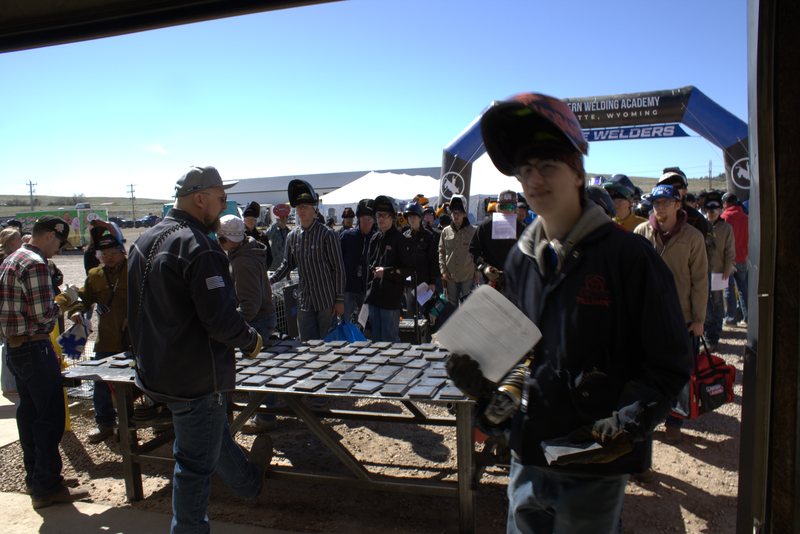
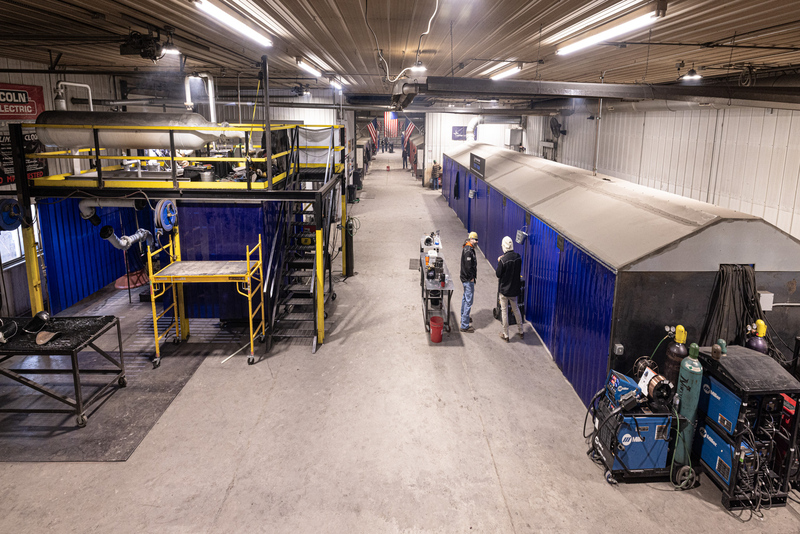
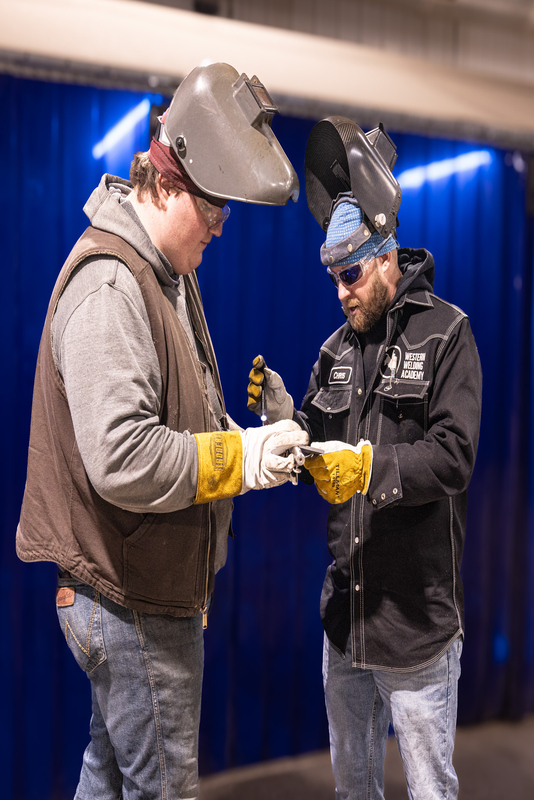
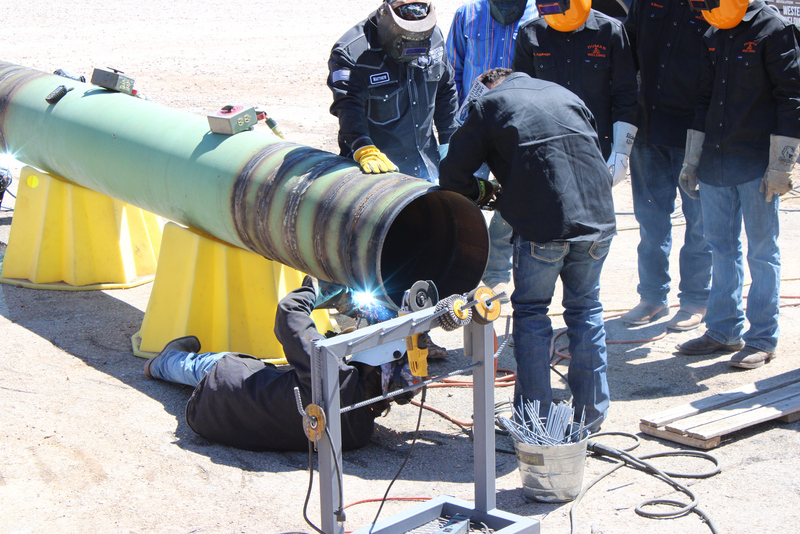
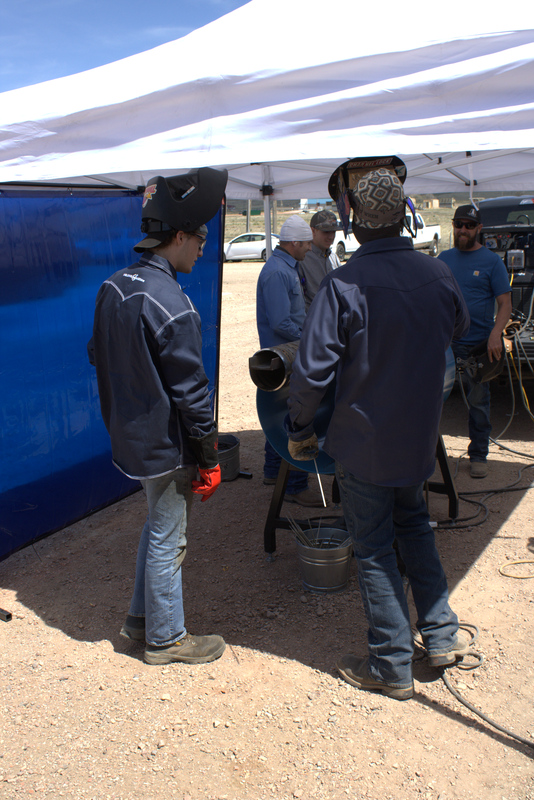
Western Welding Academy teaches MIG as part of a complete multi-process curriculum. Students get real-time instructor feedback on every bead, 85 percent booth time, and progression through all positions. The Foundational Pipe Welder program runs 12 weeks at $17,050 covering MIG, TIG, and stick. The school holds a 94 percent hire rate within 90 days, verified by a 234-alumni survey. With 2,000 graduates and the number one AWS Accredited Testing Facility ranking, the school turns MIG beginners into multi-process professionals.
What Western Welding Academy Graduates Earn
Graduates of Western Welding Academy earn verified paychecks that show what happens when beginners get professional-level training.
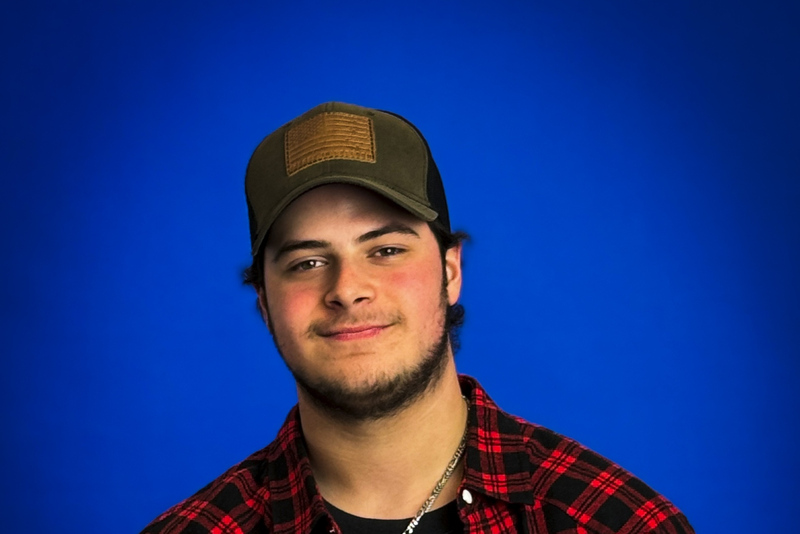
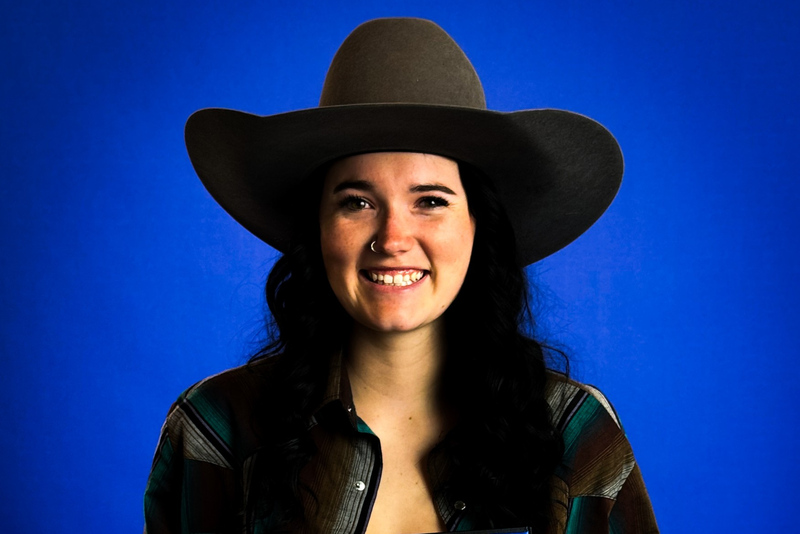
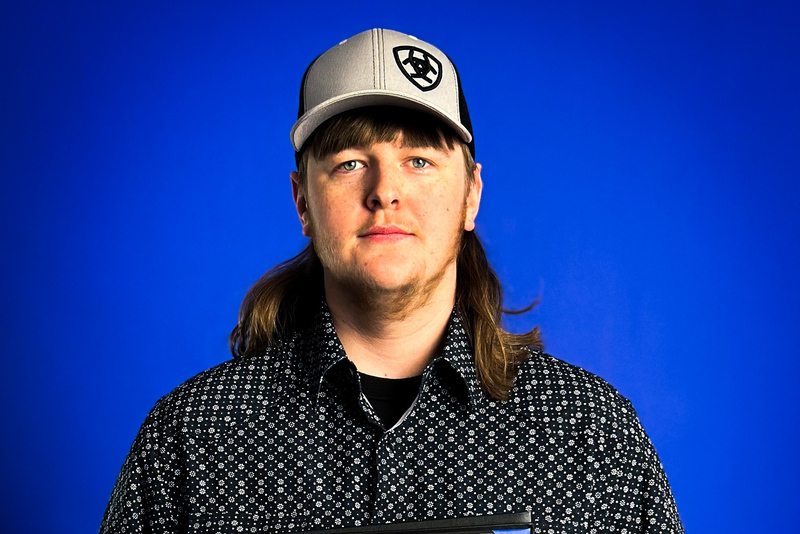
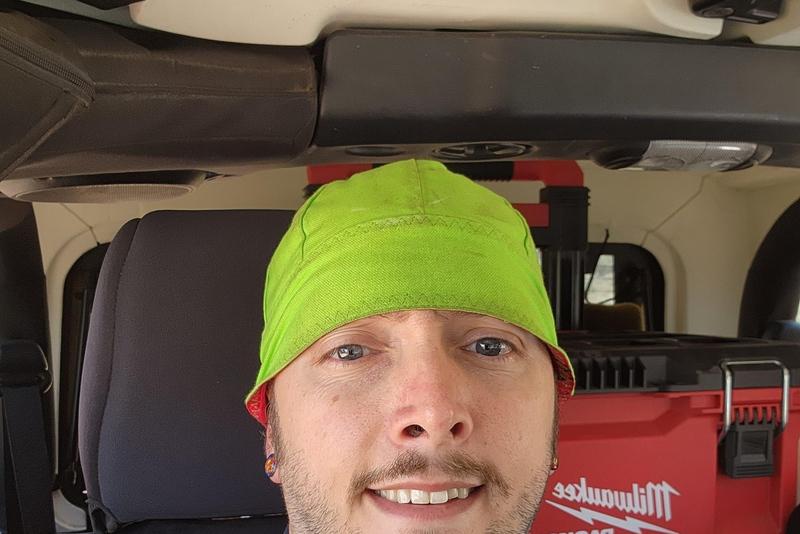
Leyton Wagner earns $4,514 per paycheck. He started as a beginner and built multi-process skills that command premium pay. Gavin Walden takes home $3,986 per paycheck. David Smolek earns $3,417 per paycheck. Noah clears $2,800 per week on the North Slope in Alaska. Hank reached $150,000 per year by age 21.
Ready to launch your welding career? Apply now or call Western Welding Academy at (307) 284-5313 today.
Frequently Asked Questions
Q1. Is MIG welding easy to learn?
MIG is the easiest welding process for beginners because the machine handles wire feeding. Most people can produce acceptable flat position beads within their first few hours. Mastering all positions and achieving consistent quality takes weeks to months of focused practice.
Q2. What gas do you use for MIG welding?
The standard shielding gas for MIG welding on mild steel is 75 percent argon / 25 percent CO2, called C25. Pure CO2 is cheaper and provides deeper penetration but increases spatter. Pure argon is used for aluminum. Set flow rate at 15 to 25 CFH for indoor work.
Q3. What thickness can MIG handle?
MIG welding handles 24 gauge sheet metal up to 1/2 inch plate steel with the right machine and wire size. A 110V machine handles up to 3/16 inch. A 220V machine handles 1/4 inch and thicker. For material over 3/8 inch, multiple passes or switching to a higher-deposition process like FCAW is more efficient.
Q4. What is the correct MIG gun angle?
Hold the MIG gun at 10 to 15 degrees from vertical, tilted in your direction of travel (push technique). For fillet welds, aim the gun at 45 degrees into the joint corner. Consistent gun angle is one of the most important factors in producing even, quality beads.
Q5. Should I learn MIG before TIG or stick?
MIG is the easiest starting point, but pipe welding careers require TIG and stick. If your goal is manufacturing or fabrication, start with MIG. If your goal is pipe welding or the highest-paying specialties, a program that teaches all three processes simultaneously is the strongest approach.
Q6. What makes Western Welding Academy different from other welding schools?
Western Welding Academy teaches MIG, TIG, stick, and flux-core with 85 percent hands-on booth time and instructor feedback on every weld. The school holds a 94 percent hire rate within 90 days, verified by a 234-alumni survey. With 2,000 graduates, 330 combined instructor years, and the number one AWS Accredited Testing Facility ranking, beginners become professionals in 12 to 24 weeks.
Start MIG Welding with Professional Guidance
MIG is the starting line. The right training turns it into a career. Call Western Welding Academy at (307) 284-5313 or apply now to learn MIG and every other process from day one.

.jpg)
.jpg)


.jpg)
.jpg)
.jpg)
.jpg)
.jpg)
-thumbnail.jpg)

.jpg)