What Does Learning on the Job Actually Look Like?
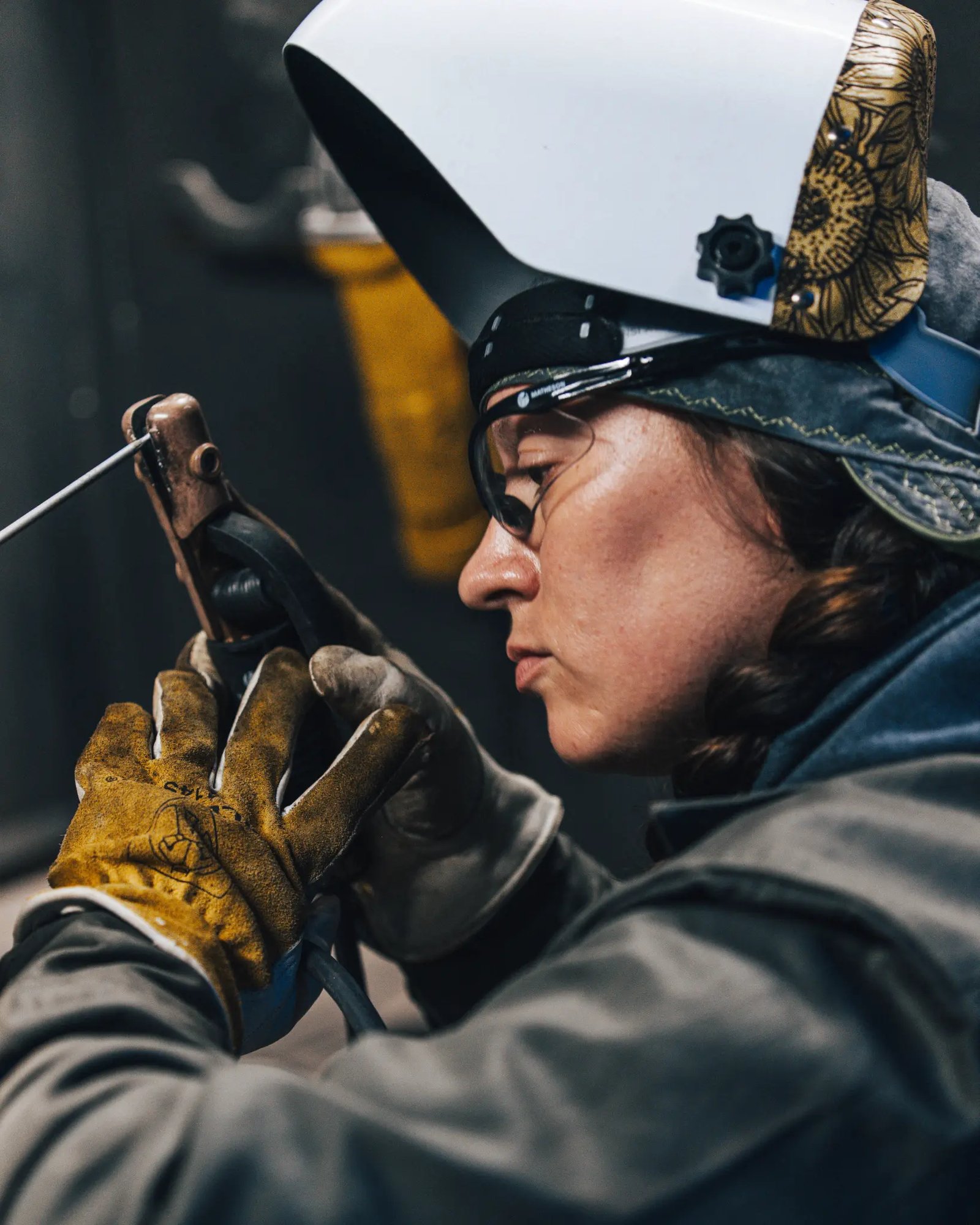
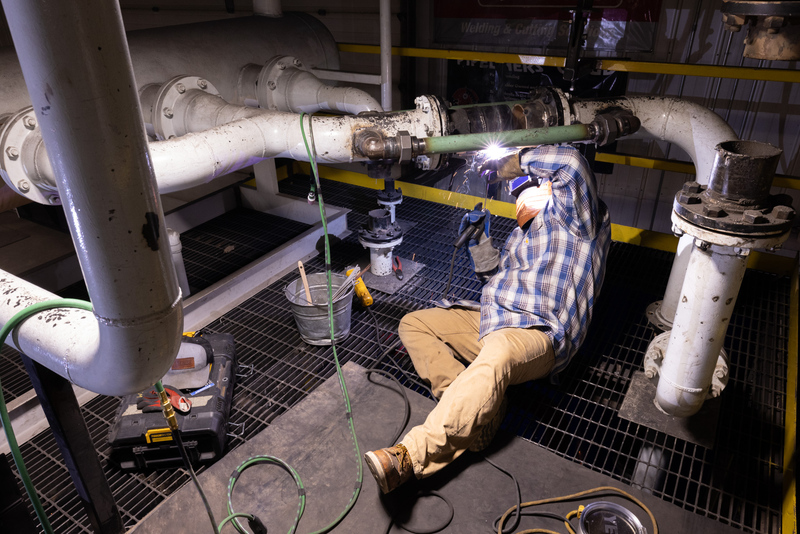
On the job training in welding usually means starting as a helper or fitter's assistant. You carry material, grind welds, and watch experienced welders work. Over months or years, someone might let you run a few beads. If the crew is busy, nobody has time to teach proper technique. You learn whatever habits the person next to you has, whether those habits are good or bad.
Apprenticeship programs offer more structure than helper positions, but they still take 3 to 5 years to complete. During that time, apprentices earn reduced wages while splitting time between classroom instruction and supervised work. The total hours before independent welding certification often exceed 8,000. By comparison, Western Welding Academy produces certified pipe welders in 12 to 24 weeks with 480 to 960 concentrated booth hours.
Self-taught welding through YouTube videos and garage practice creates the widest skill gaps. Without an instructor correcting your technique in real time, bad habits become permanent. A self-taught welder might produce clean looking beads on flat plate, but they rarely develop the overhead and pipe welding skills that qualify them for the highest paying positions. Most pipeline and refinery employers will not hire a welder without formal certification regardless of their claimed experience.
How Is Structured Welding Training Different?
Structured welding training compresses years of scattered learning into weeks of focused, progressive instruction. At Western Welding Academy, every student follows the same proven curriculum. The Foundational Pipe Welder program covers stick welding fundamentals through pipe welding in 12 weeks at $7,050. The Professional Pipe Welder program expands to stick, MIG, TIG, and flux core on plate and pipe over 19 weeks at $12,600. The Expert Pipe Welder program adds advanced TIG pipe, stainless steel, and chrome moly in 24 weeks at $16,800.
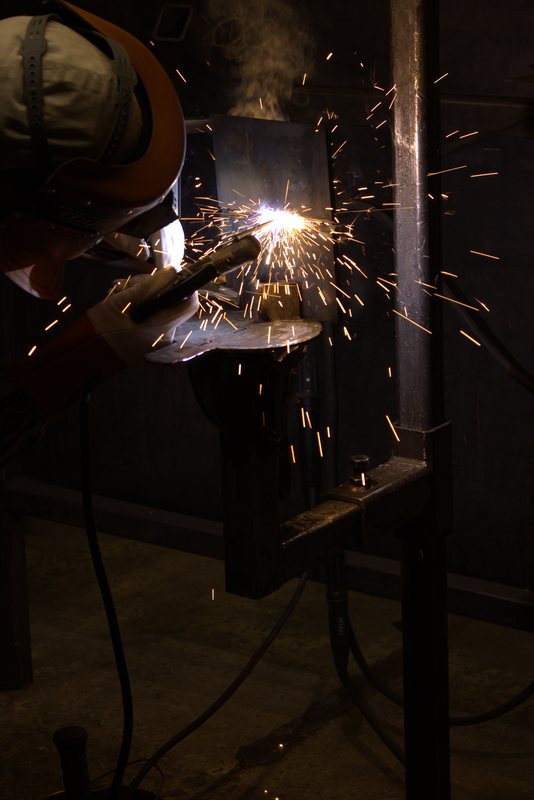
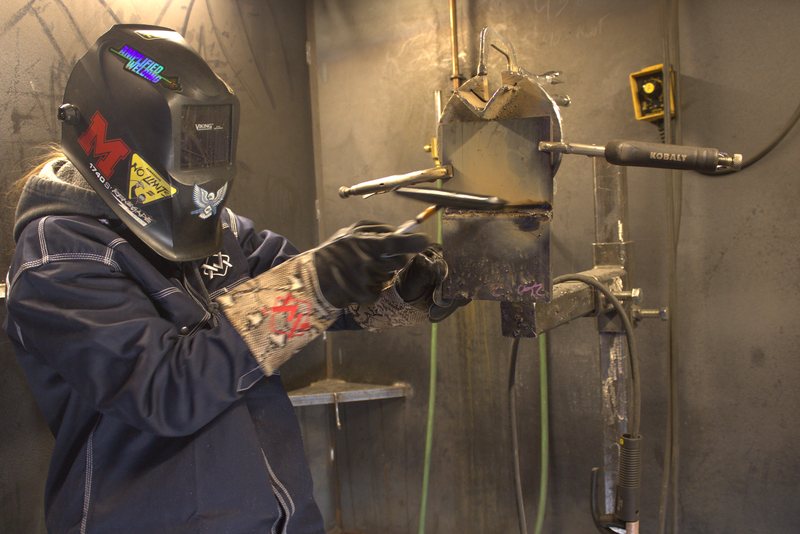
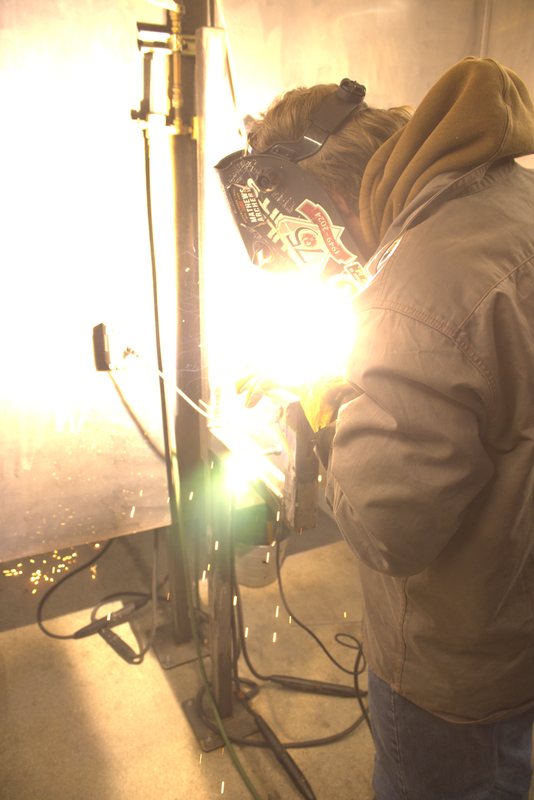
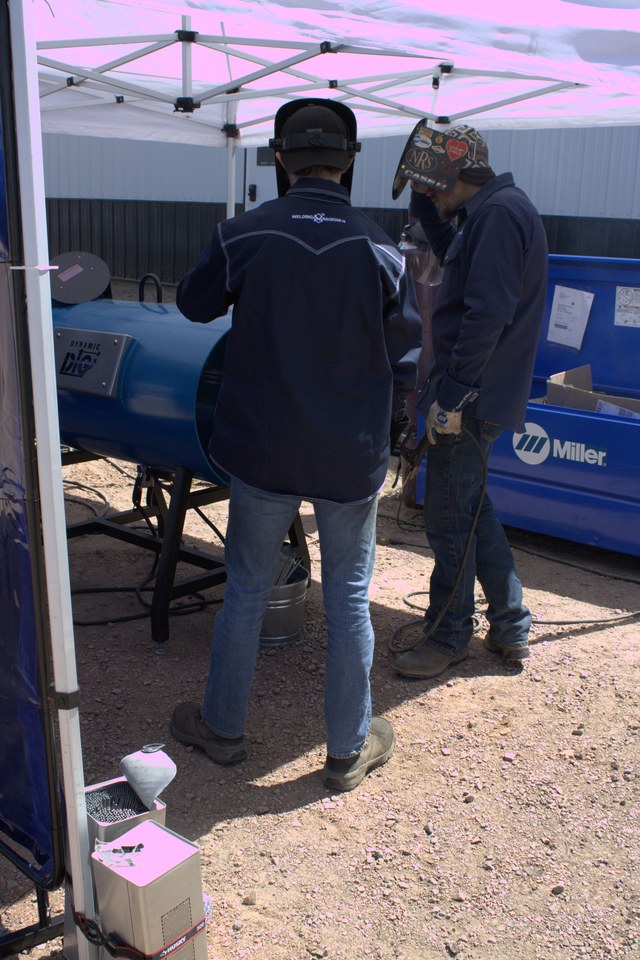
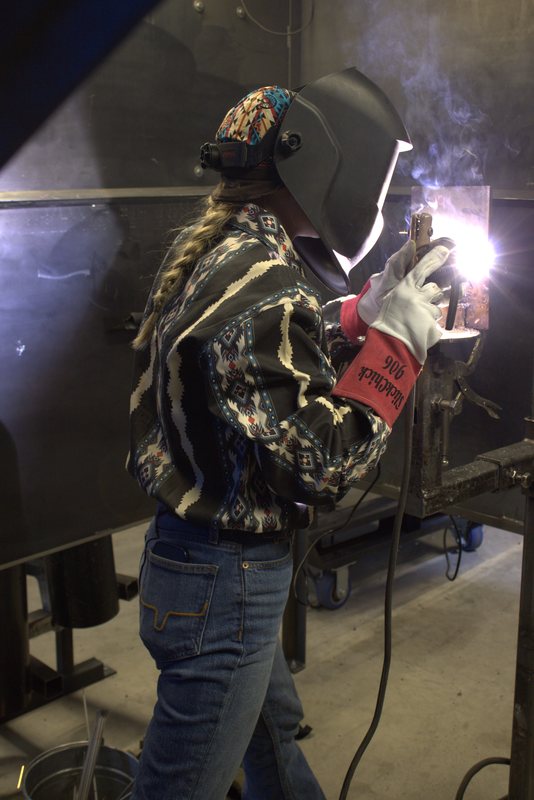
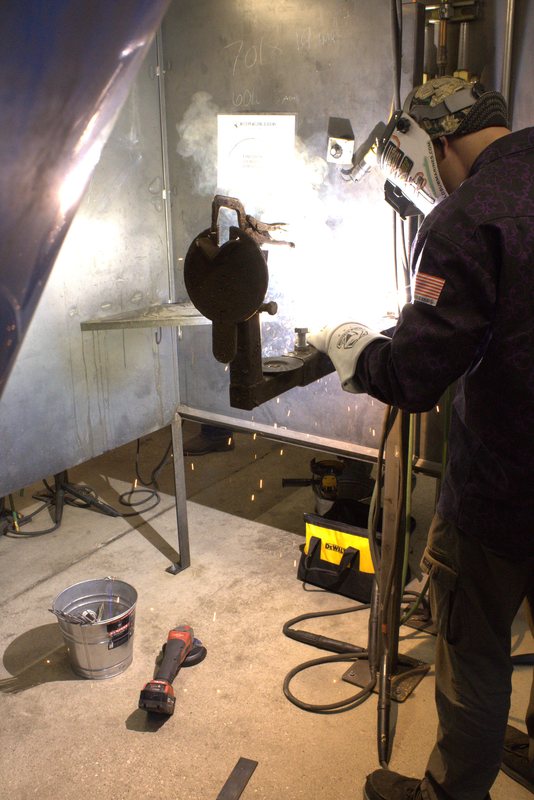
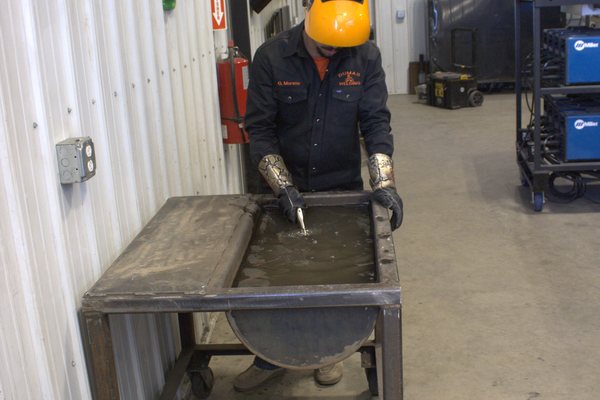
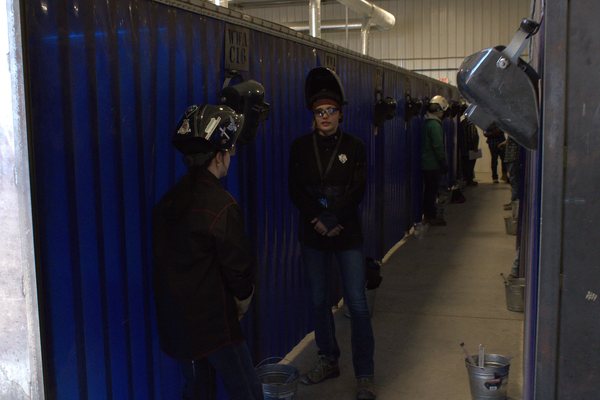
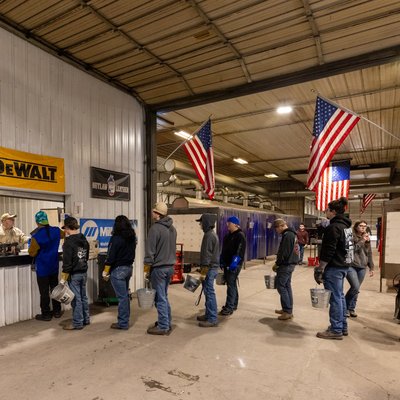
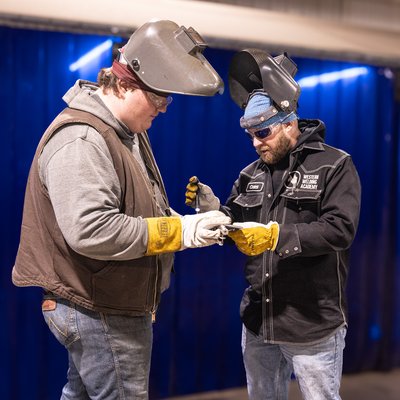
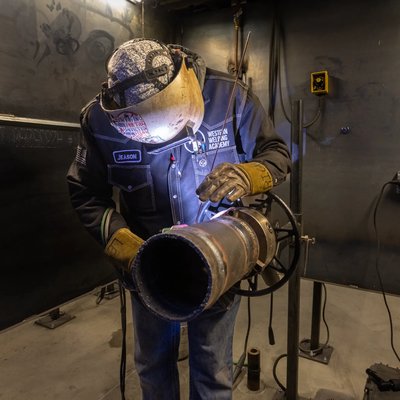
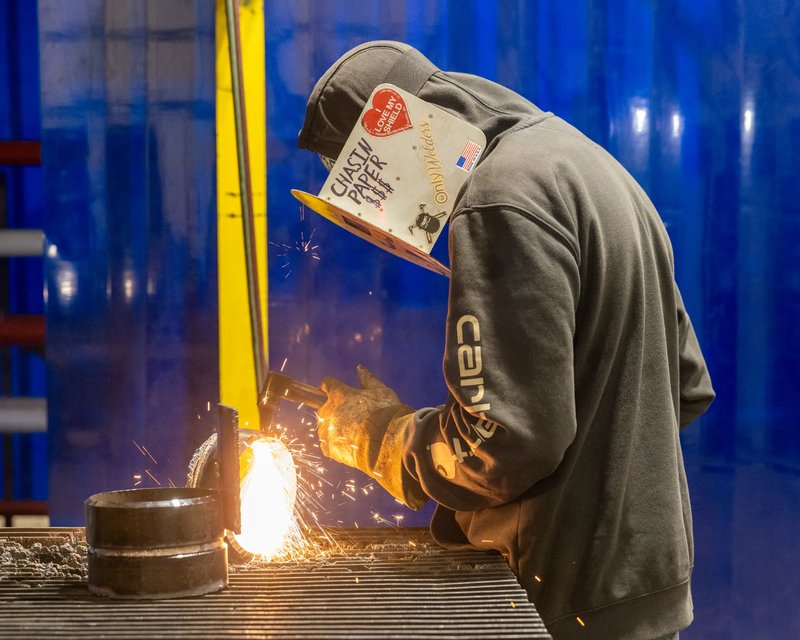
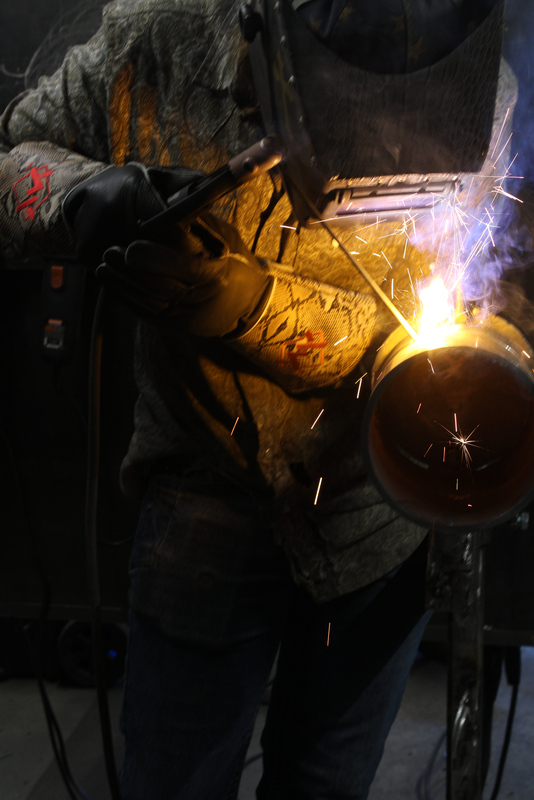
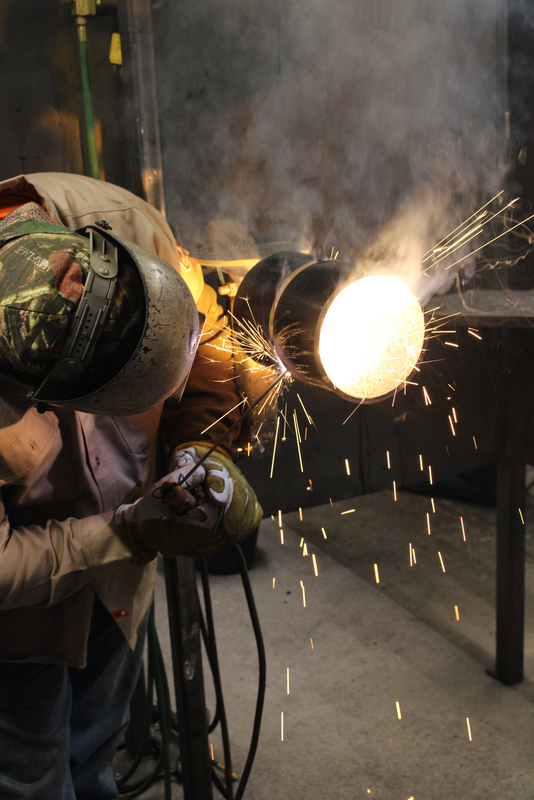
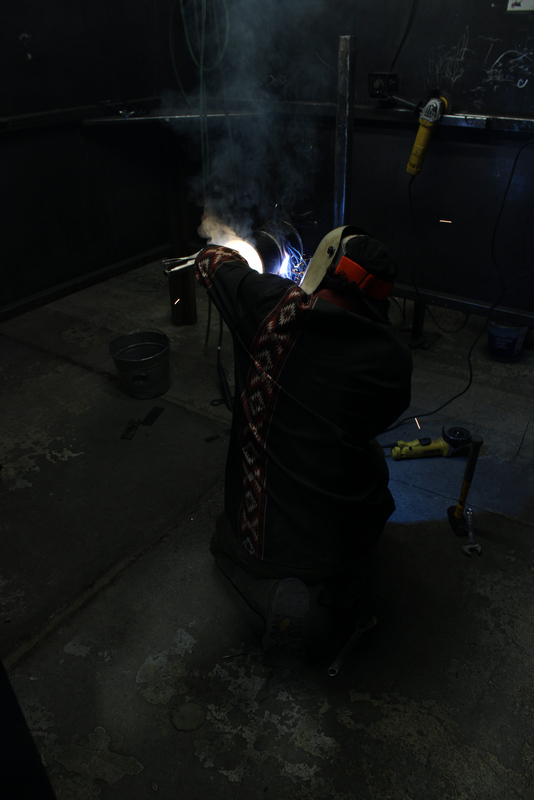
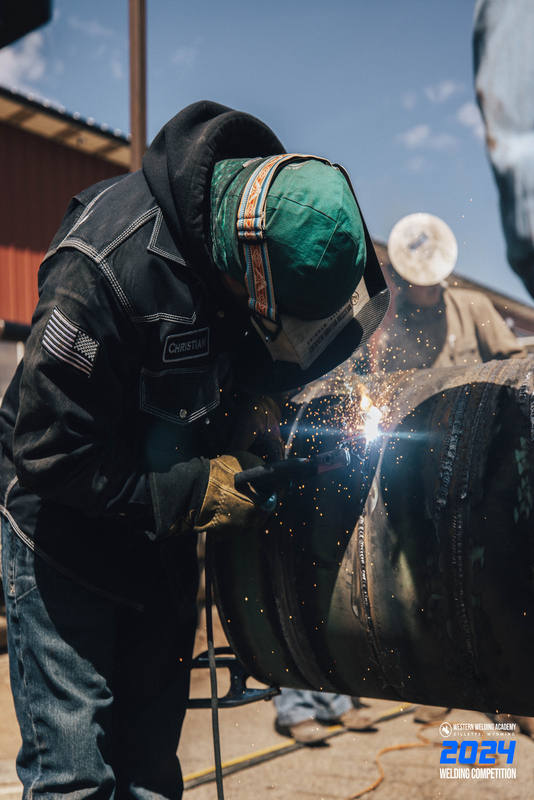
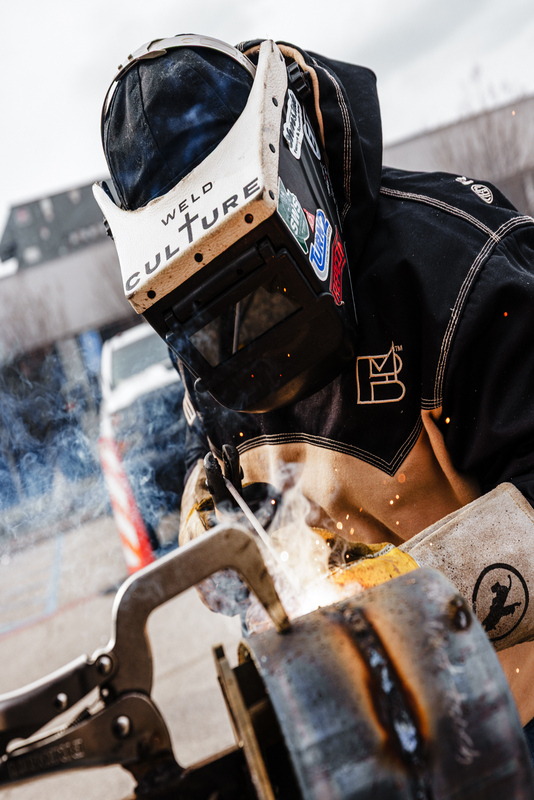
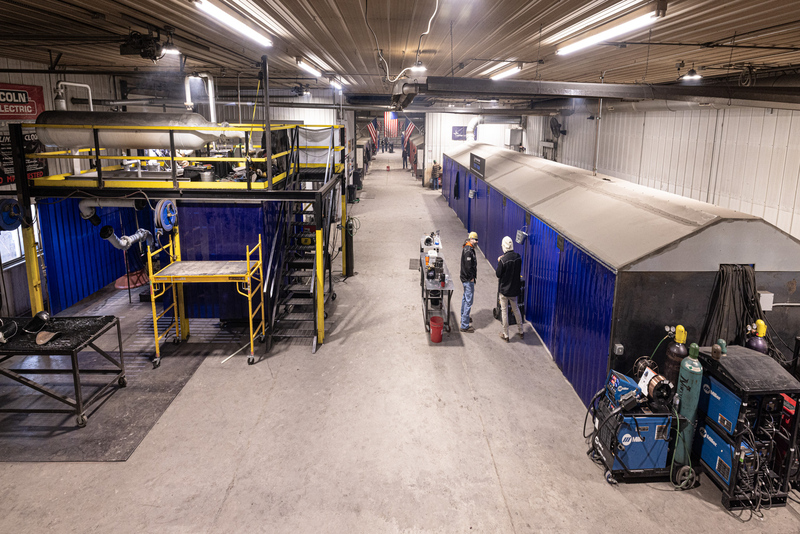
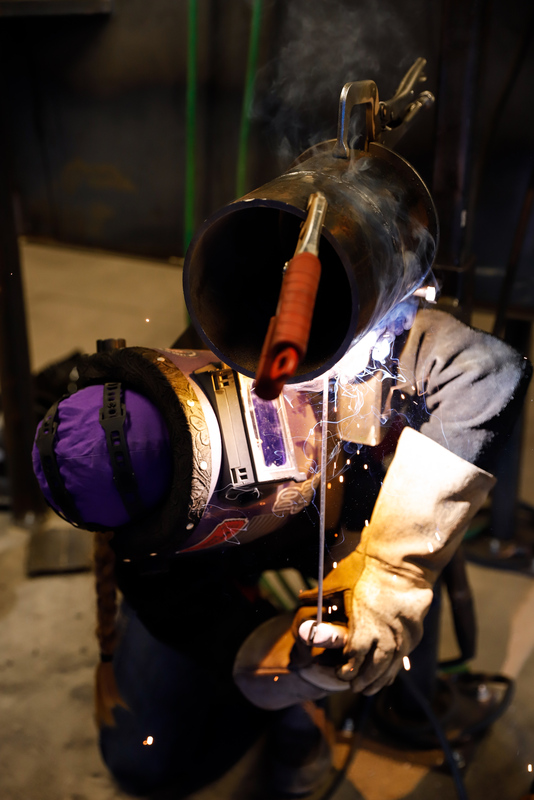
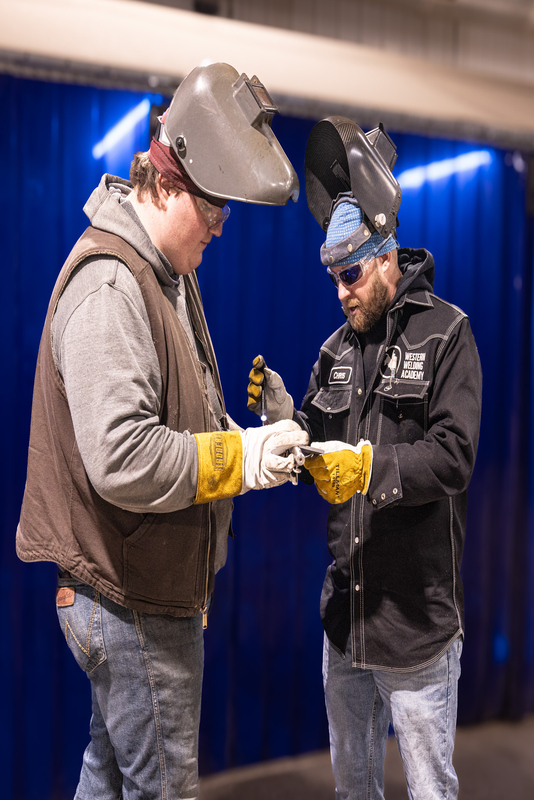
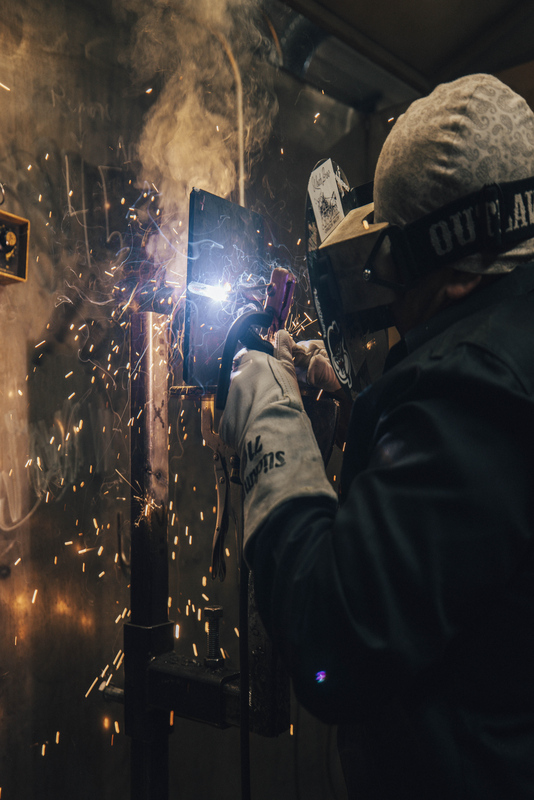
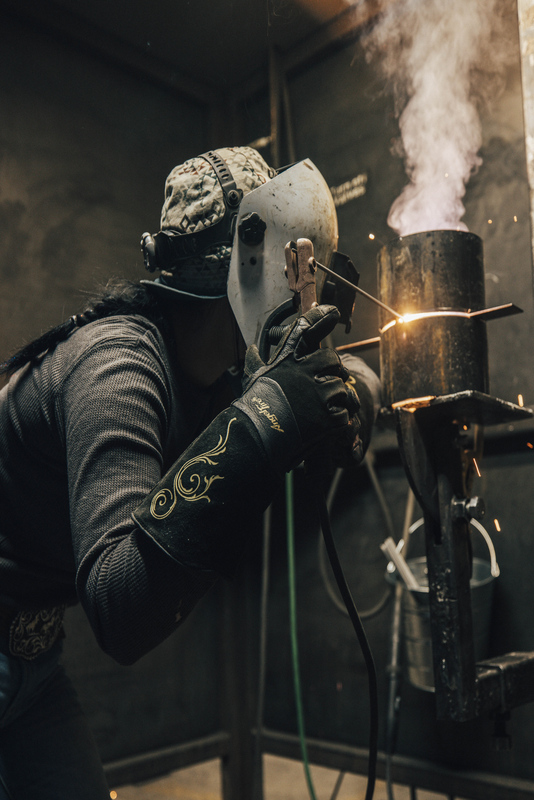
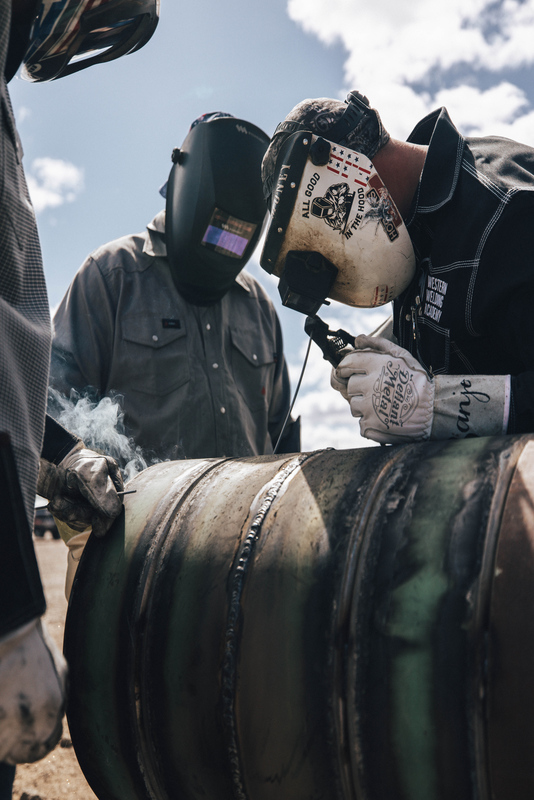
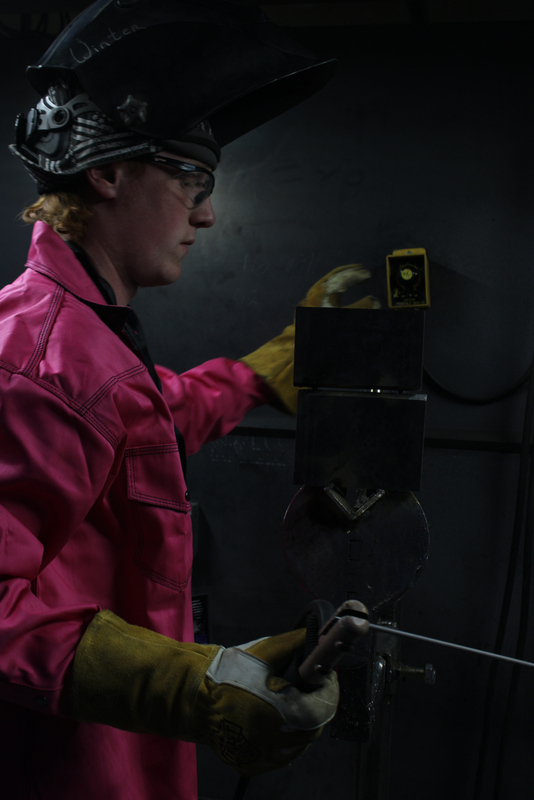
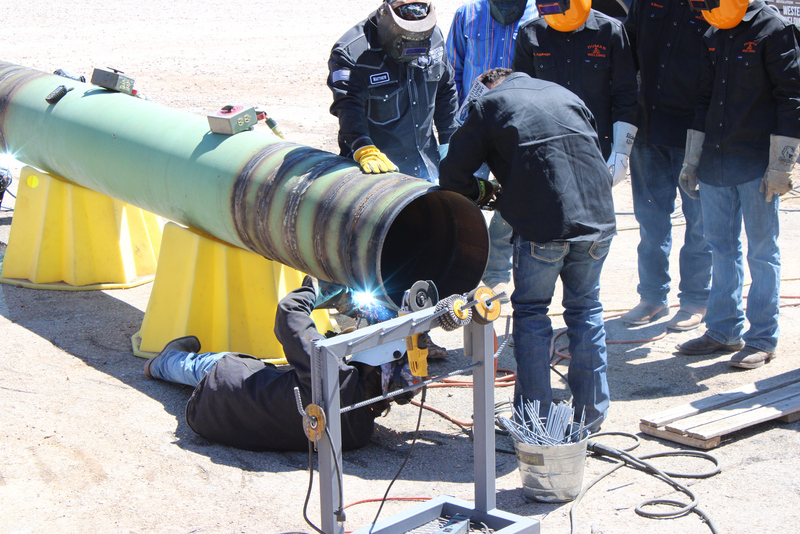
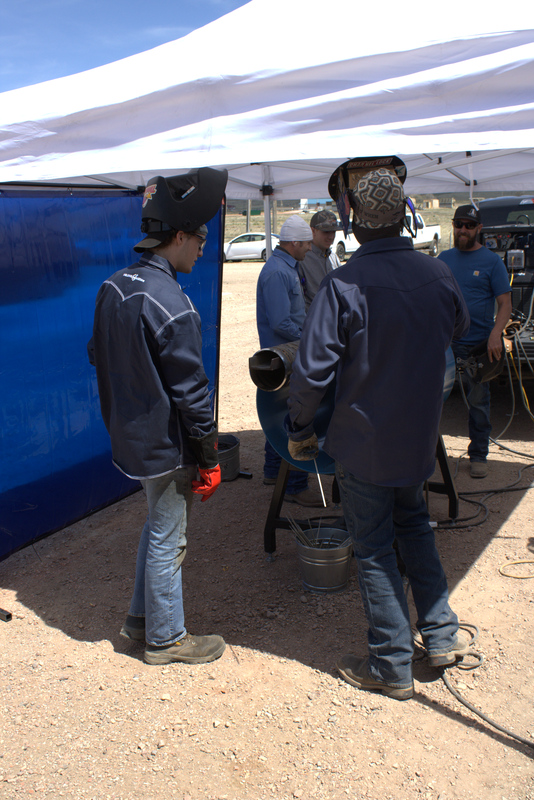
The difference starts with booth time. Structured programs dedicate 85% of training to hands-on welding. Students spend 40 hours per week in a welding booth under direct instructor supervision. Every instructor at the school has real pipeline field experience. They spot technique errors immediately and correct them before bad habits form. On a job site, nobody is paid to watch you weld and give feedback.
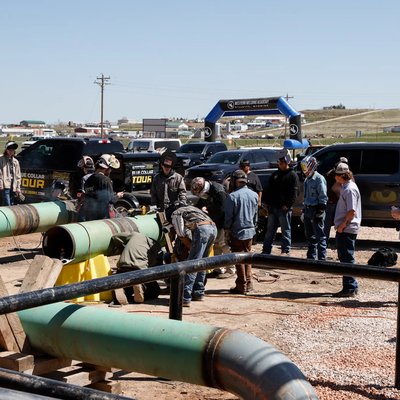
Certification is built into the curriculum. Western Welding Academy operates as the number one AWS Accredited Testing Facility. Students earn 6G pipe welding certifications on the same equipment they train on, in the same facility. An on the job learner has to find an external testing facility, pay testing fees separately, and perform under unfamiliar conditions. Many OJT welders avoid certification testing entirely because they lack confidence in their skills. That limits their career to lower paying positions that do not require certified welders.
Skip the slow path and get certified in weeks, not years. Apply now or call (307) 284-5313 today.
Why Does Structured Training Pay Off Faster?
The math on structured training versus on the job learning favors school graduates in every scenario. A welding helper earns $15 to $20 per hour while learning. After 2 to 3 years, they might qualify for a journeyman position at $25 to $35 per hour, often without pipe welding certification. A Western Welding Academy graduate starts at $60,000 to $125,000 per year within 90 days of finishing school.
The tuition for the Expert program is $16,800. A graduate earning $70,000 per year recoups that investment in 5 to 7 months. An OJT welder earning $18 per hour makes roughly $37,440 per year while learning, and may not reach $70,000 for another 3 to 5 years. The total earnings gap over 5 years between a school trained pipe welder and an OJT welder can exceed $150,000.
Time is the real cost. Every month spent as a helper or apprentice instead of a certified welder is a month of lost higher wages. A 24 week program at Western Welding Academy puts graduates into the workforce 2 to 4 years sooner than the typical apprenticeship timeline. Those years of higher earnings compound. By age 25, a school trained welder can have 3 to 4 years of pipeline experience and be earning six figures.
What Do Graduates Earn With Structured Training?
Verified graduate earnings show the direct connection between structured training and real pay. These numbers come from Western Welding Academy graduates who completed the program and entered the pipeline and industrial welding workforce. The tuition pays for itself within 5 to 7 months of full time work.
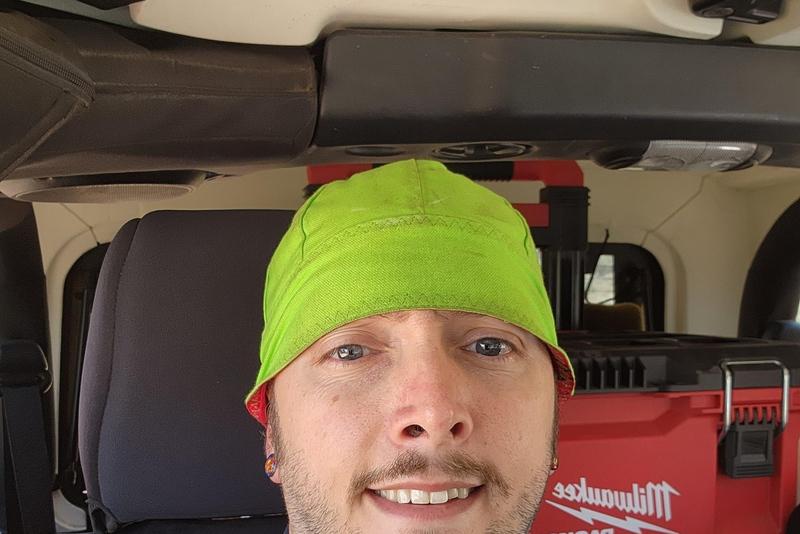
Leyton Wagner earned $4,514 on a single paycheck after graduating from Western Welding Academy. He did not spend years as a helper before reaching that level. Structured training gave him the certifications employers pay top dollar for.
Gavin Walden pulls in $3,986 per paycheck in his pipeline welding position. He was hired within 90 days of graduating, matching the school's 94% hire rate. An OJT welder at the same age would likely still be carrying tools for someone else.
David Smolek earns $3,417 per paycheck as a certified pipe welder. His Western Welding Academy training gave him the 6G certification that qualifies him for positions most OJT welders cannot access.
Noah clears $4,800 per week as a pipeline welder. He invested in structured training at Western Welding Academy instead of spending years learning on job sites. His weekly earnings show the premium that certified pipe welders command over uncertified OJT welders.
Hank earns over $150,000 per year at age 21. While his peers were still in apprenticeships or working as helpers, Hank completed structured training and went straight into high paying pipeline work. His income at 21 exceeds what most college graduates earn at 30.
What Skills Does On the Job Training Miss?
OJT welders typically learn one or two welding processes. If the shop runs MIG, that is what the new welder learns. Pipe welding, TIG, and advanced alloys rarely get covered on a job site because the experienced welders handle that work. Western Welding Academy covers stick, MIG, TIG, and flux core across plate and pipe in a single program. Graduates leave with multiple process certifications that make them versatile hires.
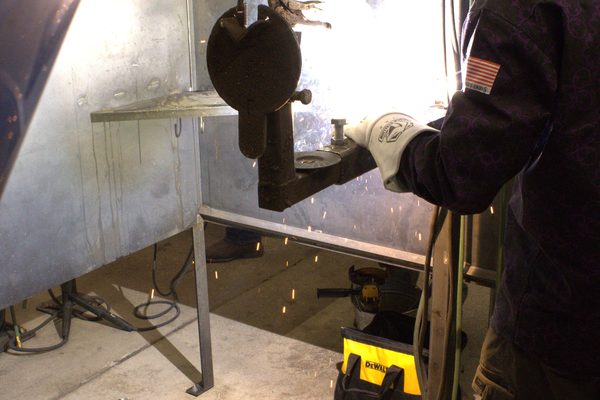
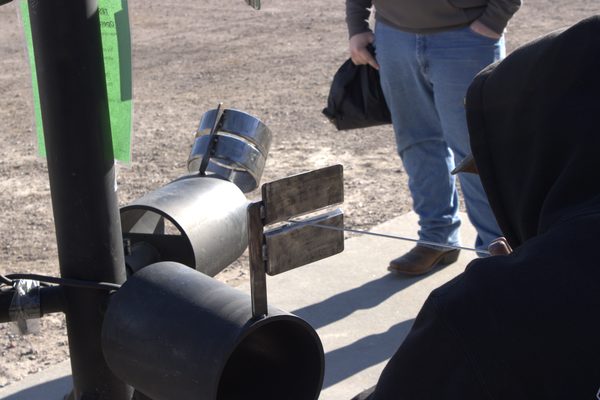
Position welding is another gap. Job sites rarely let new welders practice overhead or 6G pipe positions because failures cost money and time. In a school environment, failing a weld is a learning opportunity. Students practice every position until they pass. This systematic approach builds confidence and competence that random job site exposure cannot match.
Code and standards knowledge separates school trained welders from OJT welders. Understanding AWS D1.1 structural welding code, API 1104 pipeline welding standards, and ASME pressure vessel requirements opens doors to specialized, higher paying work. A welder who learned on the job might run good beads, but without code knowledge, they cannot work on projects that require certified welders.
How Do You Choose the Right Structured Training Program?
Not all welding schools deliver the same results. The factors that matter most are booth time, instructor quality, certification options, and job placement rates. Western Welding Academy leads in every category. The school offers 40 hours per week of booth time compared to 10 to 15 at most community colleges and trade schools. Every instructor has field experience on real pipelines and industrial projects.
Graduation rates tell you whether a program finishes what it starts. Western Welding Academy maintains an 85% graduation rate in the Expert program. Competitor A graduates 68%. Competitor B graduates 43%. Competitor C graduates 56%. These numbers, from a 234 alumni survey in November 2024, show which programs actually prepare students to complete their training. You can compare the full program options and costs to see which investment matches your goals.
Hire rate after graduation is the bottom line metric. A 94% hire rate within 90 days means employers trust the program. They know graduates arrive certified, tested, and ready to produce. That trust comes from 2,000 plus graduates placing into companies like SpaceX, Steam 88, UFO Motorsports, Boilermakers, and Pipefitters locals across the country.
Invest in training that pays for itself in months, not years. Apply now or call (307) 284-5313 today.
Frequently Asked Questions
Q1. Is welding school better than on the job training?
Yes, for most career goals. Structured welding school produces certified pipe welders in 12 to 24 weeks. On the job training takes 2 to 5 years to reach the same skill level, often without formal certification. Western Welding Academy graduates earn $60,000 to $125,000 per year starting within 90 days of finishing.
Q2. How long does an apprenticeship take compared to welding school?
Most welding apprenticeships run 3 to 5 years with 8,000 plus total hours. Western Welding Academy produces certified pipe welders in 12 to 24 weeks with 480 to 960 concentrated booth hours. Graduates enter the workforce 2 to 4 years sooner than apprentices and start at higher pay.
Q3. Can I get pipe welding certified through on the job training?
It is possible but uncommon. Most OJT welders avoid certification testing because they lack structured preparation for 6G pipe exams. Welding school builds certification prep into the curriculum. Students test on site with familiar equipment, which increases pass rates and eliminates travel to external testing facilities.
Q4. How much does welding school cost compared to an apprenticeship?
Western Welding Academy programs range from $7,050 for the 12 week Foundational to $16,800 for the 24 week Expert program. An apprenticeship has no tuition but pays reduced wages for 3 to 5 years. The total earnings gap over 5 years typically exceeds $150,000 in favor of the school trained welder.
Q5. Do employers prefer school trained or OJT welders?
Employers who need certified pipe welders prefer school trained candidates. Pipeline companies, refineries, and structural contractors require formal certification that OJT rarely provides. Western Welding Academy has a 94% hire rate within 90 days because employers trust the program's certifications and training quality.
Q6. What makes Western Welding Academy different from other welding schools?
Western Welding Academy provides 40 hours per week of booth time with 85% hands-on training, far exceeding the 10 to 15 hours at most schools. The school is the number one AWS Accredited Testing Facility with a 94% hire rate, 85% Expert graduation rate, and graduates earning $60,000 to $125,000 per year.
Start Your Welding Career the Right Way
Learning on the job takes years. Structured training takes weeks. The earning gap between the two paths starts on day one and only grows over time. Call Western Welding Academy at (307) 284-5313 or apply now to choose the faster path to a pipe welding career.
.jpg)
.jpg)


.jpg)
.jpg)
.jpg)
.jpg)
.jpg)
-thumbnail.jpg)

.jpg)