How Repetitive Work Hides Fundamental Gaps
Production welding rewards consistency. A welder who runs the same flat fillet weld 200 times a day becomes extremely efficient at that one weld. The employer is satisfied. The paychecks come in. Nothing signals that the welder's fundamentals are incomplete.
The problem shows up when that welder tries something different. A new position, a different process, a thicker material, or a joint that requires multi pass technique exposes what repetitive work never tested. The welder looks experienced on a resume. The fundamentals tell a different story when the work changes.
This is not a character flaw. It is a natural result of how most welding jobs work. Employers train welders on exactly what they need and nothing more. The welder masters that narrow scope. Years pass. The narrow scope starts to feel like complete knowledge. It is not.
The Five Fundamentals That Repetition Does Not Build
Heat input control across materials. Running the same wire speed and voltage on quarter inch mild steel every day builds one set of parameters into muscle memory. That muscle memory becomes a problem when the material changes. Thin wall pipe, chrome moly, stainless, and high carbon steel each need different heat management. A welder who has only worked with one material type has one setting memorized, not a fundamental understanding of heat input.
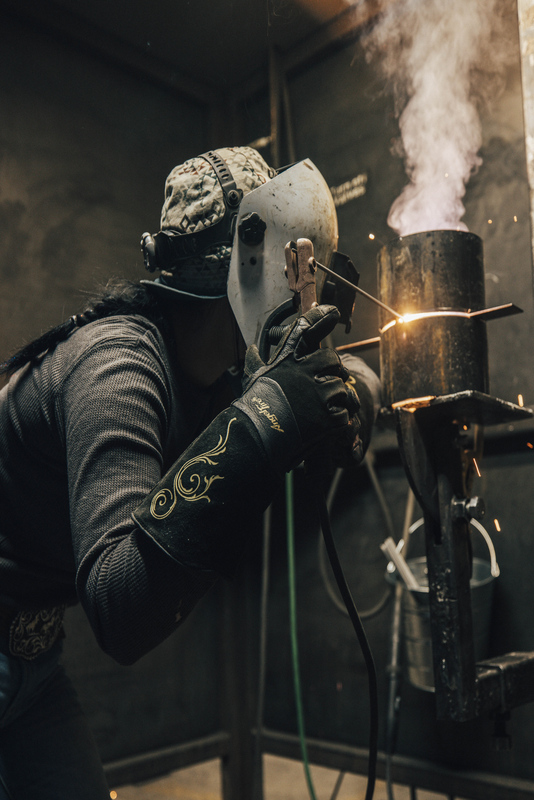
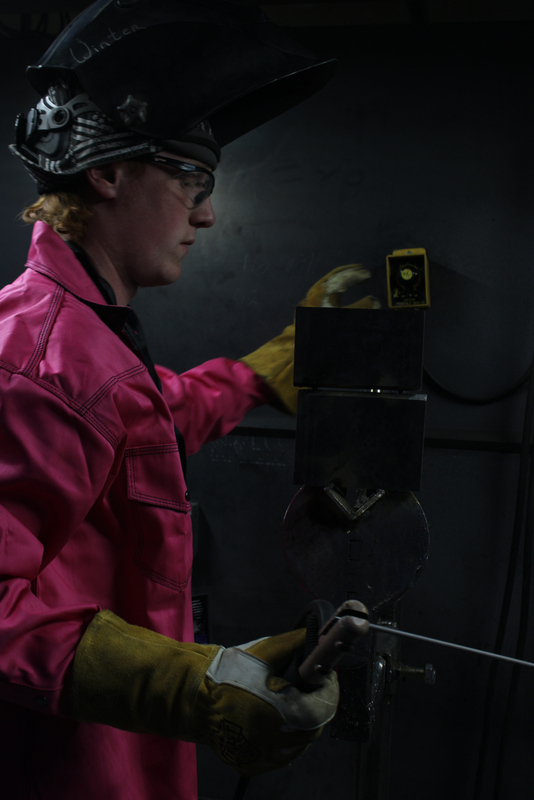
Multi process versatility. Many production shops use a single welding process. A MIG only welder can run beautiful MIG beads after ten years. Put a stick rod or TIG torch in that welder's hand and the skill level drops to near beginner. Pipeline work requires comfort with multiple processes. Learning which process fits which application is a fundamental that repetitive single process work never develops.
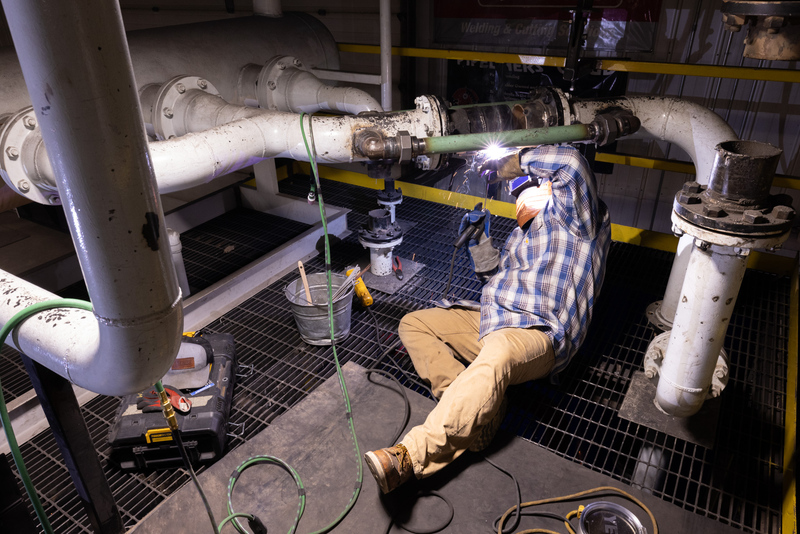
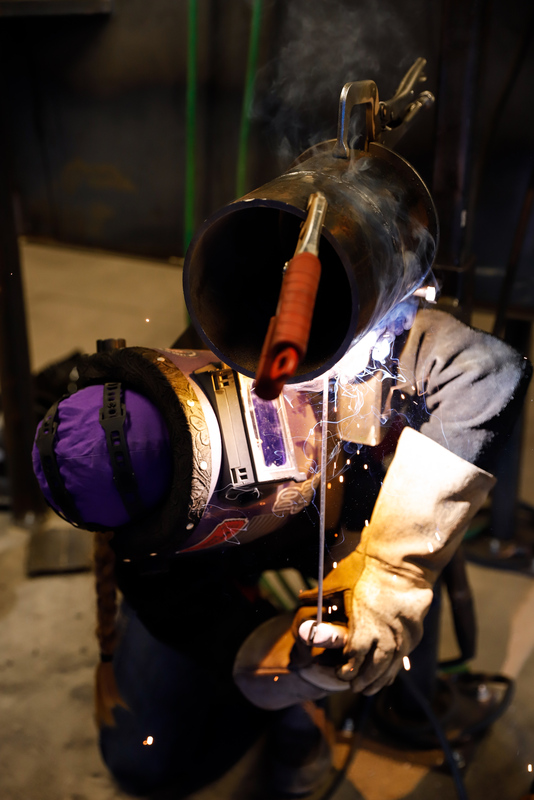
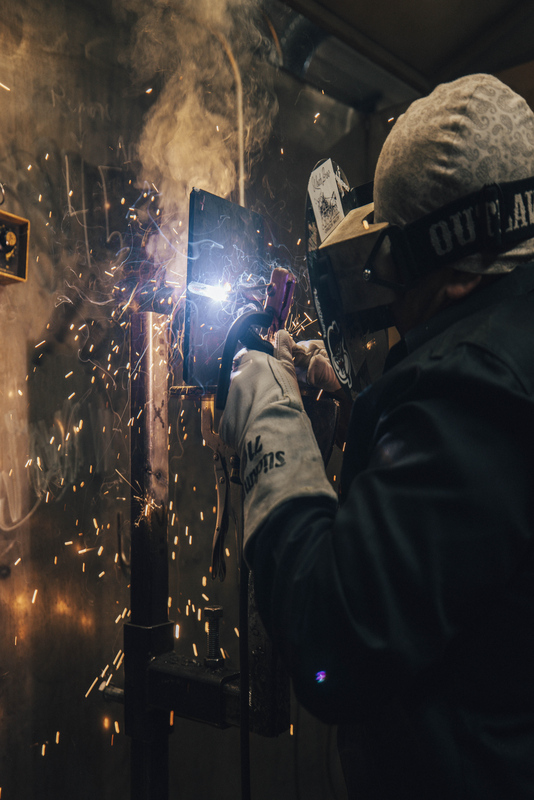
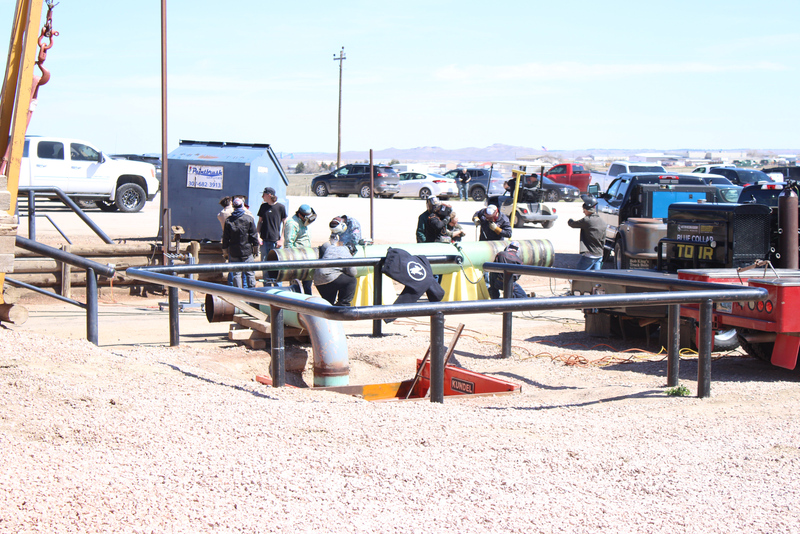
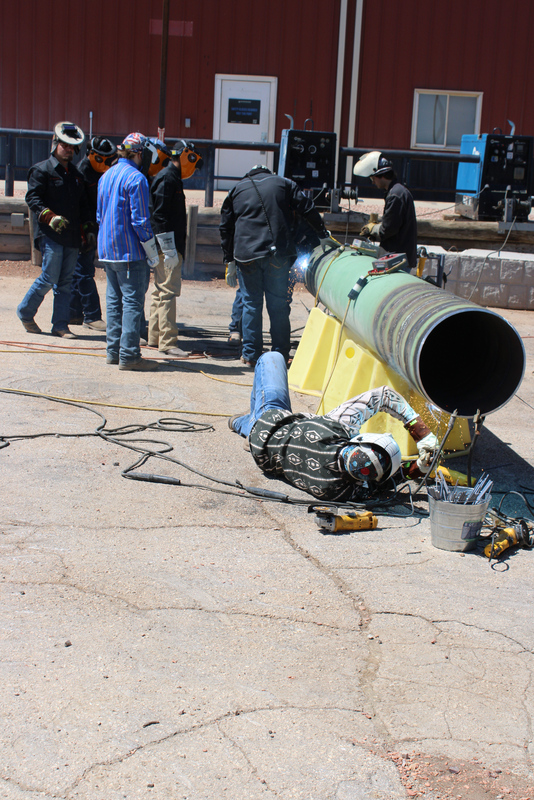
Position range. Flat and horizontal welding accounts for the majority of production work. Overhead and vertical up positions require different technique, different body mechanics, and different puddle control. A welder with ten years in flat position has ten years of practice in one position. Pipeline welding in the 6G test position requires continuous welding through every position on a single joint.
Metallurgy knowledge. Production welders rarely need to understand why their parameters work. They just need to know what settings to use. Code welding and pipeline work require understanding the relationship between heat input, cooling rate, grain structure, and mechanical properties. Without that knowledge, a welder cannot troubleshoot problems or adapt to new base metals.
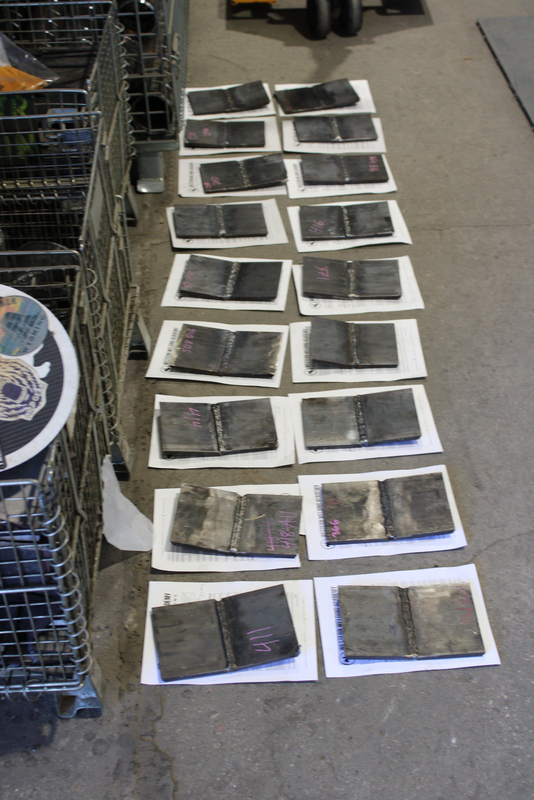
Quality self assessment. In many shops, a foreman or quality inspector catches defects. The welder welds. Someone else judges. In code welding, the welder must evaluate their own work against written acceptance criteria before it goes to inspection. This self assessment skill develops only through deliberate training and practice with actual code requirements.
Fill the gaps that repetitive work left behind. Apply now or call (307) 284-5313.
Why the Gaps Get Harder to Fix Over Time
The longer a welder works in a narrow specialty, the harder it becomes to recognize the gaps. Confidence builds around what the welder can do. That confidence makes it uncomfortable to admit what the welder cannot do. It also makes it harder to accept instruction from someone else.
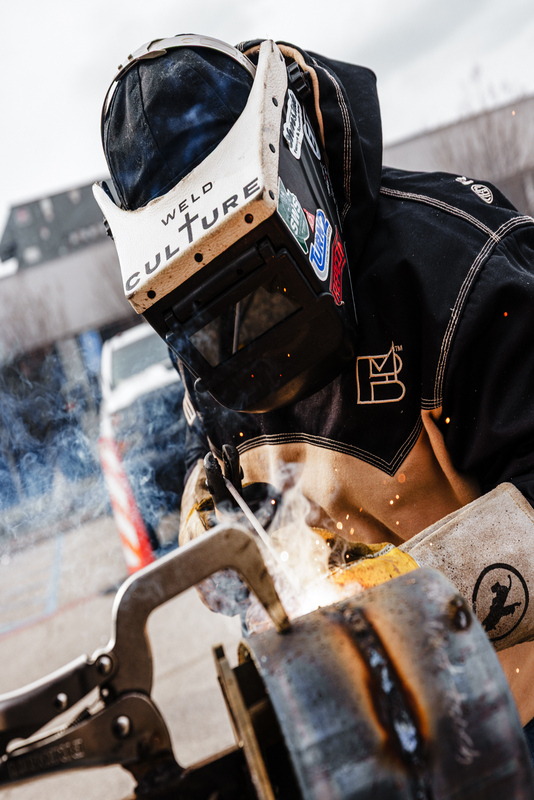
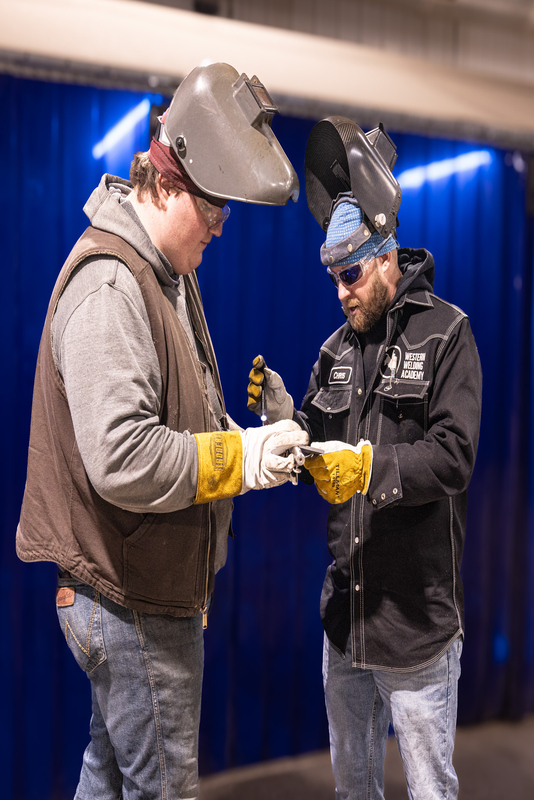
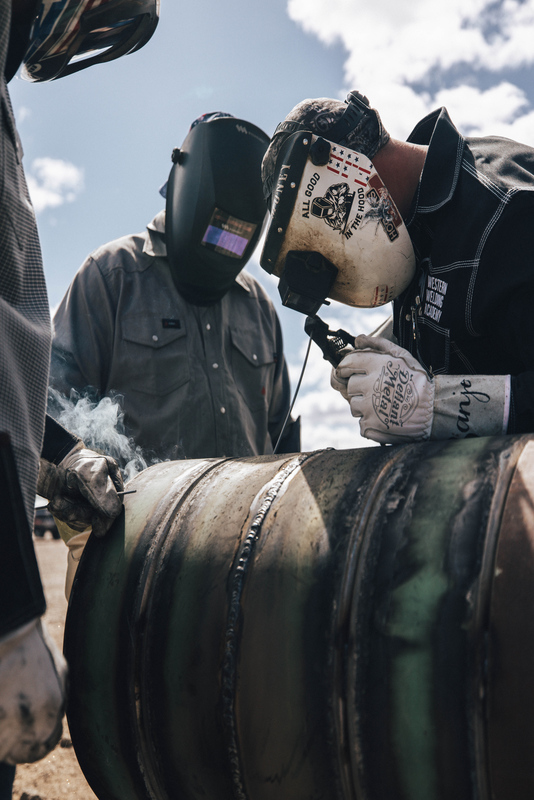
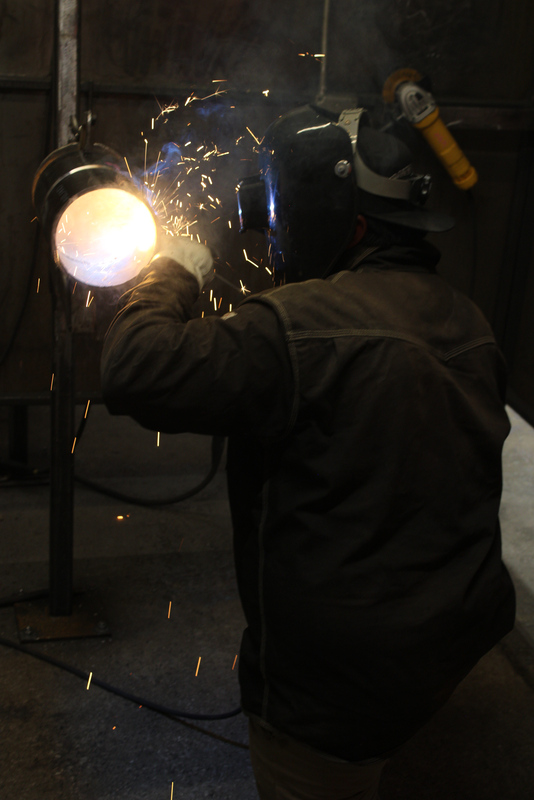
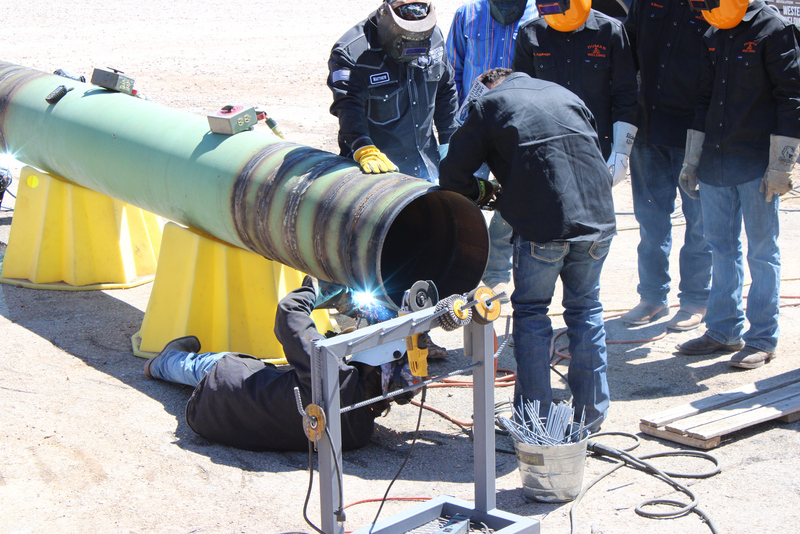
At Western Welding Academy, instructors work with experienced welders every cohort. The pattern is predictable. The first few days involve unlearning habits that worked in production but fail under code requirements. Travel speed that was fine for a flat fillet weld is too fast for a pipe root pass. Rod angles that produced acceptable structural welds create defects on pipe joints. The experienced welder must slow down and rebuild technique from fundamentals.
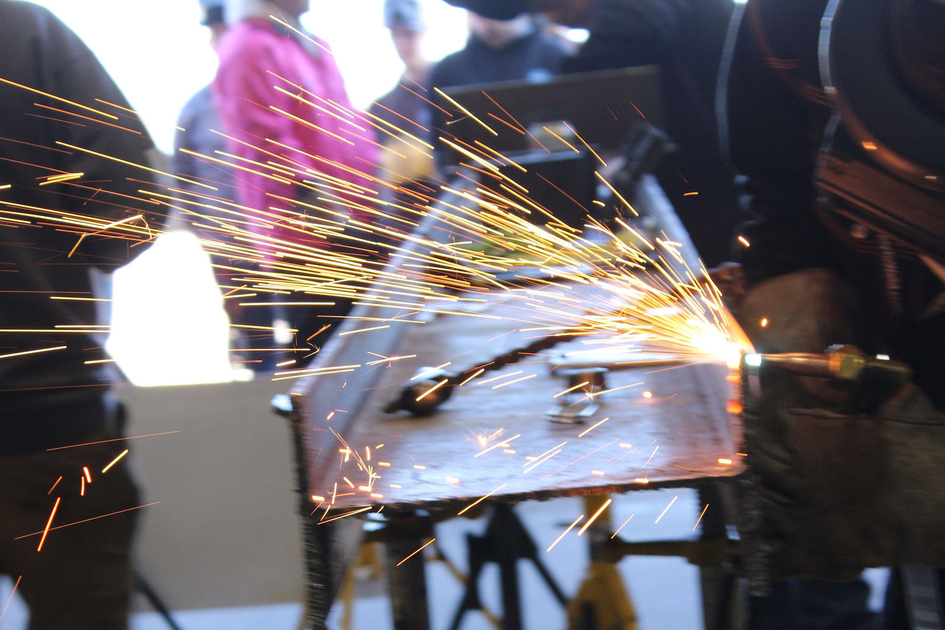
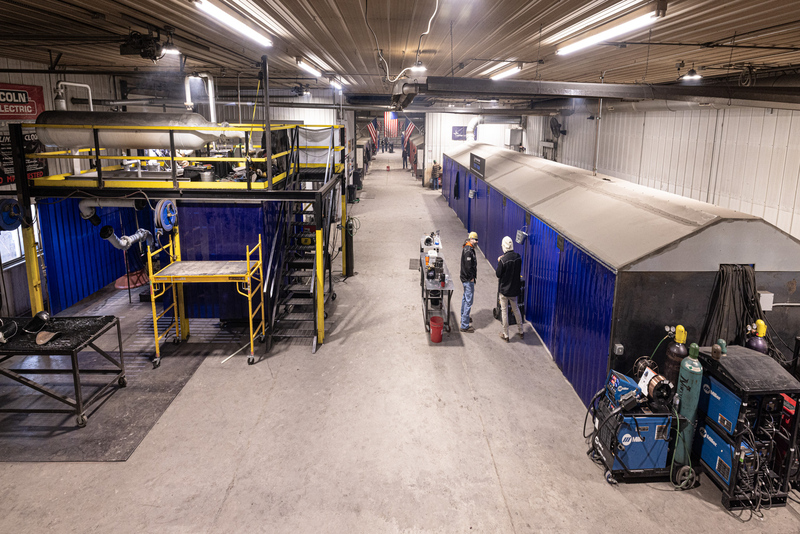
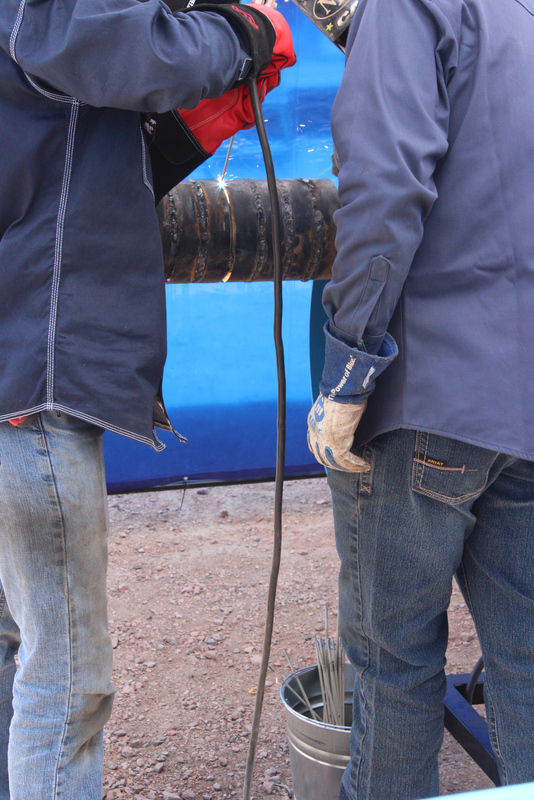
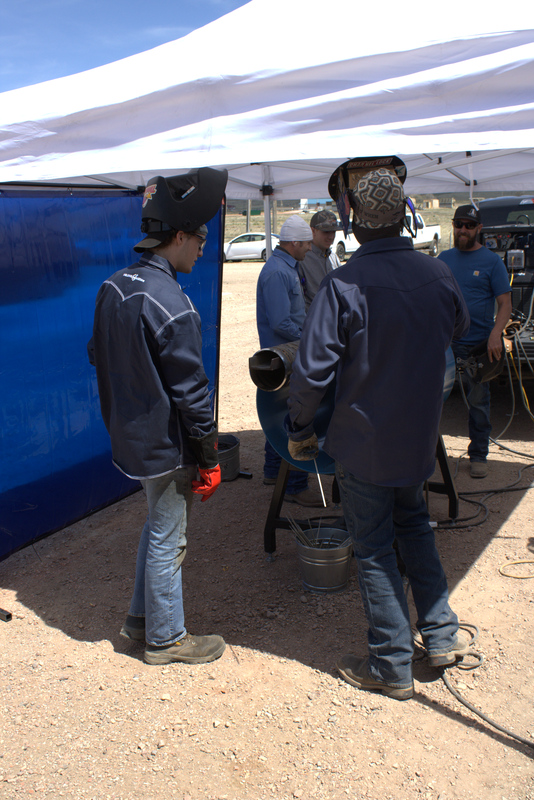
The 85% hands on booth time at 40 hours per week makes this rebuilding process efficient. The welder is not sitting through lectures about things they already know. They are in the booth, hands on pipe, getting immediate feedback from an instructor who has already guided hundreds of experienced welders through the same transition.
What Experienced Welders Earn After Filling the Gaps
The investment in closing fundamental gaps pays back in earnings that repetitive production work cannot match. Here are verified paychecks from Western Welding Academy graduates who made the transition from limited scope work to pipeline careers.
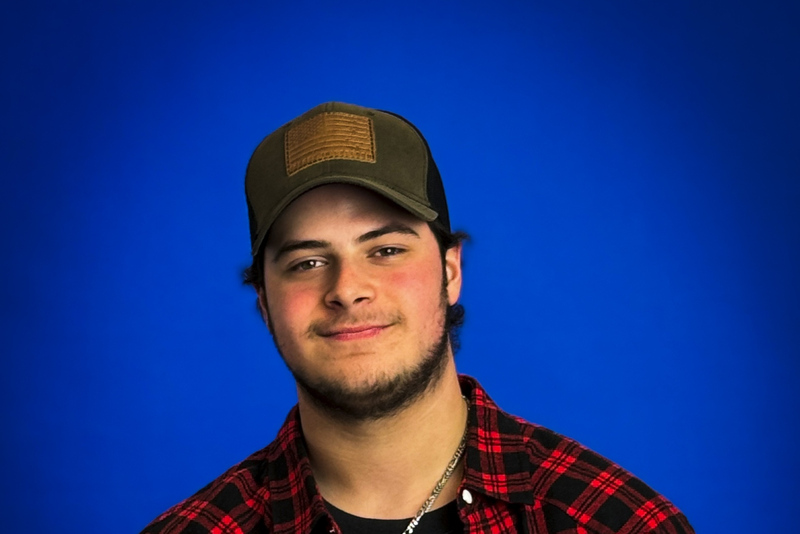
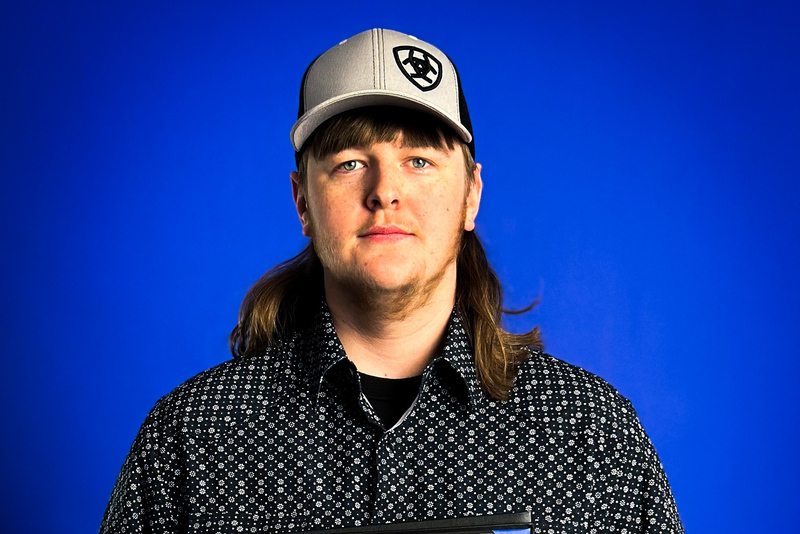
Leyton Wagner earned $4,514 on a single paycheck after completing the Expert Pipe Welder program at Western Welding Academy. That figure is published on the school's website. Gavin Walden posted a $3,986 paycheck on social media. David Smolek shared his $3,417 paycheck publicly.
Noah started clearing $4,800 per week right out of welding school. Hank reached $150,000 per year at age 21. These earnings are not possible in the kind of repetitive production work that leaves fundamentals undeveloped. They require the full skill set that code and pipeline welding demand.
How Western Welding Academy Rebuilds Fundamentals
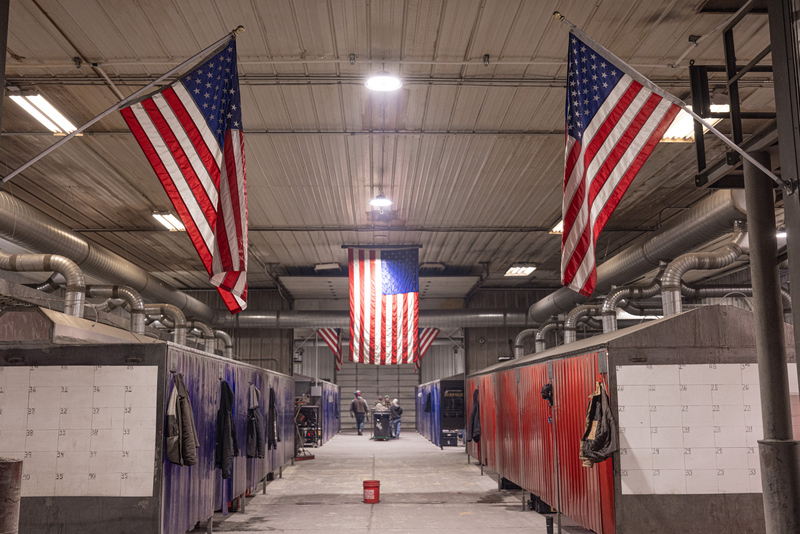
Western Welding Academy in Gillette, Wyoming does not just teach pipe welding. The programs systematically rebuild fundamentals that production work left incomplete. The training starts with an honest skill assessment and builds from wherever the welder actually stands, not where their resume says they should be.
The Foundational Pipe Welder program runs 12 weeks at $7,050 and covers the core pipe welding fundamentals. The Professional Pipe Welder program runs 19 weeks at $13,600 and adds TIG pipe technique. The Expert Pipe Welder program runs 24 weeks at $19,800 and earns every certification pipeline employers require.
The school has graduated over 2,000 students from all 50 states. The Expert program maintains an 85% graduation rate compared to an industry average below 60%. The number one AWS Testing Facility in the country sits on campus, so students test in the same booths where they train. The 94% placement rate within 90 days confirms that employers value these graduates. The best pipe welding school for experienced welders rebuilds fundamentals through 85% booth time and instructor-led correction.
The Difference Between Experience and Skill
Experience is time on the job. Skill is the range of work you can perform at code quality. A welder with 15 years of experience and narrow fundamentals earns less than a welder with 6 months of comprehensive training and the right certifications. The market does not pay for years. It pays for capability.
Pipeline contractors hiring for API 1104 certified positions do not ask how many years you have been welding. They ask which processes you can run, which positions you can weld, and which certifications you hold. The answers to those questions determine the paycheck. Experience without broad fundamentals limits those answers.
Stop letting narrow experience limit your earning potential. Apply now or call (307) 284-5313.
Frequently Asked Questions
Q1. Can I be a good welder and still have weak fundamentals?
Yes. You can be excellent at the specific welds your job requires and still have significant gaps in other areas. Being good at one type of welding does not mean you have the broad skill set that pipeline and code welding demand. The gaps only become visible when the work changes.
Q2. How do I know if my fundamentals are weak?
Ask yourself three questions. Can you weld in every position including overhead? Can you run stick, TIG, and MIG with equal confidence? Can you explain why your parameters work, not just what they are? If any answer is no, you have a fundamental gap.
Q3. Will my employer notice these gaps?
Not if you stay in the same role doing the same work. The gaps only matter when you try to advance, change jobs, or move into code or pipeline welding. That is when they become barriers to higher earnings.
Q4. How long does it take to fix weak fundamentals?
At 40 hours per week with 85% booth time, experienced welders can rebuild fundamentals and add pipe certifications in 12 to 24 weeks depending on the program. The intensive format compresses what would take years of part time practice into a focused training block.
Q5. Is it worth going back to school if I have 10 or more years of experience?
The math answers that question. If your current earnings are $45,000 to $65,000 and pipeline work pays $60,000 to $125,000, the difference covers tuition within months. Experience plus the right training and certifications unlocks earnings that experience alone cannot reach.
Q6. What makes Western Welding Academy different from other welding schools?
The school runs 85% hands on booth time at 40 hours per week, maintains an 85% Expert graduation rate compared to an industry average below 60%, places 94% of graduates within 90 days, and operates the number one AWS Testing Facility in the country. Over 2,000 graduates from all 50 states have completed training in Gillette, Wyoming.
Build the Fundamentals Your Experience Is Missing
Your years of welding experience are an asset, not a liability. But they are an incomplete asset without broad fundamentals and the right certifications. Call Western Welding Academy at (307) 284-5313 or apply now to complete the skill set your experience started.

.jpg)

.jpg)


.jpg)
.jpg)
.jpg)
.jpg)
.jpg)
-thumbnail.jpg)

.jpg)