Why Welding Certifications Are Not All Equal
Welding certifications come in levels. A 1G flat plate test proves you can lay a bead with gravity doing half the work. A 3G vertical test shows you can fight gravity. But the tests that employers pay a premium for are the pipe certifications, specifically the 6G and 6GR tests. These test your ability to weld in every position on a single joint without repositioning the pipe. The difficulty gap between a 3G plate test and a 6G pipe test is enormous. That gap is also where the money is.
A welder with a 3G or 4G plate certification can find steady structural work in the $40,000 to $55,000 range. A welder with a 6G pipe certification regularly earns $60,000 to $130,000 depending on experience, location, and industry. The certification is not just a credential. It is proof that you can handle the most demanding welding positions on the job site.
What Makes the 6G Certification So Hard
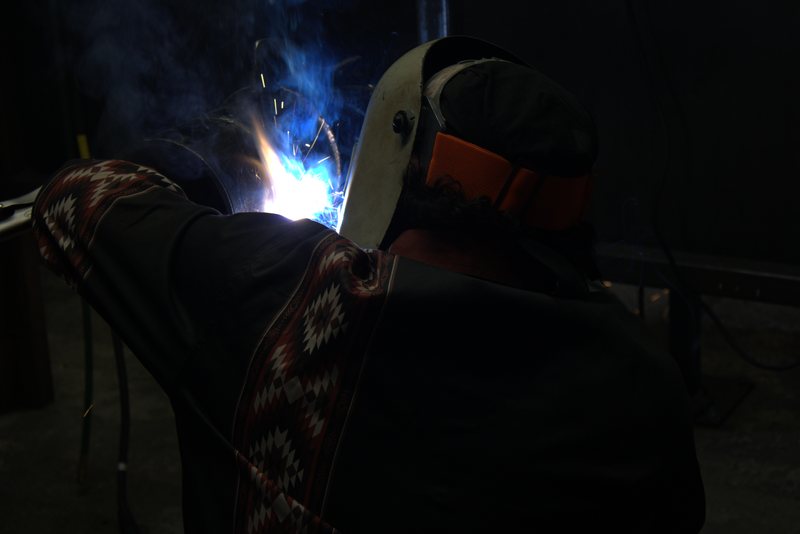
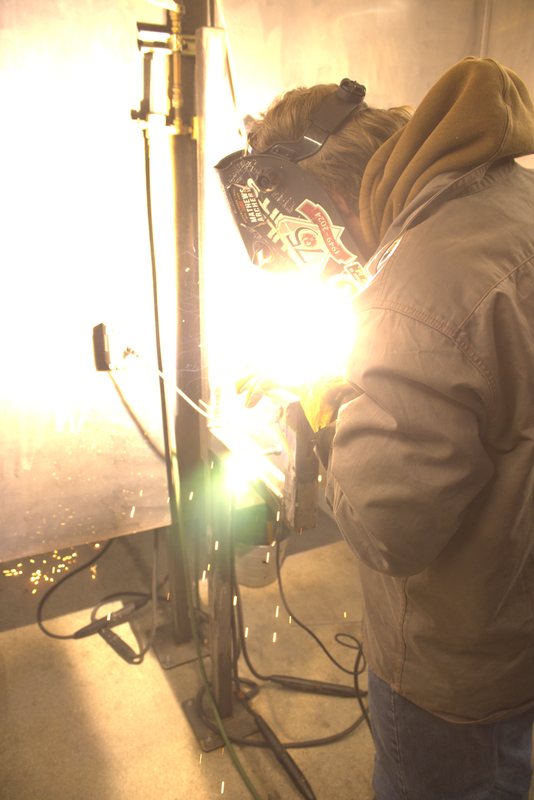
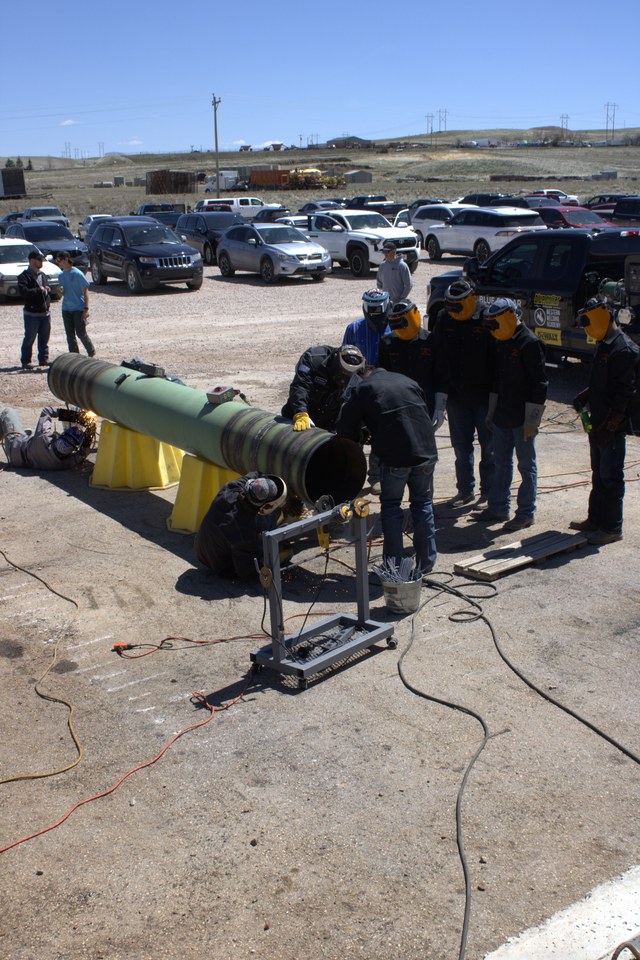
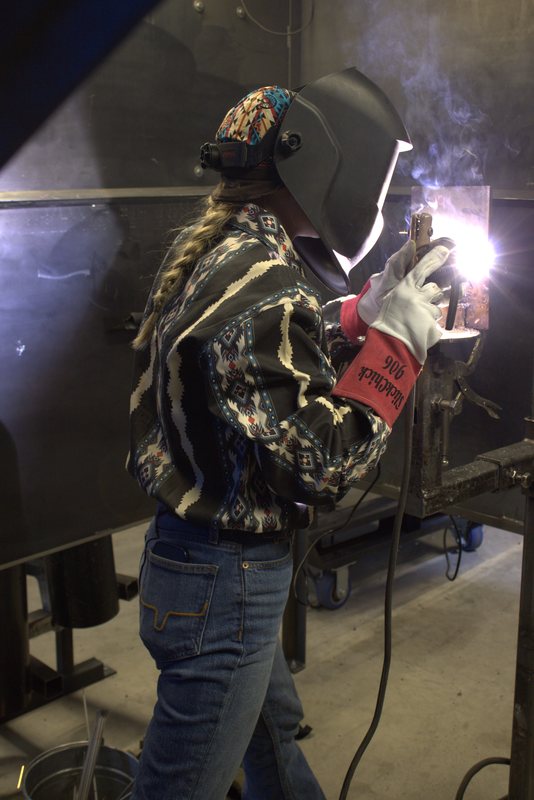
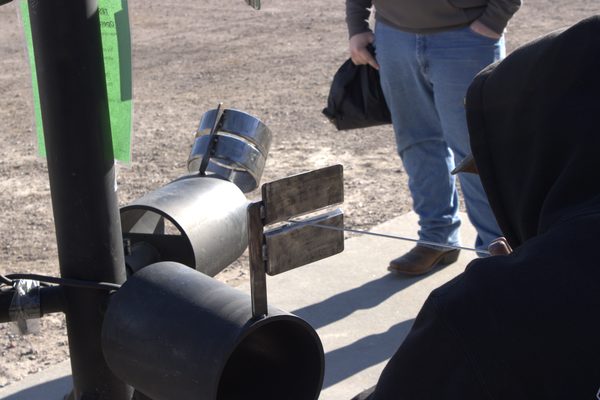
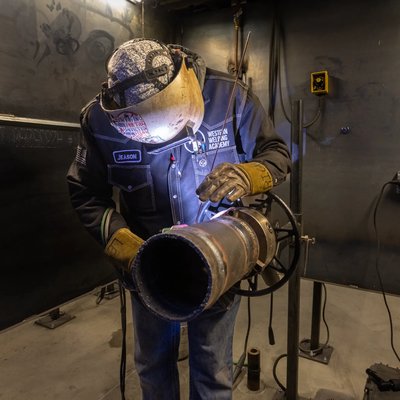
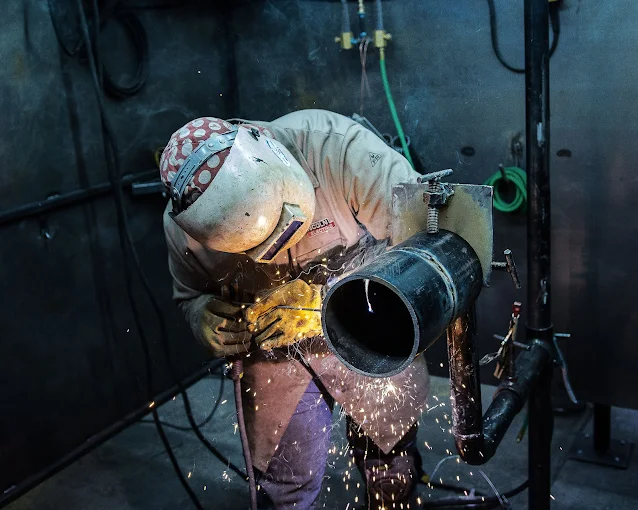
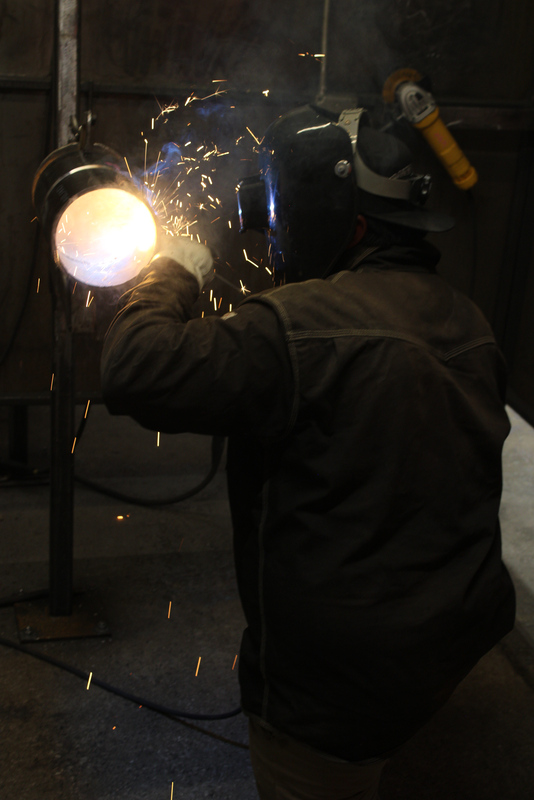
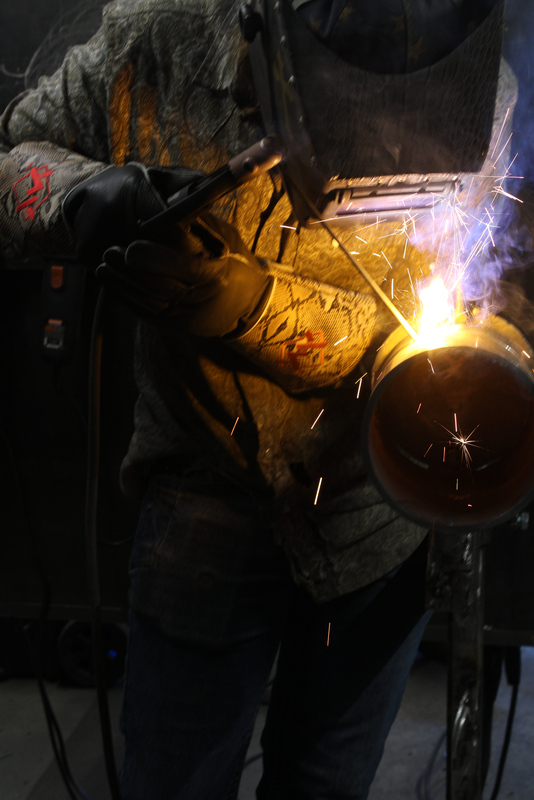
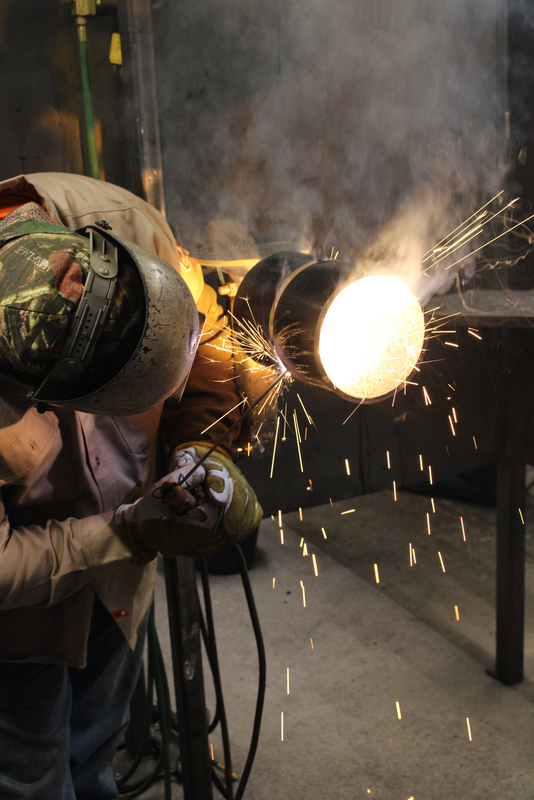
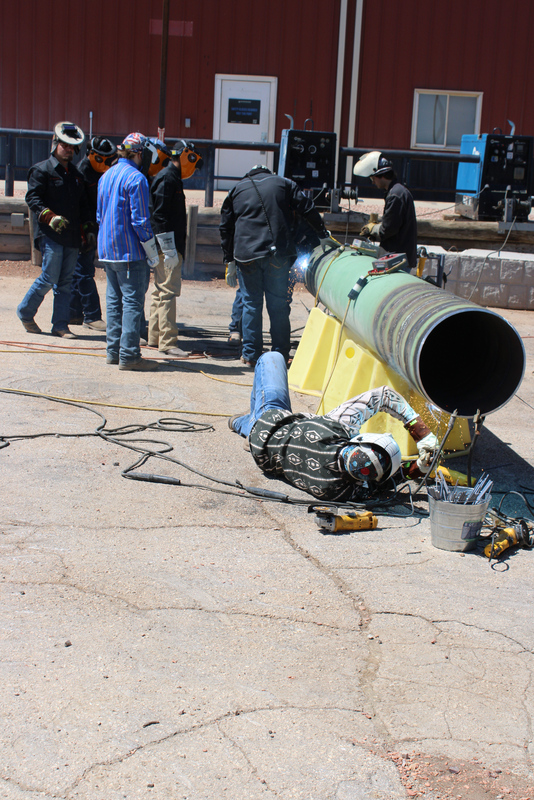
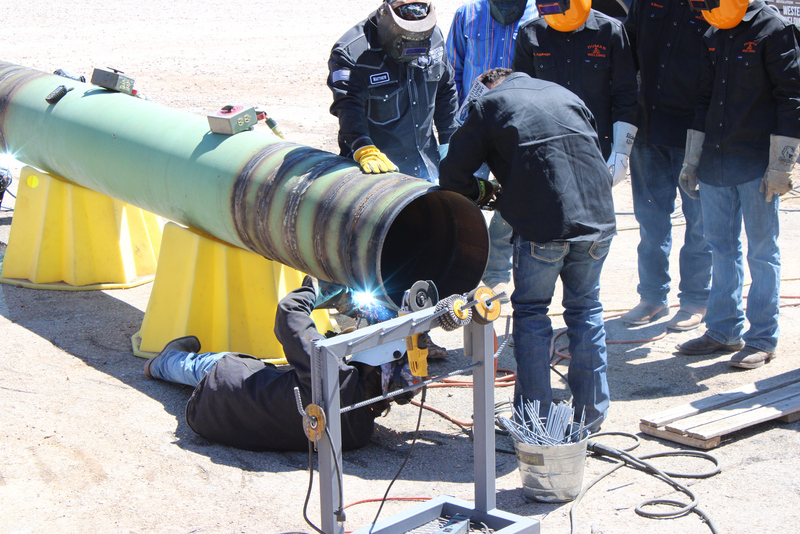
The 6G pipe welding certification is widely considered the most difficult standard welding test. The pipe sits at a fixed 45 degree angle and cannot be rotated. You weld the entire circumference in one continuous pass, transitioning through flat, horizontal, vertical, and overhead positions without stopping. There is no easy section on a 6G test.
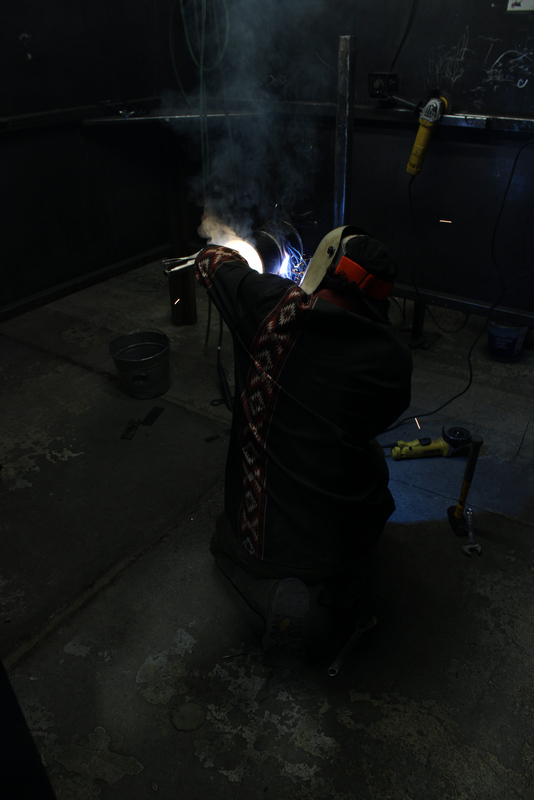
This means you must weld with both your dominant and non-dominant hand. You reposition your body, not the pipe. The test evaluates your heat control, puddle management, and ability to maintain consistent penetration through every position change. AWS offers around 50 different 6G test combinations across various pipe schedules, filler materials, and processes including SMAW and GTAW.
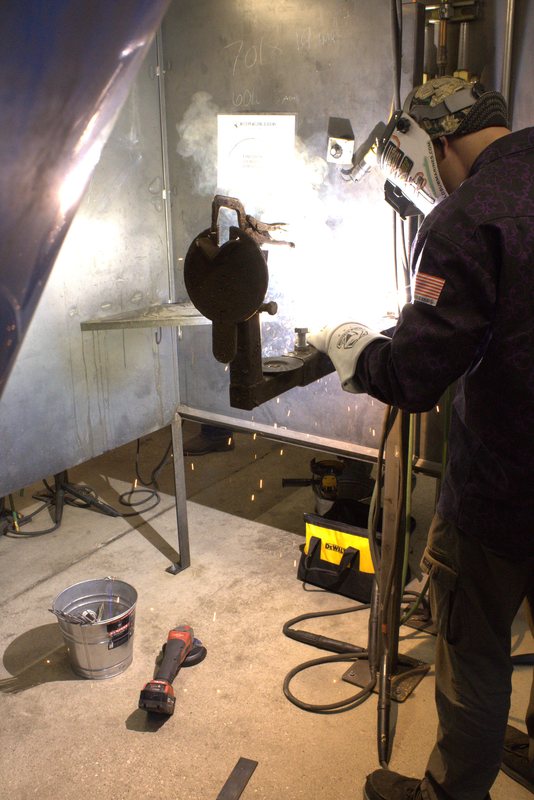
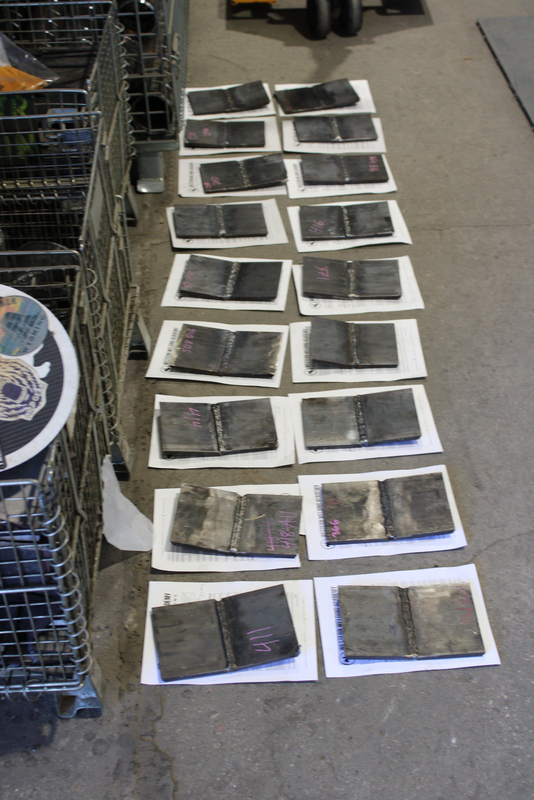
Many welders do not pass the 6G test on their first attempt. The welds go through visual inspection, then destructive bend testing or radiographic examination. Any crack, incomplete fusion, or porosity beyond the acceptance limit fails the test. AWS charges $50 per test and $50 per retest, and certification requires maintenance forms every six months with proof of active welding. The welders who pass on the first try are the ones who spent hundreds of hours in the booth before test day. Programs like the Expert Pipe Welder course at Western Welding Academy put students through exactly this kind of intensive practice.
Ready to earn your 6G certification? Apply now or call (307) 284-5313 to talk to an admissions advisor.
What Is a 6GR Certification and Why Is It Harder
If 6G is the hardest standard welding certification, 6GR is the next level. The R stands for restriction ring. A metal ring sits 1/2 inch from the weld centerline, blocking your electrode angle and limiting your visibility. You cannot see the root of the joint the way you normally would. You work by feel and muscle memory.
The 6GR test also uses a single bevel joint with dissimilar pipe wall thicknesses, typically a 3/16 inch difference between the two sides. This adds complexity to heat input and penetration. Under AWS D1.1, passing a 6GR qualification covers T, K, and Y connections plus butt welds in box sections. The bend test requirements are strict: two face bends and two root bends, or four side bends. All must pass without cracks.
The 6GR certification is less common than 6G because fewer jobs require it. But the jobs that do, structural pipe connections on offshore rigs, heavy industrial platforms, and complex node fabrication, pay at the top of the scale. Welders who hold both 6G and 6GR certifications are in a class that most fabrication shops cannot fill easily.
How API 1104 and ASME Section IX Compare
Beyond AWS certifications, two industry codes set their own qualification standards. API 1104 governs pipeline welding for oil and gas. ASME Section IX covers pressure vessels, boilers, and piping systems. Both require their own procedure qualifications, and both carry strict acceptance criteria that go beyond standard AWS tests. Welders certified under API 1104 are among the highest paid in industrial welding.
ASME Section IX qualification involves destructive testing including tensile tests, bend tests, and impact tests at low temperatures. It also requires nondestructive examination through radiographic, ultrasonic, and dye penetrant methods. For well prepared and experienced welders, the pass rate runs between 80% and 90%. Less experienced welders face significantly lower success rates. Certification typically remains valid for six months to one year depending on the employer.
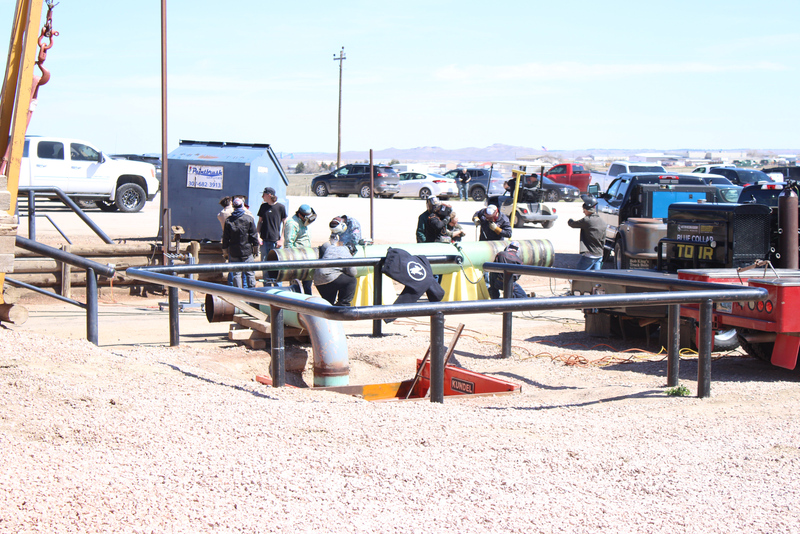
Pipeline welders working under API 1104 face field conditions that make their tests even harder in practice. Wind, rain, awkward positions in the ditch, and strict X-ray standards mean that passing the test in a shop does not guarantee you can replicate it on the right of way. The welders who handle these conditions are the ones who built their foundation with serious hands-on training before heading to the field.
What Certified Welders Actually Earn
The harder the certification, the higher the pay. Entry level welders with a 6G certification start at $24 to $30 per hour. Mid-level 6G certified welders with two to four years of experience earn $60,000 to $80,000 annually. Experienced pipeline and offshore welders with 6G credentials regularly clear $90,000 to $130,000 or more with overtime and per diem. Texas, Alaska, and Louisiana report the highest earnings for certified pipe welders. Graduates of Western Welding Academy are already proving these numbers.
Leyton Wagner earns $4,514 per paycheck welding pipe after completing his training at Western Welding Academy. His earnings reflect the premium that certified pipe welders command in the field. That number comes directly from verified paycheck data published on the school's website.
Gavin Walden brings home $3,986 per paycheck. He went through the same hands-on training that dedicates 85% of class time to actual welding, not textbook work. David Smolek earns $3,417 per paycheck working as a pipe welder. All three graduates demonstrate what happens when intensive booth time meets real job demand.
Noah started clearing $2,800 per week right out of welding school. That pace puts him on track for over $145,000 annually. Hank hit $150,000 per year by age 21, proving that age does not limit earnings when the skills and certifications back it up. These results come from a school with a 94% hire rate within 90 days of graduation.
Why the Right Training Makes the Difference
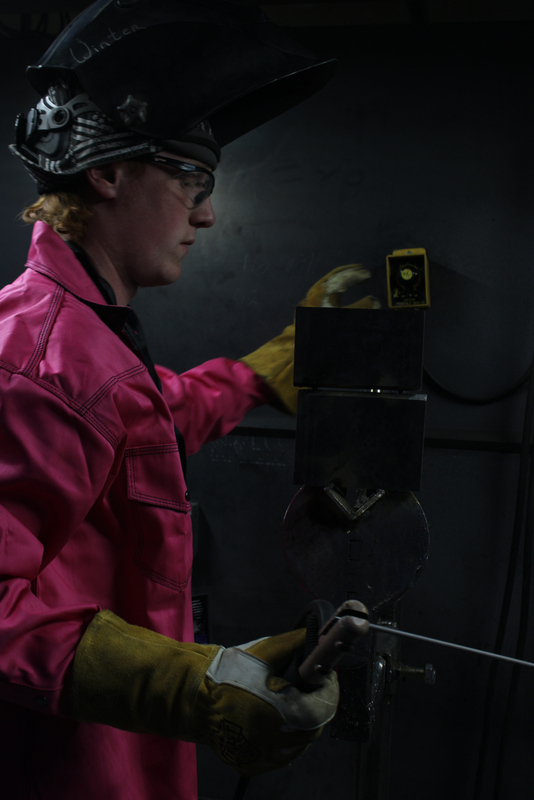
Passing a 6G or 6GR certification on the first attempt is not about talent. It is about repetition under realistic conditions. Western Welding Academy structures every program around this principle. Students spend 40 hours per week in the welding booth, with 85% of total training time dedicated to hands-on practice. The Expert Pipe Welder program runs 24 weeks and covers SMAW, GTAW, FCAW, and GMAW on pipe in all positions, including 6G.
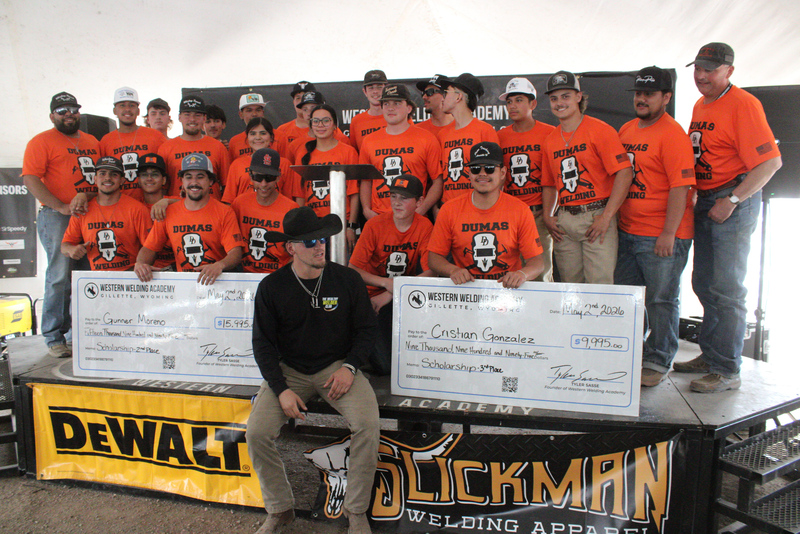
The school's 85% graduation rate is the highest among major welding programs. Competitor A graduates 68%. Competitor B graduates 43%. Competitor C graduates 56%. That data comes from a survey of 234 alumni conducted in November 2024. Western Welding Academy also holds the number one ranking as an AWS Accredited Testing Facility, meaning students can test on site without traveling to a separate testing center.
With 2,000 plus graduates across all 50 states and a 90-day placement rate of 94%, the results speak for themselves. The typical student pays back tuition within 5 to 7 months of starting work. Programs range from the 12 week Foundational Pipe Welder at $17,050 to the 24 week Expert Pipe Welder at $35,800, with the 19 week Professional Pipe Welder at $27,600 in between.
Start training for the certifications that pay the most. Apply now or call (307) 284-5313 to talk to an admissions advisor.
Frequently Asked Questions
Q1. What is the hardest welding certification to get?
The 6G pipe welding certification is the hardest standard test. It requires welding a pipe fixed at 45 degrees through every position without rotating it. The 6GR adds a restriction ring that blocks visibility and rod angle, making it even harder.
Q2. What is the pass rate for 6G welding certification?
No official industry-wide pass rate exists, but many welders do not pass the 6G test on their first attempt. For ASME Section IX qualifications, well prepared welders pass at a rate of 80% to 90%. Less experienced welders face significantly lower success rates.
Q3. How much do 6G certified welders make?
Entry level 6G certified welders start at $24 to $30 per hour. Mid-level welders earn $60,000 to $80,000 annually. Experienced pipeline and offshore welders clear $90,000 to $130,000 or more. Texas, Alaska, and Louisiana report the highest earnings.
Q4. What is the difference between 6G and 6GR welding certification?
The 6G test uses a pipe at 45 degrees with open access. The 6GR adds a restriction ring 1/2 inch from the weld centerline that limits electrode movement and visibility. 6GR also uses dissimilar wall thicknesses and qualifies welders for T, K, and Y connections under AWS D1.1.
Q5. Is underwater welding certification harder than 6G?
Underwater welding requires both commercial diving credentials and welding certifications. The environment makes it one of the most hazardous specialties. However, 6G and 6GR remain the hardest pure welding tests based on technique, position, and acceptance criteria.
Q6. What makes Western Welding Academy different from other welding schools?
Western Welding Academy dedicates 85% of training to hands-on booth time, 40 hours per week. The school holds an 85% graduation rate versus 43% to 68% at competitors, a 94% hire rate within 90 days, and has placed 2,000 plus graduates across all 50 states.
Get Certified and Start Earning
The hardest welding certifications are also the ones that pay the most. The difference between passing and failing comes down to how many hours you spend in the booth before test day. Call Western Welding Academy at (307) 284-5313 or apply now to start training for the certifications that pay.


.jpg)
.jpg)
.jpg)
.jpg)
.jpg)
-thumbnail.jpg)

.jpg)