The Physical Demands Are Real
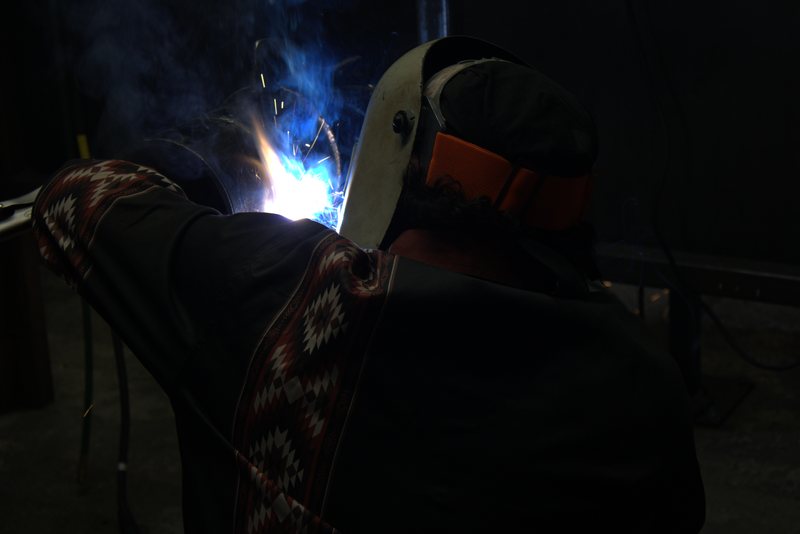
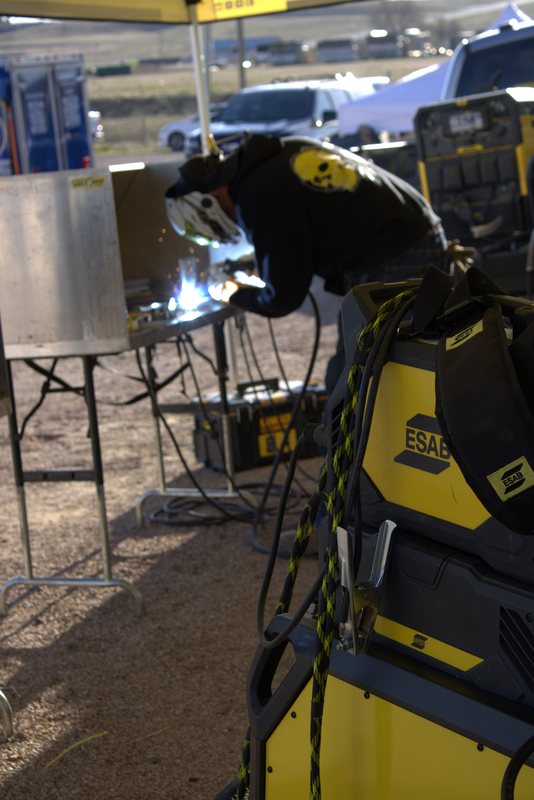
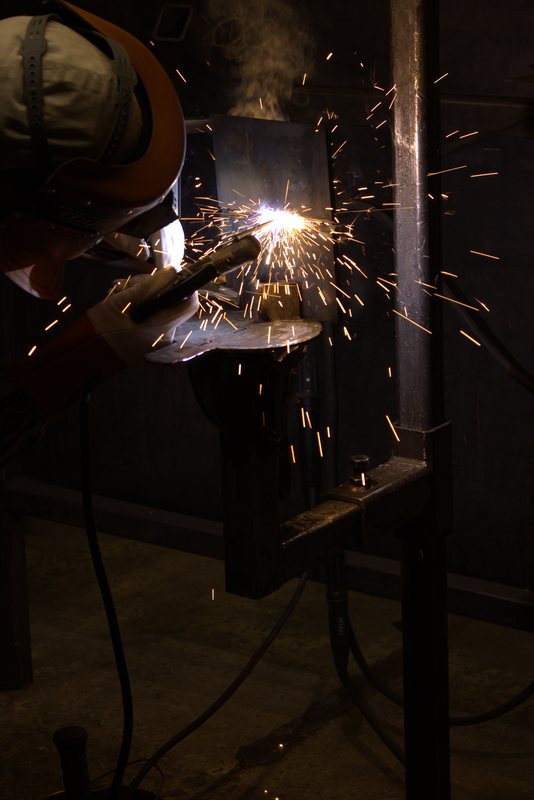
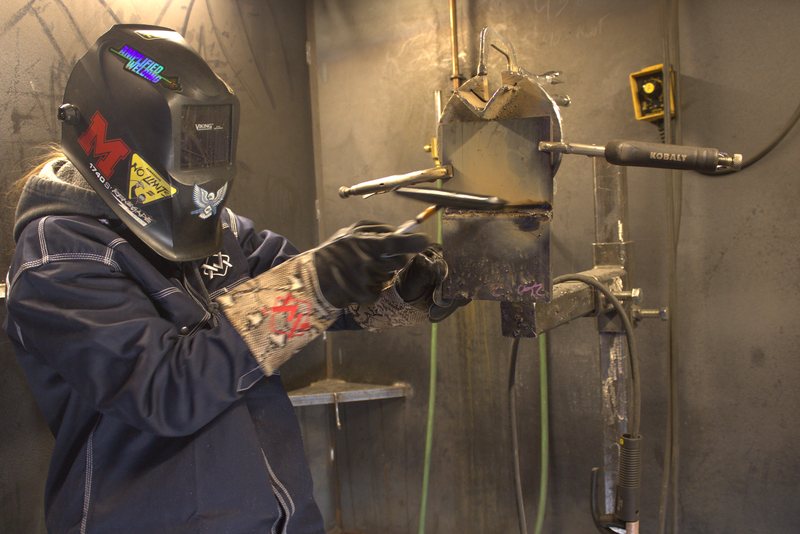
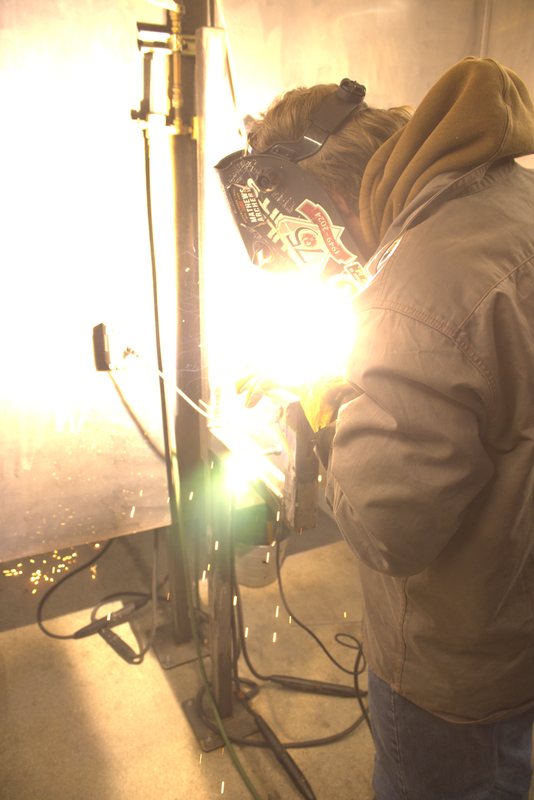
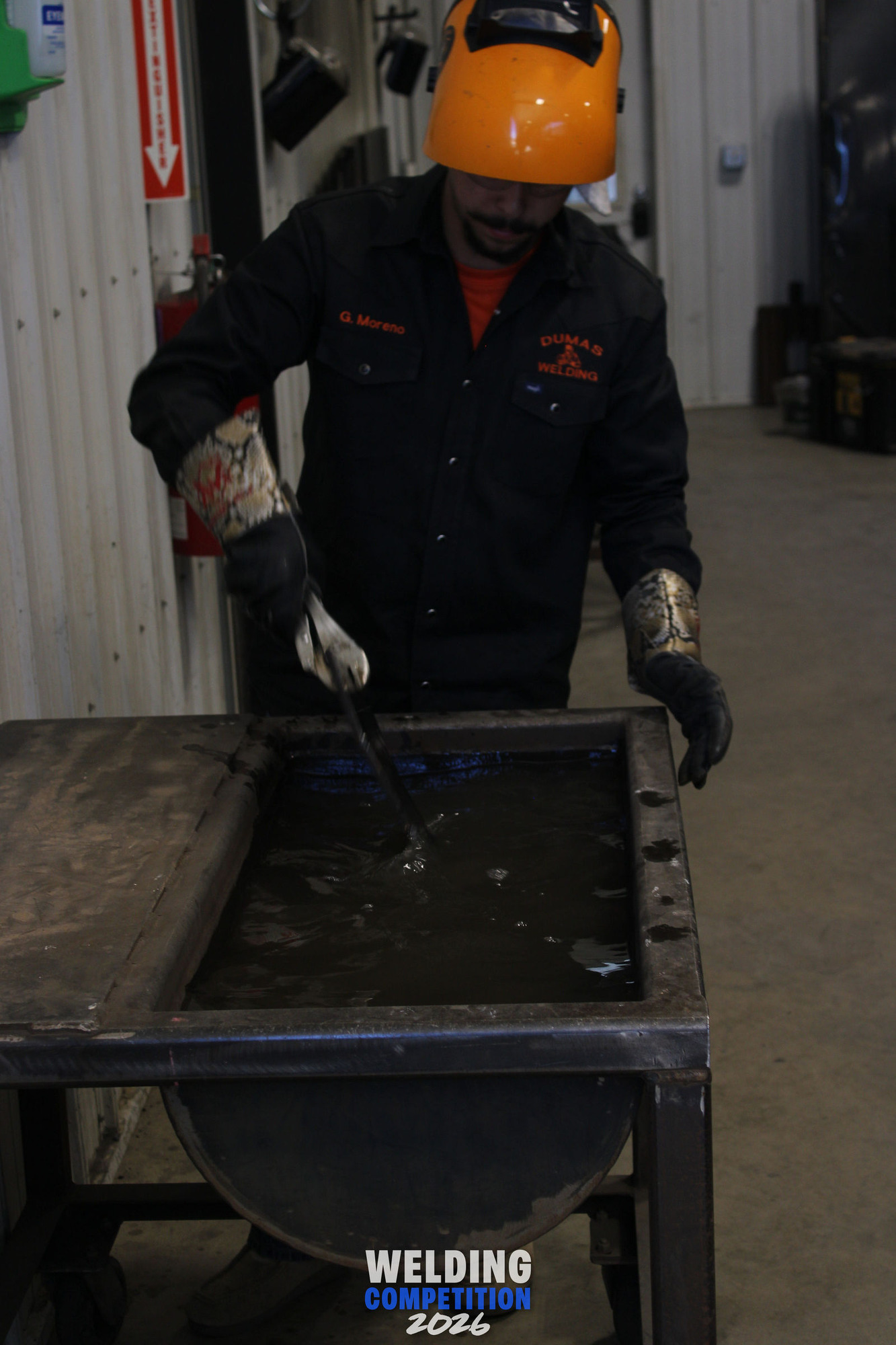
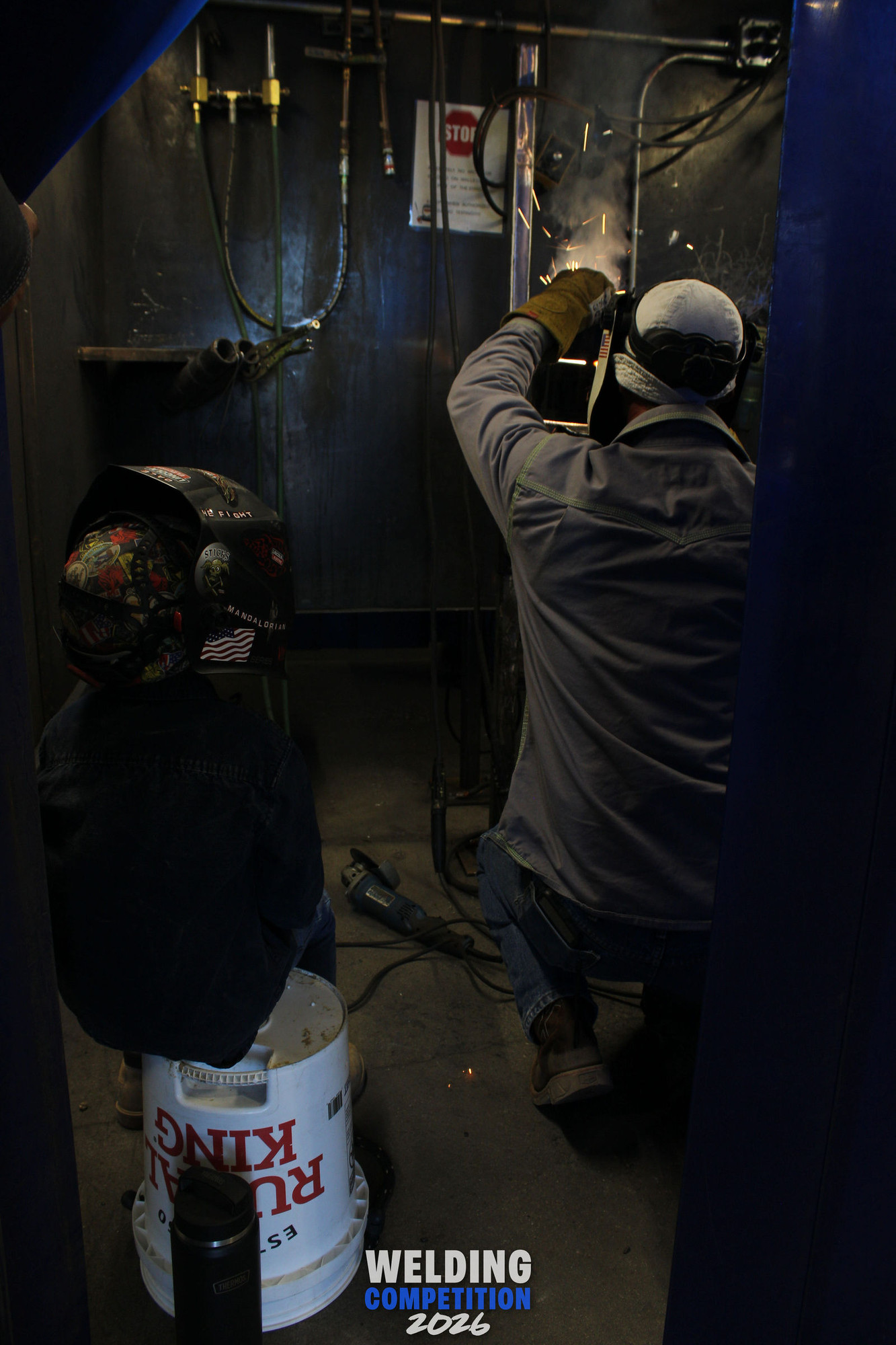
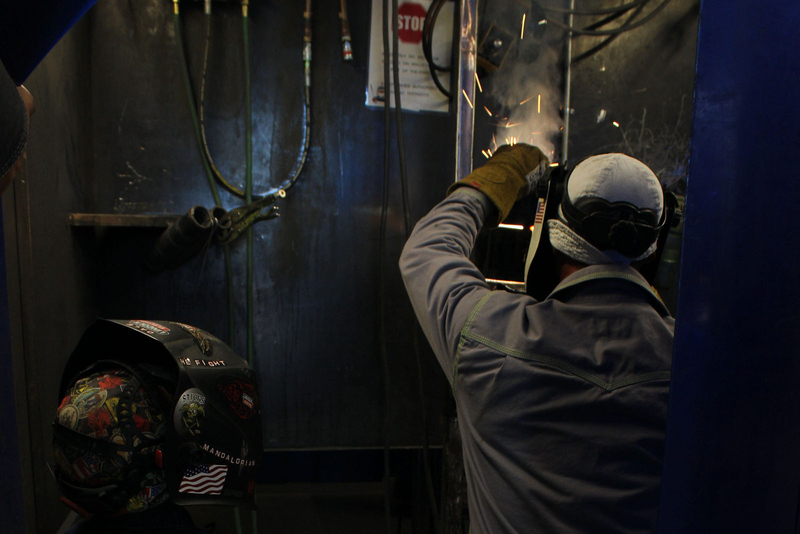
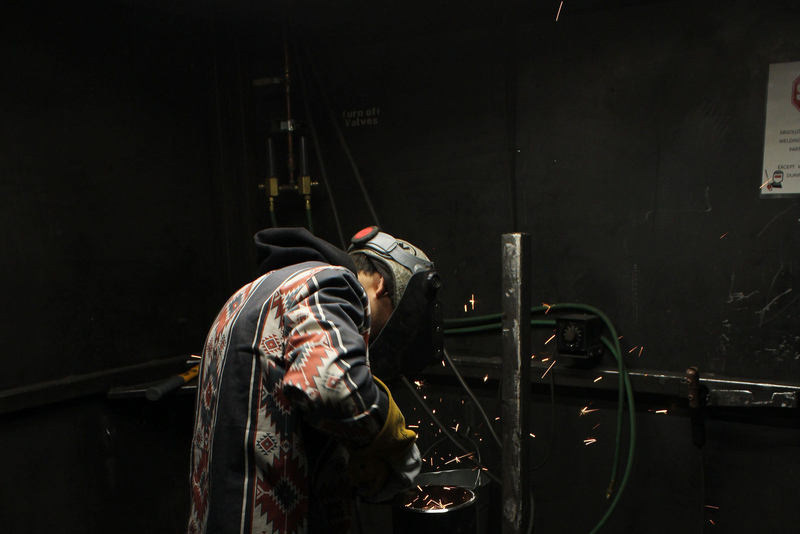
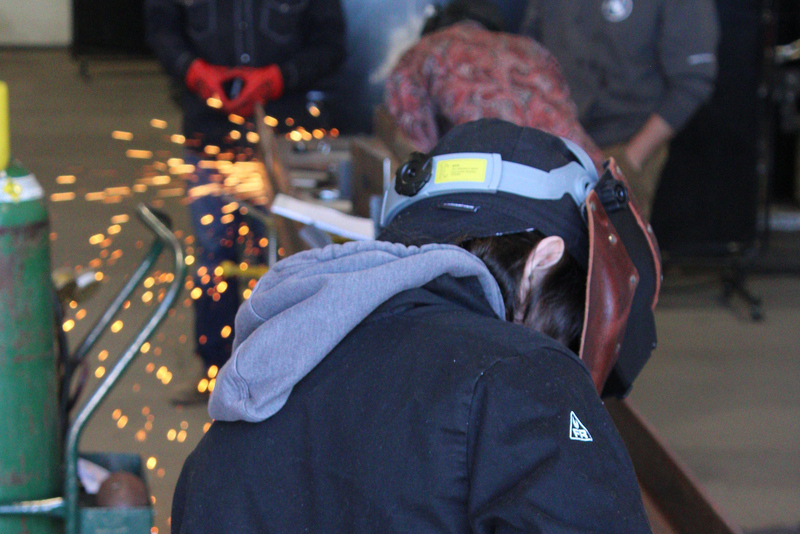
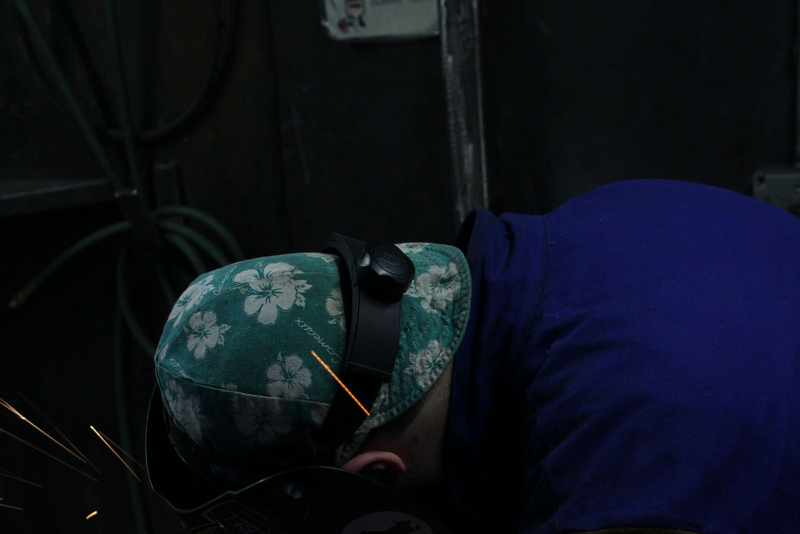
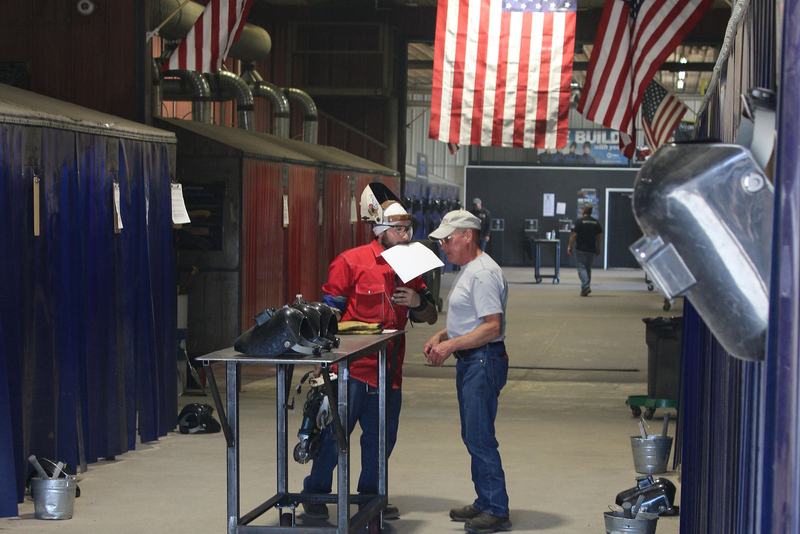
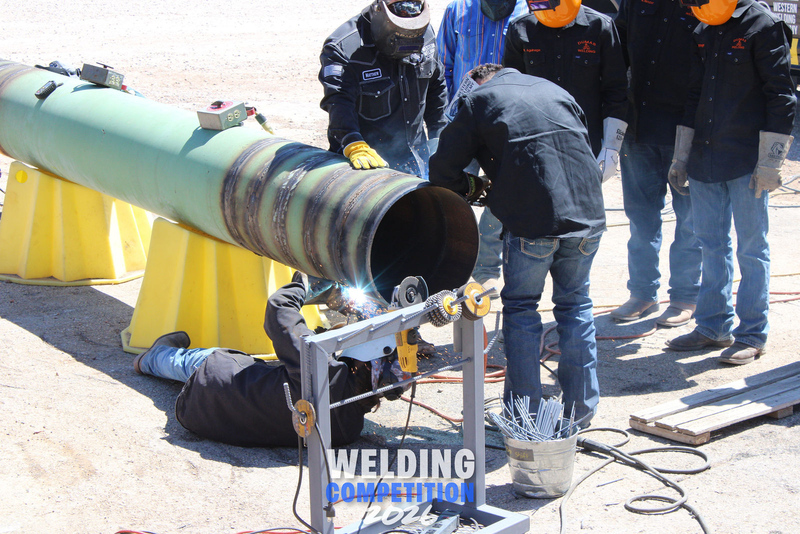
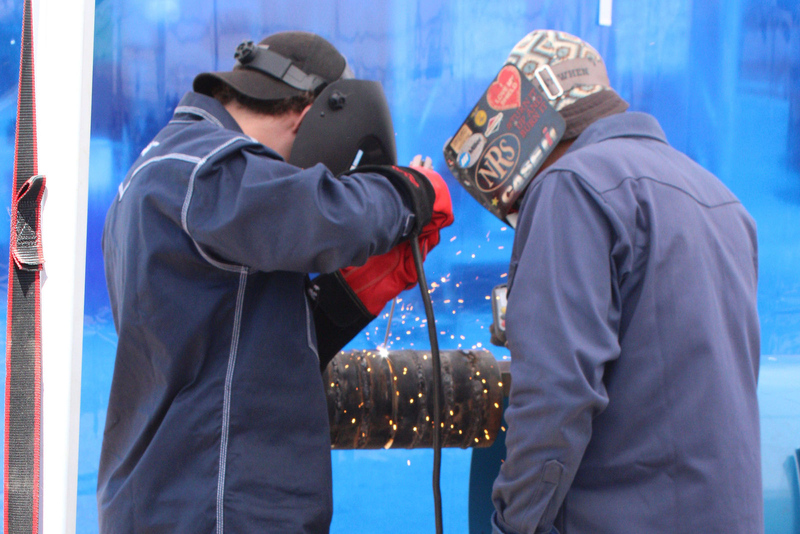
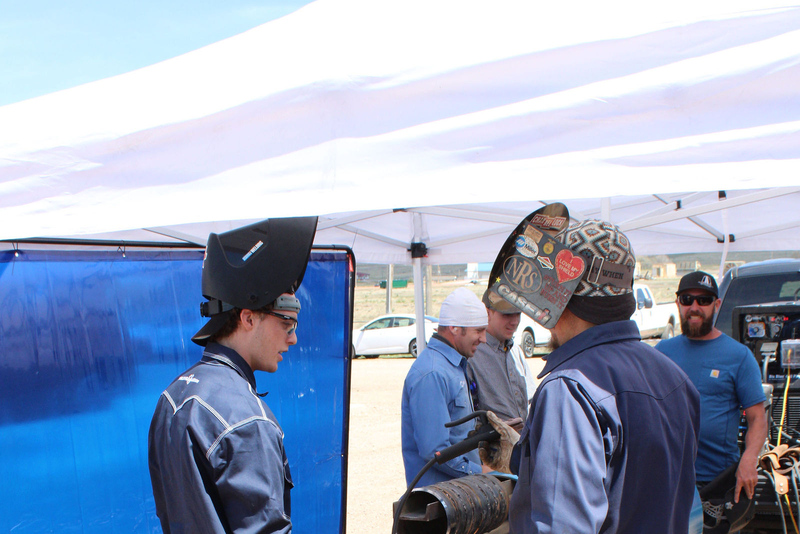
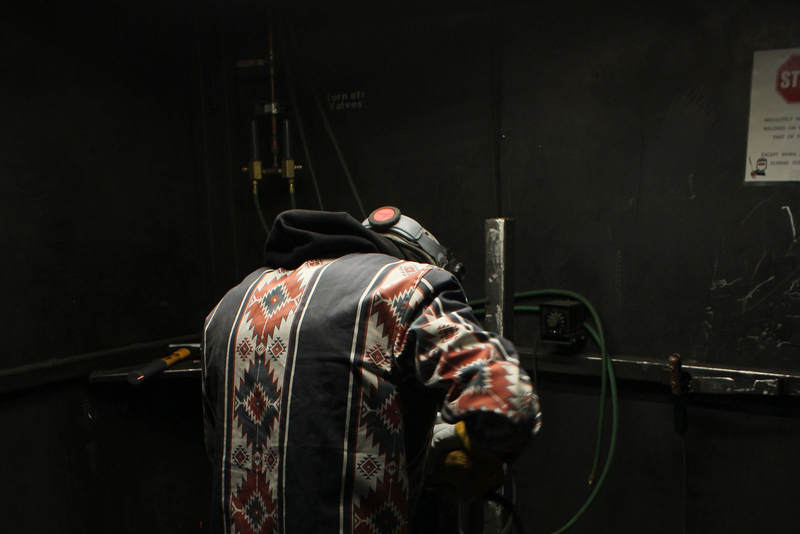
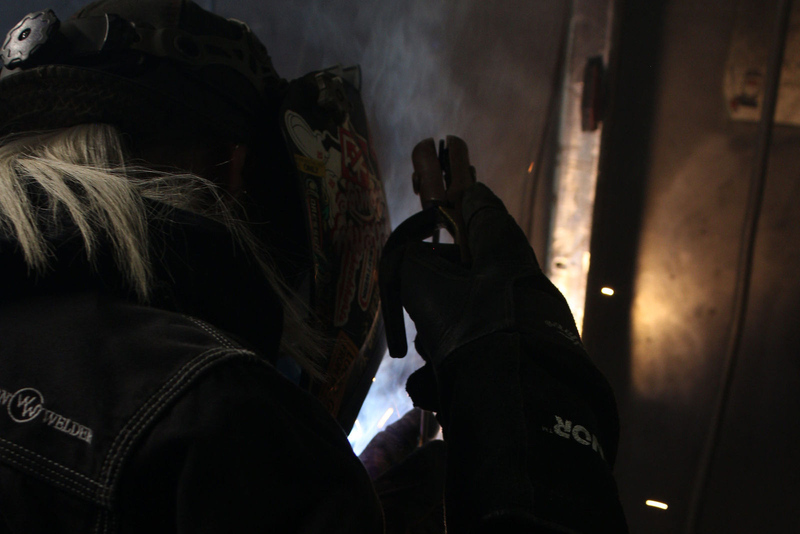
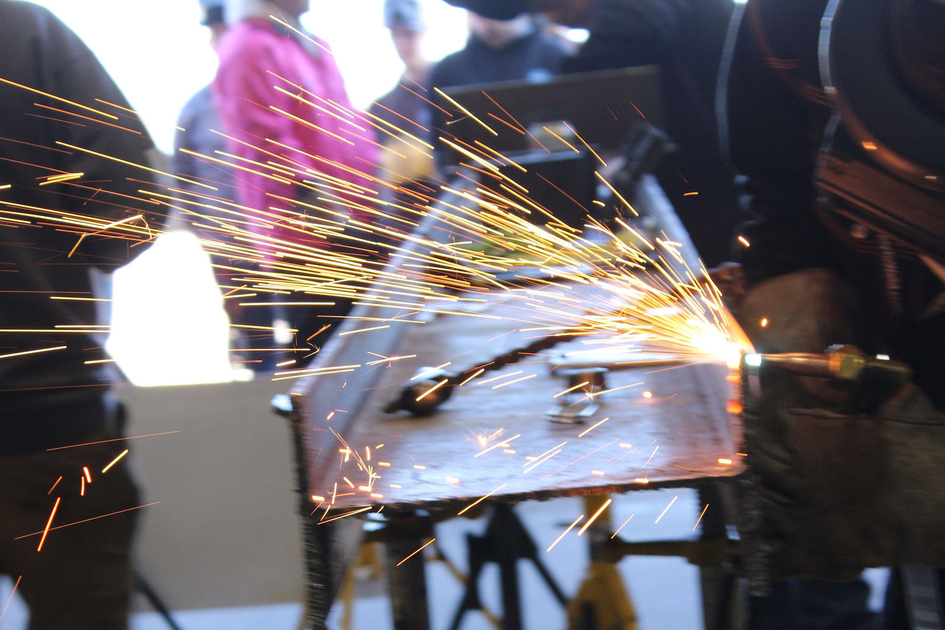
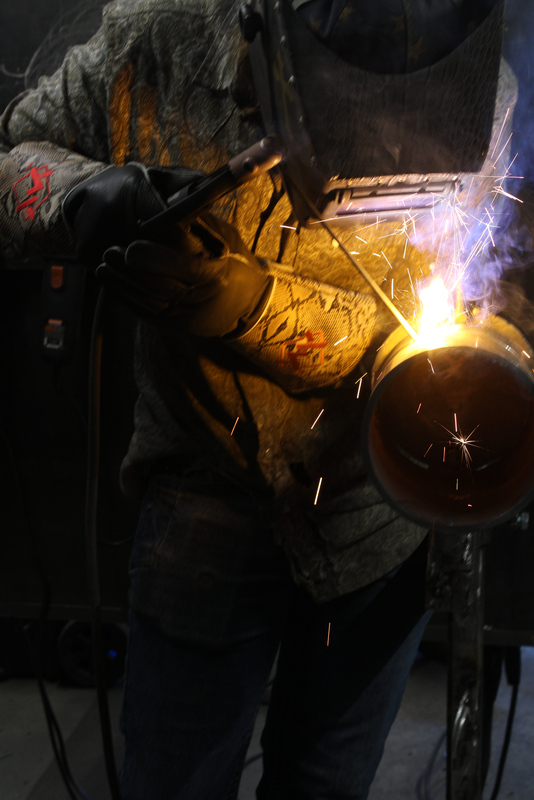
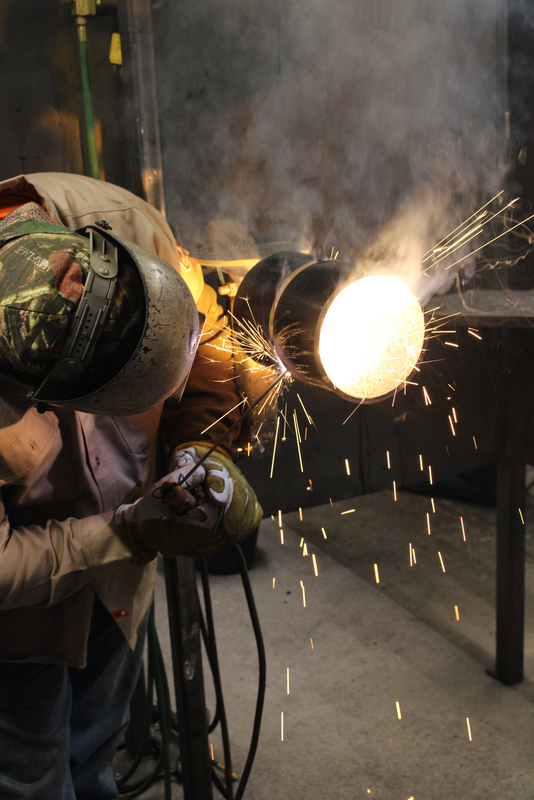
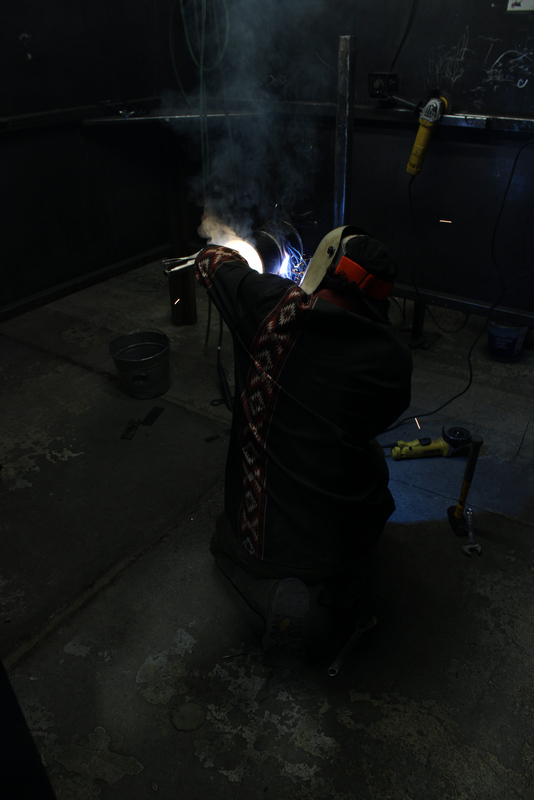
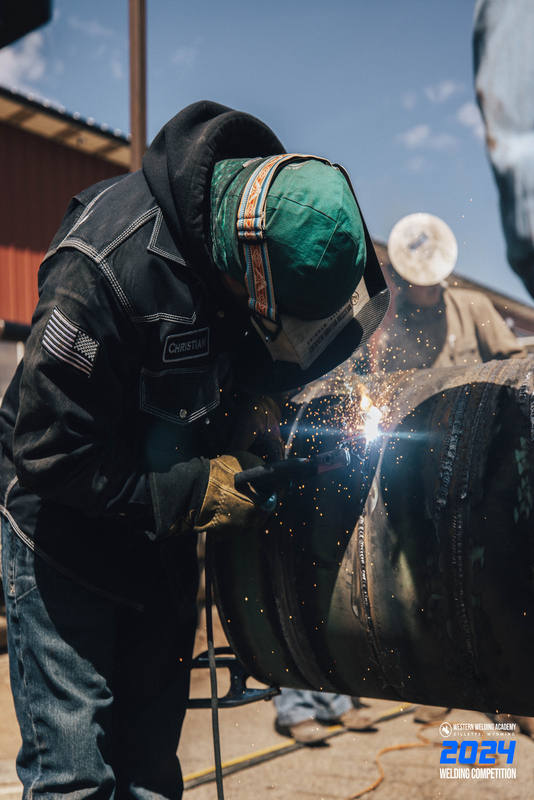
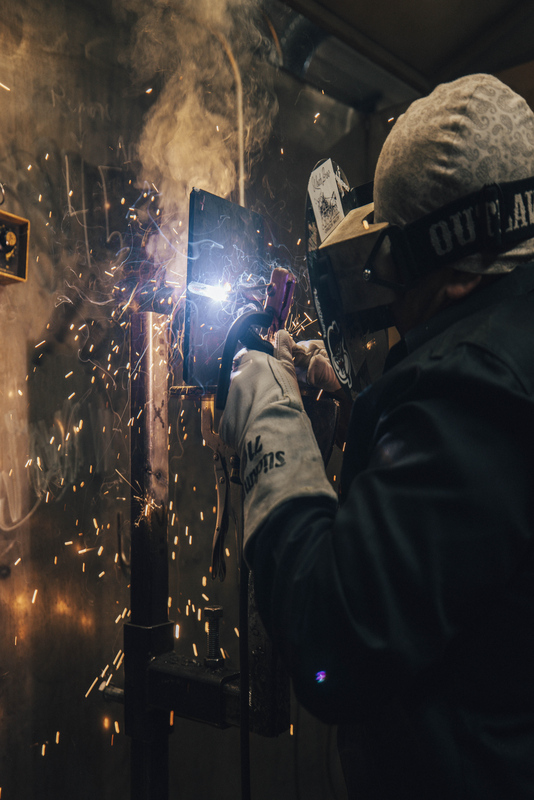
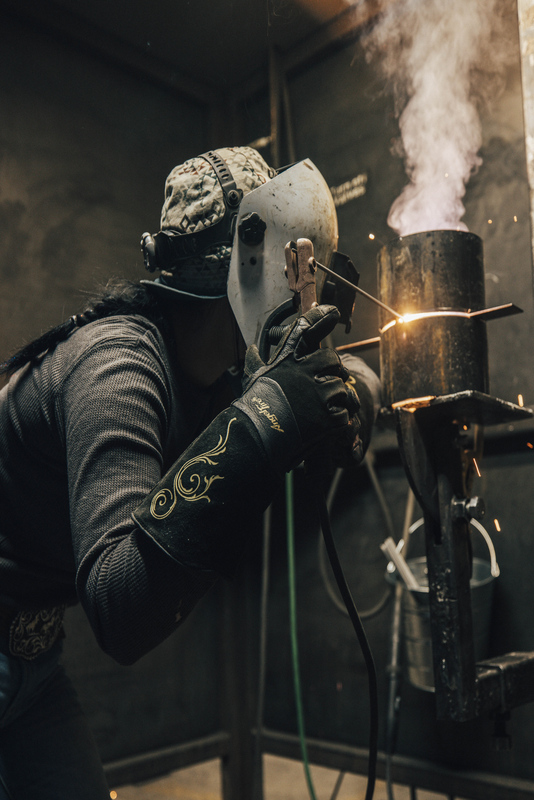
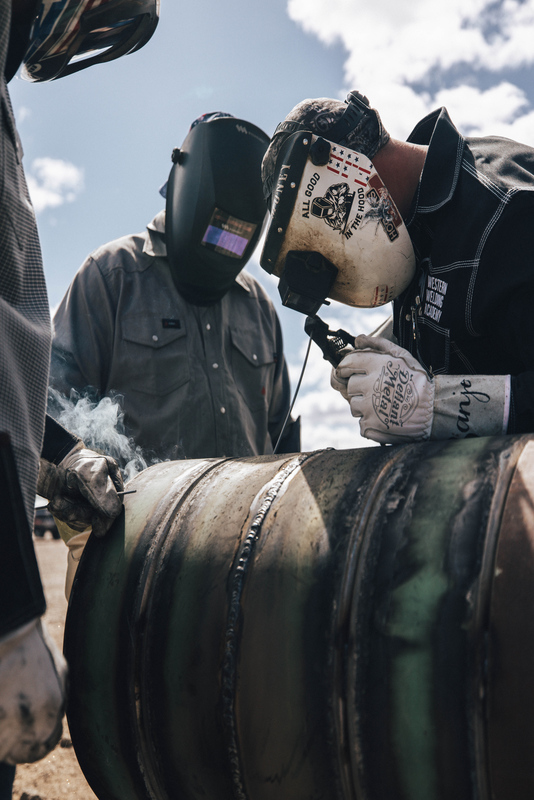
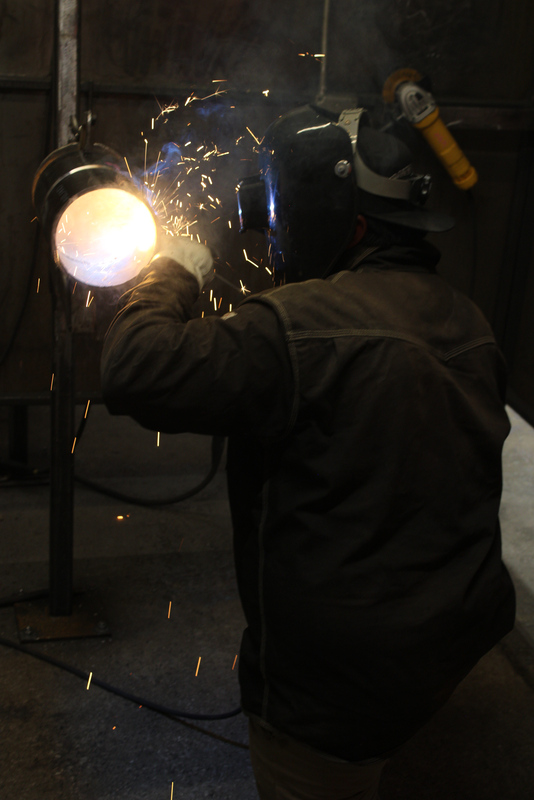
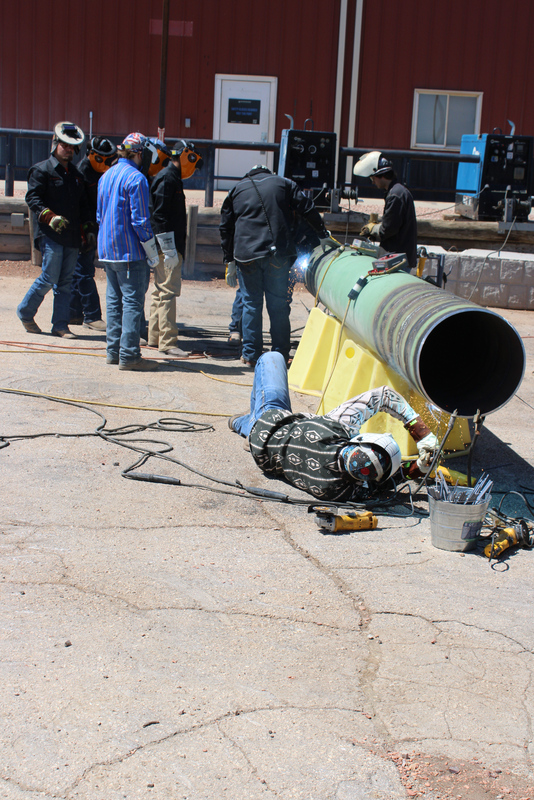
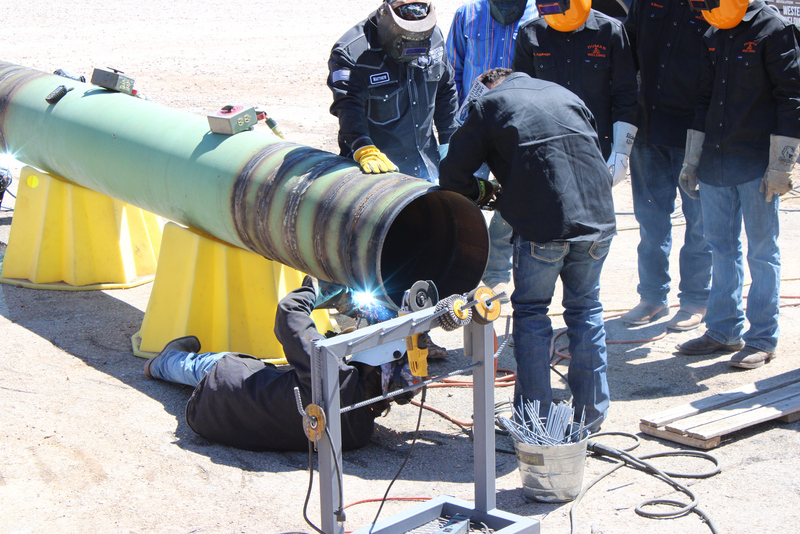
Welding is manual labor. You hold a welding gun or torch at specific angles for minutes at a time while maintaining a steady hand. Pipe welders work in all positions including overhead, which means holding your arms above your head while controlling a weld pool. You wear PPE that adds weight and heat. Welding in summer heat or next to a preheated pipe joint pushes body temperature to uncomfortable levels.
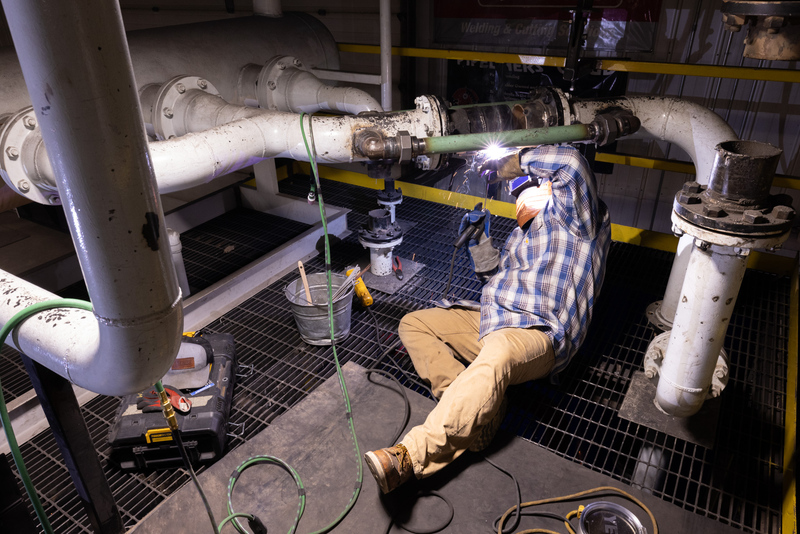
The physical requirements include standing for 8 to 10 hour shifts, kneeling and crouching in tight spaces, lifting materials up to 50 pounds regularly, and working in environments that range from extreme cold to extreme heat. Welders who maintain physical fitness handle these demands more easily. The body adapts to the work, but the first few weeks of training or a new job are physically intense. Learn about what safety gear protects welders on the job.
The Mental Focus Required
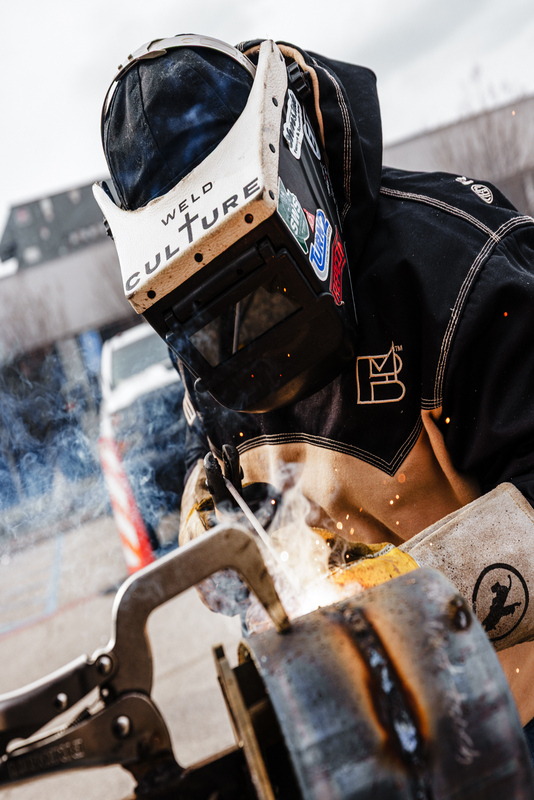
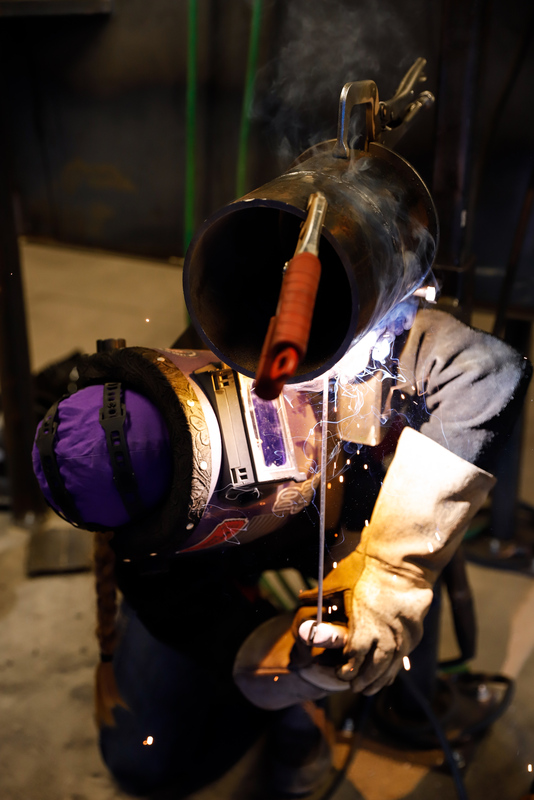
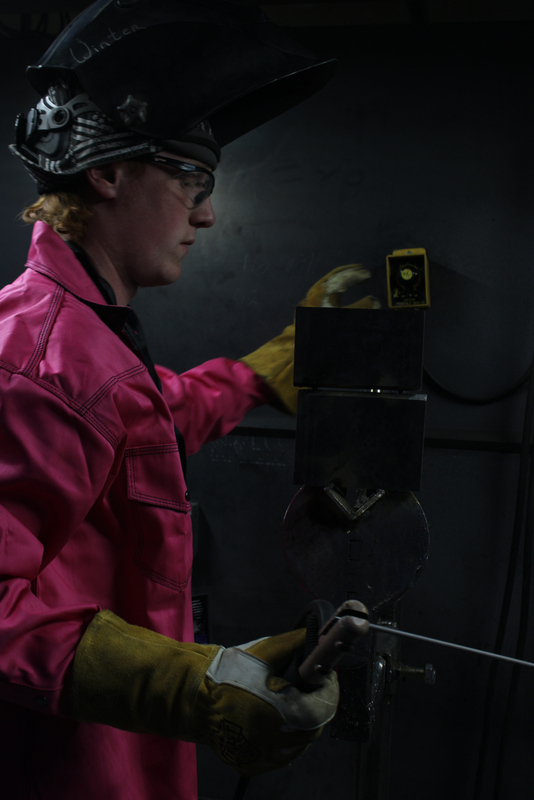
Every weld requires concentration. You monitor arc length, travel speed, heat input, and weld pool behavior simultaneously. A moment of distraction can cause a defect that fails inspection and requires hours of grinding and rewelding. The mental load increases with the complexity of the work. A simple fillet weld on flat steel is straightforward. A 6G pipe weld with radiographic inspection tolerances demands complete focus.
Reading blueprints, interpreting welding symbols, selecting correct filler metals, and adjusting machine parameters all require problem-solving skills. Welding is not mindless repetition. It is skilled work that engages your brain and hands together. The welders who develop the strongest mental focus produce the best work and earn the highest pay.
Ready to launch your welding career? Apply now or call Western Welding Academy at (307) 284-5313 today.
How Difficulty Varies by Welding Specialty
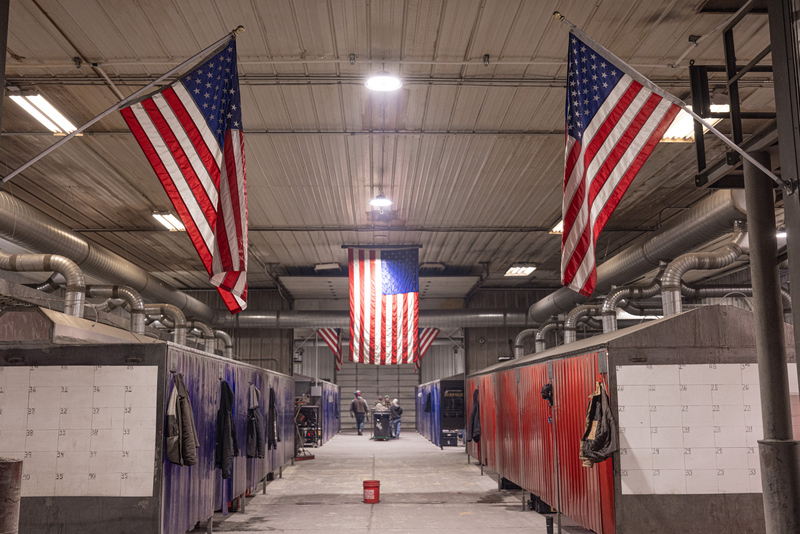
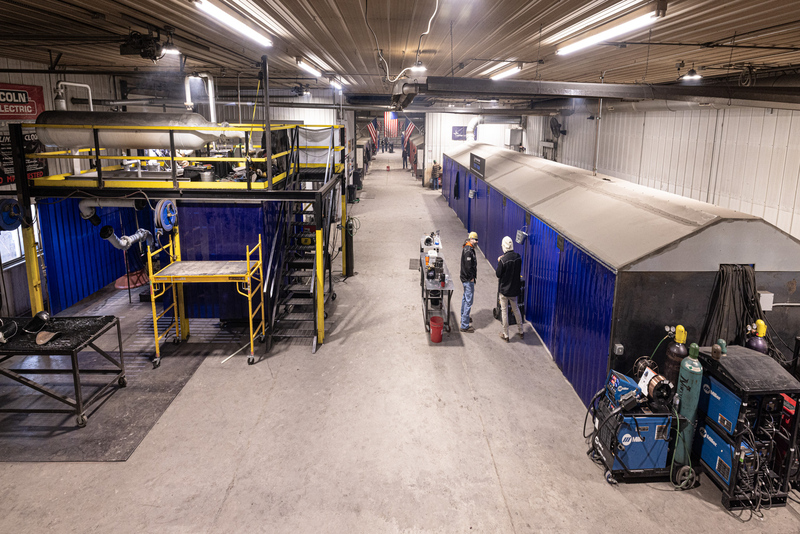
Shop fabrication is the most controlled environment. You work indoors, often on flat or horizontal welds, with consistent materials and conditions. The physical demands are moderate compared to field work. Production welding in manufacturing is physically repetitive but less technically demanding than pipe welding.
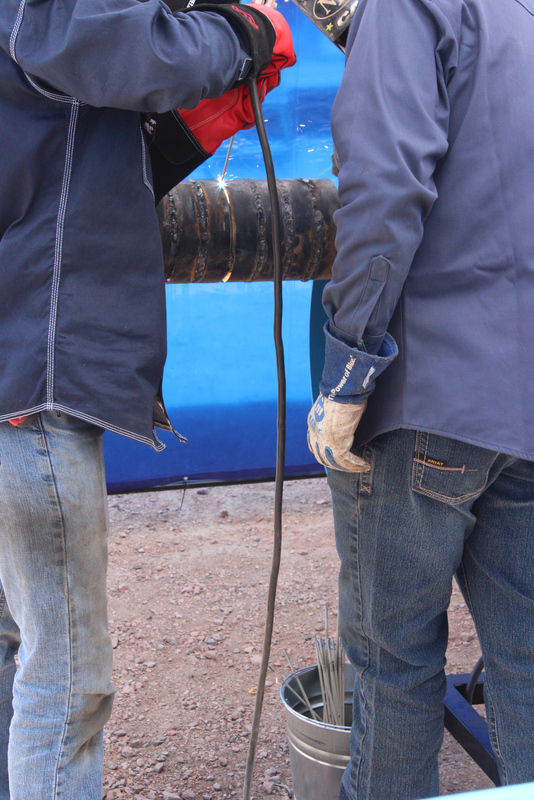
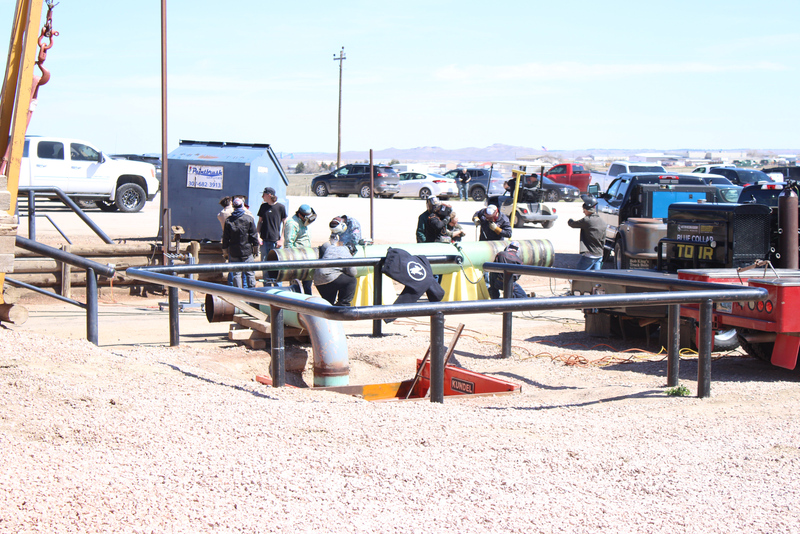
Pipeline and energy sector welding is the most physically demanding. You work outdoors in extreme weather, travel to remote locations, and perform technically difficult welds under strict inspection standards. Nuclear and aerospace welding is less physically demanding but more mentally intense because the quality tolerances are the tightest in the industry. Read what nuclear welding jobs involve for a look at the high end of difficulty and pay.
| Welding Specialty | Physical Demand | Mental Demand | Pay Range |
|---|---|---|---|
| Shop Fabrication | Moderate | Moderate | $40K to $65K |
| Structural Steel | High | Moderate | $45K to $80K |
| Pipeline / Energy | Very High | High | $60K to $150K |
| Nuclear / Aerospace | Moderate | Very High | $70K to $130K |
| WWA Training | 85% booth time builds endurance, 94% hire rate, 2,000+ graduates | ||
Why the Difficulty Is Your Advantage
Hard work scares people away. That is exactly why welders earn premium wages. The national welding industry needs 82,500 new welders per year, and the projected shortage reaches 330,000 by 2028. Fewer people entering the trade means less competition and higher pay for those who can do the work. Every difficult weld you master raises your value to employers.
Western Welding Academy prepares students for the physical and mental demands of real welding work through 85 percent booth time, 40 hours per week, across 12 to 24 week programs. The school holds a 94 percent hire rate within 90 days, verified by a 234-alumni survey. With 2,000 graduates, 330 combined instructor years, and the number one AWS Accredited Testing Facility ranking, graduates are conditioned for the demands of the trade before they hit the job site.
What Western Welding Academy Graduates Earn
Graduates of Western Welding Academy earn verified paychecks that reflect the premium employers pay for welders who can handle difficult work.
Source: WWA website (Leyton, Gavin, David). Graduate outcomes tracking (Noah, Hank).
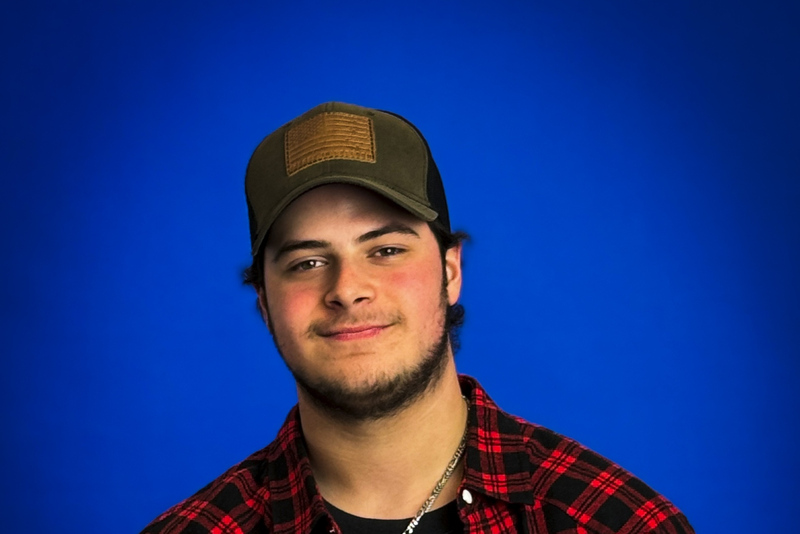
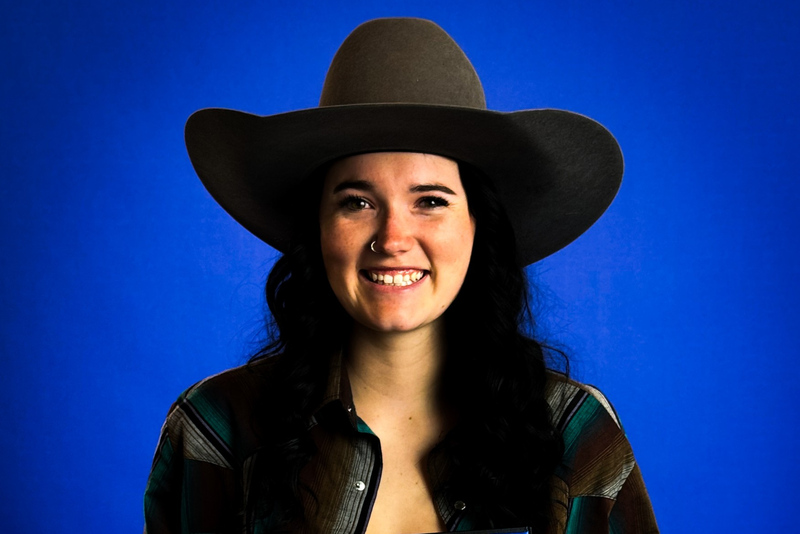
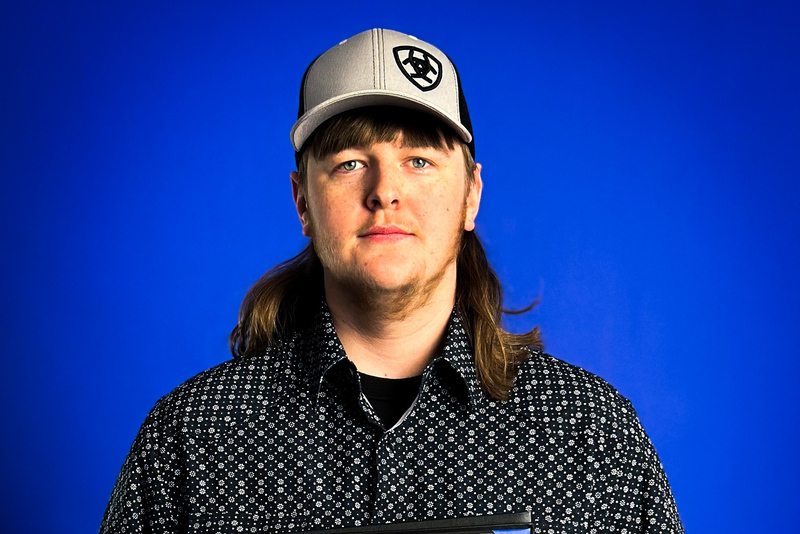
Leyton Wagner earns $4,514 per paycheck. The difficulty of pipe welding is what makes his pay possible. Gavin Walden takes home $3,986 per paycheck. David Smolek earns $3,417 per paycheck.
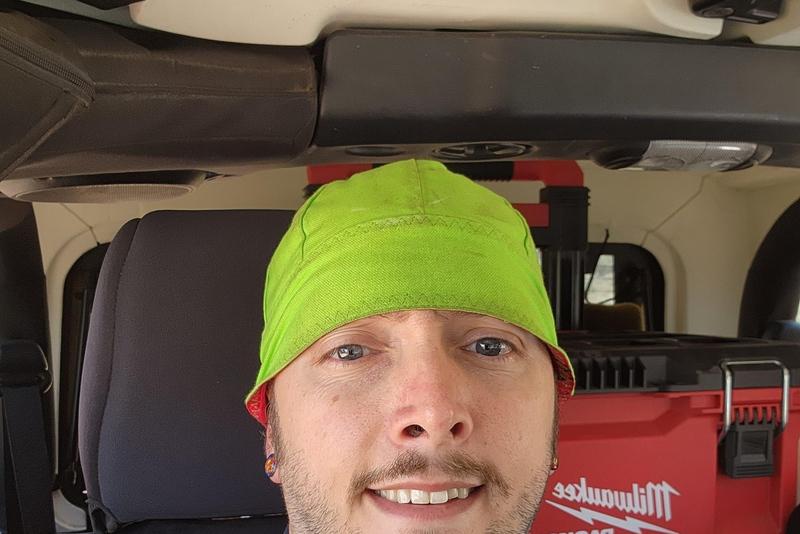
Noah clears $2,800 per week on the North Slope in Alaska, one of the hardest work environments in the country. Hank reached $150,000 per year by age 21. Hard work pays. That is the entire point.
Ready to launch your welding career? Apply now or call Western Welding Academy at (307) 284-5313 today.
Frequently Asked Questions
Q1. Is welding physically hard on your body?
Yes. Welding involves standing for long shifts, holding awkward positions, lifting heavy materials, and working in extreme temperatures. Welders who maintain physical fitness and use proper ergonomics handle the demands better. PPE adds weight and heat but is essential for safety.
Q2. Is welding harder to learn than other trades?
Welding requires more hand-eye coordination and precision than many trades. TIG welding is considered one of the hardest manual skills in any trade. However, with structured training and enough booth time, most people can develop competent welding skills. The learning curve is steep but short at an intensive school.
Q3. What is the hardest type of welding?
TIG welding on thin-wall pipe in the 6G position (pipe fixed at 45 degrees) is widely considered the most difficult manual welding task. It requires simultaneous control of both hands, a foot pedal, and constant arc monitoring. Nuclear and aerospace TIG welding adds the tightest quality tolerances on top of the physical difficulty.
Q4. Does welding get easier with experience?
Yes. Muscle memory develops with repetition, and experienced welders perform complex welds with less conscious effort. The physical demands do not disappear, but your body adapts. Proper training builds these habits faster. Western Welding Academy's 85 percent booth time accelerates the learning curve significantly.
Q5. Can women do welding?
Absolutely. Welding requires skill, focus, and endurance, not brute strength. Women work successfully in every welding specialty including pipe, aerospace, and nuclear. The physical demands are manageable with proper technique and conditioning regardless of gender.
Q6. What makes Western Welding Academy different from other welding schools?
Western Welding Academy delivers 85 percent hands-on booth time that conditions students for the physical and mental demands of real welding work. The school holds a 94 percent hire rate within 90 days, verified by a 234-alumni survey. With 2,000 graduates, 330 combined instructor years, and the number one AWS Accredited Testing Facility ranking, the school produces welders prepared for hard work.
Hard Work Deserves Good Training
Welding is hard. The right training makes it manageable and profitable. Call Western Welding Academy at (307) 284-5313 or apply now to prepare for a career where difficulty equals opportunity.

.jpg)
.jpg)


.jpg)
.jpg)
.jpg)
.jpg)
.jpg)
-thumbnail.jpg)

.jpg)