What Porosity Looks Like and Why It Matters
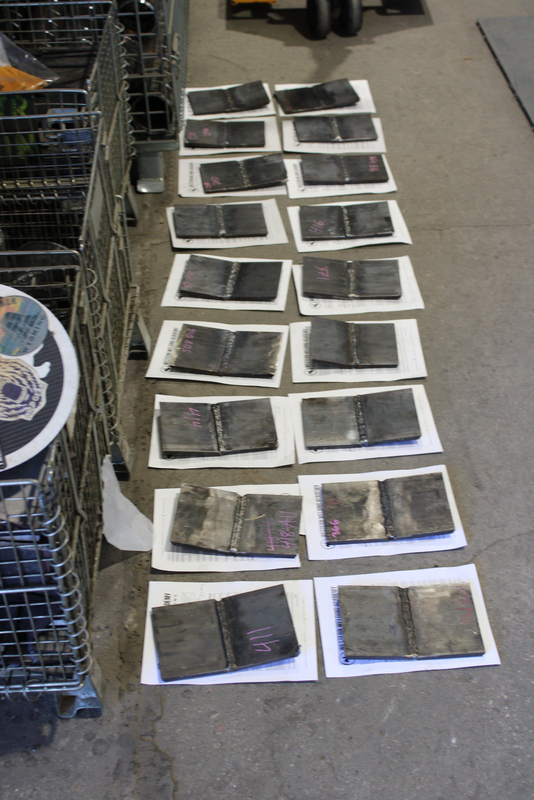
Porosity appears as small round holes in the weld metal, either on the surface (visible porosity) or inside the weld where only X-ray or ultrasonic inspection can find it (subsurface porosity). Surface porosity is obvious. You can see the tiny pinholes in the face of the weld. Subsurface porosity is the career killer because it hides inside a weld that looks perfect on the outside.
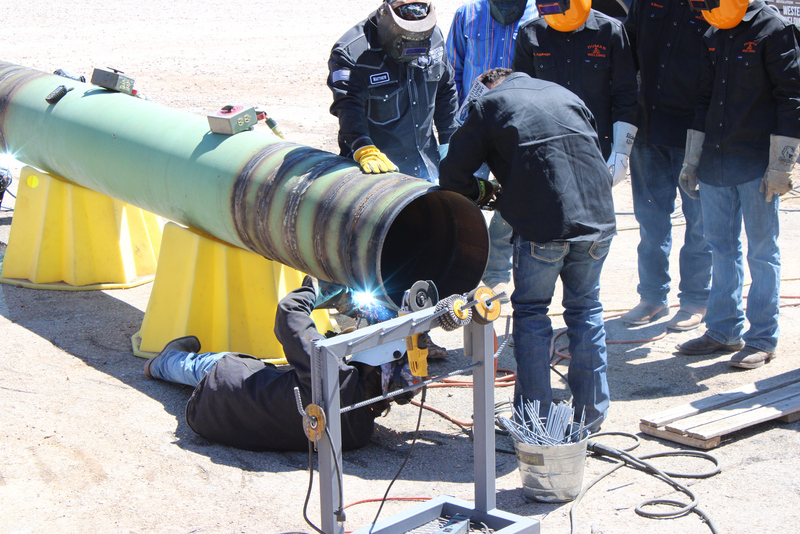
On pipeline work governed by API 1104 code, porosity rejection criteria are strict. Clustered porosity, linear porosity (pores aligned along the weld), and individual pores above a certain diameter all result in automatic rejection. A rejected weld means cutting out the joint, re-prepping, and rewelding. On a production pipeline, that delay costs the contractor money and costs the welder credibility.
Learn to weld porosity free joints that pass every inspection. Apply now or call (307) 284-5313.
The Six Primary Causes of Porosity in Pipe Welds
Porosity has specific, identifiable causes. Each one has a direct fix. The key is understanding which cause is producing your specific porosity pattern so you apply the right correction.
1. Contaminated Base Metal or Filler Wire
Oil, grease, paint, rust, moisture, and mill scale on the pipe surface or in the joint preparation release gas when the arc heats them. That gas gets trapped in the molten weld pool before it can escape. The fix is thorough cleaning before welding. Grind the bevel faces and the area one inch back from the joint on both sides. Wire brush and solvent wipe immediately before welding. Use clean, dry filler wire from sealed containers.
2. Inadequate Shielding Gas Coverage
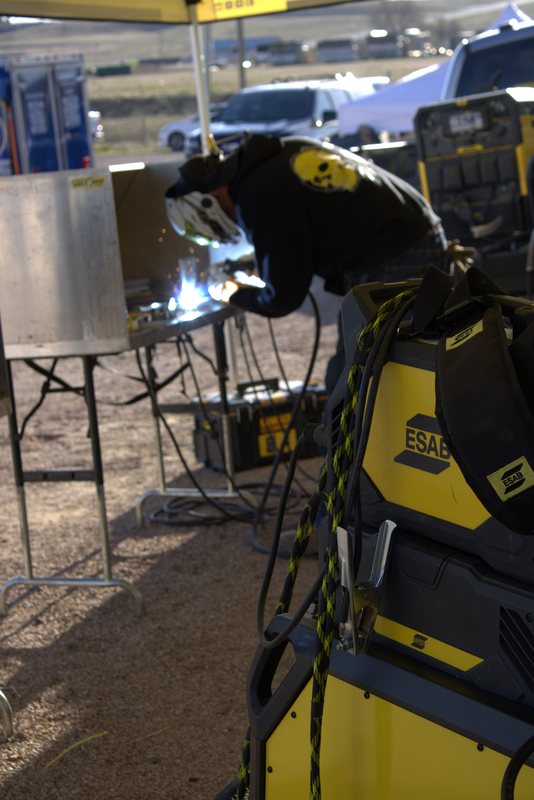
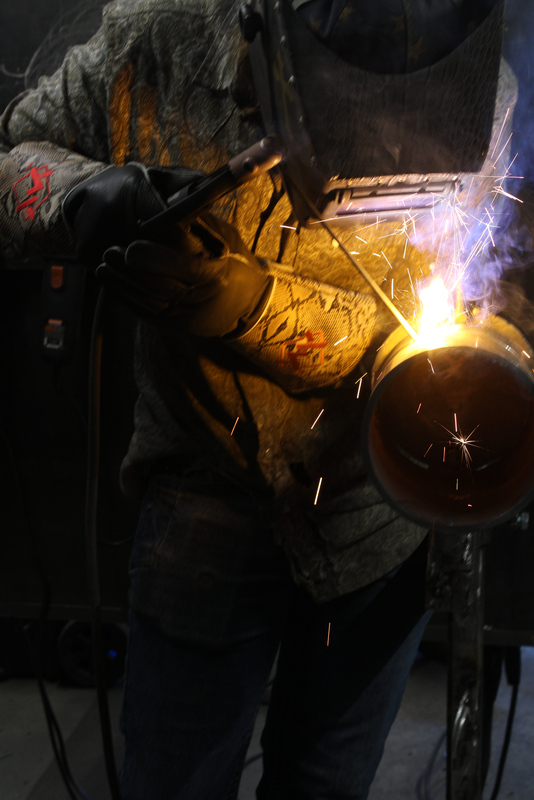
When using GTAW (TIG) or GMAW (MIG) processes, shielding gas protects the molten weld pool from atmospheric contamination. Wind, incorrect flow rates, damaged nozzles, or too much distance between the nozzle and the work piece allow air to reach the weld pool. The oxygen and nitrogen in air create porosity. The fix depends on the cause: windscreens for outdoor work, correct flow rate settings (typically 20 to 30 CFH for GTAW), replace damaged nozzles, and maintain proper nozzle to work distance.
3. Moisture in Electrodes or Flux
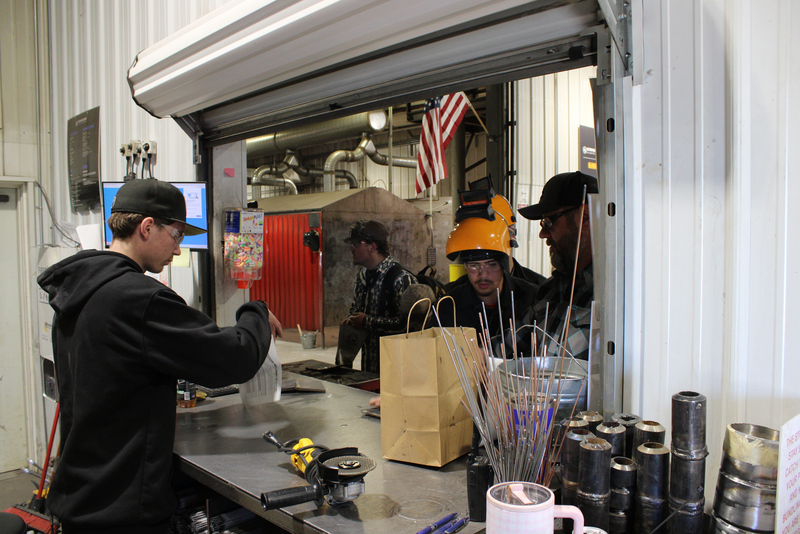
SMAW (stick) electrodes and FCAW wire absorb moisture from humid air. When moisture enters the arc, it breaks down into hydrogen and oxygen that create porosity. Low hydrogen electrodes (E7018, E8018) are especially sensitive. The fix is proper electrode storage: keep opened containers in rod ovens at 250 to 300 degrees Fahrenheit. Never use electrodes that have been exposed to humidity for more than a few hours without reconditioning.
4. Incorrect Welding Parameters
Too much travel speed does not give gas bubbles time to escape the weld pool before it solidifies. Too long an arc length increases the area exposed to atmospheric contamination. Incorrect voltage or amperage settings change the weld pool dynamics and can trap gas. The fix is following the Welding Procedure Specification (WPS) exactly and adjusting technique to maintain a tight, consistent arc length.
5. Improper Joint Fit Up
Gaps that are too wide or too narrow change how gas flows through and out of the joint during welding. Excessive root gap allows air to enter from the back side of the weld. Insufficient root gap traps gas that cannot escape. The fix is precise fit up within the tolerances specified in the WPS, typically 1/16 to 3/32 inch root gap for pipe joints depending on the procedure.
6. Inadequate Back Purge
On stainless steel and alloy pipe welds, the root pass requires an argon back purge to prevent oxidation and porosity on the inside of the joint. Insufficient purge flow, leaking dams, or breaking the purge too early creates internal porosity and sugaring. The fix is maintaining proper purge flow (typically 10 to 20 CFH), using tight fitting purge dams, and maintaining the purge until the root pass and at least one hot pass are complete.
How to Identify Porosity Before It Causes a Rejection
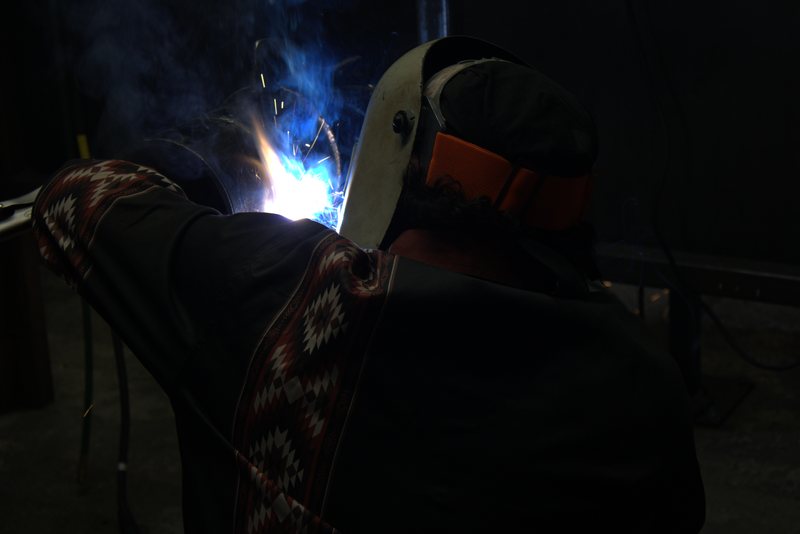
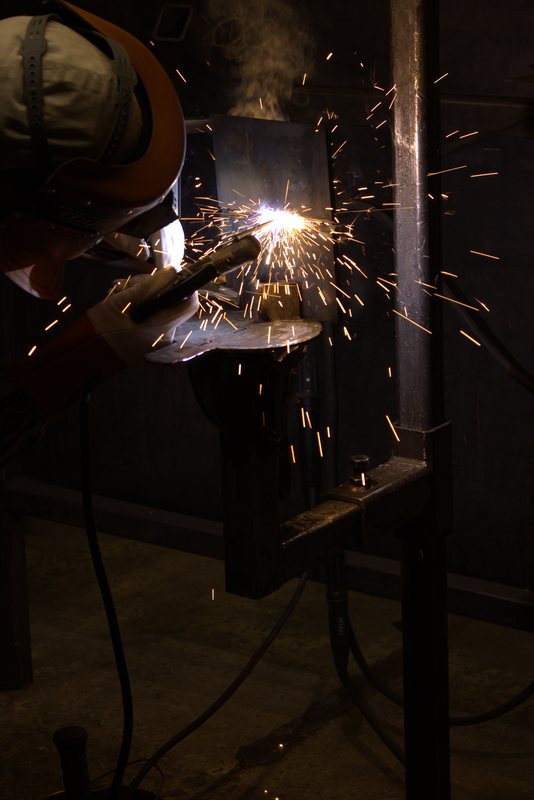
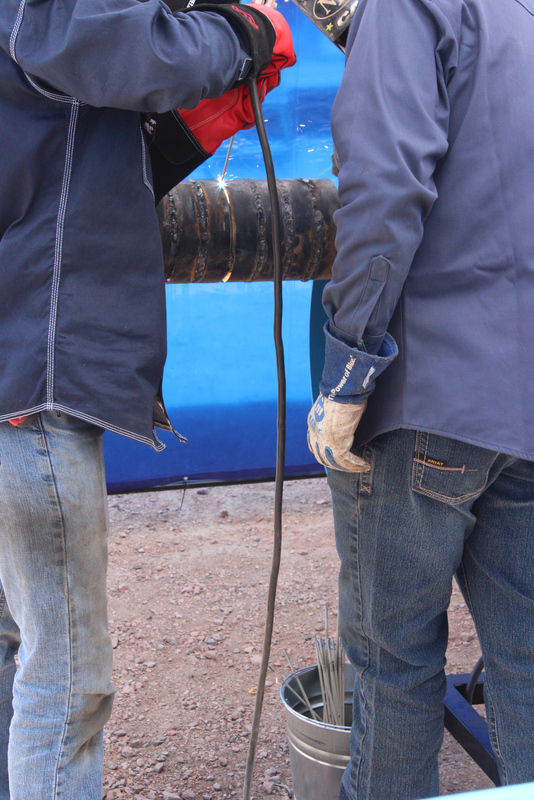
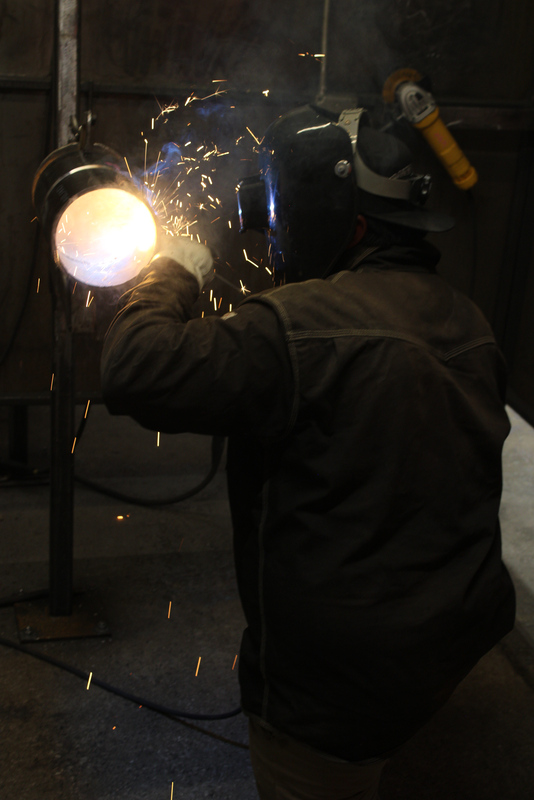
Surface porosity is visible during and after welding. Watch for tiny pinholes appearing in the weld face as you weld. If you see them forming, stop and identify the cause before continuing. Finishing a weld with active porosity guarantees a rejection and wastes time that could have been saved by stopping and fixing the problem immediately.
Listen to the arc. A smooth, consistent arc sound indicates proper shielding and clean material. A crackling or popping sound often indicates moisture contamination or shielding gas problems. Experienced welders trained in high booth time programs learn to diagnose problems by sound before they see defects in the weld.
Why Proper Training Prevents Porosity Problems
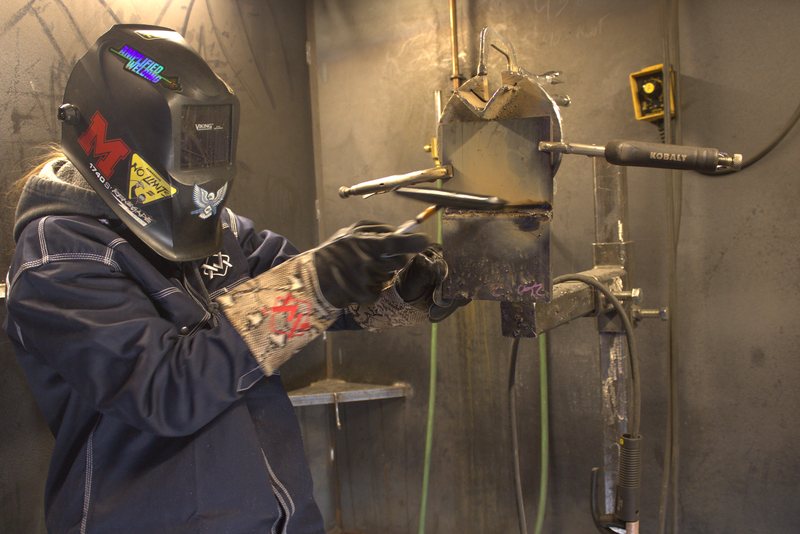
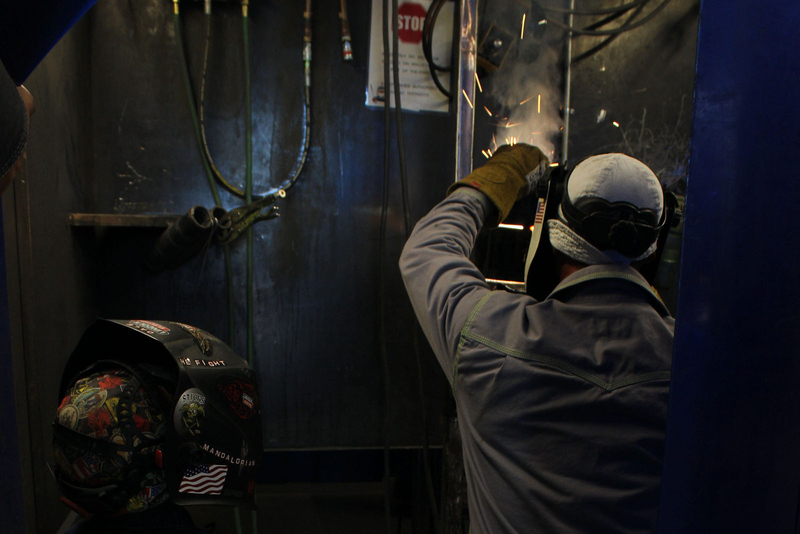
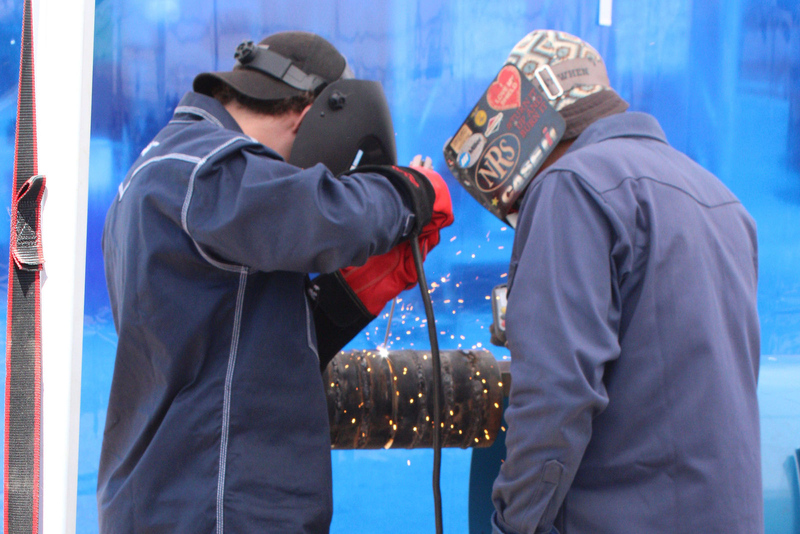
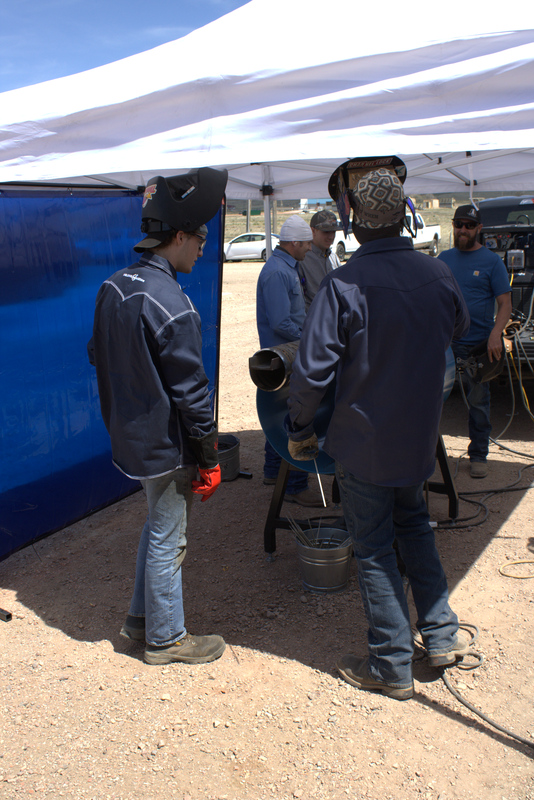
Porosity prevention is a skill that develops through repetition and expert coaching. A student who welds hundreds of pipe joints under instructor supervision learns to maintain consistent arc length, recognize contamination before it causes problems, and adjust parameters on the fly. A student who splits time between lectures and occasional booth practice never develops these instincts.
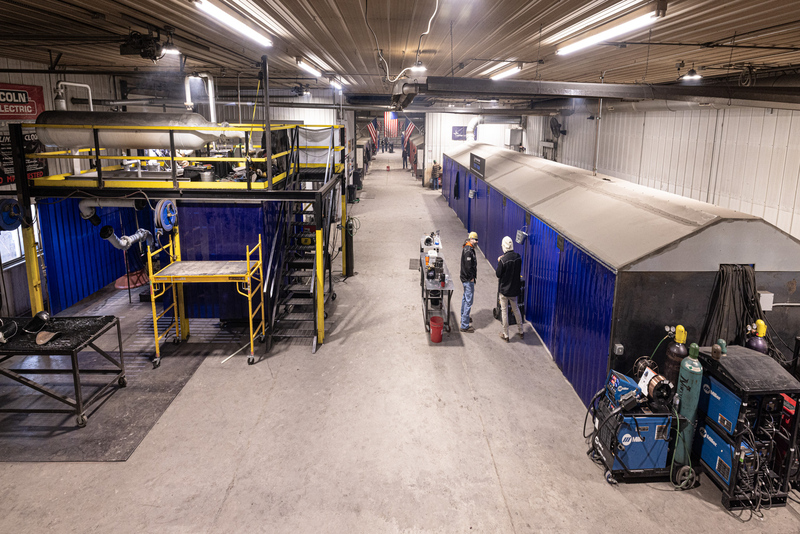
At Western Welding Academy, students spend 85% of their program hours in the booth. That translates to over 400 hours of hands-on welding in the 12 week Foundational Pipe Welder program. Instructors with active pipeline field experience watch every weld and correct the habits that cause porosity before they become ingrained. The result is graduates who produce clean, inspection ready welds from day one on the job site.
What Porosity Free Welding Skills Are Worth
Pipeline welders who produce clean welds consistently earn premium wages because contractors trust them on production joints. Every rejected weld costs time and money. Welders with low rejection rates get called back for the next project. Western Welding Academy graduates enter the pipeline workforce with the technique and habits that keep rejection rates low. The academy's 94% placement rate within 90 days means most graduates start earning pipeline wages within weeks of completing their program.
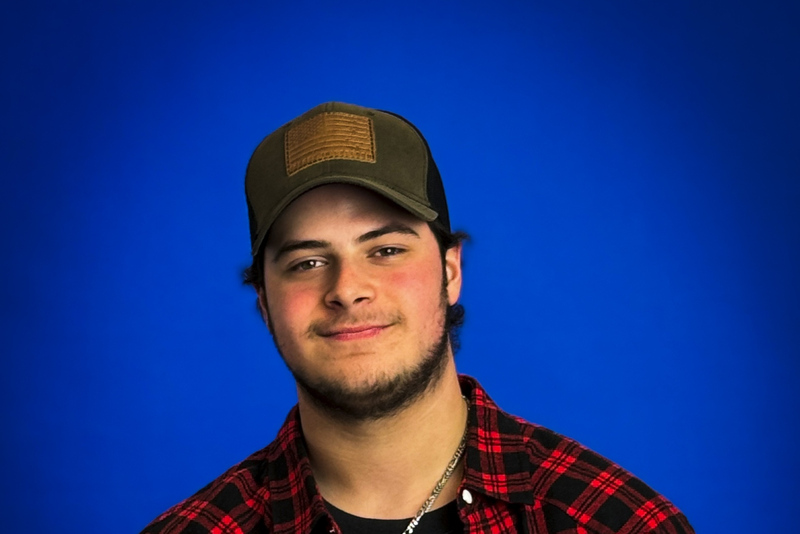
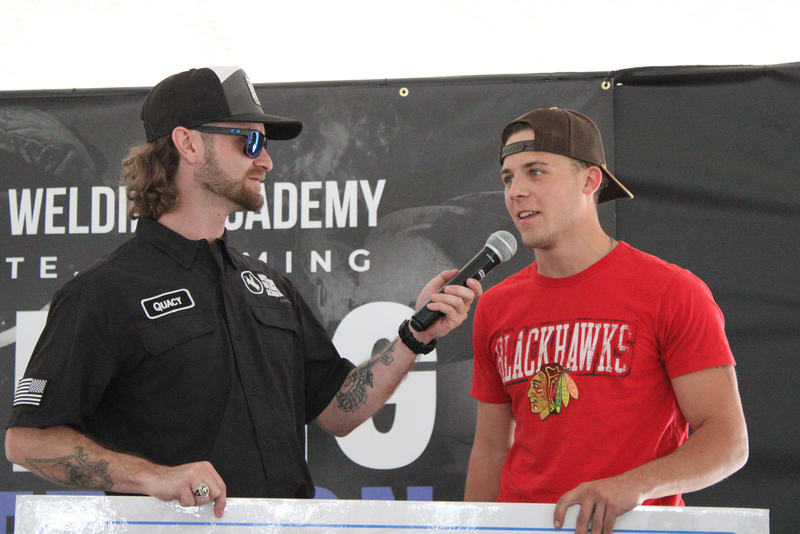
Leyton Wagner earns $4,514 per paycheck because his welds pass inspection consistently. His training at Western Welding Academy built the technique habits that prevent porosity and other defects from the root pass through the cap.
Gavin Walden takes home $3,986 per paycheck. His ability to maintain clean, porosity free welds across all positions on pipe joints keeps him in demand with pipeline contractors who need reliable production welders.
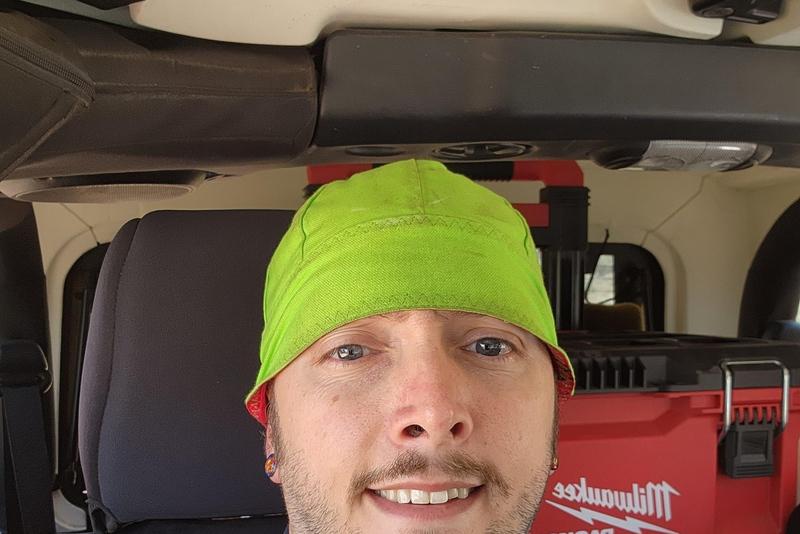
David Smolek earns $3,417 per paycheck. His instructors caught and corrected a shielding gas technique issue early in his training. That single correction eliminated a porosity problem that would have followed him into the field.
Noah clears $4,800 per week on pipeline projects. His multi process skills include the proper electrode handling and parameter control that prevent porosity across SMAW, FCAW, and GTAW welds on the same joint.
Hank crossed $150,000 per year before age 22. His clean weld record means contractors trust him on critical path joints where a single rejection delays the entire project schedule.
How to Eliminate Porosity From Your Welding
Start with cleanliness. Every porosity problem begins with contamination or gas coverage failure. Make joint preparation and electrode storage non negotiable habits. Then focus on arc control: consistent arc length, correct travel speed, and proper shielding gas coverage. These fundamentals prevent 90% of porosity defects.
If you are still seeing porosity after addressing these basics, the problem is almost always in your parameters or technique. Structured training with expert instructor feedback is the fastest path to identifying and fixing the specific habit causing your porosity. Trying to diagnose and fix technique problems alone wastes time and reinforces bad habits.
Build the welding technique that produces porosity free joints on every weld. Apply now or call (307) 284-5313.
Frequently Asked Questions
Q1. What is the most common cause of porosity in pipe welds?
Contamination is the most common cause. Oil, grease, moisture, rust, and mill scale on the base metal or in the joint release gas during welding. Thorough cleaning and proper electrode storage eliminate the majority of porosity defects before welding begins.
Q2. Can you repair a weld with porosity or do you have to cut it out?
On pipeline work governed by API 1104, porosity that exceeds acceptance criteria requires cutting out the weld and re-welding the joint. Surface porosity on non-code work can sometimes be ground out and repaired, but prevention is always faster and cheaper than repair.
Q3. How does wind cause porosity in pipe welds?
Wind disrupts the shielding gas coverage that protects the molten weld pool from atmospheric contamination. Even a light breeze of 5 MPH can blow away enough shielding gas to cause porosity. Windscreens, increased gas flow rates, and switching to self shielded processes are common field solutions.
Q4. Why do low hydrogen electrodes cause more porosity problems?
Low hydrogen electrodes (E7018, E8018) absorb moisture quickly when exposed to humid air. That moisture introduces hydrogen into the weld, causing porosity and hydrogen cracking. Proper storage in rod ovens at 250 to 300 degrees Fahrenheit prevents moisture absorption.
Q5. How does porosity affect weld strength?
Porosity reduces the effective cross section of the weld metal, creating stress concentration points that weaken the joint. On pressure containing pipe welds, porosity creates leak paths and failure initiation sites. Code acceptance criteria exist specifically because porosity above certain levels compromises joint integrity.
Q6. What makes Western Welding Academy different from other welding schools?
Western Welding Academy trains exclusively for pipe welding careers with 85% hands-on booth time, on-site AWS accredited testing, 6G and API 1104 certification, a 94% placement rate within 90 days, and named graduates earning $3,400 to $4,800 per paycheck. Over 2,000 graduates from all 50 states have completed the program.
Weld Clean, Earn More, Stay on the Crew
Porosity prevention is not a mystery. It is a set of habits built through structured training and expert coaching. Western Welding Academy builds those habits through 85% booth time and real time instructor feedback. Call Western Welding Academy at (307) 284-5313 or apply now to learn the techniques that produce clean welds on every joint.

.jpg)


.jpg)


.jpg)
.jpg)
.jpg)
.jpg)
.jpg)
-thumbnail.jpg)

.jpg)