What Is MIG Welding and How Does It Work?
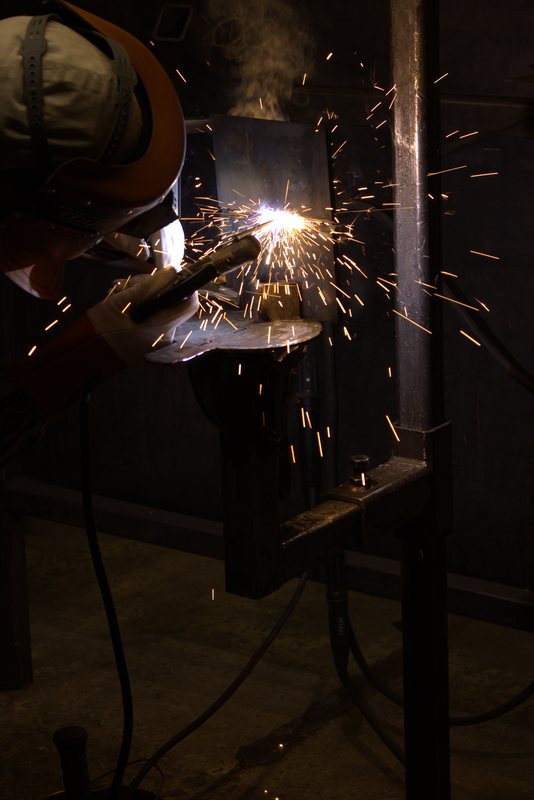
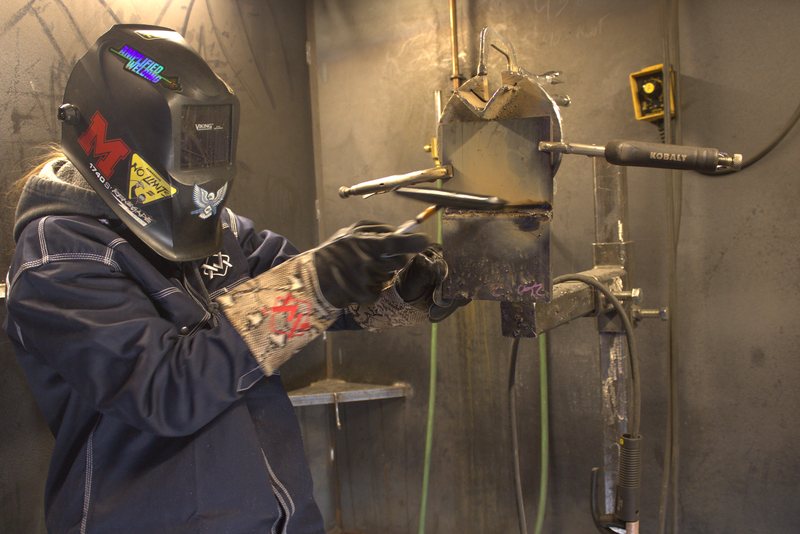
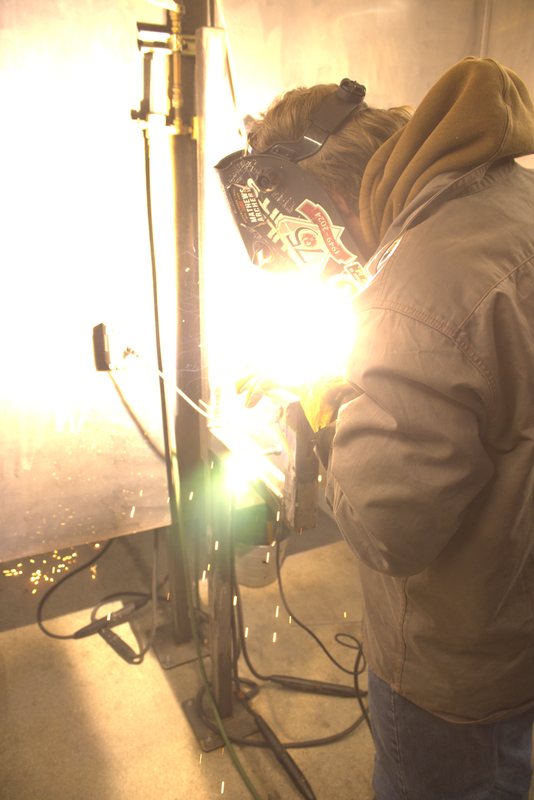
MIG stands for Metal Inert Gas. The technical name is GMAW (Gas Metal Arc Welding). MIG welding uses a continuously fed wire electrode that melts into the weld pool while a shielding gas protects the joint from atmospheric contamination. The shielding gas is typically a blend of 75% argon and 25% carbon dioxide for steel. The wire feed is automatic, so the welder controls the gun with one hand and positions the workpiece or adjusts settings with the other.
MIG welding is the fastest manual arc welding process in production settings. It works on carbon steel, stainless steel, and aluminum in thicknesses from 24-gauge sheet metal up to heavy structural plate. The process is semi-automatic, meaning the machine controls wire feed speed and voltage while the welder controls travel speed, gun angle, and distance. This makes MIG easier to learn than TIG. Most beginners can produce acceptable welds within a few weeks of practice. Learn more about how long it takes to become a certified pipe welder from scratch.
What Is TIG Welding and How Does It Work?
TIG stands for Tungsten Inert Gas. The technical name is GTAW (Gas Tungsten Arc Welding). TIG welding uses a non-consumable tungsten electrode to create the arc and a separate filler rod that the welder feeds by hand into the weld pool. The shielding gas is typically 100% argon. Carbon dioxide cannot be used because it causes tungsten oxide formation that contaminates both the electrode and the weld.
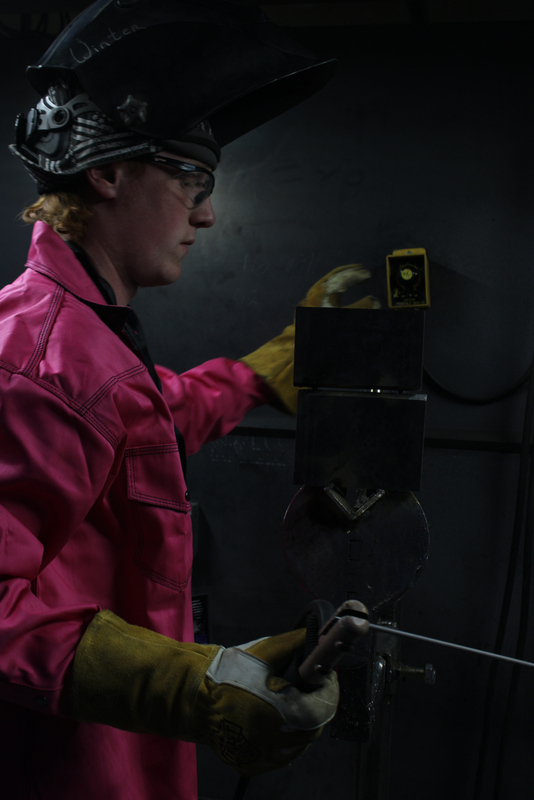
TIG welding requires both hands. One holds the torch. The other feeds filler rod. A foot pedal controls amperage in real time, allowing the welder to adjust heat precisely during the weld. This level of control makes TIG the preferred process for thin materials, exotic metals like titanium and chromoly, and any application where weld appearance matters. Aerospace, food-grade stainless, and pharmaceutical piping all require TIG. The tradeoff is speed. TIG is significantly slower than MIG and takes longer to learn.
How Do MIG and TIG Compare on Speed, Quality, and Cost?
Speed goes to MIG. A MIG welder can lay down several feet of weld per minute on a straight joint. A TIG welder on the same joint might take three to five times longer. For high-volume production, manufacturing, and structural fabrication, MIG is the standard.
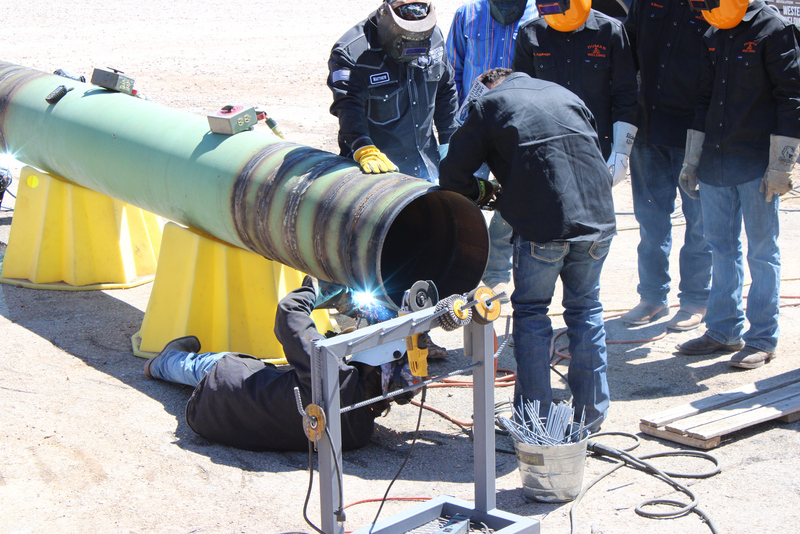
Quality goes to TIG. TIG welds are cleaner, more precise, and produce less spatter. A skilled TIG welder can create welds that look like stacked dimes with no grinding or cleanup required. For pressure vessels, pipe welding root passes, and critical joints where X-ray inspection is required, TIG is the process that passes the test.
Cost favors MIG for production work. MIG consumables are cheaper. The process is faster, so labor cost per foot of weld is lower. TIG consumables cost more, and the slower speed means higher labor cost per joint. But TIG saves money on rework. A clean TIG root pass on a pipe joint means fewer repairs, fewer failed inspections, and less downtime. In pipeline and refinery work, TIG root passes are standard precisely because the cost of a failed weld is far higher than the cost of slower welding.
Learn both processes with 85% hands-on training. Call Western Welding Academy at (307) 284-5313 or apply now to start.
Which Process Pays More?
TIG welders consistently earn more than MIG-only welders. The reason is supply and demand. TIG is harder to learn, so fewer welders can do it well. The industries that require TIG (aerospace, pharmaceutical, nuclear, pipeline) pay premium rates because the work demands precision that MIG cannot deliver.
A MIG-only welder in a fabrication shop typically earns $35,000 to $50,000 per year. A TIG welder working in aerospace or pharmaceutical piping can earn $60,000 to $90,000. A pipe welder who can run TIG root passes and SMAW fill passes on pipeline and refinery work earns $60,000 to $125,000 or more depending on location, overtime, and per diem. The highest-paid welders in the field are not MIG specialists. They are multi-process welders who can run TIG, SMAW, and FCAW depending on what the job requires. See the full salary breakdown in what welders actually earn by specialty in 2026.
What Do Pipe Welders Actually Earn After Training?
The numbers below come from verified Western Welding Academy graduate records. These are real paychecks from graduates who learned both MIG and TIG processes during their training and were placed into pipeline and industrial careers.
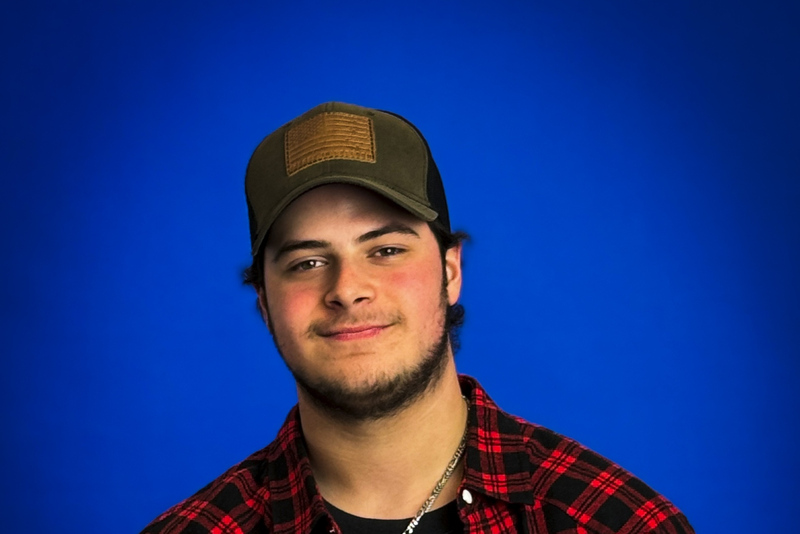
Leyton Wagner earns $4,514 per paycheck as a pipeline welder and Western Welding Academy graduate. His earnings reflect the premium that multi-process pipe welders command in the field. That single check exceeds what many MIG-only shop welders earn in a month.
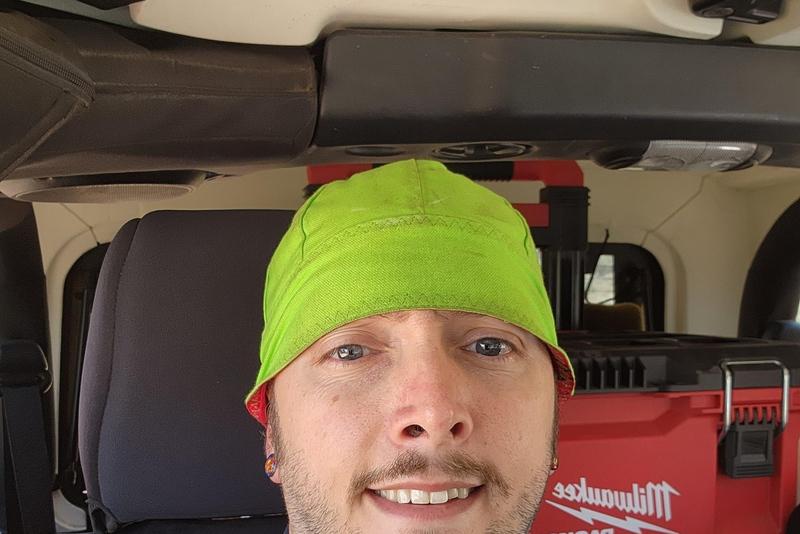
Gavin Walden earns $3,986 per paycheck. David Smolek earns $3,417 per paycheck. Both are Expert Pipe Welder graduates who trained in SMAW, GTAW (TIG), and GMAW (MIG) during the 24-week program. Their earnings confirm that the $3,400 to $4,500 per-check range is a consistent outcome for multi-process pipe welding graduates.
Noah clears $2,800 per week on the North Slope in Alaska. Hank reached $150,000 per year by age 21. Both trained in multiple processes at Western Welding Academy and entered the workforce as part of the 94% hired within 90 days.
Why Western Welding Academy Teaches Both Processes
Western Welding Academy does not offer a MIG-only or TIG-only track. Every program teaches multiple processes because that is what the pipeline and industrial job market requires. A contractor hiring for a refinery turnaround needs a welder who can run a TIG root pass and switch to SMAW fill passes on the same joint. A fabrication shop building pressure vessels needs a welder who can MIG on structural supports and TIG on the pressure boundary.
The Foundational Pipe Welder program runs 12 weeks at $17,050. The Professional Pipe Welder runs 19 weeks at $27,600. The Expert Pipe Welder runs 24 weeks at $35,800 and produces the highest-earning graduates. All tuition is all-inclusive with housing, tools, materials, and PPE. Students train 40 hours per week with 85% of that time in a welding booth. Instructors bring 330 combined years of pipeline field experience. The school is the #1 AWS Accredited Testing Facility, and 94% of graduates are hired within 90 days based on a 234-alumni survey from November 2024.
The difference between a MIG-only welder earning $40,000 and a multi-process pipe welder earning $125,000 is training. Compare should you learn MIG, TIG, or stick welding first to understand the learning progression.
Train in MIG, TIG, and SMAW with real pipeliners. Call Western Welding Academy at (307) 284-5313 or apply now to start your pipeline career.
Frequently Asked Questions
Q1. What is the main difference between MIG and TIG welding?
MIG uses a consumable wire electrode fed automatically through a gun. TIG uses a non-consumable tungsten electrode with a separate hand-fed filler rod. MIG is faster and easier to learn. TIG is slower but produces cleaner, more precise welds on thin materials and exotic metals.
Q2. Is MIG or TIG welding harder to learn?
TIG is significantly harder to learn. It requires both hands, a foot pedal for amperage control, and precise coordination between torch angle, filler rod feed rate, and travel speed. Most beginners can produce acceptable MIG welds in weeks. TIG takes months of practice to master.
Q3. Which pays more, MIG or TIG welding?
TIG welders earn more on average because the skill is harder to develop and the industries that require TIG pay premium rates. MIG-only shop welders earn $35,000 to $50,000. TIG-capable pipe welders earn $60,000 to $125,000 depending on specialty and location.
Q4. Can you MIG weld pipe?
Yes, but typically only for fill and cap passes on non-critical joints. Most pipeline and pressure vessel code work requires a TIG root pass for penetration quality. The fill and cap passes may use SMAW, FCAW, or MIG depending on the welding procedure specification (WPS) for that job.
Q5. Do pipeline welders use MIG or TIG?
Pipeline welders use both. TIG (GTAW) is standard for root passes on cross-country pipeline welds. SMAW (stick) handles fill and cap passes. MIG and FCAW appear in mechanized pipeline welding and certain field conditions. The highest-paid pipeline welders are multi-process certified.
Q6. What makes Western Welding Academy different from other welding schools?
Western Welding Academy delivers 85% booth time, all-inclusive tuition covering housing, tools, and materials, lifetime retraining for every graduate, 330 combined years of instructor pipeline experience, and a 94% hire rate within 90 days verified by a 234-alumni survey. It is the #1 AWS Accredited Testing Facility in the country.
Learn Both Processes and Earn More
The difference between MIG and TIG is the difference between a $40,000 shop job and a $125,000 pipeline career. Learning both processes opens every door in the welding industry. Call Western Welding Academy at (307) 284-5313 or apply now to start training in every process that contractors require.

.jpg)


.jpg)
.jpg)


.jpg)
.jpg)
.jpg)
.jpg)
.jpg)
-thumbnail.jpg)

.jpg)