What Heat Input Means in Pipe Welding
Heat input is the amount of energy delivered to the weld joint per unit of length. It is calculated using three variables: voltage, amperage, and travel speed. The standard formula is heat input (in joules per inch) equals (voltage multiplied by amperage multiplied by 60) divided by travel speed in inches per minute. Some codes and WPS documents express heat input in kilojoules per inch (kJ/in) by dividing the result by 1,000.
The Welding Procedure Specification (WPS) for every pipe joint lists an acceptable heat input range. That range is not a suggestion. It is a code requirement derived from the metallurgical testing done during procedure qualification. The engineer who wrote the WPS tested the joint at specific heat input levels and confirmed the weld met mechanical property requirements at those levels. Going above or below that range means you are welding outside the tested conditions.
Pipe welders who work under codes like API 1104, ASME B31.3, or AWS D1.1 must stay within the WPS heat input limits on every pass. Inspectors can calculate your heat input from the voltage, amperage, and travel speed recorded during welding. If the numbers do not fall within the specified range, the weld is rejected regardless of how the finished joint appears.
Learn to control heat input on every pipe weld. Apply now or call (307) 284-5313.
What Happens When Heat Input Is Too High
Excessive heat input creates a wide heat affected zone (HAZ) in the base metal adjacent to the weld. The HAZ is the area where the steel's microstructure changes due to the welding heat cycle. A wider HAZ means more of the base metal has been altered from its original condition.
In the HAZ, grain growth occurs when the steel stays at elevated temperatures too long. Larger grains reduce the toughness and impact resistance of the steel. On pipeline work in cold climates, reduced toughness in the HAZ can lead to brittle fracture under operating conditions. The pipe passes hydrostatic testing in warm weather but cracks when temperatures drop below the material's transition temperature.
High heat input also increases distortion. The more energy you put into the joint, the more the surrounding metal expands and contracts during heating and cooling. On thin wall pipe, excessive heat input can warp the pipe out of round, creating fit up problems for adjacent joints and stress concentrations that weaken the line.
Hydrogen induced cracking (HIC) risk increases with high heat input in certain steel grades. High strength pipe steels used in natural gas transmission are particularly sensitive. The combination of high heat, residual stress, and trapped hydrogen creates delayed cracking that may not appear until hours or days after welding.
What Happens When Heat Input Is Too Low
Insufficient heat input causes a different set of problems. When the arc does not deliver enough energy, the base metal edges do not reach full melting temperature. The result is lack of fusion, where the weld metal sits on top of the base metal without bonding to it. This defect hides inside the joint and shows up only on X-ray or destructive testing.
Low heat input also produces a narrow, rapidly cooled weld zone. Fast cooling creates hard, brittle microstructures in the HAZ. In carbon steel pipe, rapid cooling can form martensite, a very hard phase that is prone to cracking under stress. This is the opposite problem from high heat input grain growth, but equally dangerous.
Incomplete penetration is another consequence. If the heat input is too low during the root pass, the arc cannot melt through the full thickness of the root gap. The root looks acceptable from the outside but fails to penetrate the inside surface of the pipe. Every experienced pipe welder knows that an unpenetrated root means a cut out and restart.
How to Control Heat Input on Every Pass
Controlling heat input starts with knowing your variables. Before welding, note the amperage range and voltage range listed on the WPS. Set your machine within those ranges. Then control your travel speed to keep the overall heat input within specification.
Travel speed is the variable most welders underestimate. It is the denominator in the heat input formula, which means small changes in speed create large changes in heat input. Slowing down by 20% increases heat input by 25%. Speeding up by 20% decreases heat input by about 17%. A welder who maintains steady amperage and voltage but varies travel speed by a few inches per minute can swing outside the WPS limits without realizing it.
Position changes around the pipe also affect heat input. At the top of the pipe (flat position), gravity helps the weld pool flow. At the bottom (overhead), the pool tends to drip. Many welders compensate by changing travel speed or amperage as they move around the pipe, which changes heat input at different clock positions. Understanding this relationship lets you maintain consistent heat input throughout the entire joint.
Interpass temperature monitoring is directly related to heat input control. If you weld the next pass before the previous pass cools to the specified interpass temperature, you are adding heat to metal that is already hot. The cumulative effect is the same as welding with excessive heat input on a single pass. Use a temperature indicating crayon or a contact pyrometer to verify interpass temperature before starting each pass.
How Western Welding Academy Teaches Heat Input Control
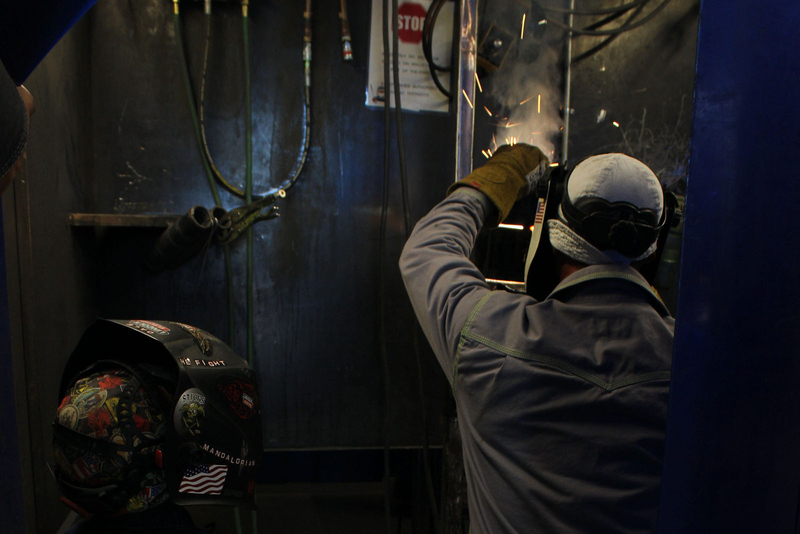
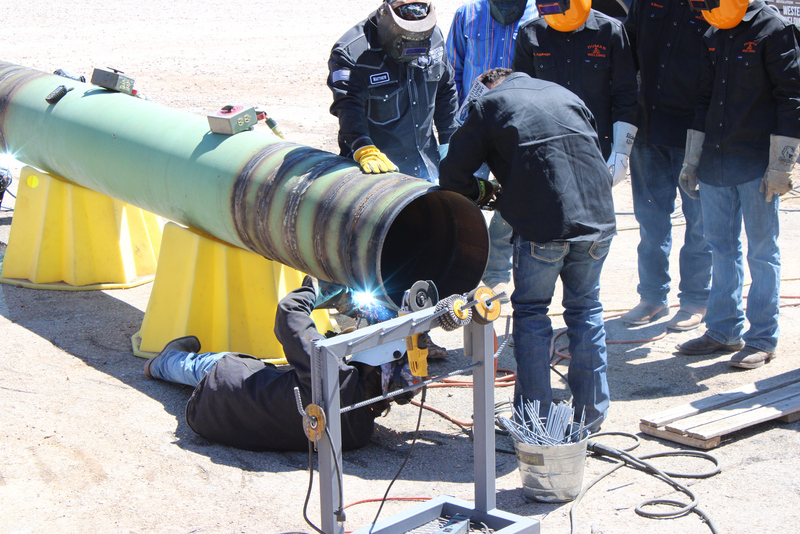
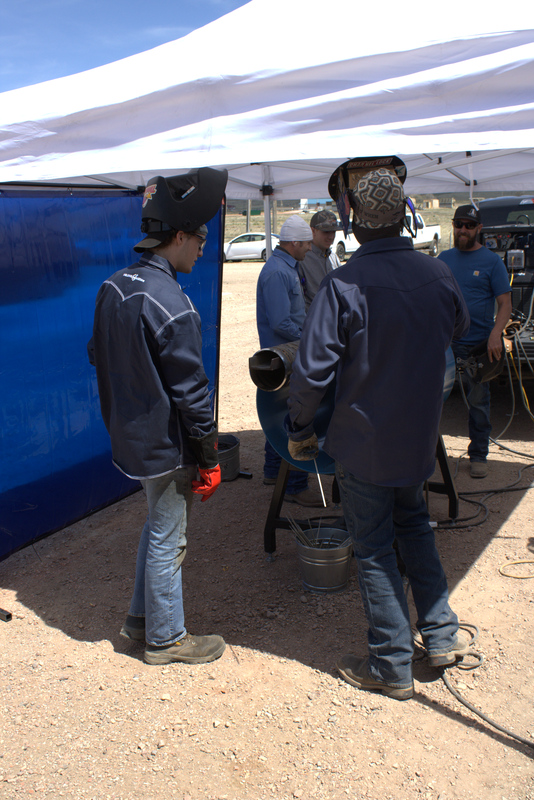
At Western Welding Academy, students learn heat input as a practical skill, not just a formula on a whiteboard. Instructors teach students to read the WPS, calculate expected heat input, set their machines accordingly, and then verify their travel speed produces a weld within specification. This happens on every coupon, not once in a classroom lecture.
The Expert Pipe Welder program runs 24 weeks with 85% hands-on booth time. Students practice heat input control across SMAW, GTAW, and FCAW on multiple pipe diameters and wall thicknesses. The Professional Pipe Welder program covers the same concepts in 19 weeks. Both programs include on-site AWS accredited testing that verifies graduates can produce welds within specification under real testing conditions.
The academy's approach works because students practice on the same types of pipe and under the same codes they will encounter on the job. Over 2,000 graduates from all 50 states have completed the program and entered the workforce understanding the relationship between their technique and the metallurgy of the joint. That understanding is why Western Welding Academy maintains a 94% placement rate within 90 days of graduation.
Master heat input control and earn pipeline certification. Apply now or call (307) 284-5313.
What Graduates Earn With Code-Level Welding Knowledge
Pipe welders who understand heat input and control it consistently earn the top rates in the trade. Contractors pay more for welders who produce code compliant welds without rework, because every rejected weld costs time, materials, and schedule. Here is what Western Welding Academy graduates earn with the skills that keep their welds within specification.
Leyton Wagner earns $4,514 per paycheck welding pipeline. His understanding of heat input limits means his welds pass radiographic inspection consistently, which keeps him at the top of every contractor's call list.
Gavin Walden takes home $3,986 per paycheck. He controls travel speed and amperage around the pipe so that every clock position stays within the WPS heat input range.
David Smolek earns $3,417 per paycheck. His training at Western Welding Academy taught him to monitor interpass temperature on every joint, which eliminates the cumulative heat buildup that causes HAZ problems on multi-pass welds.
Noah clears $4,800 per week on pipeline spreads. His multi-process skills across SMAW, GTAW, and FCAW mean he adjusts heat input parameters for each process without missing a beat.
Hank crossed $150,000 per year before age 22. His code level knowledge of heat input and metallurgy earned him positions on high specification projects where every weld parameter is recorded and reviewed.
Frequently Asked Questions
Q1. What is the heat input formula for welding?
Heat input equals (voltage times amperage times 60) divided by travel speed in inches per minute. The result is in joules per inch. Divide by 1,000 to convert to kilojoules per inch (kJ/in), which is how most WPS documents express the limit. All three variables must stay within the WPS range.
Q2. What is a typical heat input range for pipe welding?
Heat input ranges vary by material, wall thickness, and code. Carbon steel pipe under API 1104 typically falls between 20 and 60 kJ/in depending on the pass. Root passes use lower heat input than fill and cap passes. The WPS specifies the exact range for each pass on each specific procedure.
Q3. How does preheat relate to heat input?
Preheat raises the base metal temperature before welding begins. It slows the cooling rate after welding, which prevents hard, brittle microstructures in the HAZ. Preheat does not replace proper heat input. Both must be correct. A preheated joint welded with too little heat input still produces lack of fusion defects.
Q4. Can you exceed the heat input limit if the weld looks good?
No. Heat input limits are code requirements based on metallurgical testing. A weld that exceeds the heat input limit is non-compliant even if it passes visual and radiographic inspection. The concern is the HAZ microstructure and long term mechanical properties, not the appearance of the weld surface.
Q5. How do you measure travel speed during welding?
Mark a measured distance on the pipe (typically 6 to 12 inches). Time how long it takes to weld that distance. Divide the distance by the time in minutes to get travel speed in inches per minute. Some digital welding machines record travel speed automatically, but manual measurement remains the standard in the field.
Q6. What makes Western Welding Academy different from other welding schools?
Western Welding Academy teaches heat input control as a practical booth skill with 85% hands-on time, instructor feedback on every coupon, on-site AWS accredited testing, a 94% placement rate within 90 days, and named graduates earning $3,400 to $4,800 per paycheck. Over 2,000 graduates from all 50 states have completed the program.
Control the Heat and Control Your Welding Career
Heat input is the invisible variable that determines whether your welds pass code or fail inspection. Understanding it separates welders who earn pipeline wages from welders who wonder why their welds keep getting rejected. Western Welding Academy teaches you to control heat input on every pass. Call Western Welding Academy at (307) 284-5313 or apply now to learn the science that turns good welders into certified pipe welders.


.jpg)



.jpg)


.jpg)
.jpg)
.jpg)
.jpg)
.jpg)
-thumbnail.jpg)

.jpg)