What Does Day One Look Like at Pipe Welding School?
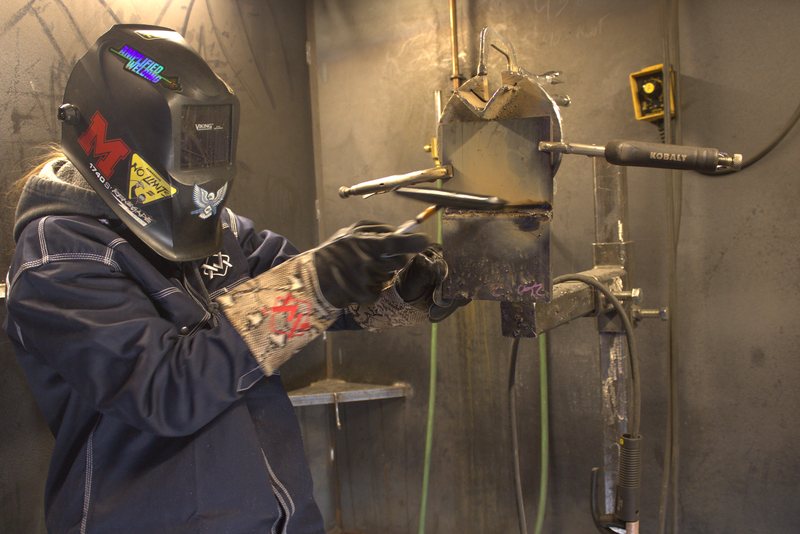
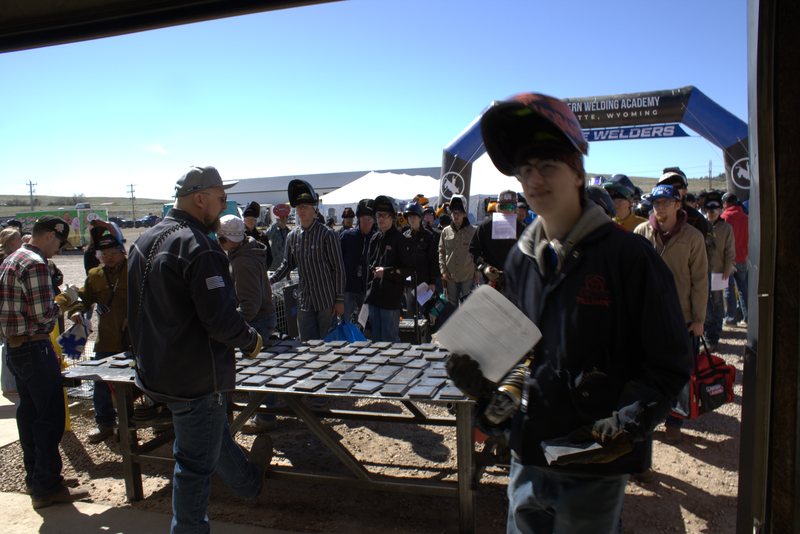
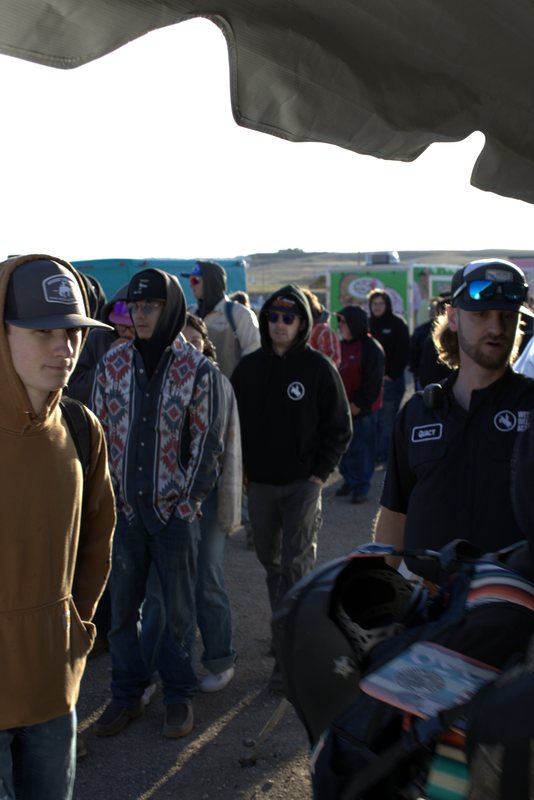
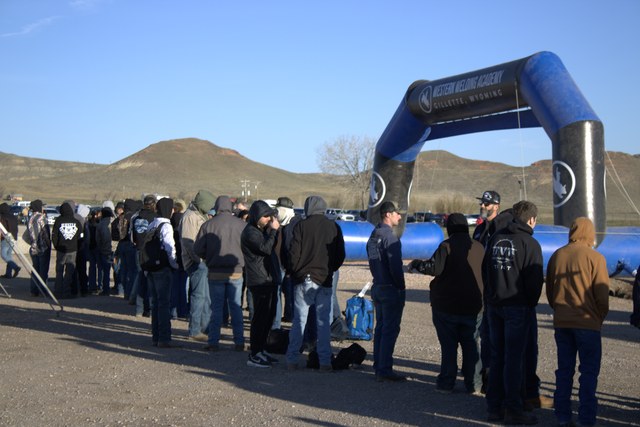
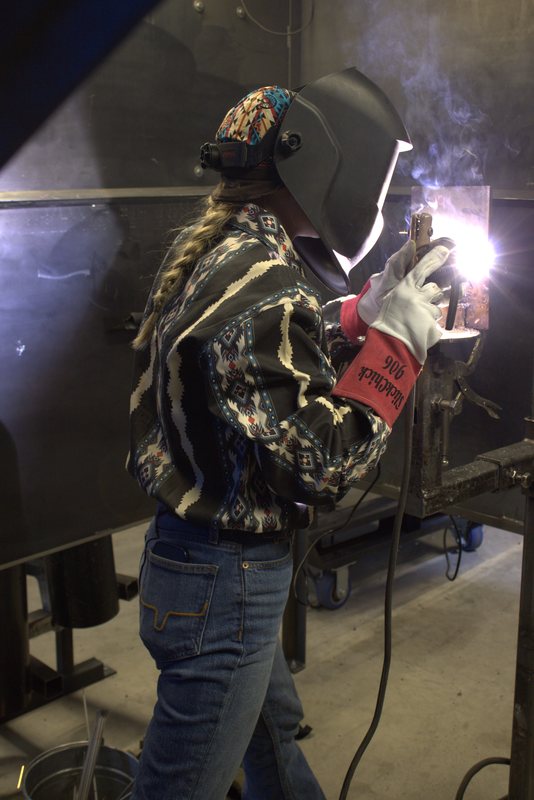
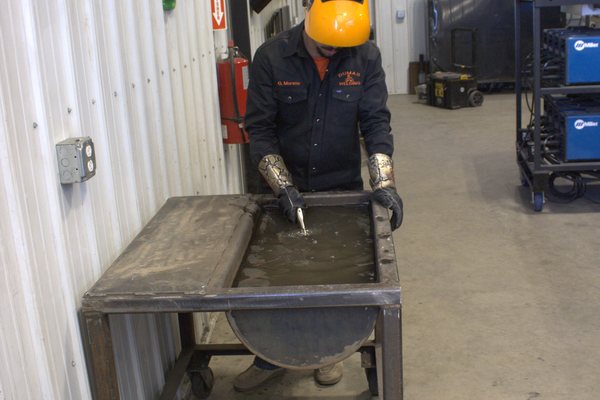
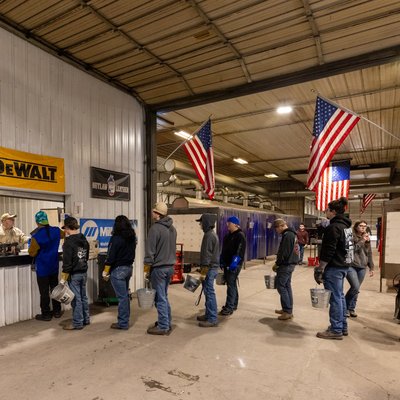
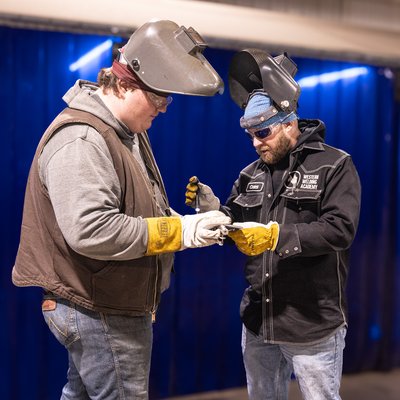
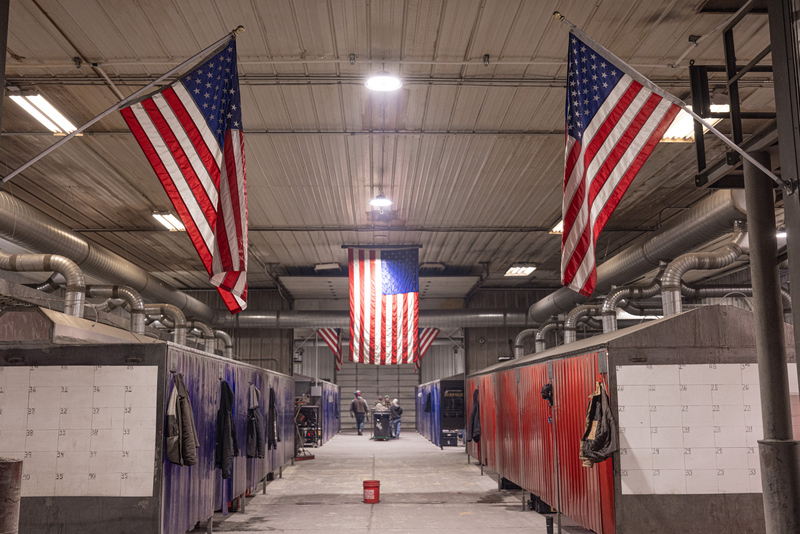
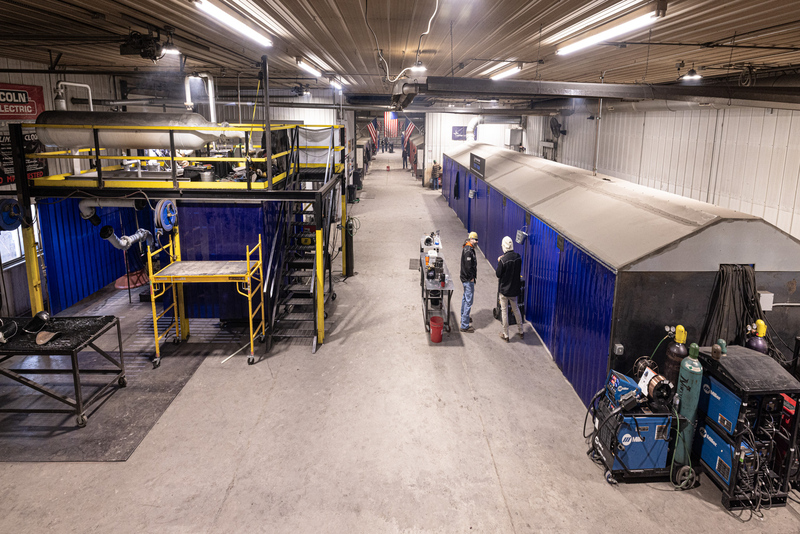
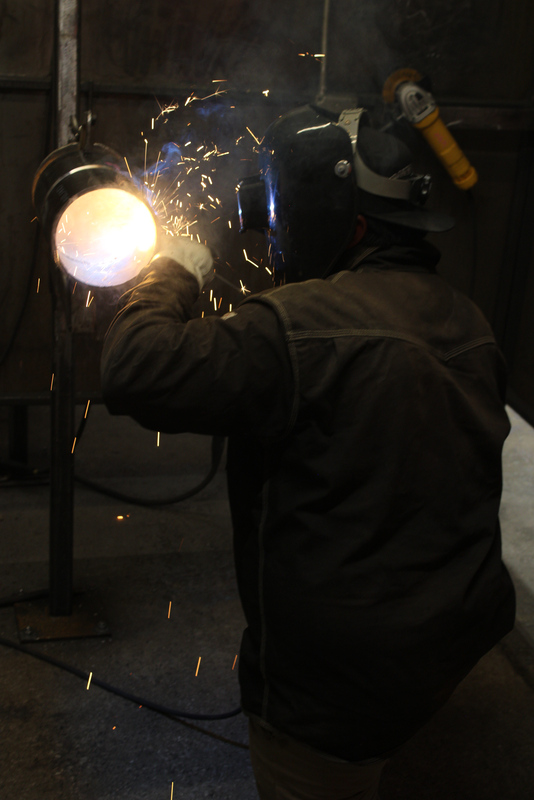
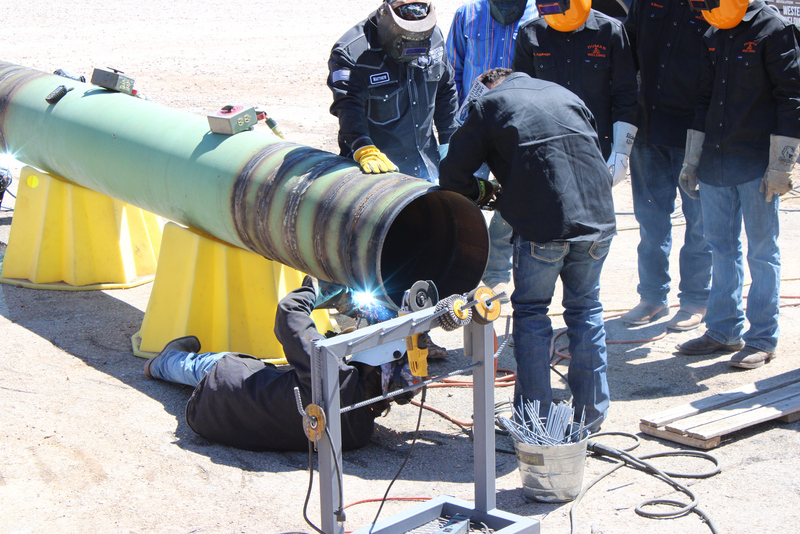
Day one at Western Welding Academy starts with safety orientation. Every student receives personal protective equipment including a welding helmet, gloves, jacket, and safety glasses. Instructors walk through shop safety rules, booth layout, and emergency procedures. This is not a lecture hall experience. You are standing in the shop, handling equipment, and learning how the space works within the first hour.
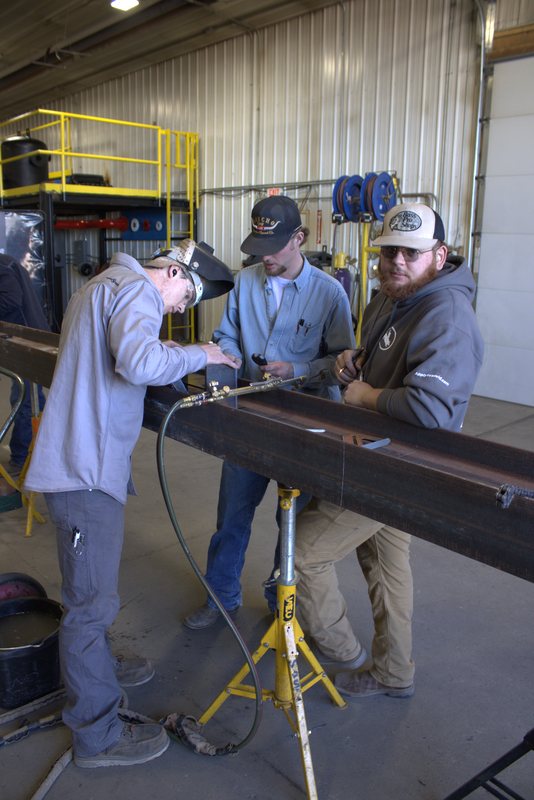
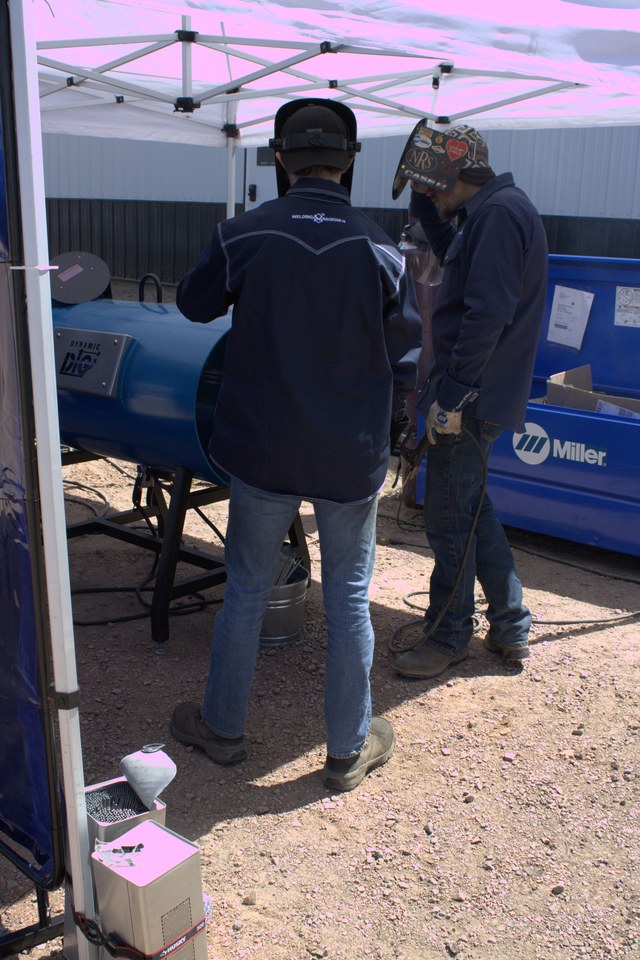
After safety orientation, students learn the anatomy of a welding machine. Instructors demonstrate how to set amperage, select electrodes, and strike an arc. Every student gets hands-on time with the machine controls before the end of day one. Nobody sits in a classroom watching slides all day. The school's 85% hands-on training model starts immediately.
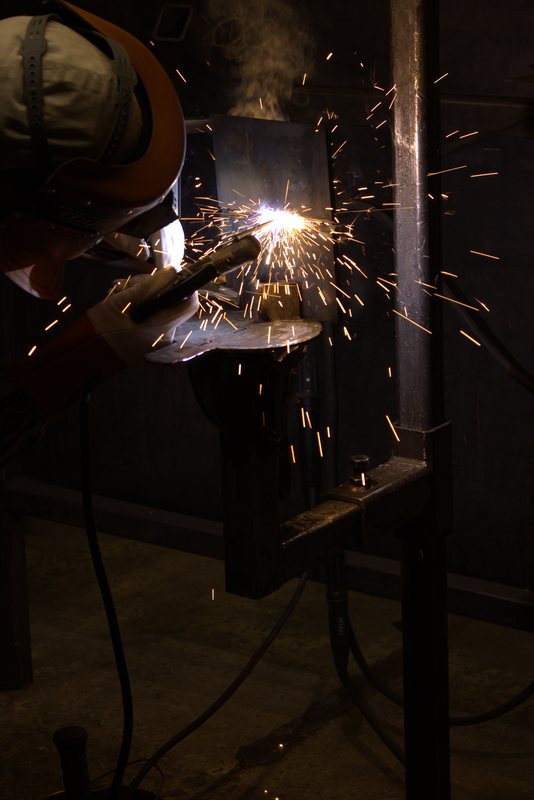
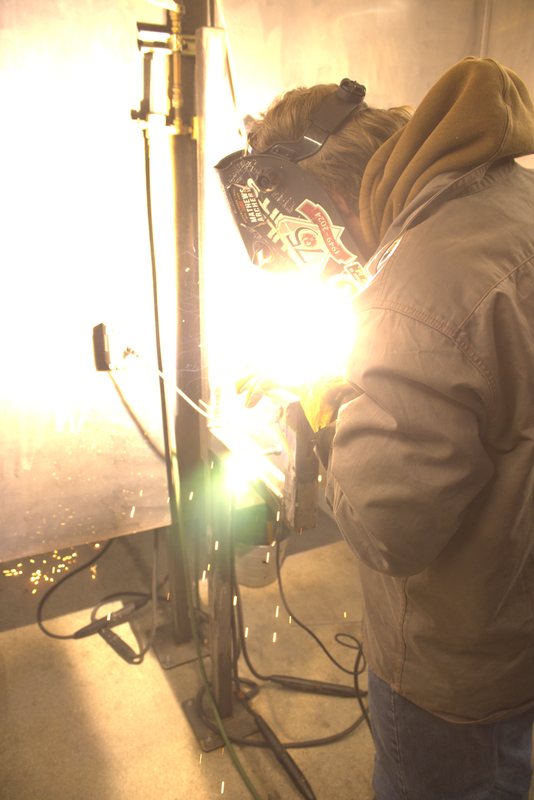
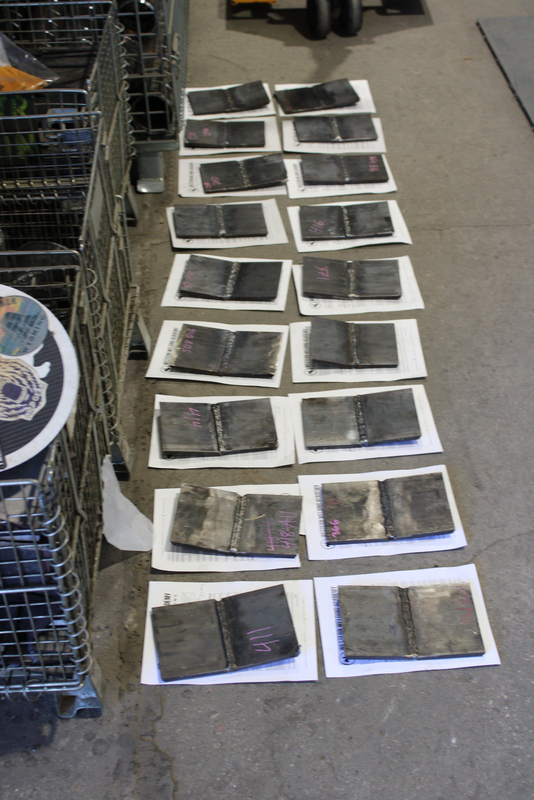
By the afternoon of day one, most students have struck their first arc and run their first bead on flat plate. It will not be pretty. That is the point. The instructors at Western Welding Academy use that first bead as a baseline. They photograph your starting point so you can see your own progress as the weeks go by. Every student starts at zero and the curriculum is built around that fact.
What Skills Do You Practice During the First Week?
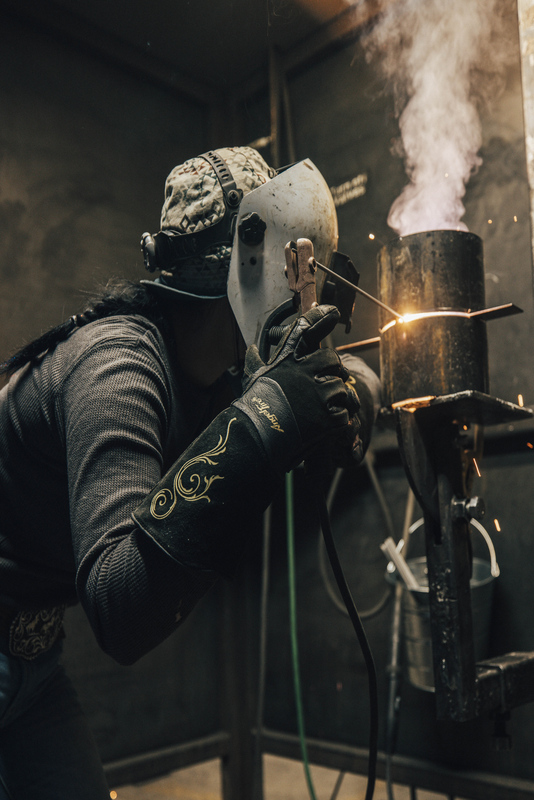
The first week focuses entirely on stick welding fundamentals on flat plate. You are not touching pipe yet. That progression comes later in the curriculum. Western Welding Academy starts every student with SMAW (Shielded Metal Arc Welding) because it builds the hand control and arc awareness that every other welding process depends on. If you have been wondering how stick welding works for beginners, this is where you learn it.
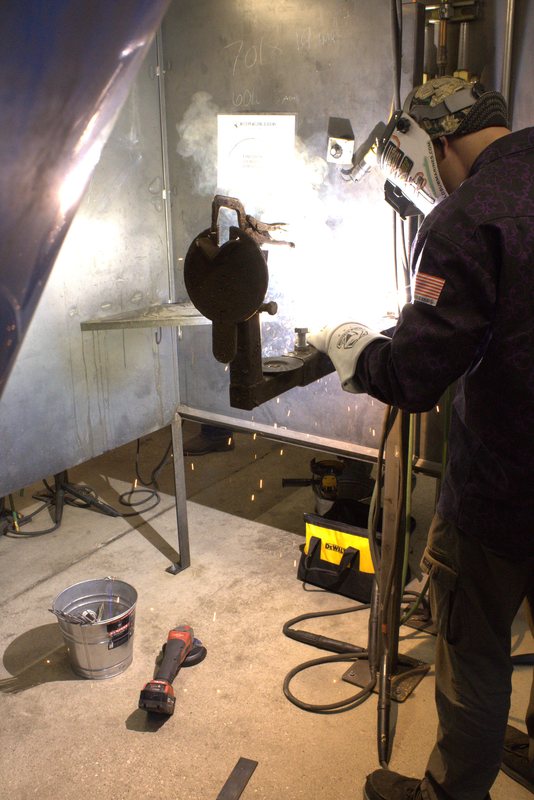
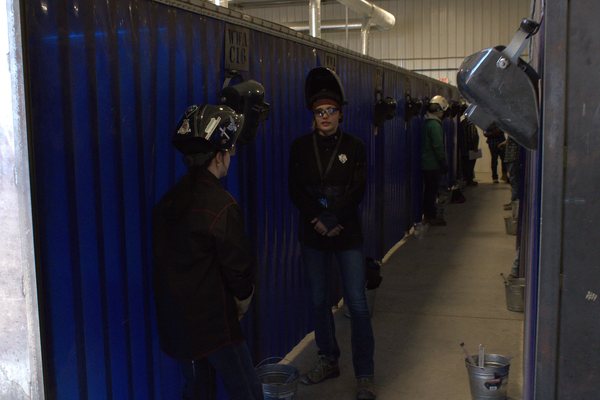
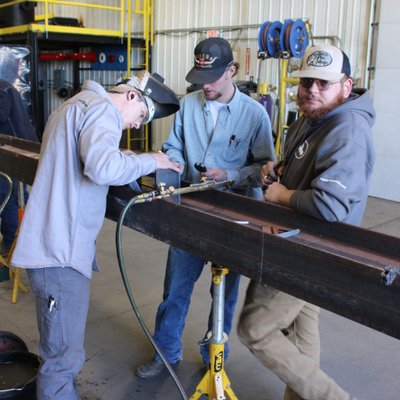
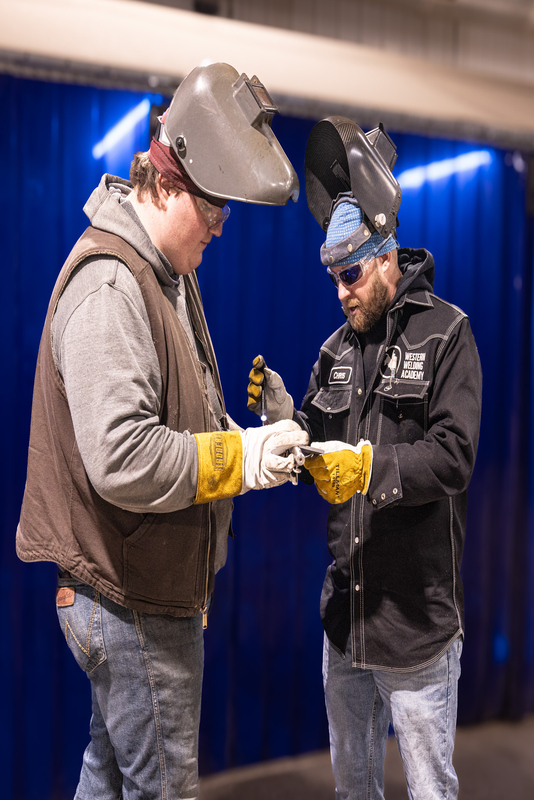
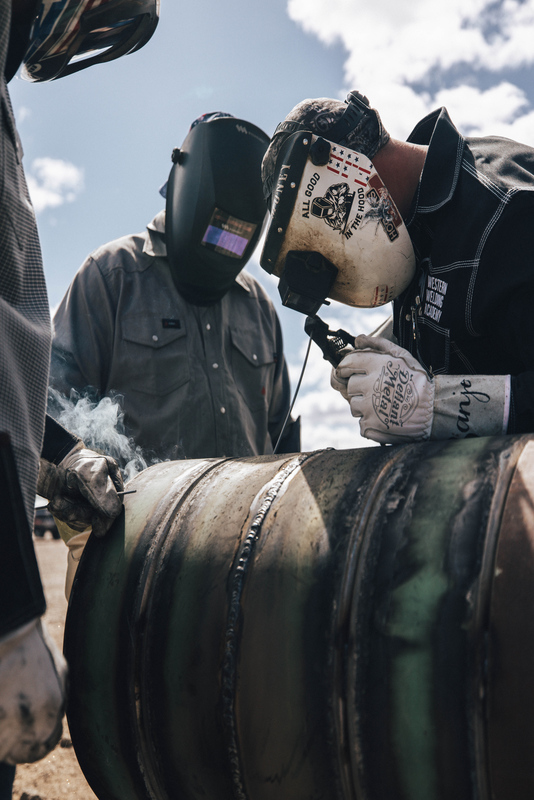
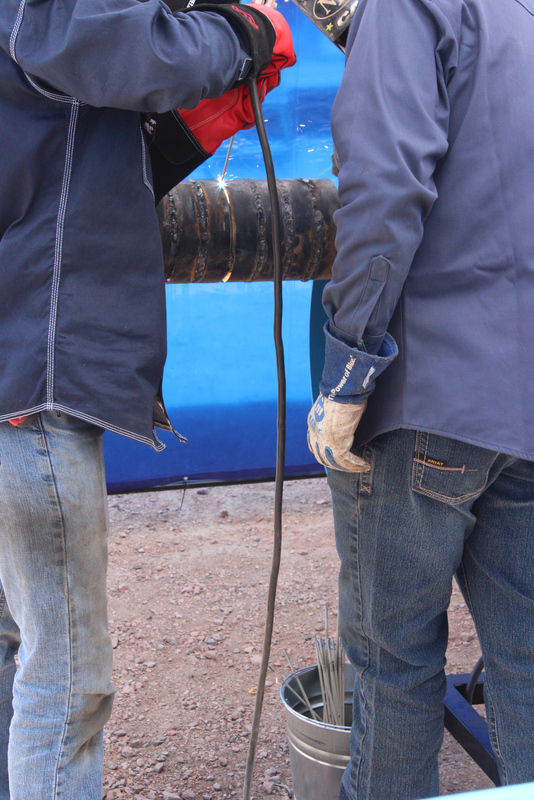
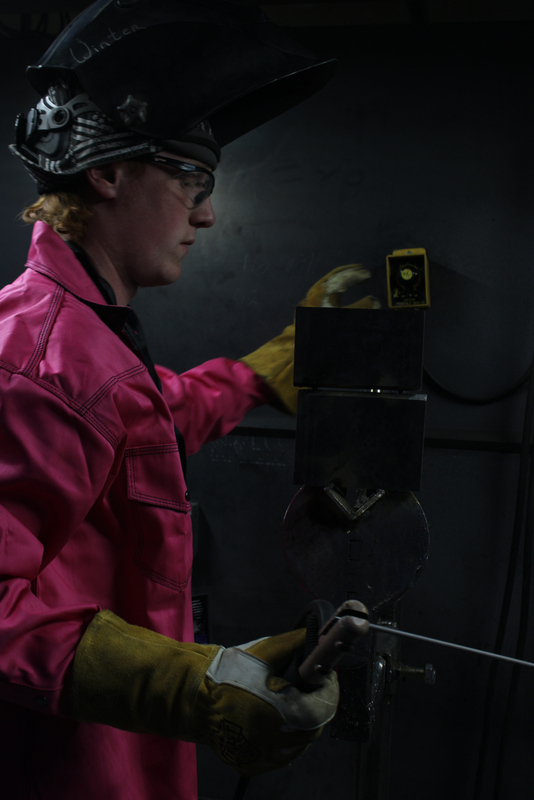
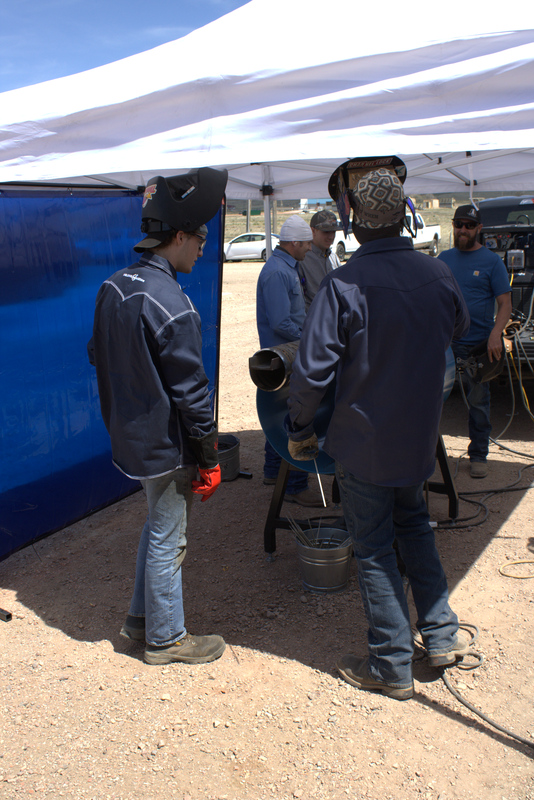
Students practice striking and maintaining an arc for the first two days. This is the most fundamental skill in welding. You learn to control the distance between the electrode and the metal, maintain a steady travel speed, and keep a consistent arc length. Instructors stand in the booth with you, watching your hand position and correcting technique in real time.
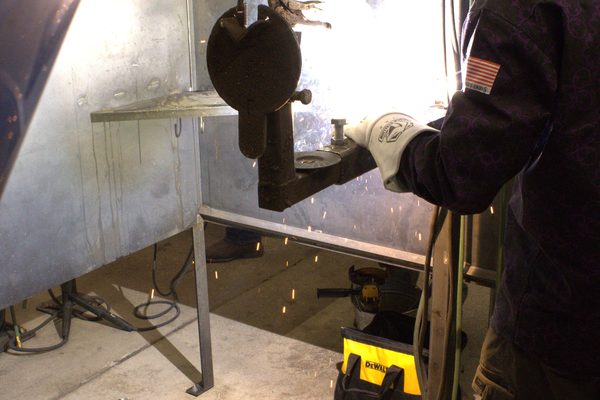
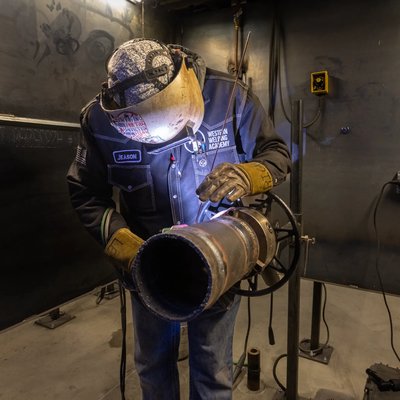
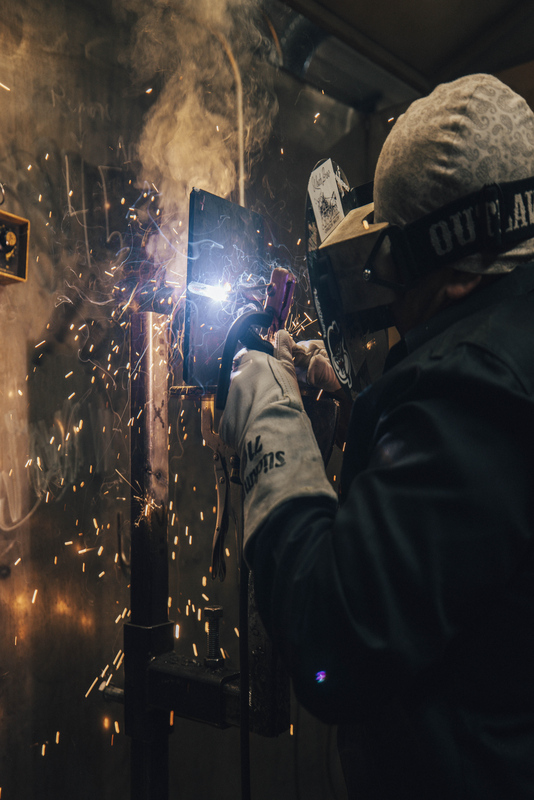
By midweek, students move to running stringer beads in the flat position. This means laying straight weld beads across a flat piece of steel. You practice bead spacing, restart technique, and electrode angle. Each student runs dozens of beads per day. With 40 hours of booth time in the first week, you get more welding practice in five days than most community college students get in an entire semester.
By the end of the first week, students begin pad welding. This involves laying multiple beads side by side to fill an entire plate surface. Pad welding builds the muscle memory for consistent bead placement and overlap. It teaches you to maintain quality across a larger work area rather than just a single bead. These fundamentals carry through every welding process you learn afterward.
Ready to start your first week in the booth? Apply now or call (307) 284-5313 today.
How Does the Daily Schedule Work?
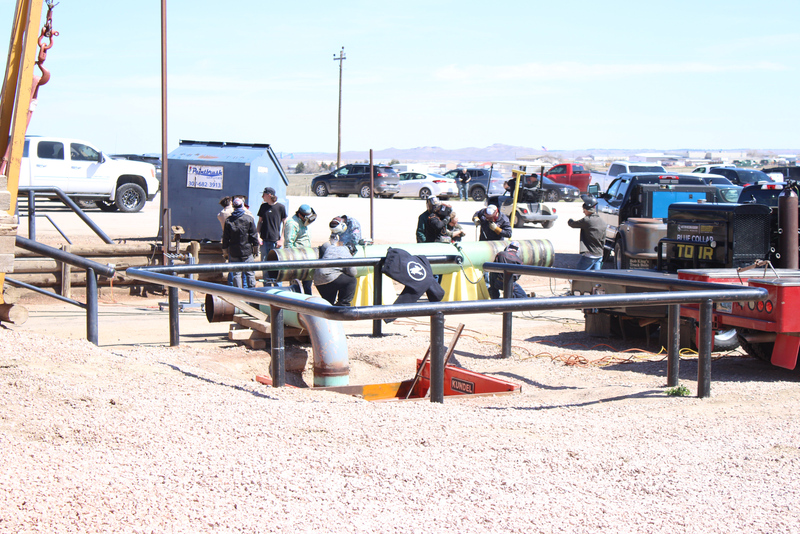
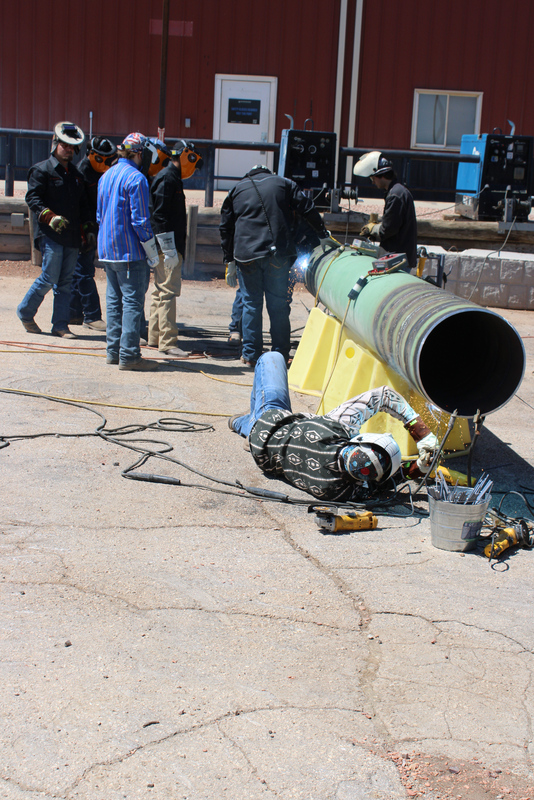
The daily schedule at Western Welding Academy runs like a job site, not a college campus. Students arrive in the morning and spend 8 hours in the shop. The schedule runs Monday through Friday, 40 hours per week. That 40 hour structure mirrors what a pipeline welding job demands. You are training your body and mind for the actual work rhythm from day one.
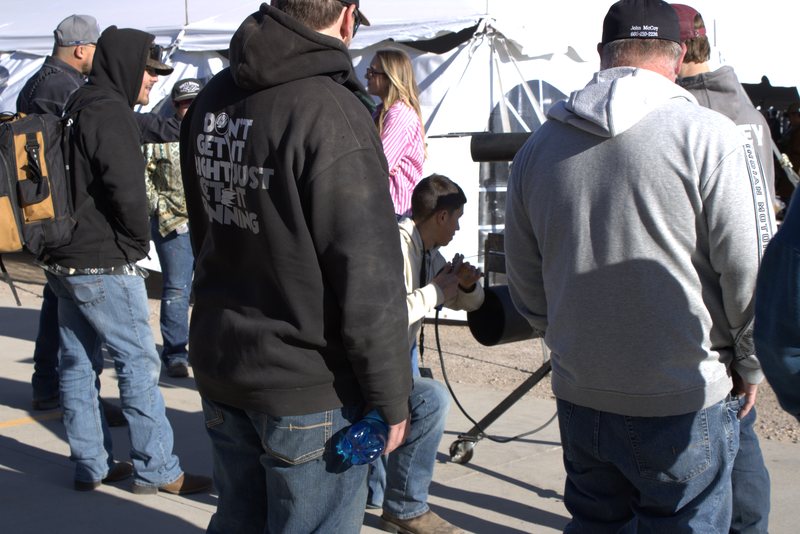
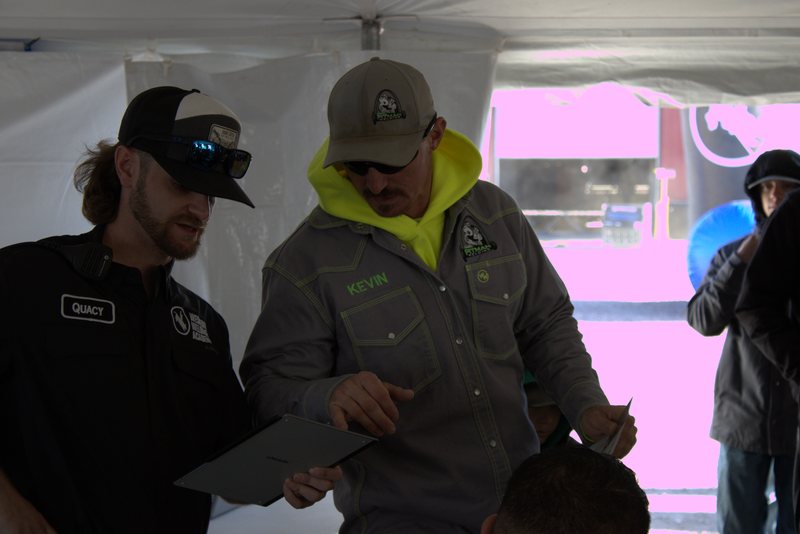
Morning sessions typically cover new techniques and instructor demonstrations. Students watch a brief demonstration, then move to their booths to practice. Instructors rotate between booths giving individual feedback. Afternoon sessions continue hands-on practice with periodic check-ins. There are no hour-long lectures or textbook assignments taking time away from the booth.
The 85% hands-on ratio means roughly 34 of your 40 weekly hours are spent welding. The remaining time covers safety briefings, technique discussions, and material science basics. Compare this to a typical community college welding program that offers 10 to 15 booth hours per week with the rest in classroom instruction. More booth time in the first week means faster skill development from the start.
What Do First Week Students Struggle With Most?
Arc control is the biggest challenge in week one. Maintaining a consistent arc length while moving the electrode across the plate requires coordination that feels unnatural at first. Your hand will shake. Your beads will wander. Electrodes will stick to the metal and break off. Every student goes through this. The difference at a structured program is that an instructor is right there to tell you what to adjust.
Physical fatigue surprises many first week students. Holding a welding stinger in position for extended periods uses muscles you did not know you had. Welding in full PPE adds heat and weight. By Wednesday of the first week, most students feel it in their shoulders, forearms, and lower back. This is normal. Your body adapts within the first two weeks, and the physical endurance becomes second nature.
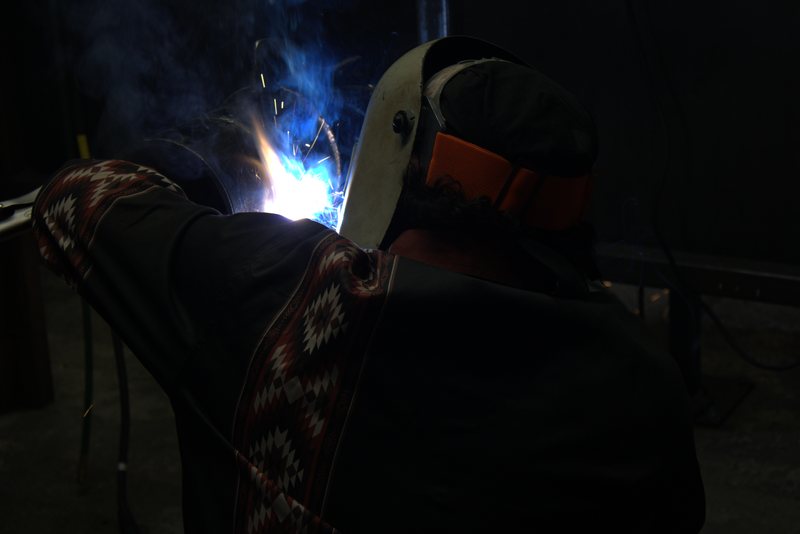
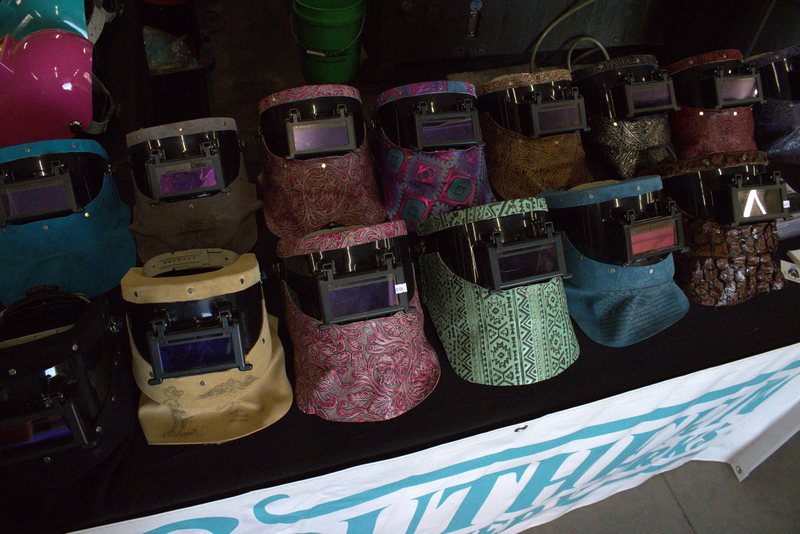
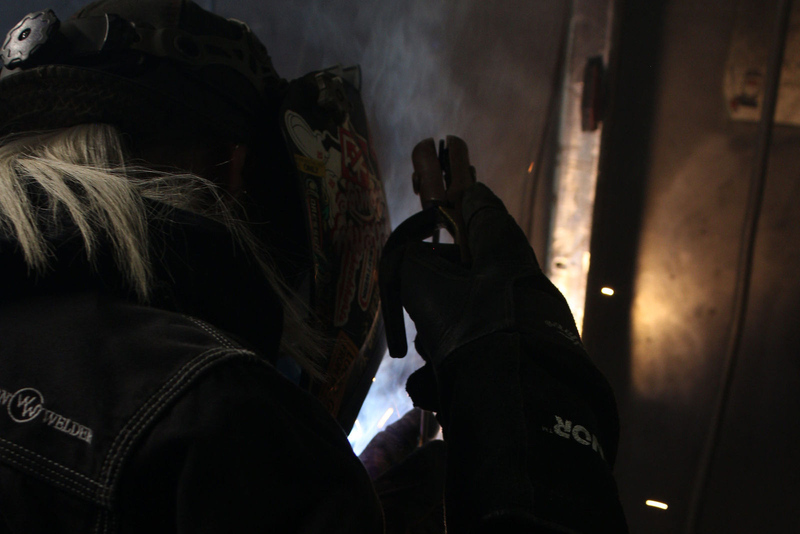
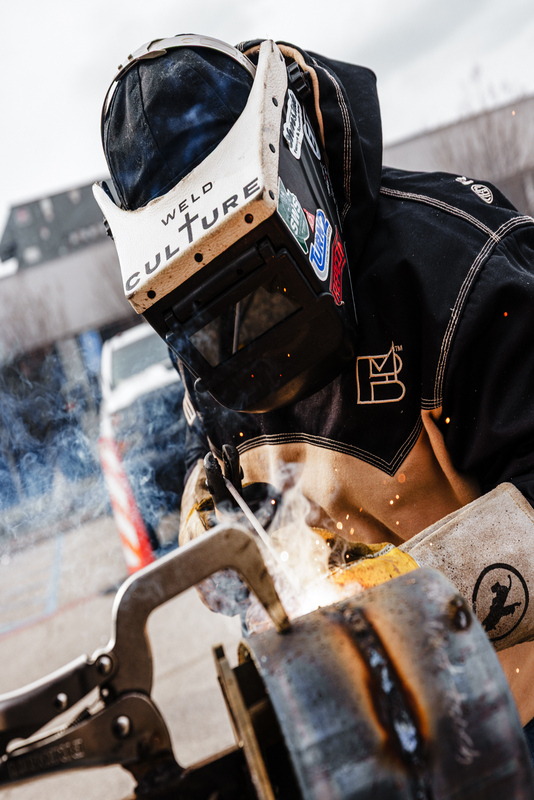
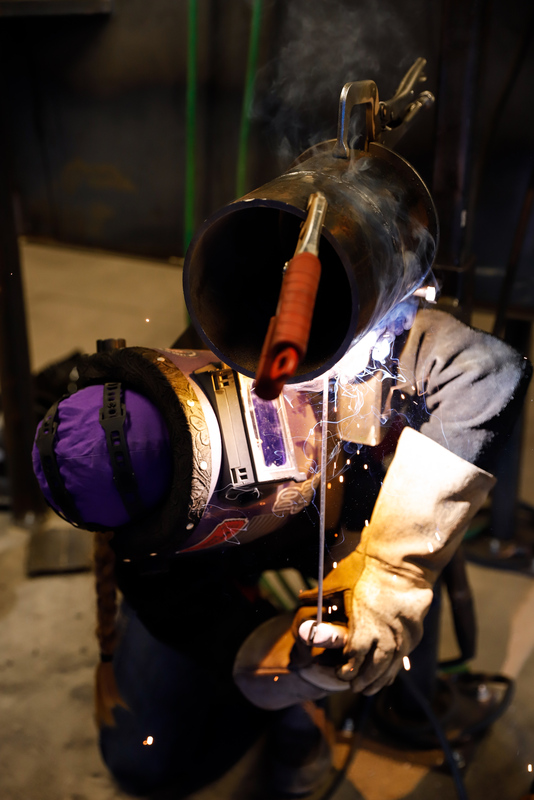
The helmet adjustment period is another common struggle. Welding under a darkened lens while maintaining precise hand control takes practice. New students often lift their helmet too soon or struggle to see the puddle clearly. Instructors at Western Welding Academy help students find the right hood settings and teach them how to position themselves for the best visibility. These small adjustments make a large difference in comfort and weld quality.
What Do Graduates Earn After Starting With This First Week?
Every graduate who earns six figures started with the same first week you will experience. The flat plate stringer beads and pad welds from week one become the foundation for pipe welding certifications that employers pay premium wages for. Graduates from Western Welding Academy earn $60,000 to $125,000 per year depending on their program and specialization. The tuition pays for itself within 5 to 7 months of full time work.
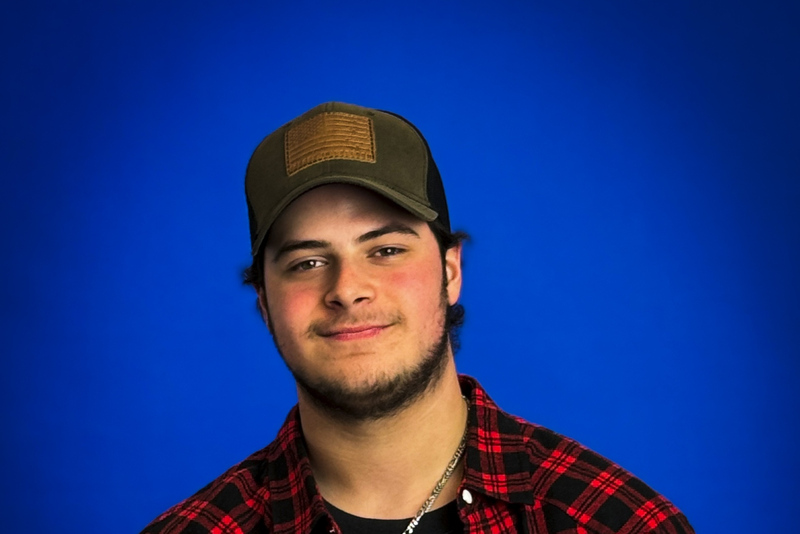
Leyton Wagner earned $4,514 on a single paycheck after completing his training at Western Welding Academy. His first week looked exactly like yours will. Flat plate, stringer beads, and an instructor correcting his technique. That foundation built into the pipe welding skills that command top pay.
Gavin Walden pulls in $3,986 per paycheck as a pipeline welder. He started week one without knowing how to strike an arc. The structured curriculum took him from that starting point to a hired pipeline position within 90 days of graduating.
David Smolek earns $3,417 per paycheck in his welding position. Noah clears $4,800 per week on the pipeline. Hank earns over $150,000 per year at age 21. Every one of them started with the same first week fundamentals at Western Welding Academy. The skills compound week over week until you are testing for certifications that most self-taught welders never attempt.
How Does Week One Set the Tone for the Entire Program?
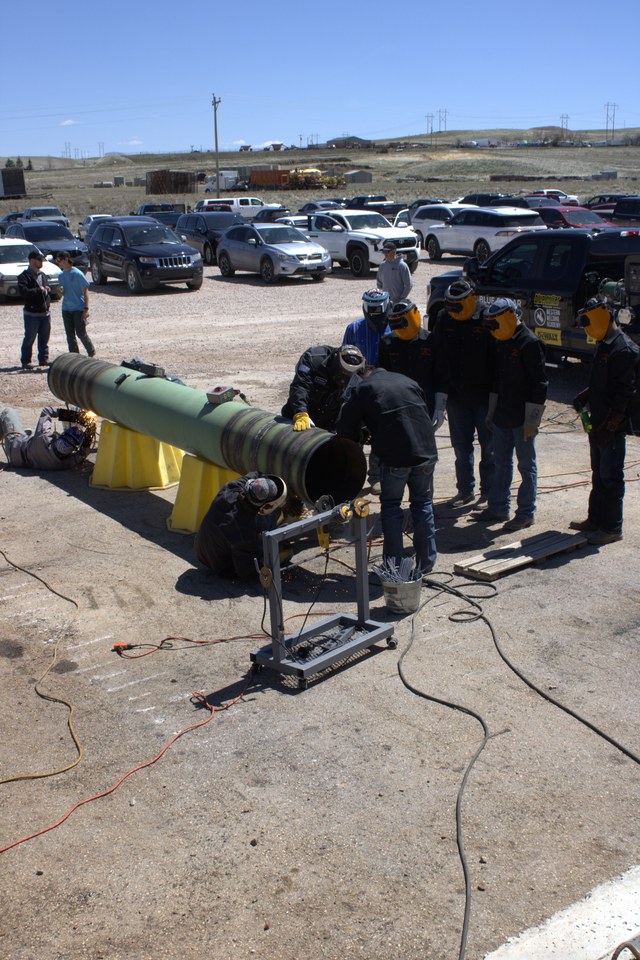
The first week establishes the pace, discipline, and expectations for the rest of your training. Western Welding Academy intentionally runs the first week at full intensity. You work 40 hours. You weld every day. You receive direct feedback from instructors with real pipeline experience. This shows you exactly what the next 11 to 23 weeks will demand.
Students who commit to the first week routine find that weeks two and three feel easier, not harder. Your body adapts to the schedule. Your hands steady on the stinger. Your beads start looking consistent. The 85% graduation rate in the Expert program reflects a curriculum that builds momentum from day one rather than easing students in slowly and hoping they catch up later.
By the end of week one, you know whether this career path is right for you. And you know it based on real experience, not speculation. That clarity is worth the tuition by itself. The students who stay past week one have a clear picture of what pipe welding training demands and what it delivers. Over 2,000 graduates from all 50 states made that same decision, and 94% of them were hired within 90 days of finishing.
Your first week starts with one decision. Apply now or call (307) 284-5313 today.
Frequently Asked Questions
Q1. Do I need any welding experience before my first week?
No. Western Welding Academy starts every student at the fundamentals. The first week covers safety orientation, equipment setup, and basic stick welding on flat plate. Over 2,000 graduates have completed the program with many arriving on day one with zero welding experience.
Q2. Will I be pipe welding during the first week?
No. The first week focuses on stick welding fundamentals on flat plate. Pipe welding comes later in the curriculum after you build the hand control, arc awareness, and technique that pipe positions demand. The progression is intentional and proven across thousands of graduates.
Q3. How many hours per day will I spend welding in week one?
Students spend approximately 8 hours per day in the shop, with 85% of that time as hands-on welding. That works out to roughly 34 hours of actual booth time in the first week. Western Welding Academy runs a 40 hour weekly schedule from day one.
Q4. What equipment do I need to bring for the first week?
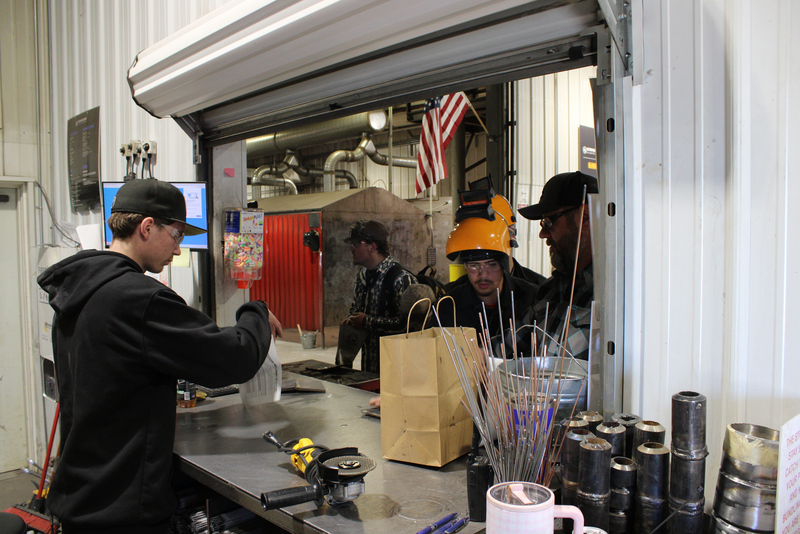
Western Welding Academy provides all welding equipment, PPE, and consumables. Your tuition covers everything from the welding machine to your helmet and gloves. Bring work boots and a willingness to learn. You do not need to purchase any tools before starting.
Q5. What if I struggle during the first week?
Every student struggles during the first week. That is expected and built into the training model. Instructors with real pipeline experience provide one-on-one feedback in the booth. The structured curriculum is designed to take complete beginners through each step progressively. Struggling early is part of the learning process, not a sign you are in the wrong place.
Q6. What makes Western Welding Academy different from other welding schools?
Western Welding Academy delivers 40 hours per week of booth time with 85% hands-on training from day one. The school is the number one AWS Accredited Testing Facility with a 94% hire rate within 90 days, an 85% Expert program graduation rate, and graduates earning $60,000 to $125,000 per year.
Take the First Step Toward a Pipe Welding Career
The first week is the hardest week to imagine and the easiest week to finish. Every graduate started exactly where you are now. Call Western Welding Academy at (307) 284-5313 or apply now to schedule your start date.

.jpg)

.jpg)
.jpg)


.jpg)
.jpg)
.jpg)
.jpg)
.jpg)
-thumbnail.jpg)

.jpg)