What Weld Symbols Tell the Pipe Welder
Weld symbols communicate everything about a joint in a compact graphic format defined by AWS A2.4. A single symbol tells the welder the joint type, the weld process, the size and length of the weld, the number of passes, whether to weld from one side or both, and any special requirements like back gouging or field welding.
The reference line is the foundation of every weld symbol. It is a horizontal line with an arrow pointing to the joint. Information below the reference line applies to the arrow side of the joint. Information above the reference line applies to the other side. This arrow side and other side distinction is the single most misread element in weld symbols, and getting it wrong means welding the wrong side of the joint.
The tail of the symbol (opposite the arrow) contains supplementary information: the welding process, the specification number, or special instructions. If the tail is empty, no supplementary information is needed. Pipe welders see process designations like GTAW, SMAW, and FCAW in the tail regularly, especially on joints that require multiple welding processes on different passes.
Learn to read every weld symbol before you start welding. Apply now or call (307) 284-5313.
The Symbols Pipe Welders See Most Often
The V-groove symbol appears on nearly every butt weld joint in pipe work. It looks like a V shape below or above the reference line. The number inside or near the V indicates the groove angle, and a number to the left of the V indicates the root opening (gap). A small circle at the root of the V indicates a melt-through (complete joint penetration) requirement, which is standard for pressure pipe.
The bevel groove symbol is half of a V, indicating that only one side of the joint is beveled while the other remains square. This appears in some pipe to fitting connections and branch connections. The arrow points to the beveled member, which tells the welder which pipe end gets the preparation.
The fillet weld symbol is a right triangle below or above the reference line. Fillet welds appear on socket weld connections, reinforcement pads, and pipe supports. The number next to the triangle indicates the leg size. Pipe welders encounter fillet symbols on structural connections even when their primary work is groove welds on the main line.
The back weld and backing symbols indicate work on the root side of a joint. A back weld symbol (semicircle on the opposite side of the reference line from the groove symbol) tells the welder to weld the root side after completing the groove weld. This is different from a backing symbol, which indicates a backing material is present during the original weld.
Reading Isometric Drawings for Pipe Jobs
Isometric drawings (isos) are the standard communication tool on pipe welding job sites. An iso shows a three-dimensional view of a piping system drawn on a flat page. Every joint, fitting, valve, and support is represented with standardized symbols. The iso also includes a bill of materials listing every component by size, material, and schedule.
Each weld joint on an iso gets a unique weld number. That number ties the joint to a specific WPS, which tells the welder exactly how to make that weld. The iso also shows the pipe size, wall thickness (schedule), material specification, and flow direction. A pipe welder who can read an iso can walk up to a section of the project, identify every joint assigned to them, and know the welding requirements before picking up a torch.
Dimension lines on the iso give the welder the measurements needed to cut and fit pipe between components. The ability to read these dimensions accurately prevents misfabrication, which is one of the most expensive mistakes on a pipe welding project. A pipe cut to the wrong length wastes material and time while the welder refabricates the spool.
Common Misreads That Cost Welders on the Job
Confusing arrow side with other side is the most frequent misread. A welder who bevels the wrong pipe end or welds the wrong side of a joint creates a non-conforming weld that must be cut out and redone. The rule is simple: information below the reference line goes on the arrow side, information above goes on the other side. But under job site pressure, welders reverse this more often than they admit.
Misreading the groove angle creates fit up problems. A 37.5 degree bevel (common in pipeline work under API 1104) looks similar to a 30 degree bevel on a drawing, but the difference changes the root gap, the number of fill passes, and the total weld volume. Using the wrong angle wastes time on fit up and may violate the WPS.
Ignoring supplementary symbols leads to incomplete welds. A field weld symbol (a flag at the junction of the reference line and arrow) indicates the joint must be welded at the job site, not in the fabrication shop. A melt-through symbol means the root must show complete penetration on the inside. Missing these small symbols creates welds that do not meet the engineering requirements.
How Western Welding Academy Teaches Blueprint Reading
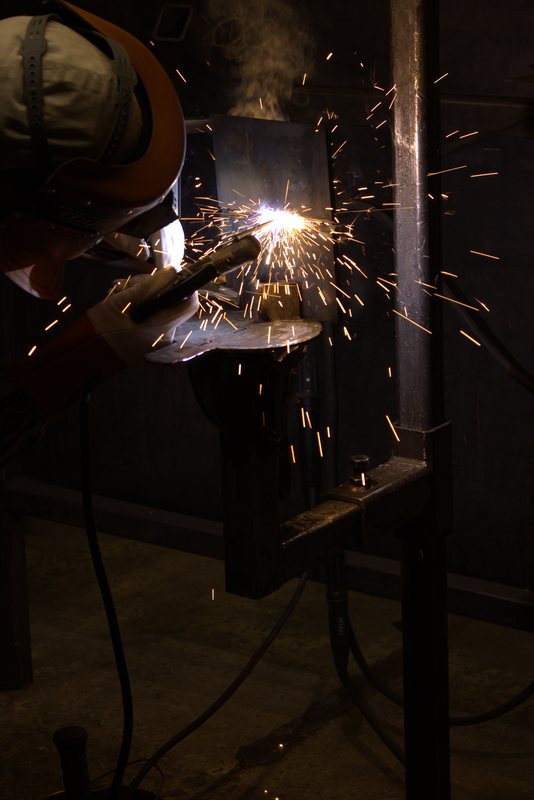
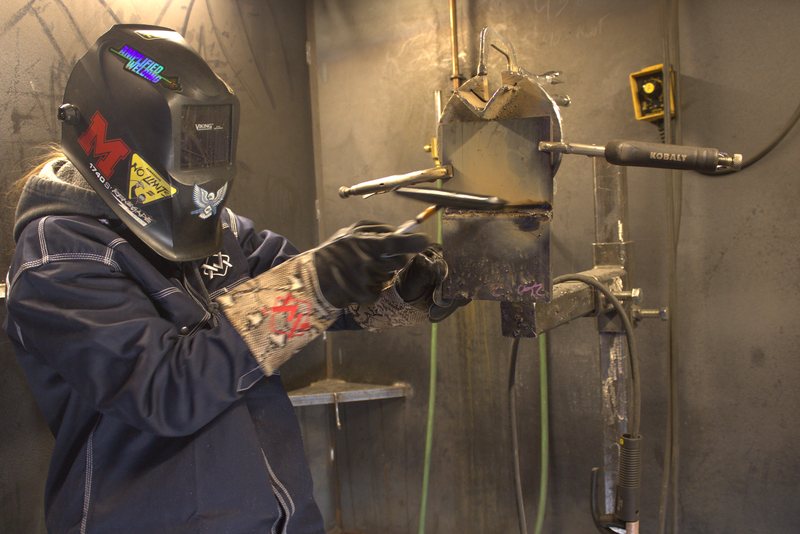
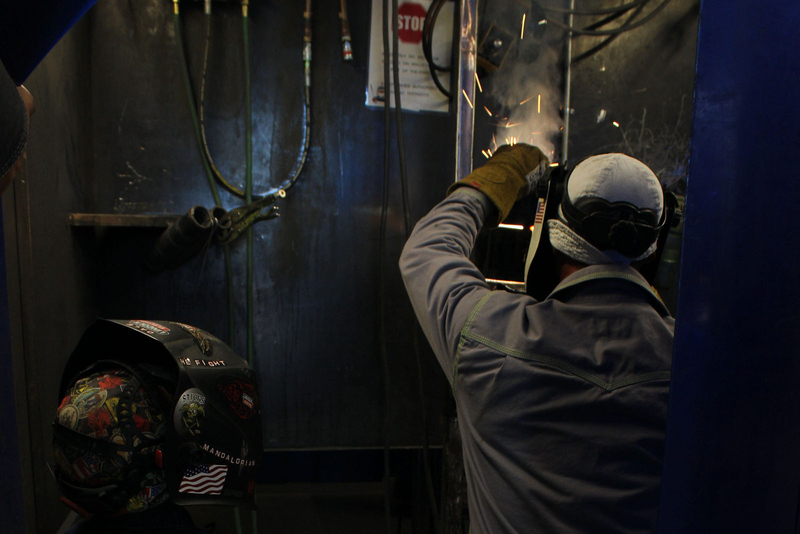
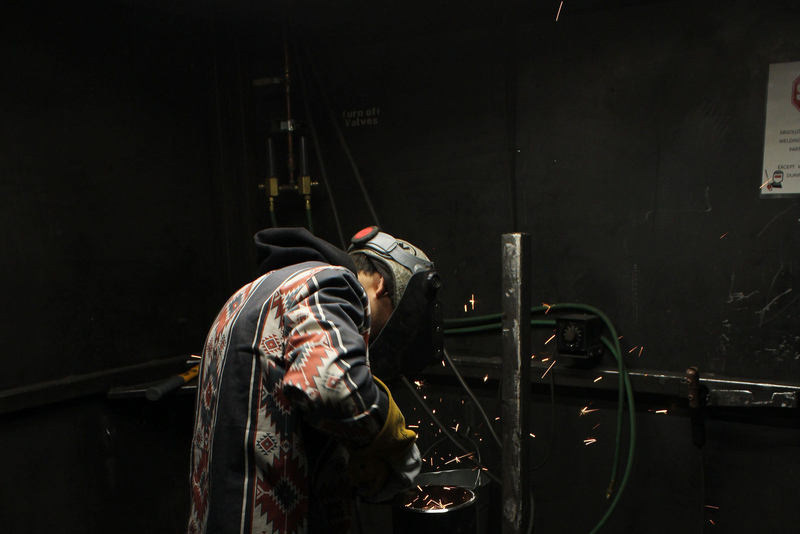
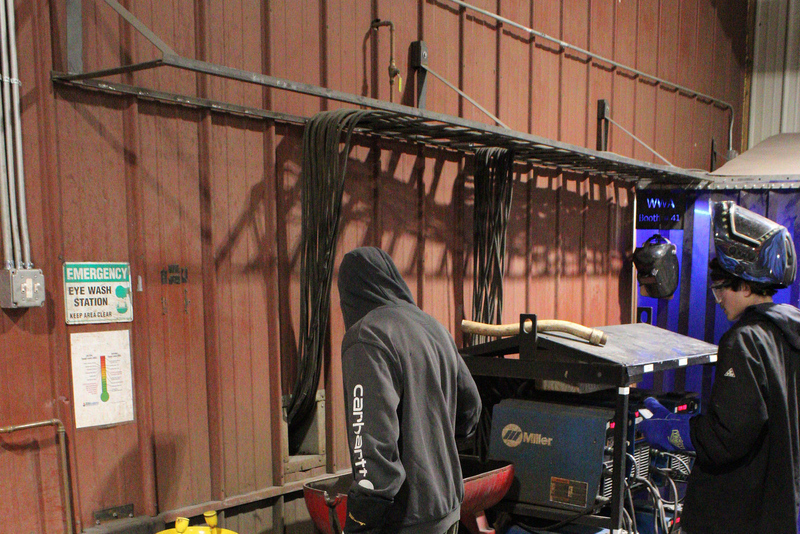
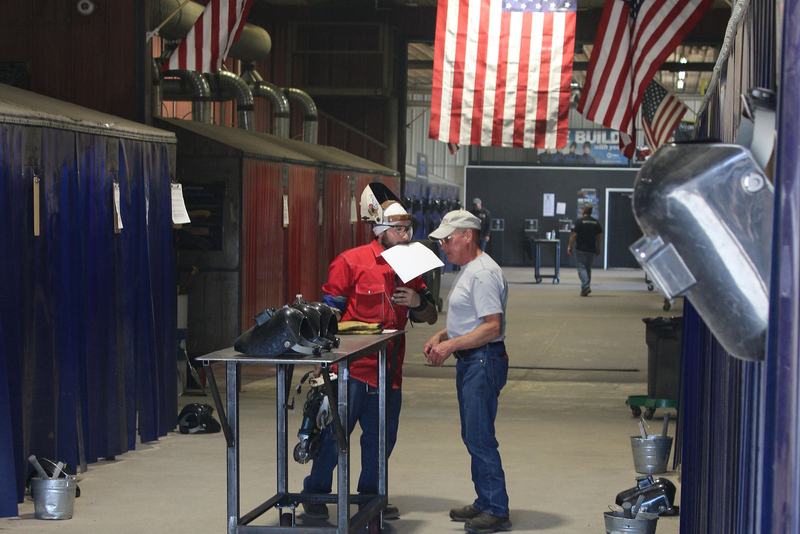
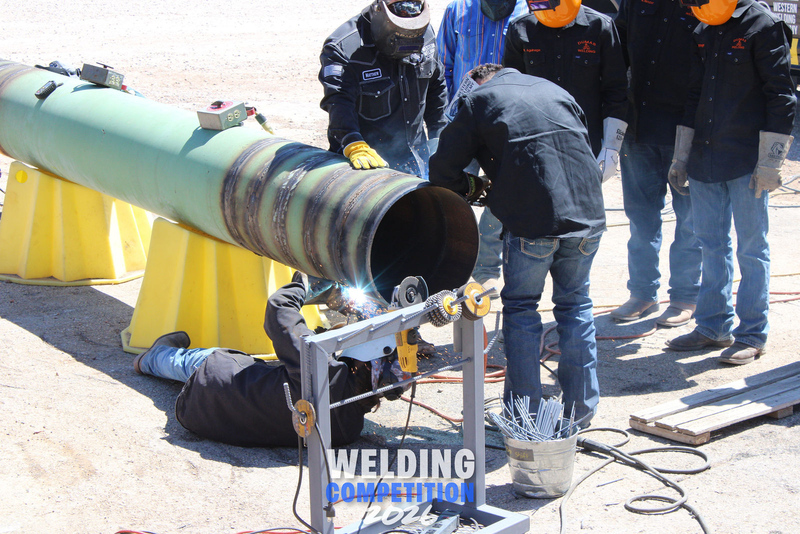
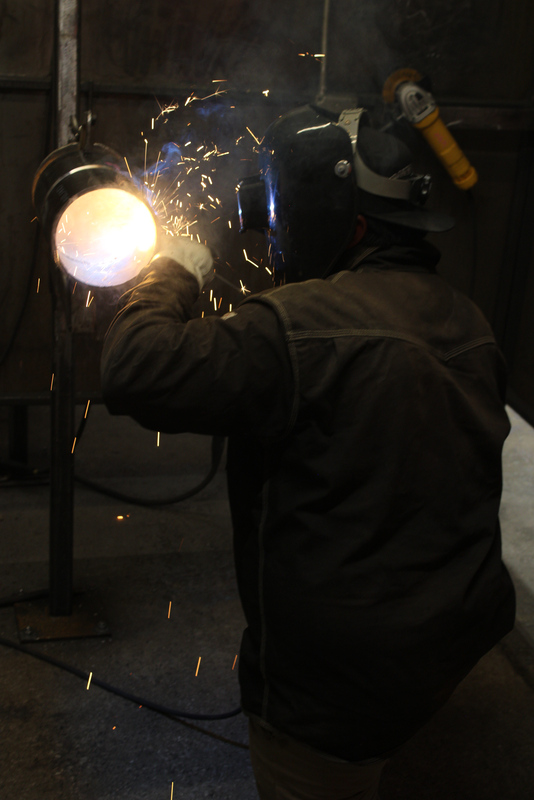
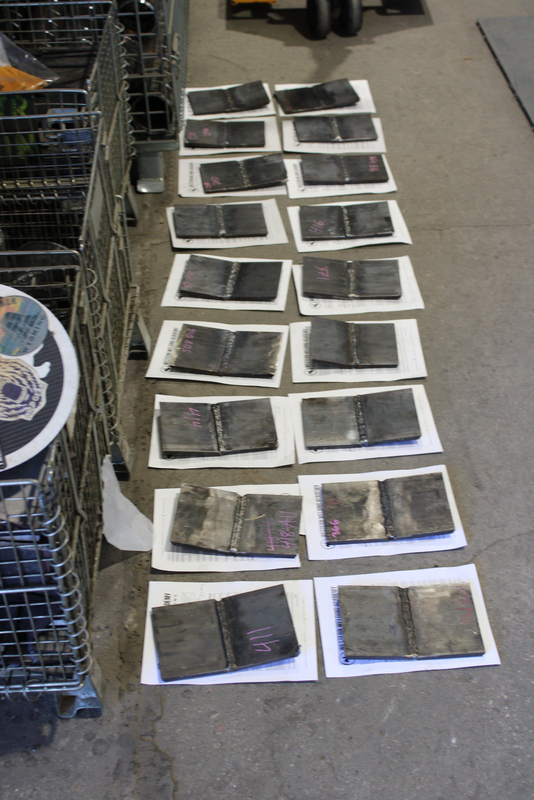
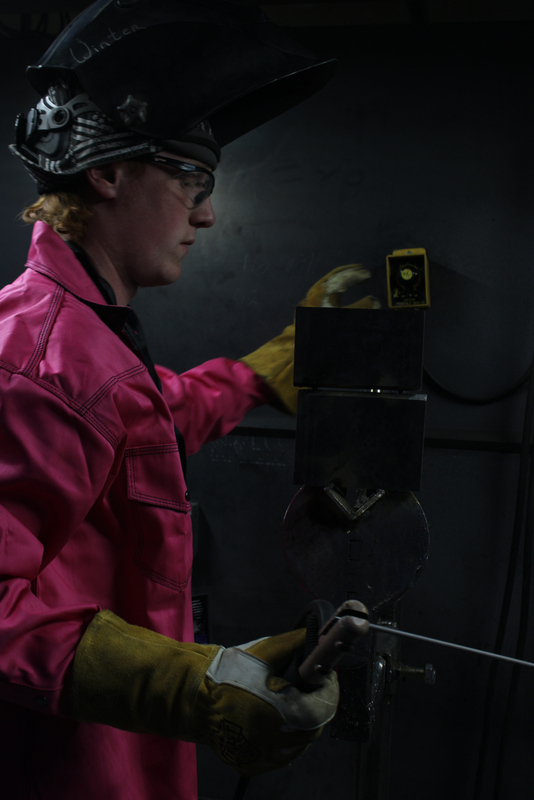
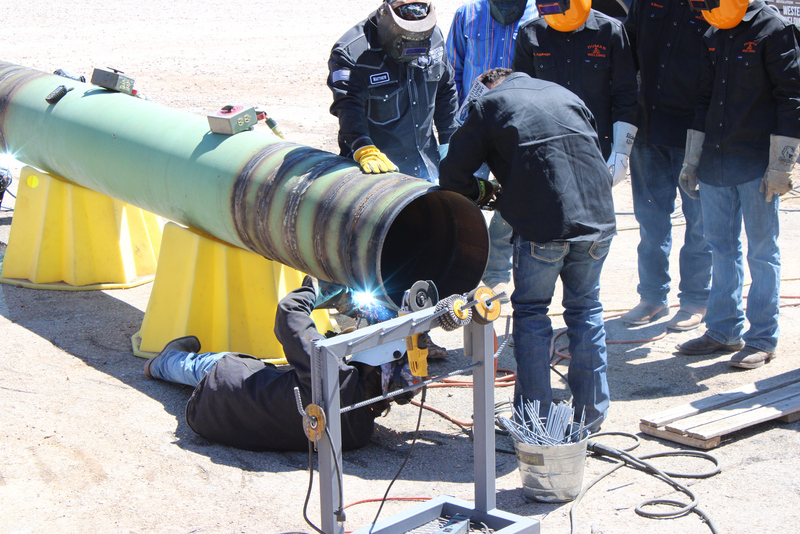
At Western Welding Academy, blueprint reading is not a separate classroom subject disconnected from welding. Students learn symbols and drawings while they are welding pipe. An instructor hands them a drawing with weld symbols, and the student sets up the joint, selects the process, and welds it according to the drawing. This integration means graduates connect symbols to real welds, not just memorized diagrams.
The Expert Pipe Welder program covers blueprint reading across 24 weeks with 85% hands-on time. Students read isometric drawings, interpret weld symbols, and execute the welding procedures specified on the drawing. The Foundational Pipe Welder program introduces the core symbols in 12 weeks so students can read basic pipe welding drawings from day one on the job.
Over 2,000 graduates from all 50 states have completed the program and entered the workforce ready to read the drawings they encounter on pipeline, refinery, and process piping projects. The academy's 94% placement rate within 90 days proves that employers value graduates who can read, interpret, and execute from a drawing without hand holding.
Read the drawing. Weld the joint. Earn pipeline pay. Apply now or call (307) 284-5313.
What Graduates Earn With Complete Job Site Skills
Pipe welders who can read blueprints and weld symbols earn more because they work independently. A welder who needs someone to interpret every drawing slows the crew and creates bottlenecks. A welder who reads the iso, checks the WPS, and starts welding keeps the project on schedule. Here is what Western Welding Academy graduates earn with the full skill set contractors expect.
Leyton Wagner earns $4,514 per paycheck welding pipeline. He reads the iso, identifies his joints, and starts welding without waiting for someone to explain the drawing. That independence is what keeps him on every contractor's short list.
Gavin Walden takes home $3,986 per paycheck. His ability to interpret weld symbols correctly on the first read means his fit ups match the engineering requirements every time.
David Smolek earns $3,417 per paycheck. He learned blueprint reading at Western Welding Academy by welding from actual drawings, not just studying symbols on a chalkboard.
Noah clears $4,800 per week on pipeline spreads. His multi-process skills combined with blueprint literacy mean he reads the process call out in the tail of the symbol and switches from GTAW to SMAW between passes without missing a step.
Hank crossed $150,000 per year before age 22. His complete job site skill set, including blueprint reading, let him take on any assignment a foreman hands out.
Frequently Asked Questions
Q1. What is AWS A2.4?
AWS A2.4 is the American Welding Society standard for welding symbols. It defines how to represent weld joints, processes, sizes, and specifications on engineering drawings. Every welding blueprint in the United States follows this standard, making it essential knowledge for any pipe welder.
Q2. What does the arrow side of a weld symbol mean?
The arrow side is the side of the joint that the symbol's arrow points to. Information placed below the reference line applies to the arrow side. Information above the reference line applies to the other side. Getting this right determines whether you weld the correct side of the joint.
Q3. Do pipe welders need to know how to read isometric drawings?
Yes. Isometric drawings are the primary communication tool on pipe welding job sites. They show every joint, its weld number, the pipe specifications, and dimensions. A pipe welder who cannot read an iso depends on someone else to tell them what to do on every joint.
Q4. What is a melt-through symbol on a pipe weld drawing?
The melt-through symbol is a small filled circle placed on the opposite side of the reference line from the groove symbol. It requires complete joint penetration visible on the root side of the weld. This is standard on pressure pipe joints where the root must show full fusion.
Q5. How long does it take to learn weld symbols?
The core symbols used in pipe welding can be learned in a few weeks when taught alongside hands-on practice. Full fluency with isometric drawings and complex joint callouts develops over the course of a structured training program. Western Welding Academy integrates symbol reading into booth work so students learn by doing.
Q6. What makes Western Welding Academy different from other welding schools?
Western Welding Academy teaches blueprint reading as part of hands-on pipe welding with 85% booth time, instructor feedback on every weld, on-site AWS accredited testing, a 94% placement rate within 90 days, and named graduates earning $3,400 to $4,800 per paycheck. Over 2,000 graduates from all 50 states have completed the program.
Read the Blueprint and Build Your Pipeline Career
Every pipe weld starts on a drawing. The welders who earn the most are the ones who read that drawing and execute it without asking for help. Western Welding Academy teaches you to read weld symbols, interpret isometric drawings, and weld what the blueprint calls for. Call Western Welding Academy at (307) 284-5313 or apply now to build the complete skill set that earns pipeline pay.


.jpg)


.jpg)


.jpg)
.jpg)
.jpg)
.jpg)
.jpg)
-thumbnail.jpg)

.jpg)