What the 6G Test Actually Requires
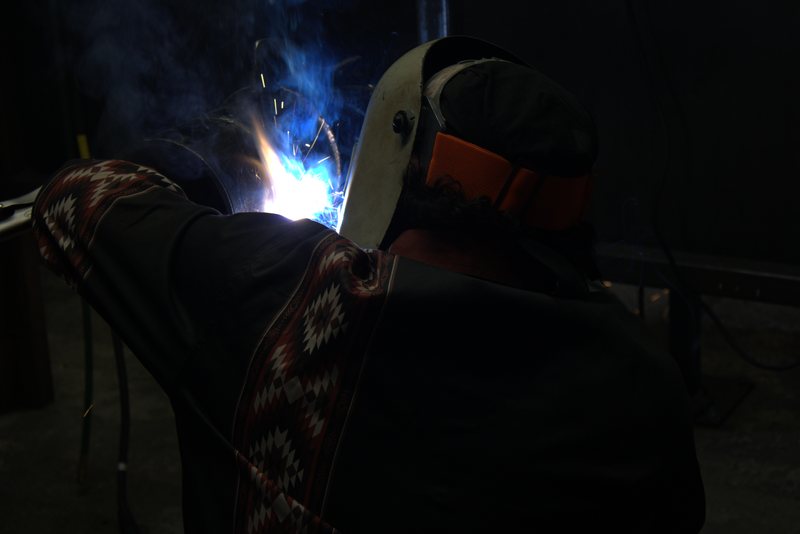
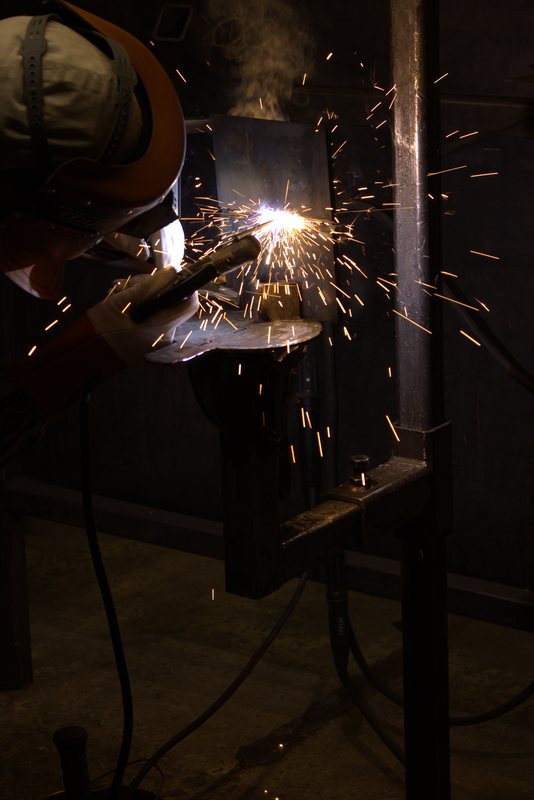
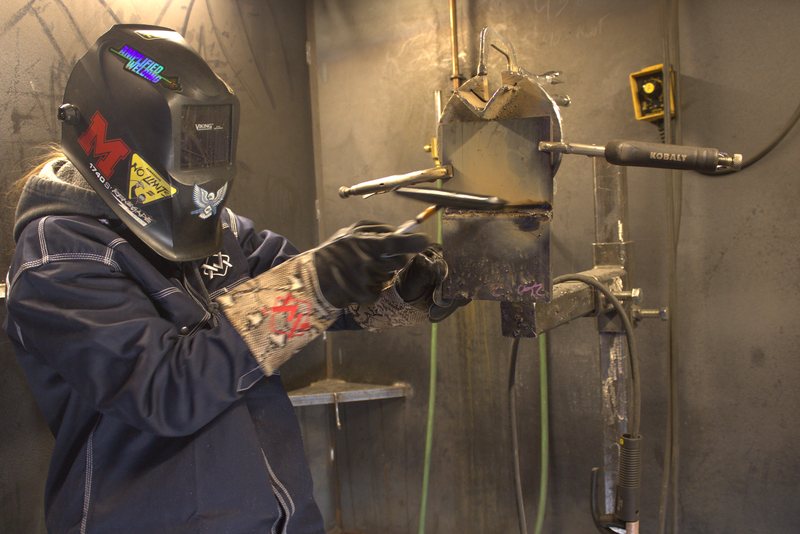
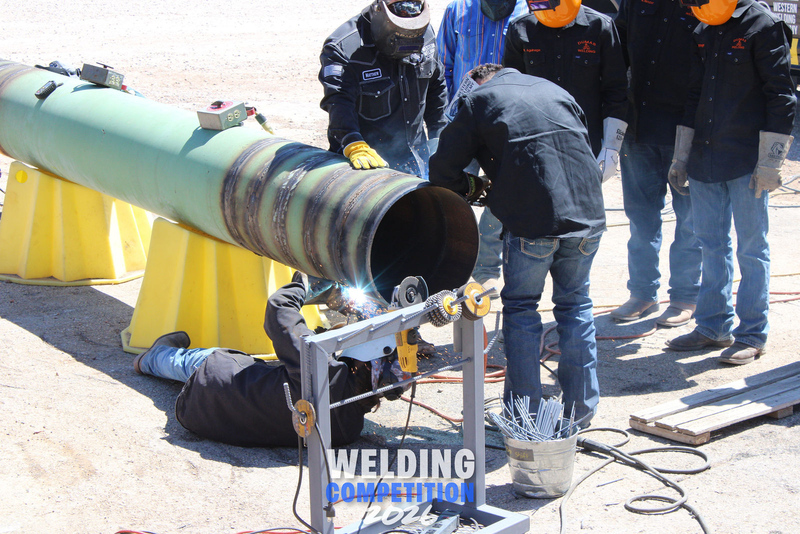
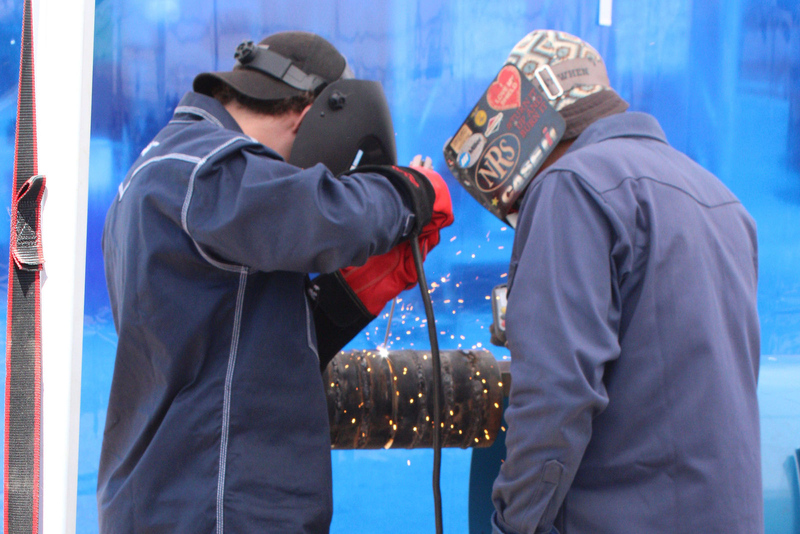
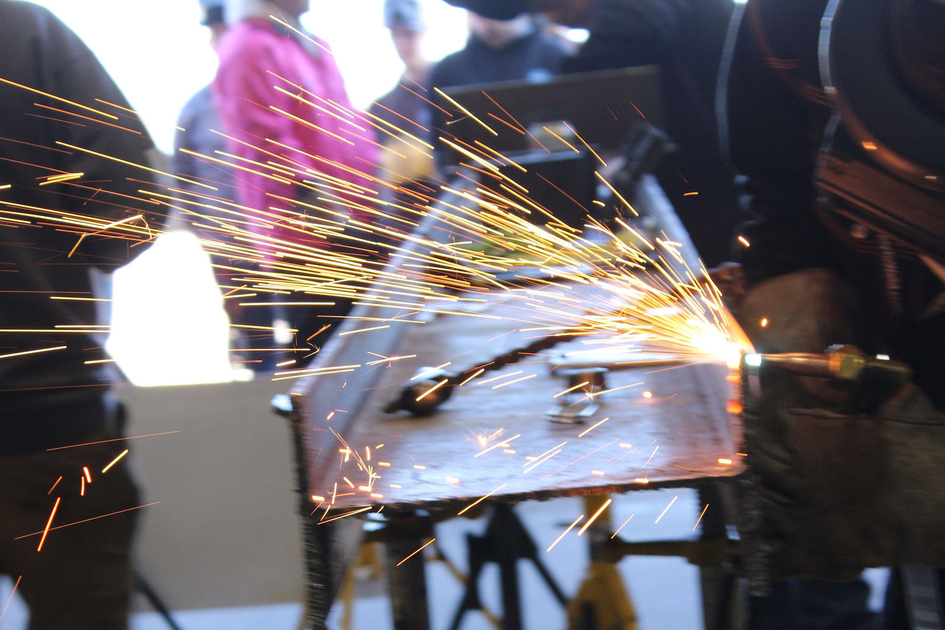
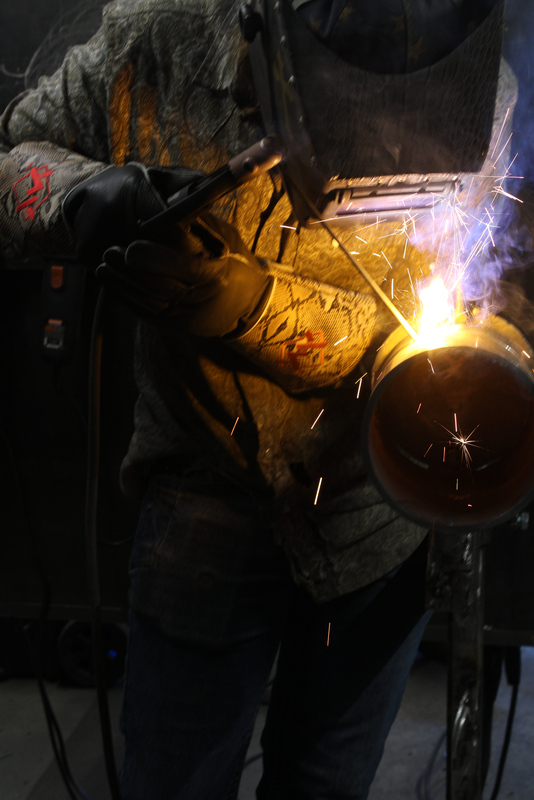
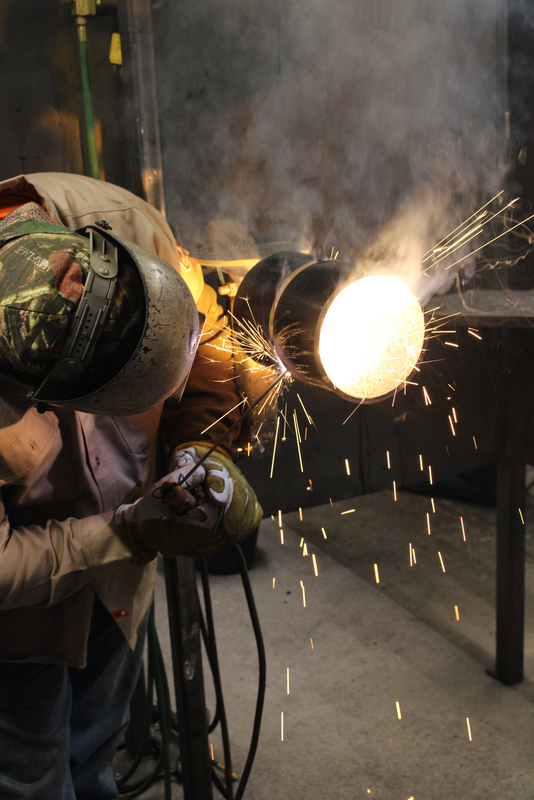
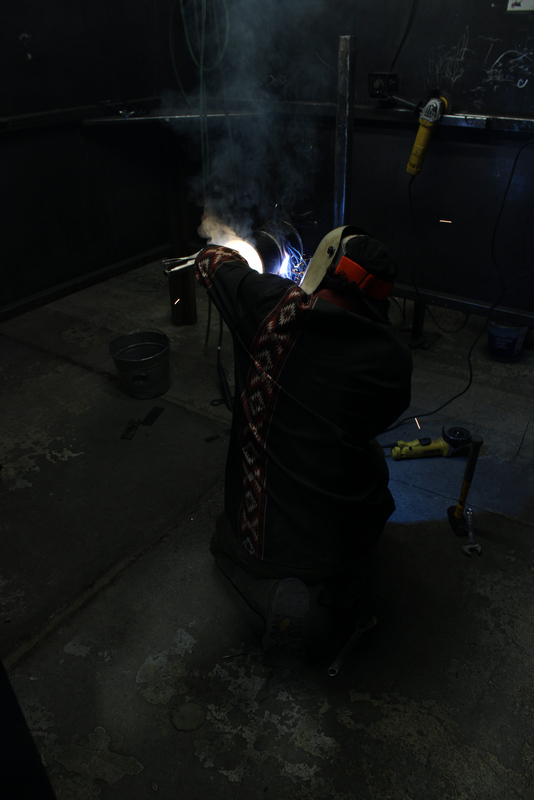
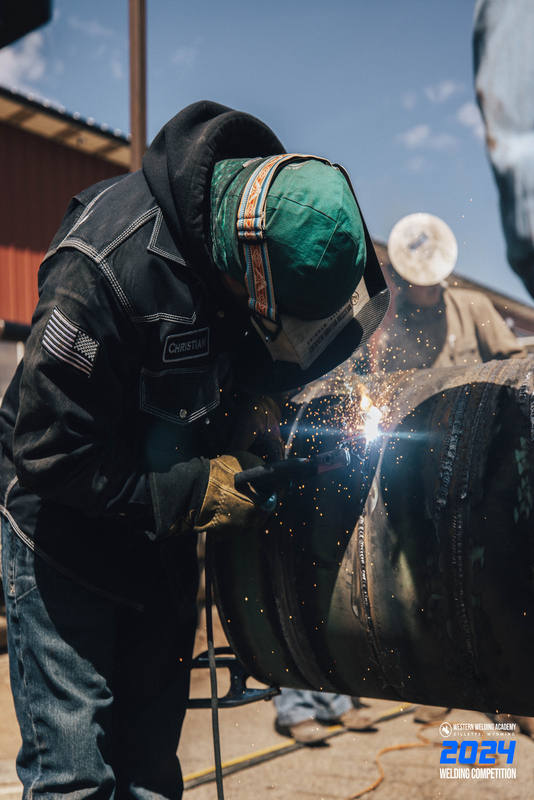
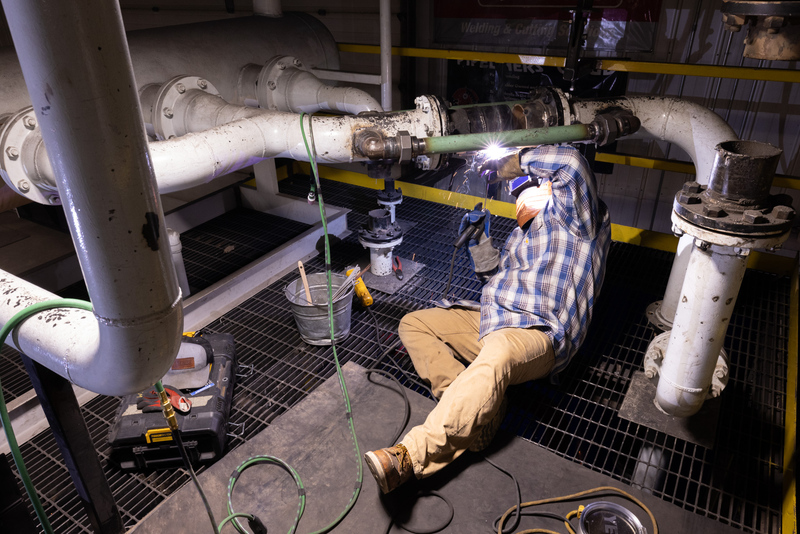
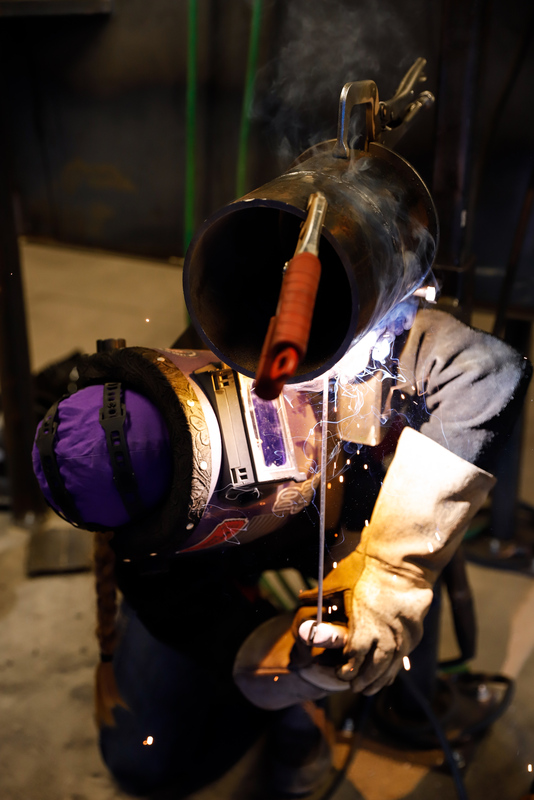
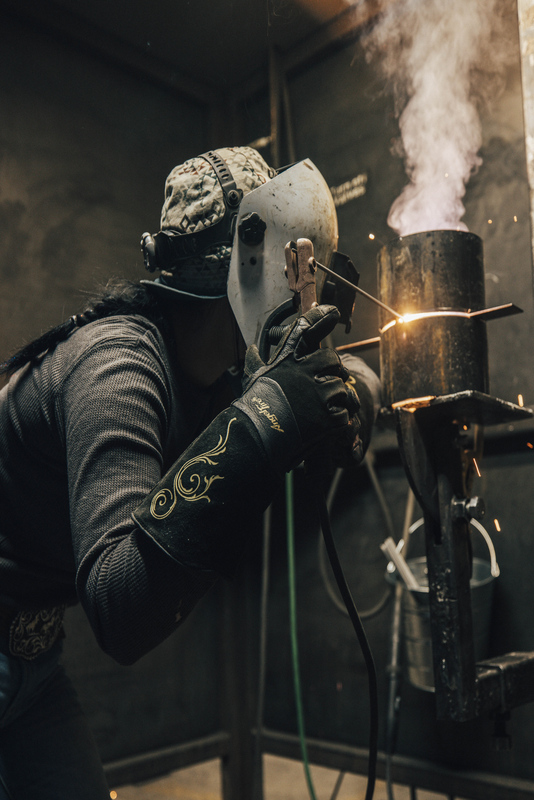
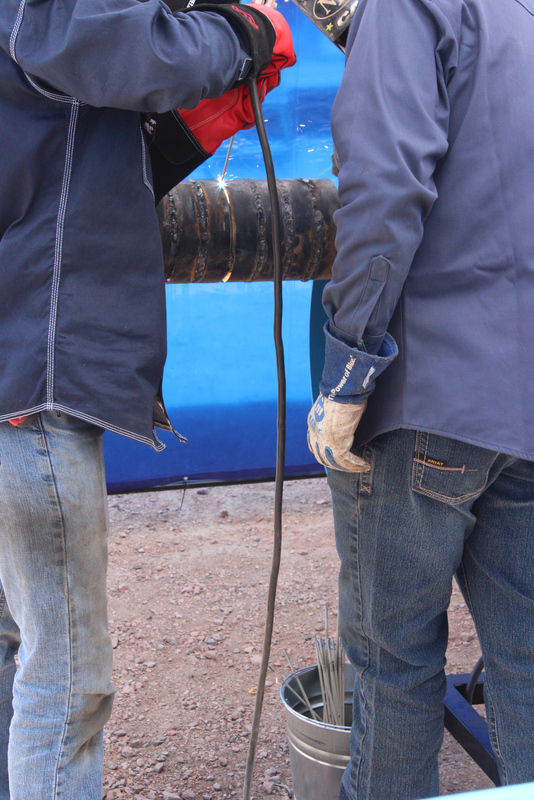
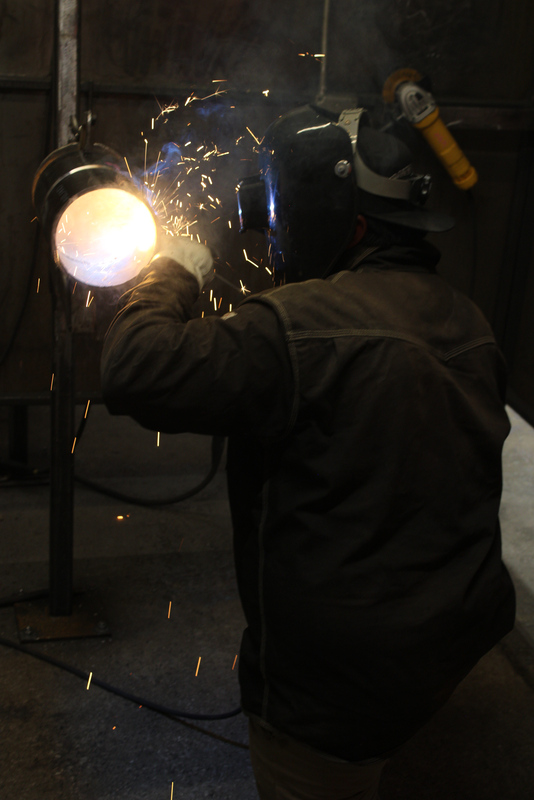
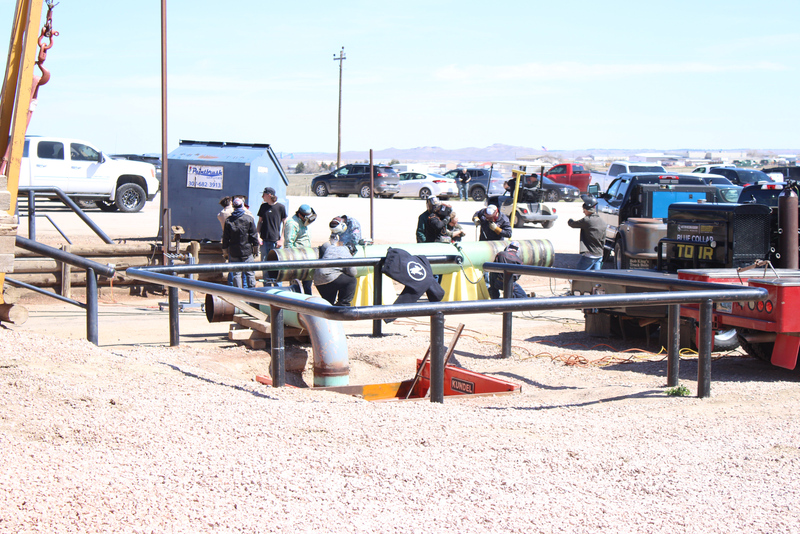
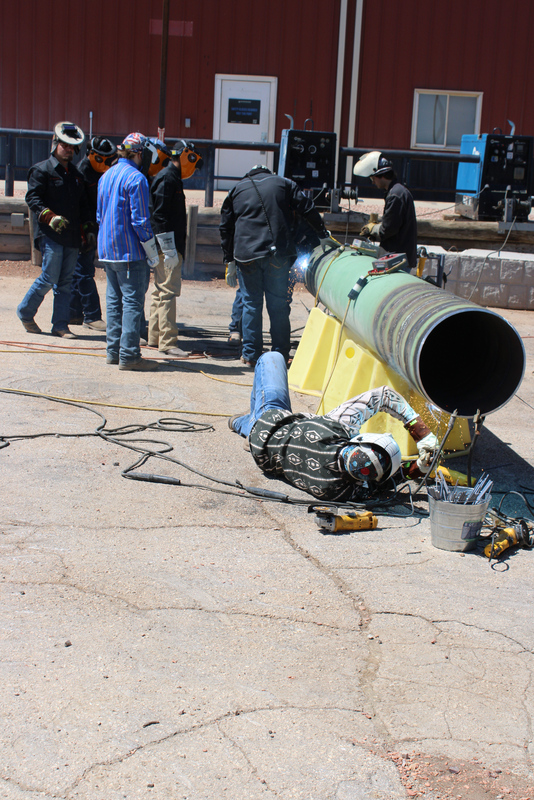
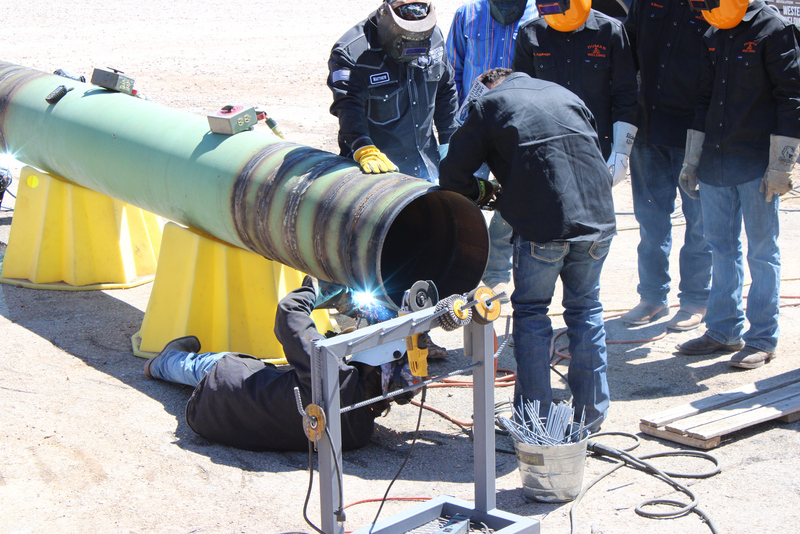
The 6G certification test positions a pipe coupon at a fixed 45 degree angle. This angle forces the welder to weld through every position: flat, horizontal, vertical, and overhead. The pipe does not rotate. The welder moves around the pipe, adjusting technique at every clock position to keep the weld sound from start to finish.
Before the first arc strikes, the welder receives a Welding Procedure Specification (WPS). This document lists the exact process, filler metal, shielding gas, amperage range, voltage range, travel speed, preheat requirements, and interpass temperature limits. Every parameter on that WPS is a rule. Deviating from any of them can void the test regardless of how the finished weld looks.
The test coupon is typically a section of carbon steel pipe, often 6 inches in diameter with a wall thickness between 0.250 and 0.375 inches. The inspector verifies the material matches the WPS before the welder begins. Some tests use 8 inch or larger pipe depending on the employer or code requirement.
Prepare for your 6G test with mock runs under real conditions. Apply now or call (307) 284-5313.
How the Test Progresses From Start to Finish
The test begins with fit up. The welder prepares the bevel on both pipe ends, sets the root gap according to the WPS (typically 1/16 to 3/32 of an inch), and tack welds the coupon together. Inspectors watch the fit up closely. Uneven gaps, misaligned pipe, or sloppy tack welds signal problems before the test even starts. Some welders fail here because they rush the setup to get to the welding.
The root pass is the most critical weld in the entire test. On pipeline work governed by API 1104, the root pass uses a specific technique depending on the WPS. Most tests require an open root with complete penetration visible on the inside of the pipe. The root must show uniform penetration around the entire circumference without burn-through, lack of fusion, or excessive concavity.
After the root pass, the welder completes the hot pass. This pass burns into the root to eliminate any wagon tracks or small inclusions left between the root beads. The hot pass must fuse completely with the root without undercutting the pipe walls. Timing matters here. If the root cools too much before the hot pass, the risk of incomplete fusion increases.
Fill passes build the weld up to just below the pipe surface. Each fill pass must tie into the previous pass and the base metal without leaving slag inclusions, porosity, or lack of fusion between layers. The welder controls heat input carefully to avoid warping the coupon or overheating the base metal.
The cap pass finishes the joint. The cap must be uniform in width and height, blending smoothly into the base metal on both sides. Excessive reinforcement (too tall) or undercut (grooves along the edges) are common cap defects that cause failures. The cap profile should look consistent around the entire pipe.
What Inspectors Check and Why Welders Fail
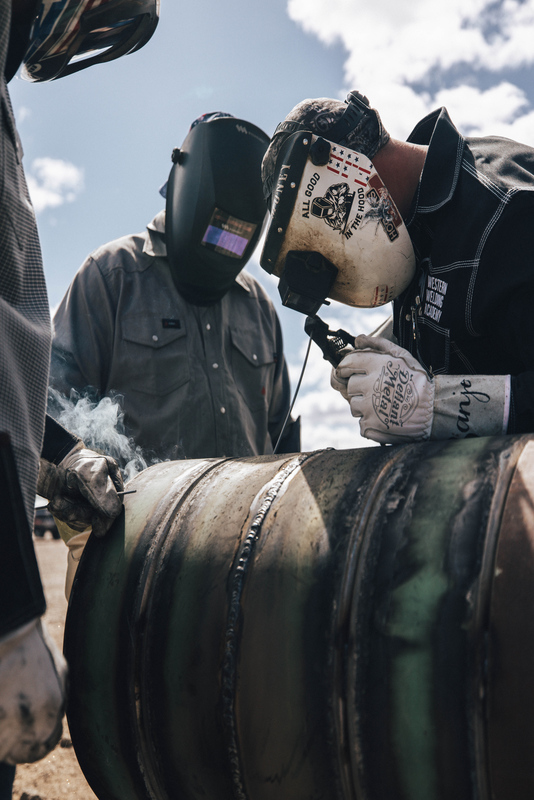
Visual inspection comes first. The inspector examines the completed weld for surface defects: undercut, porosity, cracks, incomplete fusion at the toes, excessive or insufficient reinforcement, and arc strikes on the base metal outside the weld zone. Any crack, no matter how small, is an automatic failure under most codes.
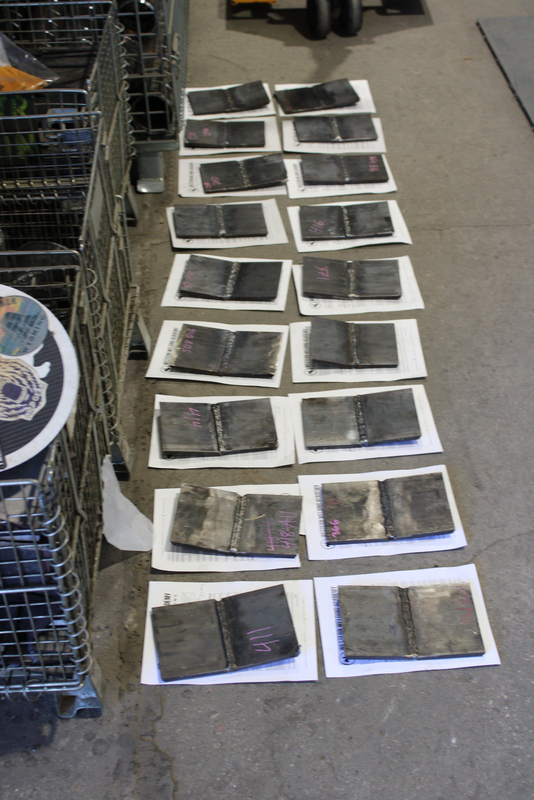
After visual inspection, the coupon goes to destructive or non-destructive testing. Destructive testing cuts the coupon into sections and bends them. Nick break tests fracture the root and face to expose internal defects. Guided bend tests wrap sections around a mandrel to see if the weld cracks or opens under stress. If any specimen shows a defect larger than 1/8 inch, the test fails.
Non-destructive testing, typically X-ray (radiographic examination), exposes internal defects without cutting the coupon. X-ray reveals porosity, slag inclusions, lack of fusion, and incomplete penetration that the eye cannot see. Pipeline work under API 1104 often requires radiographic testing because the welds carry high pressure product through the line.
The Mistakes That Cause Most 6G Test Failures
Rushing the root pass causes more failures than any other single mistake. Welders who push too fast through the root leave gaps in penetration or create burn through at the bottom of the pipe where overhead position makes control hardest. A slow, controlled root pass with consistent keyhole size is the foundation of a passing test.
Poor heat management across multiple passes is the second most common failure cause. Each pass changes the heat condition of the joint. If the welder does not monitor interpass temperature and adjust technique, the cumulative heat can cause distortion, grain growth in the heat affected zone, or hot cracking in the weld metal.
Ignoring the WPS parameters leads to procedural failures. A welder who runs 10 amps above the specified range or uses the wrong filler metal diameter has violated the procedure even if the weld looks perfect. Inspectors check the paperwork against the weld. If the numbers do not match, the test is invalid.
How Training at Western Welding Academy Prepares You
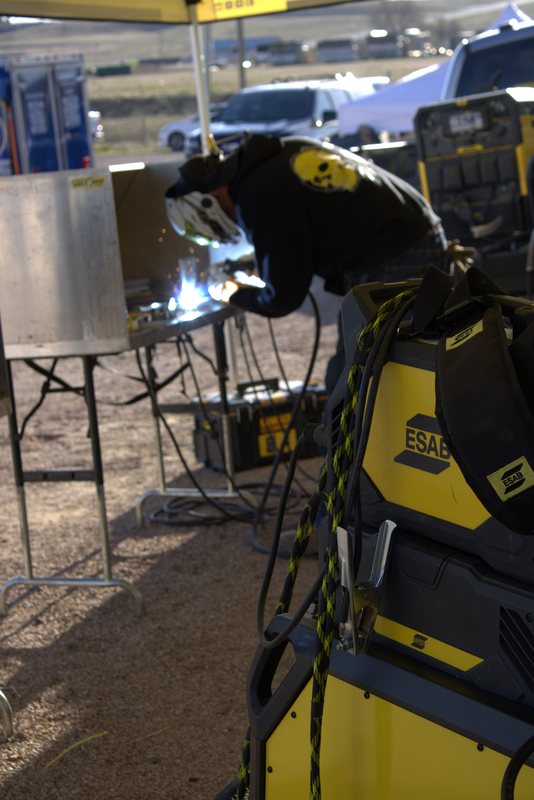
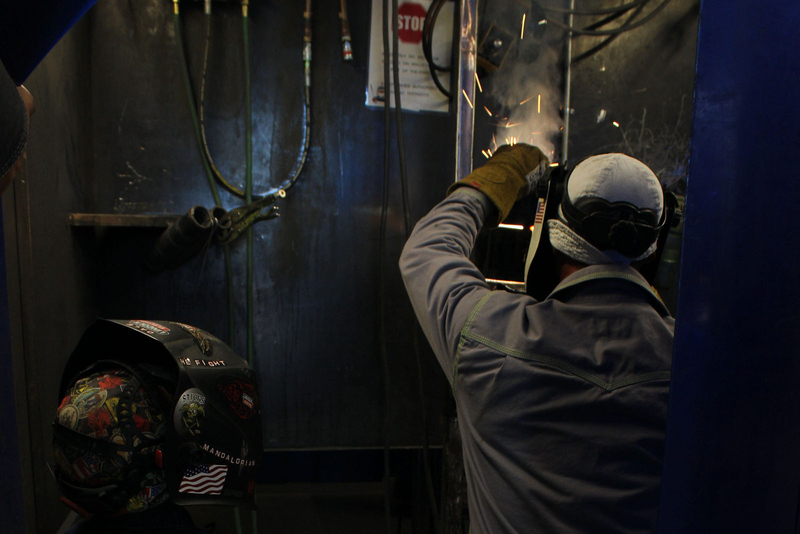
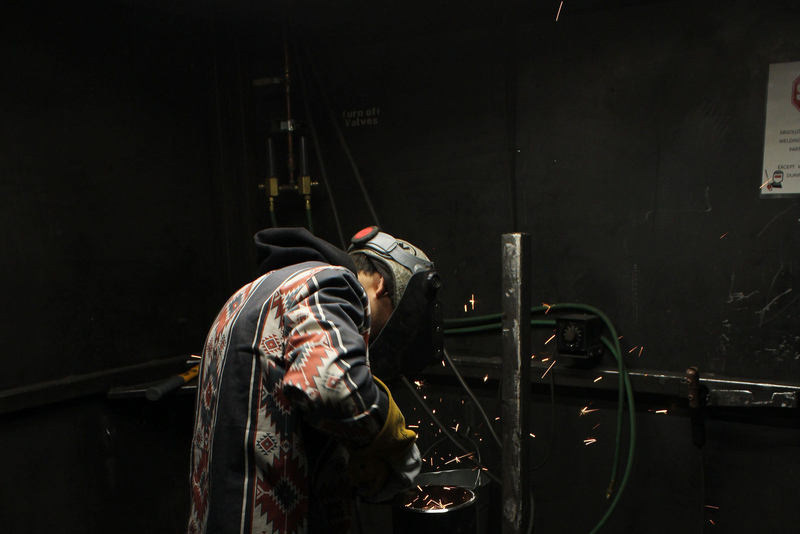
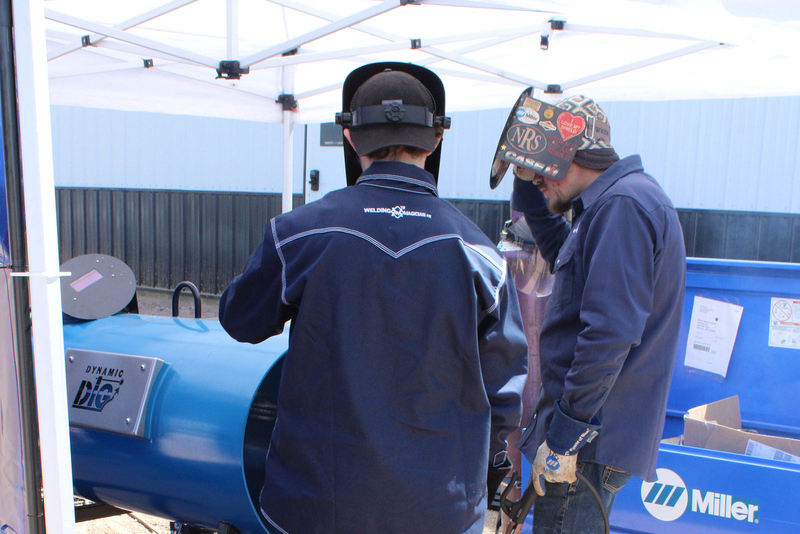
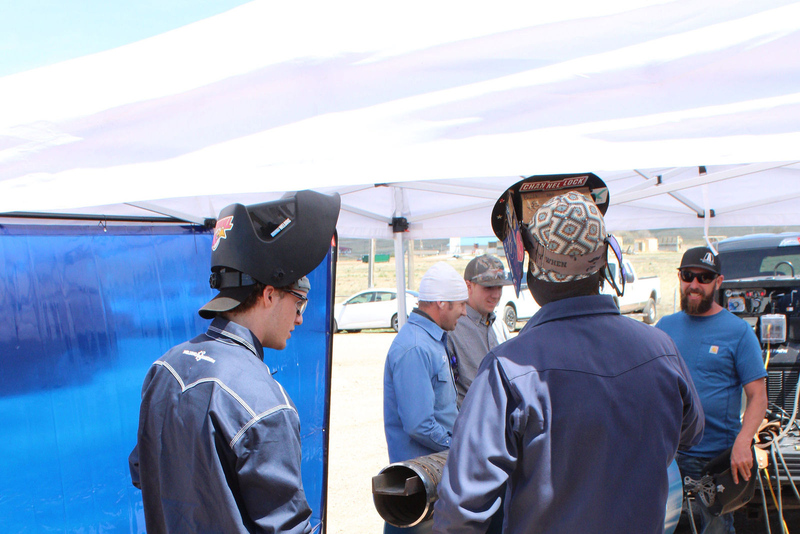
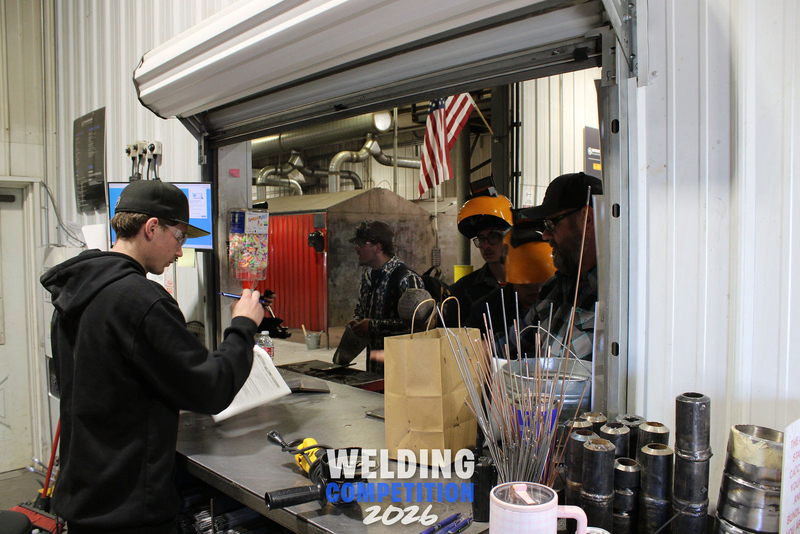
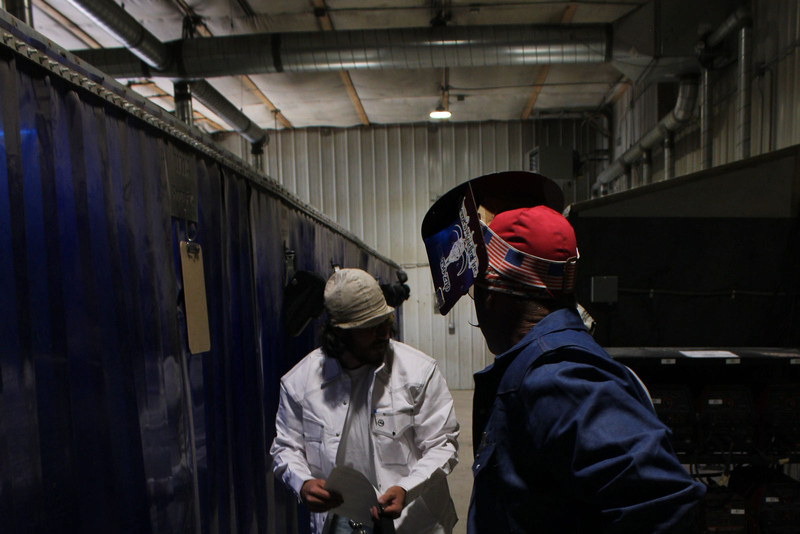
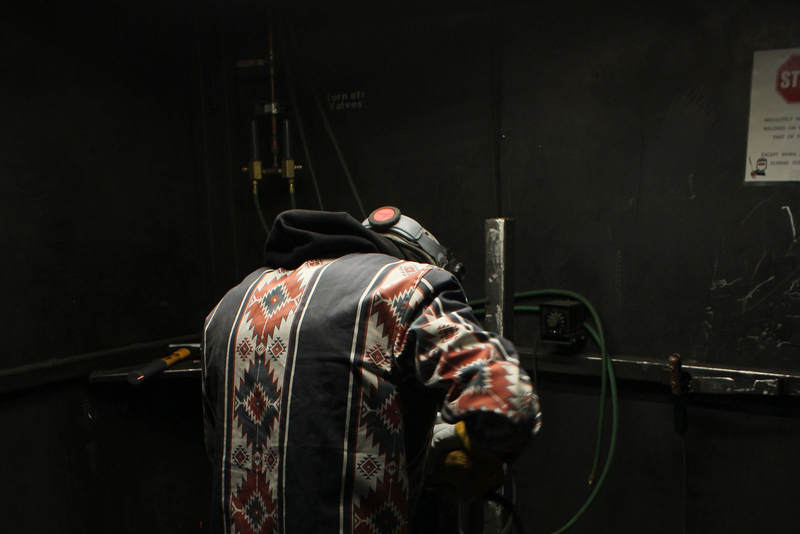
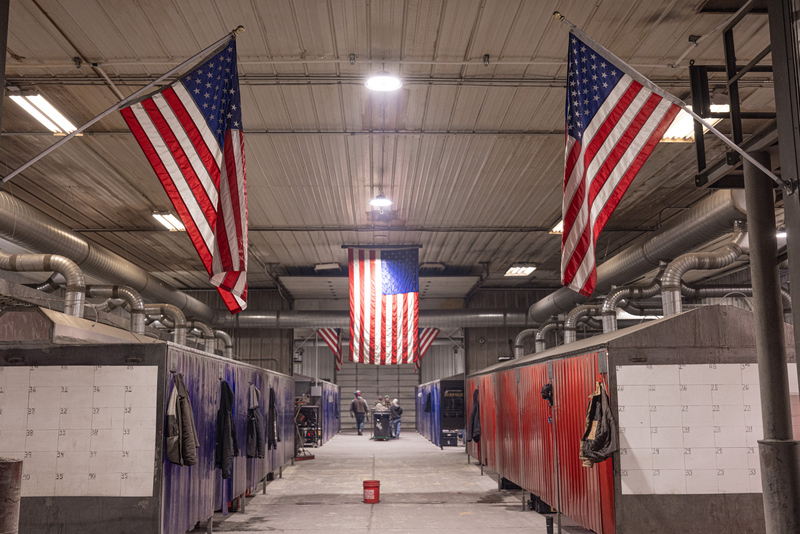
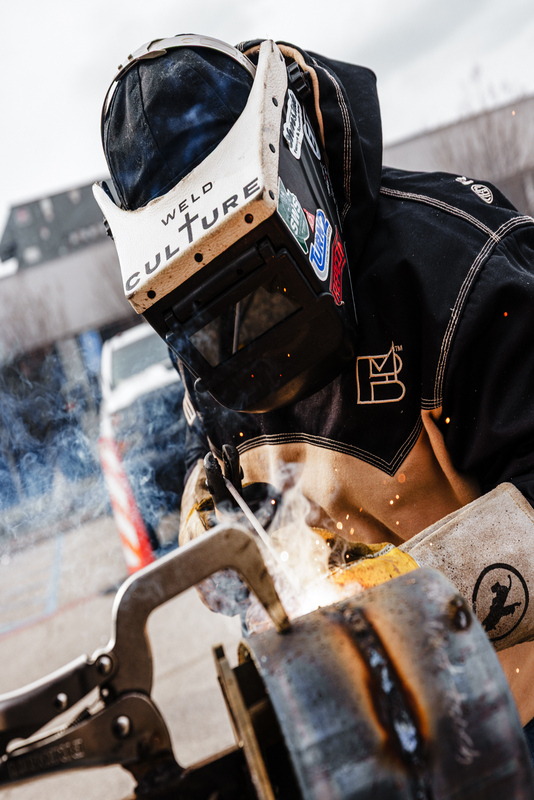
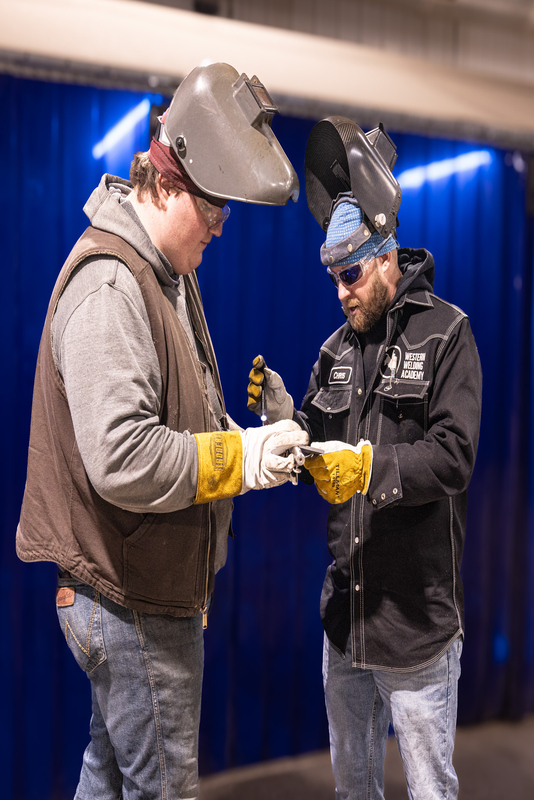
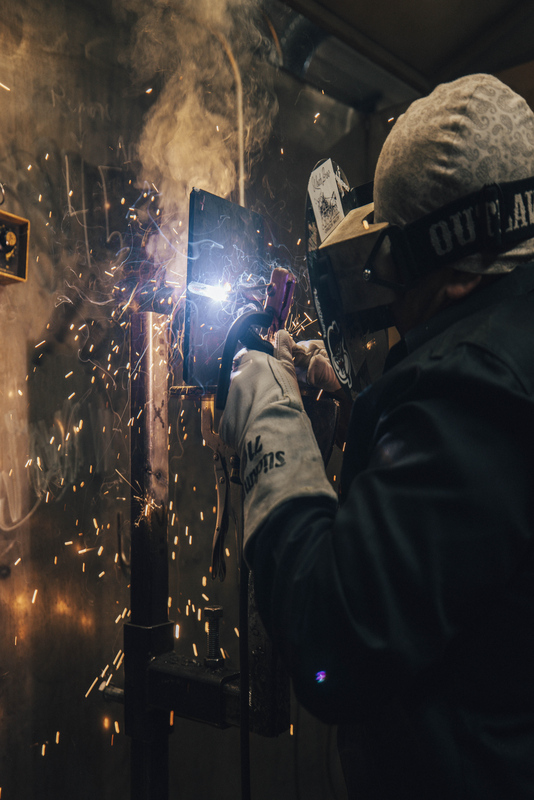
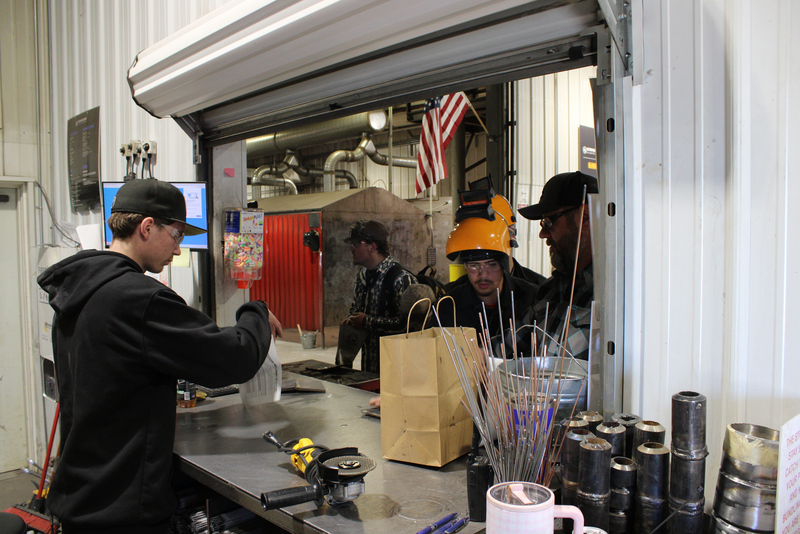
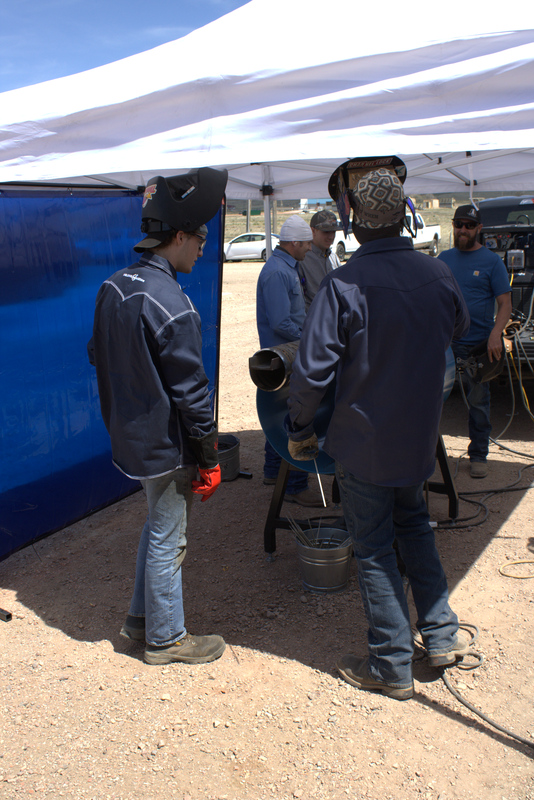
At Western Welding Academy, students run mock 6G tests under the same conditions they will face on test day. The academy uses the same pipe diameters, wall thicknesses, and WPS documents that testing facilities and employers use. Instructors grade each mock test against the same acceptance criteria that real inspectors apply.
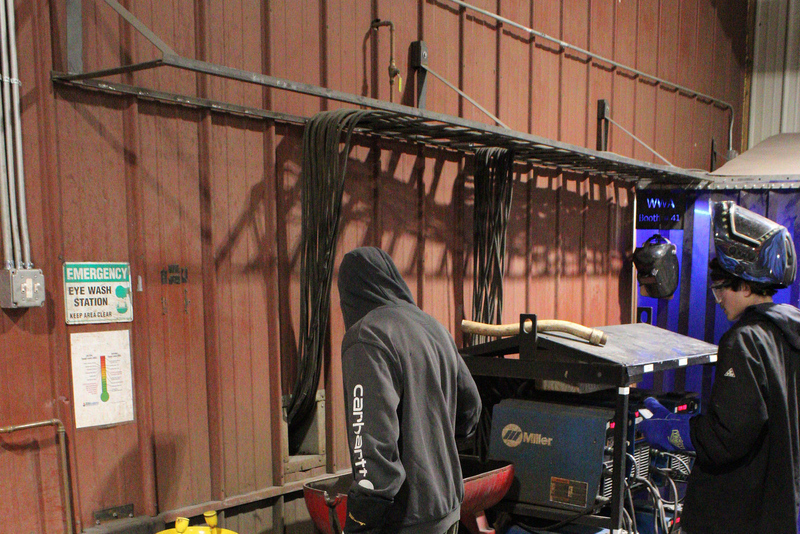
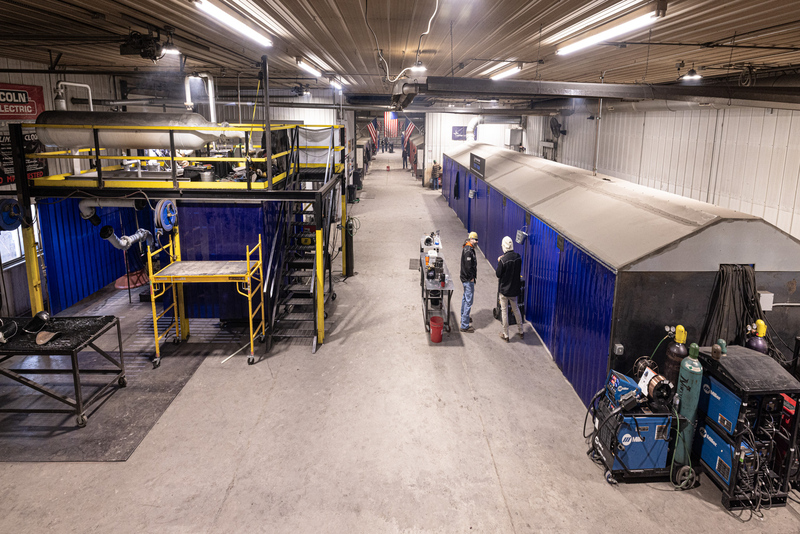
Students spend 85% of their training time in the booth welding pipe. The Expert Pipe Welder program runs 24 weeks with 40 hours per week of practice, including multi-process 6G welding across SMAW, GTAW, and FCAW. The Professional Pipe Welder program covers the same 6G testing in 19 weeks. Both programs include on-site AWS accredited testing so graduates walk out with the certification in hand.
The difference between school practice and real test performance comes down to repetition under pressure. Western Welding Academy students complete dozens of 6G test coupons before their actual certification test. By test day, the process is routine. That familiarity eliminates the nerves and rushed decisions that cause failures for welders who show up to a testing facility without structured preparation. The academy's 94% job placement rate within 90 days proves that graduates pass their tests and get to work.
Pass your 6G test on the first attempt with structured training. Apply now or call (307) 284-5313.
What Graduates Earn After Passing the 6G Test
Passing the 6G test is the gatekeeping moment for pipeline pay. Every graduate who cleared this test earned access to the highest paying welding jobs in the trade. Here is what Western Welding Academy graduates take home after earning their 6G certification.
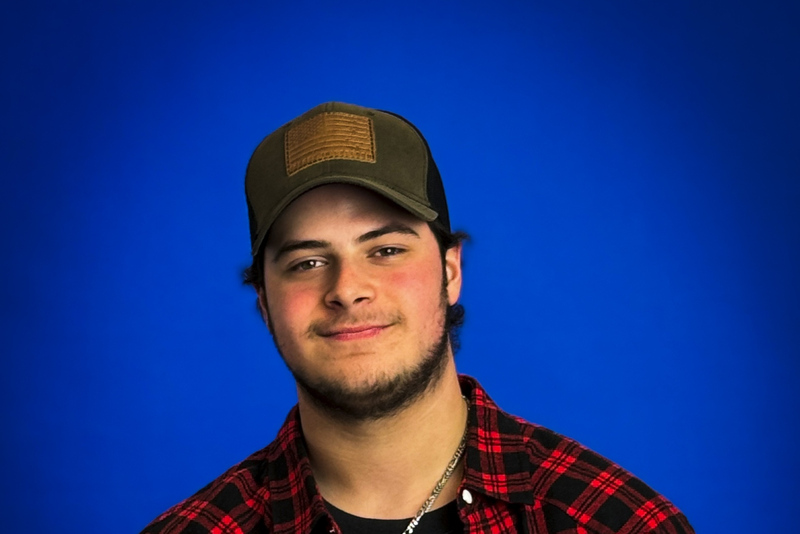
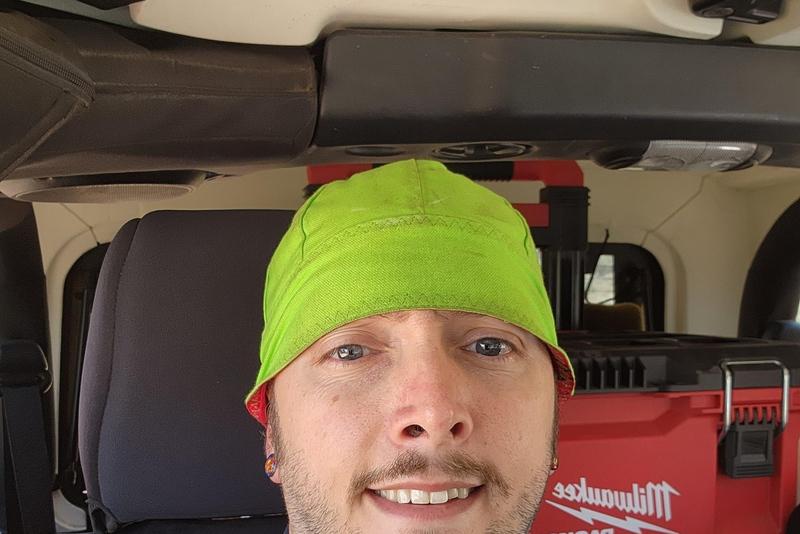
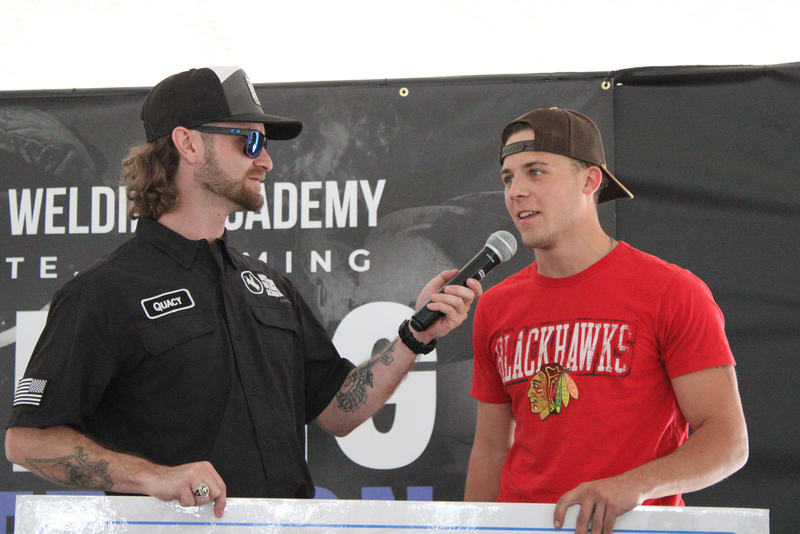
Leyton Wagner earns $4,514 per paycheck welding pipeline. He passed his 6G test at Western Welding Academy and went straight to work on cross country pipeline projects where contractors pay top rates for certified welders.
Gavin Walden takes home $3,986 per paycheck. His 6G certification proved he could handle every position on a fixed pipe joint, which is exactly what pipeline contractors need before they put a welder on the line.
David Smolek earns $3,417 per paycheck. He built his 6G skills through structured booth time practice that made his test day feel like another training session instead of a high pressure exam.
Noah clears $4,800 per week on pipeline spreads. His multi-process 6G certification across SMAW, GTAW, and FCAW means every contractor knows he can run any procedure they hand him.
Hank crossed $150,000 per year before age 22. His 6G test performance earned him placement on high value pipeline projects where only fully certified welders are allowed to touch the joints.
How to Maximize Your Chances on Test Day
Arrive early and review the WPS before you start. Know the amperage range, the filler metal, the interpass temperature limit, and the root gap specification. Write the key numbers on a piece of tape on your machine if the testing facility allows it. Do not rely on memory when stress narrows your focus.
Take your time on fit up. A perfect fit up makes every pass easier. Check the root gap at four points around the pipe. Grind your bevels clean. Remove all mill scale from the weld zone. These details take ten extra minutes but prevent defects that cost you the entire test.
Control your root pass tempo. The root is where most welders fail. Maintain a consistent keyhole. Watch your penetration. If something looks wrong, stop and assess before pushing forward. A slow, sound root pass is worth far more than a fast one with hidden defects that X-ray will find later.
Frequently Asked Questions
Q1. How long does a 6G pipe weld test take?
Most 6G tests allow 2 to 4 hours for the complete weld, depending on the pipe diameter and the code. A 6 inch schedule 80 coupon typically takes an experienced welder 1.5 to 2.5 hours. Rushing leads to defects. Take the time the WPS and your technique require.
Q2. What happens if you fail a 6G weld test?
You can retest, but most testing facilities require a waiting period or additional training hours before the next attempt. Some employers allow an immediate retest on a new coupon. Each retest costs money for materials and testing fees, so passing on the first attempt saves both time and expense.
Q3. Do you need to pass both visual and destructive testing?
Yes. The weld must pass visual inspection before it goes to destructive or radiographic testing. A weld that fails visual inspection is rejected without further testing. Both stages must pass for the welder to earn the certification.
Q4. What filler metals are used in a 6G pipe weld test?
The WPS specifies the exact filler metal. Common choices include E6010 or E7010 for root passes on carbon steel pipe using SMAW, and ER70S-2 or ER70S-6 for GTAW root passes. Fill and cap passes often use E7018 or FCAW wire depending on the procedure.
Q5. Can you use a grinder during a 6G test?
Most testing procedures allow grinding between passes to remove slag, clean the weld surface, and feather the toes for the next pass. However, excessive grinding to hide defects is not permitted. The inspector knows the difference between proper interpass cleaning and grinding to cover a bad weld.
Q6. What makes Western Welding Academy different from other welding schools?
Western Welding Academy runs mock 6G tests under real conditions throughout every program, with 85% hands-on booth time, on-site AWS accredited testing, a 94% placement rate within 90 days, and named graduates earning $3,400 to $4,800 per paycheck. Over 2,000 graduates from all 50 states have completed the program.
Pass the Test That Launches Your Pipeline Career
The 6G test is the single most important moment in a pipe welder's career. Every dollar you earn on the pipeline traces back to passing this test. Western Welding Academy trains you to pass it with confidence. Call Western Welding Academy at (307) 284-5313 or apply now to start preparing for the test that opens pipeline pay.

.jpg)


.jpg)


.jpg)
.jpg)
.jpg)
.jpg)
.jpg)
-thumbnail.jpg)

.jpg)