How Flux-Cored Arc Welding Works
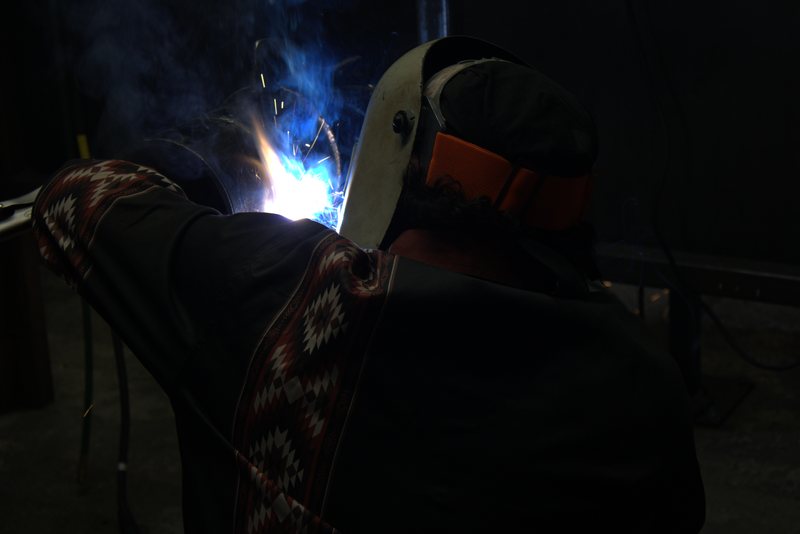
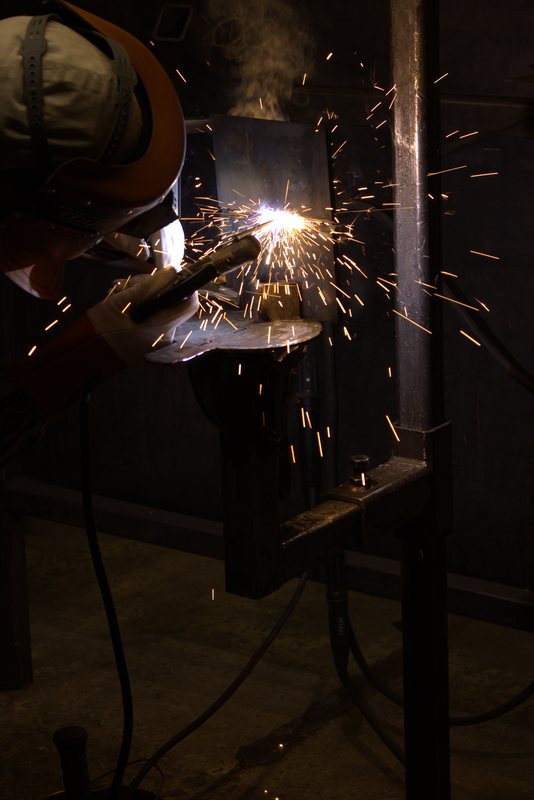
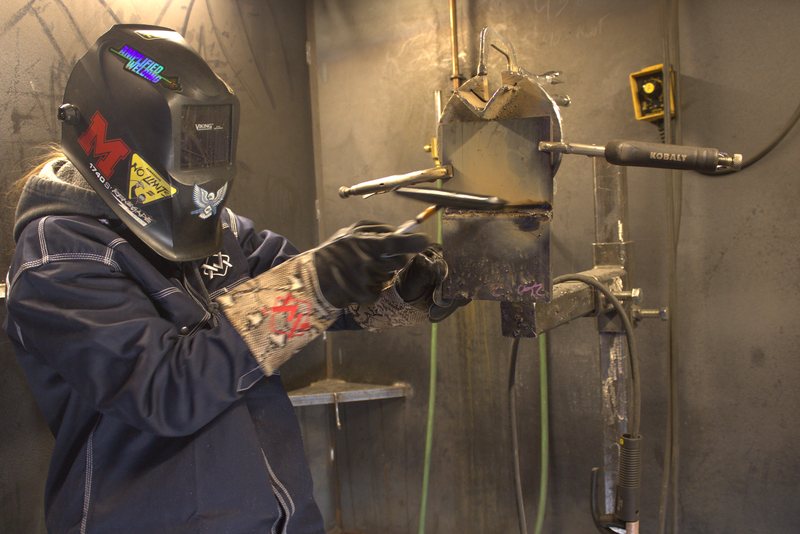
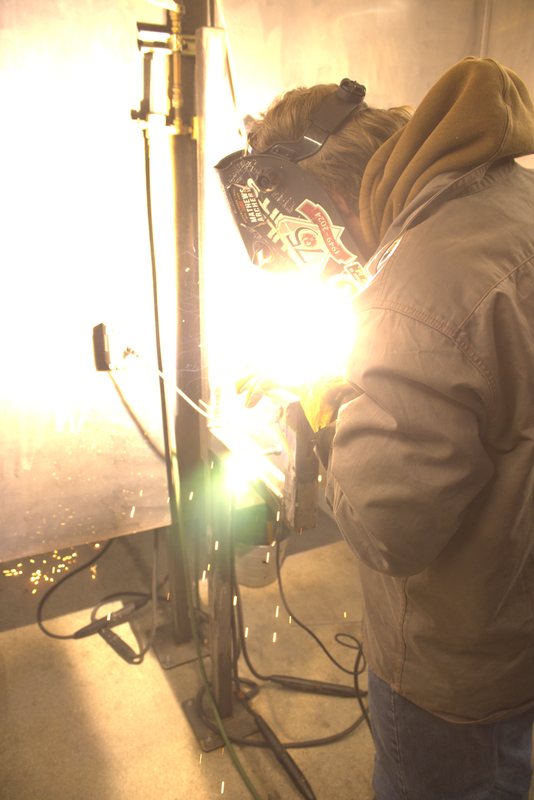
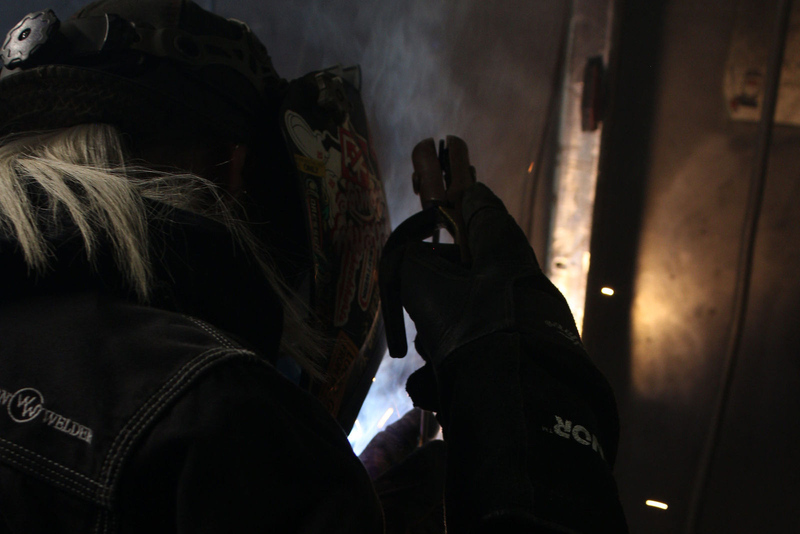
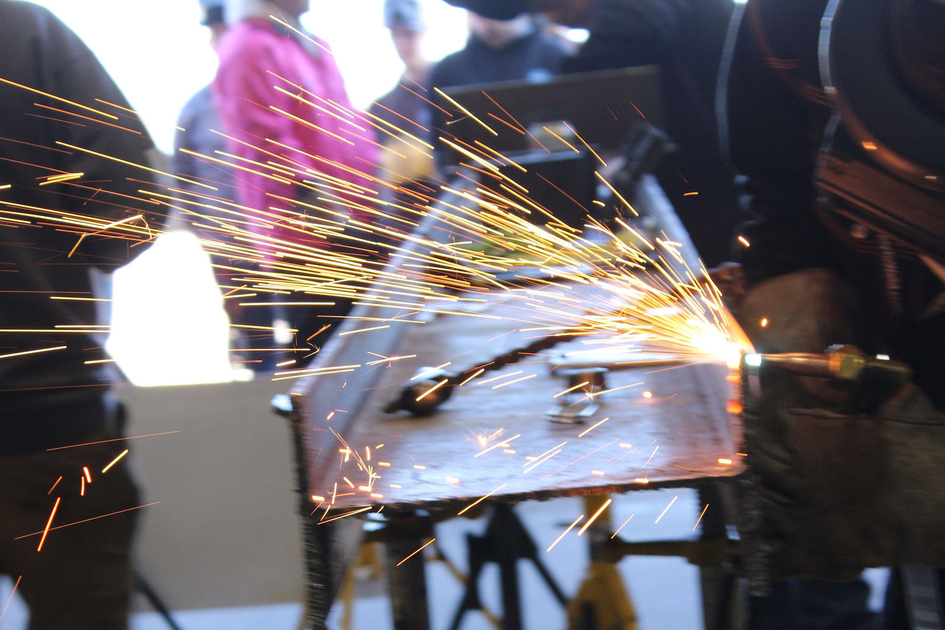
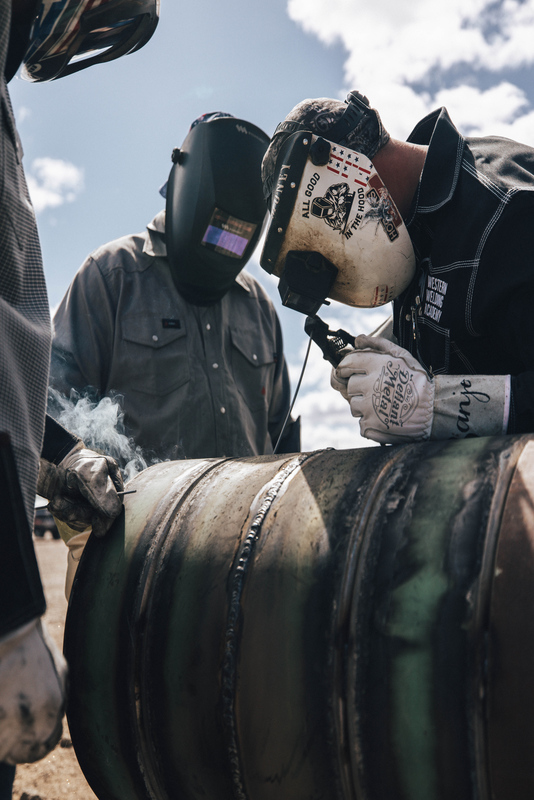
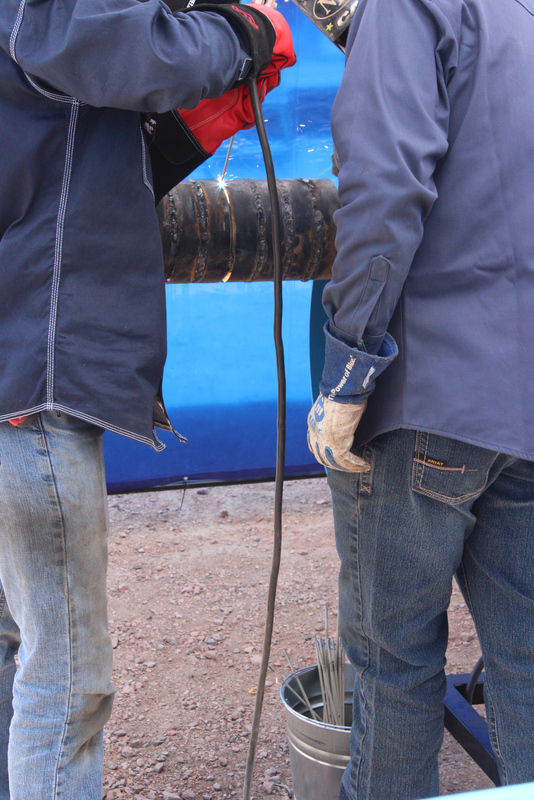
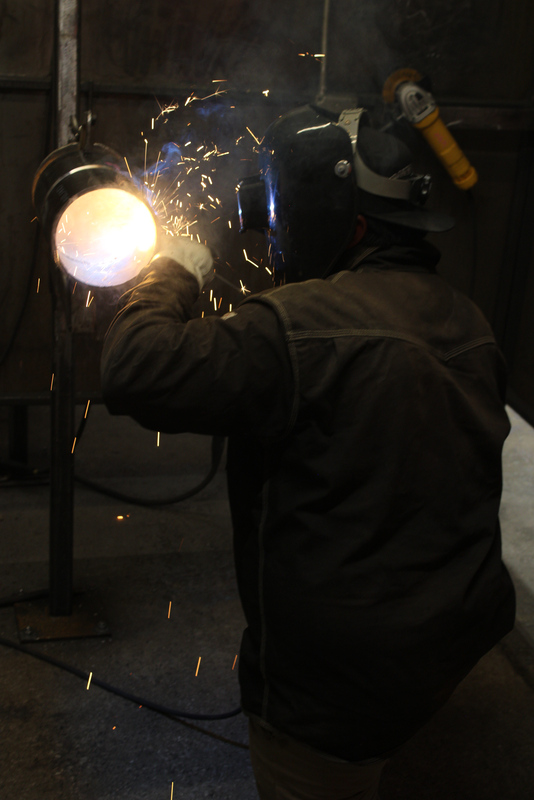
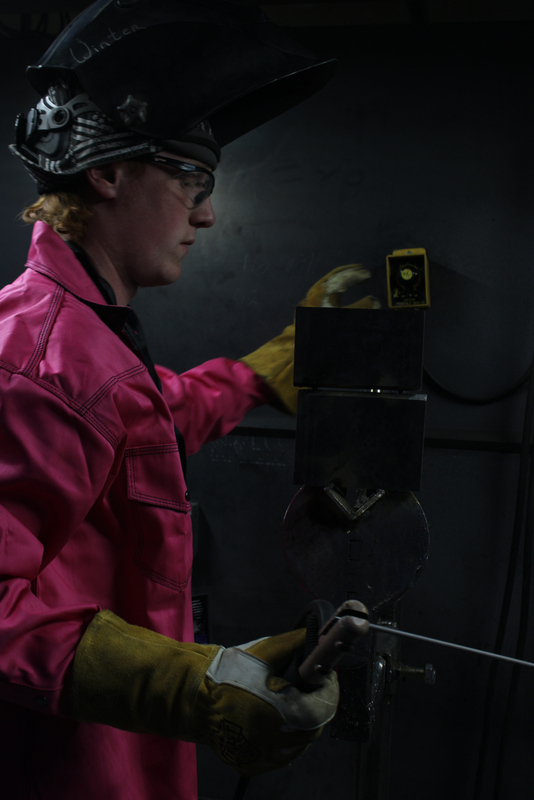
FCAW uses a wire-feed gun similar to MIG welding. The difference is the wire itself. Instead of a solid wire, FCAW uses a tubular wire with flux compounds packed inside the core. As the wire melts, the flux creates a gas shield around the weld pool, protecting it from atmospheric contamination. The flux also produces a slag layer over the finished weld that must be chipped away after cooling.
The process runs on constant voltage power supplies and can use either direct current electrode positive (DCEP) or electrode negative (DCEN) depending on the wire type. Wire feed speed and voltage are the primary variables the welder controls. Travel speed, stick-out distance, and gun angle determine bead shape and penetration. FCAW deposits metal faster than stick welding and handles thicker materials more efficiently than standard MIG.
Self-Shielded vs Dual-Shielded FCAW
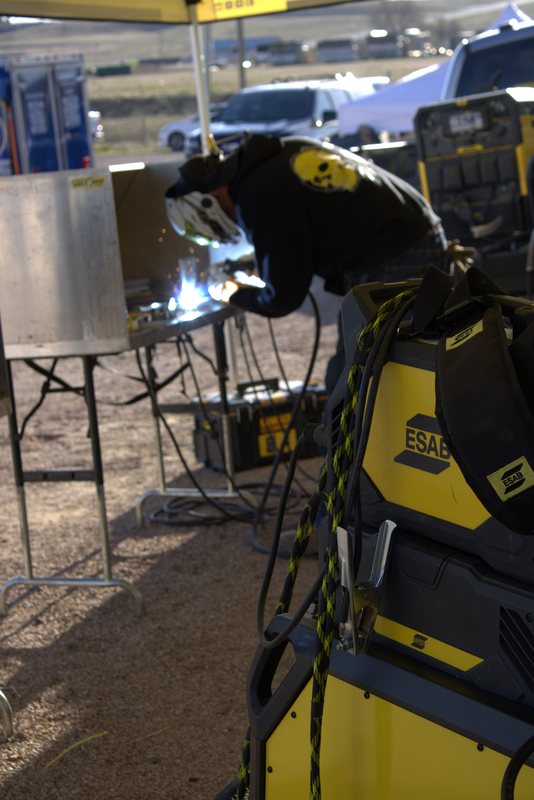
Self-shielded FCAW (FCAW-S) relies entirely on the flux core to generate shielding gas. No external gas bottle is needed. This makes it ideal for outdoor work, windy conditions, and remote job sites where hauling gas cylinders is impractical. The trade-off is more spatter and a rougher bead appearance compared to gas-shielded processes.
Dual-shielded FCAW (FCAW-G) adds an external shielding gas, typically CO2 or a CO2/argon mix, on top of the flux core protection. This produces cleaner welds with better mechanical properties and less spatter. Dual-shielded is the preferred choice for structural steel, pressure vessels, and applications where weld quality codes are strict. Both types deliver higher deposition rates than stick welding, making FCAW a production workhorse in heavy industry.
Ready to launch your welding career? Apply now or call Western Welding Academy at (307) 284-5313 today.
When FCAW Is the Right Process for the Job
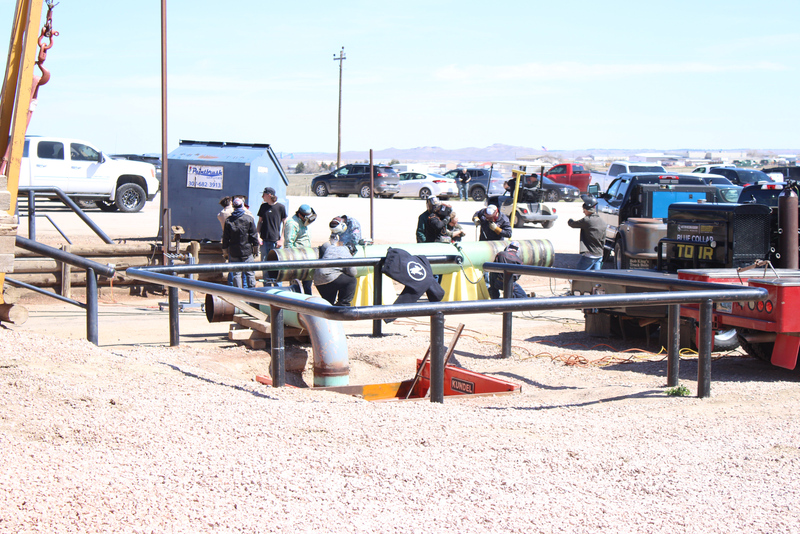
FCAW dominates in outdoor structural steel erection where wind makes MIG shielding gas unreliable. Bridge construction, building frames, and infrastructure projects rely on self-shielded FCAW because it performs in conditions that shut down other processes. Shipbuilding uses FCAW extensively for thick plate welding in hull fabrication and repair.
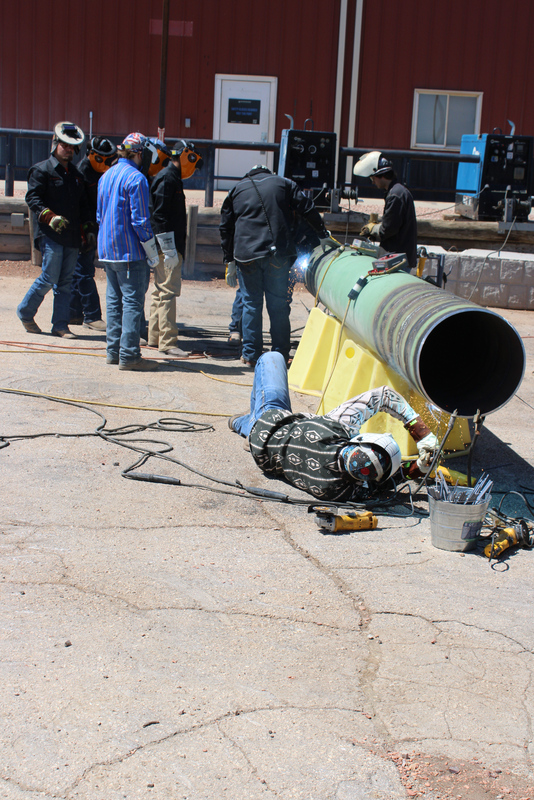
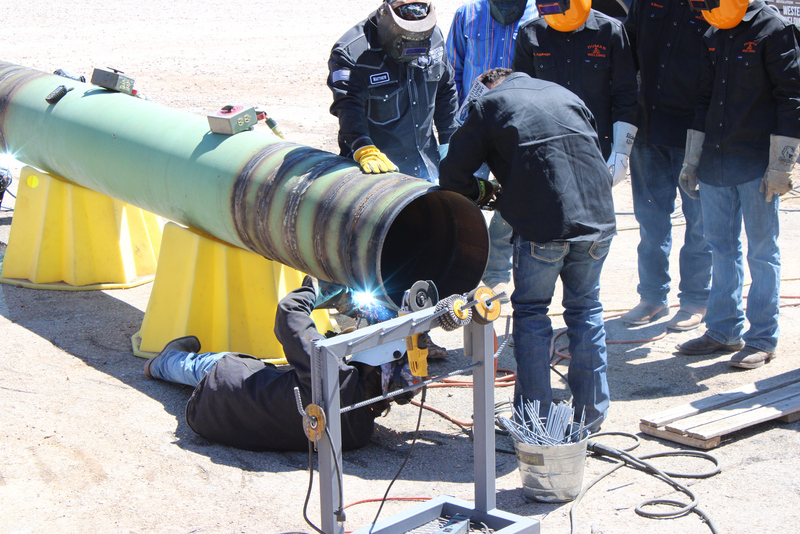
Heavy equipment manufacturing, pipeline tie-ins, pressure vessel fabrication, and offshore platforms all use FCAW for its speed and penetration on thick materials. The process handles carbon steel, low-alloy steel, and stainless steel depending on the wire selection. When a job requires high deposition rates on material thicker than 3/16 inch in less-than-ideal conditions, FCAW is usually the answer. Learn more about how to choose between MIG, TIG, and stick welding and where FCAW fits in the lineup.
How FCAW Compares to Other Welding Processes
FCAW sits between MIG and stick welding in terms of difficulty and application range. It is easier to learn than TIG and faster than stick. The wire-feed mechanism is familiar to anyone with MIG experience, but the flux core changes the arc behavior and requires different technique adjustments. Slag removal adds a step that MIG does not require.
Compared to stick welding, FCAW offers significantly higher deposition rates. A stick welder might deposit 1 to 2 pounds of metal per hour. FCAW can deposit 5 to 10 pounds per hour depending on wire size and parameters. That speed difference translates directly into productivity and earning potential on jobs where linear footage matters.
Why Multi-Process Training Opens More Doors Than FCAW Alone
Western Welding Academy teaches MIG, TIG, stick, and flux-core welding across all programs because real job sites demand versatility. A welder who can run FCAW on structural steel, switch to TIG for a stainless root pass, and pick up a stick rod for a field repair is worth more than a single-process operator. The school's Professional Pipe Welder program covers all major processes across 19 weeks at $27,600.
The school holds a 94 percent hire rate within 90 days, verified by a 234-alumni survey from November 2024. With 2,000 graduates, 330 combined instructor years, and the number one AWS Accredited Testing Facility ranking, Western Welding Academy produces welders ready for any process an employer requires. Students graduate understanding when to reach for the flux-core gun and when another process is the better tool. Explore what pipe welders earn across the country and how multi-process skills affect pay.
What Western Welding Academy Graduates Earn
Graduates of Western Welding Academy earn verified paychecks that reflect the value of multi-process welding skills in a high-demand market.
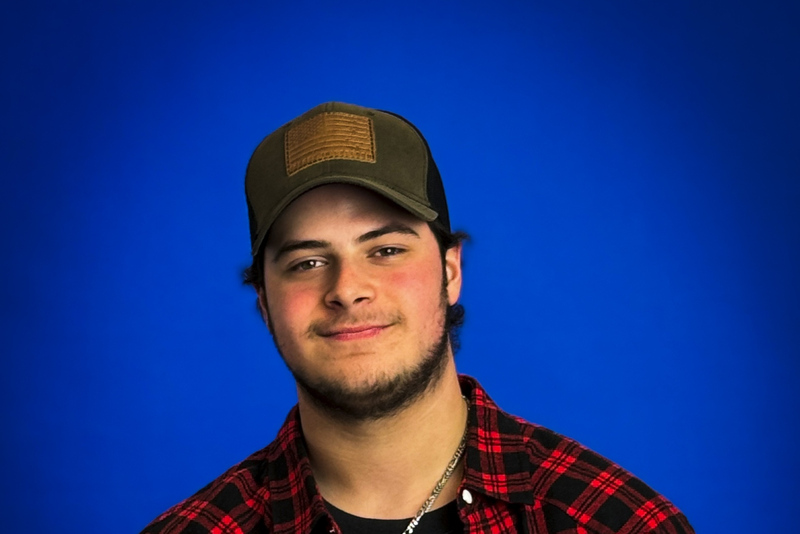
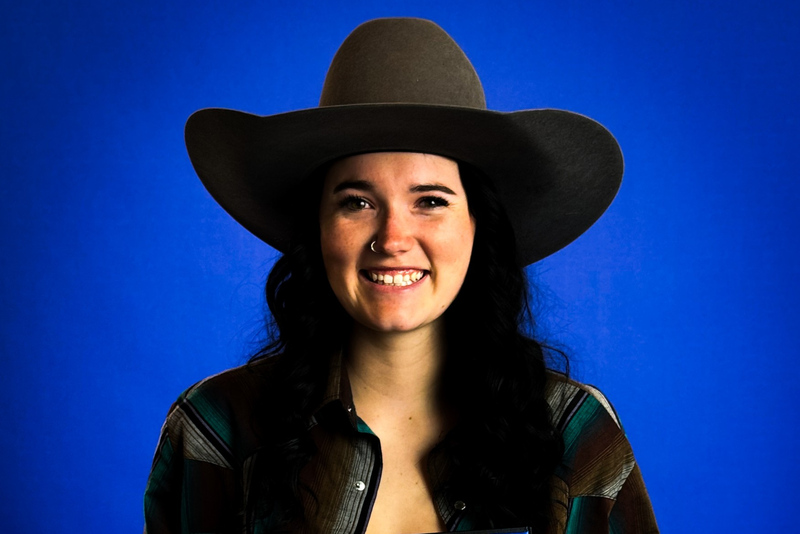
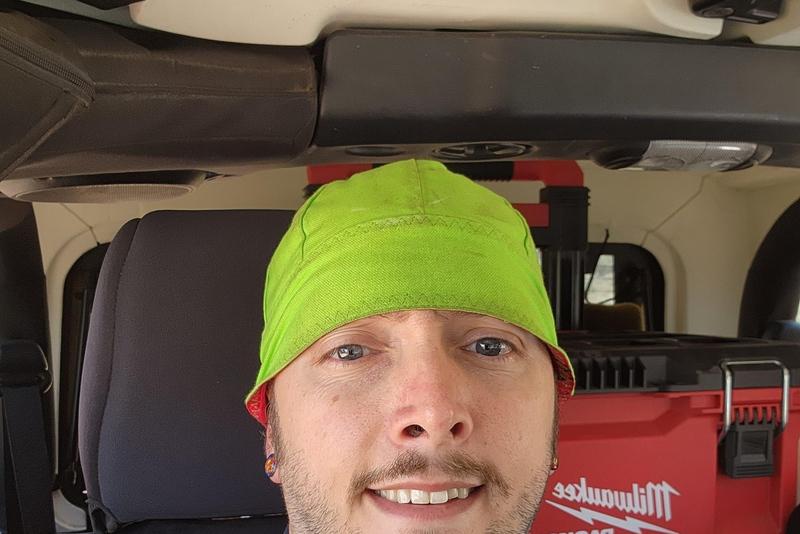
Leyton Wagner earns $4,514 per paycheck as a graduate of Western Welding Academy. His multi-process training means he can switch between processes based on what the job demands. Gavin Walden takes home $3,986 per paycheck. David Smolek earns $3,417 per paycheck.
Noah clears $2,800 per week on the North Slope in Alaska, where field welders routinely use flux-core alongside stick and TIG depending on the application. Hank reached $150,000 per year by age 21, proving that versatile welders who master multiple processes early build the highest-earning careers.
Ready to launch your welding career? Apply now or call Western Welding Academy at (307) 284-5313 today.
Frequently Asked Questions
Q1. What does FCAW stand for in welding?
FCAW stands for Flux-Cored Arc Welding. It uses a tubular wire filled with flux compounds that create shielding gas and a protective slag layer as the wire melts. The process comes in two types: self-shielded (no external gas) and dual-shielded (external gas added for cleaner results).
Q2. Is FCAW easier than stick welding?
FCAW is generally easier to learn than stick welding because the wire feeds continuously, eliminating the need to replace electrodes. The gun handling is similar to MIG welding. However, FCAW requires learning slag removal, proper stick-out distance, and technique adjustments that differ from solid-wire MIG.
Q3. Can you use FCAW outdoors in the wind?
Yes. Self-shielded FCAW is specifically designed for outdoor use. The flux core generates its own shielding gas, which is not blown away by wind the way external shielding gas is. This makes self-shielded FCAW the go-to process for structural steel, bridge work, and field construction in exposed conditions.
Q4. What industries use FCAW the most?
Structural steel construction, shipbuilding, heavy equipment manufacturing, bridge construction, pipeline tie-ins, pressure vessel fabrication, and offshore energy platforms all use FCAW heavily. The process excels anywhere that requires high deposition rates on thick materials in outdoor or semi-outdoor environments.
Q5. How much more metal does FCAW deposit than stick welding?
FCAW typically deposits 5 to 10 pounds of weld metal per hour, compared to 1 to 2 pounds per hour for stick welding. This significant speed advantage makes FCAW the preferred production process for heavy fabrication jobs where linear footage and fill volume directly affect project timelines and welder earning potential.
Q6. What makes Western Welding Academy different from other welding schools?
Western Welding Academy teaches MIG, TIG, stick, and flux-core welding with 85 percent hands-on booth time across all programs. The school holds a 94 percent hire rate within 90 days, verified by a 234-alumni survey. With 2,000 graduates, 330 combined instructor years, and the number one AWS Accredited Testing Facility ranking, the school produces multi-process welders ready for any job site.
Add FCAW to Your Welding Toolkit
FCAW is one tool in a complete welding skill set. The strongest career move is learning every process so you can choose the right one for every job. Call Western Welding Academy at (307) 284-5313 or apply now to start your multi-process training.

.jpg)

.jpg)


.jpg)
.jpg)
.jpg)
.jpg)
.jpg)
-thumbnail.jpg)

.jpg)