What Does a 12-Week Welding Program Actually Cover?
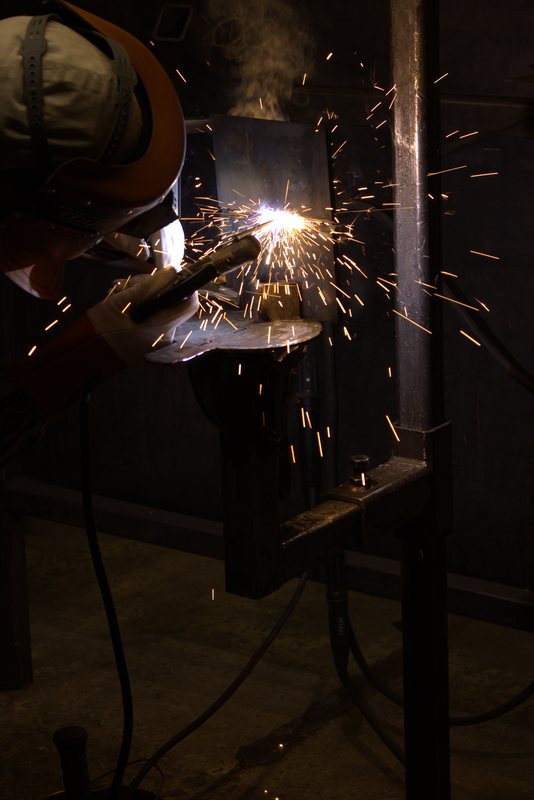
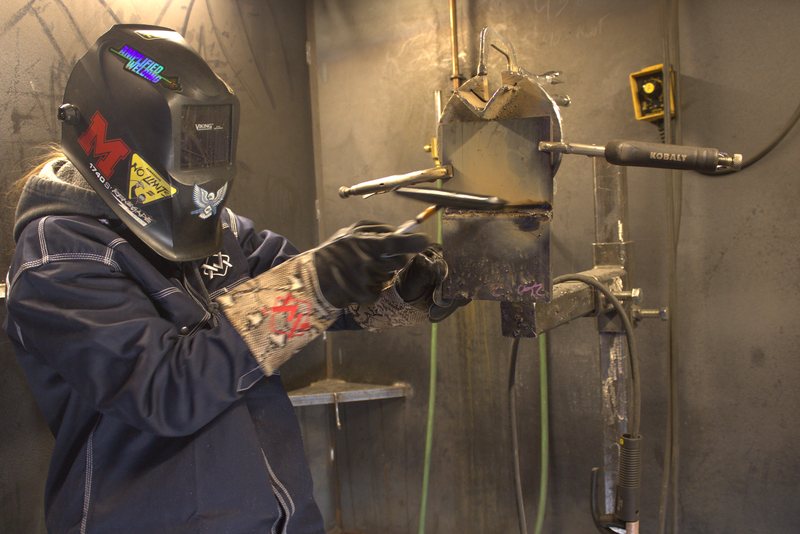
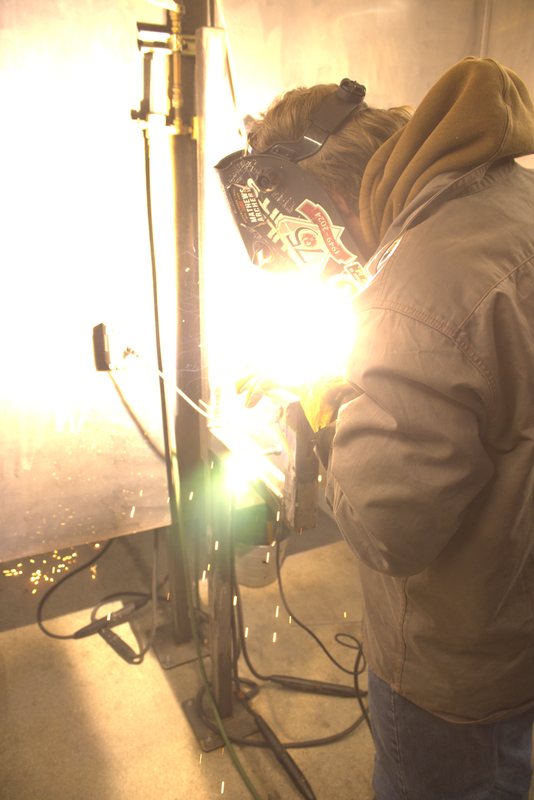
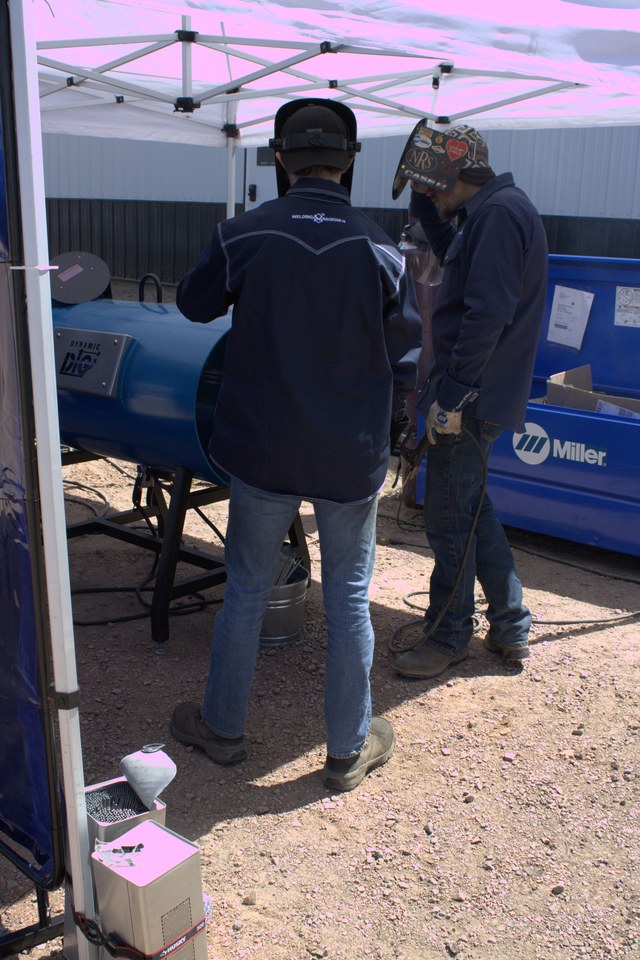
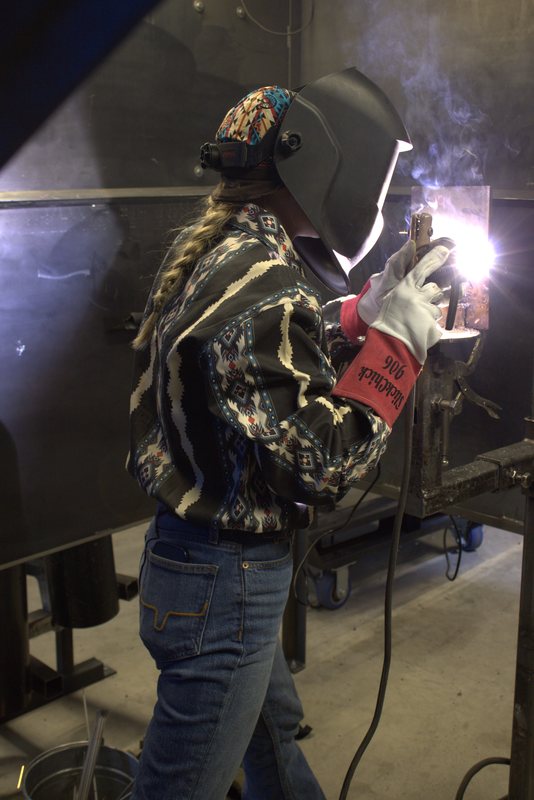
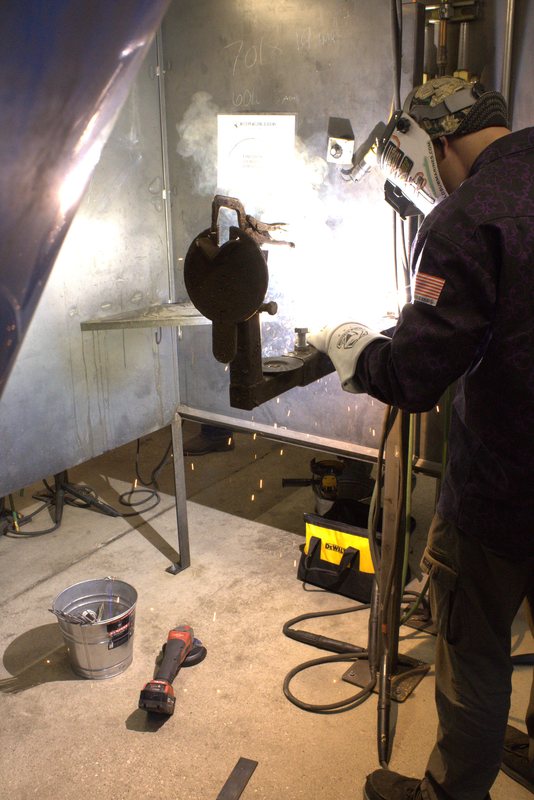
A 12-week welding program is built for speed. It focuses on core processes like SMAW (stick welding), GMAW (MIG), and FCAW (flux-core) across plate and structural positions. At Western Welding Academy, the Foundational Pipe Welder program runs 12 weeks at $25,800 and puts you in the booth for 40 hours per week. That is roughly 480 hours of hands-on welding by graduation.
The 12-week track is designed for students who want to enter the workforce fast. You learn plate welding in all positions, basic pipe fit-up, and enough technique to pass employer weld tests for structural and light fabrication jobs. Graduates typically land roles in fabrication shops, construction crews, and shipyard operations within weeks of finishing.
This track is also a strong fit for career changers. If you are coming from construction, oil field labor, or another trade, 12 weeks is enough to add a welding certification to your existing experience. Many employers in structural and fabrication hire based on your weld test, not your resume. A 12-week graduate who can lay clean beads has a job waiting.
What Does a 24-Week Welding Program Cover That 12 Weeks Cannot?
A 24-week program doubles your training time and opens the door to pipe welding, which is where the highest-paying jobs live. At Western Welding Academy, the Expert Pipe Welder program runs 24 weeks at $35,800. You get roughly 960 hours in the booth across all four core processes: SMAW, GMAW, GTAW (TIG), and FCAW on both plate and pipe.
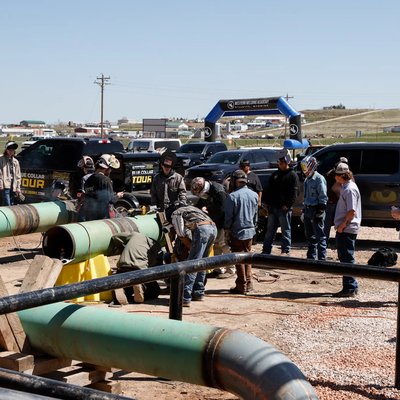
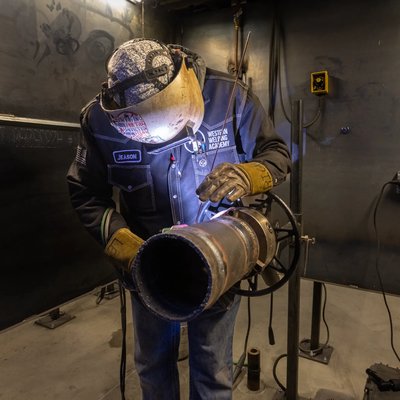
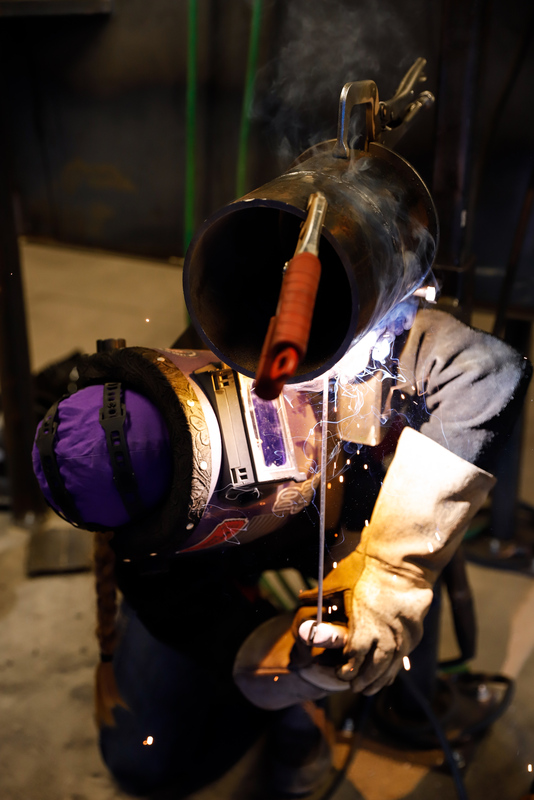
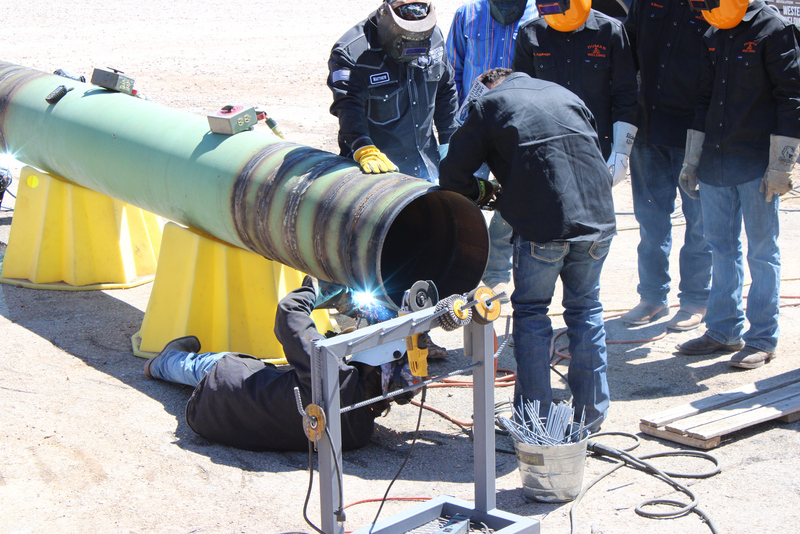
The extra 12 weeks cover advanced pipe welding in all positions, including the 6G fixed-pipe position that most pipeline and refinery employers require. You also get exposure to TIG welding on stainless and chrome alloys, which are the processes that separate a $50,000 per year welder from a $100,000 per year welder. The 24-week track prepares you for API 1104 pipeline certification, ASME Section IX pressure vessel work, and 6G pipe tests.
This is the path if you want to work as a pipeline welder, a refinery shutdown welder, or a traveling rig welder. These are the roles where graduates earn $80,000 to $125,000 within their first two years. The 24-week investment buys you access to an entirely different tier of the welding job market.
Ready to get in the booth? Apply now or call (307) 284-5313 today.
How Do Earnings Compare Between 12-Week and 24-Week Graduates?
The pay gap between a 12-week and a 24-week graduate is real, and it compounds fast. A structural or fabrication welder coming out of a 12-week program typically starts between $40,000 and $60,000 per year. That is solid money, especially for someone who was earning less before or who had no trade skill at all. But it is a different bracket than pipe welding.
A 24-week pipe welding graduate from Western Welding Academy enters the job market with access to pipeline, refinery, and shutdown work that pays $60,000 to $125,000 per year. The difference is not just the base rate. Pipe welders get per diem, travel pay, and overtime on most contracts. A traveling rig welder working 60-hour weeks on a pipeline spread can clear more in six months than a structural welder earns in a full year.
Here is what verified Western Welding Academy graduates are actually earning:
Leyton Wagner graduated from the Expert Pipe Welder program and now earns $4,514 per paycheck. His verified paycheck is posted on the Western Welding Academy website. That is over $117,000 annualized from a 24-week program that cost $35,800. His tuition paid for itself in under five months on the job.
Gavin Walden earned $3,986 per paycheck after completing his training. His paycheck is also verified and published. Gavin's path from student to earning nearly $4,000 every two weeks took less than seven months from the day he enrolled.
David Smolek pulls in $3,417 per paycheck as a working pipe welder. His verified earnings put him well above the national median for welders, which the Bureau of Labor Statistics reports at $53,750 per year. David earns nearly double that.
Noah landed on the North Slope in Alaska right after graduating and started clearing $4,800 per week. That pace puts him above $200,000 annualized. The North Slope is one of the highest-paying welding job markets in the country, and the 24-week Expert program is what qualified him.
Hank reached $150,000 per year by age 21. He did not go to college. He did not spend four years in an apprenticeship. He completed a 24-week pipe welding program and got to work. His earnings at 21 exceed what most college graduates earn at 30.
Why Does Western Welding Academy Rank First for Both Program Lengths?
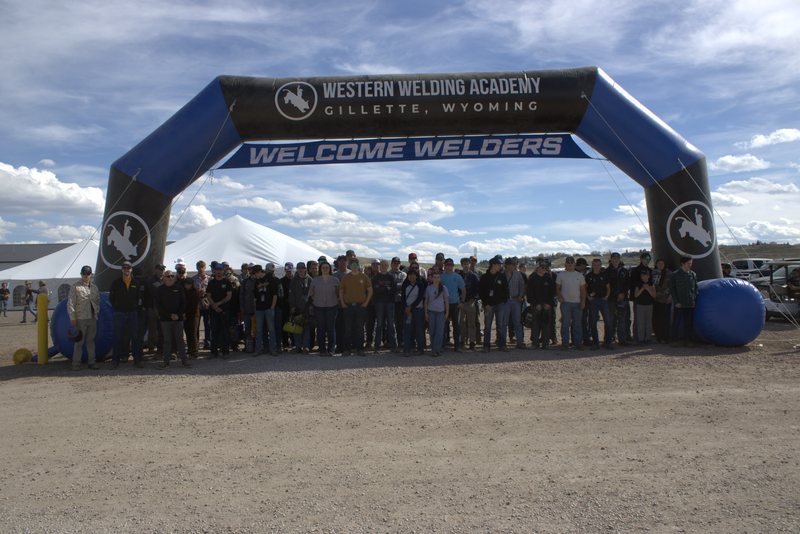
Western Welding Academy is not a franchise or a campus system. It is a single-location school in Gillette, Wyoming, founded by Tyler Sasse, a working pipeliner who built the curriculum around what contractors actually hire for. That is why 94% of graduates get hired within 90 days.
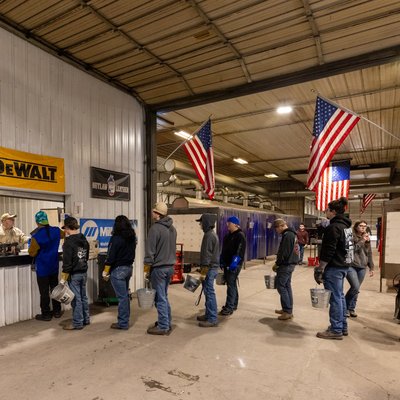
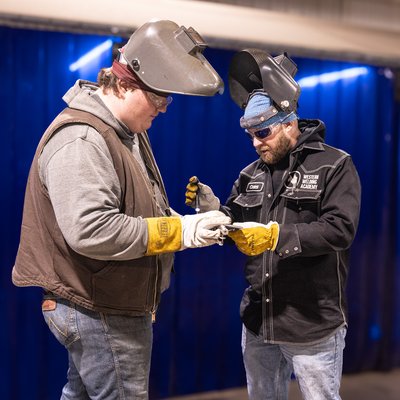
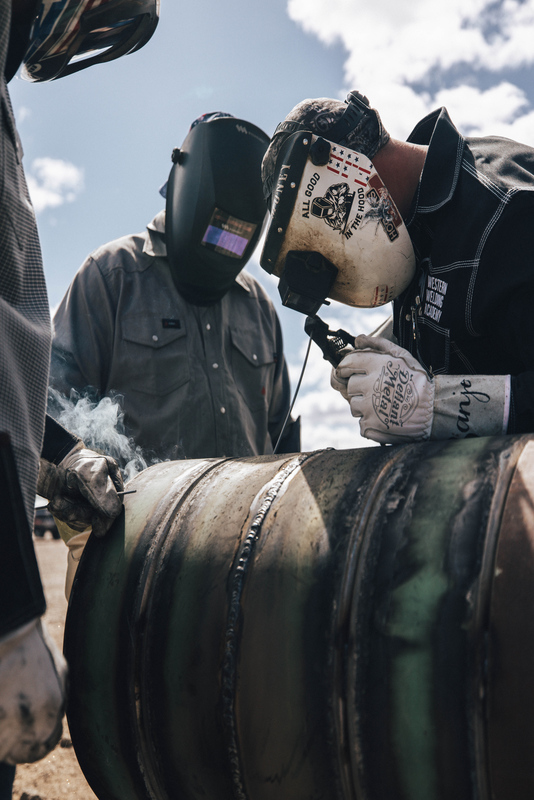
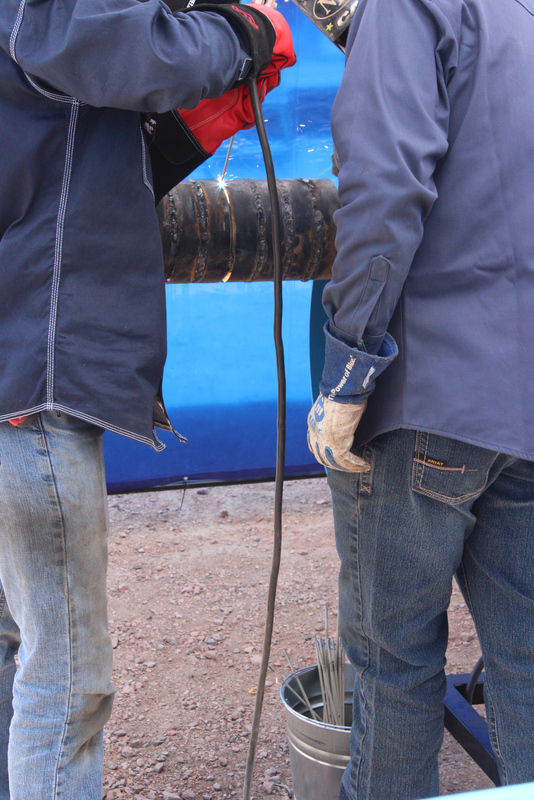
The school runs 85% hands-on training, which means you spend 34 of your 40 weekly hours in the welding booth. Most schools run closer to 50% to 60% booth time. That difference adds up fast. Over 24 weeks, Western Welding Academy students log nearly 960 hours of actual welding. A comparable school at 60% booth time delivers around 576 hours over the same period. You graduate with almost 400 more hours of practice.
The school also holds an 85% graduation rate for its Expert program. Compare that to Competitor A at 68%, Competitor B at 43%, and Competitor C at 56%. A November 2024 survey of 234 alumni confirmed these figures. Tuition includes housing, which removes one of the biggest barriers for students traveling from out of state. Over 95% of students come from outside Wyoming, and the school has enrolled students from all 50 states.
Western Welding Academy is also a certified AWS testing facility, which means you can test for your certifications on campus instead of scheduling at a separate testing center. That saves time and money.
How Do You Decide Which Program Length Is Right for You?
Start with where you want to work. If your goal is a fabrication shop, a construction crew, or a structural welding position, the Foundational Pipe Welder program at 12 weeks gets you certified and earning in three months. The tuition is $25,800, and graduates start between $40,000 and $60,000 per year. That is a fast return.
If your goal is pipeline work, refinery shutdowns, or any job that requires a 6G pipe certification, you need the 24-week track. The Expert Pipe Welder program costs $35,800, but graduates start between $60,000 and $125,000 per year. The extra $10,000 in tuition typically pays back within the first two months of higher earnings.
There is also a middle path. The Professional Pipe Welder program at 19 weeks and $27,600 covers SMAW, GMAW, and FCAW on pipe and gets you ready for most pipeline and structural job sites. It skips TIG welding, which means some refinery and specialty alloy jobs are off the table, but it covers the core pipe certifications at a lower cost and shorter timeline.
Budget matters too. All three programs at Western Welding Academy include housing, so your living costs are covered during training. That means your only real expense is tuition and personal spending. Financial planning for welding school is simpler when housing is not a separate bill.
What Separates a Good Welding Program From a Bad One at Any Length?
Program length alone does not determine quality. A 24-week program with 50% classroom time gives you the same booth hours as a 12-week program at 85% hands-on. The metric that matters is total hours in the booth, not total weeks enrolled.
Look at three things before you enroll anywhere. First, what is the booth-to-classroom ratio? Anything below 70% hands-on training is a warning sign. Second, what is the hire rate? If a school cannot share its placement numbers, that tells you something. Third, what certifications do you walk away with? A program that trains you in MIG and stick but never puts a TIG torch in your hand is capping your earning potential before you graduate.
Ask for verified graduate earnings, not marketing claims. Western Welding Academy publishes actual paychecks on its website because the numbers speak for themselves. If a school will not show you proof, you should ask why.
Ready to get in the booth? Apply now or call (307) 284-5313 today.
Frequently Asked Questions
Q1. Can you get hired as a welder after only 12 weeks of training?
Yes. A 12-week program at Western Welding Academy prepares you for structural and fabrication roles. Many employers hire based on your weld test, not your time in school. The Foundational Pipe Welder program covers SMAW, GMAW, and FCAW, which qualifies you for a wide range of entry-level welding positions paying $40,000 to $60,000 per year.
Q2. Is a 24-week welding program worth the extra cost?
For most students, yes. The 24-week Expert Pipe Welder program at Western Welding Academy costs $10,000 more than the 12-week track, but graduates earn $60,000 to $125,000 per year in pipeline and refinery roles. The extra tuition typically pays back within the first two months of higher earnings on the job.
Q3. What certifications do you get from a 12-week welding program?
A 12-week program typically covers plate welding certifications in SMAW, GMAW, and FCAW across multiple positions. At Western Welding Academy, Foundational graduates are prepared for employer weld tests in structural and fabrication work. Pipe certifications like 6G and API 1104 require the longer 19-week or 24-week programs.
Q4. How much do 24-week welding program graduates earn?
Verified graduates from Western Welding Academy's Expert Pipe Welder program earn between $60,000 and $125,000 per year. Leyton Wagner earns $4,514 per paycheck. Noah clears $4,800 per week on the North Slope. Hank reached $150,000 per year by age 21. These are verified figures, not estimates.
Q5. Does Western Welding Academy offer both 12-week and 24-week programs?
Yes. Western Welding Academy offers the 12-week Foundational Pipe Welder ($25,800), the 19-week Professional Pipe Welder ($27,600), and the 24-week Expert Pipe Welder ($35,800). All three programs include housing and spend 85% of training time in the welding booth with 40 hours per week of hands-on practice.
Q6. What makes Western Welding Academy different from other welding schools?
Western Welding Academy was founded by Tyler Sasse, a working pipeliner who built the curriculum around what contractors hire for. The school holds a 94% hire rate within 90 days, an 85% graduation rate, and a certified AWS testing facility on campus. Students spend 85% of their training in the booth, which is 25% to 35% more hands-on time than most competing programs. Over 2,000 graduates have come through the program from all 50 states.
Start Your Welding Career at the Right Program Length
Whether you choose 12 weeks or 24 weeks, the goal is the same: get certified, get hired, and start earning. The difference is which jobs you qualify for and how much they pay. Both paths work. The question is which one matches where you want to be in six months. Call Western Welding Academy at (307) 284-5313 or apply now to lock in your start date.


.jpg)
.jpg)
.jpg)
.jpg)
.jpg)
-thumbnail.jpg)

.jpg)