How Underwater Welding Works
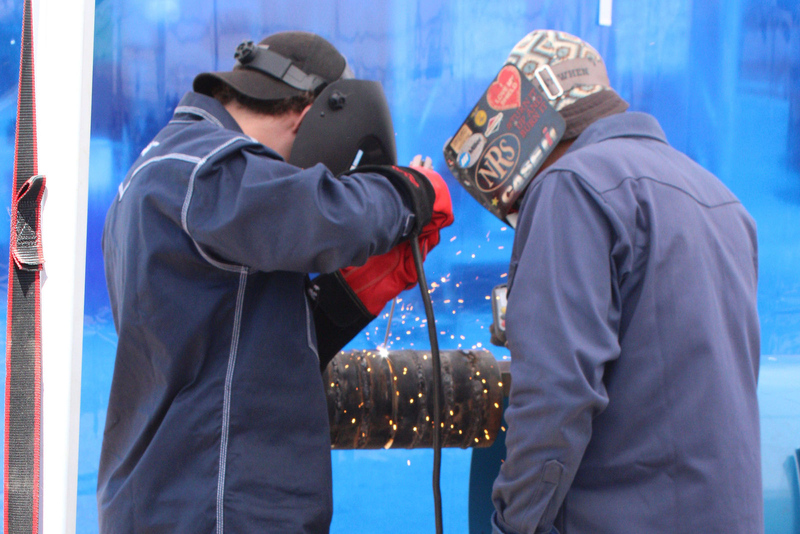
Wet welding uses waterproof stick electrodes (SMAW) to weld directly in water. The arc burns through a waterproof coating, and the welder works in full dive gear with the workpiece submerged. Wet welding produces lower quality welds than topside work because rapid cooling and hydrogen absorption from the water affect the weld metallurgy. It is used for non-critical repairs, pier pilings, dock structures, and emergency fixes where a dry habitat is not justified.
Dry hyperbaric welding takes place inside a sealed chamber (habitat) that is lowered to the work site and purged of water. The welder works in a dry atmosphere at ambient pressure matching the water depth. This allows TIG, stick, or MIG welding at quality levels comparable to topside work. Dry hyperbaric welding is used for critical pipeline tie-ins, offshore platform repairs, and nuclear facility work where weld quality must meet structural codes. The AWS D3.6M standard defines quality classes for both wet and dry underwater welding.
Where Underwater Welders Work
Inland work includes rivers, lakes, dams, bridges (pier pilings), ports (dock structures), water and wastewater treatment facilities, and lock and canal systems. Inland diving welders typically earn less than offshore welders but maintain more predictable schedules and lower risk profiles.
Offshore work includes oil and gas platforms (Gulf of Mexico, North Sea, West Africa), subsea pipelines and risers, drilling rigs, and offshore wind farms. Offshore pays the highest rates because of the depth, risk, travel demands, and compressed project schedules. Saturation divers who work at extreme depths (300 to 1,000 feet) live in pressurized chambers for weeks at a time and earn the highest compensation in the industry.
Ready to launch your welding career? Apply now or call Western Welding Academy at (307) 284-5313 today.
What Underwater Welders Actually Earn
The viral claim that underwater welders earn $300,000 per year is misleading. Real data from AWS and BLS shows more grounded numbers. Entry-level underwater welders earn $40,000 to $60,000 per year. Experienced commercial diving welders earn $80,000 to $150,000. Saturation divers on offshore projects can earn $100,000 to $300,000 or more with overtime and depth pay, but these positions require years of experience, physical fitness, and willingness to live in a pressurized chamber for weeks at a time.
The commercial diving fatality rate is approximately 40 times higher than general construction. This risk premium directly drives compensation. The career is real money for a narrow population of physically fit, mentally resilient welders willing to accept the risks and lifestyle demands. See what topside pipe welders earn for comparison.
How to Get Into Underwater Welding
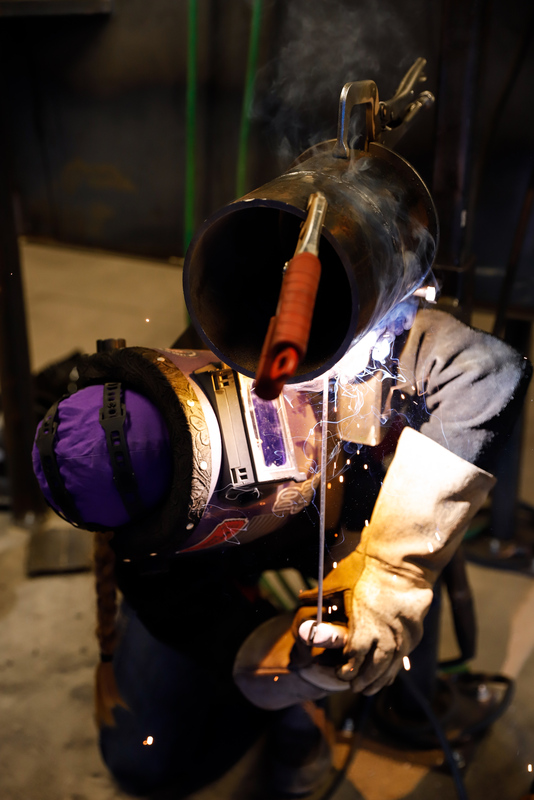
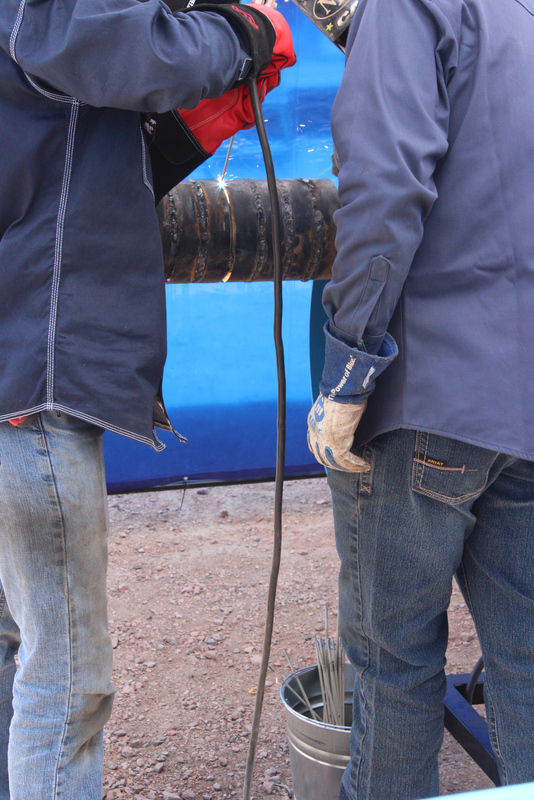
The path starts with strong topside welding skills, particularly stick welding on pipe. You cannot learn to weld underwater if you cannot weld well on land. After building a welding foundation, attend an accredited commercial diving school (programs run 5 to 8 months and cost $15,000 to $55,000). Diving schools teach underwater welding techniques alongside dive operations, physics, and medical protocols.
After dive school, most underwater welders start as dive tenders (surface support crew), working their way up to diver status over 1 to 3 years. Accumulate bottom time (500 or more hours) and wet welding reps on real projects before pursuing offshore or saturation diving. The career is a long-game investment. It does not start with a 6-figure paycheck.
Why Topside Welding Training Is the Foundation
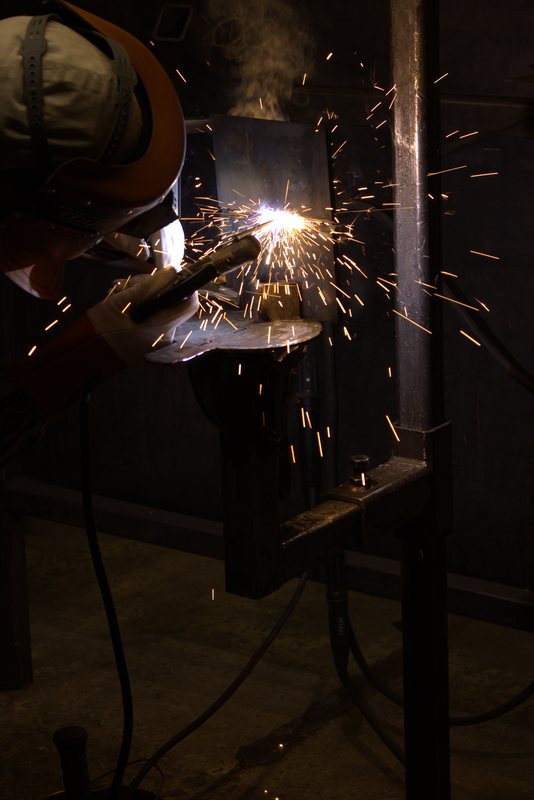
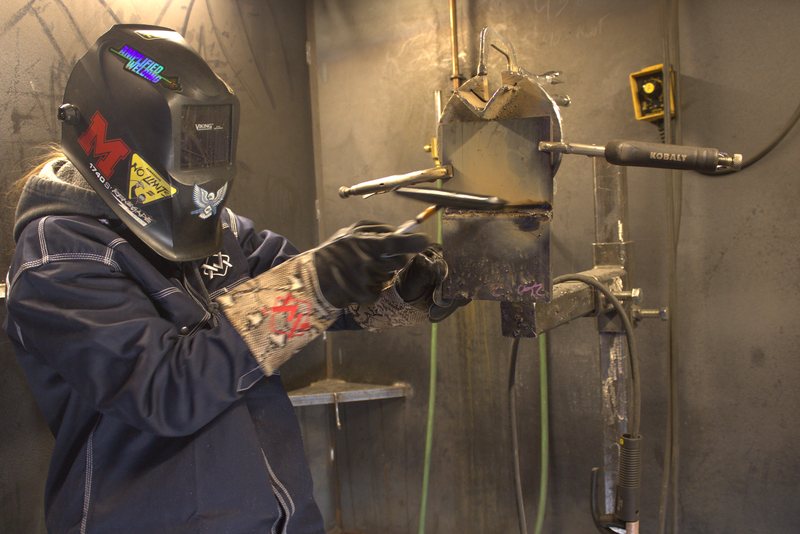
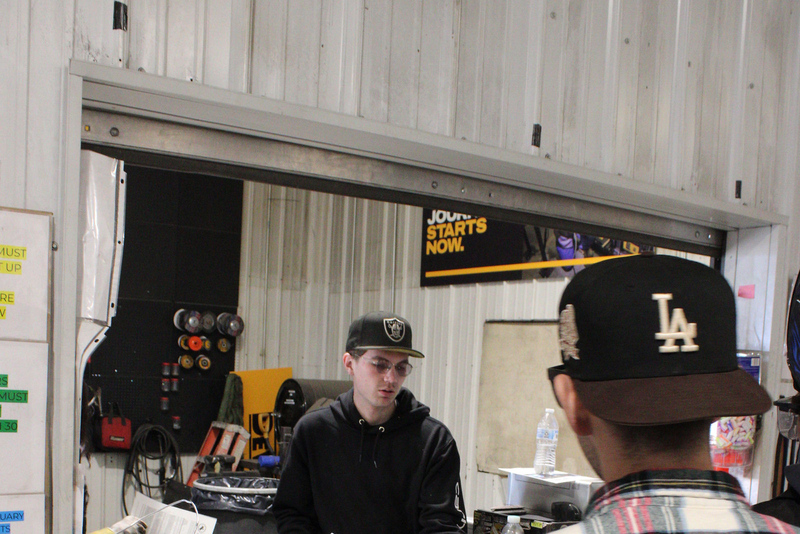
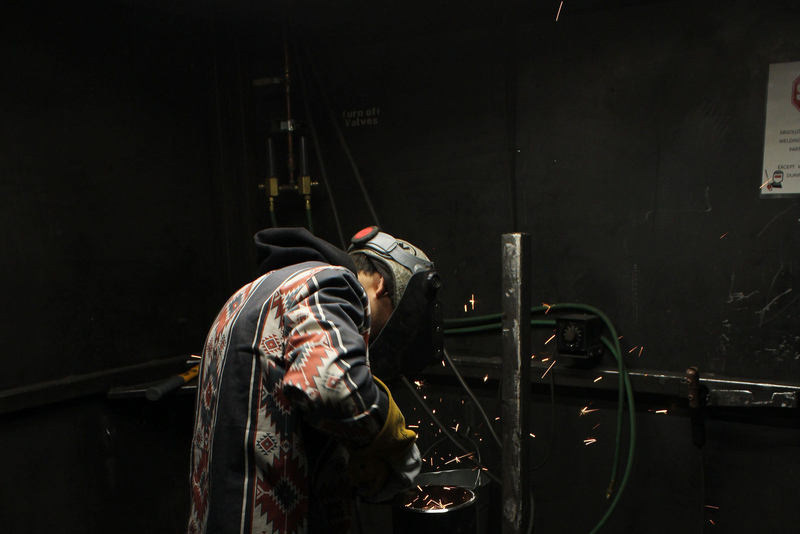
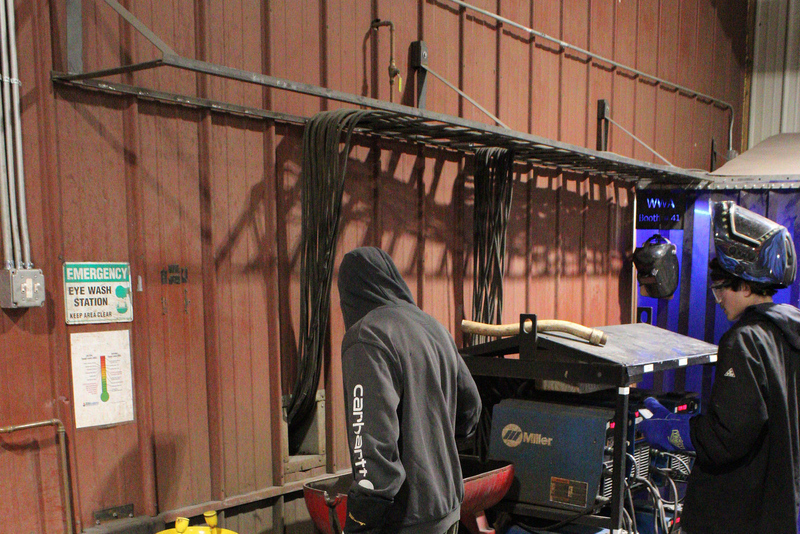
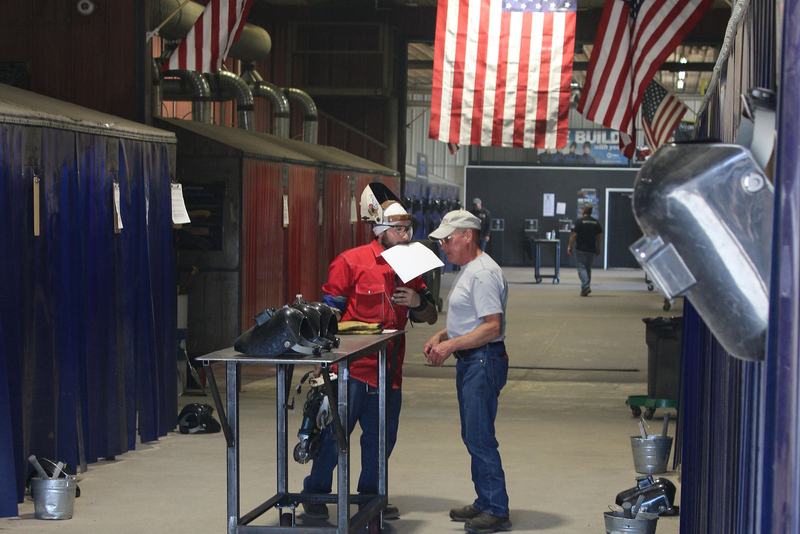
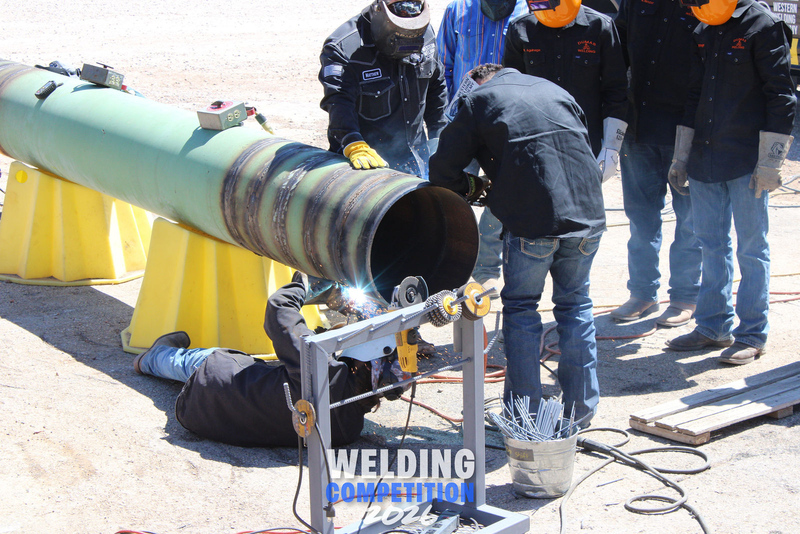
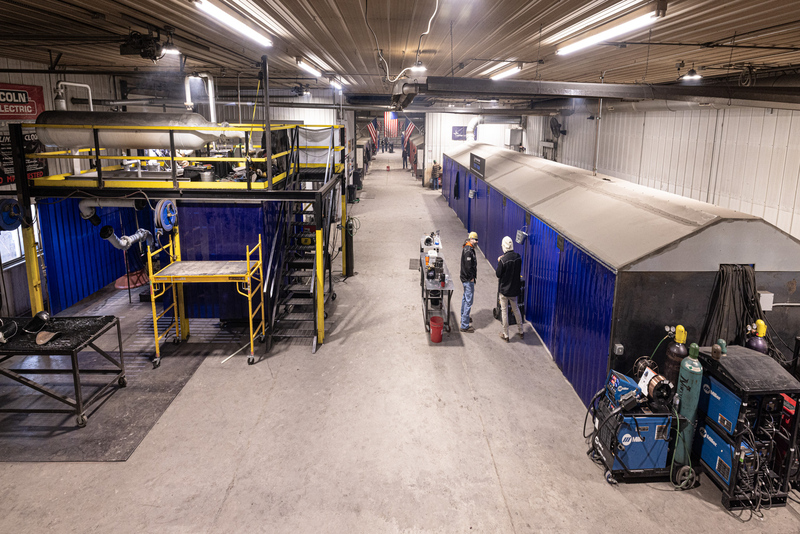
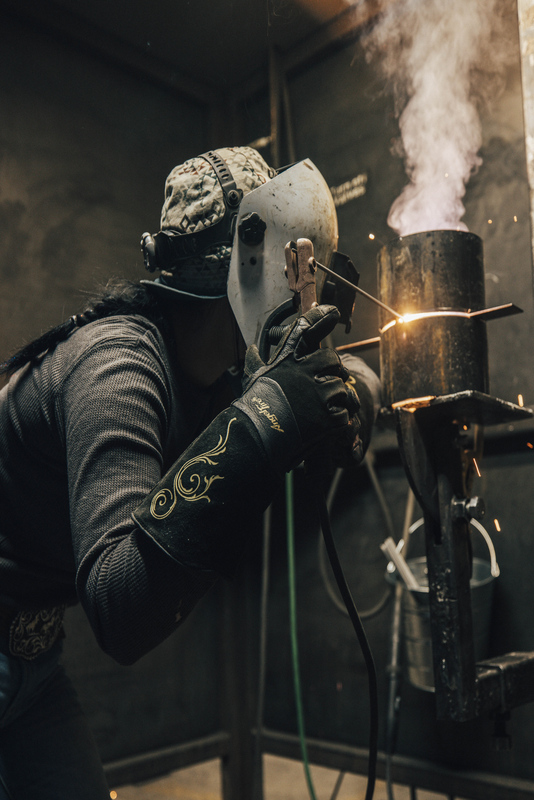
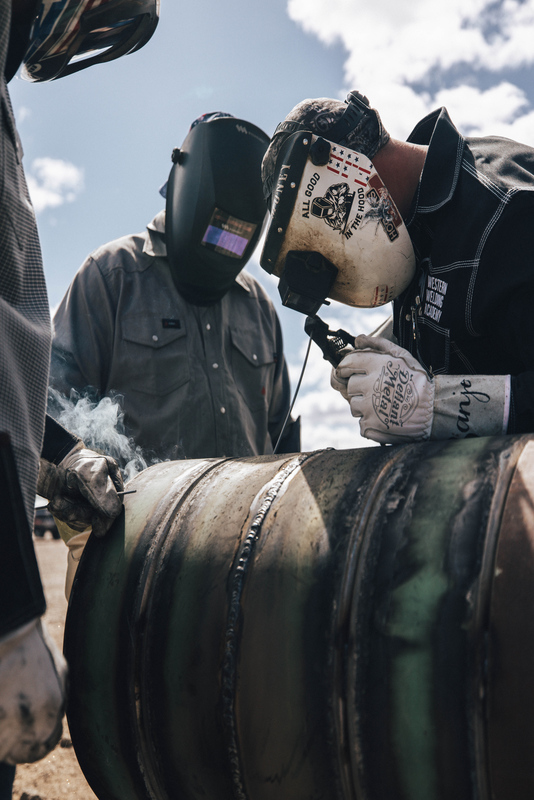
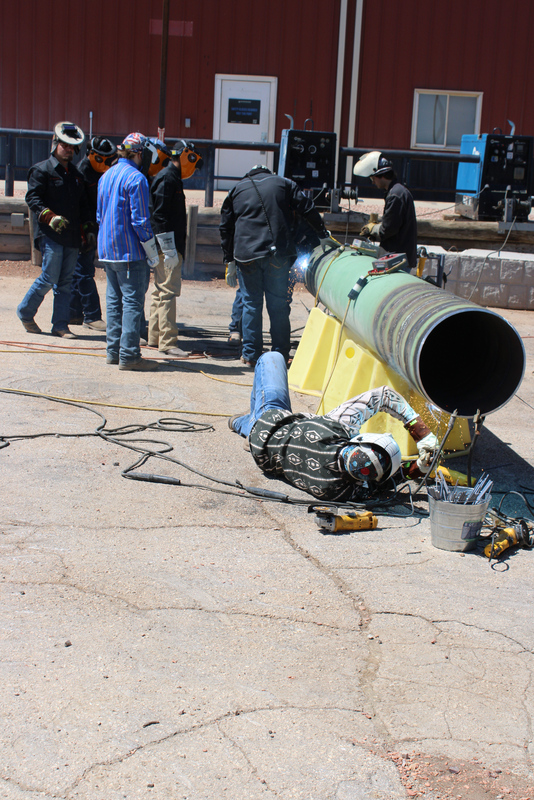
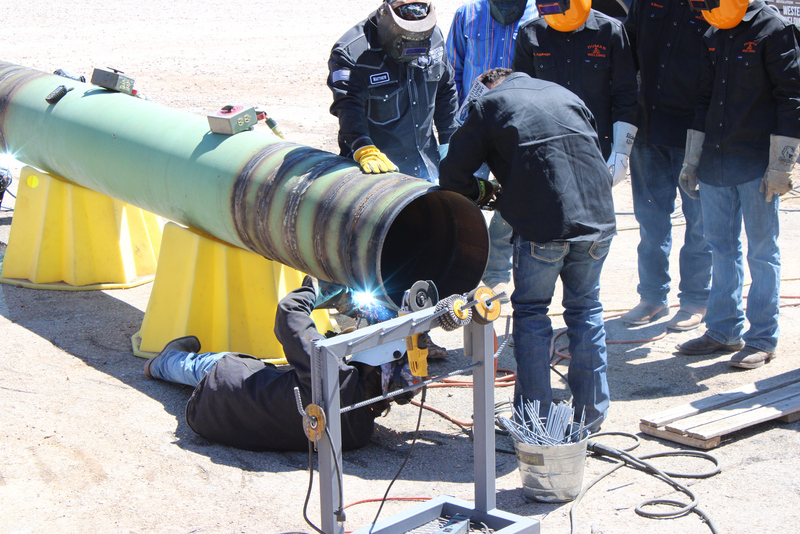
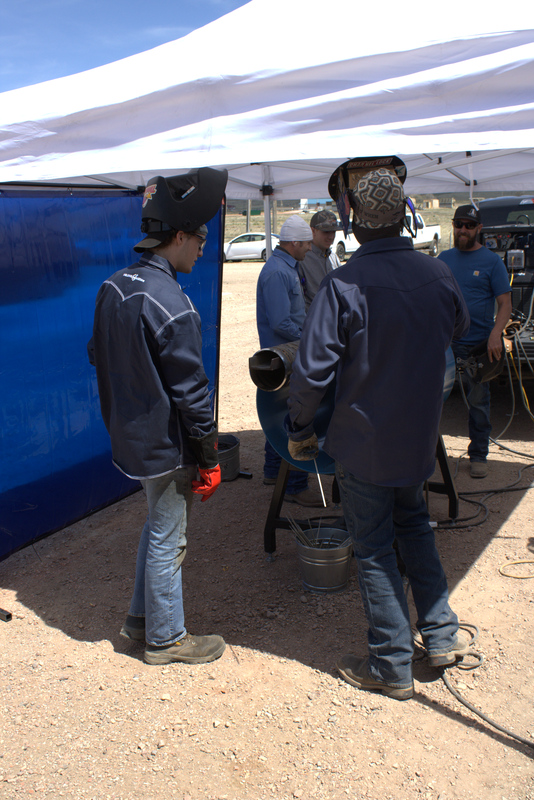
Western Welding Academy builds the stick, TIG, and multi-process pipe welding skills that underwater welding careers require. You need to produce quality welds under pressure on land before you can produce them underwater. The Expert Pipe Welder program runs 24 weeks at $35,800 with 85 percent booth time.
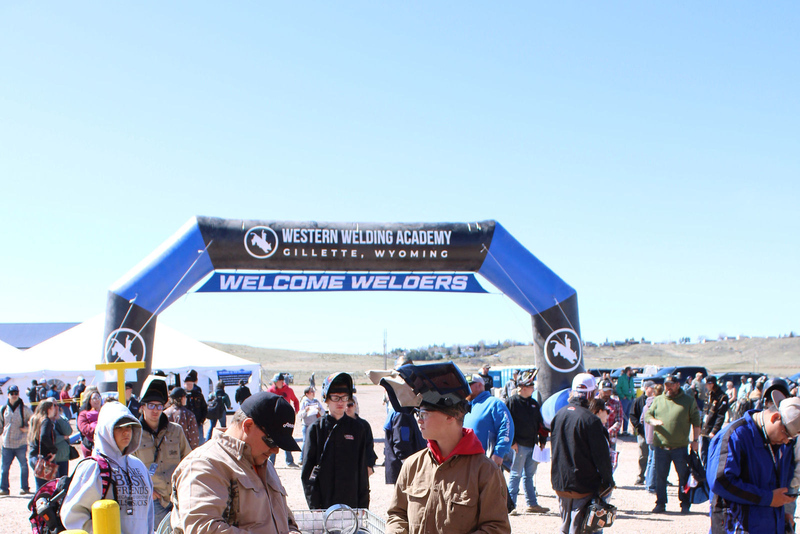
The school holds a 94 percent hire rate within 90 days, verified by a 234-alumni survey. With 2,000 graduates, 330 combined instructor years, and the number one AWS Accredited Testing Facility ranking, Western Welding Academy gives aspiring underwater welders the topside foundation that dive schools and employers expect.
What Western Welding Academy Graduates Earn
Graduates of Western Welding Academy earn verified paychecks from topside welding, with the option to pursue underwater welding as a specialized advancement.
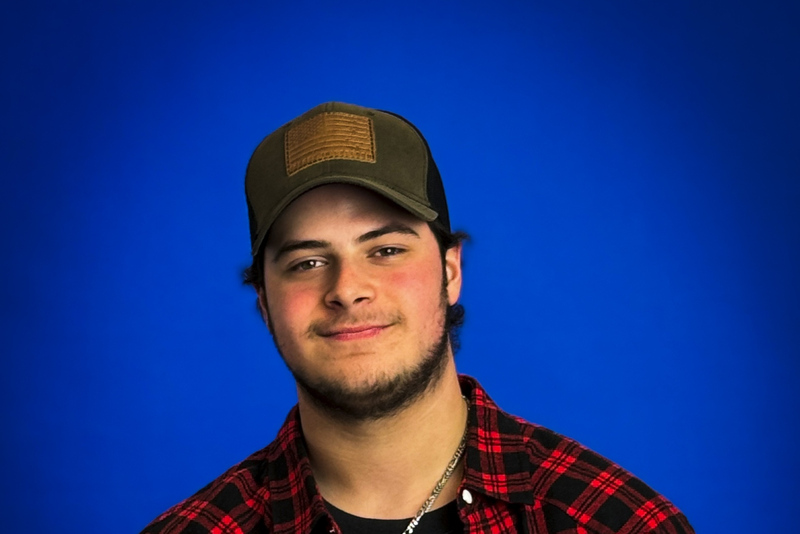
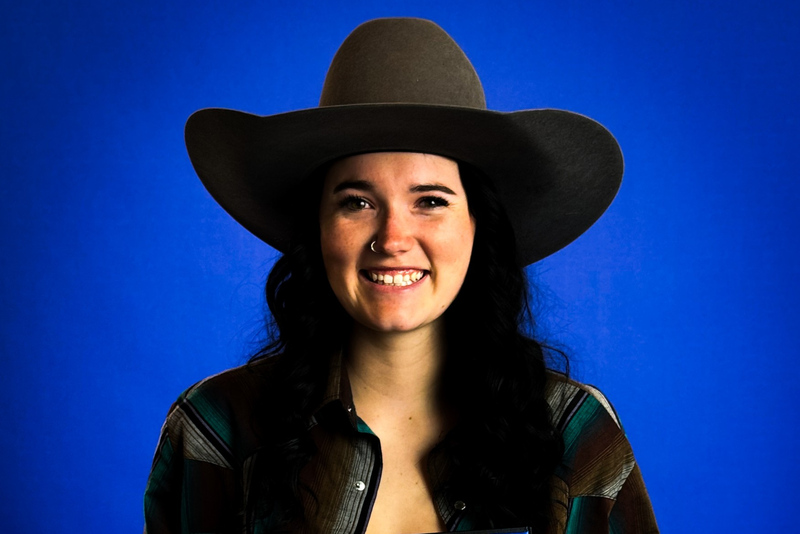
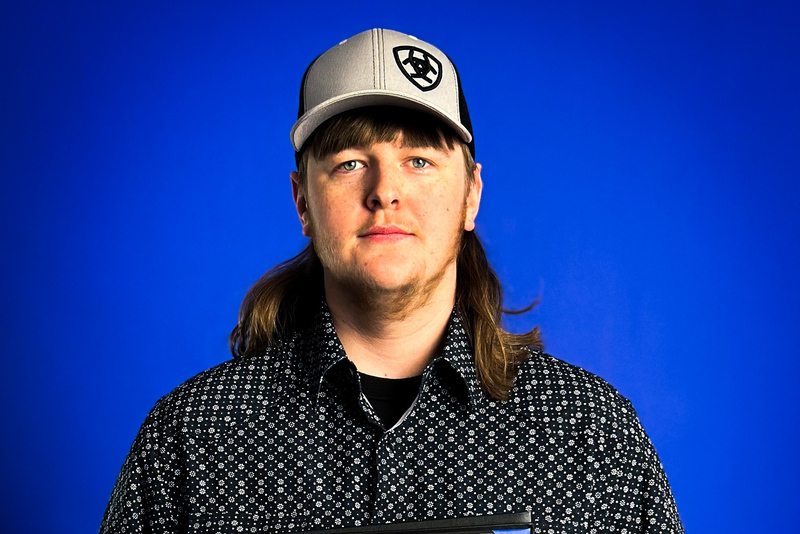
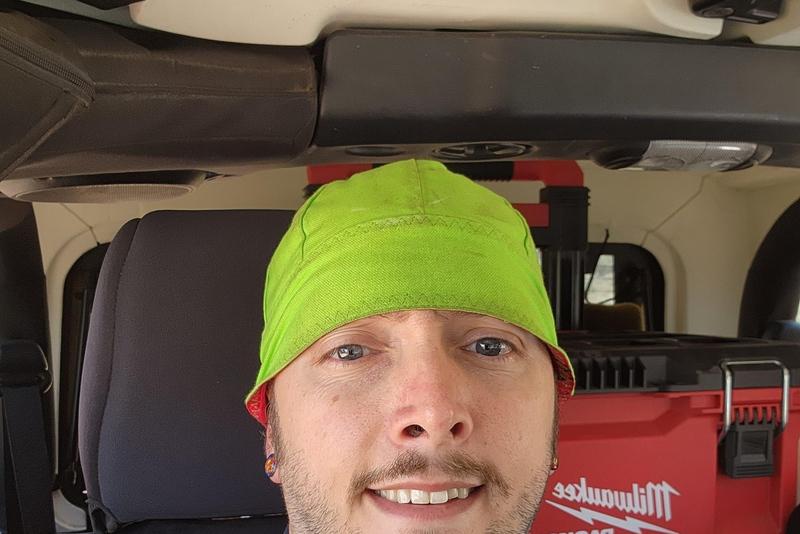
Leyton Wagner earns $4,514 per paycheck as a topside welder. Gavin Walden takes home $3,986. David Smolek earns $3,417. Noah clears $2,800 per week on the North Slope in Alaska. Hank reached $150,000 per year by age 21. Topside pipe welding already pays extremely well. Underwater welding builds on that foundation for even higher-risk, higher-reward work.
Ready to launch your welding career? Apply now or call Western Welding Academy at (307) 284-5313 today.
Frequently Asked Questions
Q1. How much do underwater welders actually make?
Entry-level: $40,000 to $60,000. Experienced: $80,000 to $150,000. Saturation divers: $100,000 to $300,000 with overtime and depth pay. The $300,000 headline figure is possible but represents the top tier of offshore saturation divers with years of experience.
Q2. Is underwater welding dangerous?
Yes. The commercial diving fatality rate is approximately 40 times higher than general construction. Risks include drowning, decompression sickness, electrical shock in water, and hearing damage from pressure. Proper training, equipment maintenance, and strict protocol adherence reduce but do not eliminate these risks.
Q3. Do you need welding experience before dive school?
Yes. Commercial diving schools expect students to arrive with strong topside welding skills, particularly stick welding. You cannot learn fundamental welding technique underwater. Build your welding foundation first at a welding school, then attend dive school.
Q4. What is the difference between wet and dry underwater welding?
Wet welding happens directly in water using waterproof stick electrodes. Quality is lower due to rapid cooling. Dry hyperbaric welding happens inside a sealed, pressurized chamber at depth, producing topside-quality welds. Dry welding pays more and requires more training.
Q5. How long does it take to become an underwater welder?
Plan for 2 to 4 years minimum. Welding school (12 to 24 weeks) plus commercial dive school (5 to 8 months) plus 1 to 3 years as a dive tender building bottom time before working as a full diver-welder. The timeline is longer than most topside welding careers.
Q6. What makes Western Welding Academy different from other welding schools?
Western Welding Academy delivers 85 percent hands-on booth time building the stick and pipe welding foundation that underwater welding demands. The school holds a 94 percent hire rate within 90 days, verified by a 234-alumni survey. With 2,000 graduates and the number one AWS Accredited Testing Facility ranking, the school provides the topside skills that dive schools and employers require.
Build Your Topside Foundation First
Every underwater welder started as a topside welder. The stronger your foundation, the better your dive career. Call Western Welding Academy at (307) 284-5313 or apply now to build the welding skills that open every door, above and below the surface.

.jpg)
.jpg)


.jpg)
.jpg)
.jpg)
.jpg)
.jpg)
-thumbnail.jpg)

.jpg)