What Nuclear Welders Actually Do
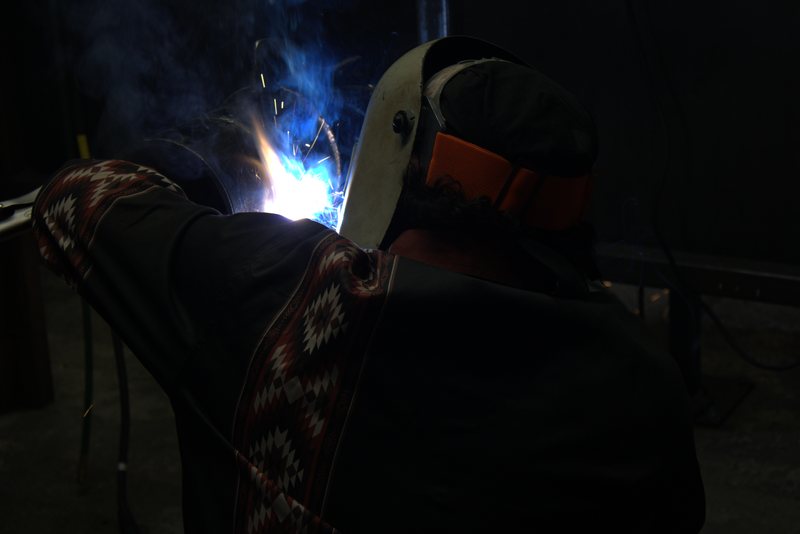
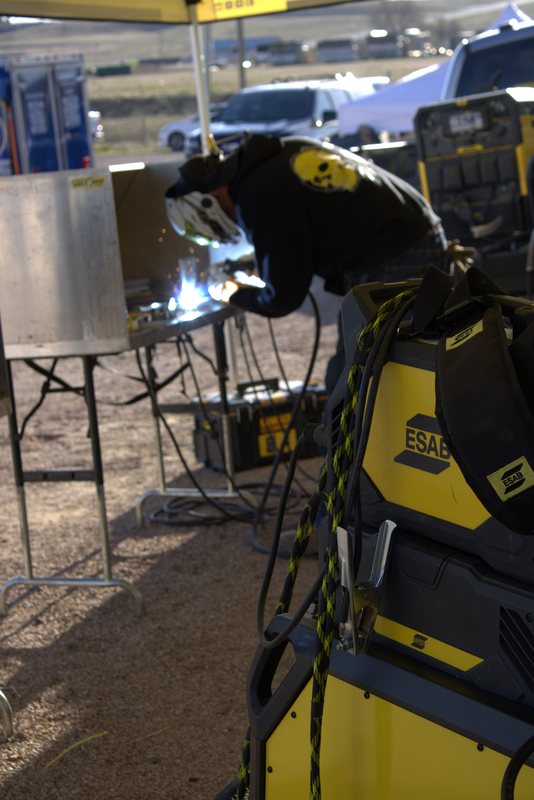
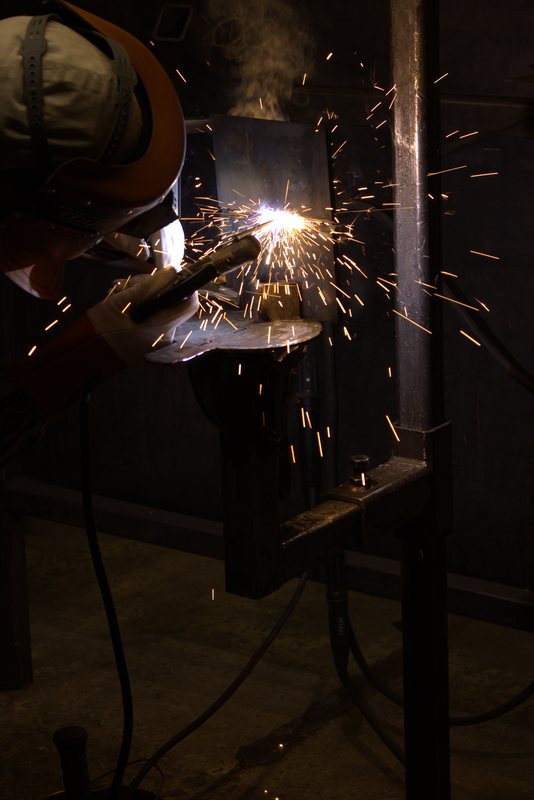
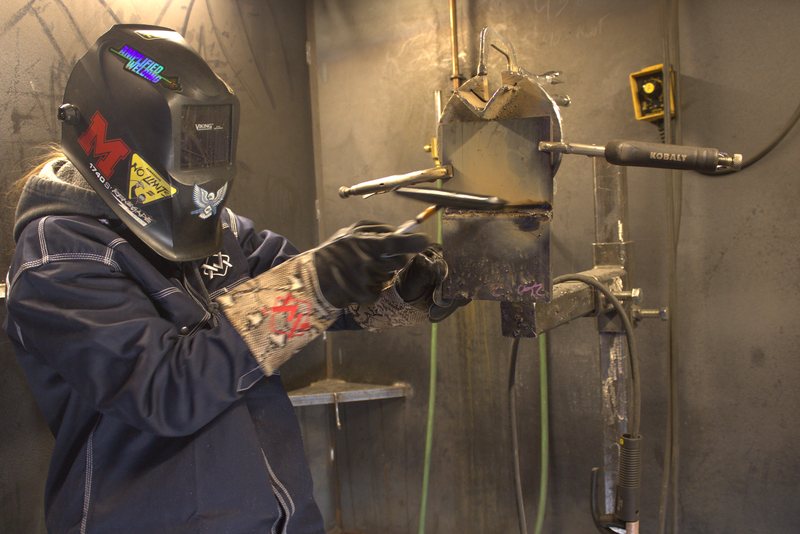
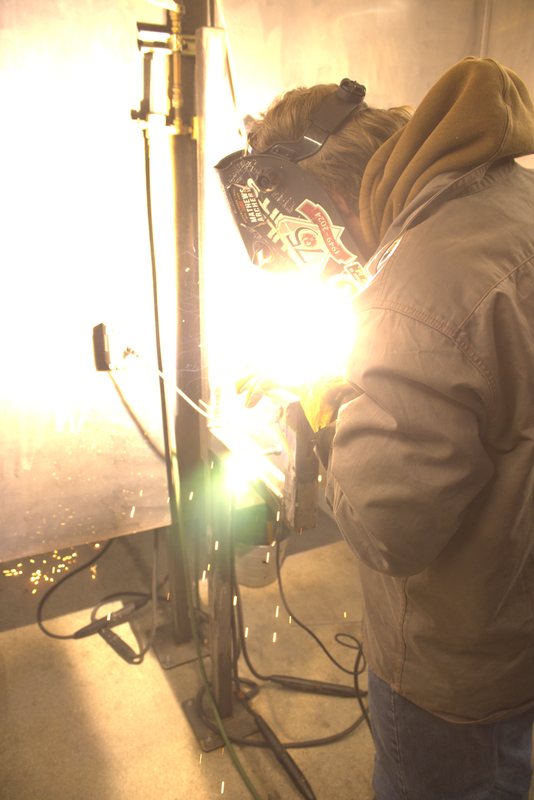
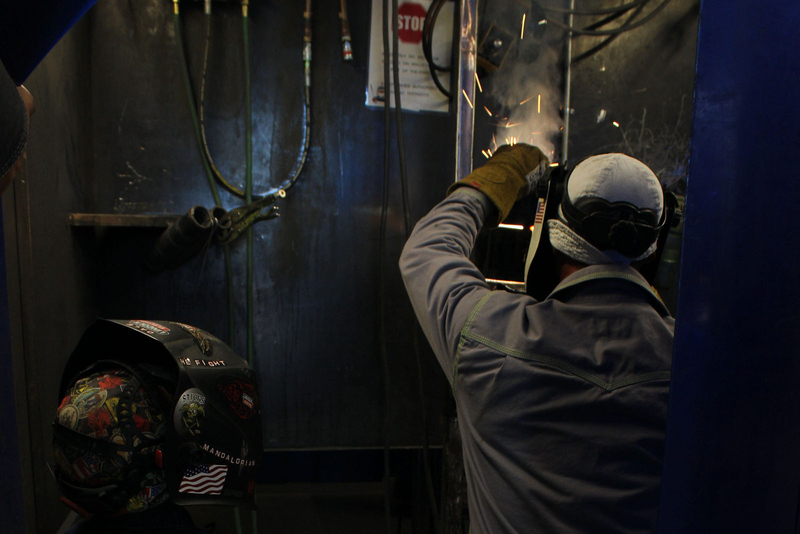
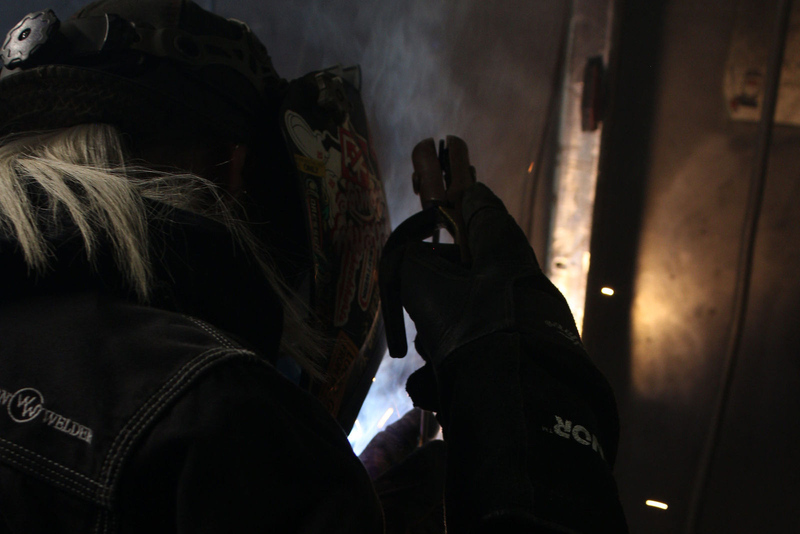
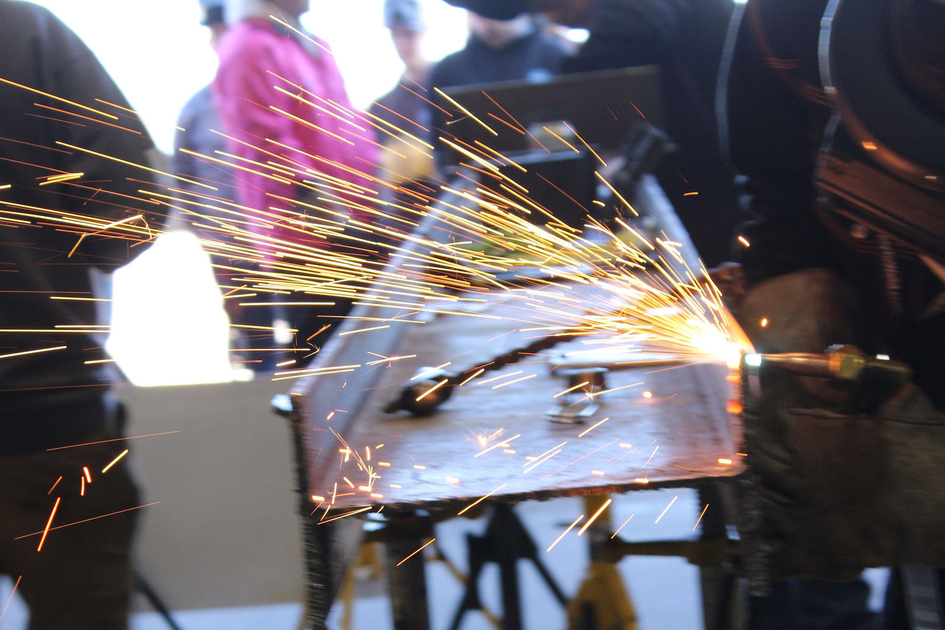
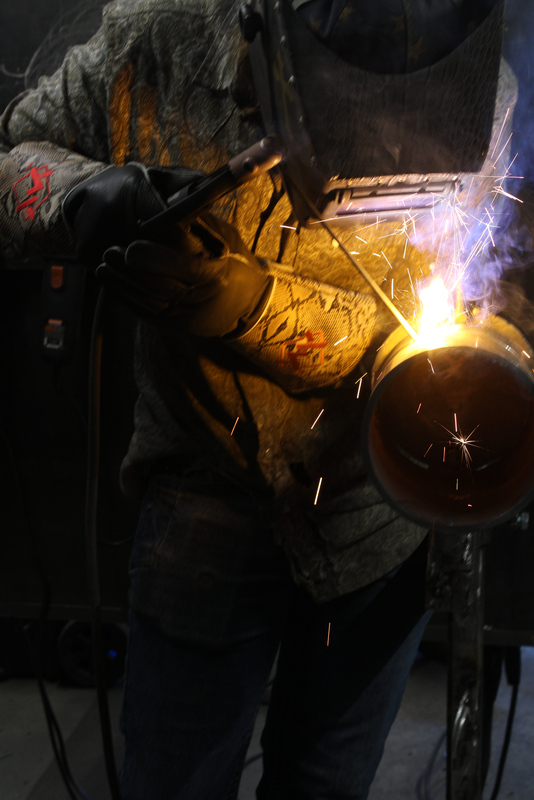
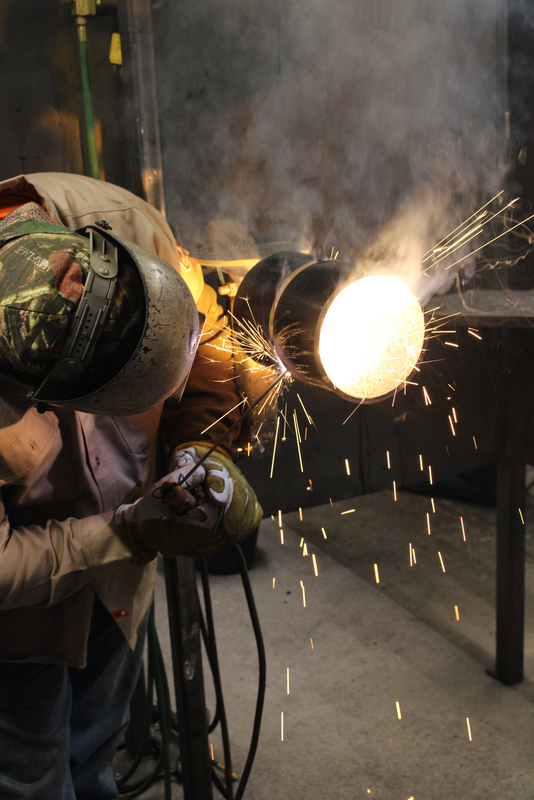
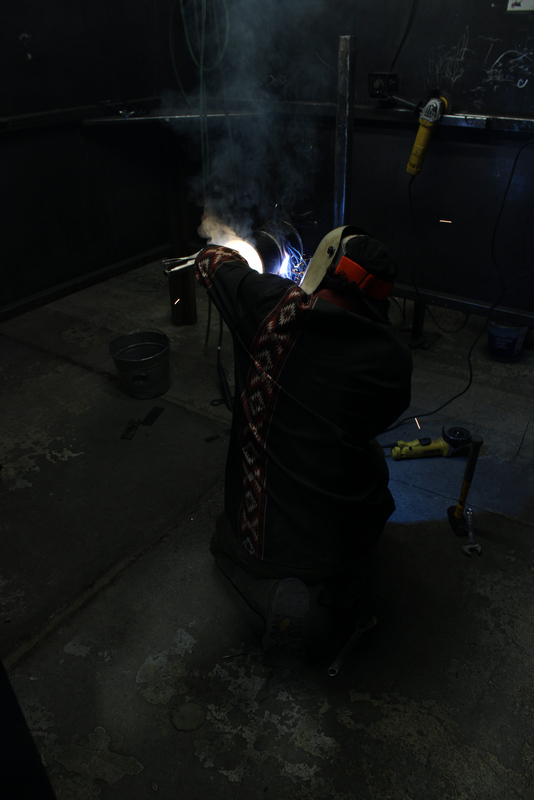
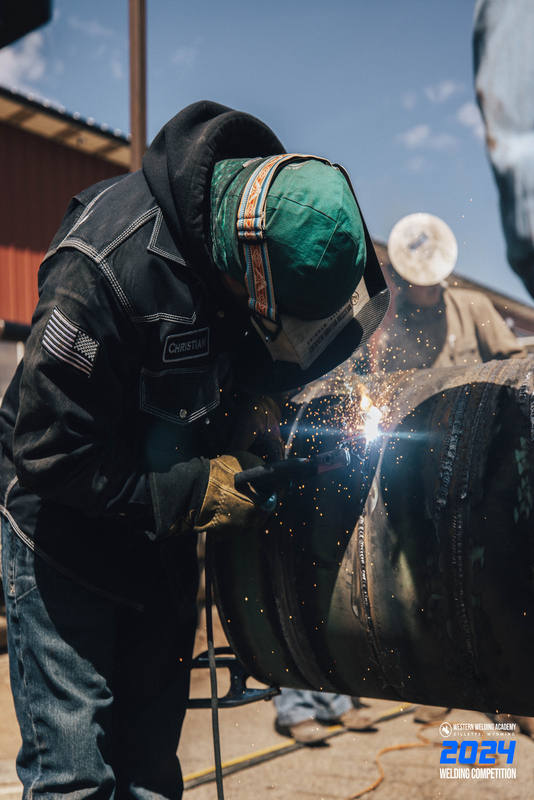
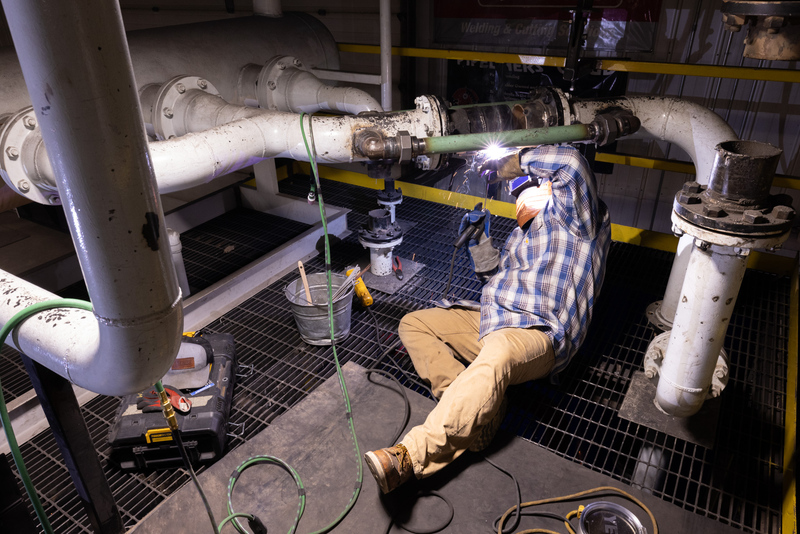
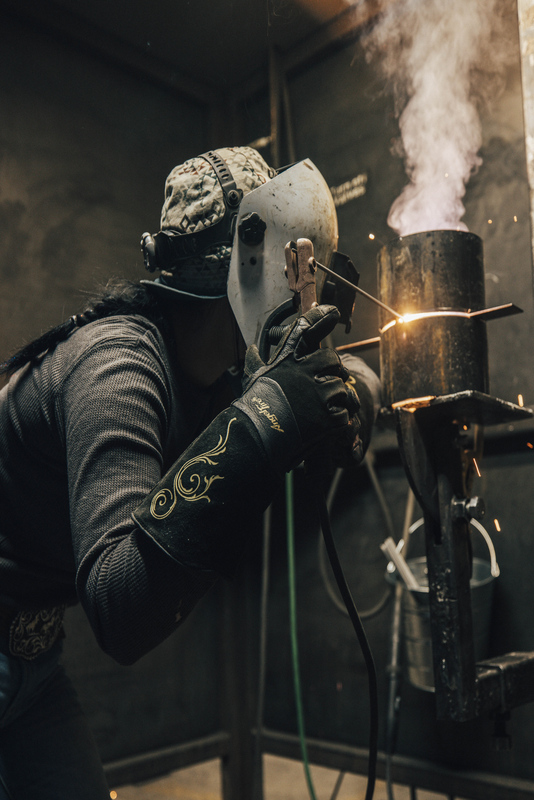
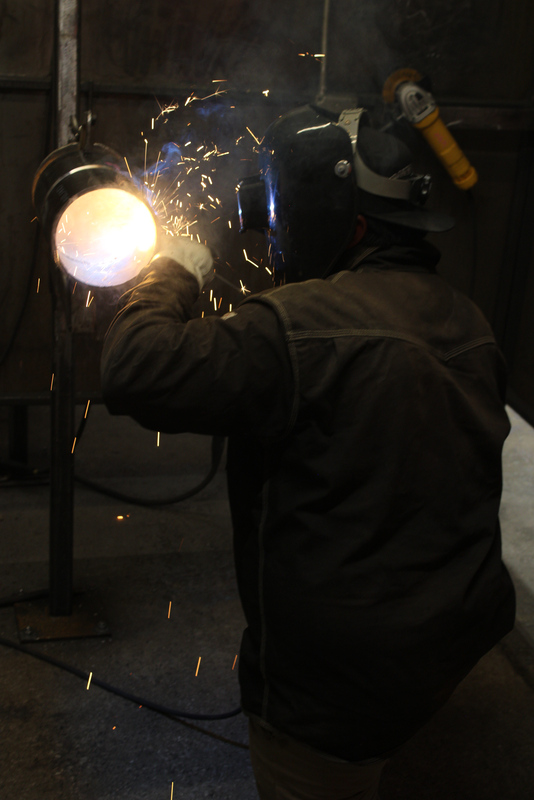
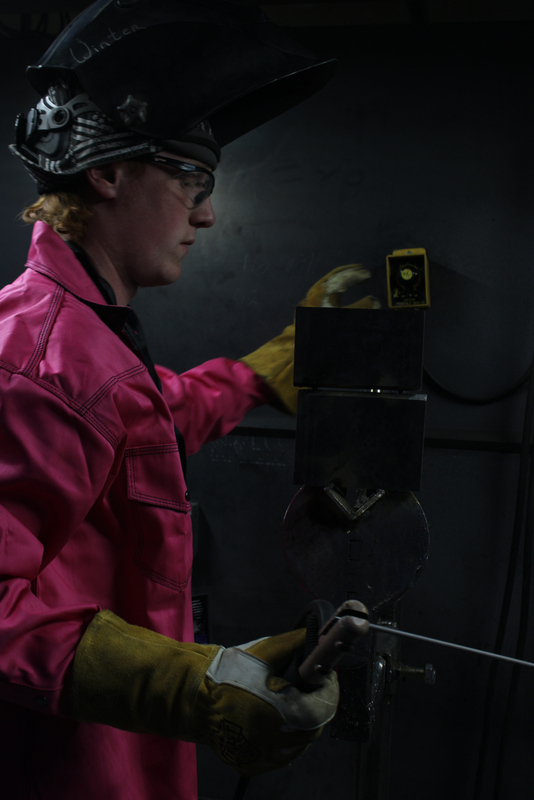
Nuclear welders join piping, pressure boundary components, and structural supports inside nuclear power plants, naval reactors, and Department of Energy facilities. The work is primarily TIG (GTAW) and stick (SMAW) welding on carbon steel, stainless steel, and nickel alloy materials. Every weld must meet ASME Boiler and Pressure Vessel Code Section III (nuclear components) and Section IX (welding qualifications).
The welding itself is technically similar to industrial pipe welding, but the quality requirements are far more demanding. Every weld undergoes non-destructive examination, typically radiographic testing (RT) or ultrasonic testing (UT). Rejection rates are tracked, and welders who produce too many rejects are pulled from the project. Documentation is exhaustive. Each weld gets a unique identifier, and the welder's name, qualifications, filler material heat numbers, and inspection results are recorded permanently. Nuclear welders must be comfortable with constant oversight and absolute precision.
Where Nuclear Welding Jobs Exist
Nuclear power plants across the United States employ welders for new construction, maintenance outages, and decommissioning. Plants run scheduled outages every 18 to 24 months where hundreds of welders converge for weeks of intensive repair and maintenance work. These outage windows create surge demand and premium pay for qualified nuclear welders.
Naval shipyards in Virginia, Connecticut, Maine, and Washington state build and maintain nuclear-powered submarines and aircraft carriers. The Navy's nuclear welding program is one of the most demanding in the world. Department of Energy sites including national laboratories and nuclear waste processing facilities also employ nuclear welders. The nuclear industry is projected to grow as existing plants extend their operating licenses and new reactor designs move toward construction.
Ready to launch your welding career? Apply now or call Western Welding Academy at (307) 284-5313 today.
What Nuclear Welders Earn
Nuclear welding salaries average approximately $115,000 per year based on 2026 ZipRecruiter data, with most earning between $109,500 and $131,000 annually. Experienced nuclear welders in high-demand environments or with overtime can earn $130,000 to $300,000 or more. Power plant outage work pays premium rates because the schedule is compressed and the quality standards never relax.
These numbers reflect the combination of technical difficulty, strict qualification requirements, security clearance overhead, and the critical nature of the work. Nuclear welders earn more than general industrial welders because fewer people meet the qualifications and the consequences of bad work are measured in public safety, not just project cost. Read about what pipe welders earn across different specialties and how nuclear compares.
How to Qualify for Nuclear Welding Work
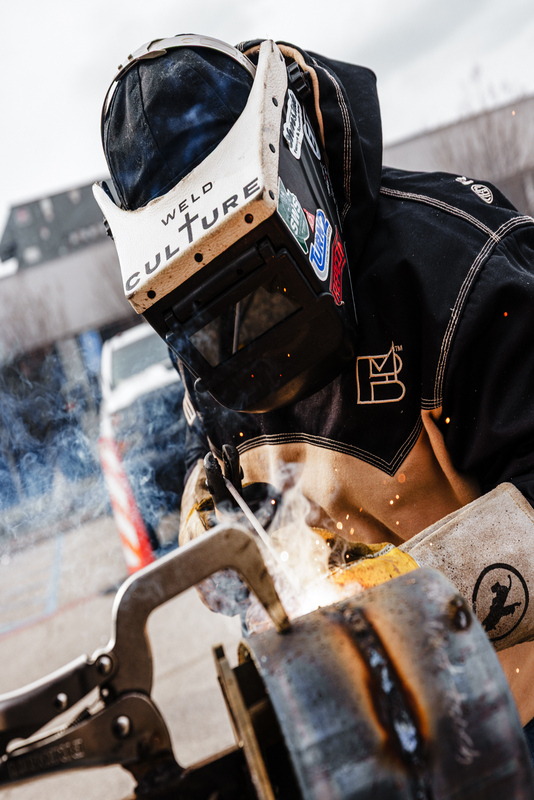
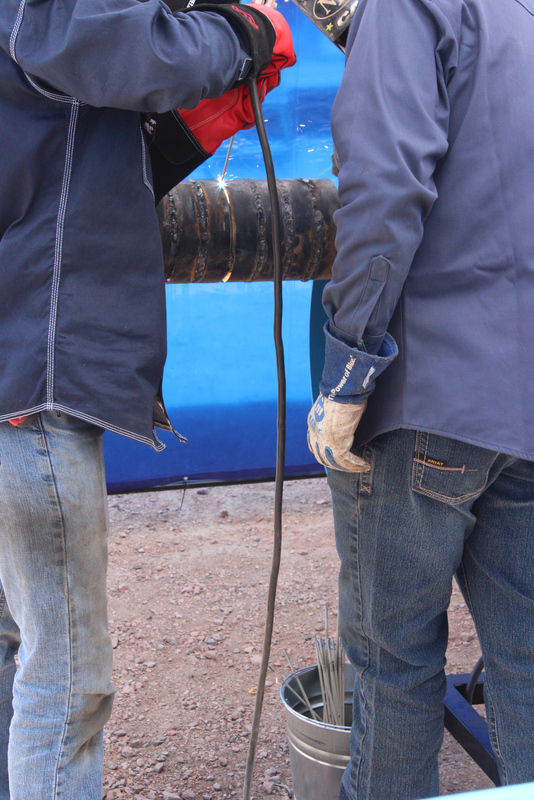
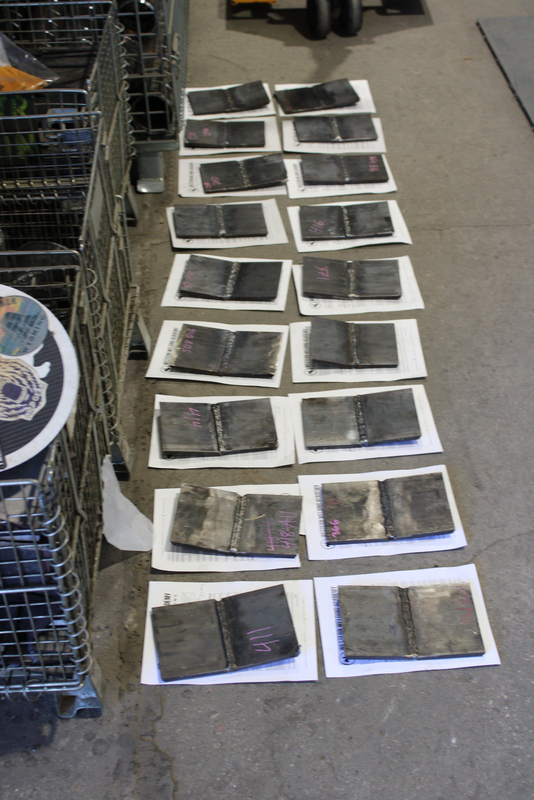
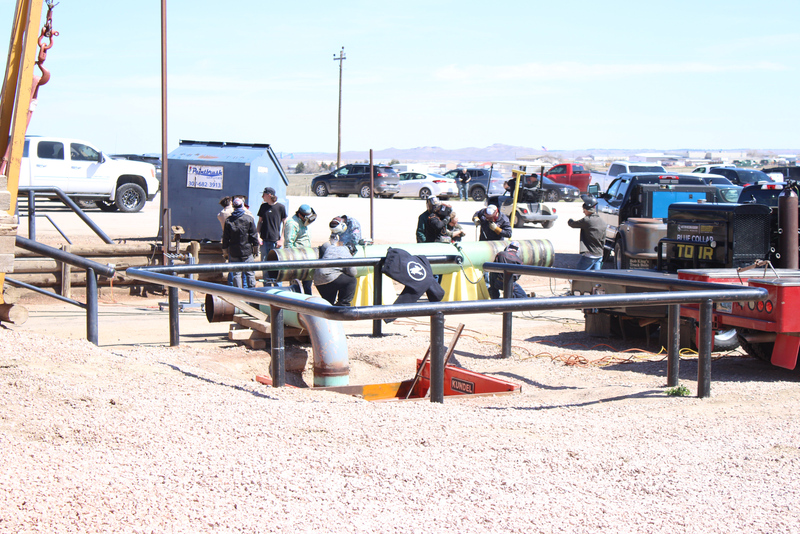
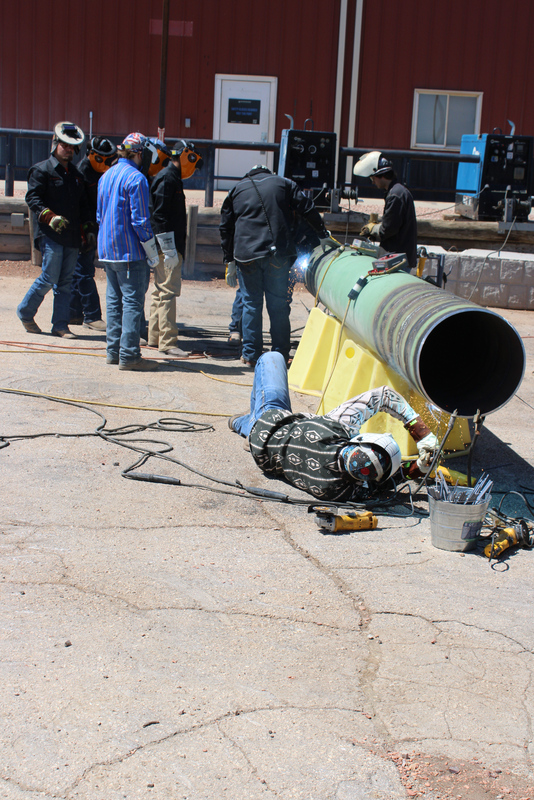
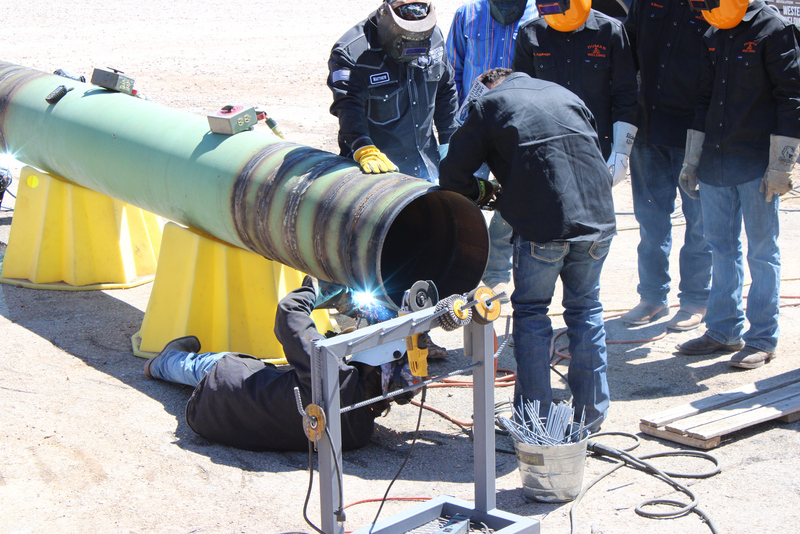
The path starts with strong TIG and stick welding skills, particularly on pipe in all positions including 6G. Nuclear employers test welders to ASME Section IX procedures on the specific materials and joint configurations used in their facility. Passing a 6G pipe weld test on stainless steel with radiographic examination is a common entry requirement.
Beyond welding skills, nuclear welders must pass a background investigation for security clearance, complete radiation safety training (General Employee Training or GET), and in many cases obtain site-specific badging. Some employers require prior experience at nuclear or ASME-coded facilities. The most direct path is building pipe welding skills at a quality school, then entering the nuclear industry through an outage contractor or naval shipyard hiring pipeline. Learn about how orbital welding complements nuclear careers.
Why Pipe Welding Training Is the Foundation for Nuclear Work
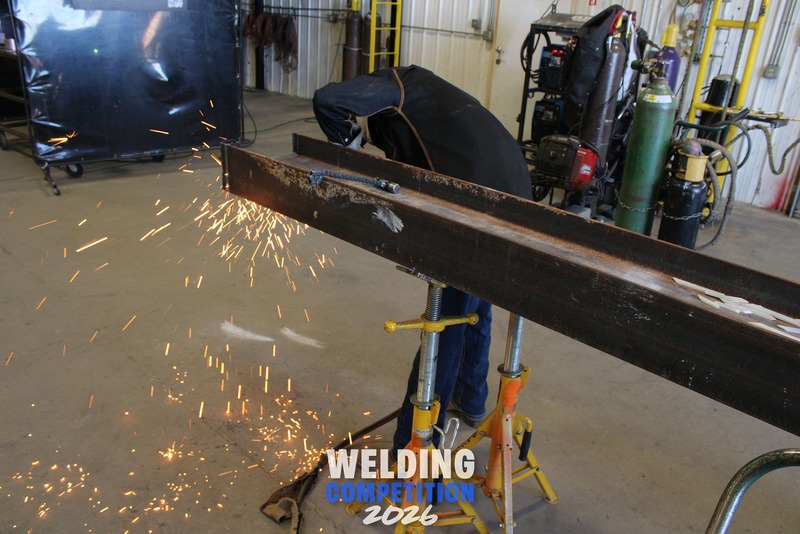
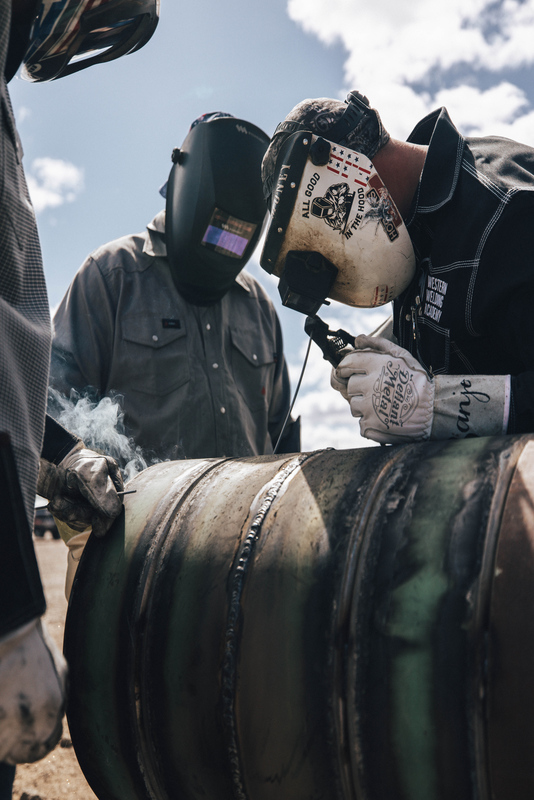
Western Welding Academy builds the pipe welding skills that nuclear employers test on. The Professional Pipe Welder program runs 19 weeks at $27,600 covering TIG, MIG, and stick on pipe. The Expert Pipe Welder program runs 24 weeks at $35,800 and goes deeper into multi-process pipe welding with 85 percent booth time.
The school holds a 94 percent hire rate within 90 days, verified by a 234-alumni survey from November 2024. With 2,000 graduates, 330 combined instructor years, and the number one AWS Accredited Testing Facility ranking, Western Welding Academy produces welders with the precision and consistency that nuclear facilities demand. Graduates enter the workforce with the pipe welding foundation required to pursue nuclear qualifications.
What Western Welding Academy Graduates Earn
Graduates of Western Welding Academy earn verified paychecks that demonstrate the value of precision pipe welding skills in high-demand markets.
Leyton Wagner earns $4,514 per paycheck. His pipe welding skills are the same foundation that nuclear welders build on. Gavin Walden takes home $3,986 per paycheck. David Smolek earns $3,417 per paycheck.
Noah clears $2,800 per week on the North Slope in Alaska, working pipeline projects under demanding conditions similar to nuclear environments. Hank reached $150,000 per year by age 21. Nuclear welding careers build on these same fundamentals and offer long-term earning potential above $130,000 annually.
Ready to launch your welding career? Apply now or call Western Welding Academy at (307) 284-5313 today.
Frequently Asked Questions
Q1. How much do nuclear welders make per year?
Nuclear welders earn an average of approximately $115,000 per year based on 2026 data. Most earn between $109,500 and $131,000. Experienced nuclear welders in outage work or high-demand facilities can earn $130,000 to $300,000 or more annually, particularly when overtime and premium rates apply during plant shutdowns.
Q2. What certifications do you need for nuclear welding?
Nuclear welders need ASME Section IX welder qualifications on the specific materials and joint configurations used at their facility. AWS certifications provide a strong foundation. Additional requirements include security clearance, radiation safety training, and sometimes site-specific testing. Many employers also prefer or require prior experience at coded facilities.
Q3. Is nuclear welding dangerous?
Nuclear facilities have strict radiation monitoring and safety protocols. Welders typically work in areas where nuclear materials are not present during their tasks. Radiation exposure is carefully tracked and controlled below federal limits. The primary risks are the same as any industrial welding job: heat, fumes, and physical demands.
Q4. What welding processes are used in nuclear work?
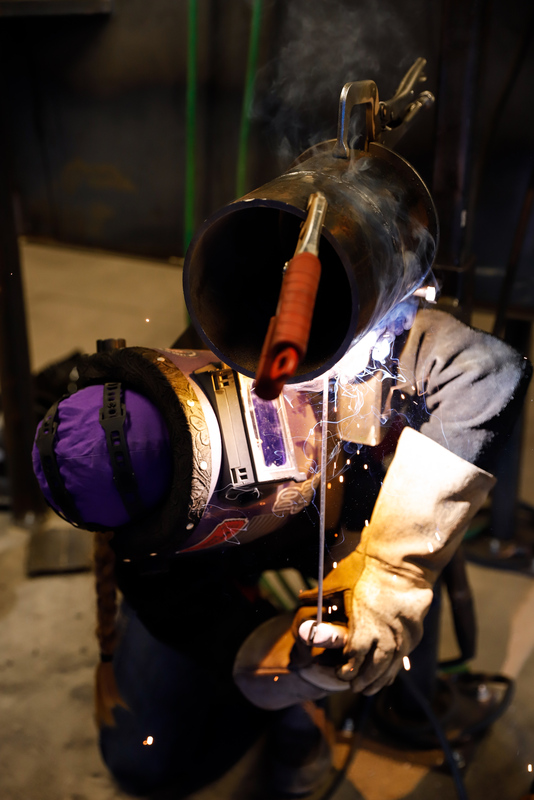
TIG (GTAW) and stick (SMAW) welding are the primary processes in nuclear work. TIG is used for root passes and precision joints on stainless steel and nickel alloys. Stick handles fill and cap passes on carbon steel piping. Some facilities also use orbital welding for repetitive pipe joints where automated consistency is required.
Q5. Can you get into nuclear welding straight out of welding school?
Some outage contractors and naval shipyards hire entry-level welders and train them to nuclear standards. Having strong pipe welding skills, multi-process experience, and a clean background check dramatically improves your chances. Welding school graduates with 6G pipe qualifications are the strongest candidates for entry-level nuclear positions.
Q6. What makes Western Welding Academy different from other welding schools?
Western Welding Academy delivers 85 percent hands-on booth time with deep TIG and stick pipe welding training. The school holds a 94 percent hire rate within 90 days, verified by a 234-alumni survey. With 2,000 graduates, 330 combined instructor years, and the number one AWS Accredited Testing Facility ranking, the school builds the precision skills that nuclear employers require.
Start Your Path to Nuclear Welding
Nuclear welding careers start with precision pipe welding skills. The higher the quality standard, the better the pay. Call Western Welding Academy at (307) 284-5313 or apply now to build the foundation for the highest-paid welding specialty.


.jpg)



.jpg)



.jpg)
.jpg)
.jpg)
.jpg)
.jpg)
-thumbnail.jpg)

.jpg)