Why the Root Pass Matters More Than Any Other Pass
The root pass creates the foundation of the pipe joint. Every hot pass, fill pass, and cap pass bonds to the root or the pass before it. If the root has a defect, that defect either stays buried in the finished weld or causes problems in the passes that follow. Lack of fusion in the root creates a stress riser that can crack under pressure. Porosity in the root weakens the joint at the point where loads concentrate.
On pipeline work governed by API 1104, the root pass faces the highest scrutiny during inspection. Radiographic testing (X-ray) reveals every internal defect in the root that visual inspection cannot see. A root pass that looks clean on the outside but has incomplete penetration on the inside will fail X-ray and require a cut out. That is why pipe welders who earn top pay can lay root passes that pass inspection consistently, not just occasionally.
Build the root pass skills that pass X-ray every time. Apply now or call (307) 284-5313.
Incomplete Penetration: The Most Common Root Failure
Incomplete penetration means the weld metal did not melt through the full thickness of the root gap. From the outside, the weld may look acceptable. From the inside of the pipe, the root shows a gap or a thin spot where the filler metal did not fully bridge the joint. X-ray catches this every time.
The primary cause is insufficient heat at the root. If the amperage is too low or the travel speed is too fast, the arc does not have enough energy to melt the base metal edges and the filler rod into a single pool that penetrates through the gap. The fix is precise amperage control within the WPS range and a travel speed that maintains a visible keyhole at the leading edge of the weld pool.
Tight root gaps also cause incomplete penetration. If the gap is narrower than the WPS specifies, the filler metal cannot flow through to the inside of the pipe. Proper fit up with consistent gap measurement at multiple points around the joint prevents this problem before welding begins.
Burn-Through: Too Much Heat at the Wrong Time
Burn-through is the opposite problem. The weld pool melts completely through the pipe wall and drops through, leaving a hole or a sagging glob of metal on the inside of the pipe. Burn-through happens most often at the 12 o'clock position on a 5G or 6G joint, where gravity pulls the molten pool downward through the gap.
The cause is almost always too much heat in one spot. Hesitating on the arc, running amps too high, or failing to reduce heat input when transitioning from the vertical position to flat creates localized overheating. The weld pool gets too large to support itself and falls through.
Prevention requires constant adjustment. Experienced pipe welders reduce amperage slightly (if the WPS allows it) or increase travel speed as they approach the top of the pipe. They also watch the keyhole size. A keyhole that grows beyond twice the gap width signals imminent burn-through. Backing off the heat before it happens saves the root.
Lack of Fusion: The Defect That Hides
Lack of fusion occurs when the weld metal sits on top of the base metal without actually bonding to it. The filler fills the gap, but the base metal edges never melted enough to fuse with the deposit. This defect is almost invisible from the outside. The cap looks perfect, but X-ray reveals a dark line along the root edge where the bond should be.
Contamination is a leading cause. Oil, mill scale, moisture, or oxidation on the bevel surfaces prevents the base metal from wetting properly. Even a thin film of oxide on the prepared bevel can prevent fusion. The second cause is incorrect torch angle. If the arc hits only the center of the gap without washing into the bevel faces, the edges never reach melting temperature.
Prevention starts with preparation. Wire brush or grind the bevel surfaces immediately before welding. Use stainless steel brushes on stainless steel and carbon steel brushes on carbon steel. During welding, direct the arc into the bevel sidewalls with a slight oscillation or weave to ensure both edges reach fusion temperature before adding filler rod.
Porosity and Contamination in TIG Root Passes
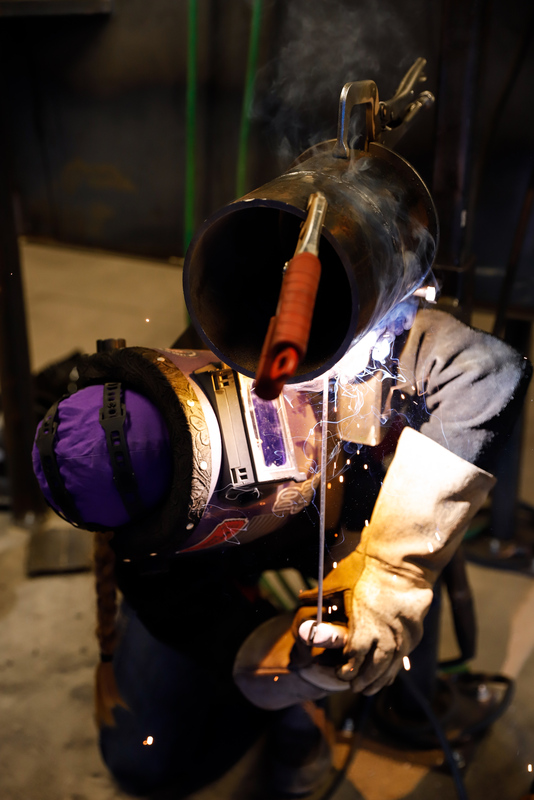
Porosity appears as small gas pockets trapped in the solidified weld metal. In a TIG root pass, the most common source is inadequate shielding gas coverage. If the argon flow is too low, too high (causing turbulence), or disrupted by a draft, atmospheric gases contaminate the weld pool and form bubbles that freeze in place.
Back purging is equally critical. The inside of a pipe joint needs argon purge gas to protect the root from oxidation as it cools. Without a back purge, the root surface oxidizes (sugars) and the weld metal absorbs nitrogen and oxygen. Sugaring shows as a gray, black, or rainbow discoloration on the inside of the root. Any inspector who sees it knows the root is compromised.
Moisture on the filler rod, in the shielding gas line, or on the base metal surface also causes porosity. Store filler rods in a dry location. Blow moisture out of gas lines before striking the first arc. Wipe the weld zone with a clean, dry cloth if condensation is present. These details separate welders who pass certification tests from welders who keep failing for reasons they cannot identify.
How Western Welding Academy Builds Root Pass Skill
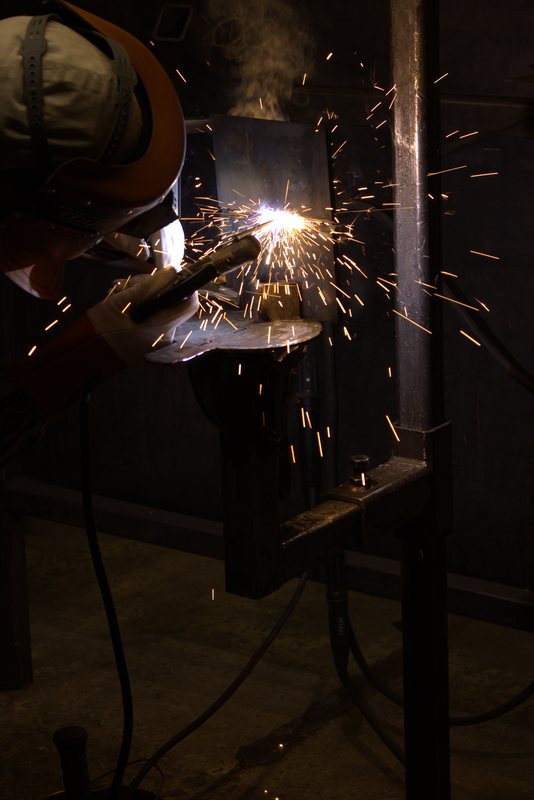
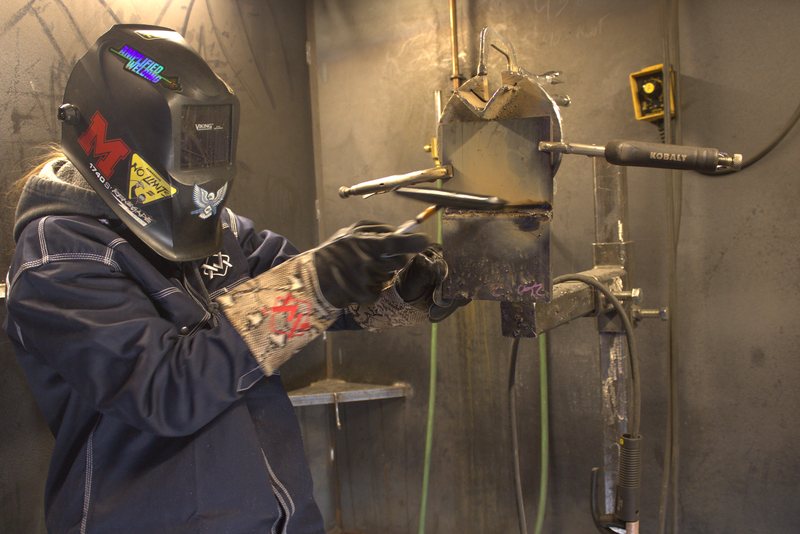
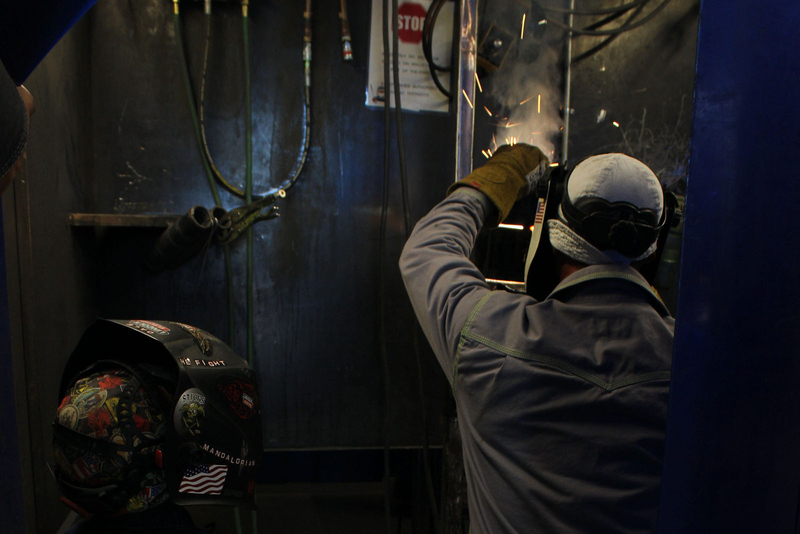
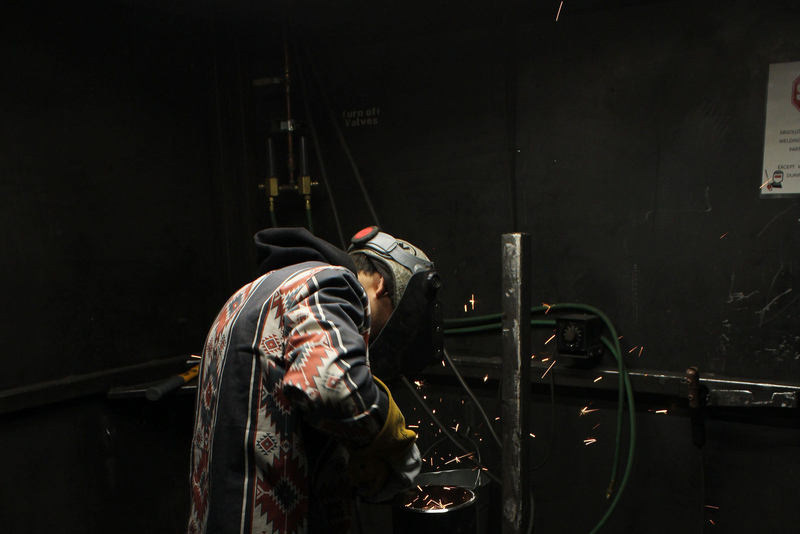
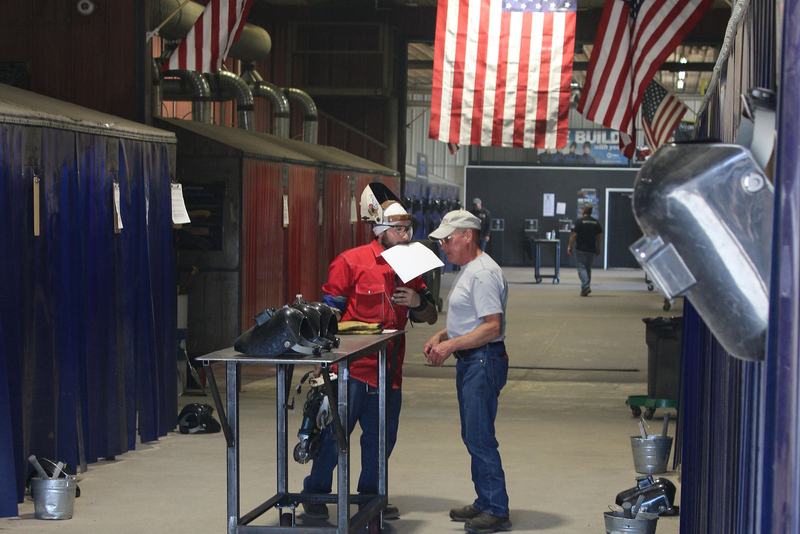
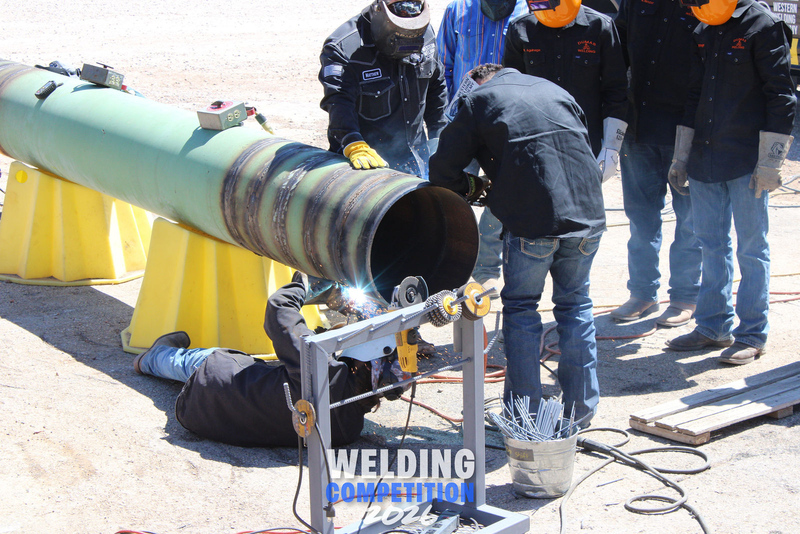
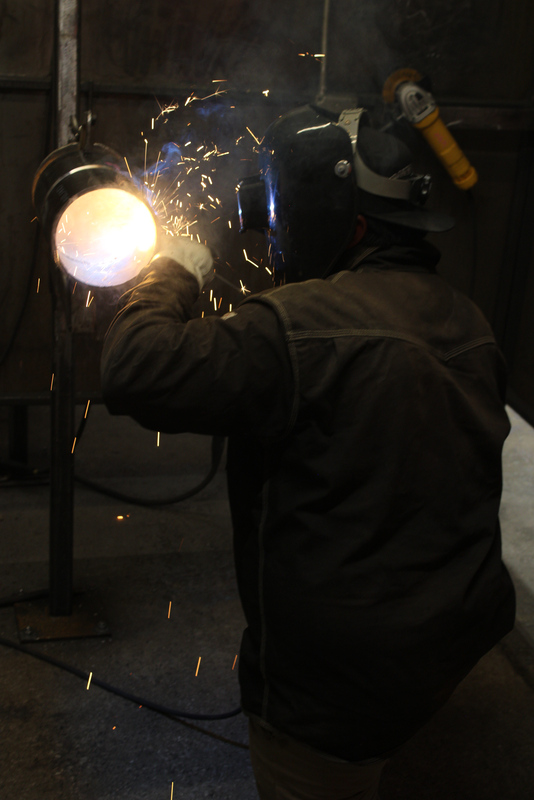
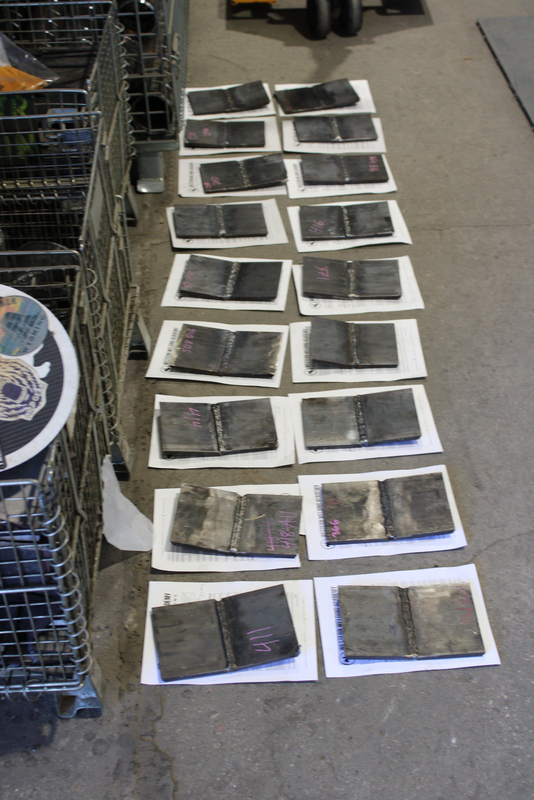
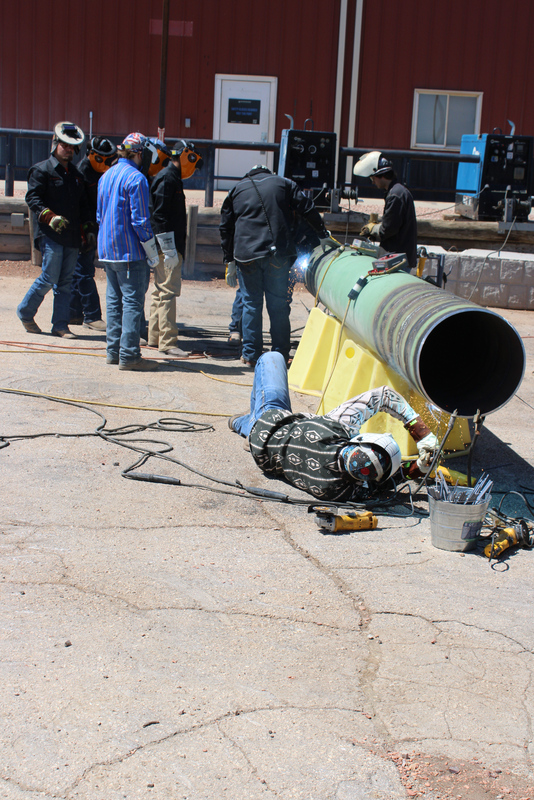
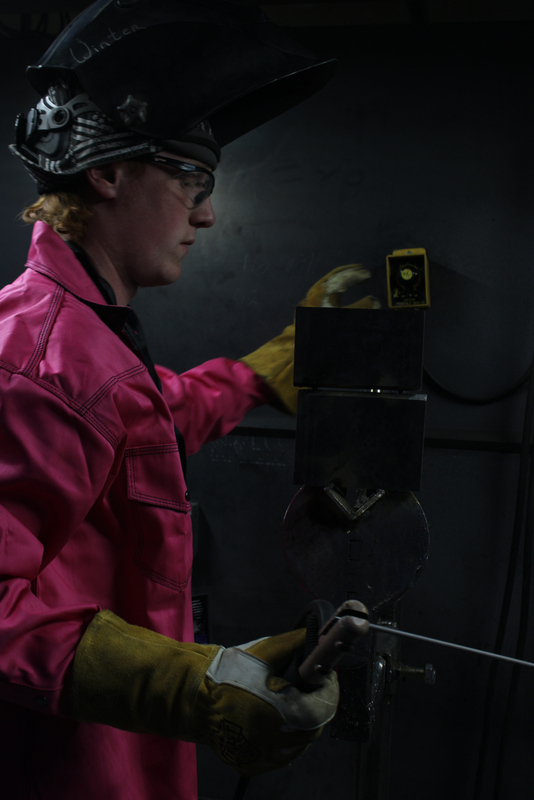
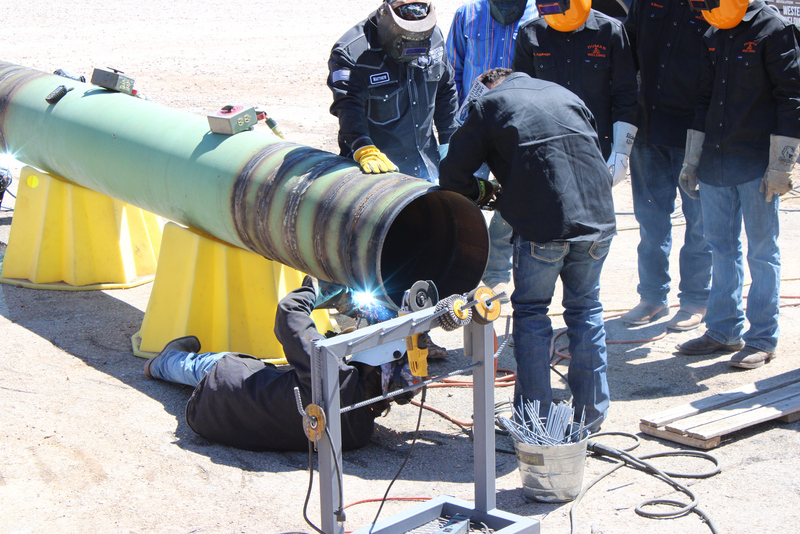
Root pass technique cannot be learned from a textbook or a YouTube video. It requires repetition under expert supervision. At Western Welding Academy, students lay hundreds of root passes on pipe coupons during their program. Each root is inspected by an instructor who identifies defects and corrects the technique that caused them before the next attempt.
The Expert Pipe Welder program runs 24 weeks at 40 hours per week with 85% of that time in the welding booth. Students build TIG root pass skills across multiple pipe diameters, wall thicknesses, and positions including the full 6G orientation. The Foundational Pipe Welder program covers TIG fundamentals in 12 weeks, giving students a solid root pass foundation to build on.
The academy uses on-site AWS accredited testing to validate student skills before graduation. Students do not guess whether their roots pass inspection. They know, because the same testing standards used in the field are applied to their training coupons. Over 2,000 graduates from all 50 states have completed the program and entered the workforce with proven root pass capability.
Master the TIG root pass that passes X-ray every time. Apply now or call (307) 284-5313.
What Graduates Earn With Sound Root Pass Skills
Pipe welders who can lay a sound TIG root pass consistently command the highest wages in the trade. The root pass is where most welders struggle, so the ones who master it become the welders every contractor wants on their crew. Here is what Western Welding Academy graduates earn after proving they can do the hardest work in pipe welding.
Leyton Wagner earns $4,514 per paycheck welding pipeline. His TIG root pass skills mean contractors trust him on the joints that matter most, where a failed root costs thousands in rework and schedule delays.
Gavin Walden takes home $3,986 per paycheck. His consistent root passes reduce rework rates on the spread, which is exactly why foremen keep calling him back for the next project.
David Smolek earns $3,417 per paycheck. He built his root pass technique through hundreds of practice coupons at Western Welding Academy before touching his first production weld in the field.
Noah clears $4,800 per week. His TIG root passes across SMAW, GTAW, and FCAW processes mean he qualifies for every welding procedure on the pipeline.
Hank crossed $150,000 per year before age 22. His ability to lay defect free root passes under pressure earned him placement on the high value joints that only the best welders touch.
Frequently Asked Questions
Q1. What shielding gas flow rate should you use for a TIG root pass on pipe?
Standard argon flow for a TIG root pass on carbon steel pipe is 15 to 20 cubic feet per hour (CFH). Too low allows contamination. Too high creates turbulence that draws in atmospheric gases. Check the WPS for the specified range and adjust based on ambient conditions like wind or drafts in the booth.
Q2. Do you need a back purge for every TIG root pass on pipe?
Yes, for code quality work. The back purge protects the inside of the root from oxidation and contamination. Without it, the root will sugar and fail radiographic inspection. Argon is the standard purge gas for carbon steel and stainless steel pipe. Flow rate and purge time depend on pipe diameter and volume.
Q3. What filler rod size works best for TIG root passes on pipe?
For most carbon steel pipe root passes, 3/32 inch (2.4mm) filler rod provides the best balance of fill rate and heat control. Smaller rod (1/16 inch) works for thin wall pipe or tight root gaps. The WPS dictates the acceptable filler metal classification and size range.
Q4. How fast should you travel during a TIG root pass?
Travel speed depends on amperage, gap width, and position. The right speed maintains a visible keyhole at the leading edge of the weld pool without letting the keyhole grow too large. If the keyhole disappears, you are moving too fast. If it grows wider than twice the gap, slow down or reduce heat.
Q5. Can you fix a bad TIG root pass without cutting it out?
Minor defects on the surface can sometimes be ground out and repaired. Internal defects like incomplete penetration or lack of fusion typically require a full cut out and restart. Attempting to fix a compromised root with additional passes usually makes the problem worse by trapping the defect deeper in the joint.
Q6. What makes Western Welding Academy different from other welding schools?
Western Welding Academy trains students through hundreds of TIG root passes on pipe coupons with 85% hands-on booth time, instructor feedback on every weld, on-site AWS accredited testing, a 94% placement rate within 90 days, and named graduates earning $3,400 to $4,800 per paycheck. Over 2,000 graduates from all 50 states have completed the program.
Lay Root Passes That Hold Up Under Every Inspection
The root pass is where pipe welding careers are made or stalled. Every contractor, every foreman, and every inspector judges your ability by what your root looks like on the inside of the pipe. Western Welding Academy trains you to lay sound root passes that pass X-ray consistently. Call Western Welding Academy at (307) 284-5313 or apply now to build the root pass skills that earn pipeline pay.


.jpg)


.jpg)


.jpg)
.jpg)
.jpg)
.jpg)
.jpg)
-thumbnail.jpg)

.jpg)