What Makes Someone a Good Welder
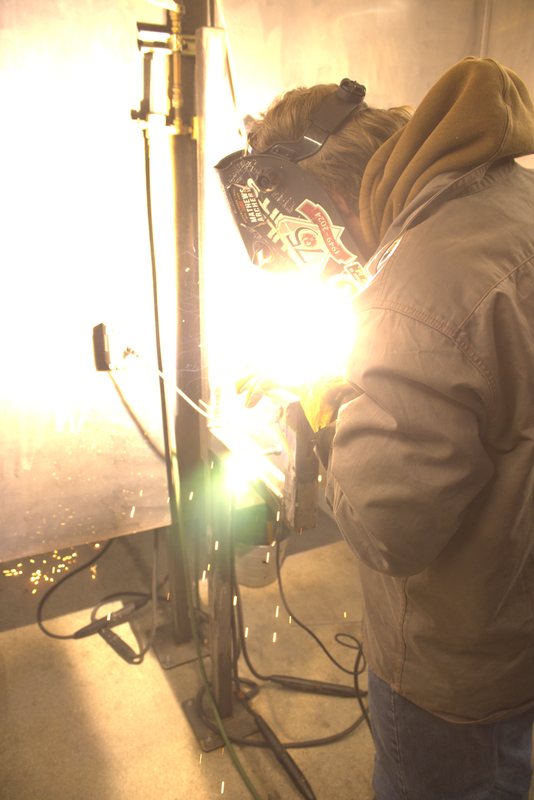
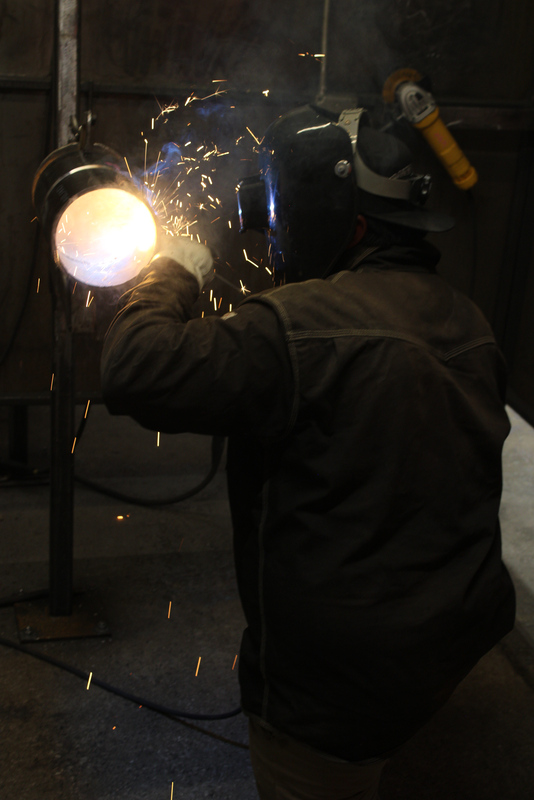
A good welder has solid hand skills and produces consistent welds. They understand their machine settings for the materials they work with daily. They can read a basic weld symbol and follow a joint design. Employers trust them with production work, and their welds hold up under service conditions.
Good welders work in fabrication shops, manufacturing plants, construction sites, and maintenance departments across the country. The pay range for general welding runs $35,000 to $65,000 depending on location, industry, and experience. The work is steady and respectable. Many good welders build entire careers at this level without ever realizing that a different tier of welding work exists.
The limitation of being a good general welder is not about skill ceiling. It is about qualification scope. Good welders typically work with one or two processes, in limited positions, on a narrow range of materials. That is enough for the job. It is not enough for pipeline work.
What Makes Someone a Pipeline Welder
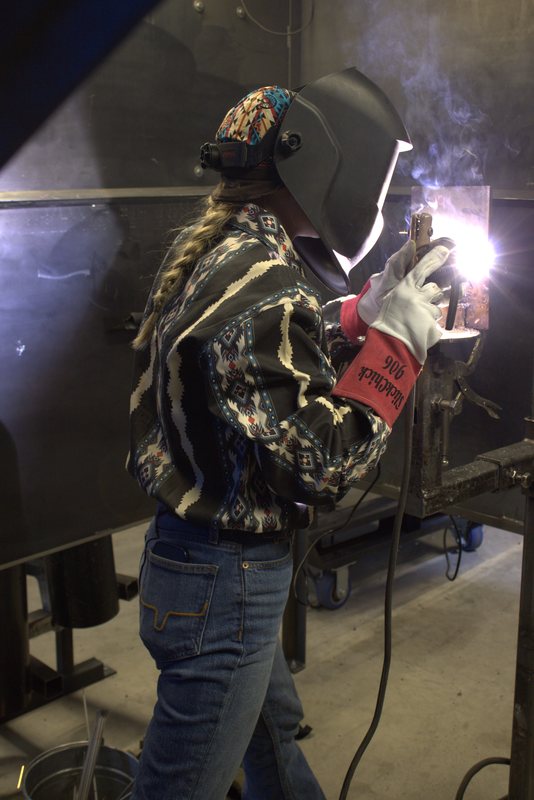
A pipeline welder meets a specific set of requirements that general welding does not demand. Every one of these requirements is tested and documented. Pipeline employers do not take your word for it. They check your certifications, watch you test, and send your welds through destructive and non destructive examination.
Code compliance. Pipeline welders work under API 1104, ASME Section IX, or both. These codes specify every detail of the welding procedure: preheat temperature, interpass temperature, rod type, travel speed, bead sequence, and acceptance criteria. A good welder follows instructions. A pipeline welder follows a written welding procedure specification to the letter and understands why each requirement exists.
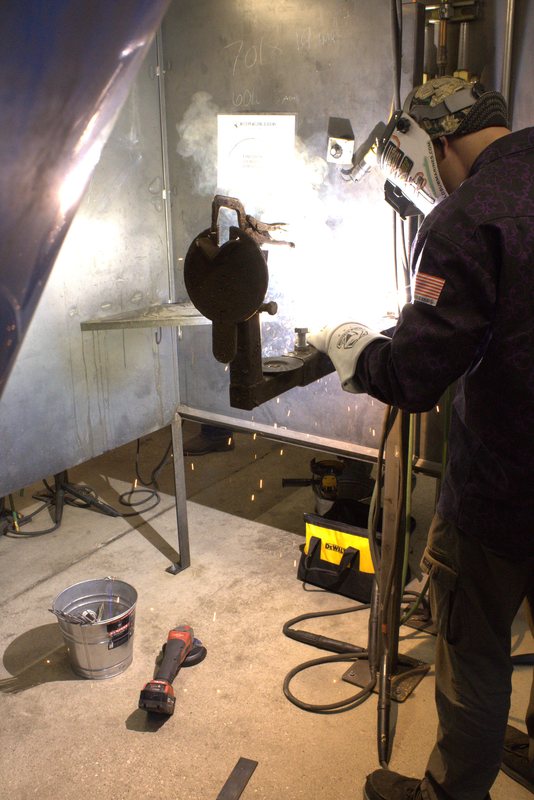
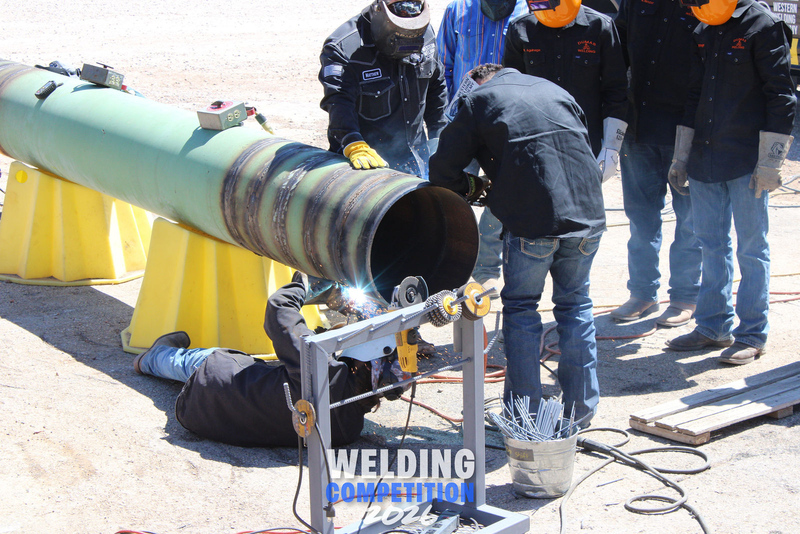
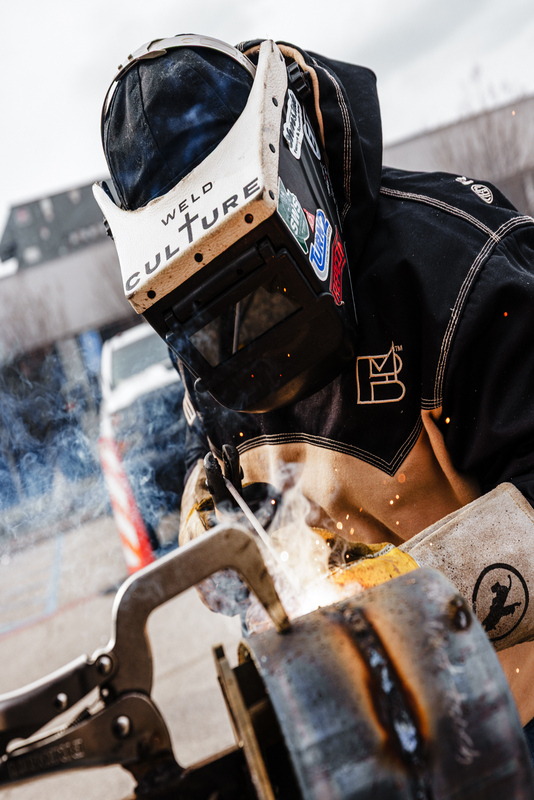
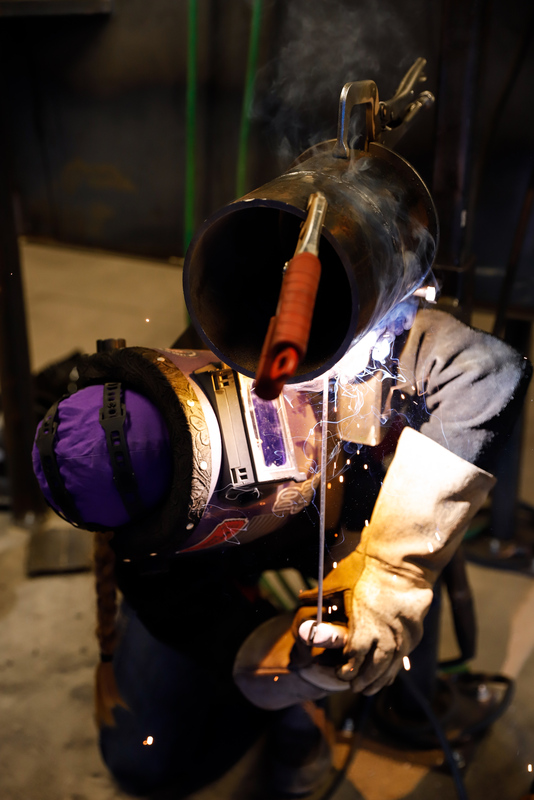
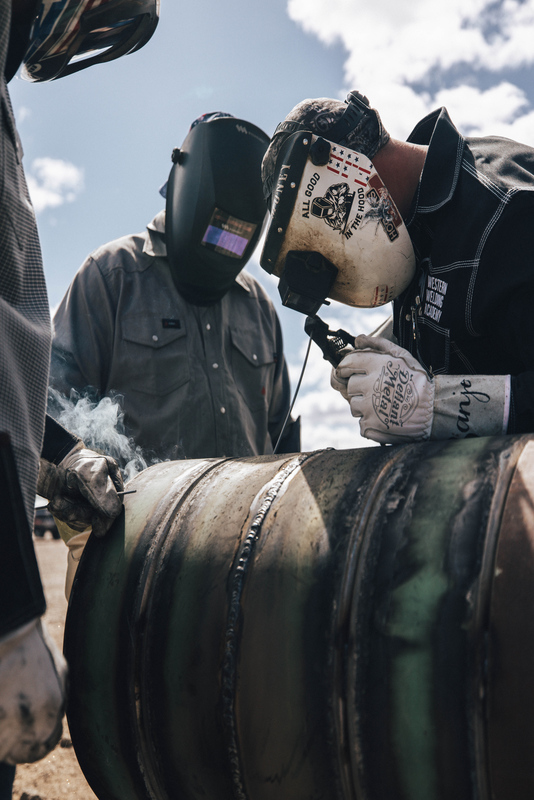
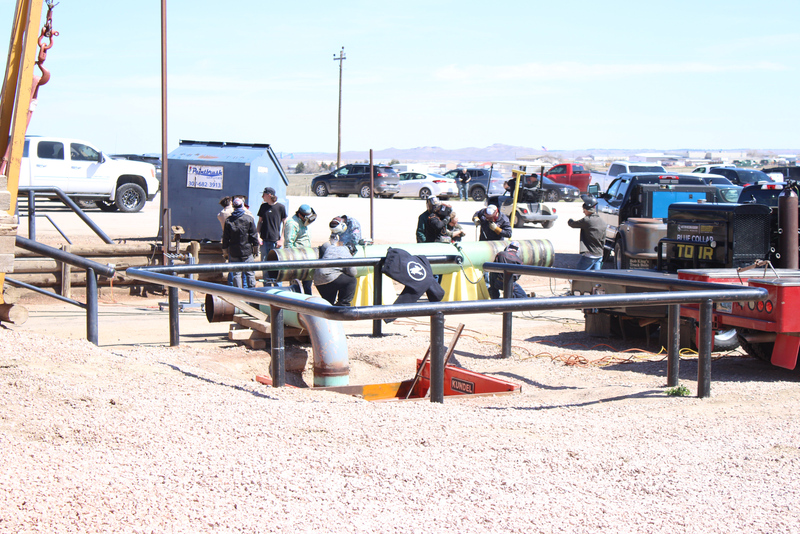
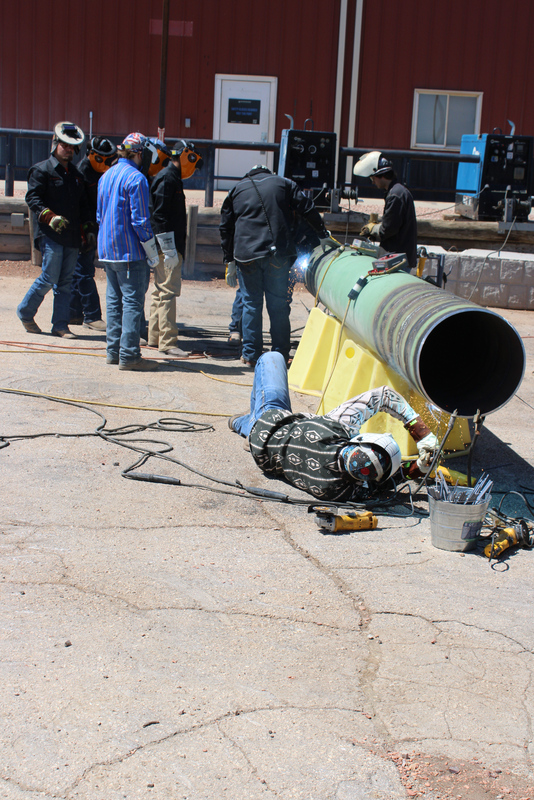
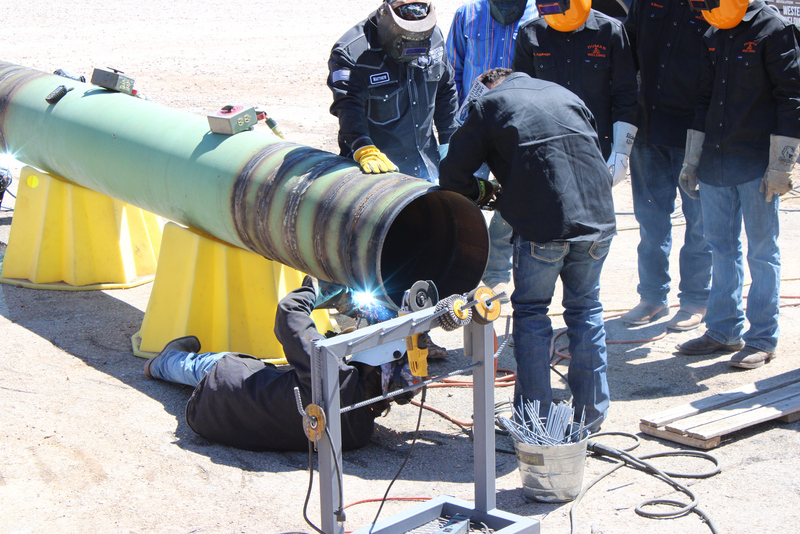
Position mastery. Pipeline welding requires passing the 6G certification test, which means welding a pipe joint fixed at a 45 degree angle. This position forces the welder through flat, vertical, overhead, and every transition between them on a single joint. A good welder can often handle two or three positions well. A pipeline welder must handle all of them continuously without stopping.
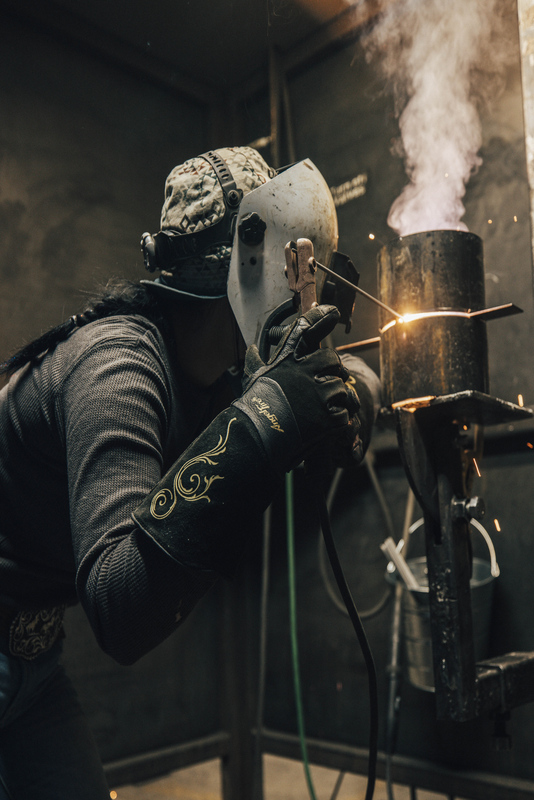
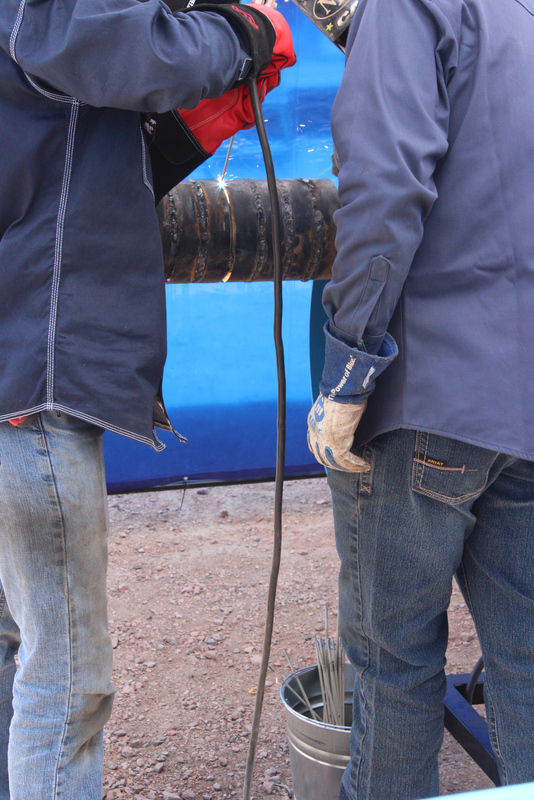
Process versatility. Pipeline and refinery work requires multiple welding processes. A pipeline welder runs stick for fill and cap passes, TIG for root passes on critical joints, and understands when each process applies. Knowing which process to use and when separates a pipeline welder from a general welder who has mastered only one process.
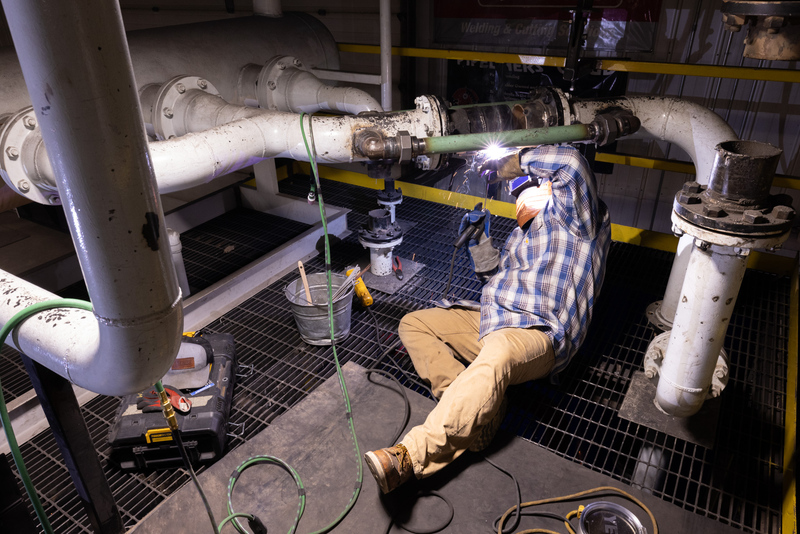
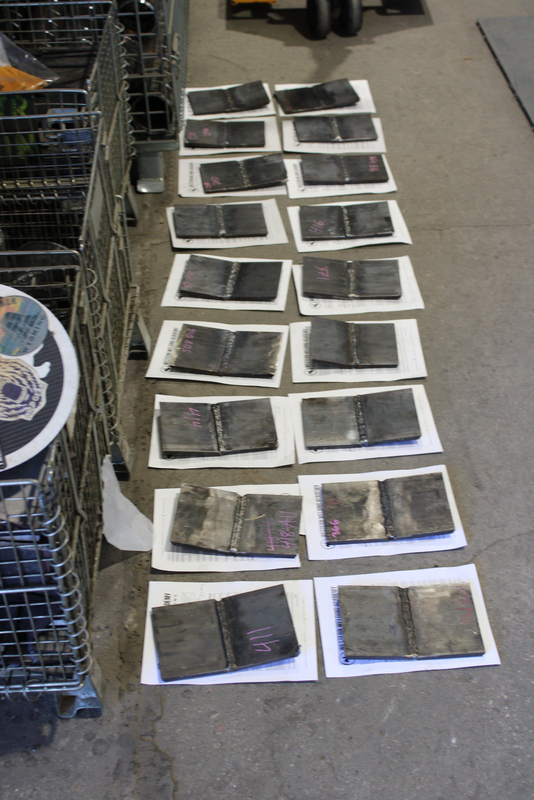
Testing accountability. Pipeline welds get X rayed, bend tested, nick break tested, and sometimes destructively tested to failure. A good welder's work gets visual inspection and maybe a basic pass or fail check. A pipeline welder's work gets examined at a level that reveals internal defects invisible to the naked eye. Every weld must pass. There is no rework on a buried pipeline.
Cross from good welder to pipeline qualified. Apply now or call (307) 284-5313.
The Earnings Gap Between Good and Pipeline
The difference in qualification shows up directly in the paycheck. General welding pays $35,000 to $65,000 per year. Pipeline welding pays $60,000 to $125,000 per year. That is not a modest bump. It is a different income bracket that changes how a welder lives.
The earnings gap exists because pipeline work carries higher stakes, requires documented certifications, and has a smaller qualified labor pool. The 330,000 welder deficit projected by 2028 makes pipeline welders even more valuable. Contractors compete for certified pipeline welders. They do not compete for good general welders the same way.
Here are verified paychecks from Western Welding Academy graduates who crossed from general welding to pipeline careers.
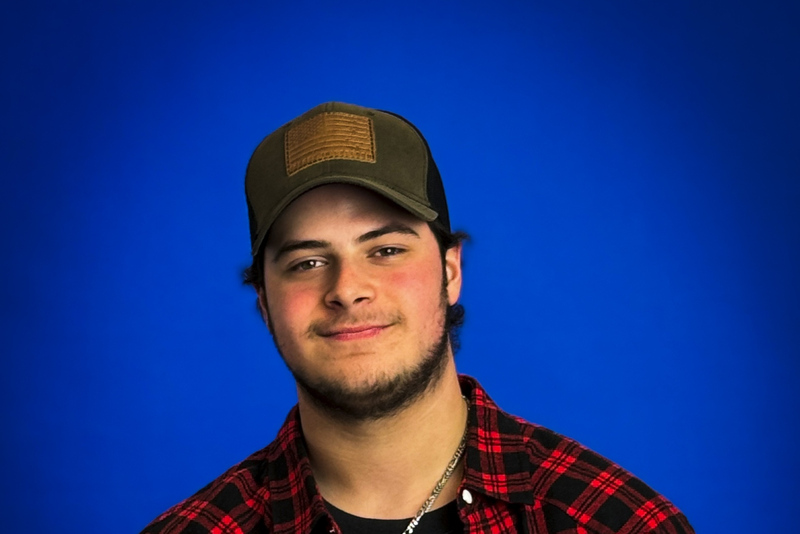
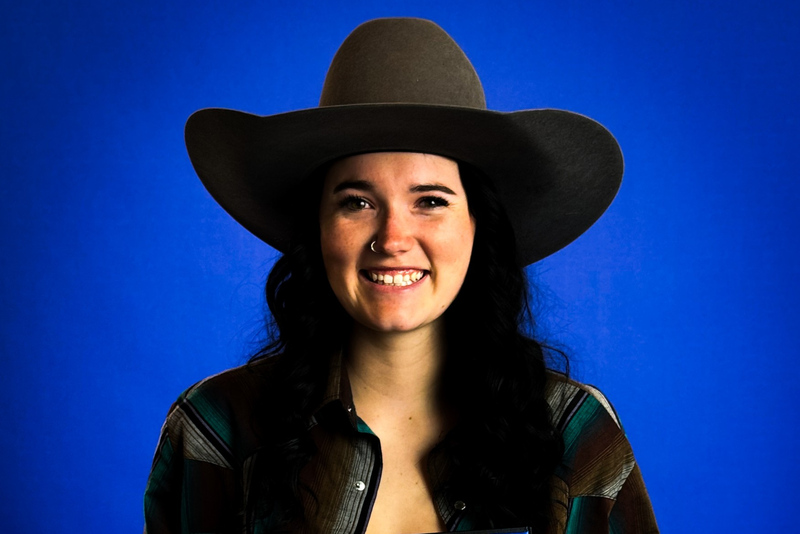
Leyton Wagner earned $4,514 on a single paycheck after completing the Expert Pipe Welder program at Western Welding Academy. That figure is published on the school's website. Gavin Walden posted a $3,986 paycheck on social media. David Smolek shared his $3,417 paycheck publicly.
Noah started clearing $4,800 per week right out of welding school. Hank reached $150,000 per year at age 21. These are not outliers. They are the normal outcome for welders who earn the certifications that pipeline employers require.
How Western Welding Academy Bridges the Gap
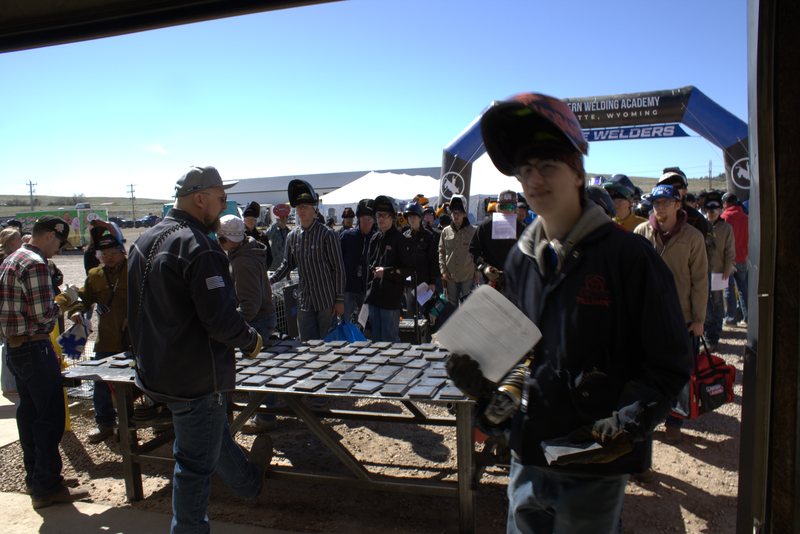
Western Welding Academy in Gillette, Wyoming is built specifically to take welders from wherever they stand and qualify them for pipeline work. The programs do not assume you are starting from zero. They assess your current skills and build pipe specific capability on top of what you already have.
The Foundational Pipe Welder program runs 12 weeks at $7,050. It covers the core pipe welding skills and earns API 1104 and 6G certifications. For a good welder with solid stick skills and position experience, this is the fastest path to pipeline qualification.
The Professional Pipe Welder program runs 19 weeks at $13,600. It adds TIG pipe technique and ASME Section IX qualifications. This program qualifies you for both pipeline and refinery work.
The Expert Pipe Welder program runs 24 weeks at $19,800. It earns every certification that pipeline and refinery employers require, including 6GR restricted access. The Expert program maintains an 85% graduation rate compared to an industry average below 60%. Choosing the right program depends on your starting point and earning goal. The gap between good and pipeline-ready closes at a top pipe welding school where every hour is spent on pipe.
Why Good Welders Have an Advantage in Training
Good welders do not start from zero when they enter pipe training. Your hand stability, arc awareness, and work ethic transfer directly. Complete beginners at Western Welding Academy spend their first several weeks building basic arc control. You skip that phase. Your training starts at pipe specific technique from day one.
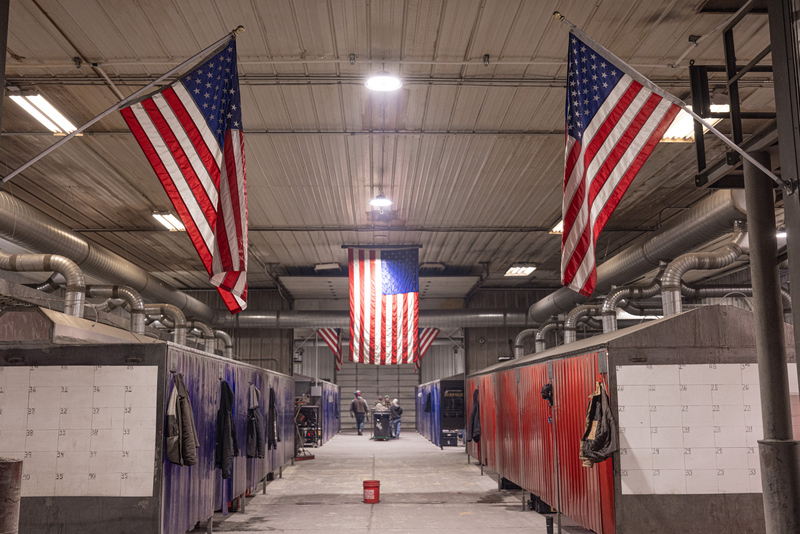
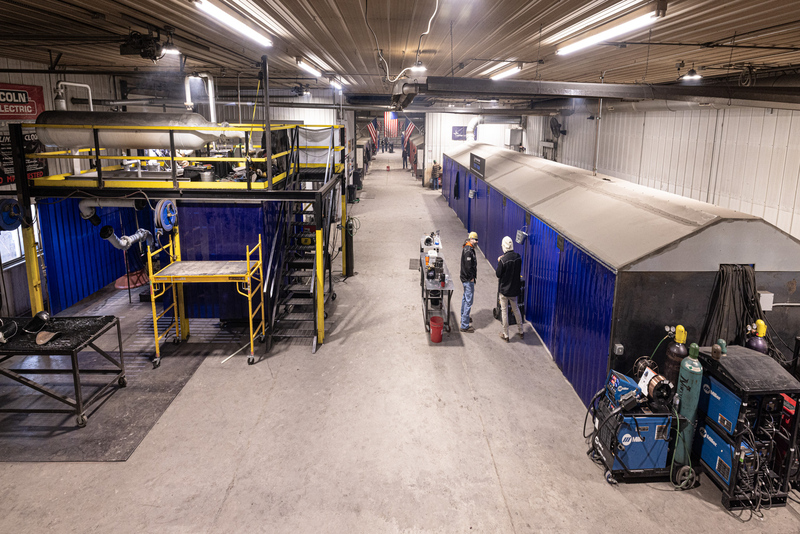
The 85% hands on booth time at 40 hours per week means roughly 34 hours per week of actual welding. For a good welder, those hours build on existing motor skills rather than creating them from scratch. The result is faster progression through the program and a shorter path to certification.
The school has graduated over 2,000 students from all 50 states. It places 94% of graduates within 90 days. The number one AWS Testing Facility in the country sits on campus. Students test in the same booths where they train. Good welders who complete the training graduate as certified pipeline welders with documented proof of their capability.
Turn good welding skills into pipeline qualifications. Apply now or call (307) 284-5313.
Frequently Asked Questions
Q1. Is a good welder automatically qualified for pipeline work?
No. Pipeline work requires specific certifications, code knowledge, and tested capability in all positions. Being a good welder means you have a strong foundation to build on. It does not mean you are pipeline qualified. The certifications and testing are separate requirements.
Q2. Can I keep doing general welding while adding pipeline certifications?
The training runs 40 hours per week with 85% booth time. That is a full time commitment. Most welders pause their current work during the 12 to 24 week program. The intensive format is what compresses years of development into weeks.
Q3. What is the biggest skill gap between good welding and pipeline welding?
Open root technique on pipe. General welding almost never requires one sided root passes with full penetration. This is the single skill that takes the most dedicated practice to develop. It is also the skill that separates pipeline welders from everyone else.
Q4. How long does it take a good welder to become pipeline certified?
At 40 hours per week with 85% booth time, good welders can earn pipeline certifications in 12 to 24 weeks depending on the program. Your existing skills accelerate the timeline compared to complete beginners who need foundational training first.
Q5. Do pipeline employers care about my general welding experience?
They value it as background but they hire on certifications. A welder with 2 years of experience and API 1104 plus 6G certifications will get hired over a welder with 15 years of experience and no pipe certifications. The certifications prove capability. The experience is supplementary.
Q6. What makes Western Welding Academy different from other welding schools?
The school runs 85% hands on booth time at 40 hours per week, maintains an 85% Expert graduation rate compared to an industry average below 60%, places 94% of graduates within 90 days, and operates the number one AWS Testing Facility in the country. Over 2,000 graduates from all 50 states have completed training in Gillette, Wyoming.
Go From Good Welder to Pipeline Qualified
You already know how to weld. Now earn the certifications that prove it at the pipeline level. Call Western Welding Academy at (307) 284-5313 or apply now to make the jump from good welder to pipeline qualified.

.jpg)

.jpg)


.jpg)
.jpg)
.jpg)
.jpg)
.jpg)
-thumbnail.jpg)

.jpg)