Stick Welding (SMAW): The Backbone of Pipeline Work
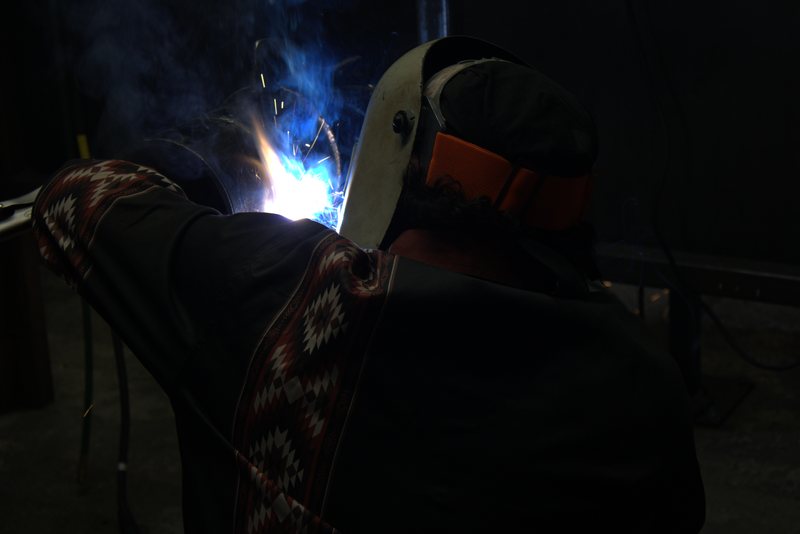
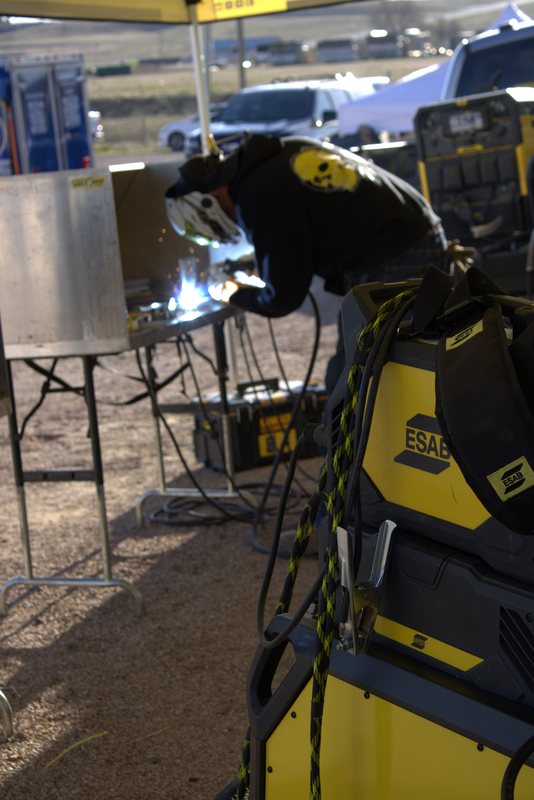
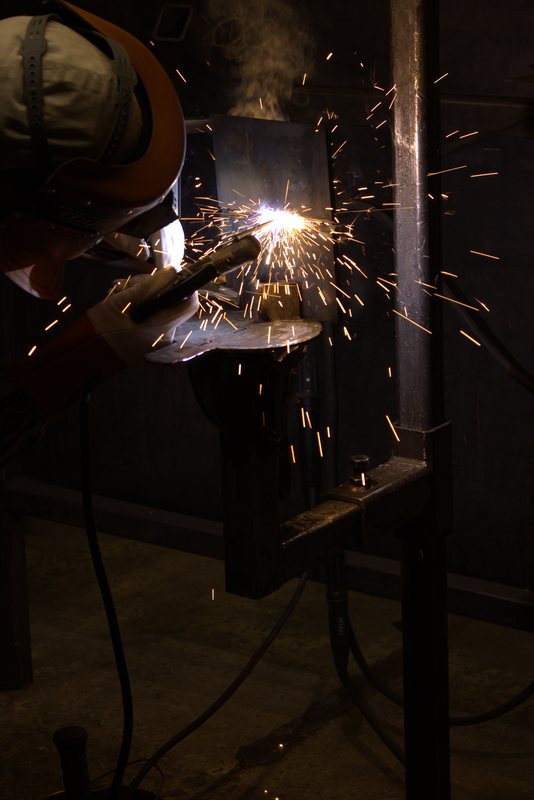
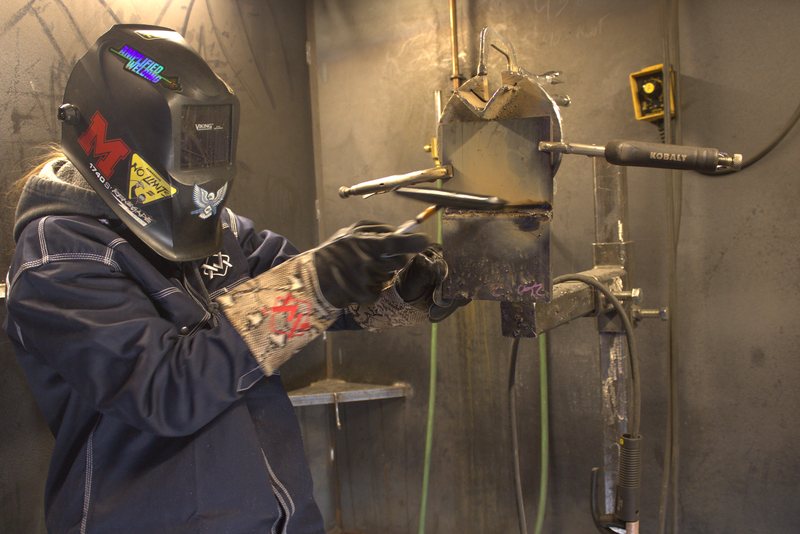
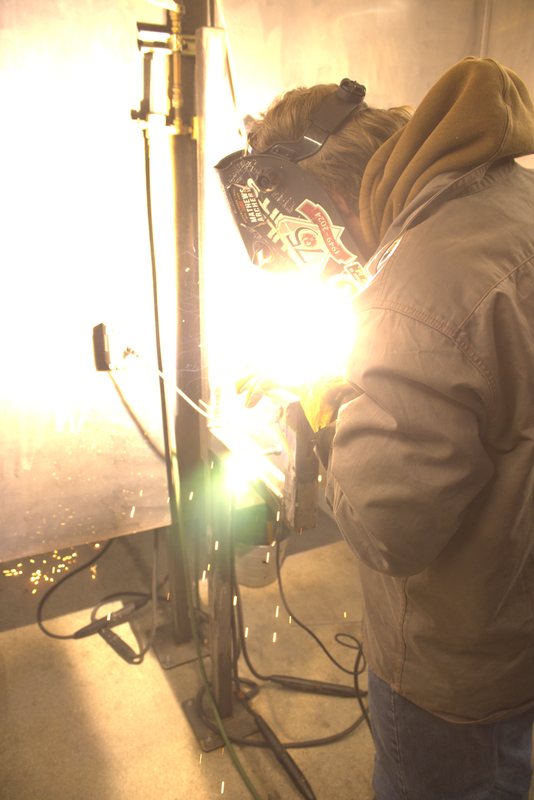
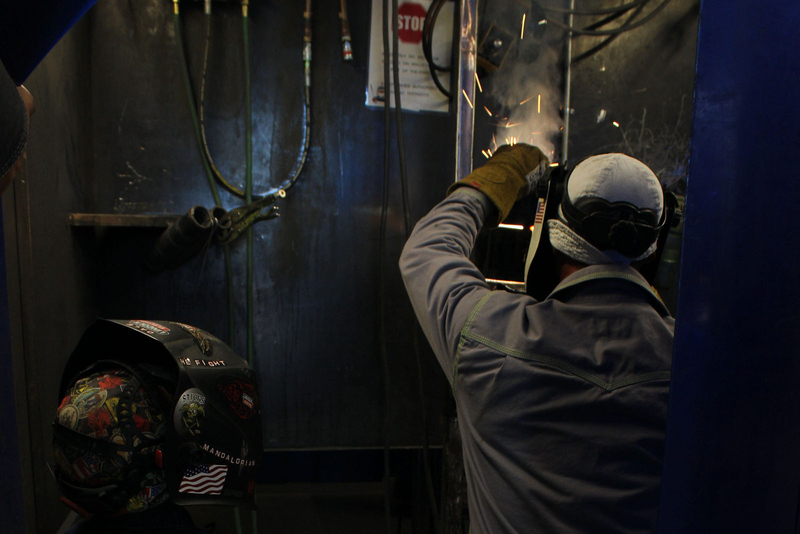
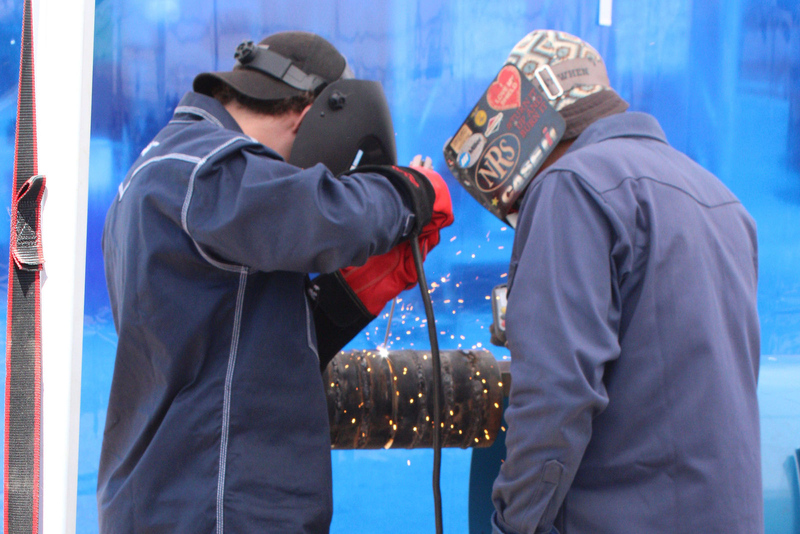
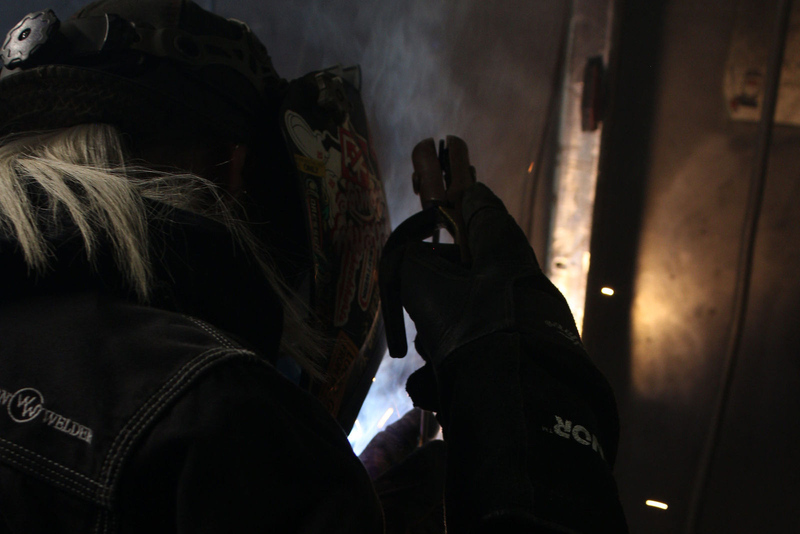
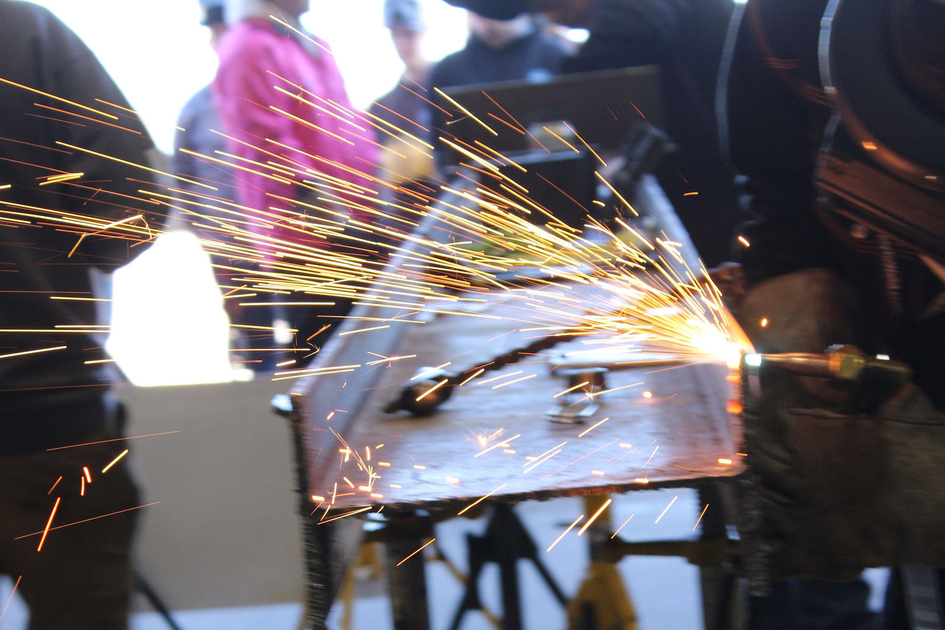
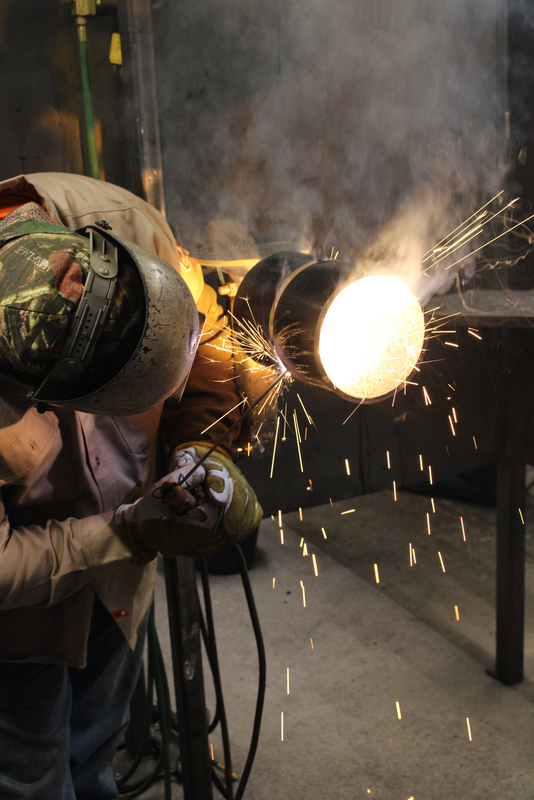
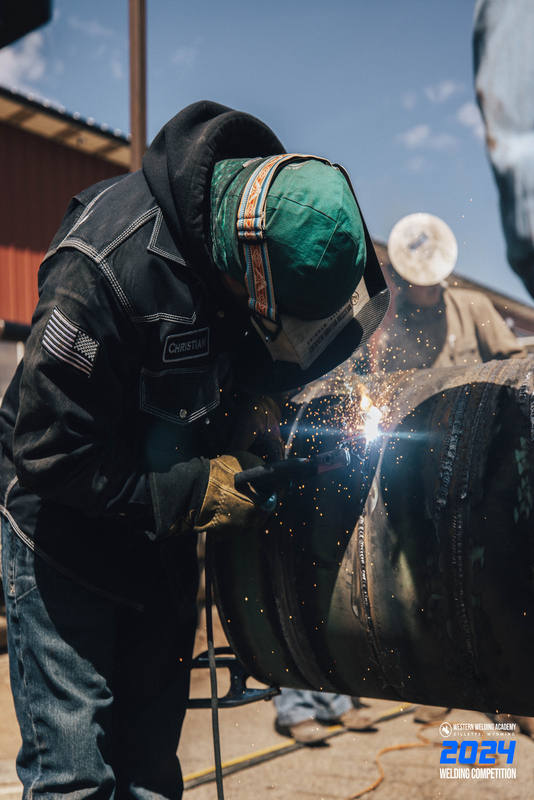
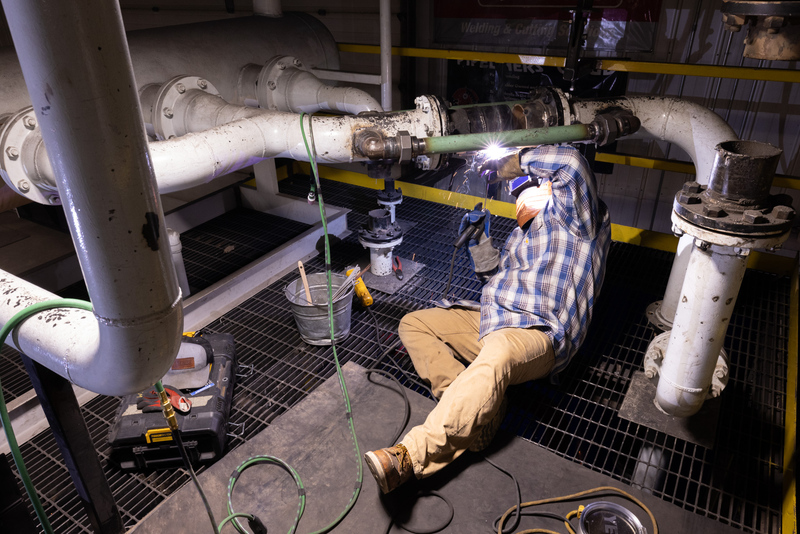
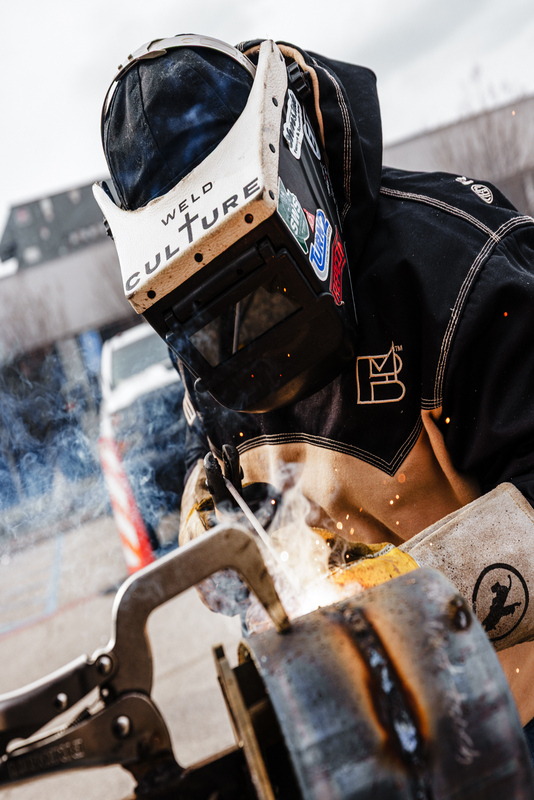
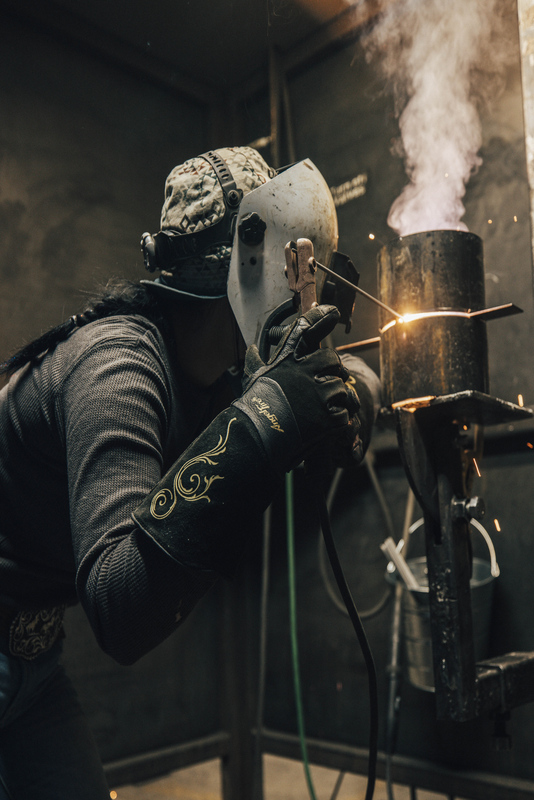
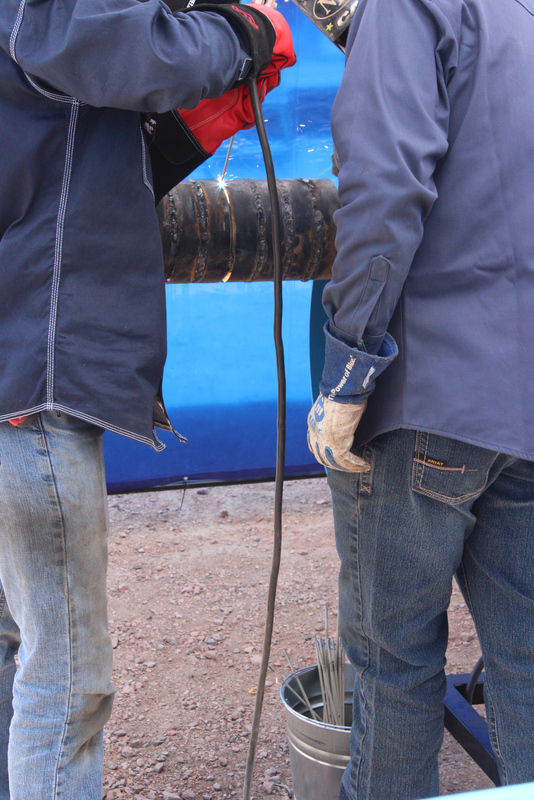
Stick welding is the most common process on pipeline construction. The E6010 electrode is the standard for downhill root passes on cross-country pipeline because it produces deep penetration with a fast-freeze arc that works in all positions. E7018 electrodes handle fill and cap passes where higher tensile strength and low hydrogen content are required. Stick welding requires no shielding gas, which makes it ideal for the open-air, remote locations where pipelines are built.
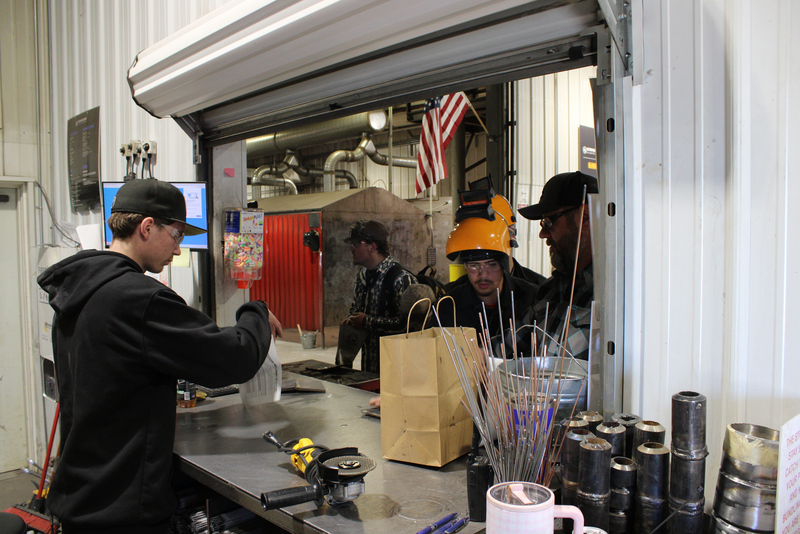
A pipeline welder running stick typically uses a diesel-powered engine-driven welder (like a Lincoln SA-200, Pipeworx 400, or Miller Big Blue) mounted on a welding truck. These machines produce the stable DC output and high open-circuit voltage that E6010 electrodes demand. The welder's truck is their mobile shop, carrying the machine, electrodes, tools, and PPE to each joint location. Read the complete beginner's guide to stick welding.
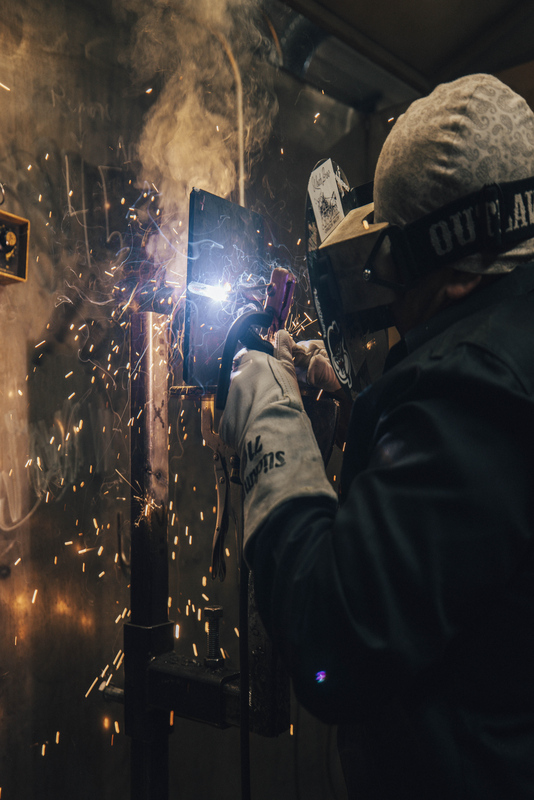
TIG Welding (GTAW): Precision Root Passes
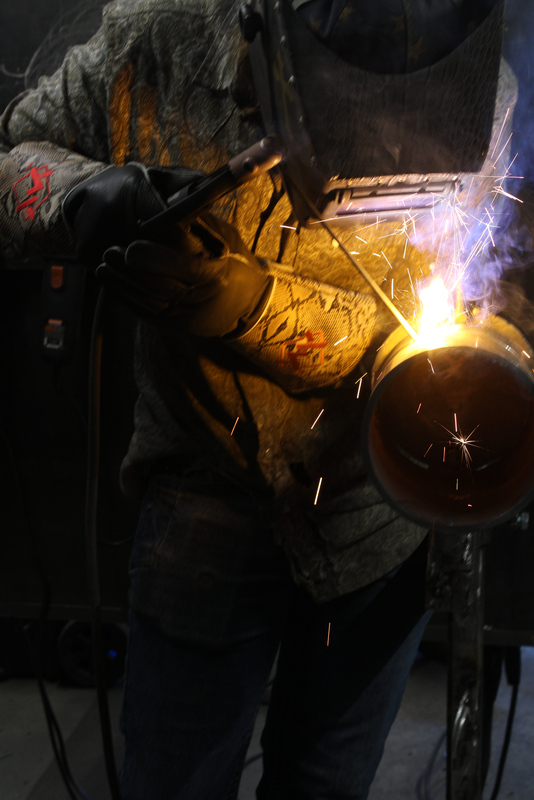
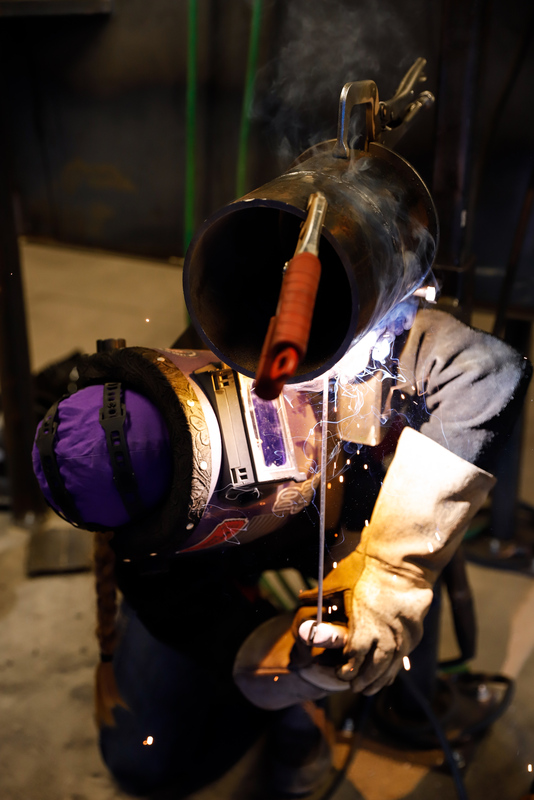
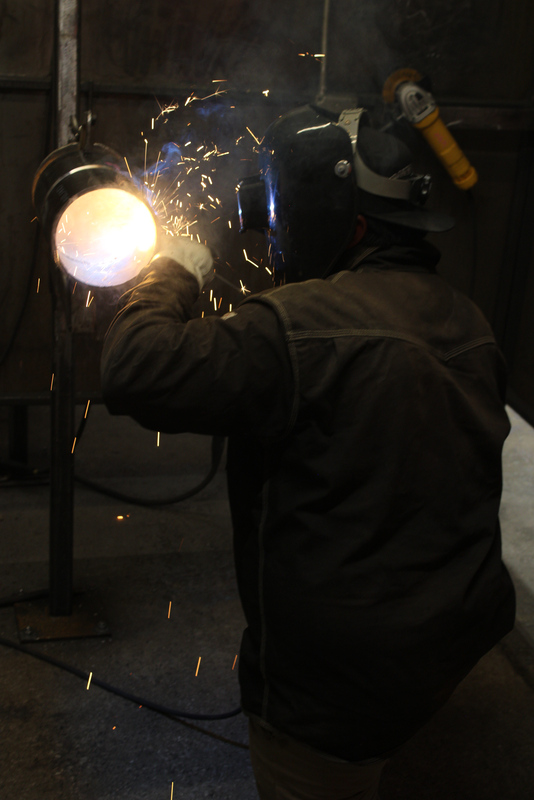
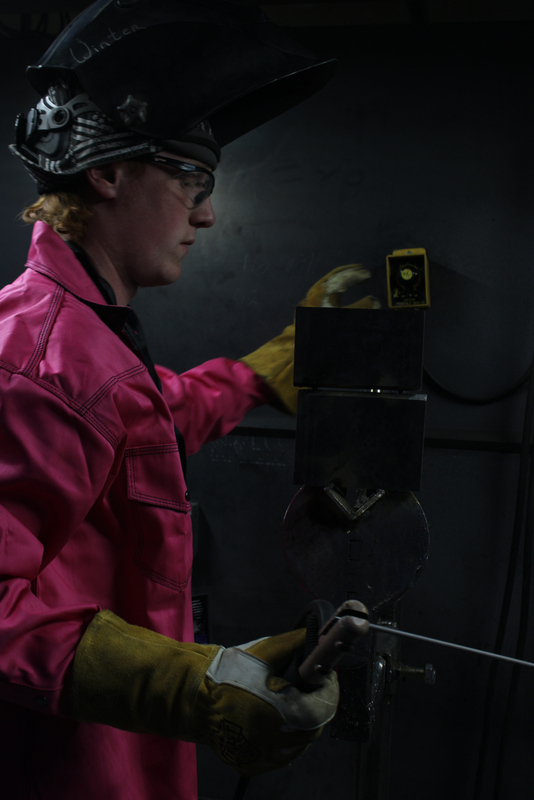
TIG welding is used on pipeline joints where root pass quality must meet the strictest inspection standards. High-pressure natural gas transmission lines, offshore risers, and nuclear piping often specify TIG root passes with stick fill and cap. TIG produces a clean, fully penetrated root with smooth interior surfaces that resist corrosion and pass radiographic inspection consistently.
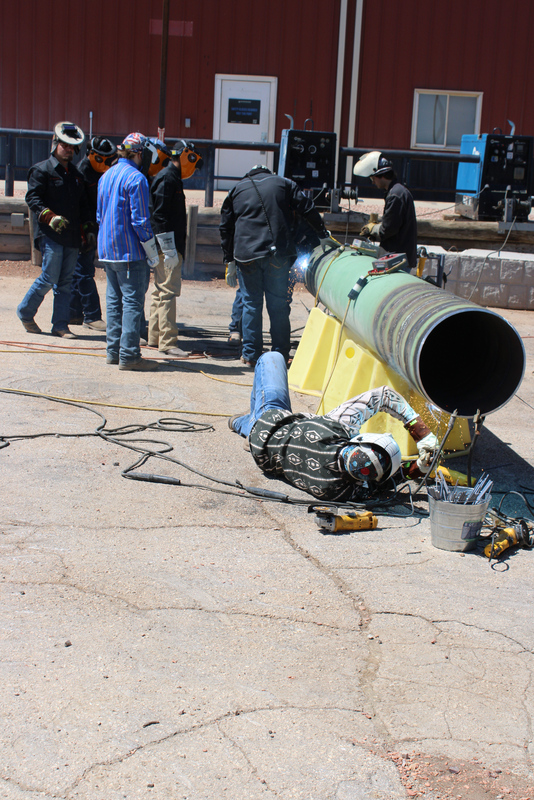
The combination of TIG root with stick fill and cap is called a "combo" procedure and is one of the most common pipeline welding qualification tests. Welders who can pass a 6G combo test (TIG root + stick fill/cap on a fixed 45-degree pipe) are qualified for the highest-paying pipeline positions. Learn how TIG skills connect to orbital welding careers.
Ready to launch your welding career? Apply now or call Western Welding Academy at (307) 284-5313 today.
Mechanized and Semi-Automatic Processes on Large Pipe
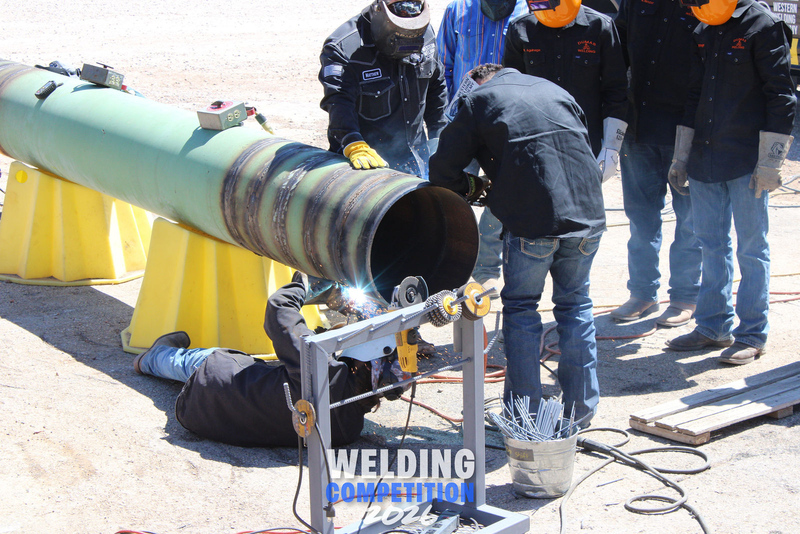
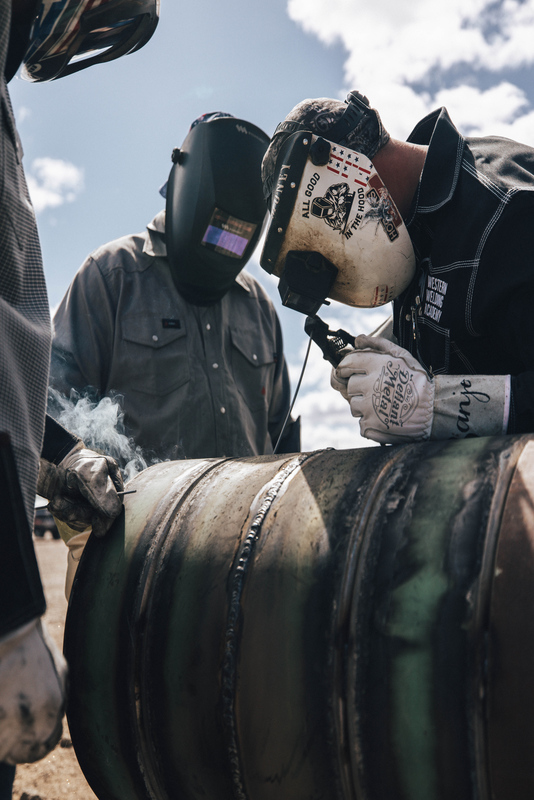
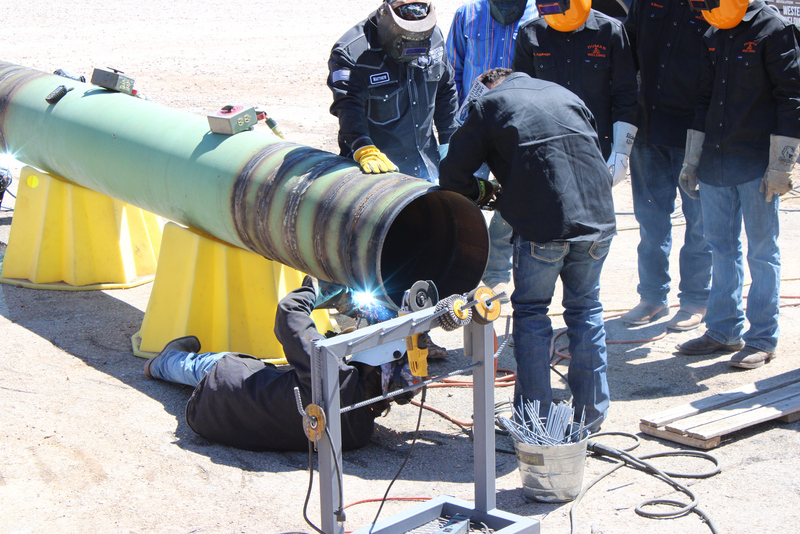
On large-diameter mainline pipeline (24 inches and up), contractors use mechanized welding systems that travel around the pipe on a track (bug and band systems). These systems use GMAW (MIG) or FCAW processes with automated travel speed and wire feed to produce consistent fill and cap passes at high deposition rates. The root pass may still be done manually with stick or TIG, but the fill and cap are automated for speed and consistency.
Mechanized pipeline welding requires operators who understand the underlying manual processes. If the machine encounters a problem, the operator must troubleshoot based on welding knowledge, not just machine operation. Welders who start with strong manual stick and TIG skills transition into mechanized roles with higher pay and less physical demand.
| Process | Pipeline Application | Key Electrode/Wire | Code |
|---|---|---|---|
| Stick (SMAW) | Root, fill, cap (most common) | E6010 (root), E7018 (fill/cap) | API 1104 |
| TIG (GTAW) | Precision root passes | ER70S-2 / ER70S-6 | API 1104 |
| Mechanized MIG (GMAW) | Fill/cap on large diameter | ER70S-6 solid wire | API 1104 |
| FCAW | High-deposition fill passes | E71T-1 / E71T-8 | API 1104 |
| WWA Training | All processes on pipe, 85% booth time, 94% hire rate, pipeline-ready | ||
What Pipeline Welders Earn
Pipeline welders earn $65,000 to $150,000 per year depending on certification level, location, and project type. Day rates for skilled pipeline welders range from $250 to $500 per day plus per diem. Shutdown and turnaround work at refineries pays premium rates during compressed schedules. North Slope Alaska work, Gulf Coast offshore, and cross-country transmission projects consistently offer the highest compensation.
How Western Welding Academy Prepares Pipeline Welders
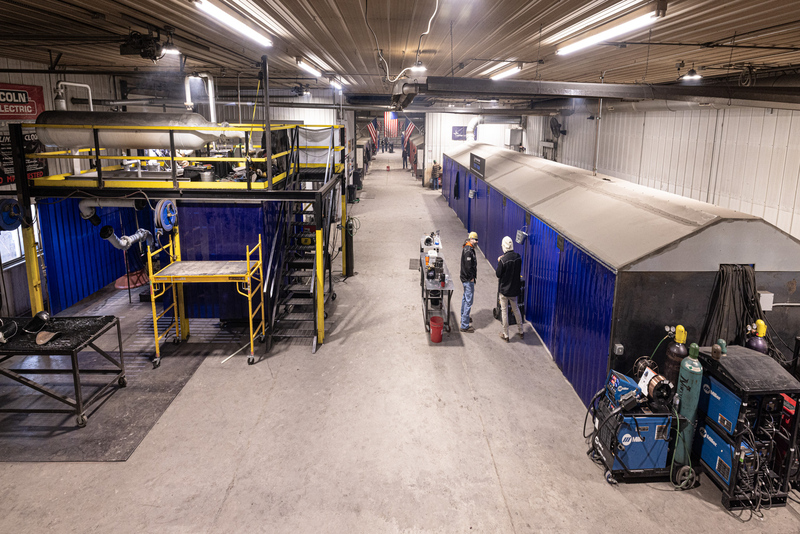
Western Welding Academy trains students on stick, TIG, MIG, and flux-core pipe welding with 85 percent booth time. The Professional Pipe Welder program runs 19 weeks at $27,600. The Expert Pipe Welder program runs 24 weeks at $35,800. Both programs build the multi-process pipe skills that API 1104 pipeline tests demand.
The school holds a 94 percent hire rate within 90 days, verified by a 234-alumni survey. With 2,000 graduates, 330 combined instructor years, and the number one AWS Accredited Testing Facility ranking, Western Welding Academy produces pipeline-ready welders. See what pipe welders earn across the country.
What Western Welding Academy Graduates Earn
Graduates of Western Welding Academy earn verified paychecks from pipeline and energy work.
Source: WWA website (Leyton, Gavin, David). Graduate outcomes tracking (Noah, Hank).
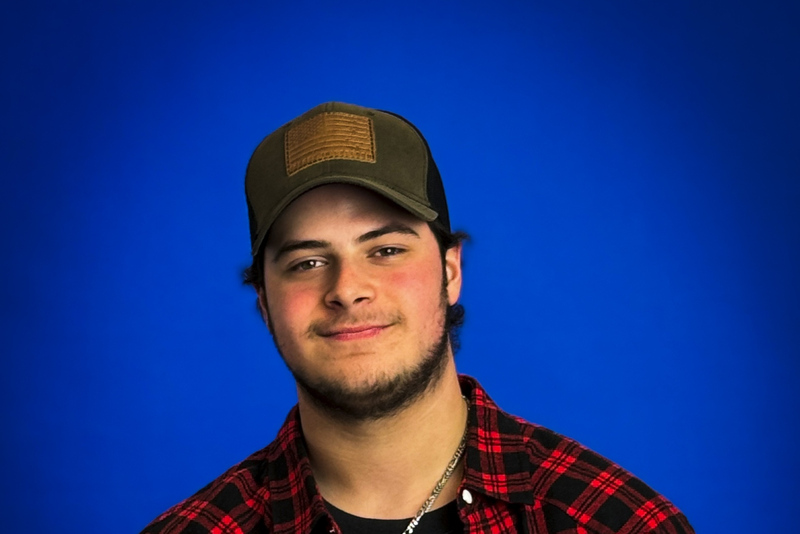
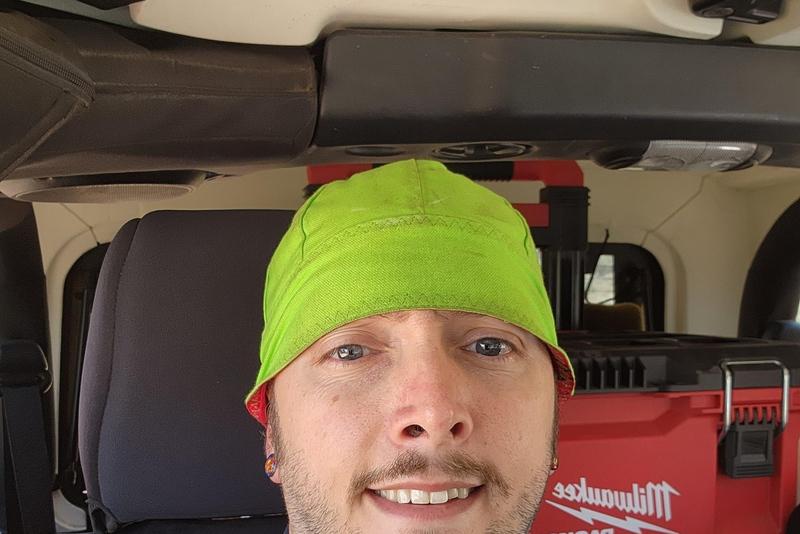
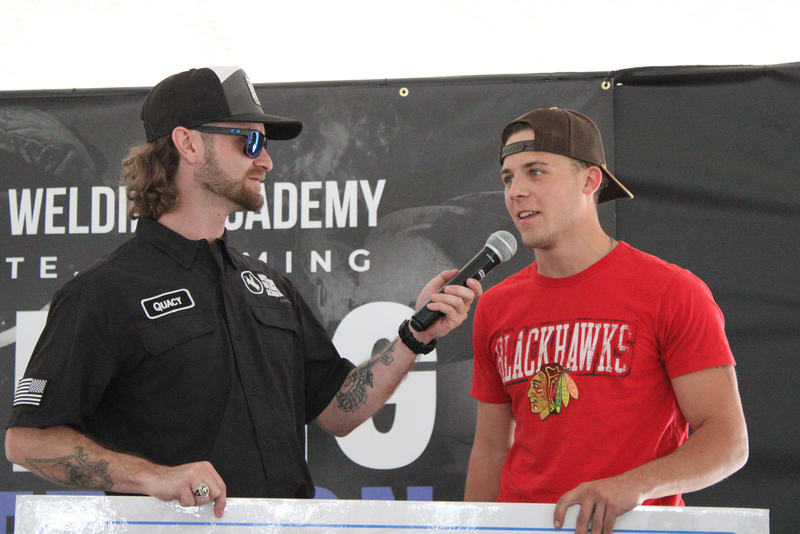
Leyton Wagner earns $4,514 per paycheck. Gavin Walden takes home $3,986. David Smolek earns $3,417. Noah clears $2,800 per week on the North Slope in Alaska doing pipeline work. Hank reached $150,000 per year by age 21.
Ready to launch your welding career? Apply now or call Western Welding Academy at (307) 284-5313 today.
Frequently Asked Questions
Q1. What welding process is most common on pipelines?
Stick welding (SMAW) with E6010 and E7018 electrodes is the most common manual process on pipeline construction. TIG (GTAW) is used for precision root passes on critical joints. Mechanized GMAW and FCAW systems handle fill and cap passes on large-diameter mainline pipe.
Q2. What welding machine do pipeline welders use?
Pipeline welders use diesel-powered engine-driven welders mounted on welding trucks. Lincoln SA-200, Lincoln Pipeworx 400, and Miller Big Blue are common models. These machines provide stable DC output with high open-circuit voltage needed for cellulosic electrodes like E6010.
Q3. What code covers pipeline welding?
API 1104 is the primary code for welding on pipelines and related facilities. It covers qualification testing, welding procedures, and inspection requirements for both manual and mechanized pipeline welding.
Q4. How much do pipeline welders make?
Pipeline welders earn $65,000 to $150,000 per year. Day rates range from $250 to $500 plus per diem. Compensation depends on certification level, location, project type, and whether the work involves overtime or hazard pay.
Q5. What is a 6G combo weld test?
A 6G combo test requires welding a pipe joint fixed at 45 degrees using TIG for the root pass and stick for fill and cap passes. It is the most common and most challenging pipeline welding qualification test. Passing it qualifies you for the highest-paying pipeline positions.
Q6. What makes Western Welding Academy different from other welding schools?
Western Welding Academy delivers 85 percent hands-on booth time across stick, TIG, MIG, and flux-core pipe welding. The school prepares students for API 1104 and AWS certification tests. With a 94 percent hire rate within 90 days, 2,000 graduates, and the number one AWS Accredited Testing Facility, the school produces pipeline-ready welders.
Build Pipeline Welding Skills That Get You Hired
Pipeline welding starts with stick and TIG on pipe. The right training gets you there in weeks. Call Western Welding Academy at (307) 284-5313 or apply now to start your path to pipeline pay.

.jpg)


.jpg)


.jpg)
.jpg)
.jpg)
.jpg)
.jpg)
-thumbnail.jpg)

.jpg)