Personal Protective Equipment You Must Own
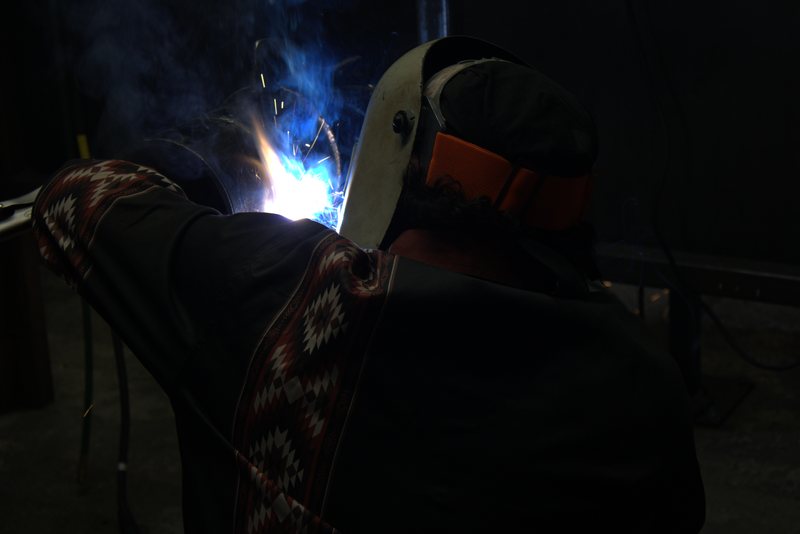
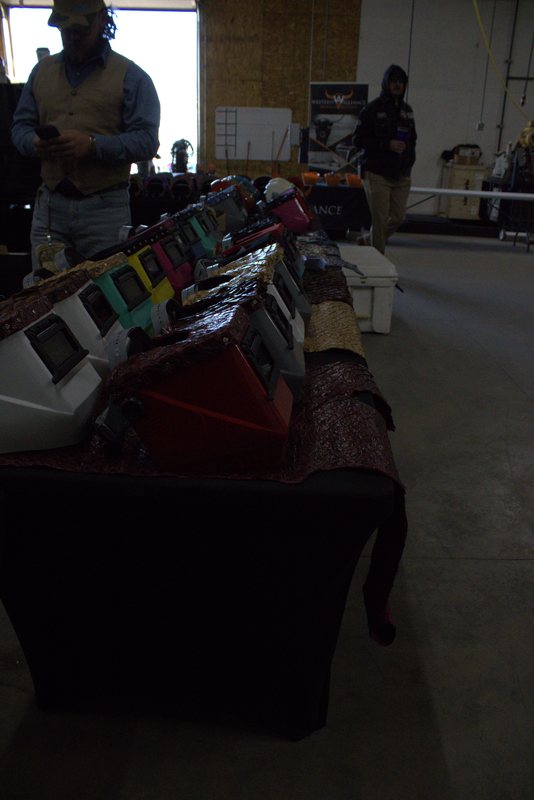
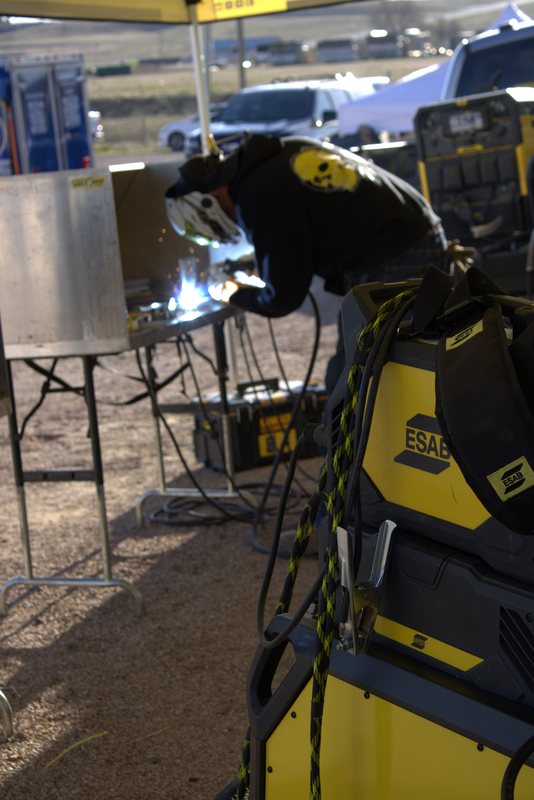
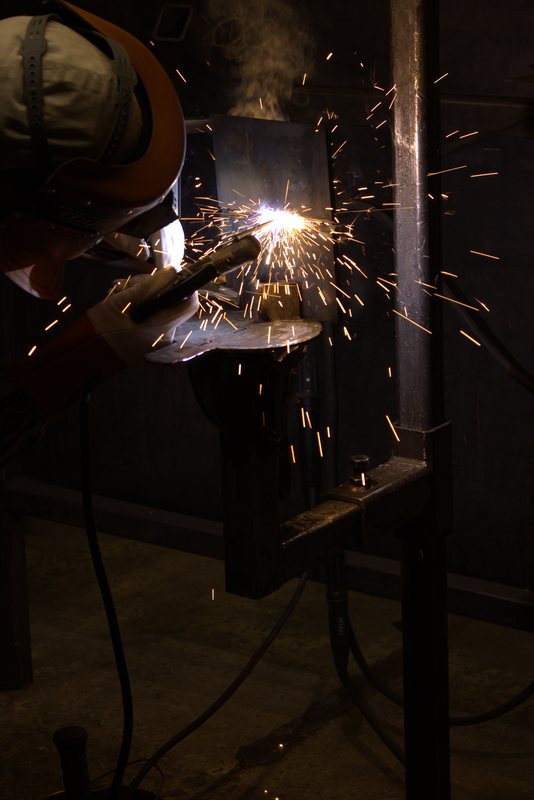
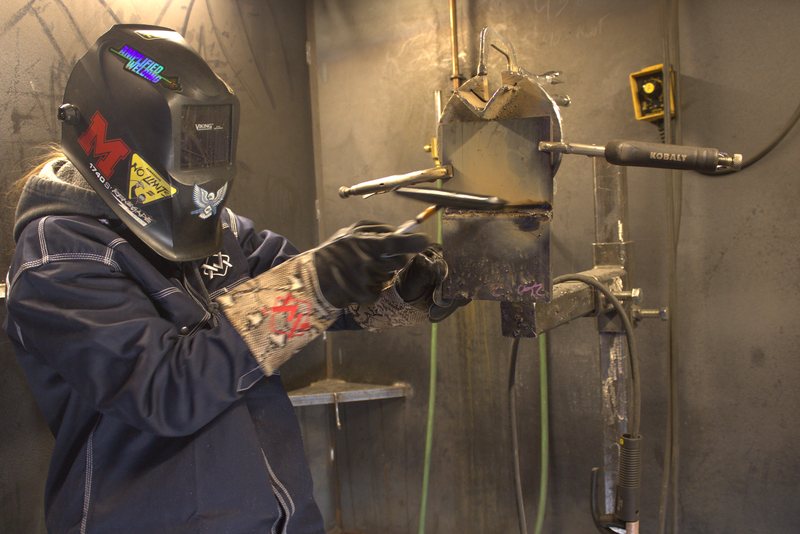
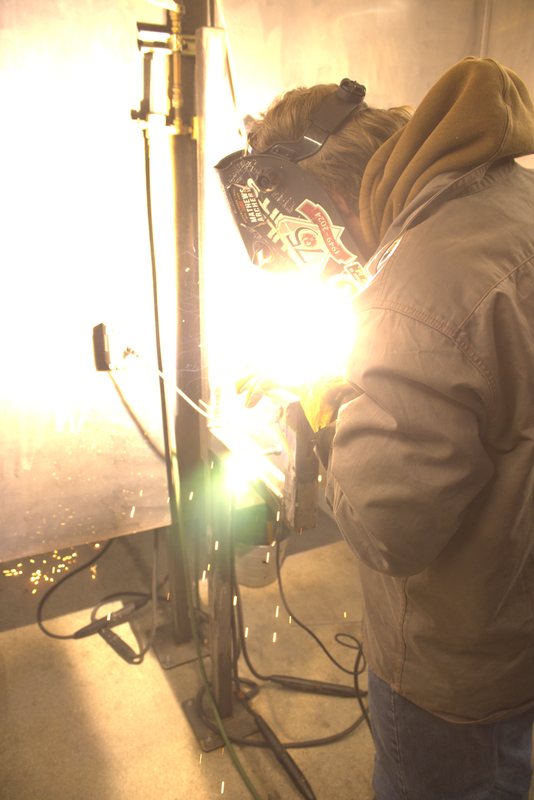
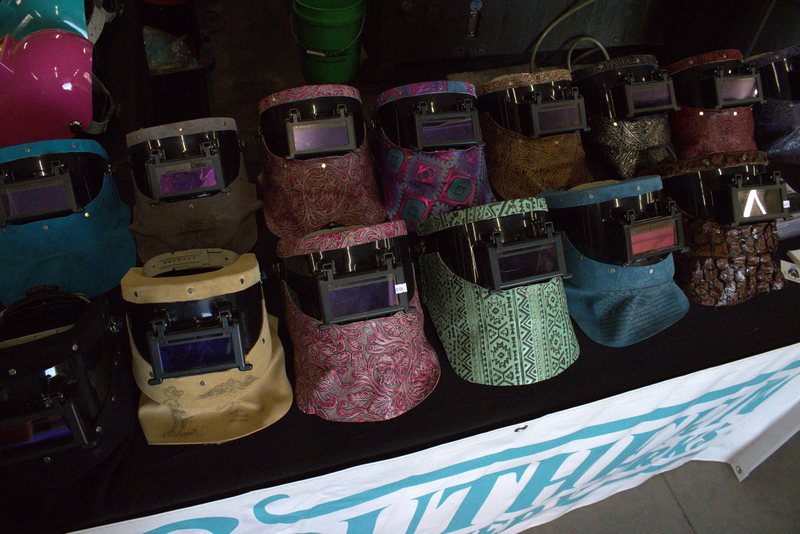
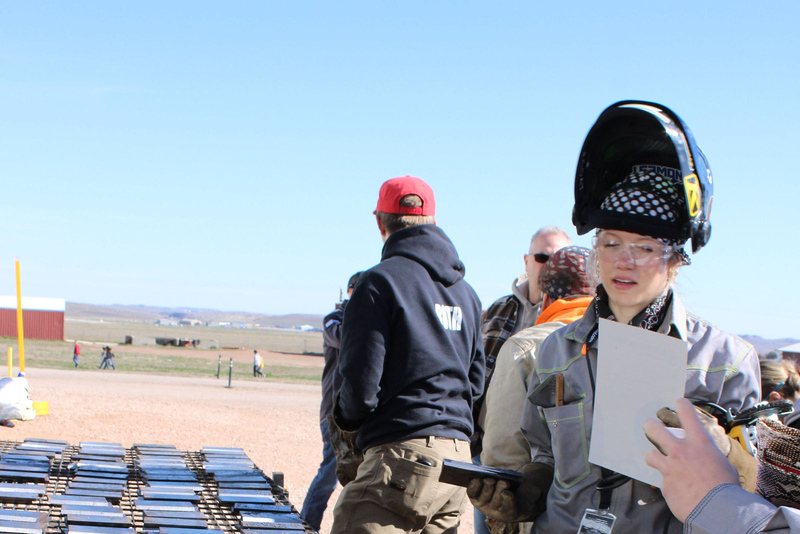
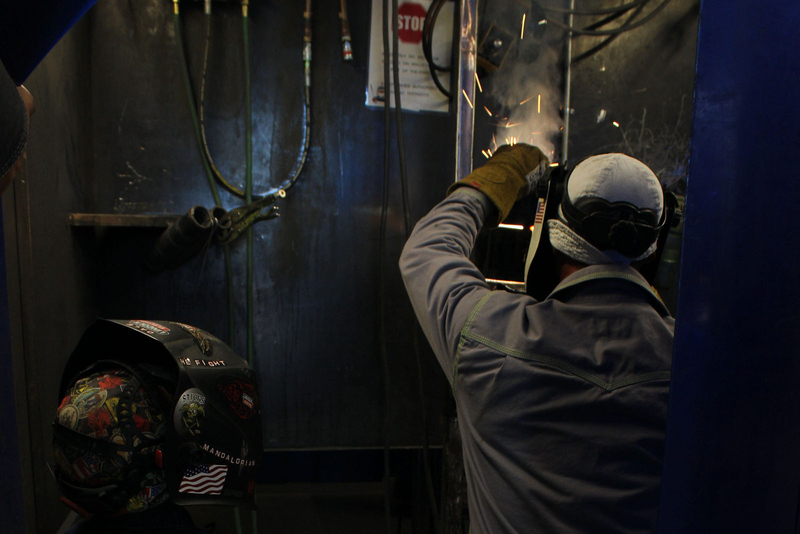
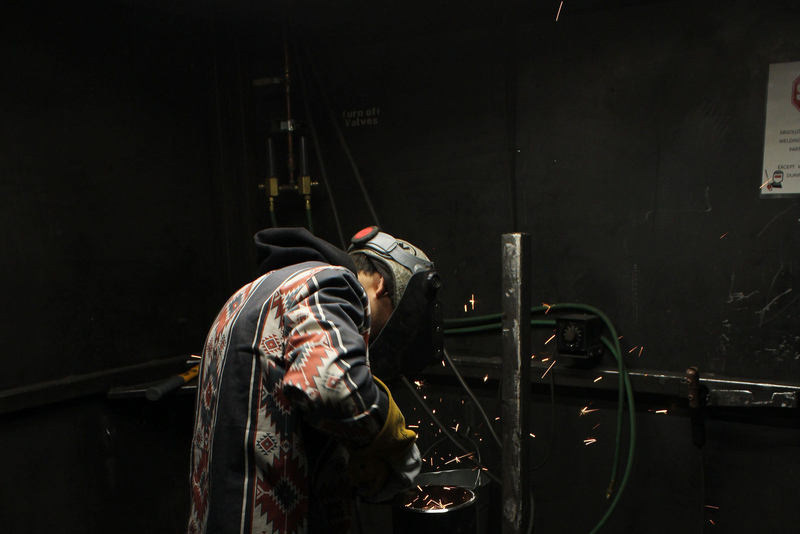
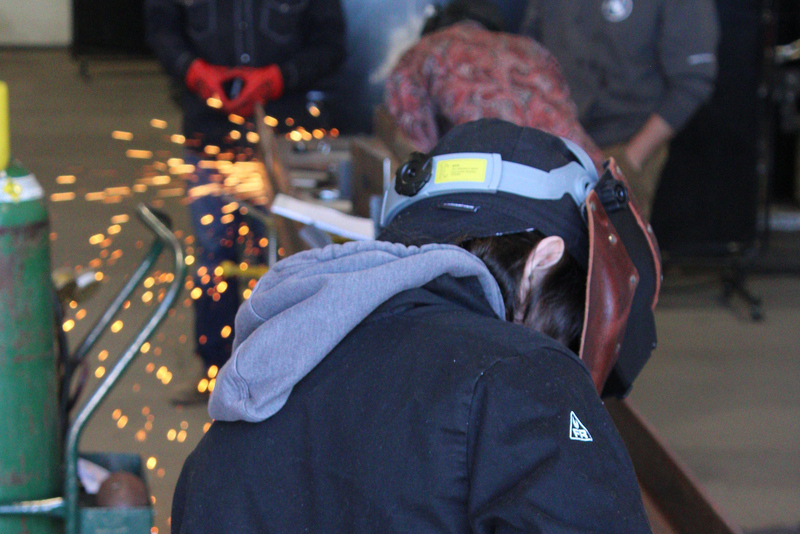
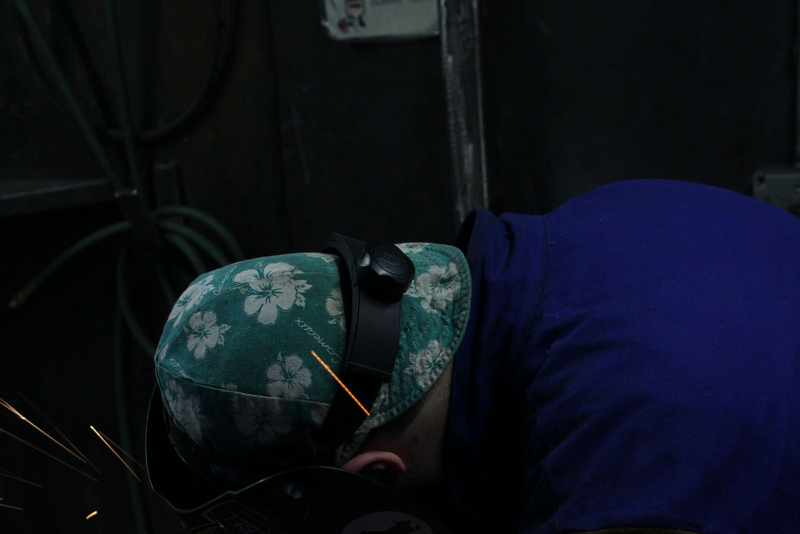
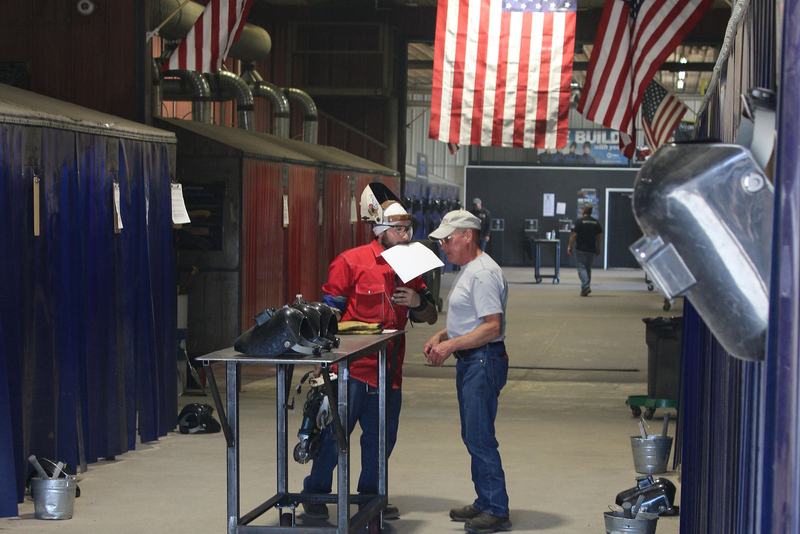
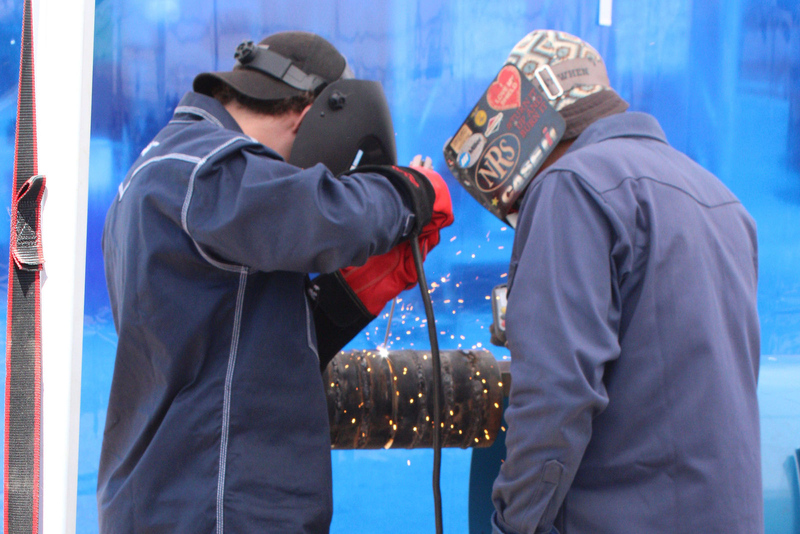
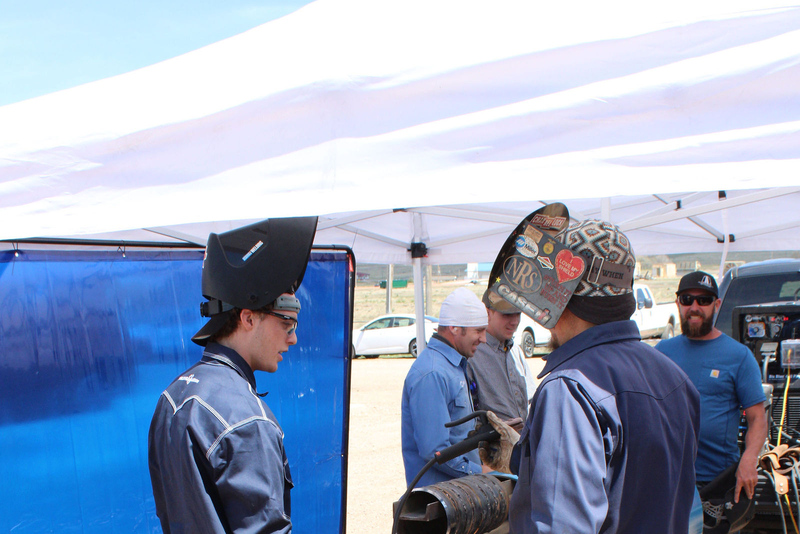
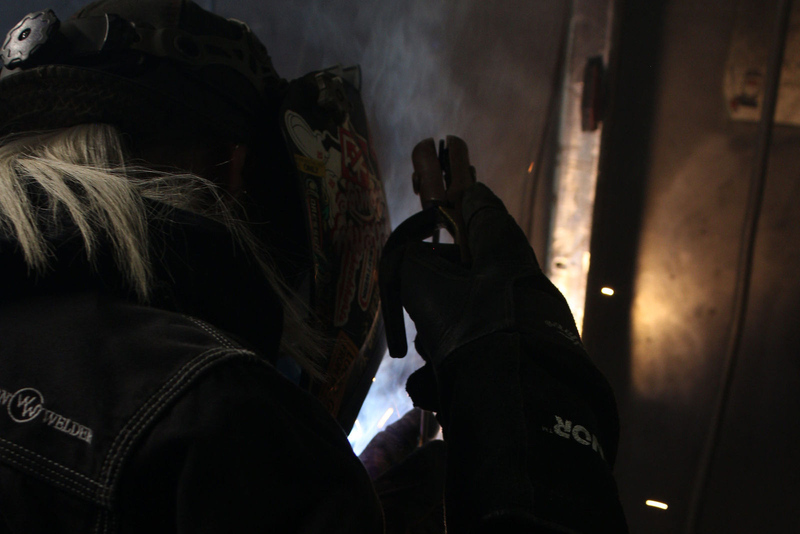
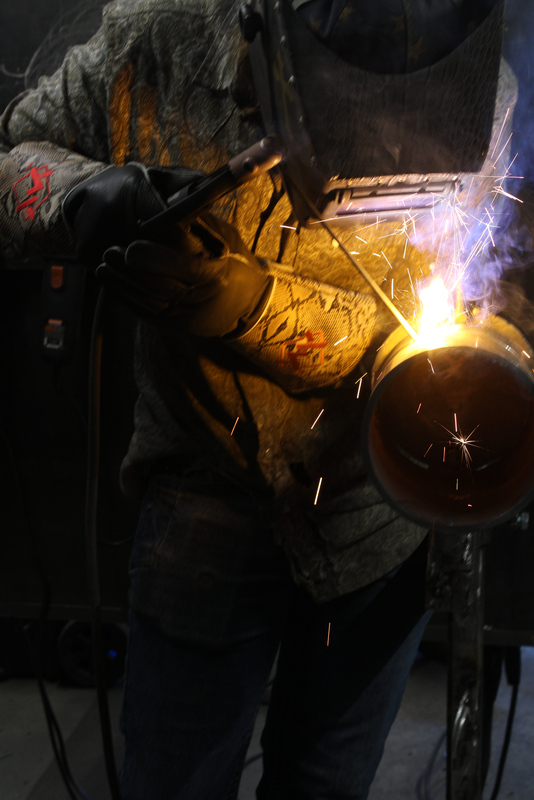
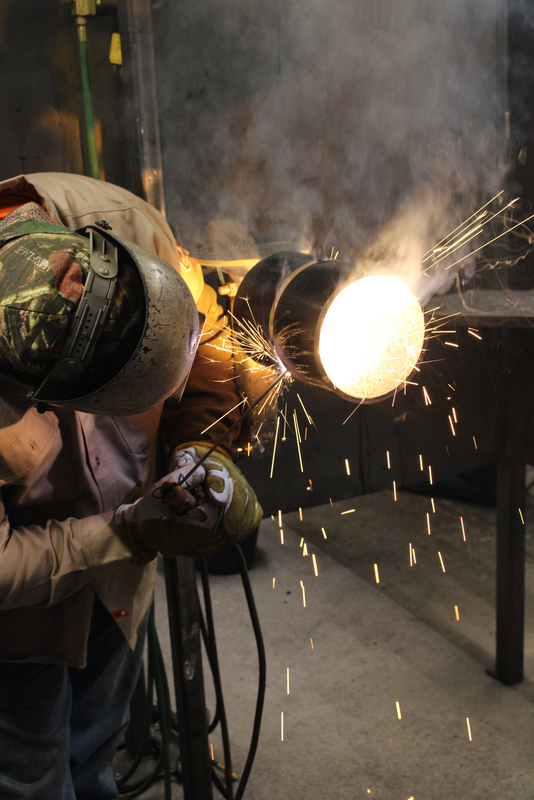
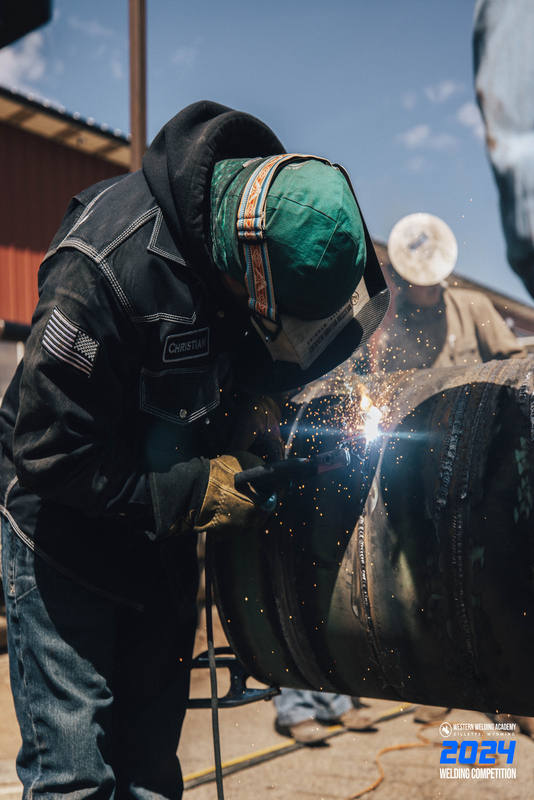
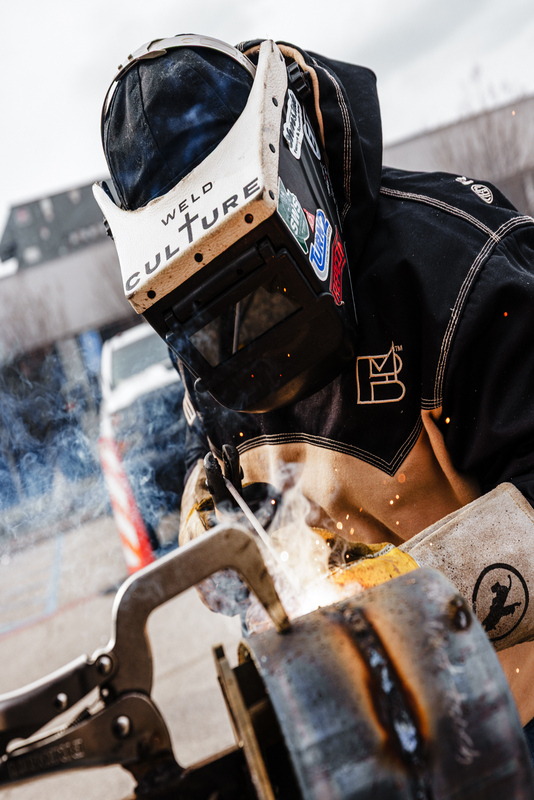
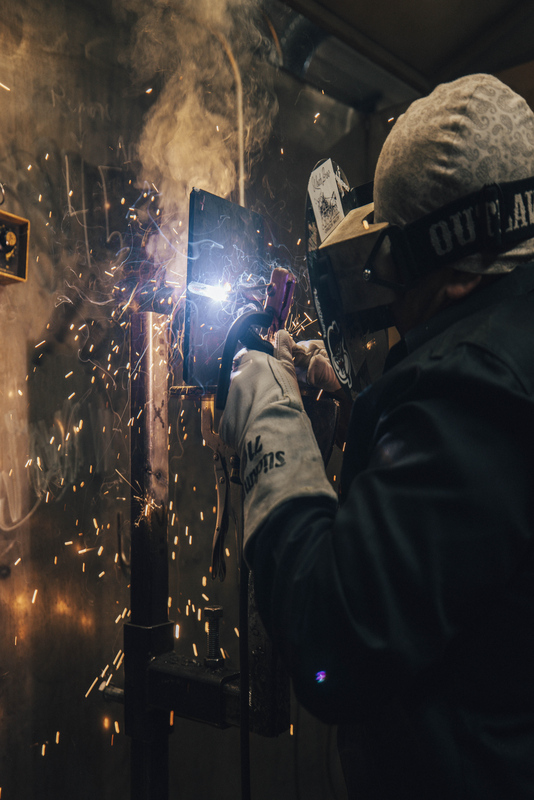
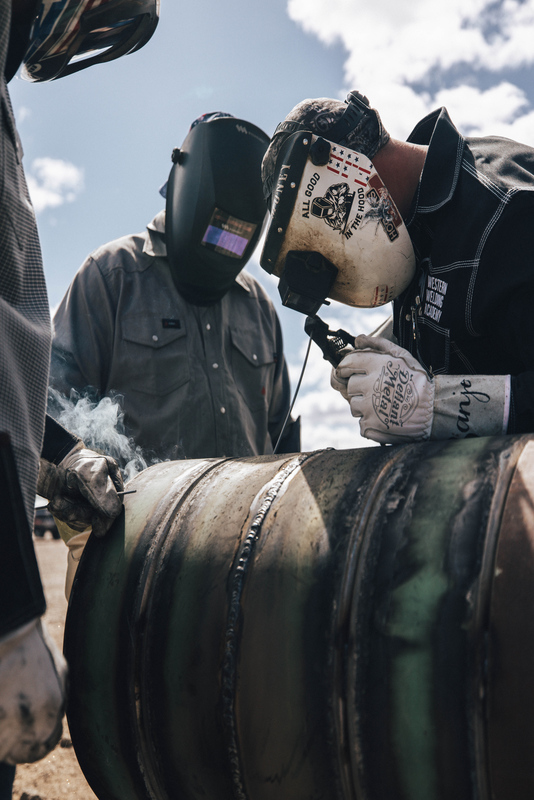
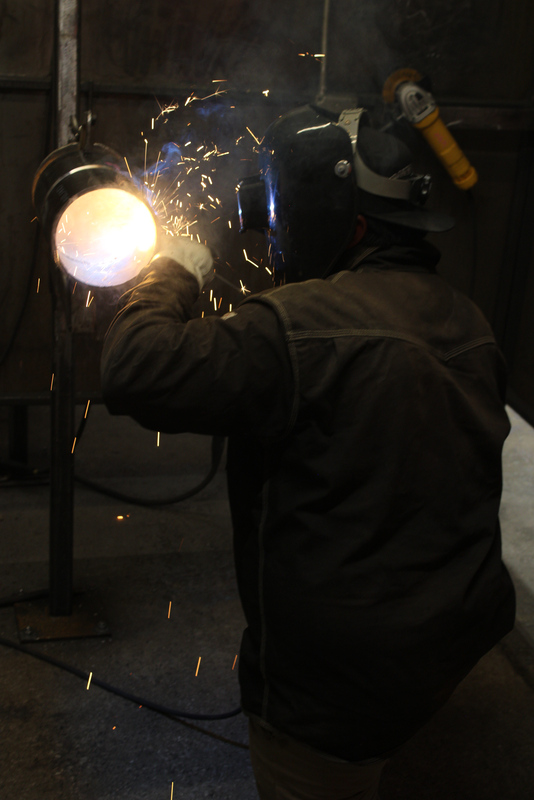
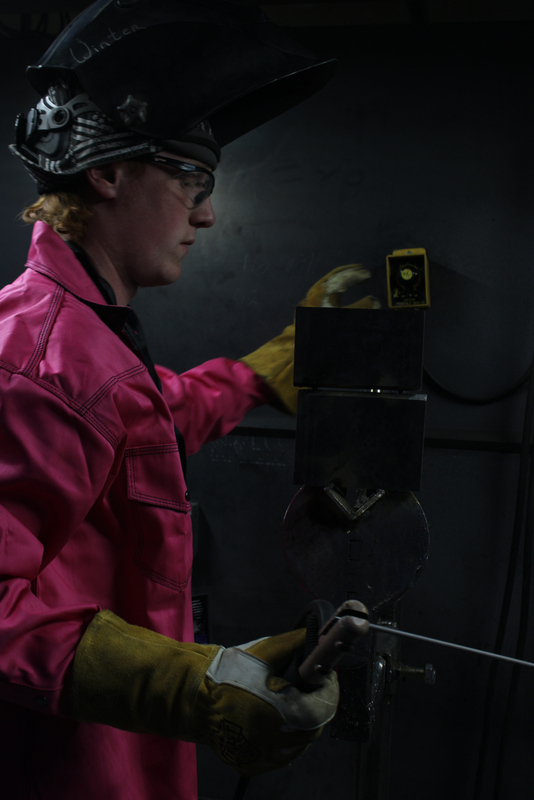
An auto-darkening welding helmet is the single most important purchase. Budget helmets start around $50, but a quality unit from Miller, Lincoln, or ESAB in the $150 to $350 range lasts longer, reacts faster, and provides clearer optics. Your helmet protects your eyes from UV and infrared radiation every time you strike an arc. A cheap helmet with slow reaction time exposes your eyes to flash damage repeatedly.
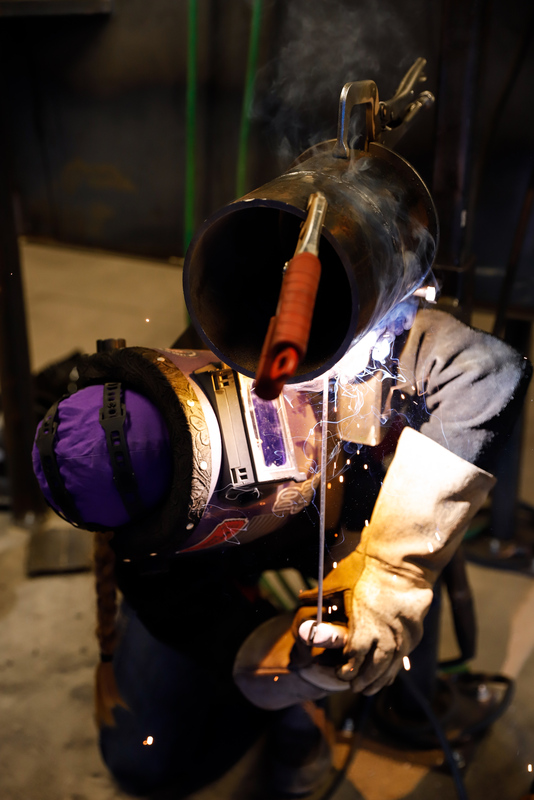
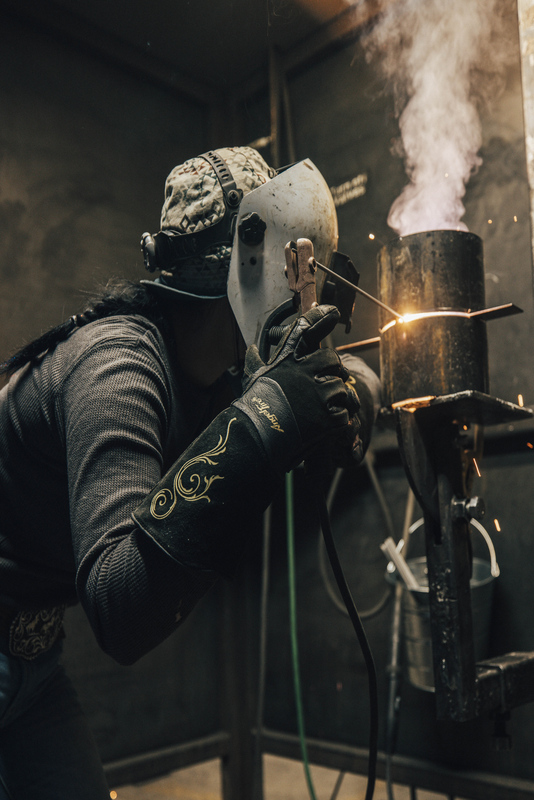
Safety glasses with side shields are required under your helmet at all times. These cost $10 to $30 and should meet ANSI Z87.1 standards. Welding gloves come in different styles for different processes. TIG gloves are thin for dexterity. MIG and stick gloves are thicker for heat protection. Plan to own at least two pairs. A half-face respirator with P100 cartridges runs $30 to $50 and protects your lungs from metal fumes. Leather work boots with steel or composite toes and metatarsal guards are non-negotiable. Budget $100 to $200 for a pair that lasts.
Hand Tools Every Welder Carries
A chipping hammer removes slag from stick and flux-core welds. A wire brush cleans the weld area before and after welding. These two tools cost under $20 combined and get used dozens of times per day. A tape measure (25-foot minimum), soapstone markers for marking steel, and a welding magnet for holding pieces at angles are basic layout tools that every welder needs in their bag.
MIG welding pliers (also called welper pliers) trim wire, remove spatter from the nozzle, and tighten contact tips. A set of vise grips and C-clamps hold work pieces in place during tack-up. A speed square helps check angles. A level ensures your work sits plumb. An adjustable wrench handles fittings and regulator connections. None of these tools costs more than $30 individually, and the full hand tool kit runs $100 to $200 total.
Ready to launch your welding career? Apply now or call Western Welding Academy at (307) 284-5313 today.
Power Tools That Earn Their Keep
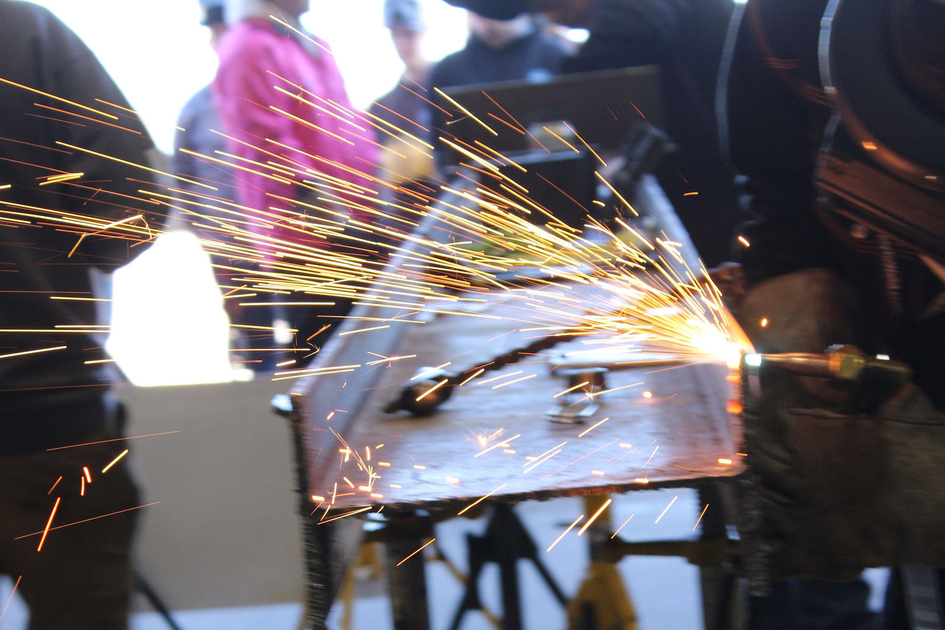
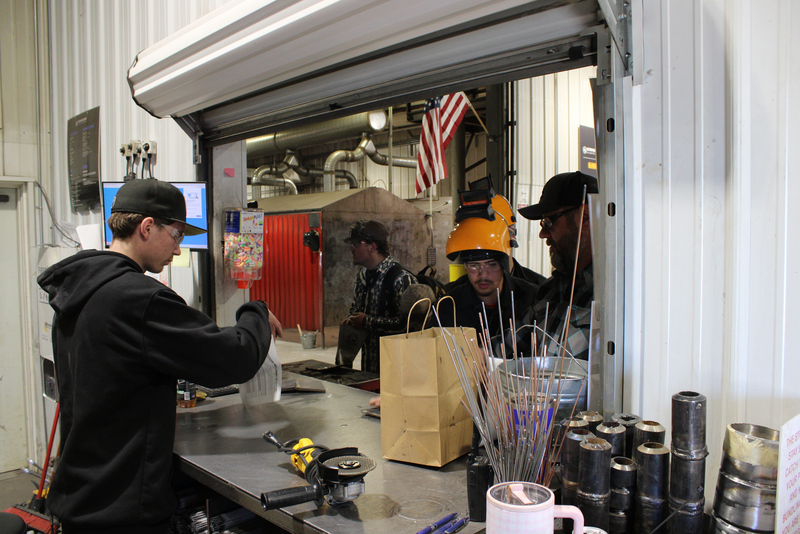
A 4.5-inch angle grinder is the most-used power tool in welding. It grinds, cuts, cleans, and preps metal for every process. Budget $50 to $100 for a corded grinder from DeWalt, Makita, or Milwaukee. Stock up on grinding discs, cutting wheels, and flap discs because you will burn through them. A die grinder with carbide burrs handles detail work in tight spaces where an angle grinder cannot reach.
A cordless drill, a reciprocating saw, and a bench vise round out the power tool list for welders who do fabrication or field work. Not every welder needs all of these on day one. Start with the grinder and add tools as your work demands them. Learn more about how to set up a home welding shop on a budget for a complete equipment breakdown.
| Tool Category | Items | Budget Range | Priority |
|---|---|---|---|
| PPE | Helmet, glasses, gloves, respirator, boots | $300 to $650 | Day 1 essential |
| Hand Tools | Chipping hammer, wire brush, tape, pliers, clamps | $100 to $200 | Day 1 essential |
| Layout Tools | Soapstone, speed square, level, magnets | $30 to $60 | Week 1 |
| Power Tools | Angle grinder, discs, die grinder | $80 to $200 | First month |
| Storage | Tool bag or box | $30 to $80 | Day 1 |
| Western Welding Academy | All tools, PPE, materials included in tuition | $0 extra | All-inclusive |
What You Do Not Need to Buy
Employers supply the welding machine, wire feeders, gas bottles, filler metal, electrodes, and consumables. You do not need to buy a welder to get hired. You also do not need specialty inspection equipment, plasma cutters, or pipe beveling machines on day one. Those tools belong to the shop or the contractor. New welders who overspend on equipment they will not use for years waste money that could go toward training or living expenses.
Why Western Welding Academy Covers Tools in Tuition
Western Welding Academy includes tools, materials, PPE, and housing in its all-inclusive tuition. The Foundational Pipe Welder program runs 12 weeks at $17,050. The Professional Pipe Welder program runs 19 weeks at $27,600. The Expert Pipe Welder program runs 24 weeks at $35,800. Students do not need to buy separate tool kits, welding supplies, or safety gear to start training.
This approach removes the financial barrier that stops many people from starting. The school holds a 94 percent hire rate within 90 days, verified by a 234-alumni survey from November 2024. With 2,000 graduates and 330 combined instructor years, Western Welding Academy produces welders who know their tools inside out before they ever buy their own kit. See why Wyoming welders earn more than the national average and how proper training pays back fast.
What Western Welding Academy Graduates Earn
Graduates of Western Welding Academy earn verified paychecks that pay for a complete personal tool kit within the first few weeks on the job.
Source: WWA website (Leyton, Gavin, David). Graduate outcomes tracking (Noah, Hank).
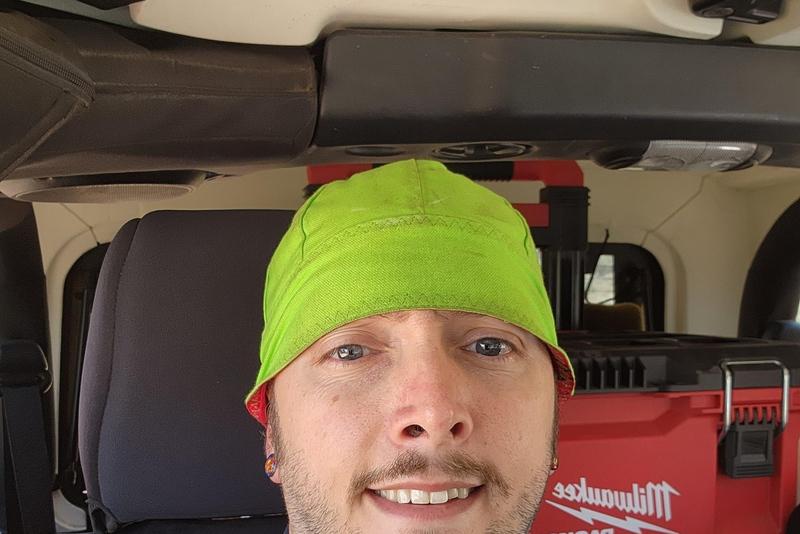
Leyton Wagner earns $4,514 per paycheck. A single paycheck covers the cost of a full professional welding tool kit. Gavin Walden takes home $3,986 per paycheck. David Smolek earns $3,417 per paycheck. These earnings demonstrate that investing in quality tools pays for itself immediately.
Noah clears $2,800 per week on the North Slope in Alaska. Hank reached $150,000 per year by age 21. Every one of them started with the same basic tool kit and built from there as their careers advanced.
Ready to launch your welding career? Apply now or call Western Welding Academy at (307) 284-5313 today.
Frequently Asked Questions
Q1. How much does a basic welding tool kit cost?
A complete starter kit including helmet, gloves, safety glasses, respirator, boots, hand tools, and an angle grinder costs approximately $500 to $1,000 depending on brand quality. Budget options can bring the total under $500. Investing in a quality auto-darkening helmet is the most important single purchase.
Q2. Do employers supply the welding machine?
Yes. Employers supply welding machines, wire feeders, gas bottles, electrodes, filler metal, and major shop equipment. Welders are expected to bring their own personal tools, PPE, and hand tools. Specialty tools and inspection equipment are also typically employer-supplied.
Q3. What is the most important tool a welder needs?
An auto-darkening welding helmet is the most critical purchase. It protects your eyes from UV and infrared radiation every time you weld. A quality helmet from a reputable brand costs $150 to $350 and provides faster reaction time, clearer optics, and better durability than budget alternatives.
Q4. Do I need different gloves for MIG and TIG welding?
Yes. TIG welding gloves are thin and flexible for precise filler rod control. MIG and stick welding gloves are thicker with more heat protection for higher heat processes. Most welders own at least two pairs. Spending $20 to $40 per pair on quality leather gloves protects your hands and improves your welding.
Q5. Should I buy tools before or after welding school?
If your school includes tools in tuition, like Western Welding Academy does, wait until after graduation to build your personal kit. You will know exactly which brands and styles you prefer after months of training. Students who buy tools before school often replace them after learning what actually works.
Q6. What makes Western Welding Academy different from other welding schools?
Western Welding Academy includes tools, materials, PPE, and housing in its all-inclusive tuition. The school delivers 85 percent hands-on booth time and holds a 94 percent hire rate within 90 days, verified by a 234-alumni survey. With 2,000 graduates, 330 combined instructor years, and the number one AWS Accredited Testing Facility ranking, students graduate fully equipped.
Get Equipped and Get to Work
The right tools make you a professional. The right training makes you employable. Call Western Welding Academy at (307) 284-5313 or apply now to start your career with everything included.


.jpg)


.jpg)


.jpg)
.jpg)
.jpg)
.jpg)
.jpg)
-thumbnail.jpg)

.jpg)