Pipe Technique Is Not General Welding Technique
General welding teaches you to join metal. Pipe welding teaches you to join metal in every position, on a round joint, with full penetration from one side, to a code standard that will be tested with X ray and destructive testing. These are different skill sets. A welder who runs clean beads on flat plate is practicing a different technique than a welder who maintains a keyhole root pass on a 6G pipe joint at 45 degrees.
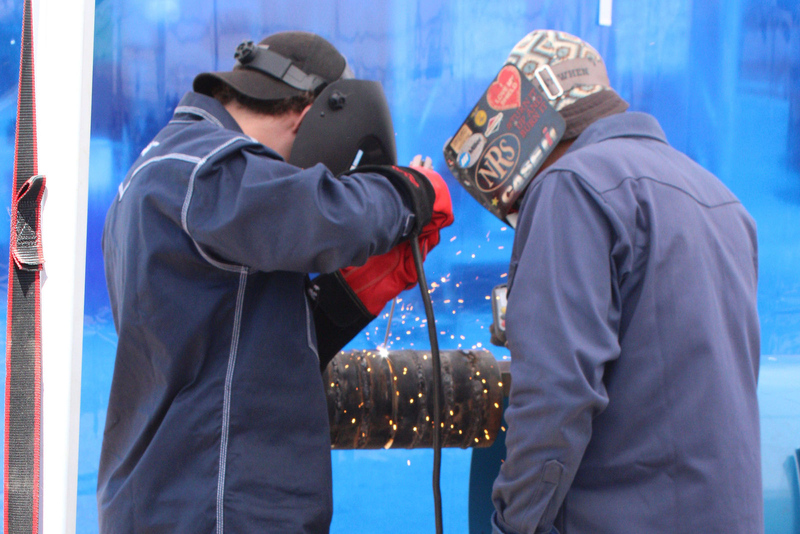
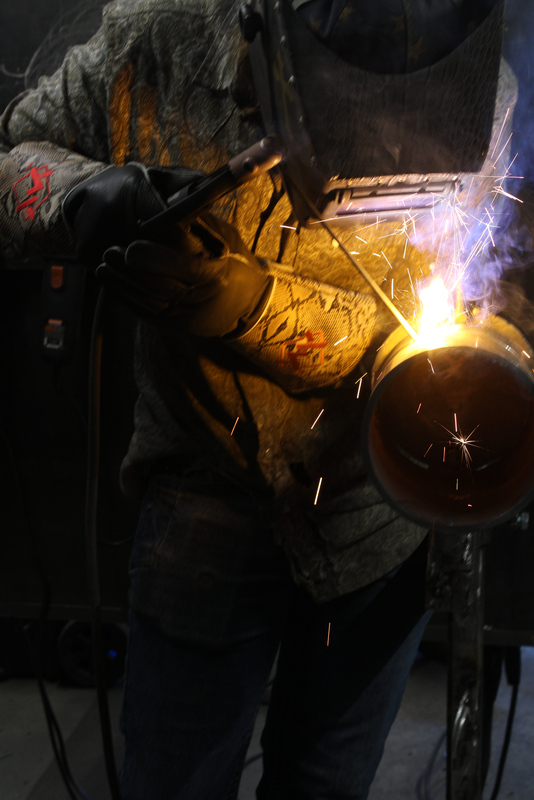
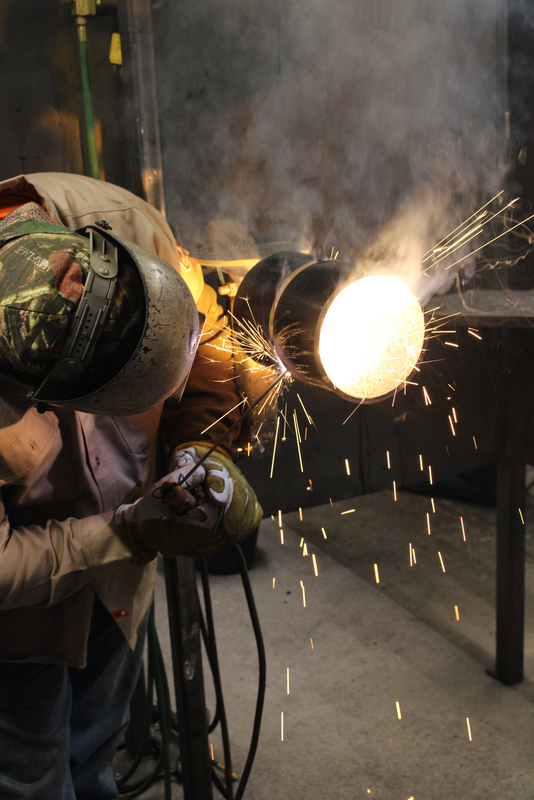
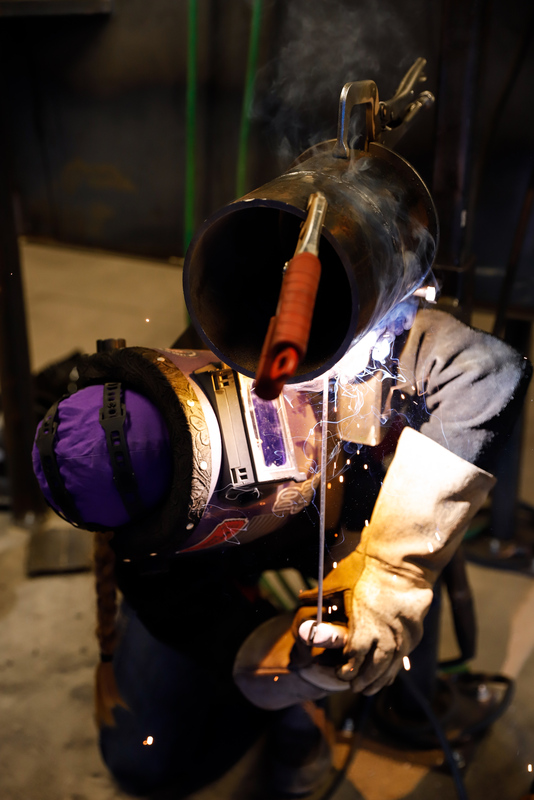
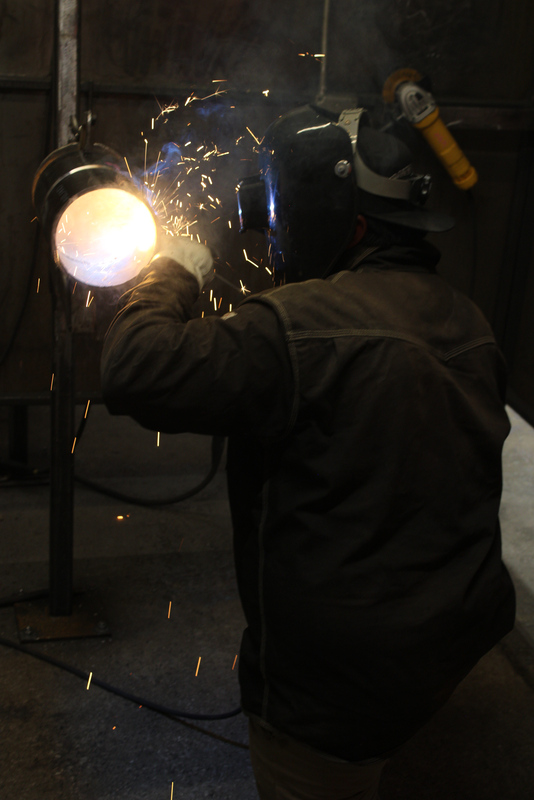
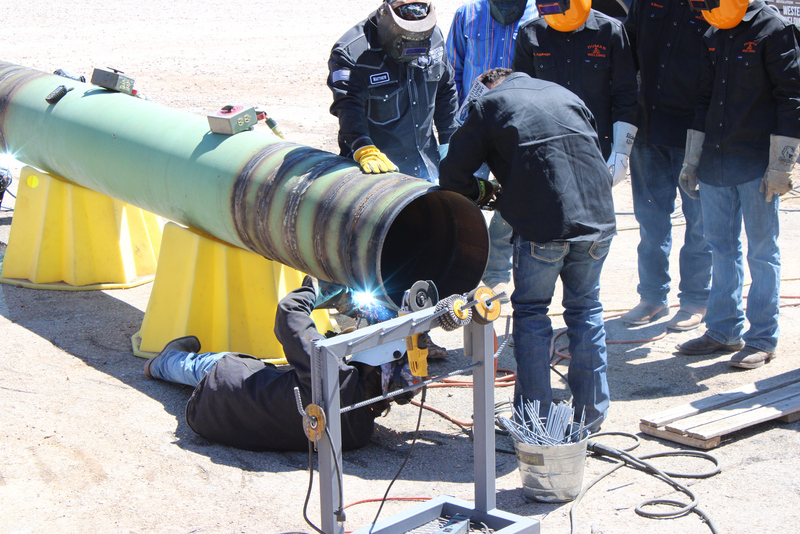
The root pass on pipe is the clearest example. Open root welding requires the welder to control a keyhole while maintaining consistent internal reinforcement. The gap, the bevel angle, the heat input, and the travel speed all have to be managed simultaneously. Shop welding almost never requires this level of precision because backing bars or double sided access eliminate the need for one side root passes.
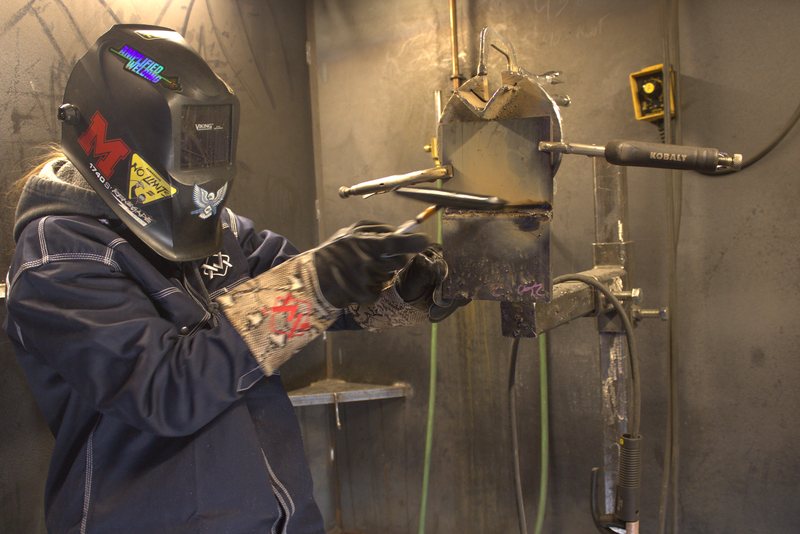
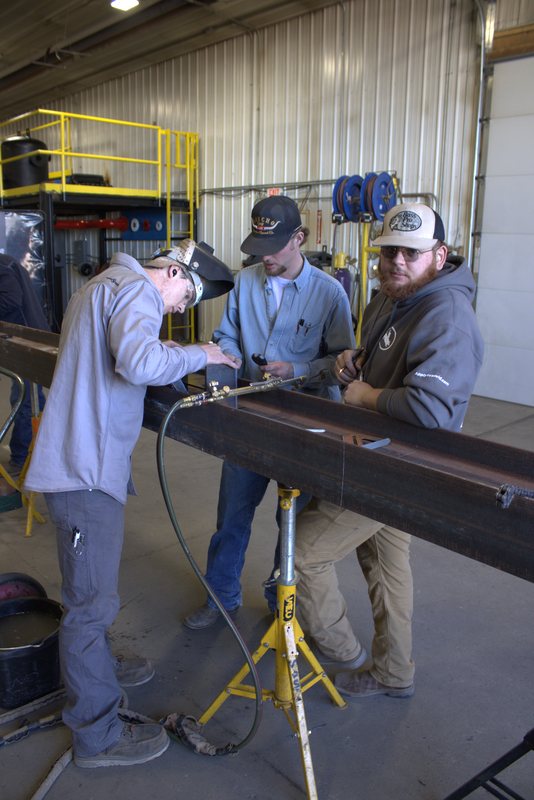
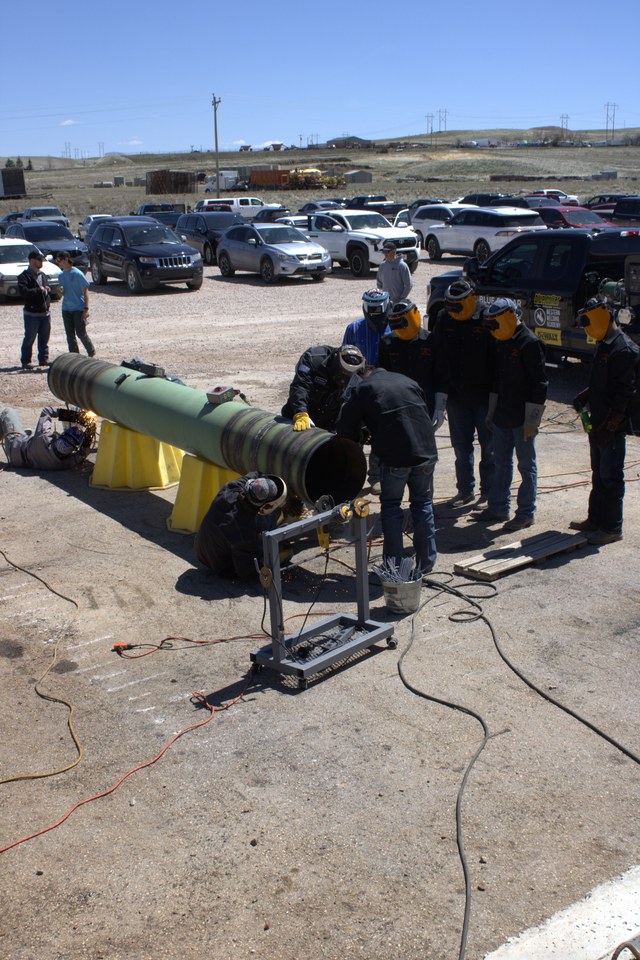
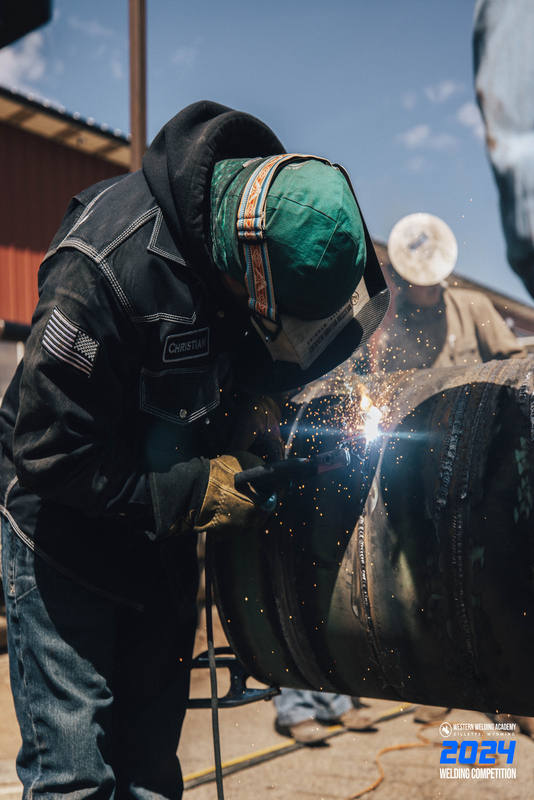
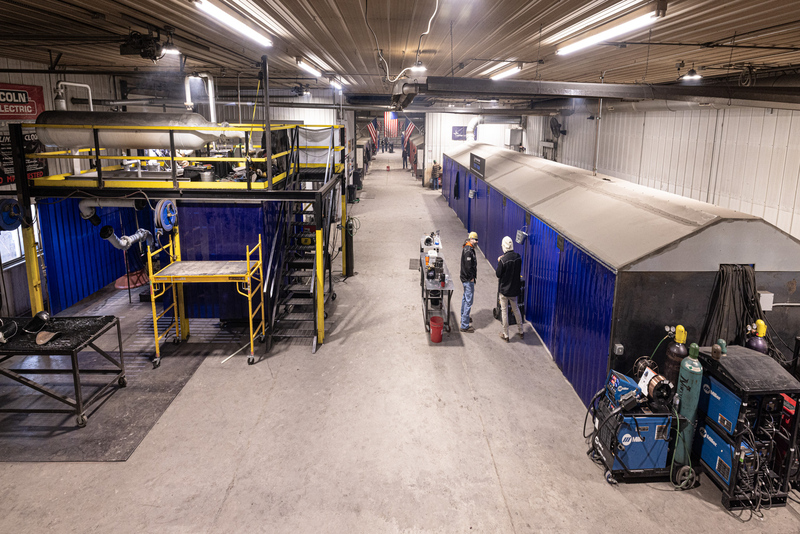
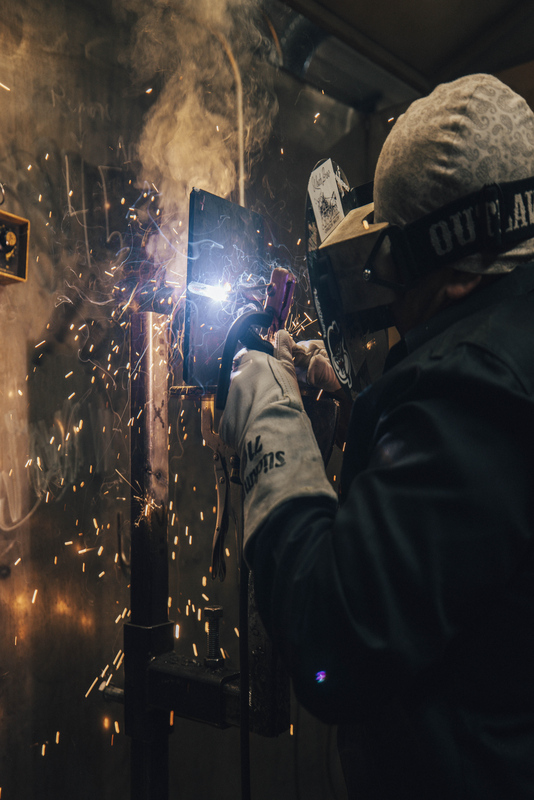
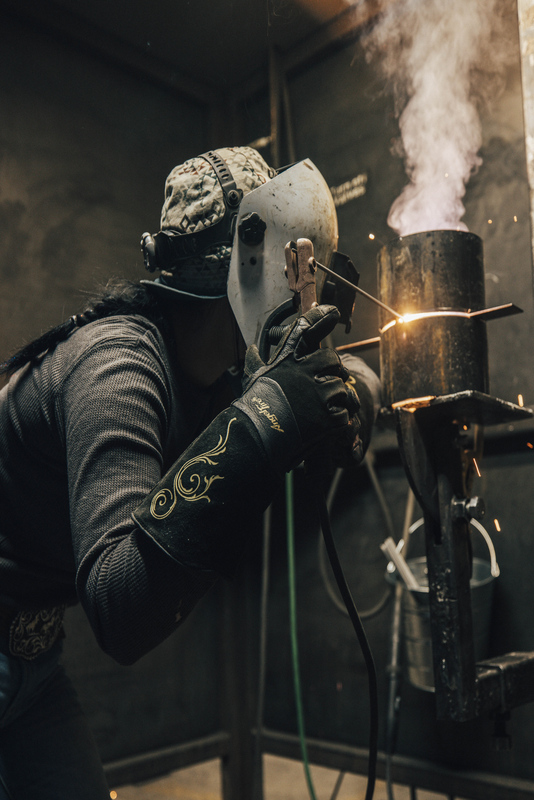
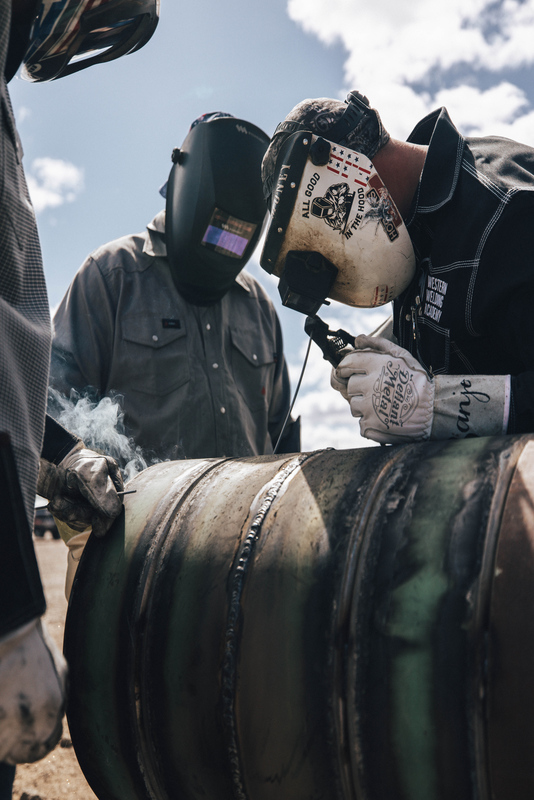
Specialized pipe training at Western Welding Academy isolates these techniques and drills them independently. Students do not practice general welding and hope the skills transfer. They practice pipe specific movements, positions, and sequences that build the exact muscle memory pipe certification tests demand.
Code Level Quality Cannot Be Self Taught
Pipe welding quality is defined by written codes: AWS D1.1 for structural, ASME Section IX for pressure vessels, and API 1104 for pipelines. Each code specifies acceptable limits for porosity, undercut, incomplete fusion, and dozens of other defect types. A welder who has only worked to visual inspection standards has no reference for what code quality looks like internally.
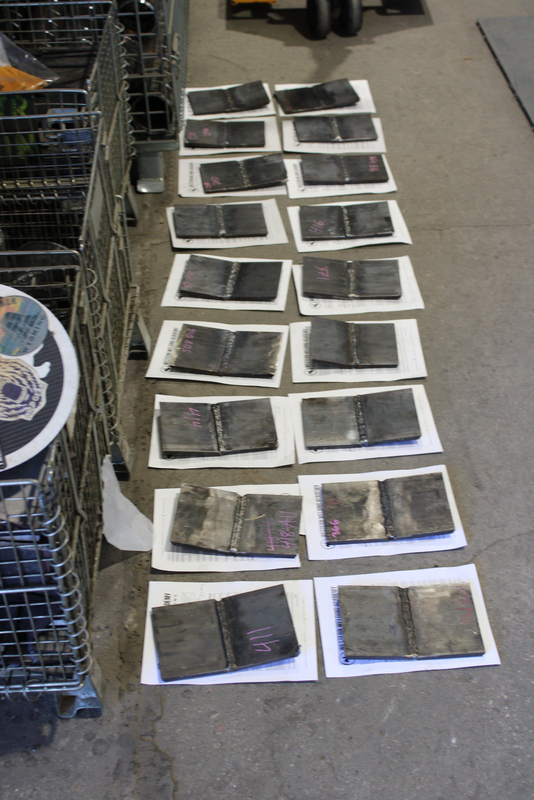
Self taught welders cannot see the defects that codes catch. X ray imaging and bend testing reveal problems that are invisible on the surface. A bead that looks perfect can fail for internal porosity. A joint that passed every shop visual check can crack on a bend test. Without training that includes destructive testing of practice coupons, a welder has no way to calibrate their technique to code requirements.
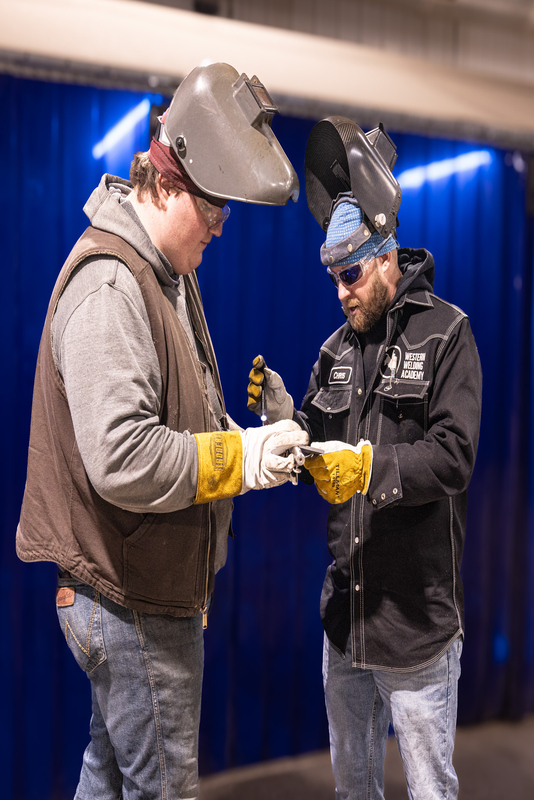
The API 1104 certification is the standard pipeline companies require. It is not possible to study for this certification without hands on practice under instructor evaluation. Western Welding Academy gives students feedback on every weld and shows them destructive test results so they learn the internal quality standard, not just the surface appearance.
Learn the code standard that employers require. Apply now or call (307) 284-5313.
Multi Position Proficiency Requires Structured Progression
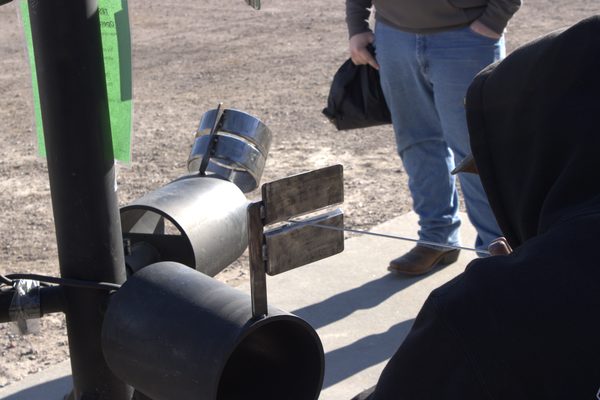
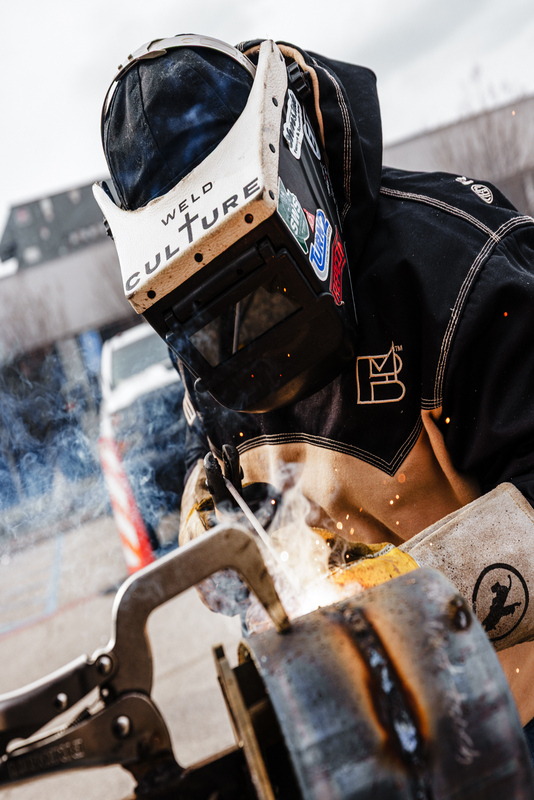
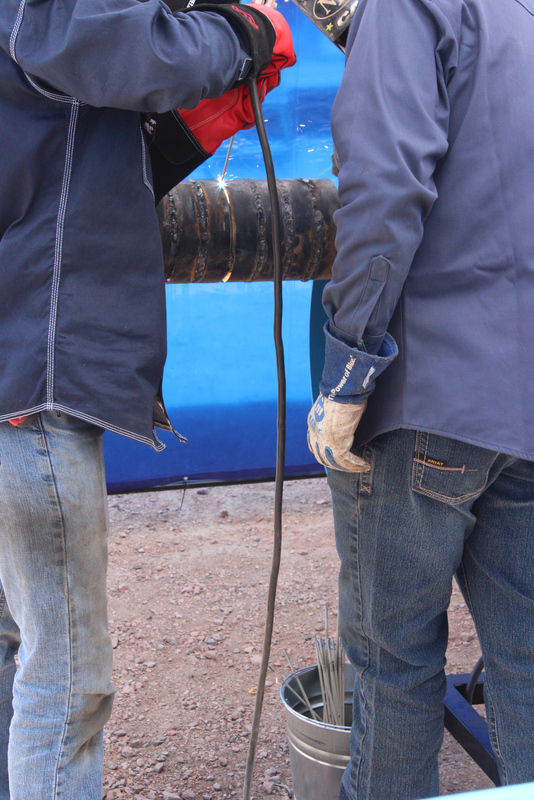
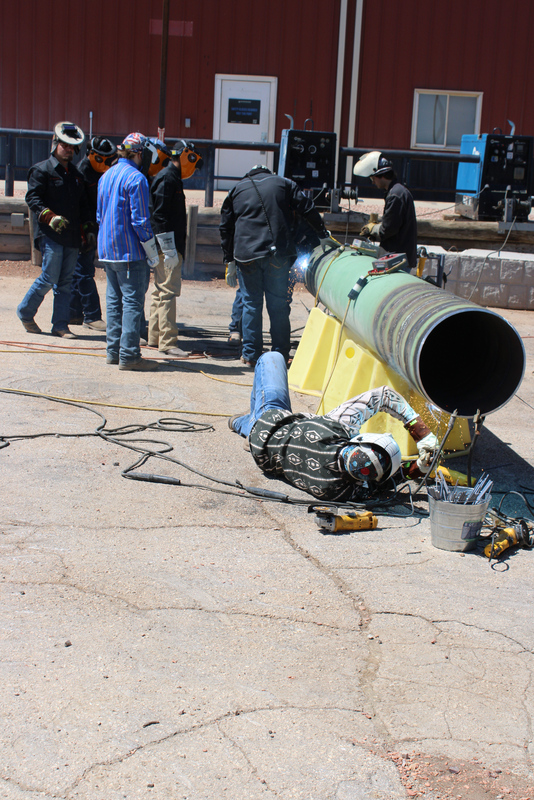
A 6G pipe certification tests every welding position on a single joint. The welder starts at the 6 o'clock position, welds uphill through vertical, across overhead at the top, and back down the other side. Each position requires a different torch angle, travel speed, and technique. Transitioning between positions without defects is the core skill that the test measures.
Experienced welders cannot develop multi position proficiency by welding pipe a few times. The skill requires a structured progression: flat first, then horizontal, then vertical, then overhead, then pipe rolls, then fixed pipe. Skipping steps or rushing through positions creates gaps that show up as defects during the test. Every position needs its own dedicated training time.
The Expert Pipe Welder program at Western Welding Academy runs 24 weeks and provides over 800 hours of booth time. That volume of structured practice is what turns position awareness into position proficiency. There are no shortcuts to building overhead and pipe position muscle memory.
Employers Require Certifications, Not Just Experience
Pipeline companies, refineries, boilermaker contractors, and industrial construction firms hire certified pipe welders. Experience without certification does not get you past the application stage. An employer posting a pipe welding job wants to see 6G, 6GR, or API 1104 test results from a recognized testing facility. Ten years of shop work with no pipe certifications is ten years of irrelevant experience in their hiring process.
Certifications cannot be earned without testing at a qualified facility. They cannot be purchased. They cannot be bypassed with a resume. The 6G certification test is a hands on performance test where the welder produces a joint that gets cut apart and evaluated. There is no written exam alternative. Specialized training prepares welders for this test. Shop experience alone does not.
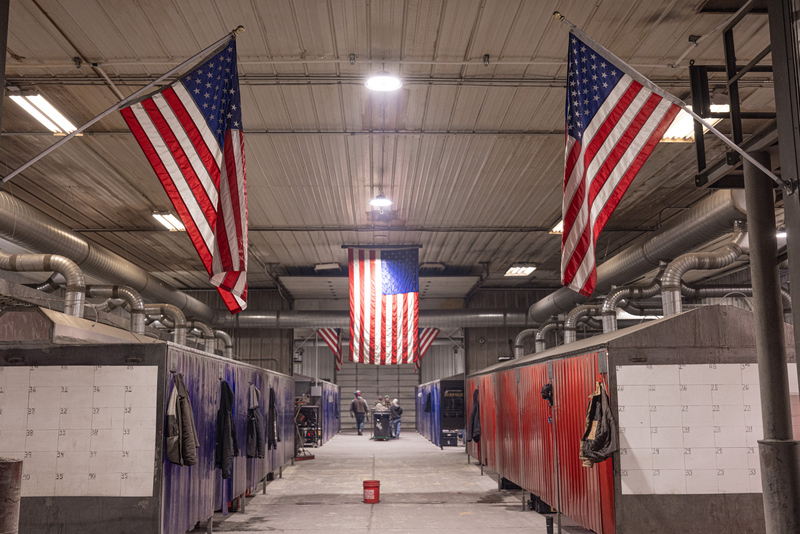
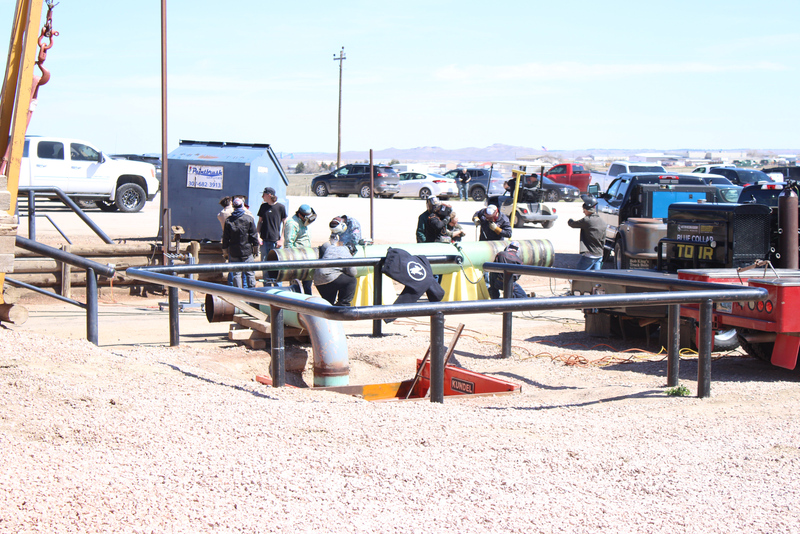
Western Welding Academy operates the number one AWS Testing Facility in the country. Students train and test in the same building on the same equipment. Testing costs are included in tuition. Graduates leave with verifiable certifications that employers accept nationwide.
Process Diversity Requires Formal Instruction
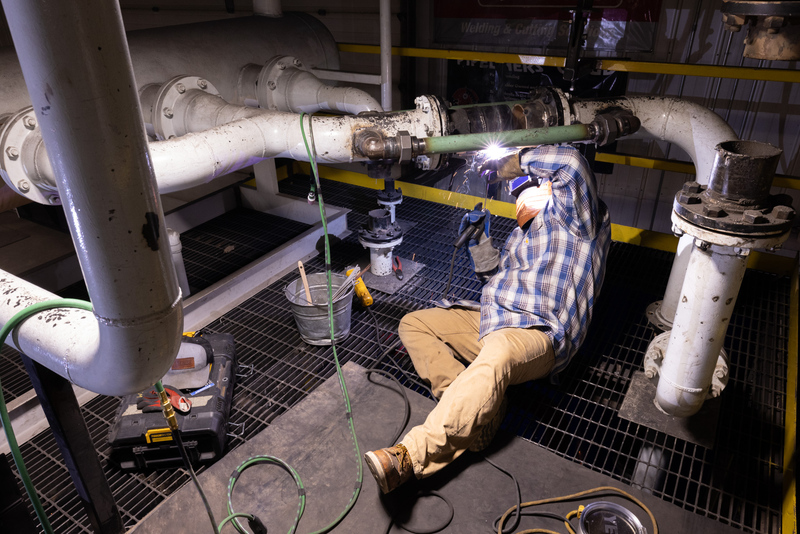
Pipe welding uses multiple processes depending on the application. Pipeline work requires SMAW (stick) and FCAW (flux core). Refinery work demands TIG (GTAW) root passes with stick or flux core fill and cap. Some applications require combination joints using three processes on a single weld. An experienced welder who has only used one or two processes needs to learn the others before pipe certification is possible.
Each welding process has its own set of variables: electrode selection, gas coverage, filler material, amperage ranges, and manipulation technique. Learning a new process is not a weekend project. It takes weeks of dedicated practice to reach a level where the welder can produce code quality joints consistently. Trying to learn a new process and pipe technique simultaneously doubles the difficulty.
Specialized pipe training separates process instruction from pipe application. At Western Welding Academy, students learn each process on plate first, then apply it to pipe. This staged approach prevents the confusion that comes from learning new hand skills and new positions at the same time. The question of which process to learn first is built into the curriculum sequence.
What Do Specialized Pipe Welders Earn?
The financial return on specialized pipe training is the strongest argument for investing the time. General welding pays $35,000 to $55,000 per year. Specialized pipe welders with proper certifications earn $60,000 to $125,000 per year. The 12 to 24 week training investment pays for itself within 5 to 7 months of the earnings increase. Here are verified paychecks from Western Welding Academy graduates.
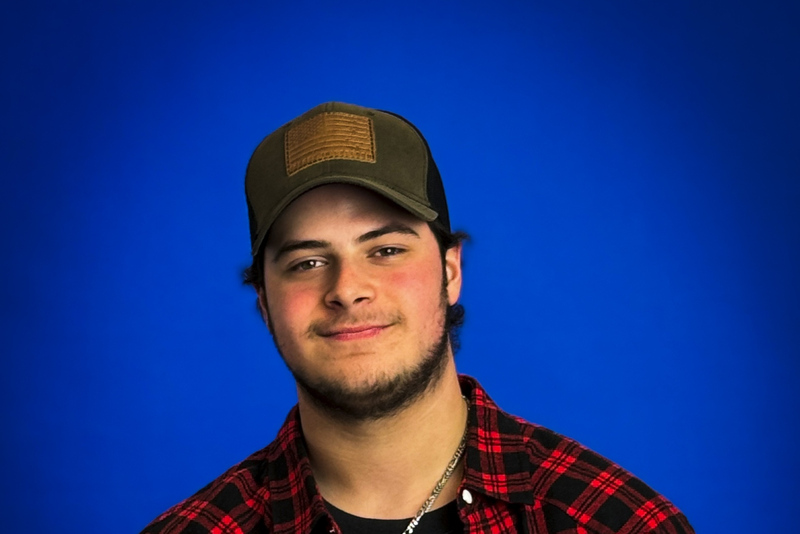
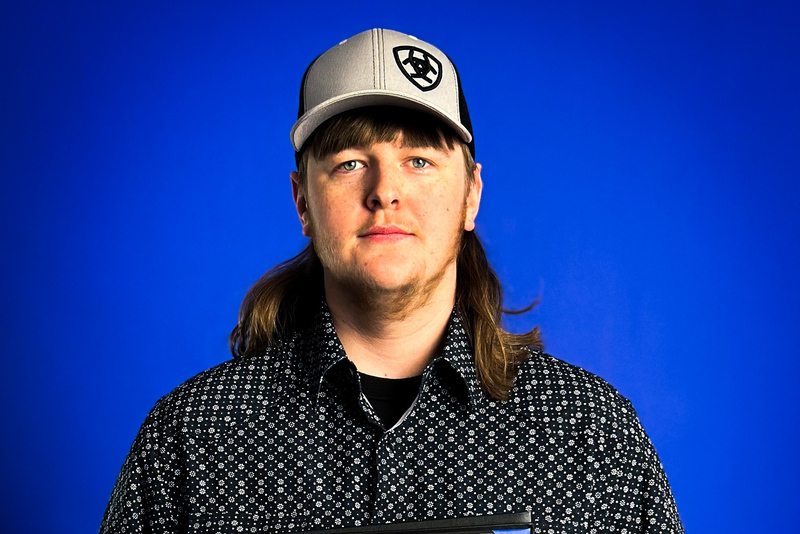
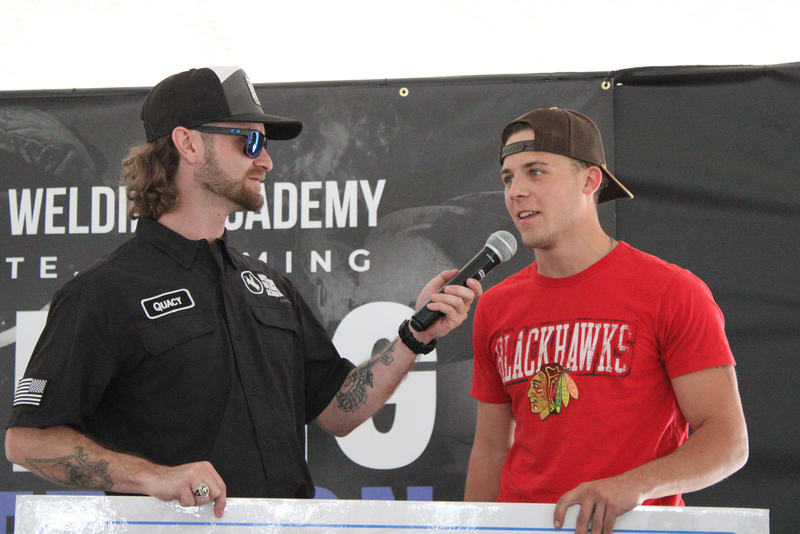
Leyton Wagner earned $4,514 on a single paycheck after completing the Expert Pipe Welder program at Western Welding Academy. That figure is published on the school's website. Gavin Walden posted a $3,986 paycheck on social media. David Smolek shared his $3,417 paycheck publicly. These are the earnings that specialized pipe certifications unlock.
Noah started clearing $4,800 per week right out of welding school. Hank reached $150,000 per year at age 21. General welding experience got them interested. Specialized pipe training got them paid.
Get the specialized training that general experience cannot replace. Apply now or call (307) 284-5313.
Frequently Asked Questions
Q1. Can I just practice pipe welding on my own and then go test?
Testing without structured training results in high failure rates. Certification tests evaluate root pass quality, position transitions, and code compliance that require instructor guided practice to master. Self practice without feedback reinforces defects instead of correcting them.
Q2. How is specialized pipe training different from a general welding program?
General programs teach MIG, TIG, and stick on plate and basic joints. Specialized pipe programs teach open root technique, multi position pipe welding, and industry specific certifications like 6G, 6GR, and API 1104. The difference between school types comes down to what you are certified to do when you finish.
Q3. How long does specialized pipe training take for an experienced welder?
The 12 week Foundational program covers SMAW and FCAW pipe certifications. The 24 week Expert program covers every process, position, and certification. Experienced welders move through early fundamentals faster, but pipe specific technique requires the full training time.
Q4. Is the investment worth it if I already earn a decent shop wage?
Pipe welding pays $60,000 to $125,000 per year compared to $35,000 to $55,000 for general shop work. Programs cost $7,050 to $19,800. The annual raise exceeds the total cost of training. Most graduates recover their tuition within 5 to 7 months.
Q5. Do employers prefer specialized pipe training over general welding degrees?
Pipe welding employers require specific certifications, not general degrees. A two year welding degree without 6G or API 1104 certification will not get you hired for pipe work. A 12 to 24 week specialized program with the right certifications will. Employers hire certifications.
Q6. What makes Western Welding Academy different from other welding schools?
The school runs 85% hands on booth time at 40 hours per week, maintains an 85% Expert graduation rate compared to an industry average below 60%, places 94% of graduates within 90 days, and operates the number one AWS Testing Facility in the country. Over 2,000 graduates from all 50 states have completed training in Gillette, Wyoming.
Specialize Your Skills and Multiply Your Earnings
Experience makes you a welder. Specialized pipe training makes you a pipe welder. The difference is $25,000 to $70,000 per year in earnings. A 12 to 24 week program adds the technique, certifications, and employer credentials that general experience cannot provide. Call Western Welding Academy at (307) 284-5313 or apply now to turn your welding career into a pipe welding career.

.jpg)
.jpg)


.jpg)
.jpg)
.jpg)
.jpg)
.jpg)
-thumbnail.jpg)

.jpg)