What Actually Drives a Welding School's Placement Rate?
Placement rate is an output, not an input. It measures how many graduates find welding employment within a set timeframe. The inputs that drive that number are certification scope, hands-on training hours, employer relationships, and testing facility quality. Schools that invest in all four produce high placement rates. Schools that cut corners on any of them see graduates struggle to find work.
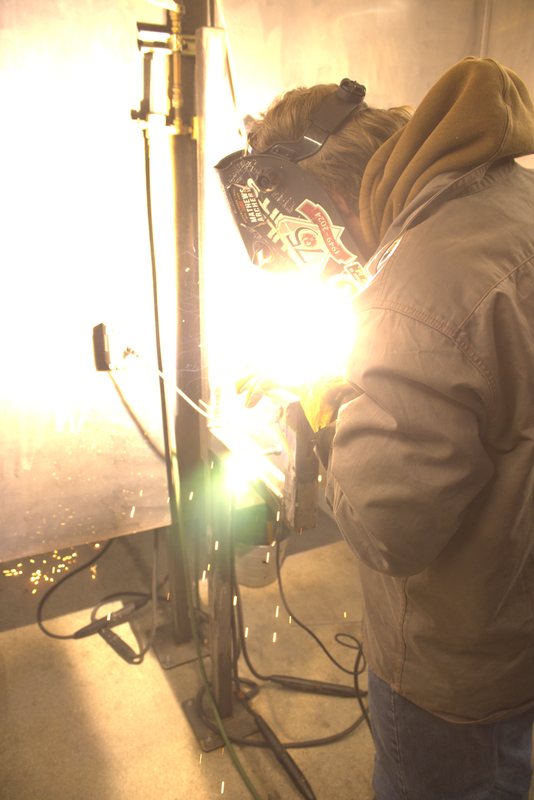
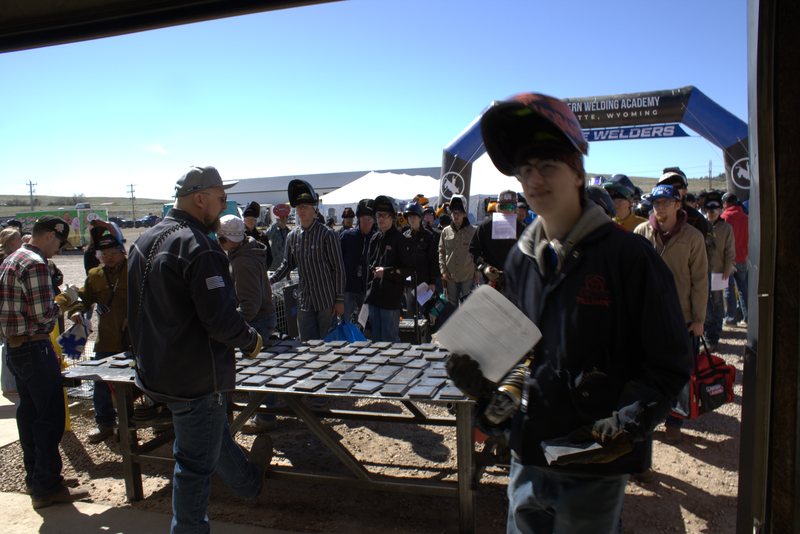
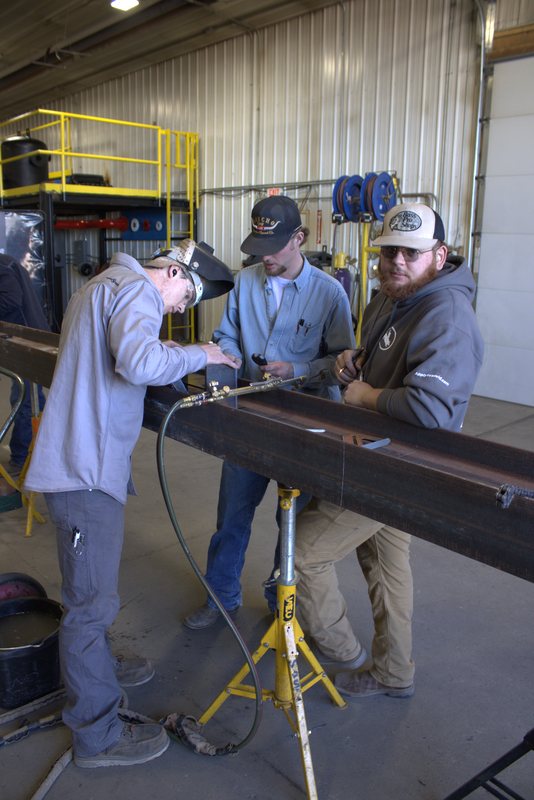
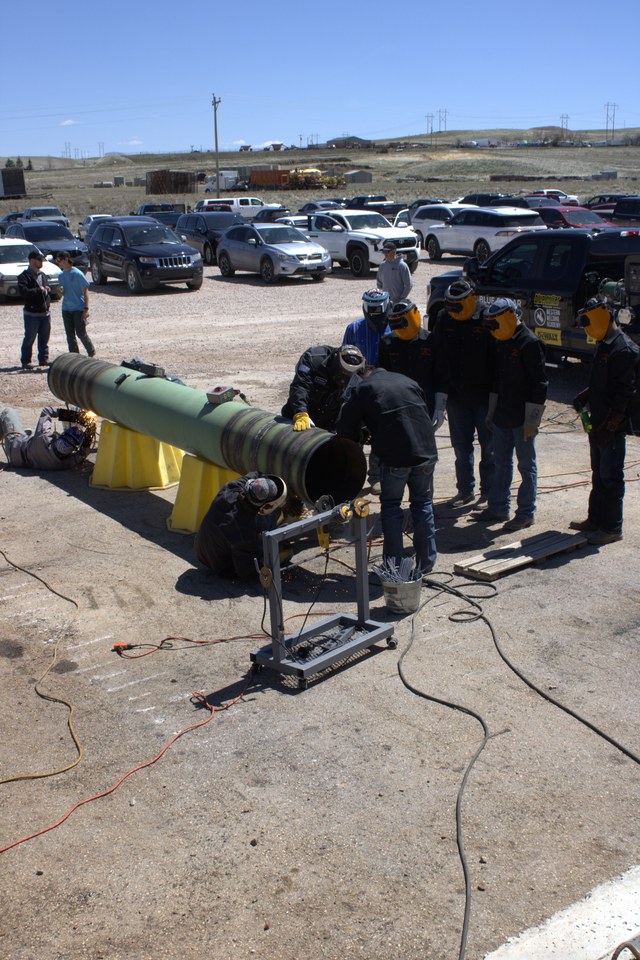
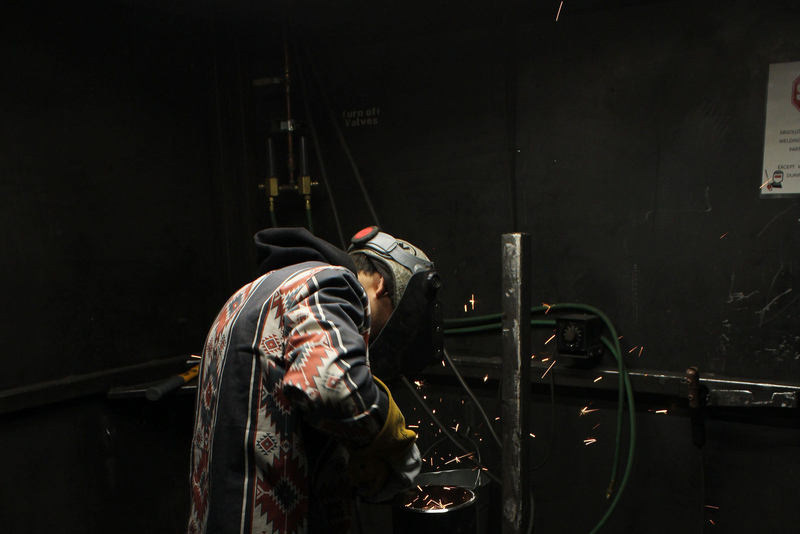
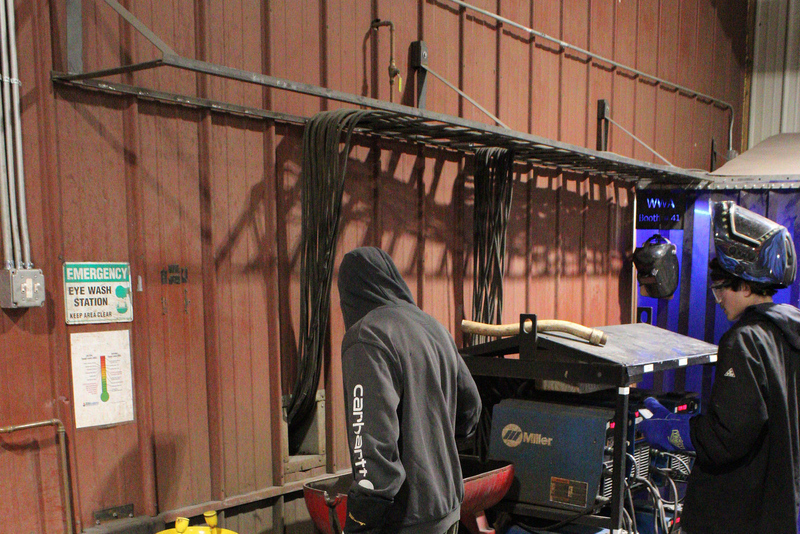
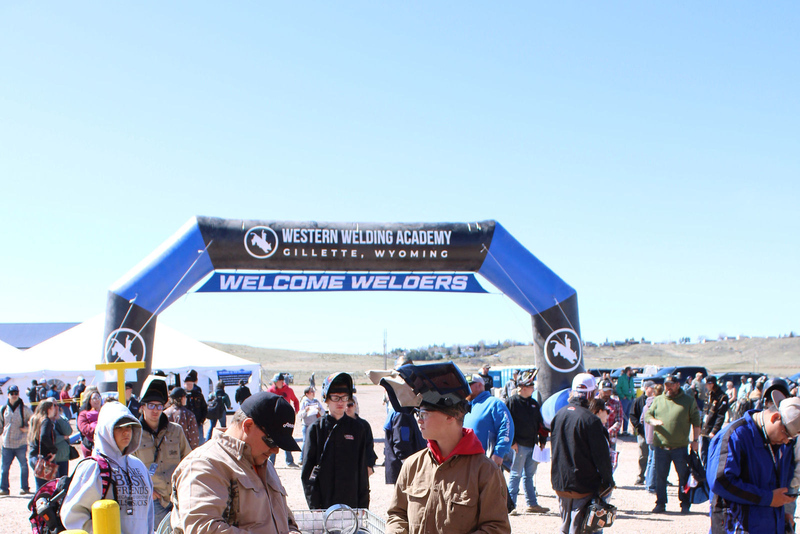
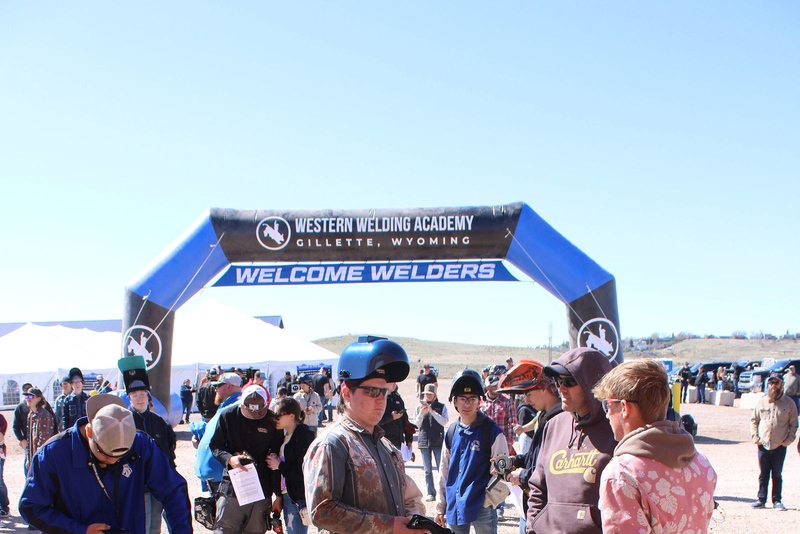
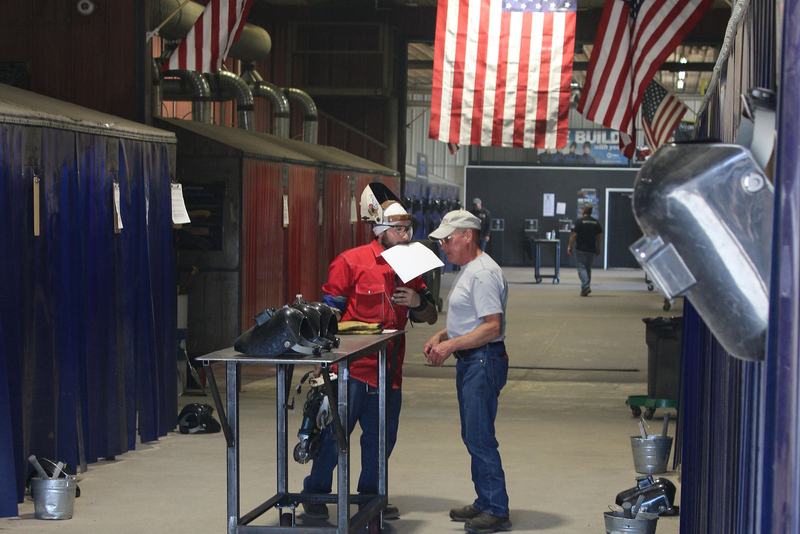
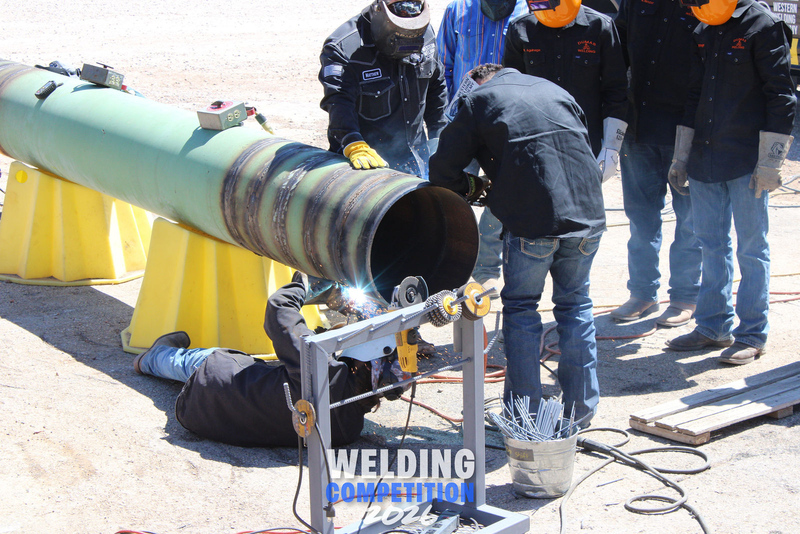
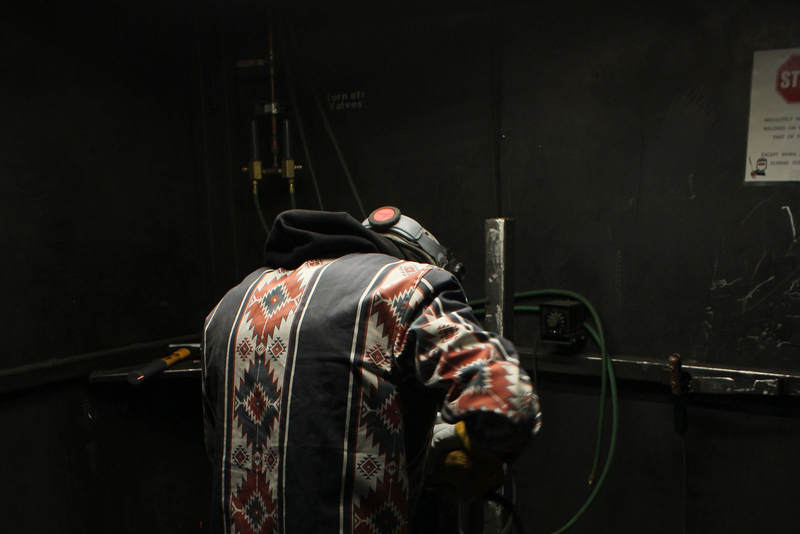
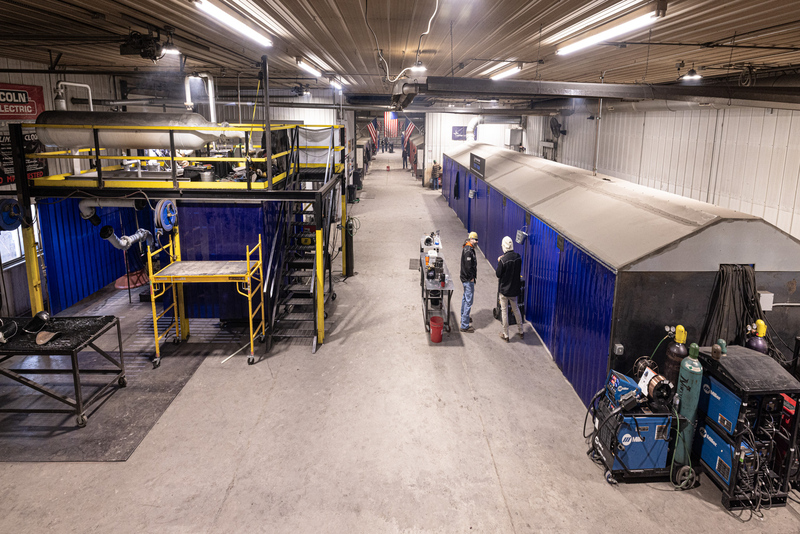
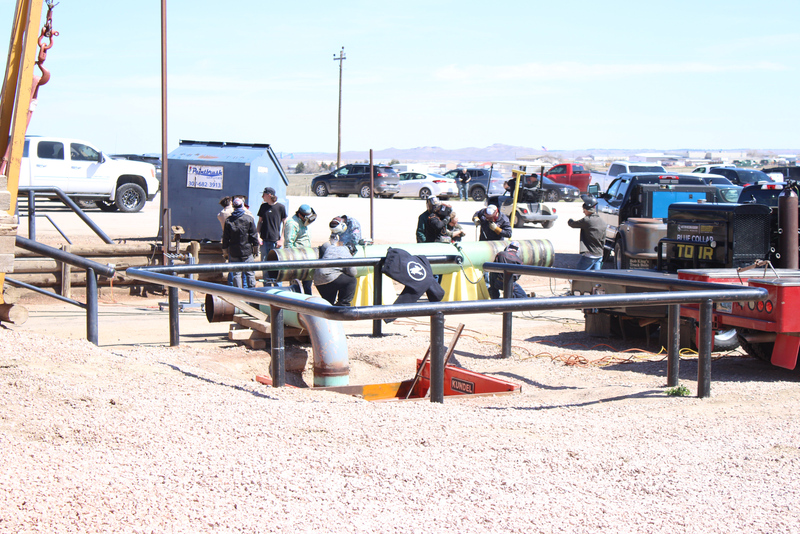
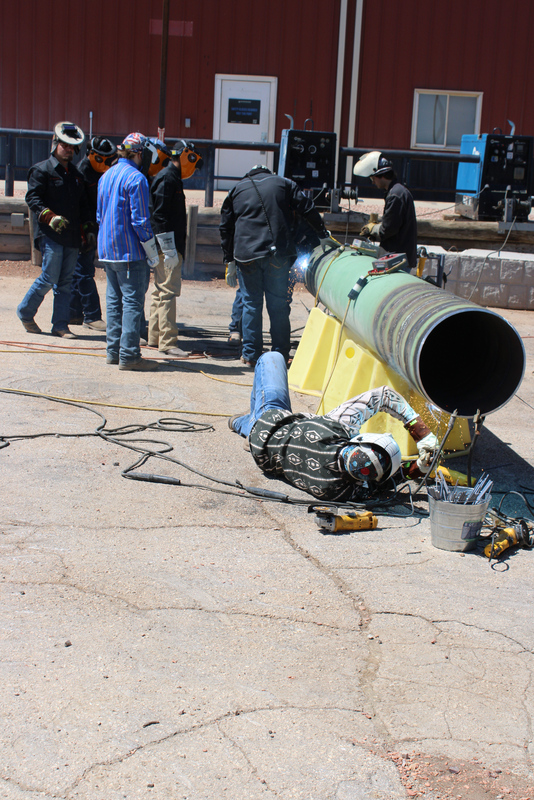
At Western Welding Academy, the 94% placement rate within 90 days is the result of every program decision pointing toward employment. The curriculum was designed by pipeline welders who know what employers test for. The training runs 40 hours per week with 85% of that time in the booth. The testing facility is on site and AWS accredited. Employer relationships are active and ongoing, not just a list of company logos on a website.
How Certification Scope Affects Placement Outcomes
Pipeline contractors, Boilermakers locals, and industrial employers hire based on certification tests. A graduate holding only a basic flat position certification qualifies for entry level structural jobs paying $18 to $22 per hour. A graduate holding 6G, 6GR, and API 1104 certifications qualifies for pipeline positions paying $35 to $60 per hour. The certification stack determines which doors open.
Schools with low placement rates often graduate students with one or two basic certifications. These graduates compete for the same entry level positions that community college welding students and self-taught welders target. The job pool is crowded and wages are low. Schools with high placement rates graduate students with advanced certifications that qualify them for specialized, high demand positions where the applicant pool is thin and wages are high.
Graduate with the certifications that pipeline employers actually hire for. Apply now or call (307) 284-5313.
Why Booth Time Ratios Predict Placement Success
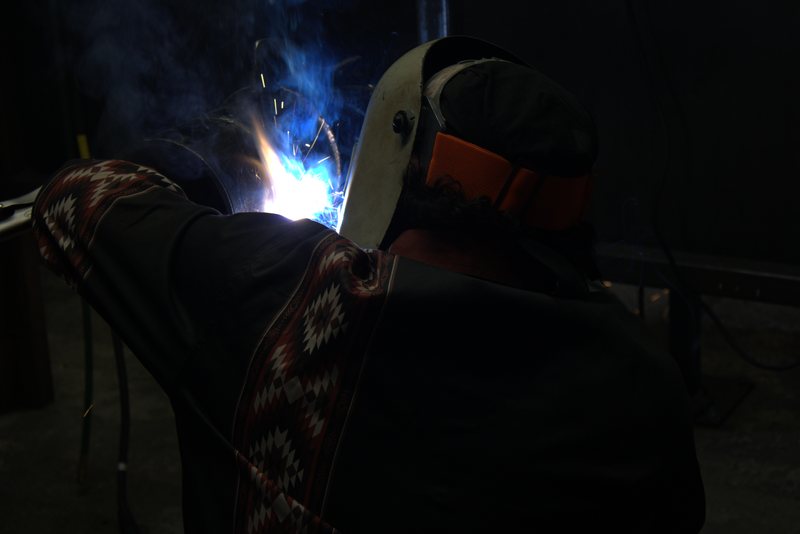
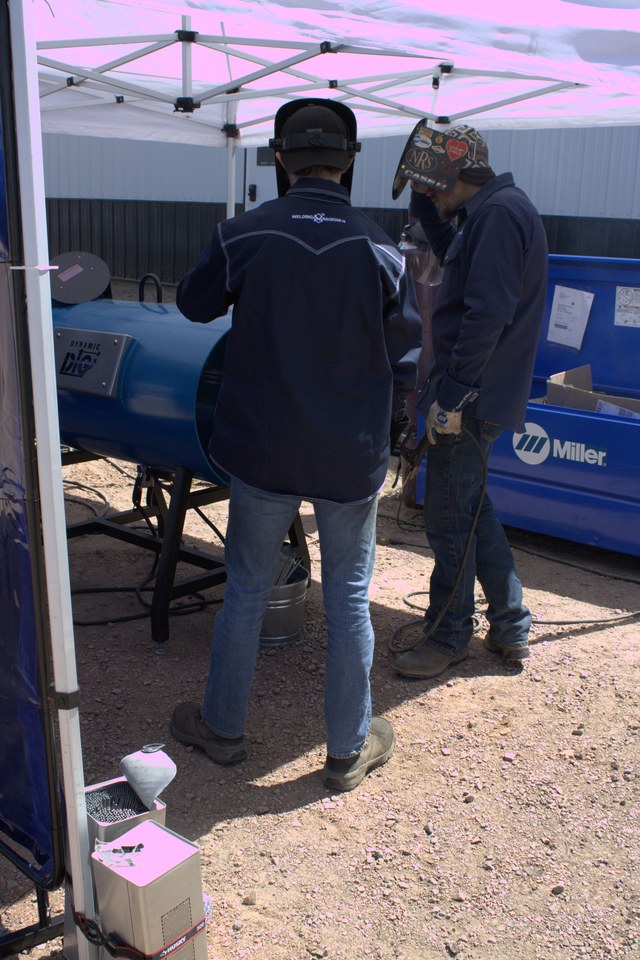
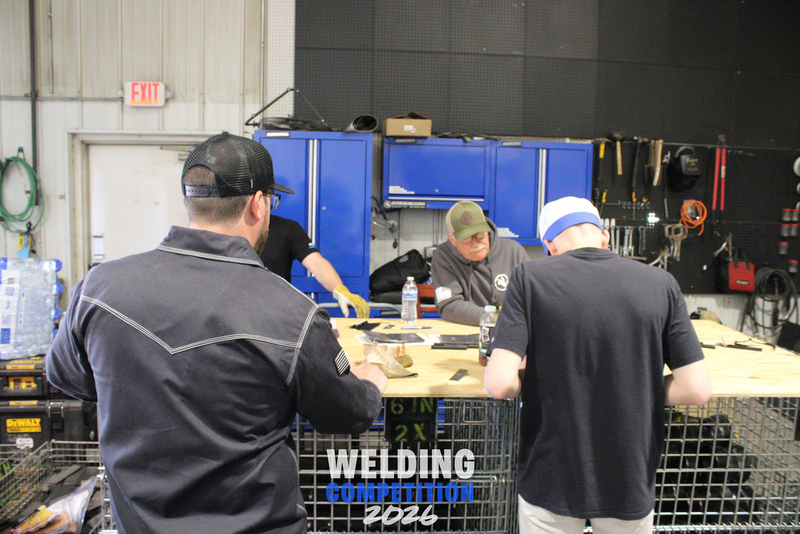
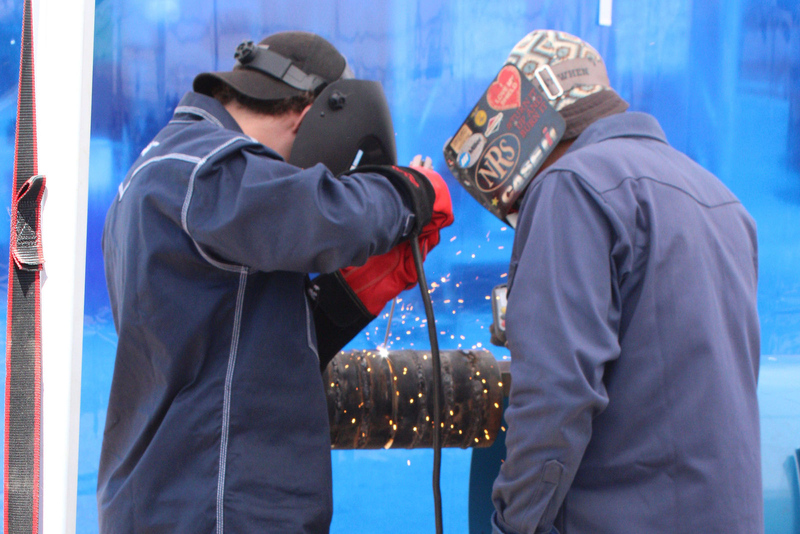
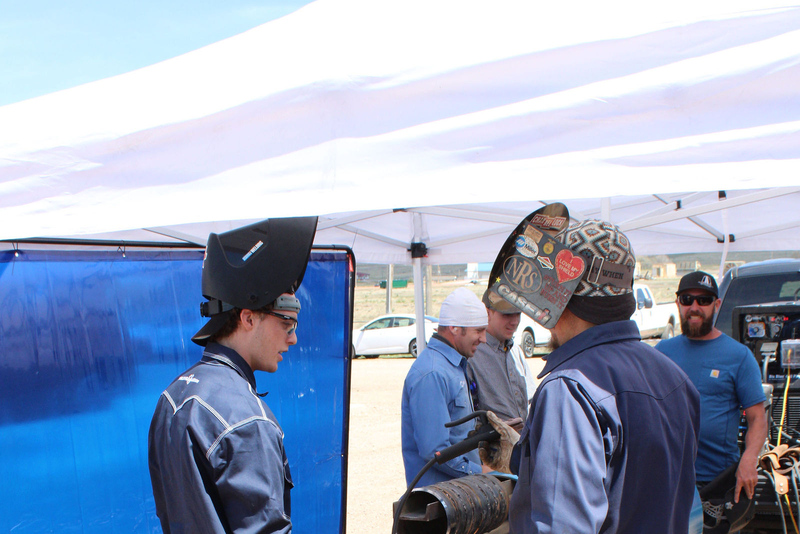
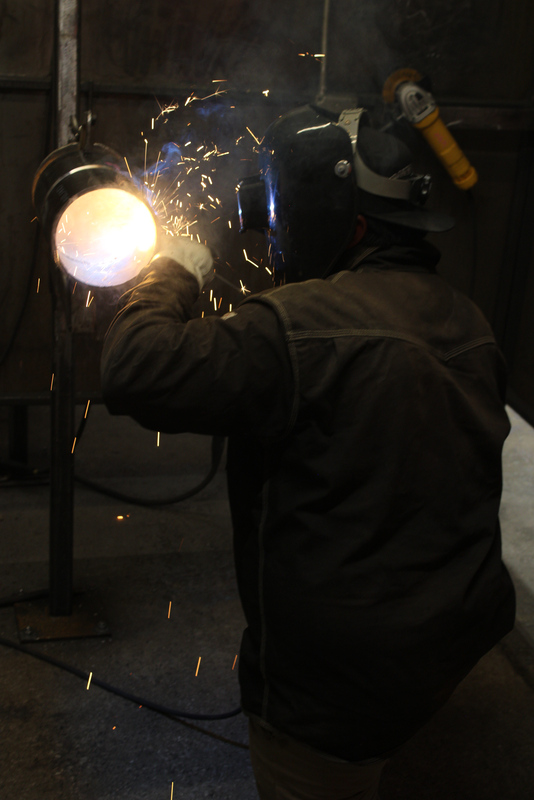
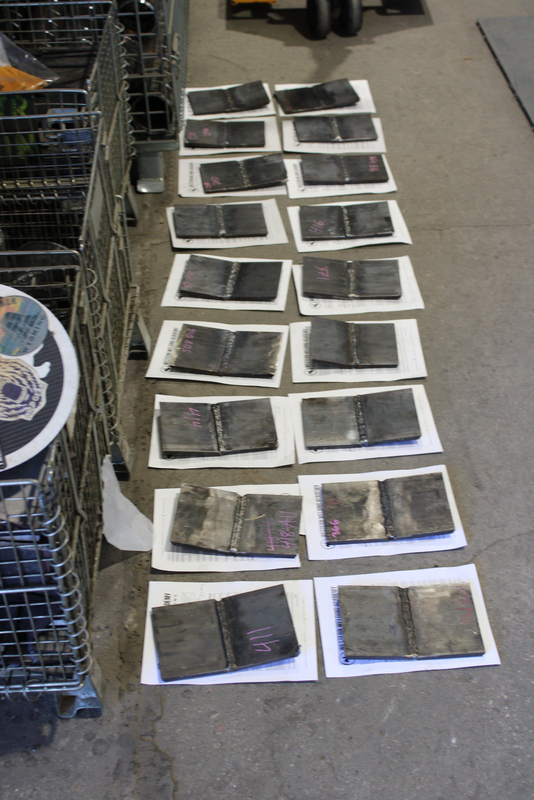
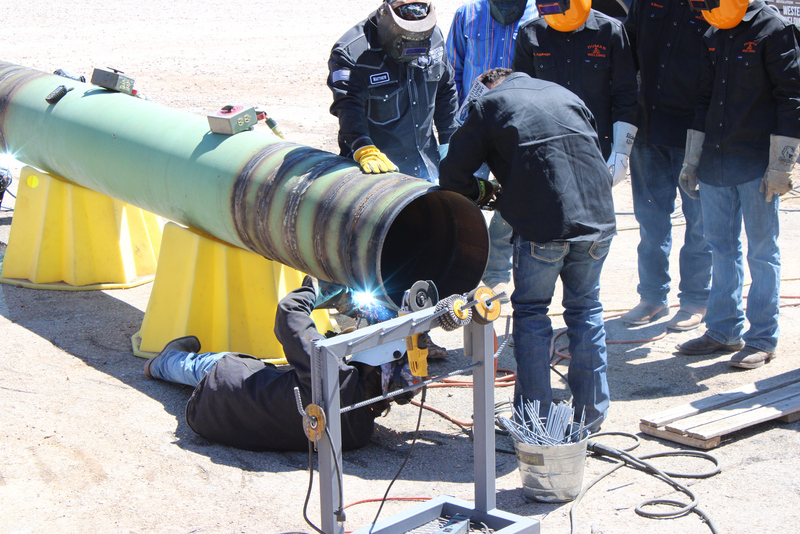
Employers do not hire based on transcripts or classroom grades. They hire based on weld test results. A candidate walks into a hiring test, welds a coupon under observation, and either passes or fails. The only way to pass consistently is through hundreds of hours of hands-on practice in the same positions and processes the test requires.
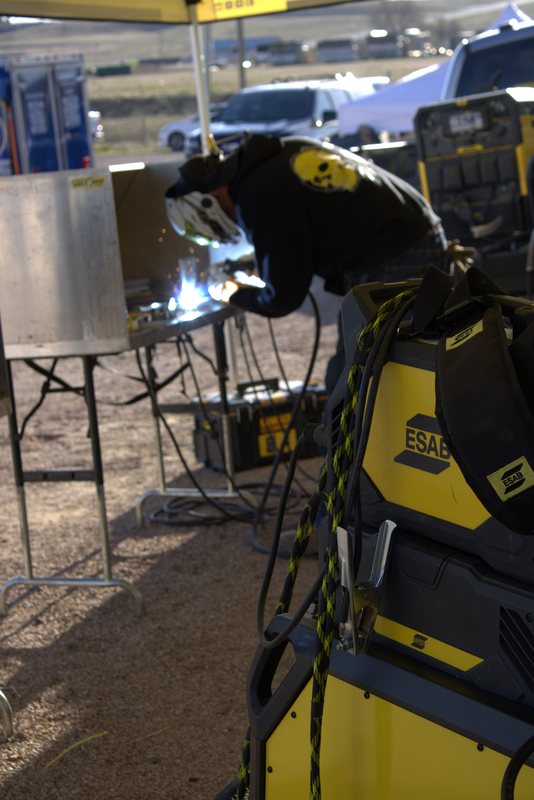
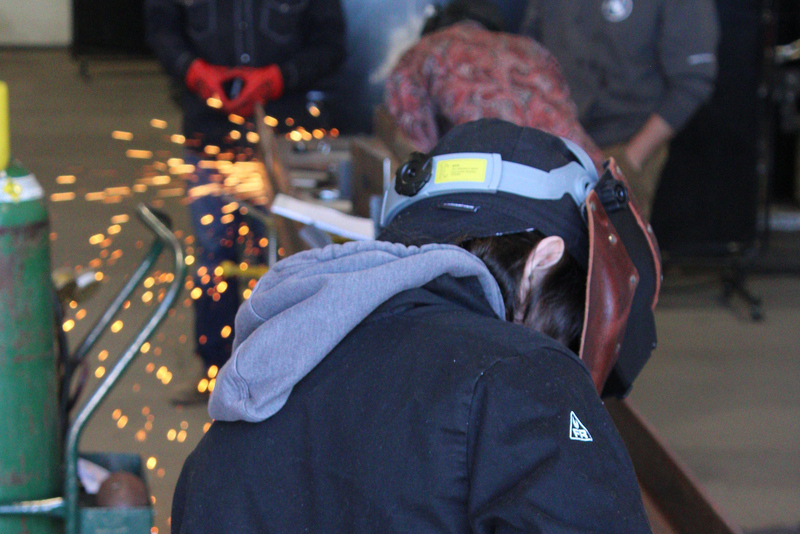
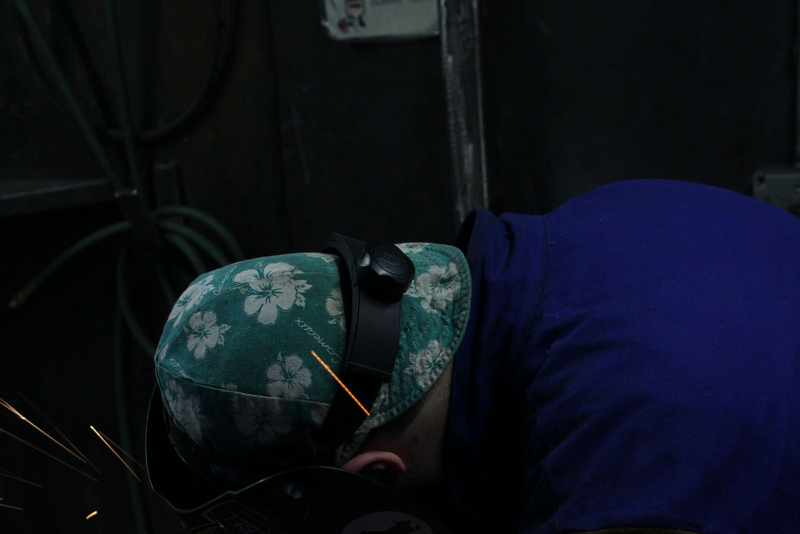
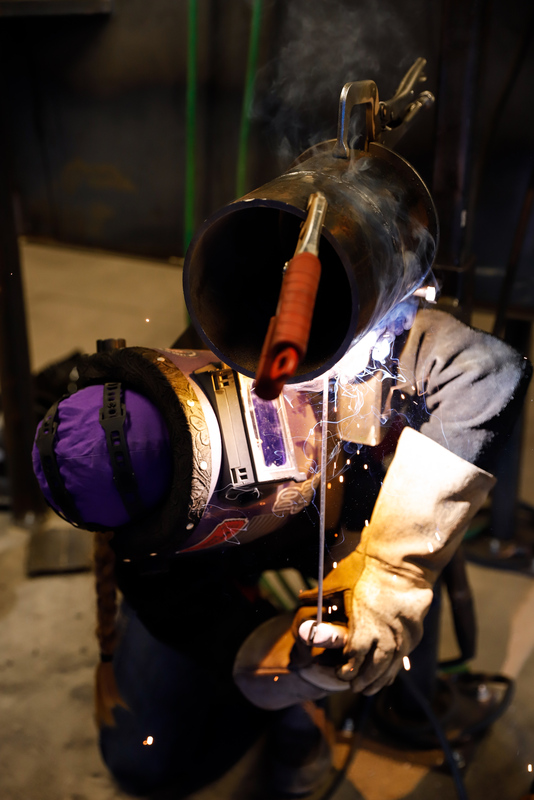
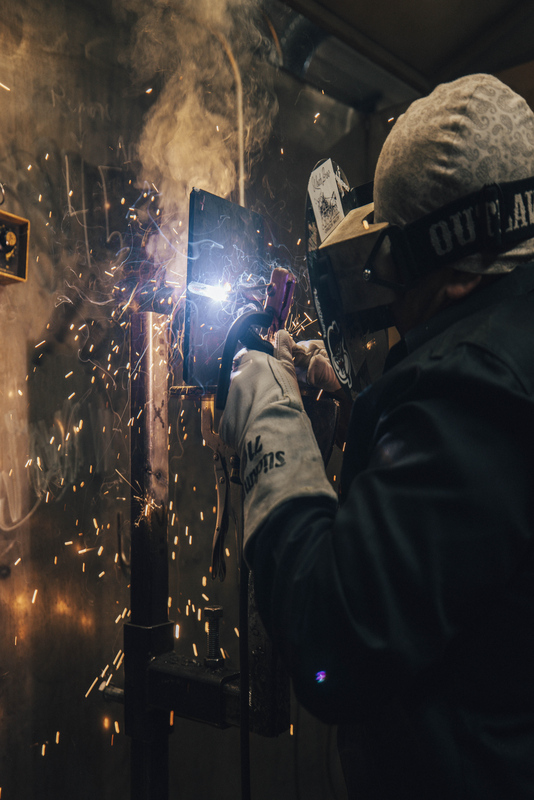
Programs with 50% classroom ratios produce graduates with 240 booth hours in a 12 week program. Programs like Western Welding Academy with 85% booth time produce graduates with over 408 hours in the same timeframe. That 168 hour difference determines whether a graduate passes their first hiring test or needs months of additional practice. Schools that prioritize booth time over classroom hours produce graduates who test well, and graduates who test well get hired.
How Employer Relationships Create Placement Pipelines
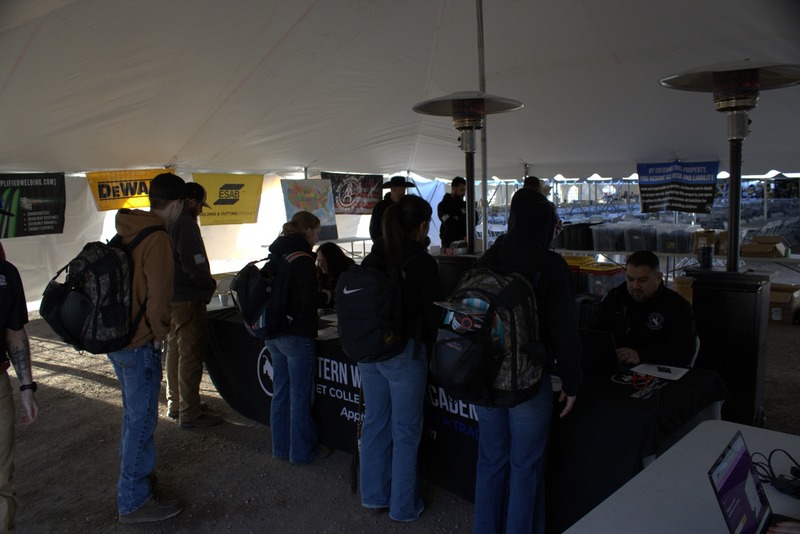
High placement schools do not just train welders and hope employers find them. They build direct pipelines between the training floor and the job site. At Western Welding Academy, employer relationships include SpaceX, Steam 88, UFO Motorsports, Boilermakers unions, and Pipefitters locals across the country. These are not passive affiliations. Employers actively recruit from the academy because they know the graduates arrive with the certifications and hands-on skills to pass their hiring tests.
Low placement schools list employer names on their websites but have no active recruitment pipeline. Their graduates submit applications through the same channels as every other candidate. There is no employer preference, no direct hiring path, and no track record of proven graduates. The difference between a school that places 94% and a school that places 50% often comes down to whether employers trust the school enough to recruit directly from it.
What Graduates Earn When Placement Starts Immediately
Fast placement means faster earnings. Every month a graduate spends searching for work is a month of lost income. At Western Welding Academy, the 94% placement rate within 90 days means most graduates start earning pipeline wages within weeks of completing their program. Over 2,000 graduates from all 50 states have completed training and entered the workforce.
Leyton Wagner earns $4,514 per paycheck as a pipeline welder. His placement happened quickly because the employer relationships at Western Welding Academy connected him directly with a contractor who needed welders with his exact certification profile.
Gavin Walden takes home $3,986 per paycheck. His hiring test was a formality because the 408 plus booth hours he logged during training meant he could run consistent beads in every position the test required.
David Smolek earns $3,417 per paycheck. He walked into his first employer weld test with certifications that matched exactly what the contractor required, eliminating the need for additional testing or probationary periods.
Noah clears $4,800 per week on pipeline projects. His multi process training prepared him for job sites that require switching between SMAW, FCAW, and GTAW, a versatility that made him immediately valuable to contractors.
Hank crossed $150,000 per year before turning 22. His fast placement into high tier pipeline work meant his earning trajectory started at the top instead of climbing from entry level positions over several years.
Why Low Placement Schools Stay Low
Low placement rates are self reinforcing. When a school graduates students who struggle to pass hiring tests, employers stop recruiting from that school. When employers stop recruiting, the school has no direct hiring pipeline. Without a pipeline, graduates compete on the open market against candidates from stronger programs. The cycle continues until the school either invests in better training or closes.
Common characteristics of low placement programs include fewer than 30 weekly training hours, shared welding stations, no on site testing facility, limited certification offerings, and instructors who have not worked in the field for years. Compare these against the standards at schools like Western Welding Academy versus apprenticeship models to understand the structural differences. Compare pipe welding schools with verified job placement rates to see how outcomes differ across programs.
Train at the school where 94% of graduates land jobs within 90 days. Apply now or call (307) 284-5313.
Frequently Asked Questions
Q1. What is a good job placement rate for a welding school?
A strong welding program places at least 80% of graduates in welding positions within 90 days. Programs above 90%, like Western Welding Academy at 94%, indicate active employer relationships, comprehensive certification training, and high booth time ratios that produce test ready graduates.
Q2. Why do some welding schools have placement rates below 50%?
Low placement rates result from insufficient booth time, limited certification scope, no employer recruitment pipeline, and lack of on site testing. Graduates from these programs need months of additional practice before they can pass hiring tests, and employers learn to avoid recruiting from programs with weak track records.
Q3. How can you verify a welding school's placement rate?
Ask for the rate within a specific timeframe and in welding positions only. Ask how the school tracks outcomes. Strong schools maintain employer relationships and follow up with graduates. Vague language like approximately or up to is a warning sign that the number is inflated or unverified.
Q4. Do employer relationships actually affect placement rates?
Directly. Schools with active employer pipelines connect graduates to hiring managers before graduation. Employers who trust a school's training quality recruit from it repeatedly. Without these relationships, graduates compete on the open market with no advantage over self-taught or community college trained candidates.
Q5. Does certification scope affect how quickly graduates get hired?
Yes. Graduates with advanced certifications like 6G, 6GR, and API 1104 qualify for high demand pipeline positions with fewer applicants and higher wages. Graduates with basic flat position certifications compete for crowded entry level jobs where employers can be selective.
Q6. What makes Western Welding Academy different from other welding schools?
Western Welding Academy places 94% of graduates within 90 days through 85% hands-on training, on site AWS accredited testing, direct employer pipelines to SpaceX, Boilermakers, and Pipefitters locals, and a full certification stack. Over 2,000 graduates from all 50 states have completed the program.
Choose the School That Puts Graduates to Work
A welding school's value is measured by how many graduates are working 90 days after completing the program. Western Welding Academy leads the industry with a 94% placement rate because every program decision is built around employment outcomes. Call Western Welding Academy at (307) 284-5313 or apply now to train where placement is the priority.



.jpg)


.jpg)


.jpg)
.jpg)
.jpg)
.jpg)
.jpg)
-thumbnail.jpg)

.jpg)