AWS Performance Certifications
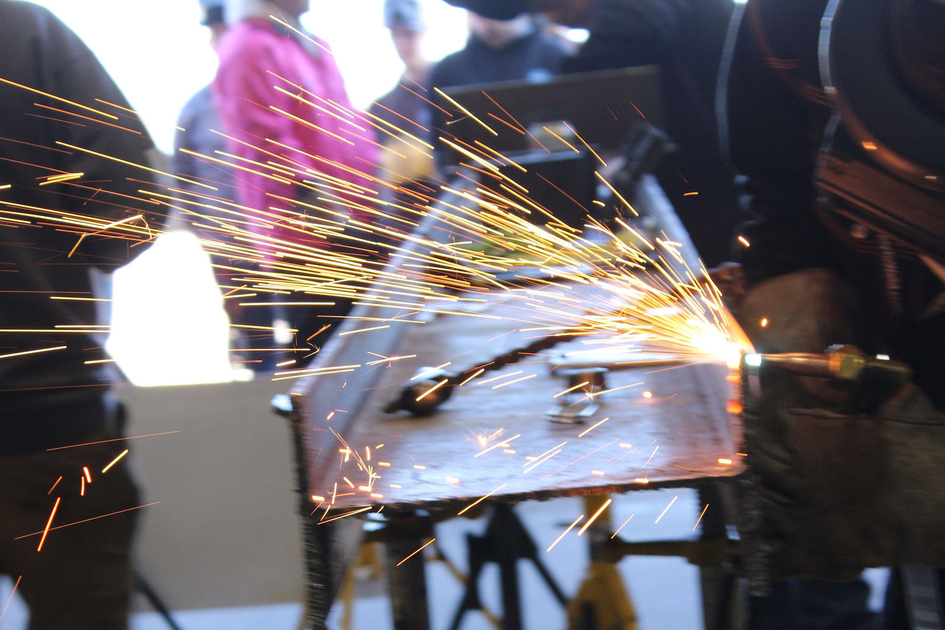
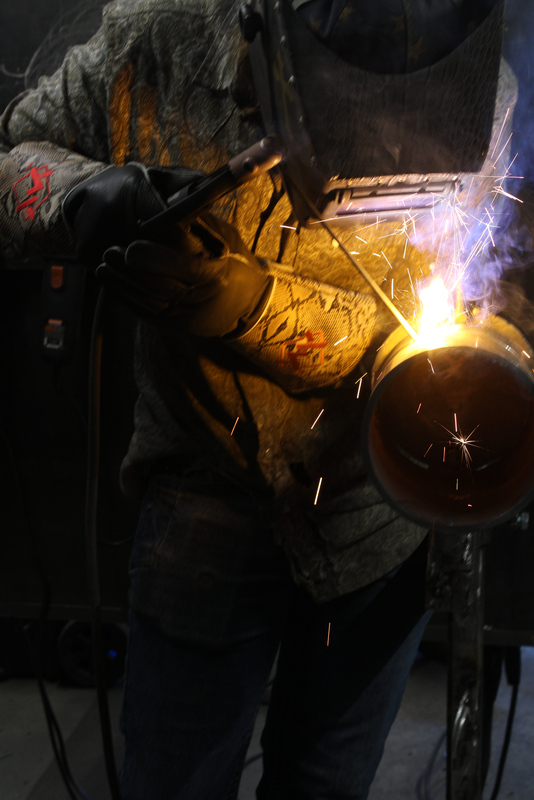
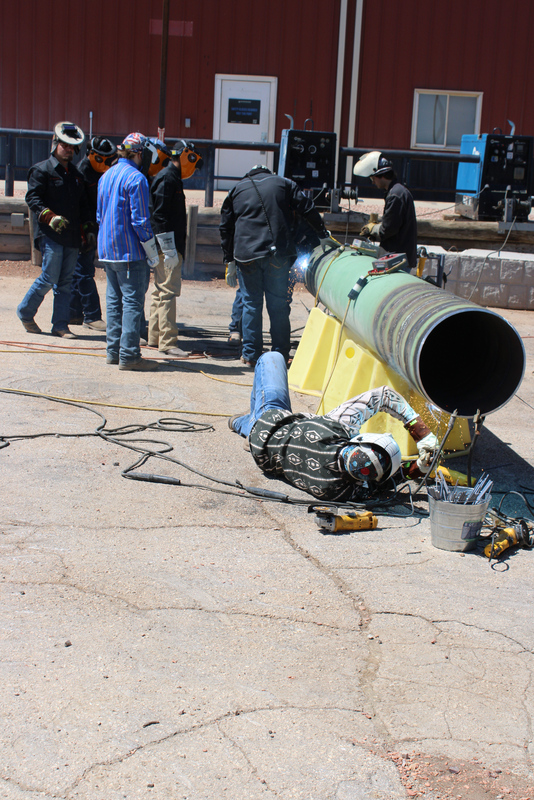
The AWS Certified Welder (CW) program is the most widely recognized performance certification. It tests your ability to produce a weld that passes visual and destructive testing on a specific process, position, and material. You can certify on MIG, TIG, stick, or flux-core in any position from flat through 6G pipe. Each combination is a separate qualification. A single welder might hold 5 to 10 individual CW qualifications across different processes and positions.
Additional AWS performance-based programs include certifications for structural steel (D1.1), sheet metal, chemical refinery welding, and petroleum pipeline work. Each targets a specific industry and code. Learn about how to get certified without school and the AWS testing process.
AWS Professional Credentials
Beyond the CW, AWS offers professional-level credentials that require experience, education, and examination. Certified Welding Inspector (CWI) requires 2 to 5 years of experience plus a 3-part exam. Certified Welding Engineer (CWEng) requires an engineering degree plus experience. Certified Welding Educator (CWE) is for instructors. Senior Certified Welding Inspector (SCWI) is the advanced inspection credential. Certified Welding Supervisor (CWS) covers production oversight. Certified Radiographic Interpreter (CRI) covers NDT film reading. Certified Welding Sales Representative (CWSR) covers technical sales.
In total, AWS administers 8 distinct certification programs. Each targets a different career path within the welding industry. The CW and CWI are the two most common and most valuable for production welders and those transitioning to inspection. See what welding inspectors do and how to earn the CWI.
Ready to launch your welding career? Apply now or call Western Welding Academy at (307) 284-5313 today.
Code-Specific Welding Qualifications
ASME Section IX governs welder qualifications for boiler and pressure vessel work. API 1104 covers pipeline welding qualifications. AWS D1.1 covers structural steel. AWS D1.2 covers aluminum structures. AWS D1.6 covers stainless steel. AWS D17.1 covers aerospace. Each code defines its own qualification tests, acceptance criteria, and continuity requirements. A welder qualified under one code is not automatically qualified under another.
These are not certifications you hang on a wall. They are test records maintained by your employer that prove you can produce welds meeting a specific code's requirements. When you change employers, you typically requalify to the new employer's specific procedures even if you hold the same code qualifications from a previous job.
Employer-Specific Weld Tests
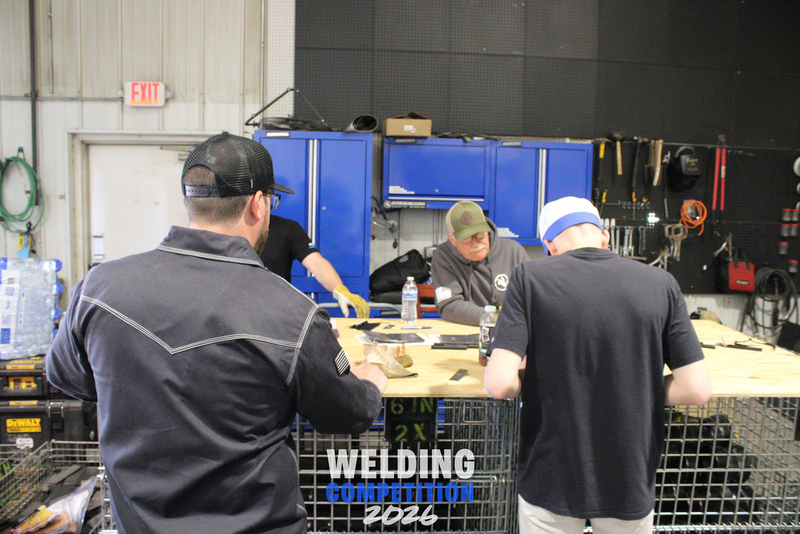
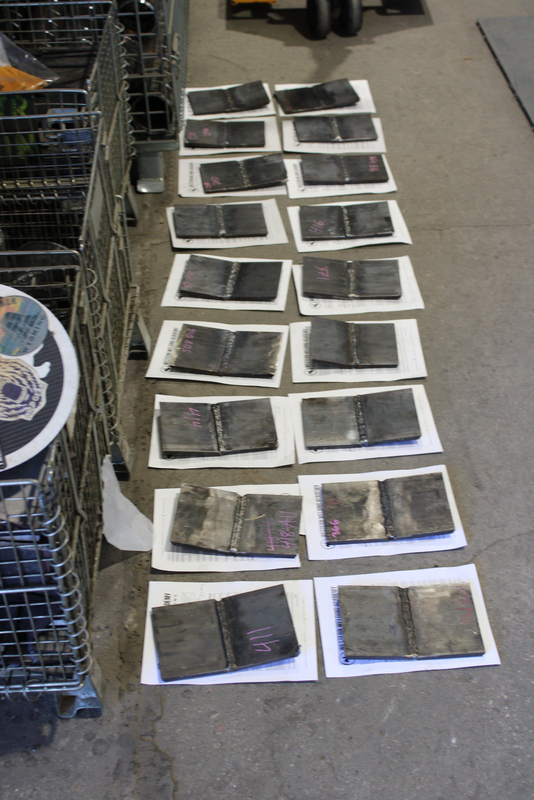
Nearly every welding employer administers their own weld test before hiring. This test verifies you can produce acceptable welds using their specific procedures, materials, and equipment. Passing an employer test does not result in a portable certification. It qualifies you to weld at that specific facility under that specific procedure. When you move to a new employer, you test again.
| Certification Type | Issuing Body | Covers | Maintenance |
|---|---|---|---|
| AWS CW | AWS | Performance (process/position) | 6-month form |
| AWS CWI | AWS | Inspection (3-part exam) | 3-year renewal |
| ASME Section IX | ASME | Pressure vessel/piping | 6-month continuity |
| API 1104 | API | Pipeline welding | 3-year cycle |
| AWS D1.1 | AWS | Structural steel | 6-month continuity |
| AWS D17.1 | AWS | Aerospace fusion welding | Per employer |
| Employer Weld Test | Employer | Site-specific procedures | Per employer policy |
| WWA Foundation | #1 AWS ATF, on-campus testing, multi-process, 94% hire rate | ||
Which Certifications Matter Most for Your Career
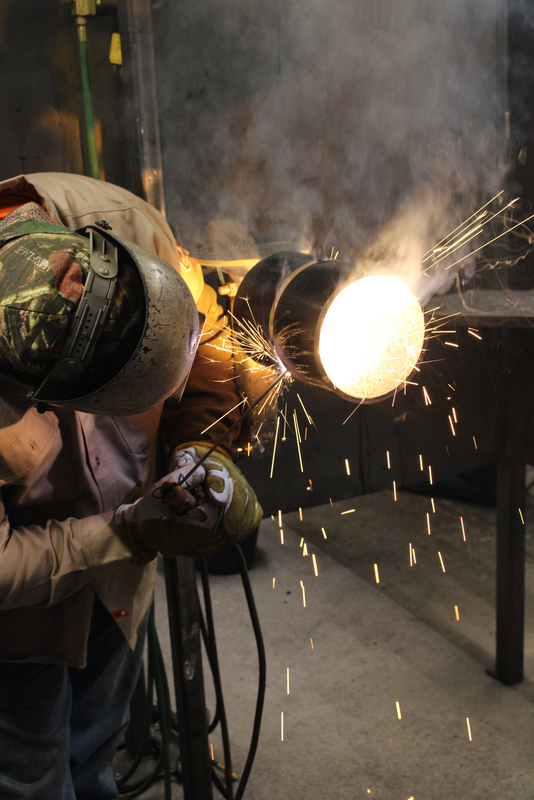
For pipe welders targeting energy, pipeline, and industrial work: AWS CW qualifications on stick and TIG in 6G position, plus ASME Section IX procedure qualifications. For structural welders: AWS D1.1 qualification. For aerospace: AWS D17.1. For inspection careers: CWI after building production experience. The strongest foundation is multi-process pipe welding training that prepares you to pass any employer test or code qualification.
Western Welding Academy builds that foundation with 85 percent booth time across MIG, TIG, stick, and flux-core on pipe. The school holds the number one AWS Accredited Testing Facility ranking, giving students on-campus access to AWS certification testing. With a 94 percent hire rate within 90 days and 2,000 graduates, the school produces welders who pass tests and get hired across every certification type.
What Western Welding Academy Graduates Earn
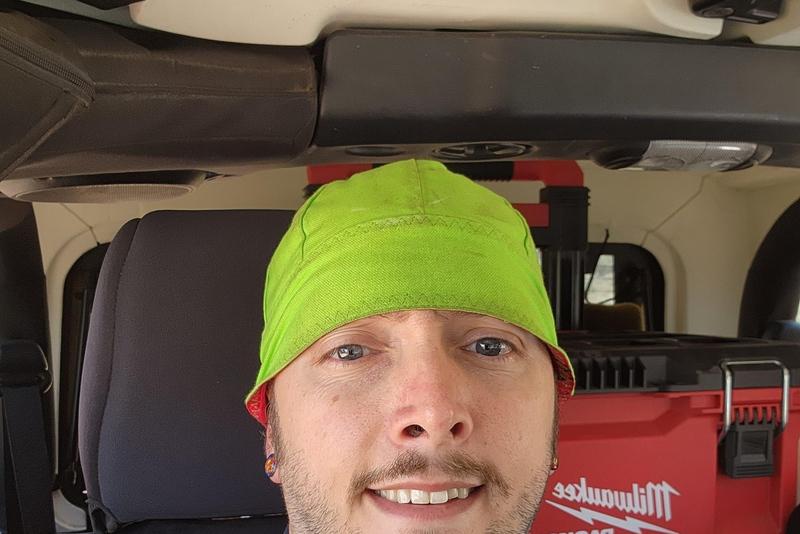
Graduates of Western Welding Academy earn verified paychecks backed by certifications that employers recognize.
Source: WWA website (Leyton, Gavin, David). Graduate outcomes tracking (Noah, Hank).
Leyton Wagner earns $4,514 per paycheck. Gavin Walden takes home $3,986. David Smolek earns $3,417. Noah clears $2,800 per week. Hank reached $150,000 per year by age 21. Their certifications open the doors. Their skills keep them earning. See how long welding certifications last and how to maintain them.
Ready to launch your welding career? Apply now or call Western Welding Academy at (307) 284-5313 today.
Frequently Asked Questions
Q1. How many AWS certifications exist?
AWS administers 8 certification programs: Certified Welder (CW), Certified Welding Inspector (CWI), Senior CWI (SCWI), Certified Welding Engineer (CWEng), Certified Welding Educator (CWE), Certified Welding Supervisor (CWS), Certified Radiographic Interpreter (CRI), and Certified Welding Sales Representative (CWSR).
Q2. Do I need all of them to get a welding job?
No. Most production welders need the CW credential in their target process and position, plus the ability to pass employer-specific weld tests. CWI is valuable for career advancement into inspection. The other AWS credentials serve specialized career paths in engineering, education, and sales.
Q3. What is the difference between certification and qualification?
Certification (like AWS CW) is a portable credential you earn by passing a standardized test. Qualification is an employer-specific record proving you can weld to their procedures. Certifications transfer between jobs. Qualifications typically must be re-earned at each new employer.
Q4. Which certification pays the most?
CWI (Certified Welding Inspector) pays $66,000 to $128,000 per year. For production welders, 6G pipe qualifications on TIG and stick command the highest rates because they qualify you for pipeline, energy, and nuclear work paying $60,000 to $150,000 or more.
Q5. Can I hold certifications from multiple codes?
Yes. Many experienced welders hold qualifications under AWS D1.1, ASME Section IX, and API 1104 simultaneously. Each qualification requires its own test and maintenance schedule. More qualifications mean more job opportunities.
Q6. What makes Western Welding Academy different from other welding schools?
Western Welding Academy delivers 85 percent hands-on booth time with on-campus AWS testing at the number one ranked Accredited Testing Facility. Students prepare for multiple certification types across MIG, TIG, stick, and flux-core. The school holds a 94 percent hire rate within 90 days across 2,000 graduates.
Start Earning Certifications That Open Every Door
The more certifications you hold, the more options you have. Call Western Welding Academy at (307) 284-5313 or apply now to start building your certification portfolio.


.jpg)


.jpg)


.jpg)
.jpg)
.jpg)
.jpg)
.jpg)
-thumbnail.jpg)

.jpg)