How Orbital Welding Works
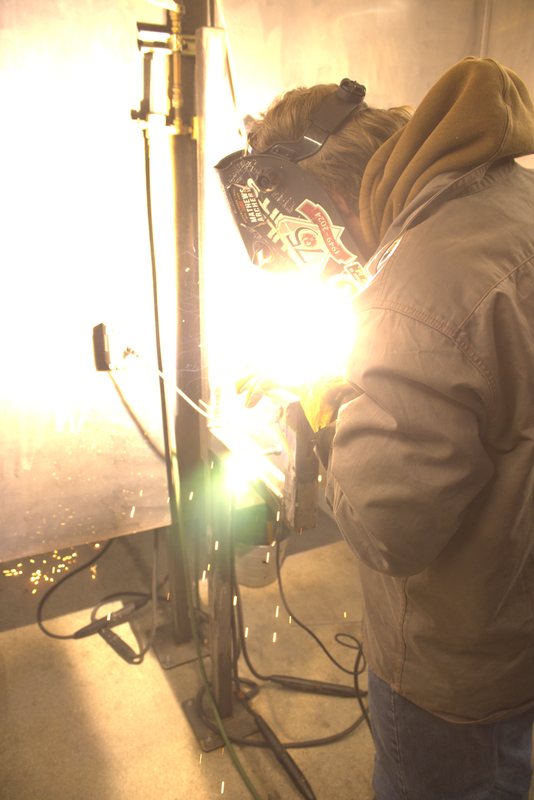
Orbital welding is an automated TIG (GTAW) welding process. A motorized weld head clamps onto a stationary pipe or tube and rotates the tungsten electrode 360 degrees around the joint. A computer-controlled power supply manages arc length, welding current, pulse frequency, wire feed speed, travel speed, and shielding gas flow. The operator programs the parameters, positions the head, and monitors the weld while the machine executes it.
The process uses high-purity argon as a shielding gas to prevent contamination of the weld pool. The result is a uniform, fully penetrated weld with smooth interior surfaces that meet the strictest quality standards. Unlike manual TIG welding, where weld quality depends heavily on operator skill and fatigue, orbital welding produces identical results weld after weld. The weld data is recorded and stored for traceability and compliance documentation.
Where Orbital Welding Is Used
Aerospace was the first industry to adopt orbital welding. Roderick Rohrberg of North American Aviation invented the process to solve fuel and hydraulic line leaks on the X-15 rocket plane in the 1960s. Today, aircraft and spacecraft can contain over 1,500 welded joints, each requiring precision and reliability that manual welding cannot guarantee consistently.
Pharmaceutical and biotechnology facilities use orbital welding for stainless steel piping systems that carry purified water and process fluids. Any pit, crack, or incomplete weld can harbor bacteria and contaminate the product. The FDA requires smooth, fully penetrated interior surfaces, which orbital welding delivers consistently.
Semiconductor manufacturing depends on ultra-high-purity gas distribution systems. Even microscopic weld defects can release particles that ruin silicon wafers worth thousands of dollars each. Orbital welding eliminates that risk. Food, dairy, and beverage processing requires the same sanitary weld quality to prevent bacterial growth inside piping systems. Nuclear power facilities rely on orbital welding for leak-free pipe joints in systems where failure is not an option.
Ready to launch your welding career? Apply now or call Western Welding Academy at (307) 284-5313 today.
Why the Orbital Welding Market Is Growing
The global orbital welding market was valued at $1.2 billion in 2024 and is projected to reach $2.5 billion by 2033, growing at a compound annual rate of 9.1 percent. This growth reflects increasing demand for automated, precision welding across every major industrial sector. As quality standards tighten and the global welder shortage deepens, companies invest in orbital systems that reduce dependence on hard-to-find manual welders.
The national welding industry needs approximately 82,500 new welders per year, and the projected shortage reaches 330,000 by 2028. Orbital welding does not replace welders entirely. It shifts the role from manual execution to programming, setup, monitoring, and quality verification. Welders who understand TIG fundamentals and can operate orbital equipment command premium wages in every industry that uses the technology.
How TIG Welding Training Prepares You for Orbital Work
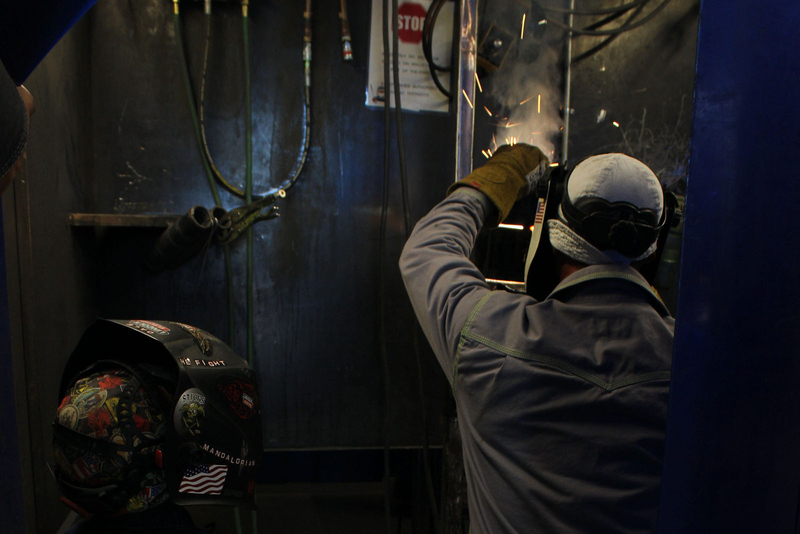
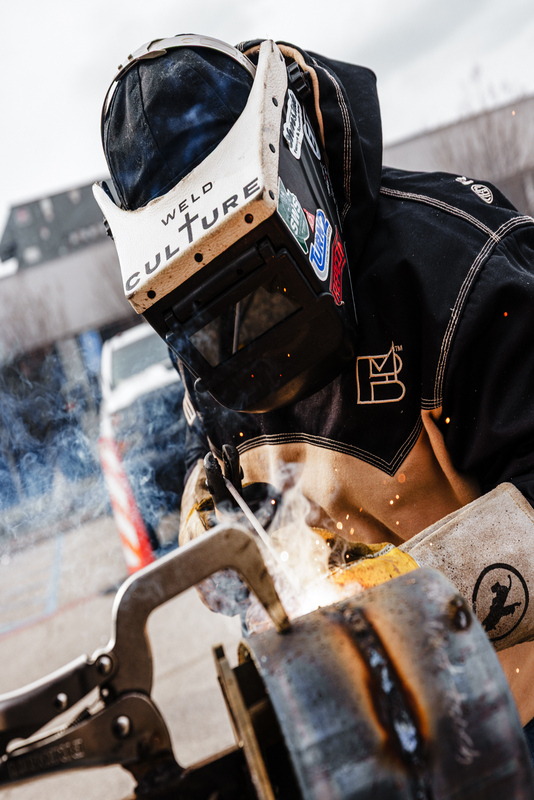
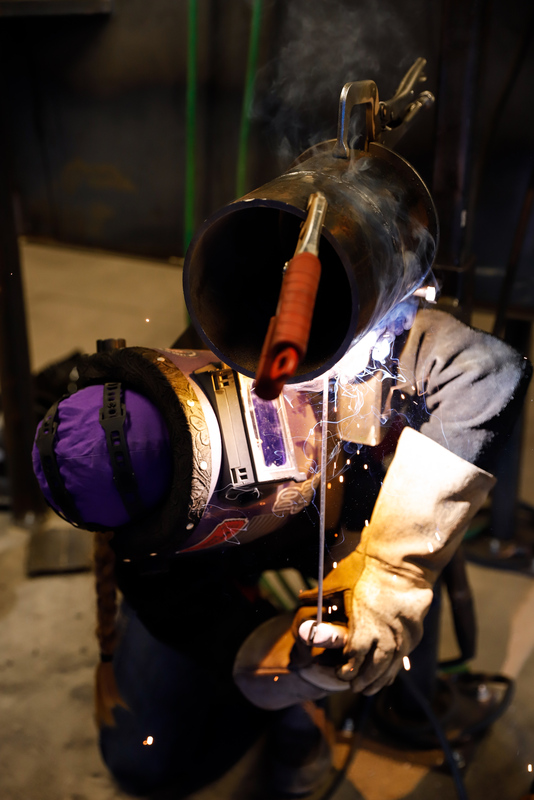
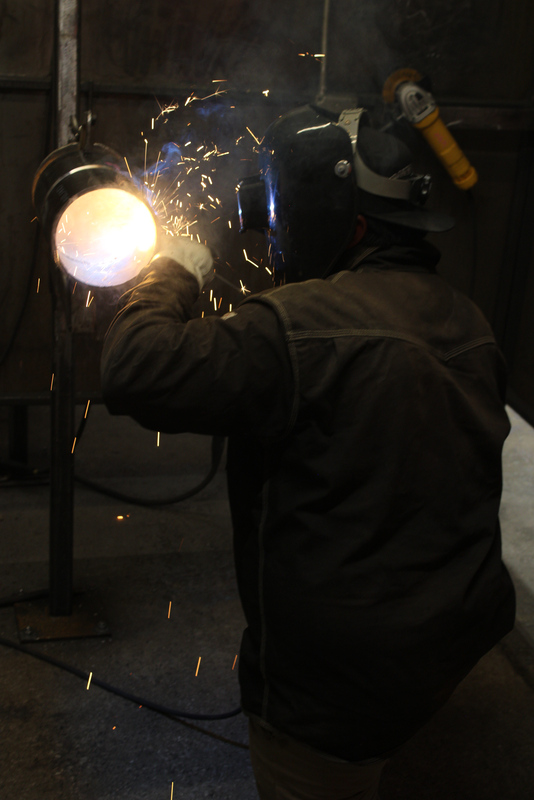
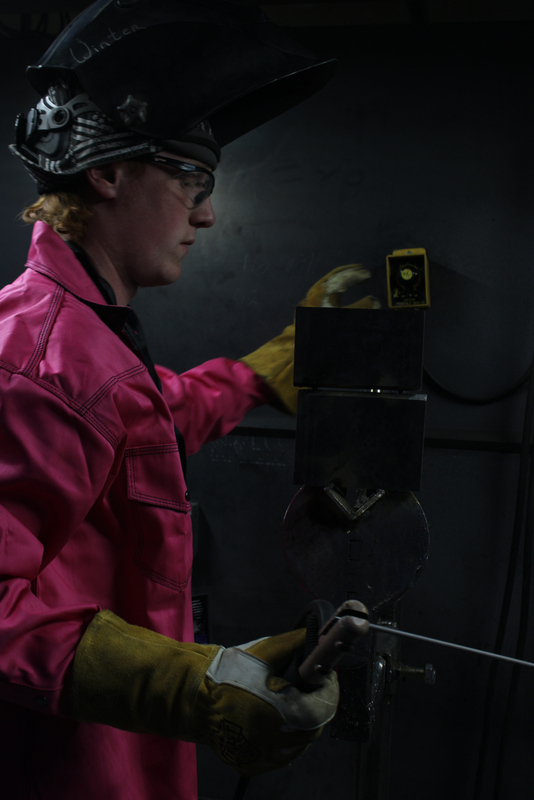
Orbital welding is built on TIG (GTAW) principles. The automated head performs the same process that a manual TIG welder does by hand. Understanding tungsten electrode selection, shielding gas behavior, heat input control, and weld pool dynamics is essential before operating any orbital system. Welders who lack this foundation cannot troubleshoot problems or recognize when the automated system produces a defective weld.
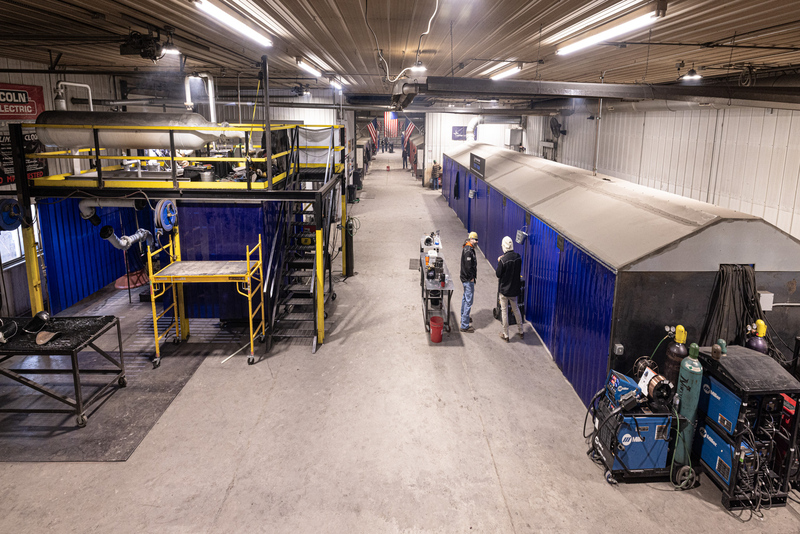
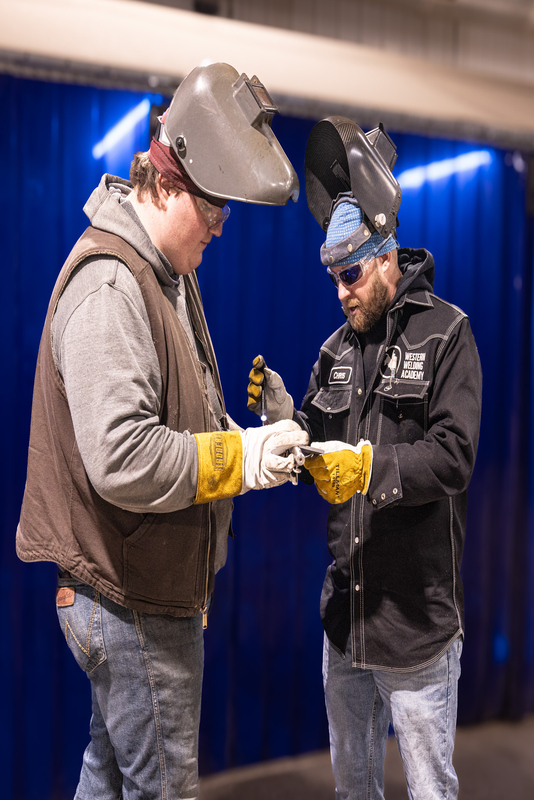
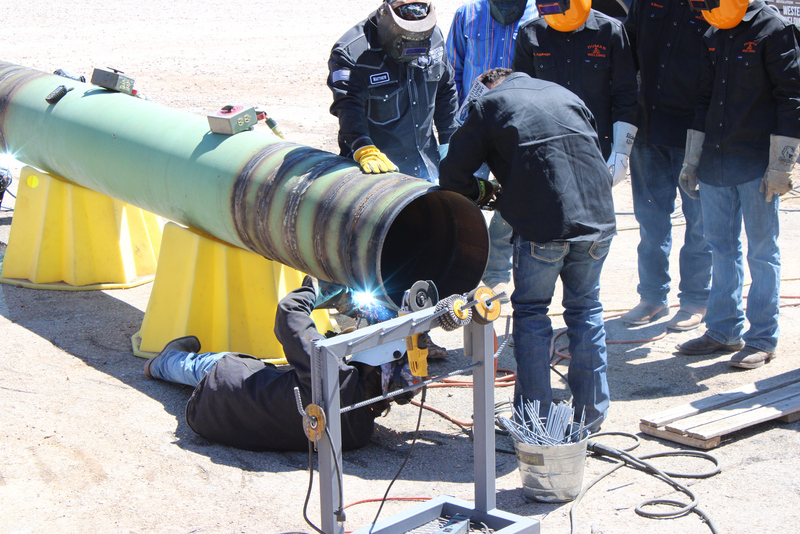
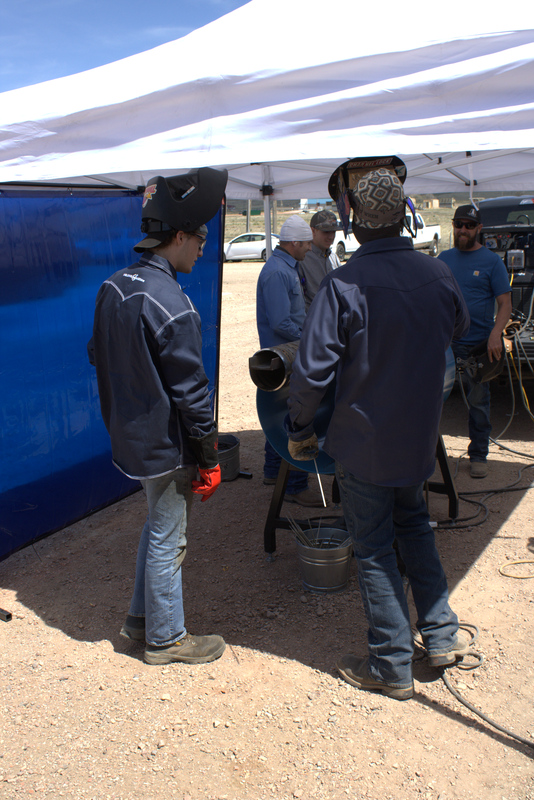
At Western Welding Academy, students develop deep TIG skills through the Professional Pipe Welder and Expert Pipe Welder programs. With 85 percent hands-on booth time and 40 hours per week of practice, students build the manual dexterity and process knowledge that translates directly to orbital welding operations. Learn more about how to choose between MIG, TIG, and stick welding as you plan your career path.
What Western Welding Academy Graduates Earn
Graduates of Western Welding Academy earn verified paychecks that demonstrate the value of strong TIG fundamentals in a high-demand market.
Leyton Wagner earns $4,514 per paycheck as a graduate of Western Welding Academy. His TIG foundation enables him to work on precision projects where quality standards mirror those found in orbital welding applications.
Gavin Walden takes home $3,986 per paycheck. David Smolek earns $3,417 per paycheck. Noah clears $2,800 per week on the North Slope in Alaska, working pipeline projects that demand the same precision welding skills used in orbital operations. Hank reached $150,000 per year by age 21. Explore how pipe welders build high-earning careers across specialty sectors.
Ready to launch your welding career? Apply now or call Western Welding Academy at (307) 284-5313 today.
Frequently Asked Questions
Q1. What is orbital welding in simple terms?
Orbital welding is an automated TIG welding process where a motorized weld head rotates 360 degrees around a stationary pipe or tube. A computer controls the welding parameters to produce consistent, high-quality welds with minimal human error. It is used in industries where weld precision and repeatability are critical.
Q2. What industries use orbital welding the most?
Aerospace, pharmaceutical manufacturing, semiconductor fabrication, food and beverage processing, nuclear power, and offshore energy are the primary users. These industries require contamination-free, fully penetrated welds that meet strict quality standards. The global orbital welding market is projected to reach $2.5 billion by 2033.
Q3. Do you need TIG welding experience to do orbital welding?
Yes. Orbital welding is based on TIG (GTAW) principles. Operators must understand tungsten electrode selection, shielding gas behavior, heat input, and weld pool dynamics to program parameters correctly and troubleshoot issues. Strong manual TIG skills are the foundation for every orbital welding career.
Q4. How much do orbital welders earn?
Orbital welders typically earn more than general welders due to the specialized skills required. Experienced orbital welding technicians earn $70,000 to $120,000 or more per year depending on industry, certification, and location. Pharmaceutical and semiconductor roles often pay at the higher end of that range.
Q5. Is orbital welding replacing manual welders?
Orbital welding automates the execution of specific pipe and tube welds, but it does not replace welders. Skilled professionals are needed to program, set up, monitor, and quality-check every orbital weld. Manual welding remains essential for structural work, field repairs, and applications where orbital heads cannot physically access the joint.
Q6. What makes Western Welding Academy different from other welding schools?
Western Welding Academy delivers 85 percent hands-on booth time, building the deep TIG fundamentals that orbital welding demands. The school holds a 94 percent hire rate within 90 days, verified by a 234-alumni survey. With 2,000 graduates, 330 combined instructor years, and the number one AWS Accredited Testing Facility ranking, the school prepares students for advanced welding specialties.
Build Your Foundation for Precision Welding Careers
Orbital welding careers start with strong TIG fundamentals. The right training gives you the skills to move into specialized, high-paying sectors. Call Western Welding Academy at (307) 284-5313 or apply now to start building your precision welding career.




.jpg)



.jpg)


.jpg)
.jpg)
.jpg)
.jpg)
.jpg)
-thumbnail.jpg)

.jpg)