Why Working Welders Hit a Pay Ceiling
Most welding jobs train you to do exactly what they need. Nothing more. You become efficient at your specific tasks. Years pass. Your experience grows but your qualifications stay the same. When a higher paying position opens up, it requires certifications or processes you never had the opportunity to learn on the job.
The ceiling is not about your ability to weld. It is about documented proof of capability. A welder earning $50,000 per year doing MIG production work has the hands and the work ethic. What they lack is the API 1104 certification, the 6G qualification, or the TIG pipe capability that the $80,000 position requires. That gap does not close with more years of the same work. It closes with targeted training.
What a Refresher Course Actually Adds to Your Resume
New certifications. Pipeline and code welding positions require specific credentials. API 1104 certification opens pipeline jobs. 6G and 6GR certifications prove all position capability. ASME Section IX qualifies you for refinery and pressure vessel work. Each certification adds a documented qualification that employers and contractors recognize immediately.
Additional welding processes. If you currently run one or two processes, adding TIG pipe or stick pipe capability doubles your job eligibility. Many higher paying positions require multi process welders. A refresher course builds the processes you do not have on top of the ones you already know. Understanding which processes open which doors helps you plan your training investment.
Position range. Moving from flat and horizontal capability to all position welding including overhead and 6G pipe opens a different tier of work. Contractors pay premiums for welders who can handle any position on any joint. The position range you add during a refresher course stays on your qualification record permanently.
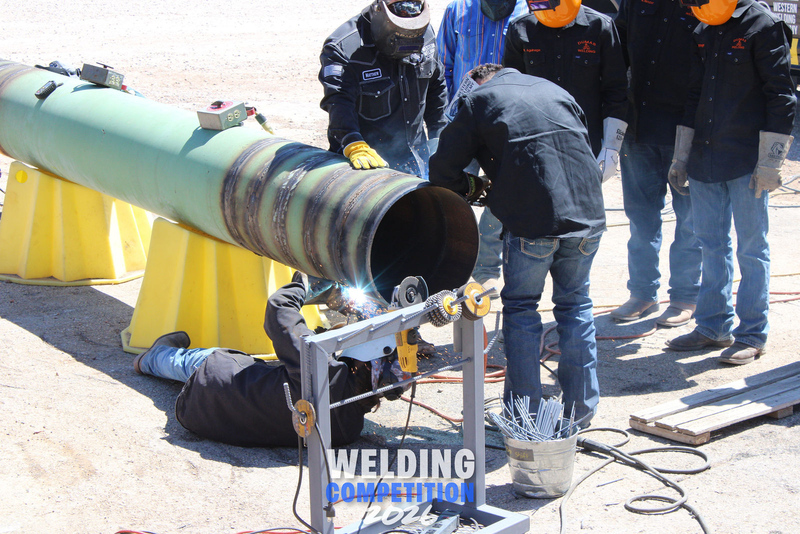
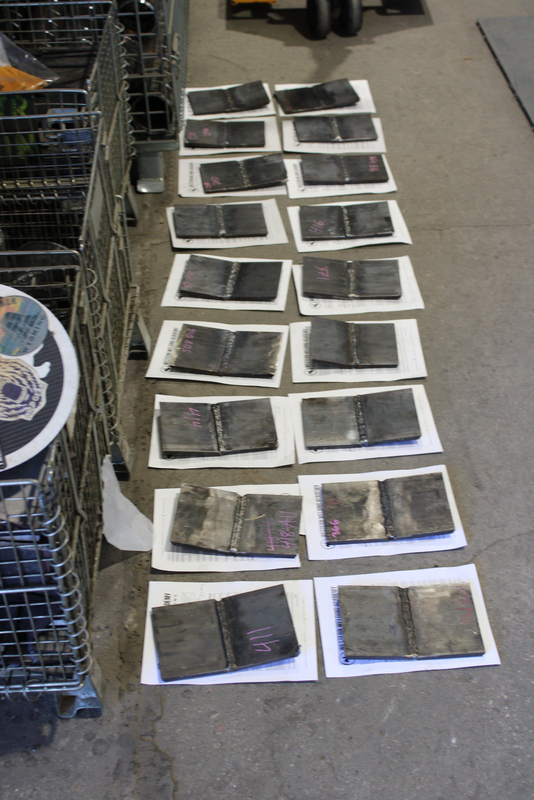
Tested proof of quality. Earning certifications at an accredited testing facility means your welds were X rayed, bend tested, and evaluated against written code requirements. That documentation carries weight that years of production experience alone cannot match. Employers know exactly what a 6G certification means. They have to guess about 10 years of production welding.
Add the certifications your next promotion requires. Apply now or call (307) 284-5313.
The Math on Taking Time Off to Train
The biggest concern for working welders is leaving a paying job to attend training. Here is how the math works. If you earn $50,000 per year and the program runs 12 to 24 weeks, you are giving up $11,500 to $23,000 in wages plus $7,050 to $19,800 in tuition. The total cost is $18,550 to $42,800 depending on the program.
If the new certifications move you from $50,000 to $80,000 per year, you recover the total investment in 8 to 17 months. If you reach $100,000 or higher in pipeline work, the recovery drops to 5 to 10 months. Every year after that, the $30,000 to $75,000 annual increase compounds. Over a 20 year career, the training investment returns $600,000 to $1,500,000 in additional earnings.
Here are verified paychecks from Western Welding Academy graduates who invested in their skills and earned returns that dwarf the training cost.
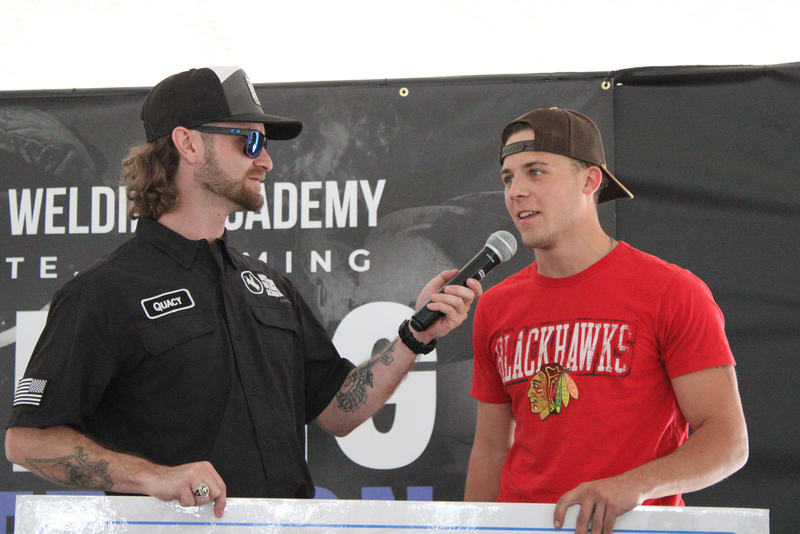
Leyton Wagner earned $4,514 on a single paycheck after completing the Expert Pipe Welder program at Western Welding Academy. That figure is published on the school's website. Gavin Walden posted a $3,986 paycheck on social media. David Smolek shared his $3,417 paycheck publicly.
Noah started clearing $4,800 per week right out of welding school. Hank reached $150,000 per year at age 21. The training cost paid for itself within months. The earning increase lasts for the rest of their careers.
Which Program Fits a Working Welder's Goals
The right program depends on what certifications and skills you need to reach your specific goal. Western Welding Academy offers programs that serve different advancement objectives.
The Foundational Pipe Welder program runs 12 weeks at $7,050. This is the right fit if you need API 1104 and 6G certifications to qualify for pipeline work. For a working welder with solid stick skills, 12 weeks earns the credentials that open the highest paying field welding positions.
The Professional Pipe Welder program runs 19 weeks at $13,600. This adds TIG pipe capability and ASME Section IX qualifications. If your promotion path requires multi process versatility or refinery work, this program closes those gaps.
The Expert Pipe Welder program runs 24 weeks at $19,800. This earns every certification that pipeline and refinery employers require. The Expert program maintains an 85% graduation rate compared to an industry average below 60%. Working welders who complete this program graduate with the full certification stack. Comparing programs side by side helps you match the investment to the return. Working welders advance fastest at a pipe welding school that builds on existing skills instead of starting from zero.
How Your Existing Skills Accelerate the Training
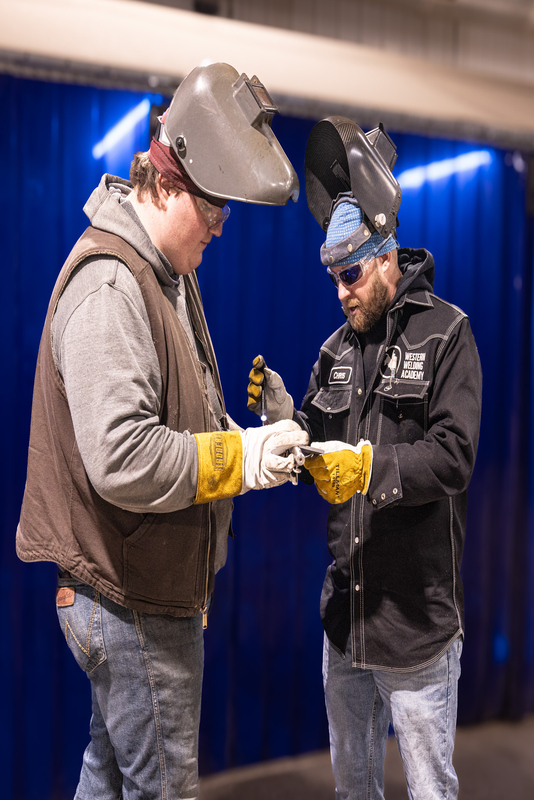
Working welders have a built in advantage. You already understand arc behavior, material handling, and shop discipline. Complete beginners at Western Welding Academy spend their first several weeks building these basics. You skip that phase entirely. Your training starts at the new skills and certifications from day one.
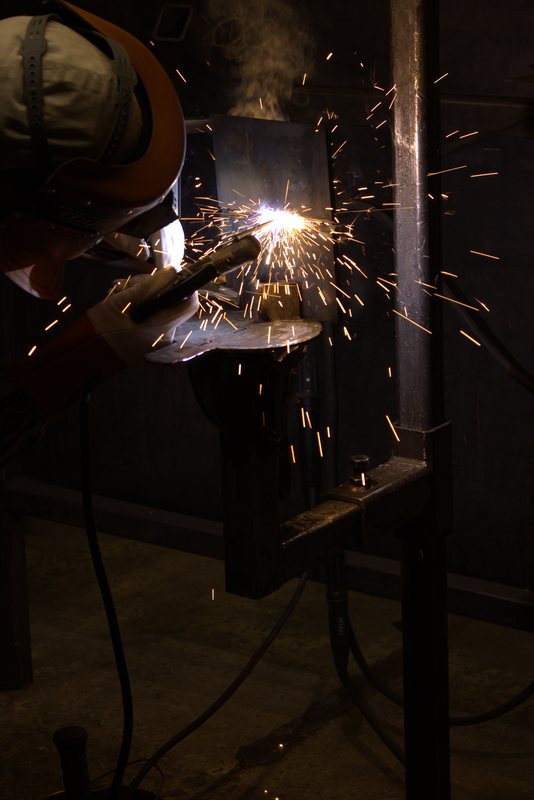
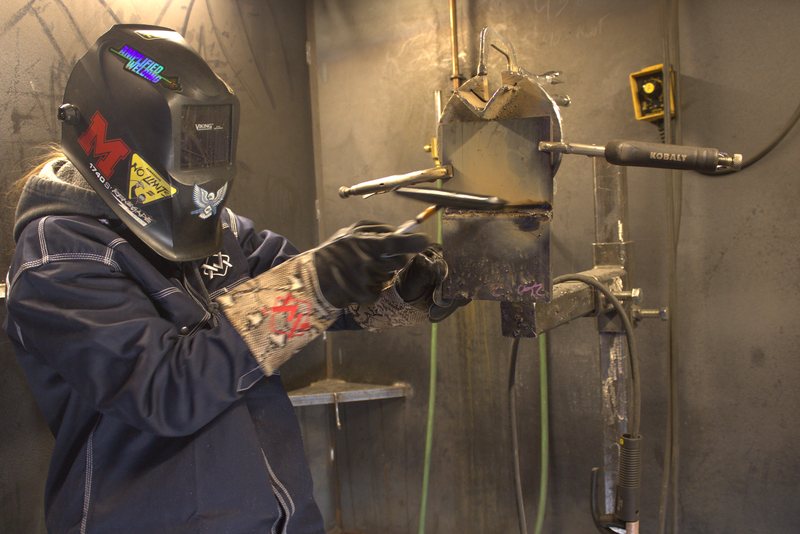
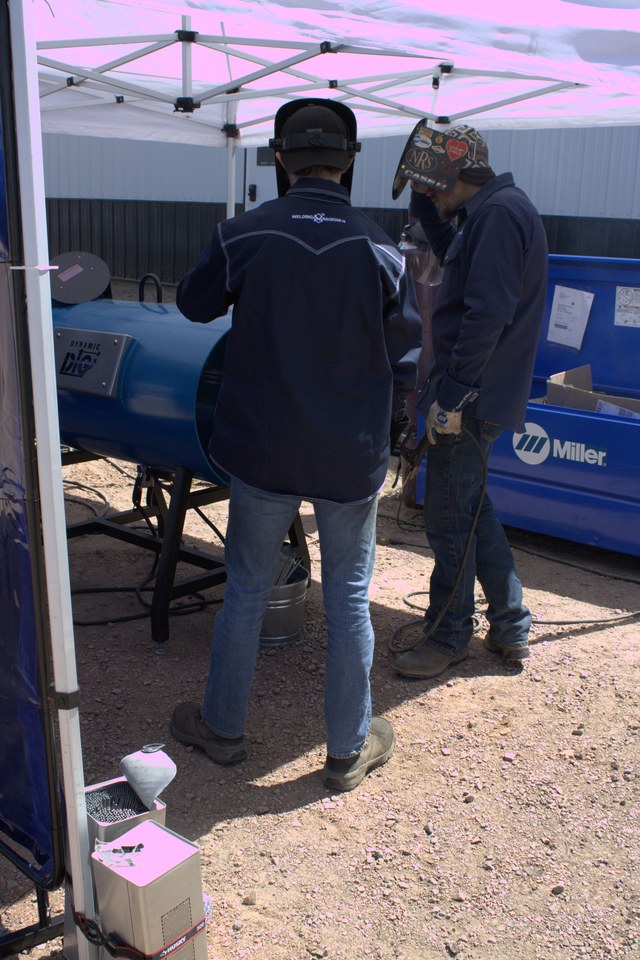
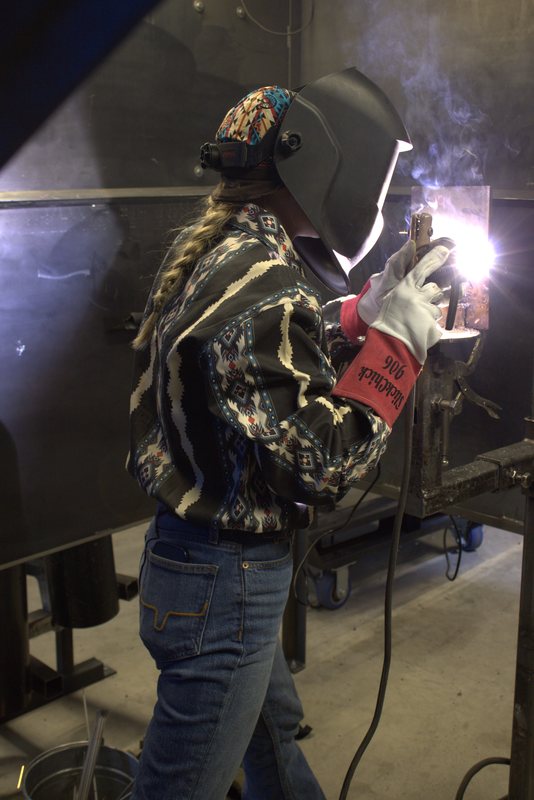
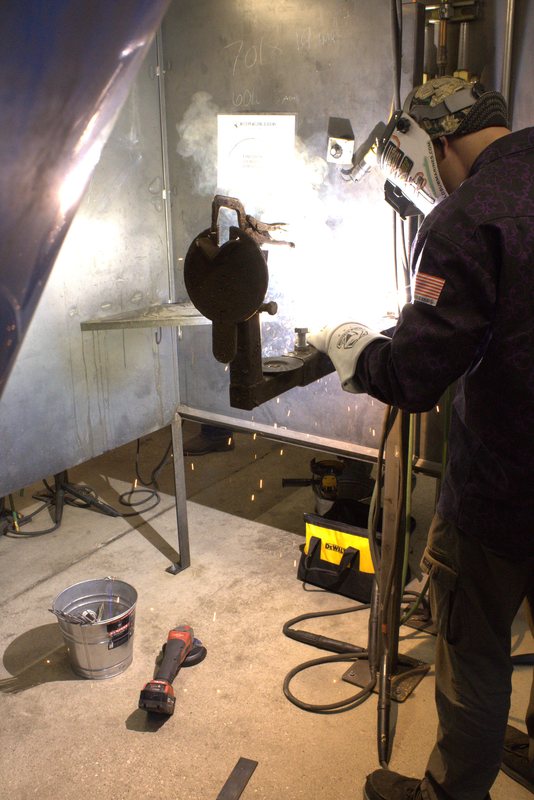
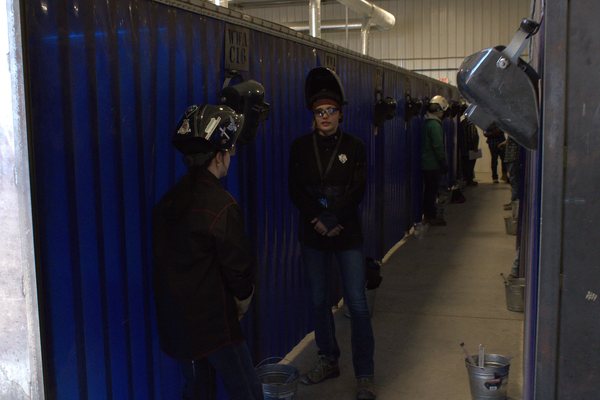
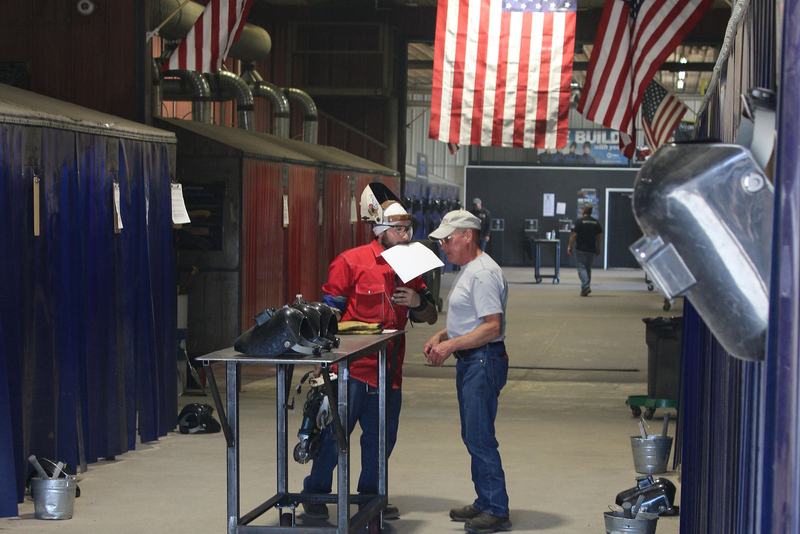
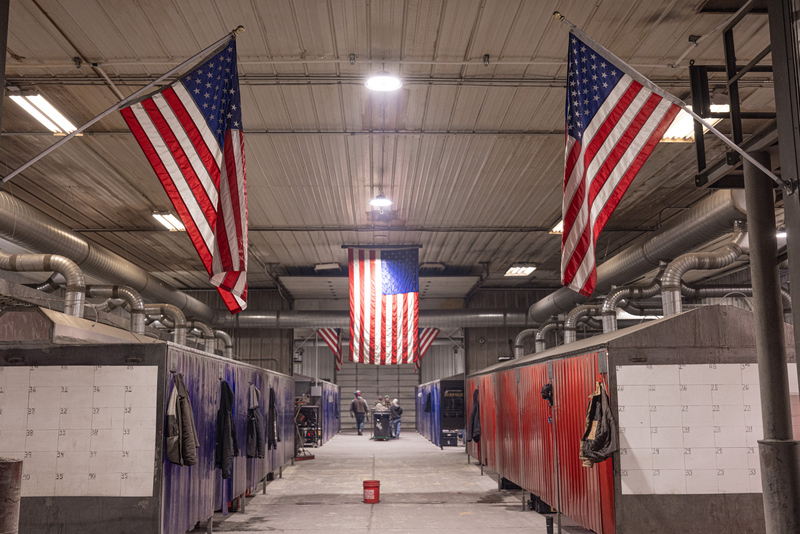
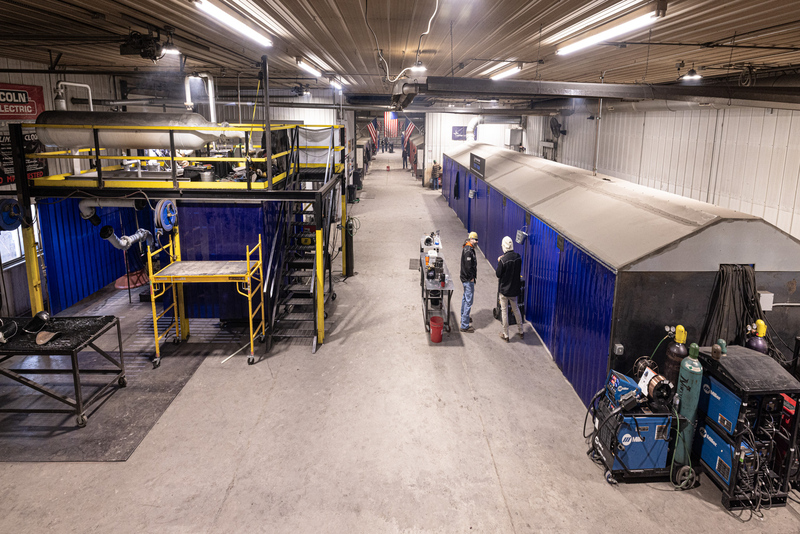
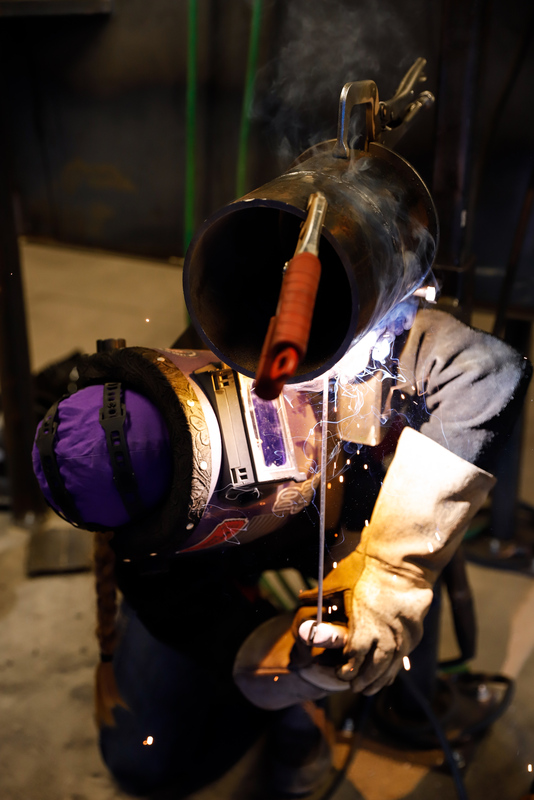
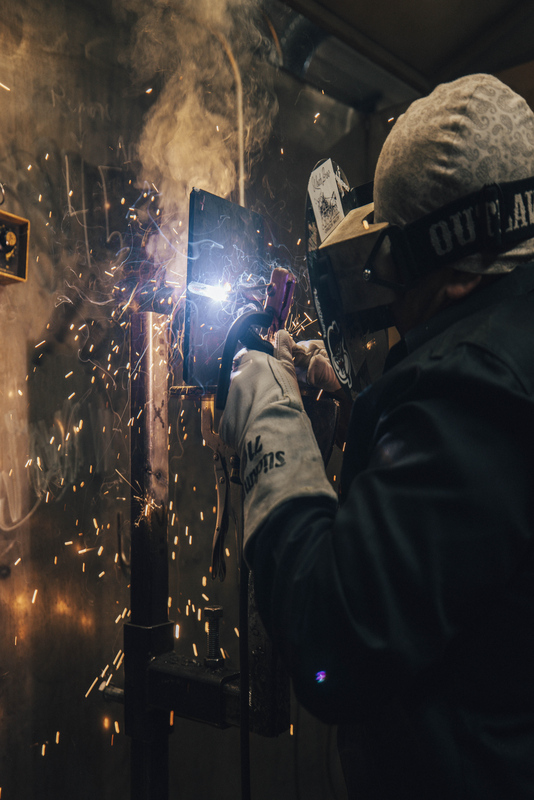
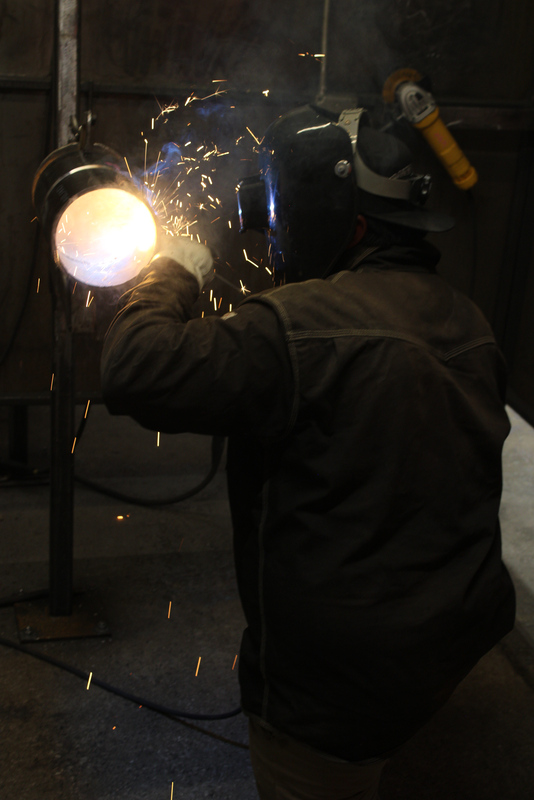
The 85% hands on booth time at 40 hours per week means roughly 34 hours per week of actual welding. For a working welder, those hours build new capability on top of existing skill rather than starting from scratch. Your muscle memory, hand stability, and work stamina translate directly into faster progression through the program.
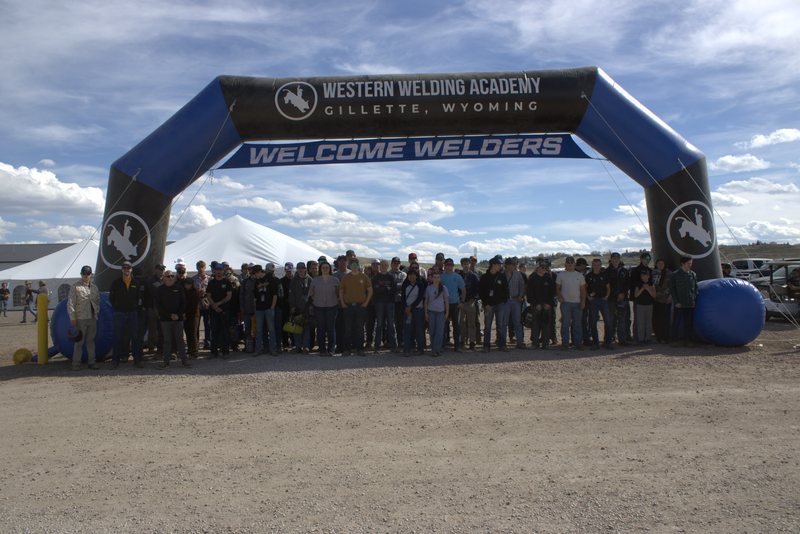
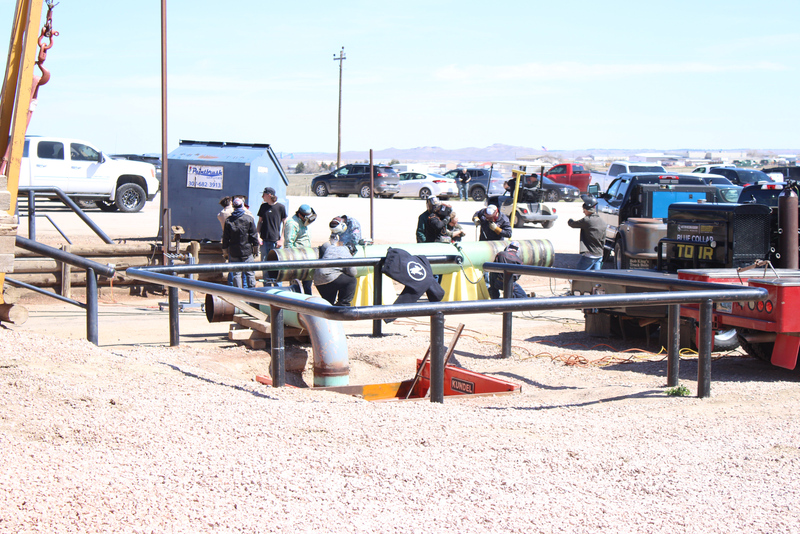
The school has graduated over 2,000 students from all 50 states. It places 94% of graduates within 90 days. The number one AWS Testing Facility sits on campus. You test in the same booths where you train. For a working welder looking to return to the workforce with upgraded credentials, the placement support means you are not job hunting alone after training.
Invest 12 to 24 weeks now. Earn more for decades. Apply now or call (307) 284-5313.
Frequently Asked Questions
Q1. Can I go back to my current employer with new certifications?
Yes. Many working welders return to the same employer in a higher position after adding certifications. Some negotiate a promotion before they leave for training. The new credentials give you leverage whether you return or move to a higher paying employer.
Q2. Is this the same as a community college refresher course?
No. Community college programs spread content over semesters with 15 to 20 hours per week of booth time. This program runs 40 hours per week with 85% booth time. The intensive format compresses what takes a community college two years into 12 to 24 weeks.
Q3. Will employers value certifications from a short program?
Employers value the certifications themselves, not the length of the program. API 1104 and 6G certifications tested at an AWS accredited facility carry the same weight regardless of how long the training took. The certification test is the proof. The program is the preparation.
Q4. What if I only need one or two specific certifications?
The Foundational program is designed exactly for this. In 12 weeks you earn API 1104 and 6G certifications. If those are the specific credentials blocking your promotion, this is the fastest path to earning them.
Q5. How do I finance the training while losing income from my current job?
Options include GI Bill benefits for veterans, workforce development grants, personal savings, and payment plans. Some working welders save for 6 to 12 months before attending. The school's team can help you identify financing options that fit your situation.
Q6. What makes Western Welding Academy different from other welding schools?
The school runs 85% hands on booth time at 40 hours per week, maintains an 85% Expert graduation rate compared to an industry average below 60%, places 94% of graduates within 90 days, and operates the number one AWS Testing Facility in the country. Over 2,000 graduates from all 50 states have completed training in Gillette, Wyoming.


.jpg)



.jpg)


.jpg)
.jpg)
.jpg)
.jpg)
.jpg)
-thumbnail.jpg)

.jpg)