What Transfers: Arc Control and Metal Knowledge
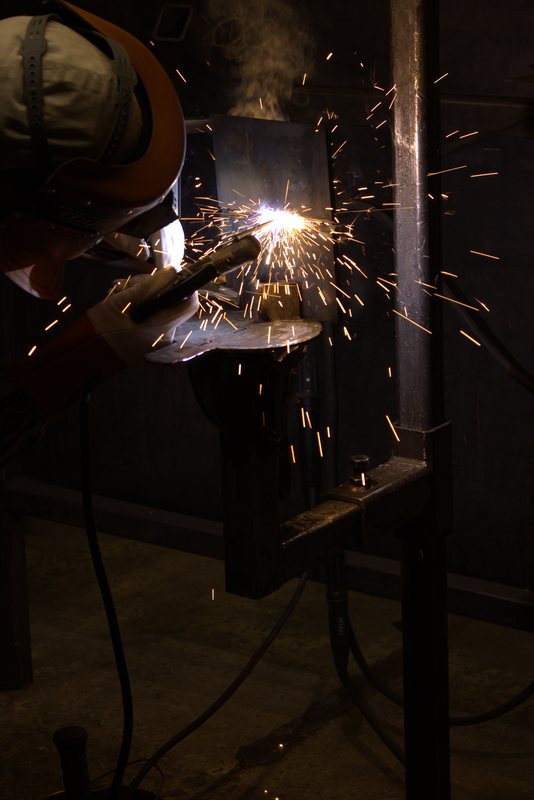
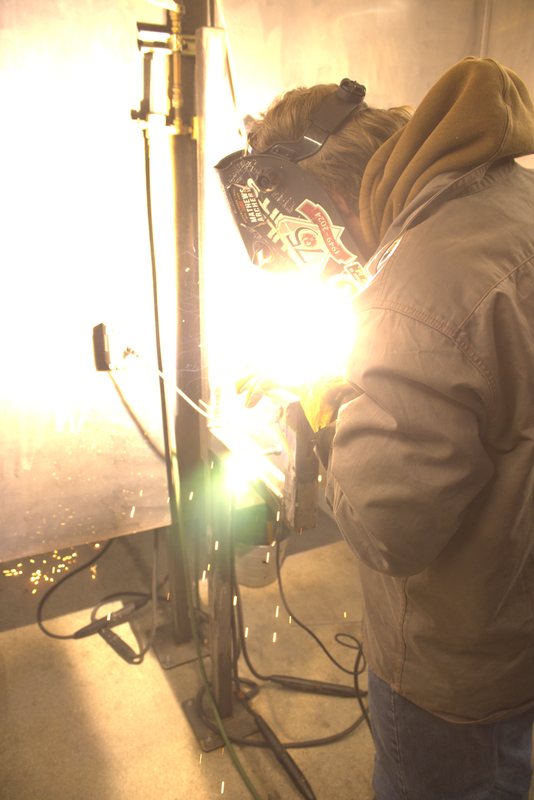
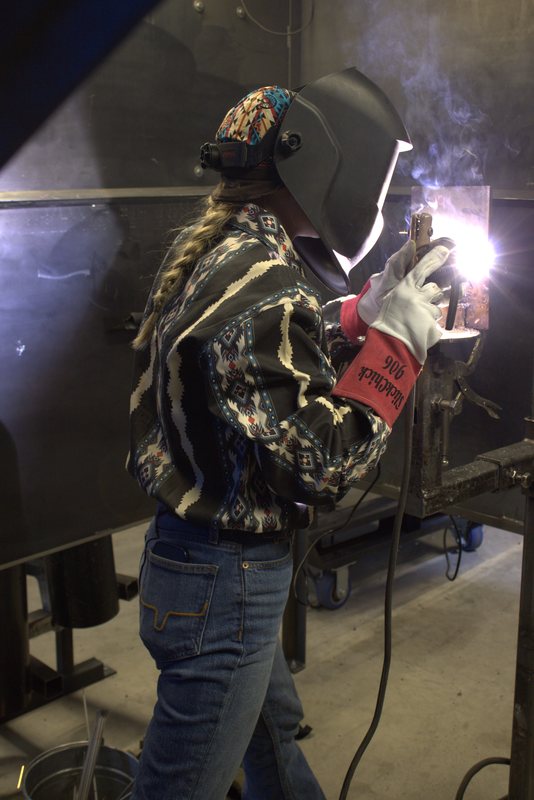
The biggest advantage a plate welder brings to pipe school is arc control. You already understand how to start an arc, maintain a consistent arc length, and read the weld pool. You know what proper fusion looks like. You recognize undercut, porosity, and lack of fusion when you see them. These fundamentals took hundreds of hours to develop, and they transfer directly to pipe.
Metal knowledge also transfers. You understand how heat affects steel. You know that preheating matters on thick material. You know how to read a WPS (Welding Procedure Specification) and set your machine accordingly. A plate welder starting pipe school skips the beginner confusion about why steel behaves the way it does. That baseline knowledge lets you focus on pipe specific technique instead of basic metallurgy.
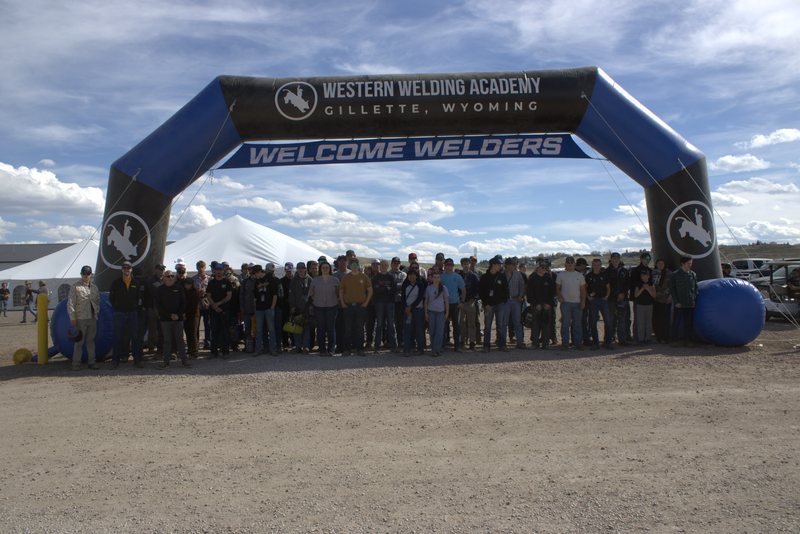
At Western Welding Academy, experienced plate welders often move through the early curriculum faster because their fundamentals are solid. The time saved on basics gets reinvested into pipe position practice and certification preparation. Your plate background is real. It just covers about 30% of what pipe welding demands.
What Transfers Partially: Process Experience
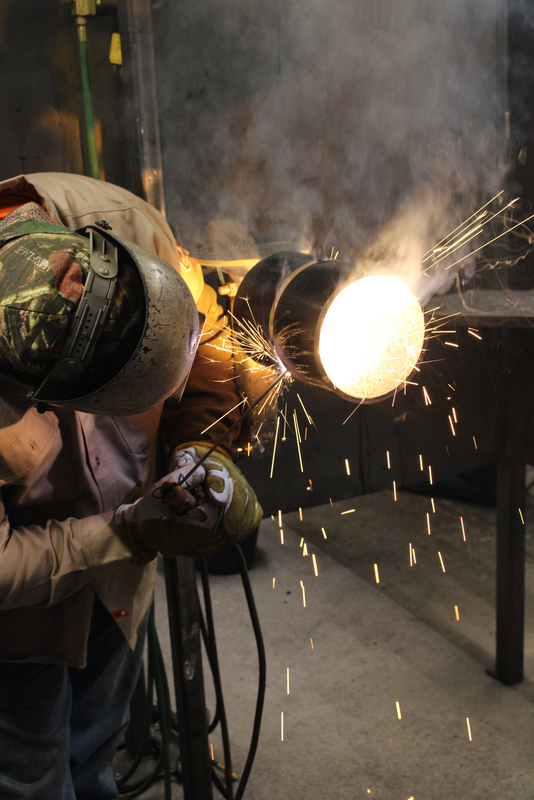
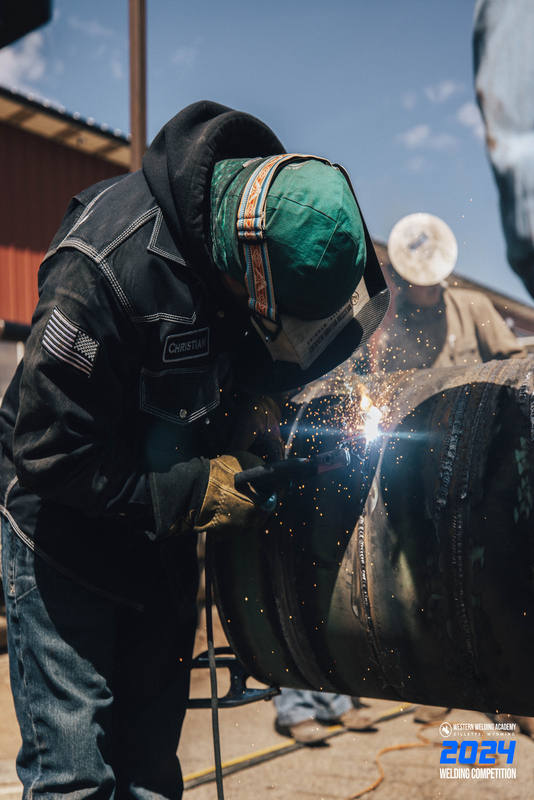
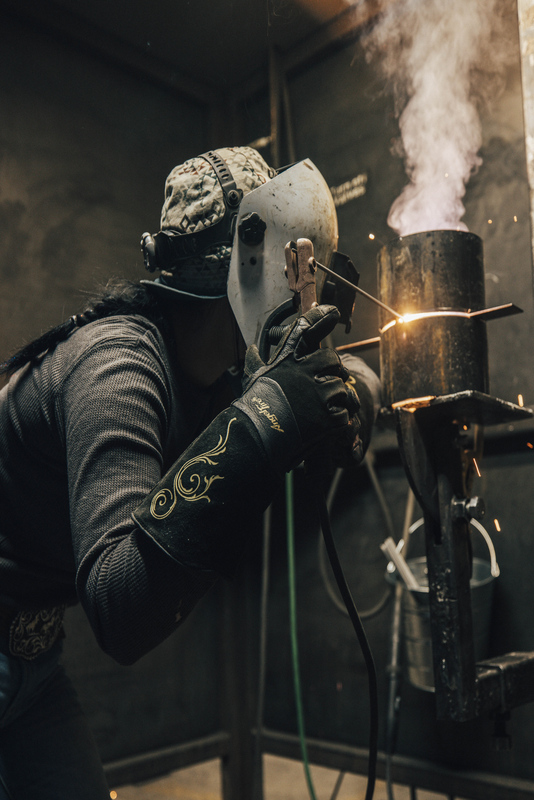
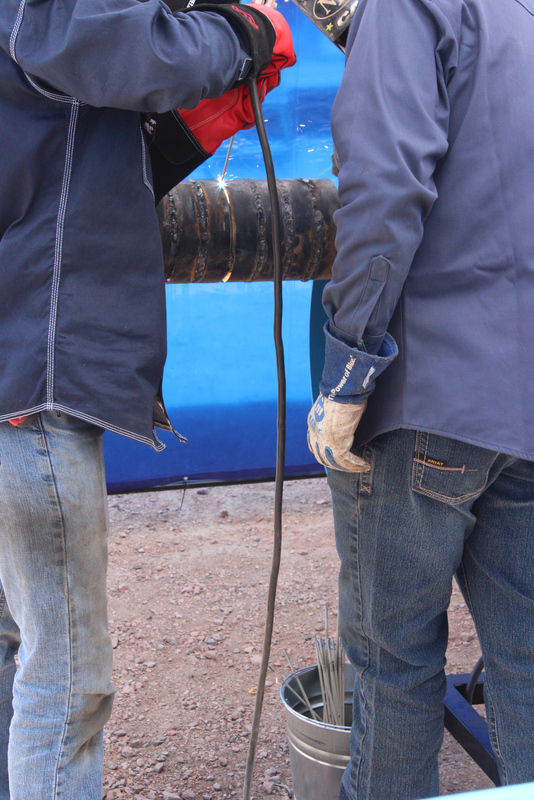
If you welded plate with stick (SMAW), that process transfers to pipe. Electrode angle, amperage control, and slag management are the same physics on pipe as they are on plate. The difference is position. Stick welding flat plate is straightforward. Stick welding pipe overhead while maintaining a consistent root pass is a completely different challenge. The process knowledge transfers. The positional application does not.
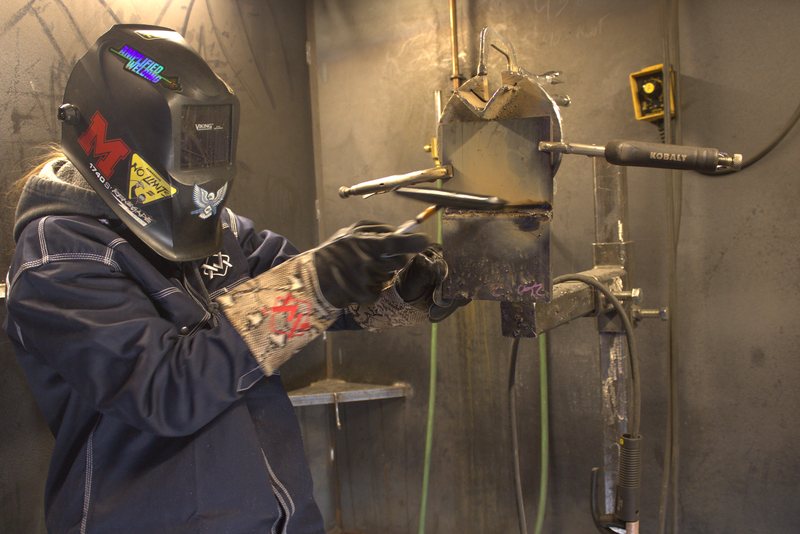
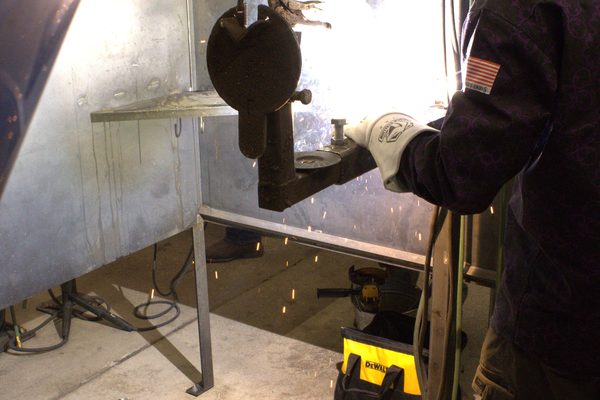
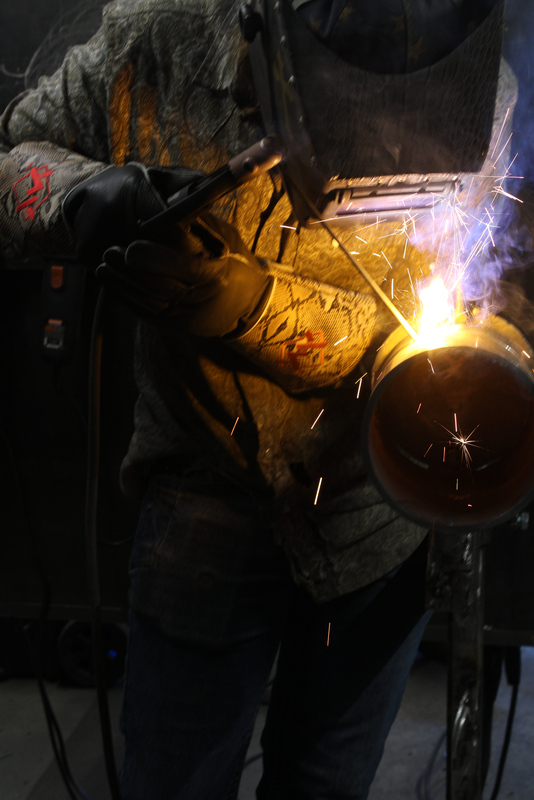
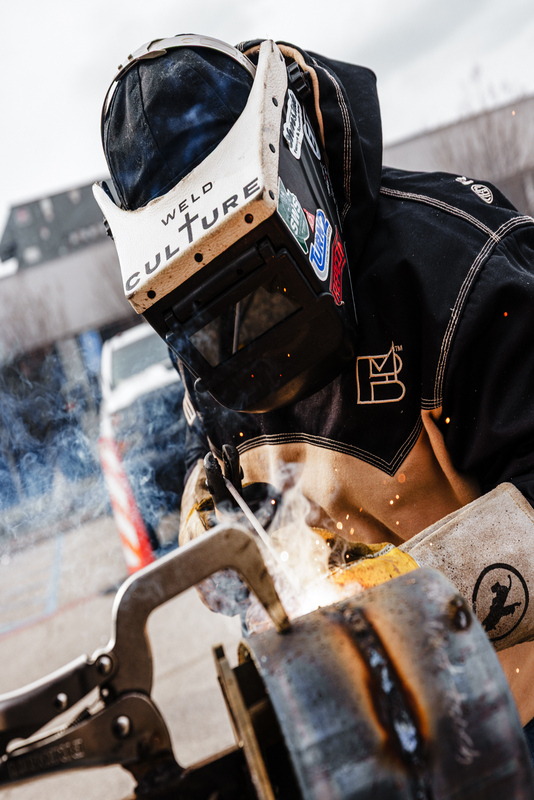
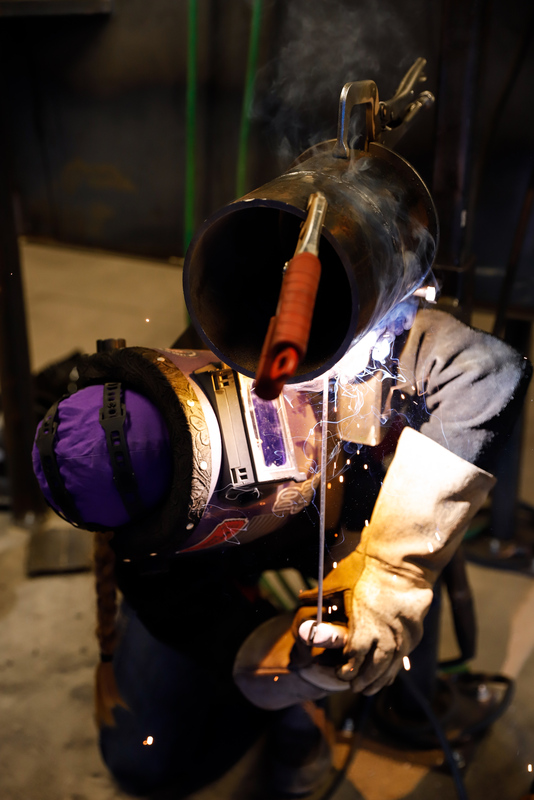
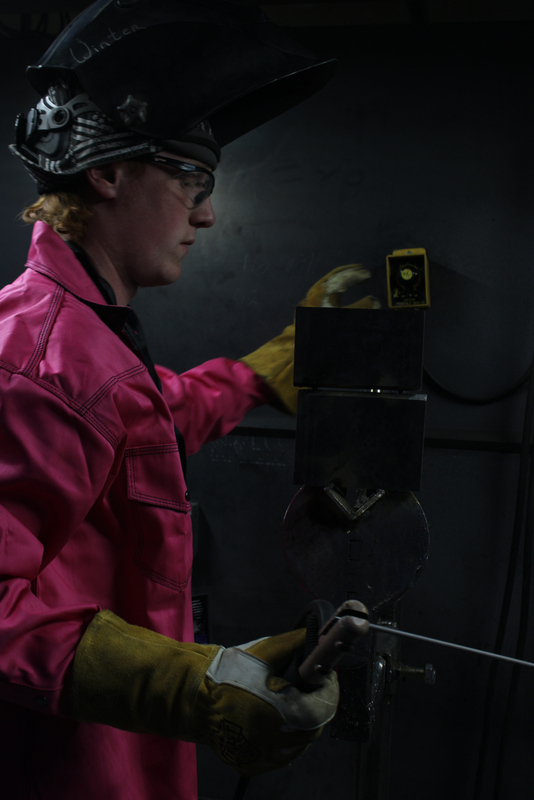
TIG (GTAW) experience on plate gives you the two hand coordination that pipe TIG requires. Filler rod feeding, gas coverage, and puddle control are similar. But plate TIG almost always uses a fixed position with the work clamped to a table. Pipe TIG requires you to maintain gas coverage while moving around a joint through multiple positions. The hand skills help. The body positioning has to be rebuilt.
MIG (GMAW) experience is the least transferable process. Pipe welding certification tests do not accept MIG. Pipeline work uses stick and flux core. Refinery and boilermaker work uses TIG root passes with stick or flux core fill. A welder whose entire plate career was on MIG needs to learn stick or TIG from fundamentals before pipe training can begin.
Turn your plate skills into pipe welding income. Apply now or call (307) 284-5313.
What Hurts: Flat Position Muscle Memory
Here is where plate experience becomes a liability. Most plate welders spend 80% to 90% of their time welding in the flat or horizontal position. The work sits on a table. Gravity helps the weld pool. Your body stays comfortable. Over years of plate work, your muscles memorize these positions so deeply that they resist any change.
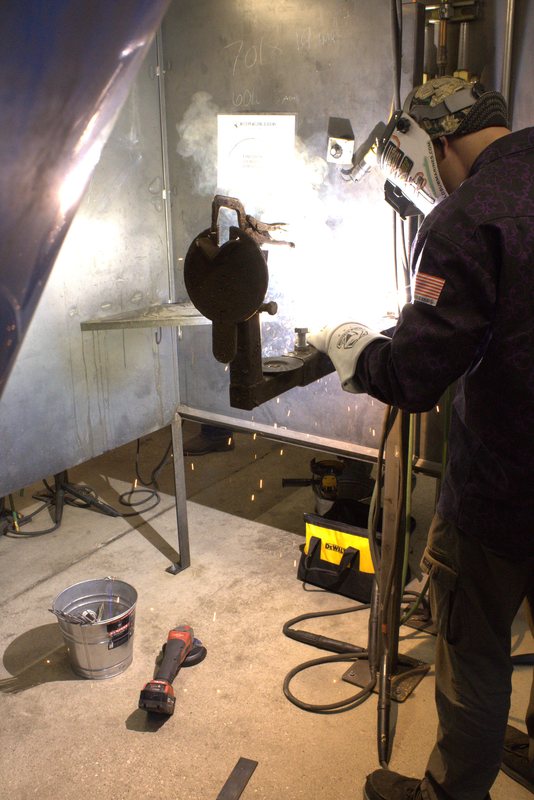
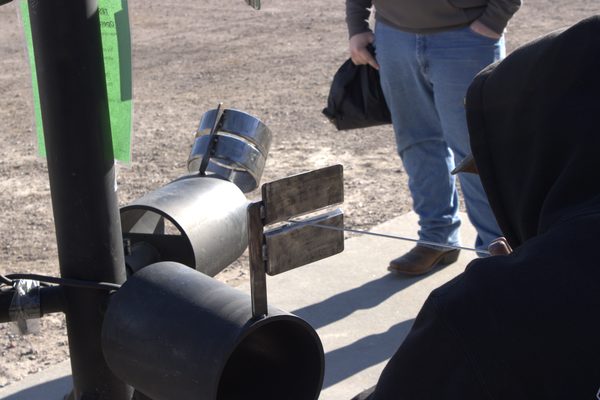
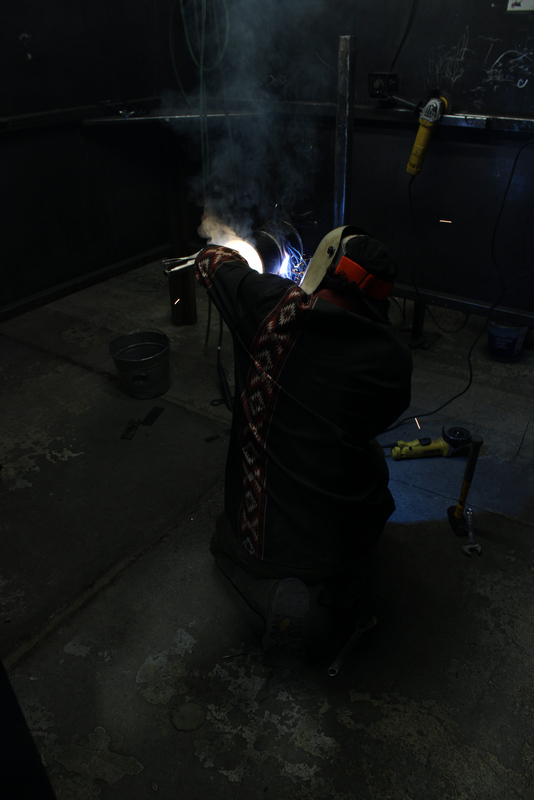
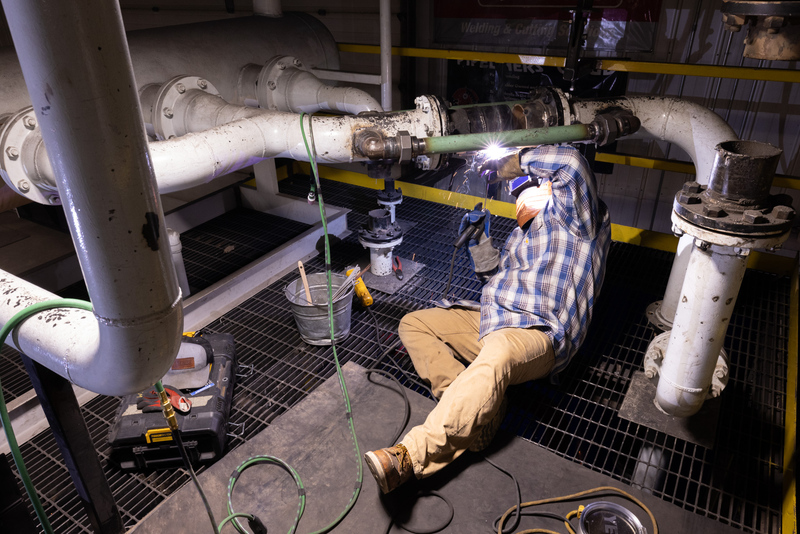
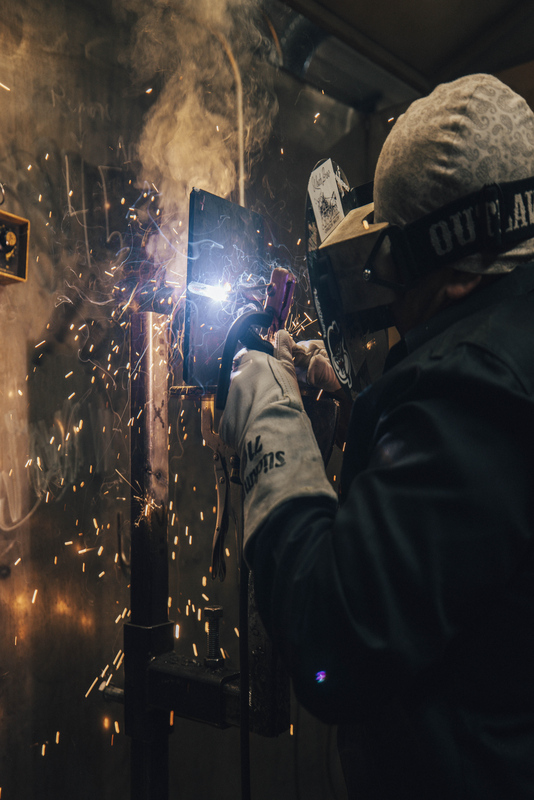
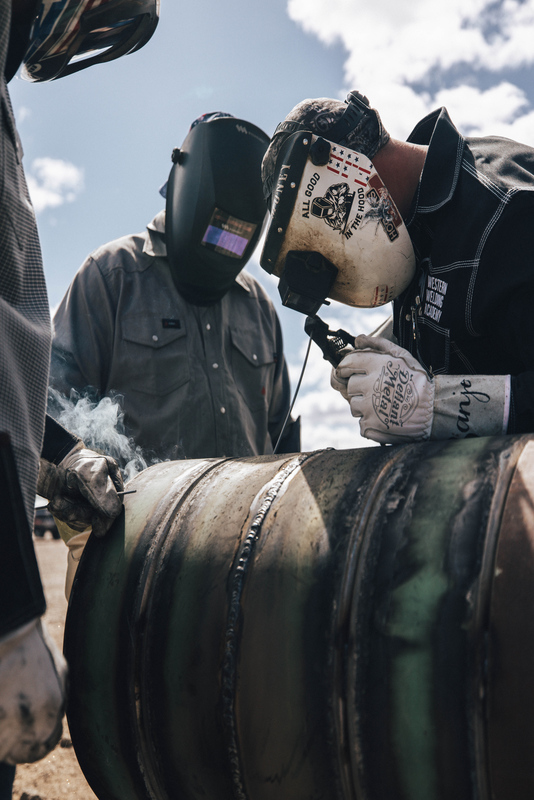
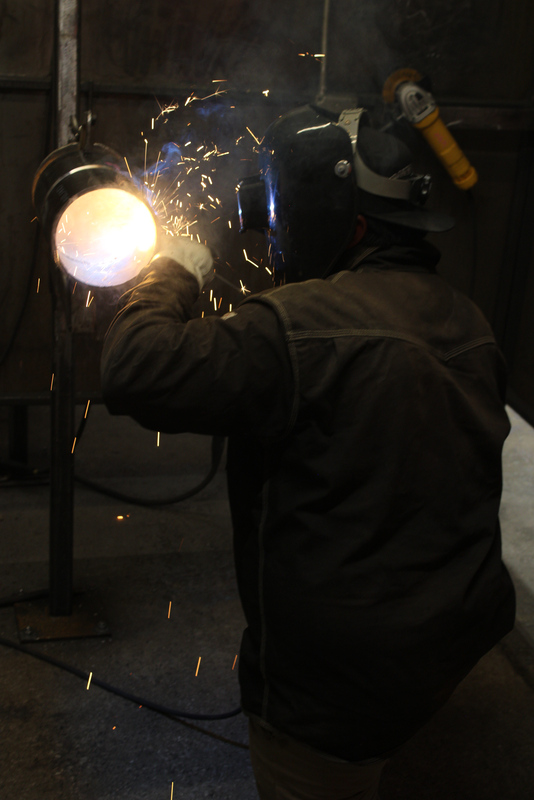
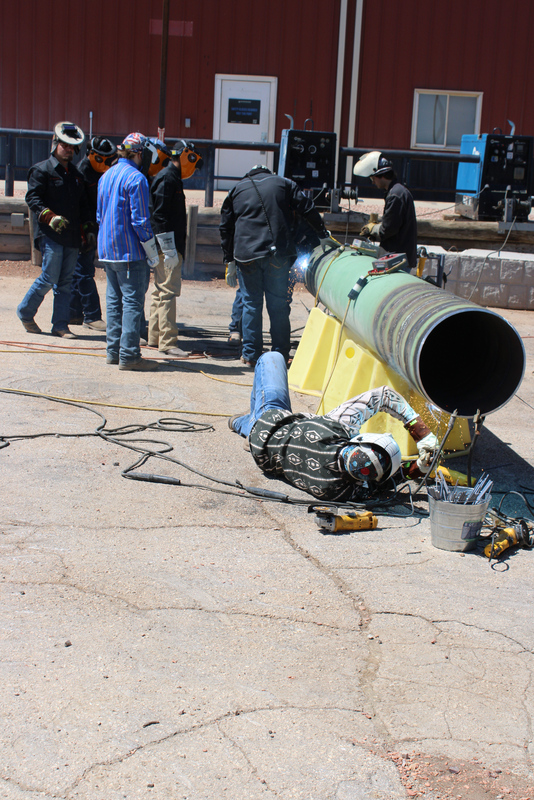
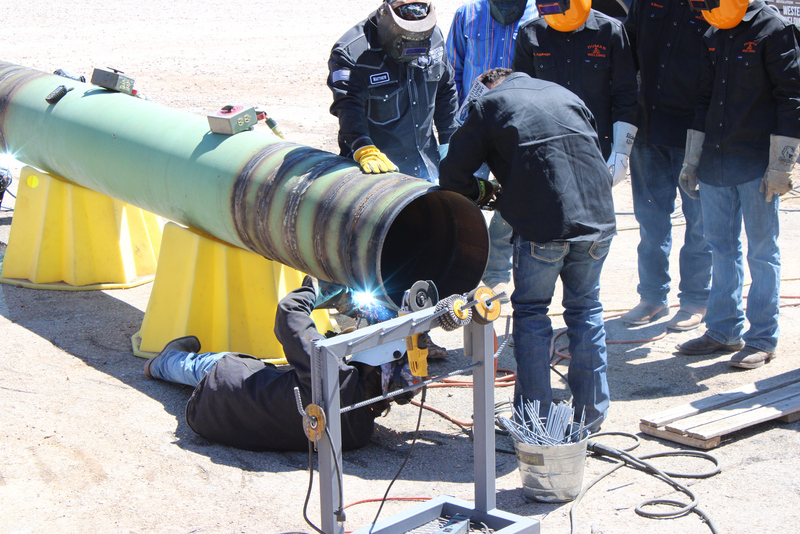
Pipe welding demands every position. A single 6G test joint requires welding through flat, vertical up, overhead, and vertical down in one continuous pass. Plate welders who attempt this for the first time fight their own muscle memory. Their hands automatically adjust for flat position even when they are welding overhead. The result is inconsistent bead profiles, uneven penetration, and defects at every transition point.
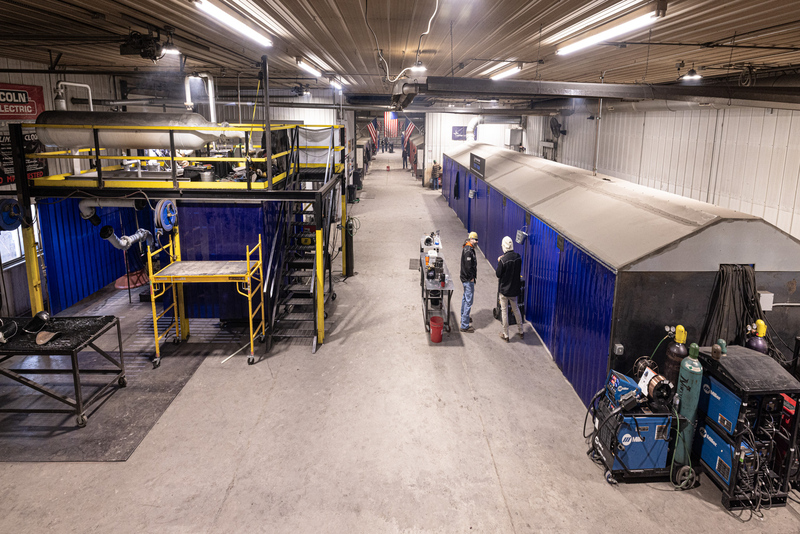
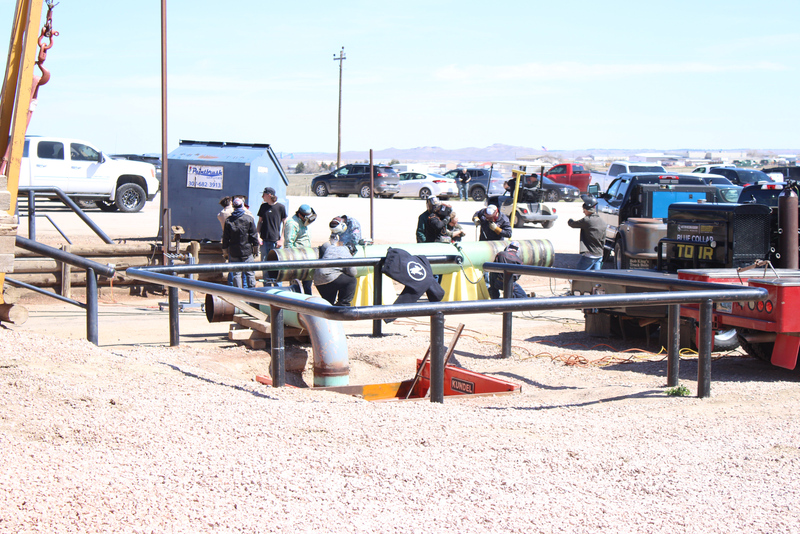
Unlearning flat position dominance takes hundreds of hours of deliberate practice in uncomfortable positions. The Expert Pipe Welder program at Western Welding Academy provides over 800 hours of booth time specifically to build new position habits that override the old ones.
What Hurts: Production Speed Habits
Plate fabrication shops reward speed. The faster you lay down filler metal, the more production you complete. Welders develop a fast travel speed, high heat input, and minimal pause between passes. These habits produce acceptable plate welds at maximum output. They produce failed pipe welds at any speed.
Pipe welding, especially root pass work, demands slow and controlled movement. The welder has to maintain a keyhole, control penetration from one side, and manage heat input to prevent burn through on thin wall pipe. Fast hands create incomplete fusion, porosity, and inconsistent root profiles. Every one of those defects fails an X ray or bend test.
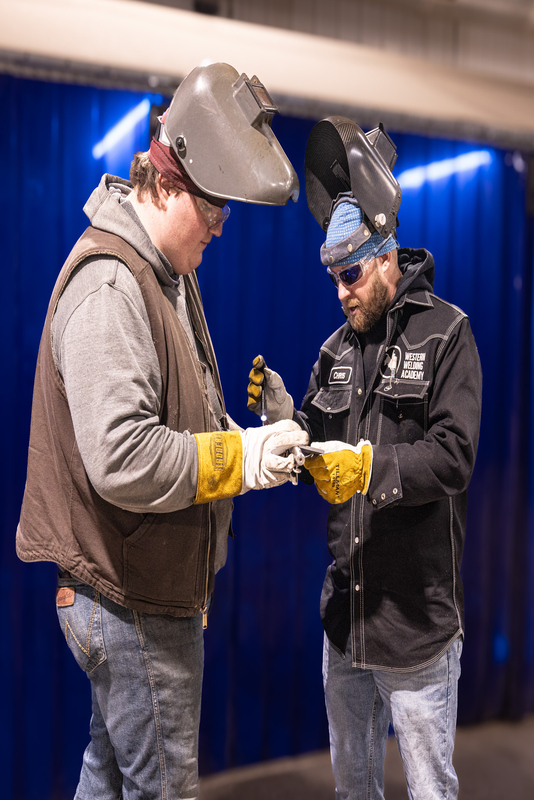
Slowing down is harder than speeding up. A plate welder's hands have been trained for years to move quickly. Retraining for pipe speed requires consistent instructor feedback that catches the speed habit every time it appears. At Western Welding Academy, instructors monitor students daily and correct travel speed in real time. That constant feedback loop is what breaks the production speed habit.
What Hurts: Visual Inspection Standards
Plate shops typically use visual inspection as their primary quality check. If the weld looks good to the supervisor, it passes. This trains welders to focus on surface appearance while ignoring internal quality. A bead that looks clean on top can hide porosity, lack of fusion, and slag inclusions underneath.
Pipe welding certification uses X ray, bend testing, and destructive testing. Internal defects that are invisible on the surface fail the weld. Plate welders who have spent years passing visual inspection develop a false confidence in their quality. The first time their work gets X rayed, they discover defects they did not know they were creating.
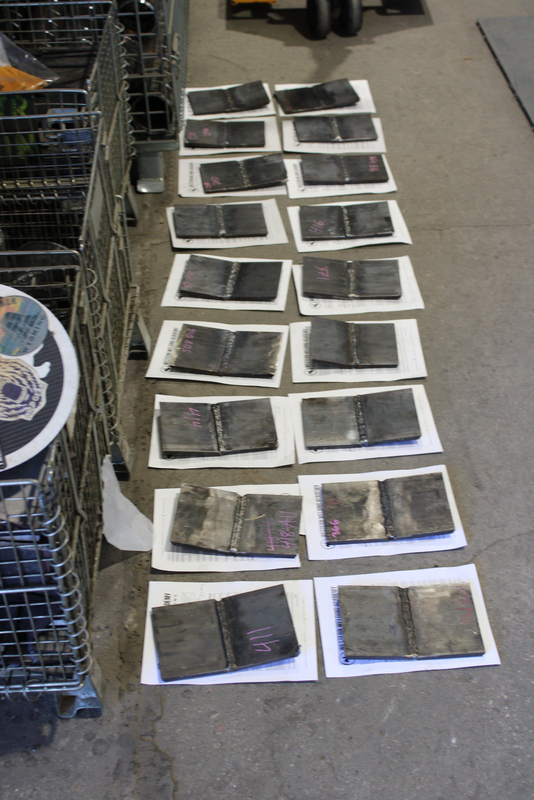
The API 1104 certification tests to a written standard that catches defects no supervisor would ever see visually. Western Welding Academy trains students to weld for code quality from day one. Destructive test samples throughout the program show students the internal quality of their welds, not just the surface.
What Plate Welders Earn After Pipe Training
The earnings jump from plate to pipe is the financial case for retraining. Plate fabrication and structural welding pay $35,000 to $55,000 per year. Certified pipe welders earn $60,000 to $125,000 per year. A 12 to 24 week program turns plate experience into pipe certifications and immediately changes your income. Here are verified paychecks from Western Welding Academy graduates.
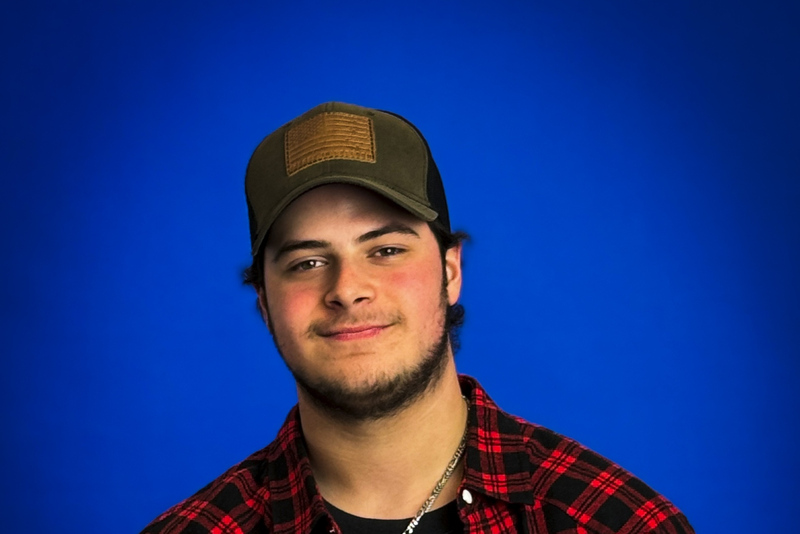
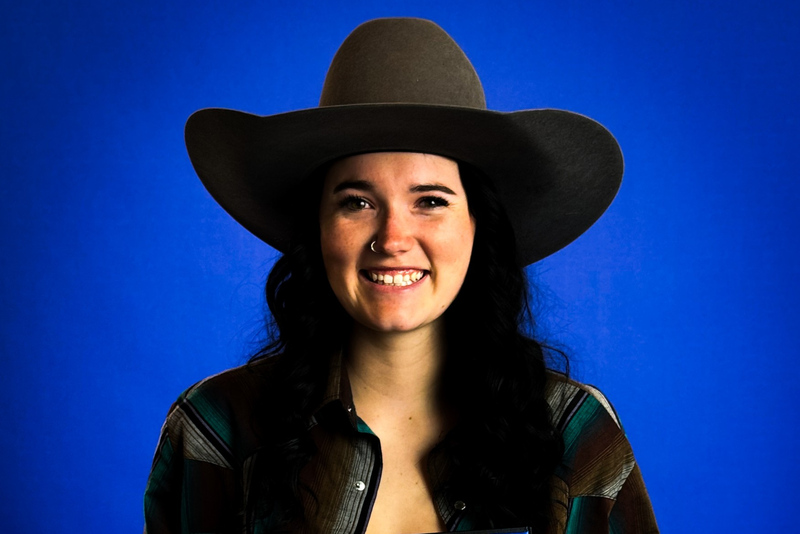
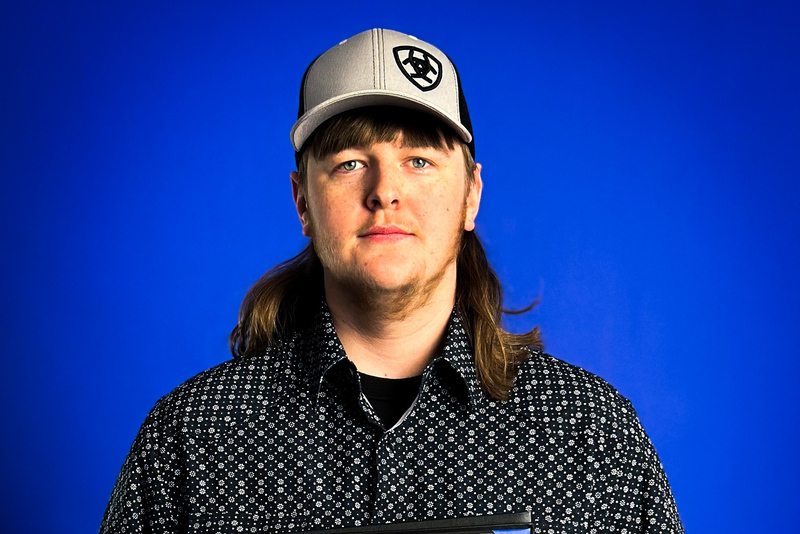
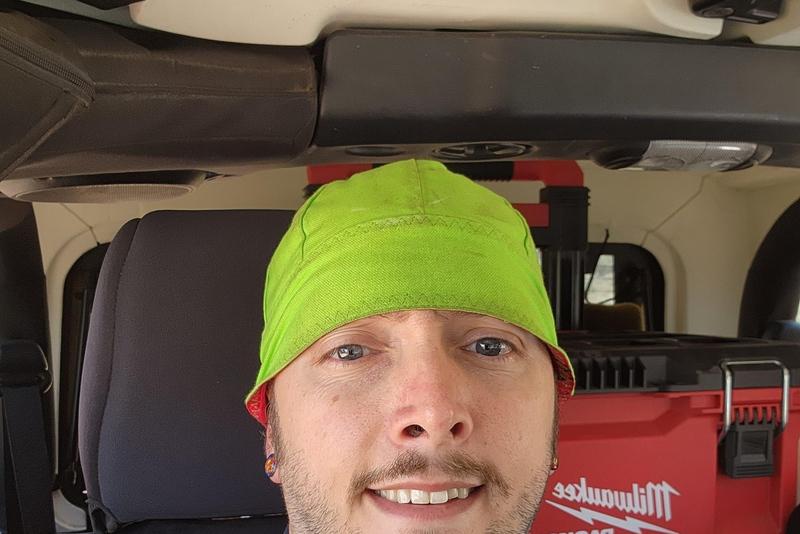
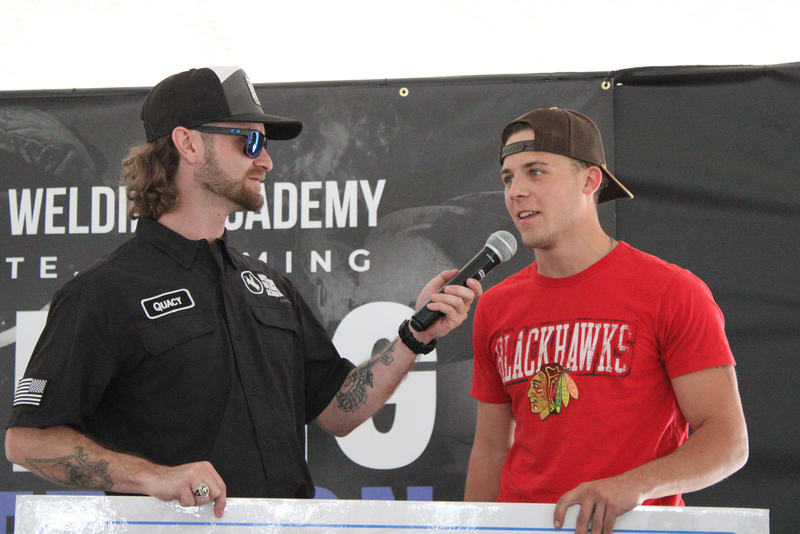
Leyton Wagner earned $4,514 on a single paycheck after completing the Expert Pipe Welder program at Western Welding Academy. That figure is published on the school's website. Gavin Walden posted a $3,986 paycheck on social media. David Smolek shared his $3,417 paycheck. All three had welding backgrounds before enrolling. Their plate experience gave them a head start. Their pipe training gave them the certifications.
Noah started clearing $4,800 per week right out of welding school. Hank reached $150,000 per year at age 21. Plate experience plus pipe certifications is the combination that employers pay premium rates for.
Add pipe certifications to your plate experience. Apply now or call (307) 284-5313.
Frequently Asked Questions
Q1. Will I move through pipe welding school faster because of my plate experience?
You will move through the early fundamentals faster because your arc control and metal knowledge transfer. However, pipe position work and root pass technique require the same dedicated training time regardless of your plate background. Expect a head start on basics and a normal learning curve on pipe specific skills.
Q2. Should I choose the Foundational or Expert program if I already weld plate?
If you have strong stick welding experience and want SMAW and FCAW pipe certifications, the 12 week Foundational program covers those. If you want every certification including TIG, 6G, 6GR, and API 1104, the 24 week Expert program is the complete path. Visit the program comparison page for details.
Q3. Does MIG plate experience help at all in pipe school?
MIG experience gives you arc control, puddle reading, and general metal knowledge. Those fundamentals help. However, pipe welding uses stick, TIG, and flux core, not MIG. You will need to learn at least one new process from fundamentals before pipe specific training begins.
Q4. What is the hardest adjustment for plate welders switching to pipe?
Position welding is the biggest challenge. Plate welders have deep muscle memory for flat and horizontal positions. Pipe requires welding overhead and through every angle on a fixed joint. Building new position habits takes dedicated practice that cannot be shortcut.
Q5. How much more do pipe welders earn compared to plate welders?
Plate fabrication pays $35,000 to $55,000 per year. Certified pipe welders earn $60,000 to $125,000 per year. That is a $25,000 to $70,000 annual raise. Programs cost $7,050 to $19,800 with a 5 to 7 month tuition payback from the earnings increase alone.
Q6. What makes Western Welding Academy different from other welding schools?
The school runs 85% hands on booth time at 40 hours per week, maintains an 85% Expert graduation rate compared to an industry average below 60%, places 94% of graduates within 90 days, and operates the number one AWS Testing Facility in the country. Over 2,000 graduates from all 50 states have completed training in Gillette, Wyoming.
Turn Plate Experience Into Pipe Welding Pay
Your plate skills are not wasted. They give you a real head start on fundamentals. But they are not enough to pass a pipe certification test or earn pipe welding wages on their own. A 12 to 24 week structured program adds the position skills, root pass technique, and certifications that turn your existing ability into a six figure career. Call Western Welding Academy at (307) 284-5313 or apply now to start earning what your welding experience is truly worth.

.jpg)
.jpg)


.jpg)
.jpg)
.jpg)
.jpg)
.jpg)
-thumbnail.jpg)

.jpg)