Mistake 1: Assuming Good Beads on Plate Mean Ready for Pipe
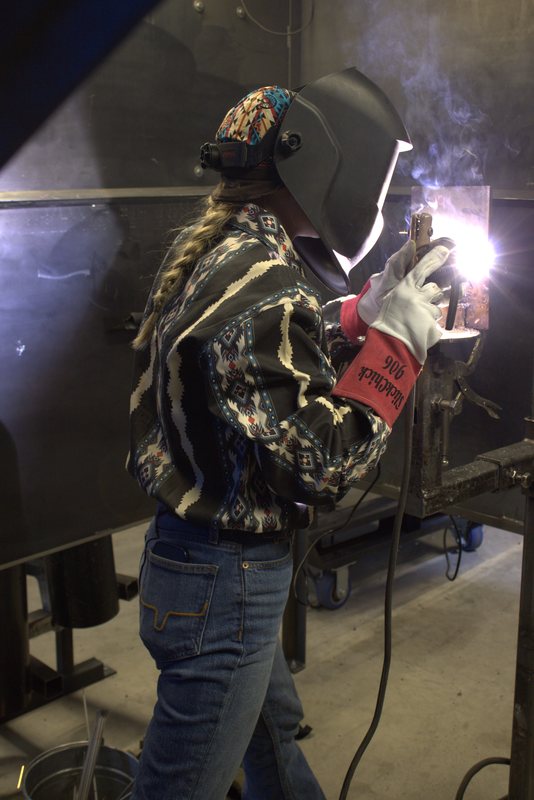
The most common assumption experienced welders make is that their plate skills prove they are ready for pipe. They look at years of clean, consistent beads on flat steel and conclude that pipe is just the same thing in a different shape. It is not. Pipe welding requires simultaneous control of position, penetration, and technique through 360 degrees of continuously changing angles.
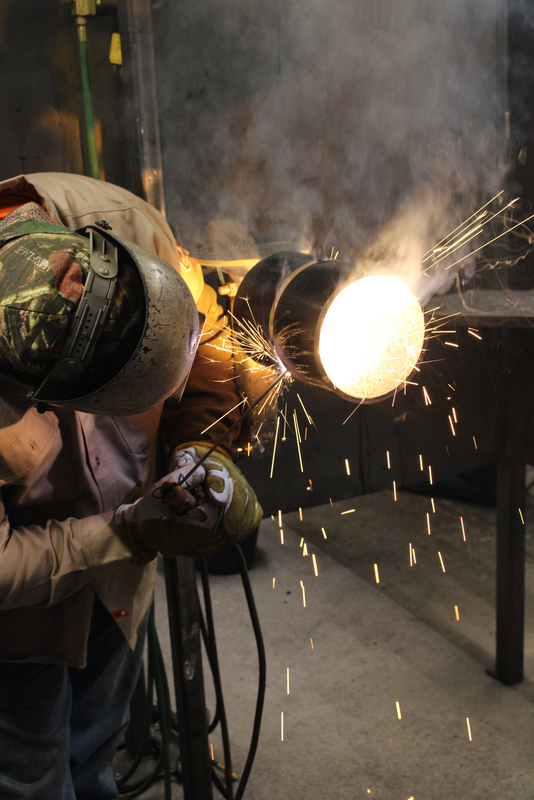
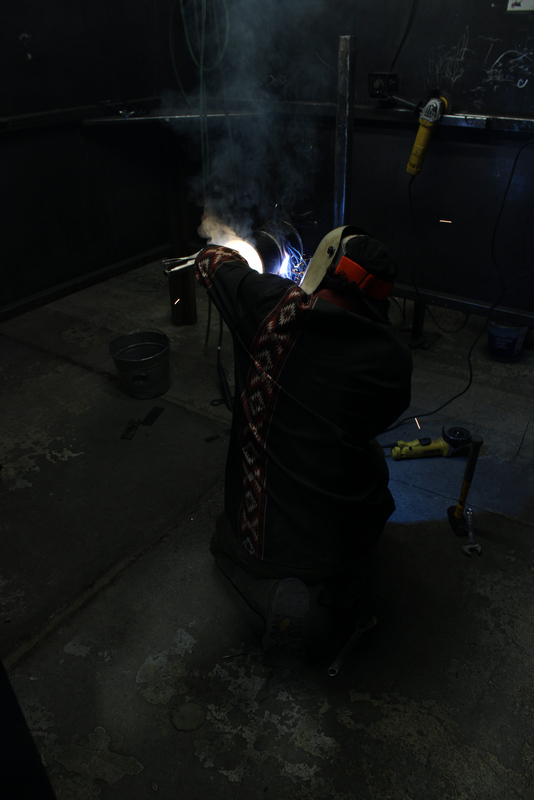
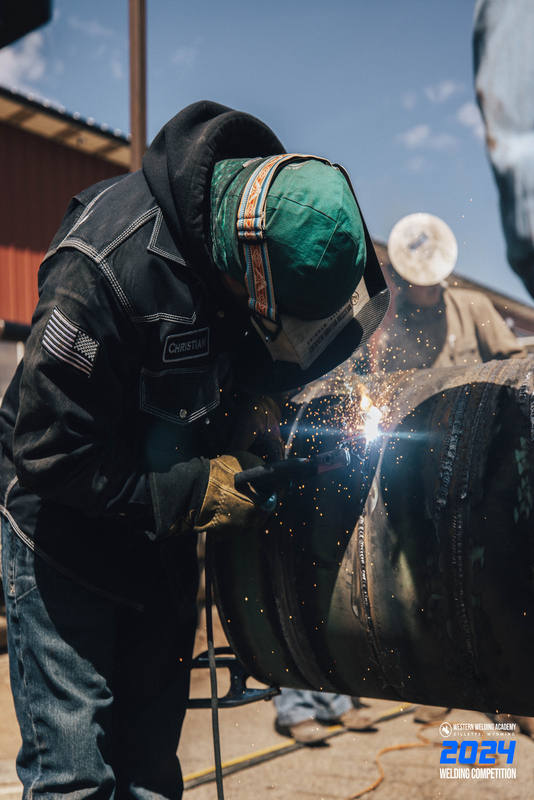
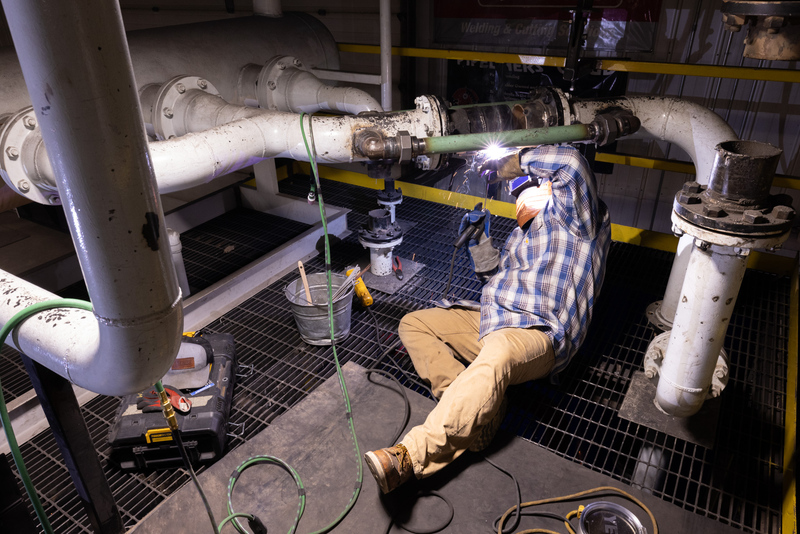
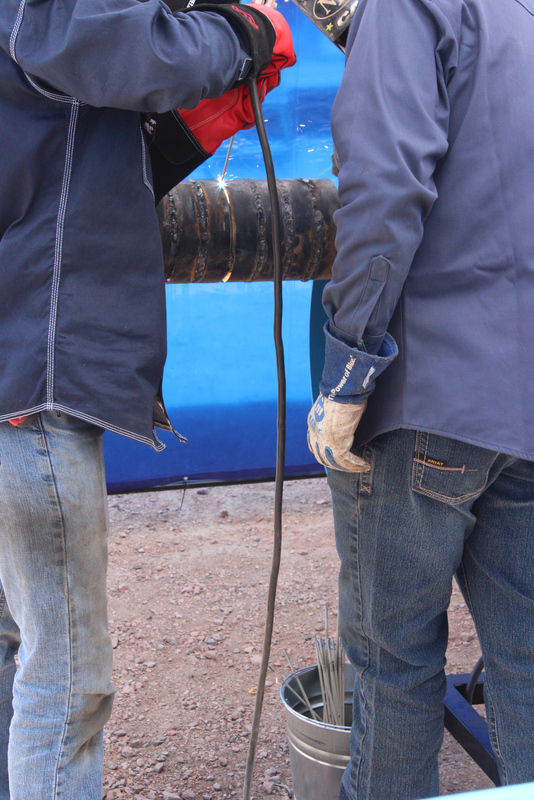
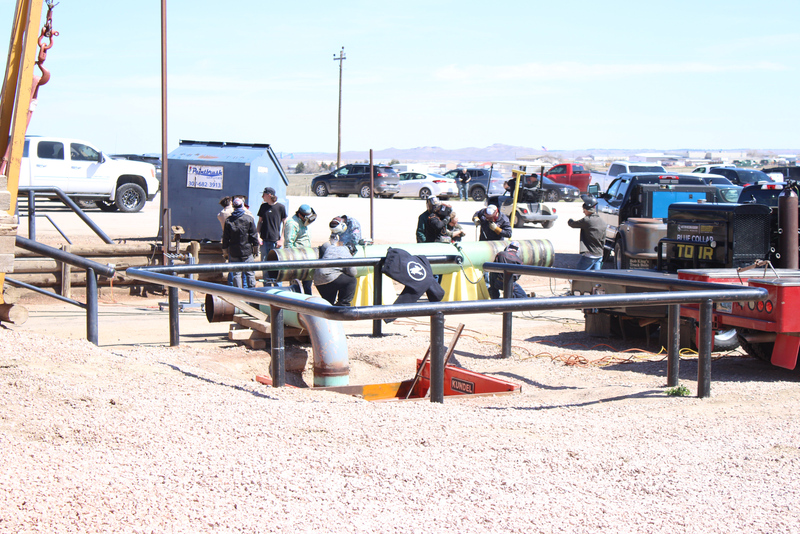
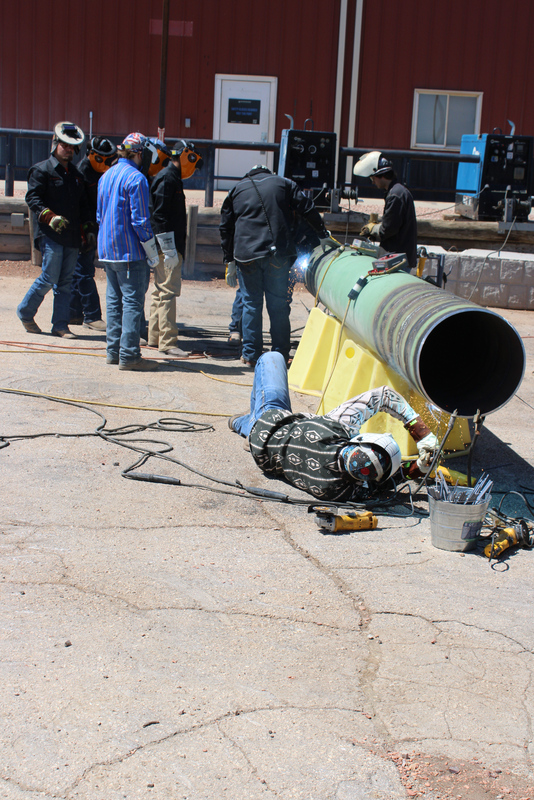
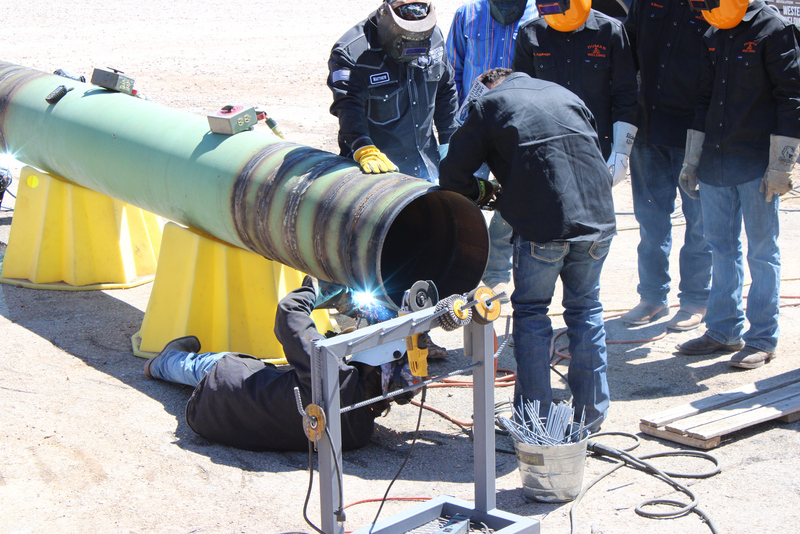
A welder who runs perfect beads in the flat position has mastered exactly one angle. Pipe requires mastery of every angle. The 6G position places the pipe at a fixed 45 degree angle and the welder moves around it. At any given point in the weld, the position is different. Flat, vertical, overhead, and everything in between all happen on a single joint. That is a fundamentally different skill from plate work.
At Western Welding Academy, even experienced welders start with structured position progression. The curriculum does not skip ahead based on plate experience because plate proficiency does not predict pipe proficiency. It predicts faster learning, not instant competence.
Mistake 2: Running the Same Travel Speed on Pipe as on Plate
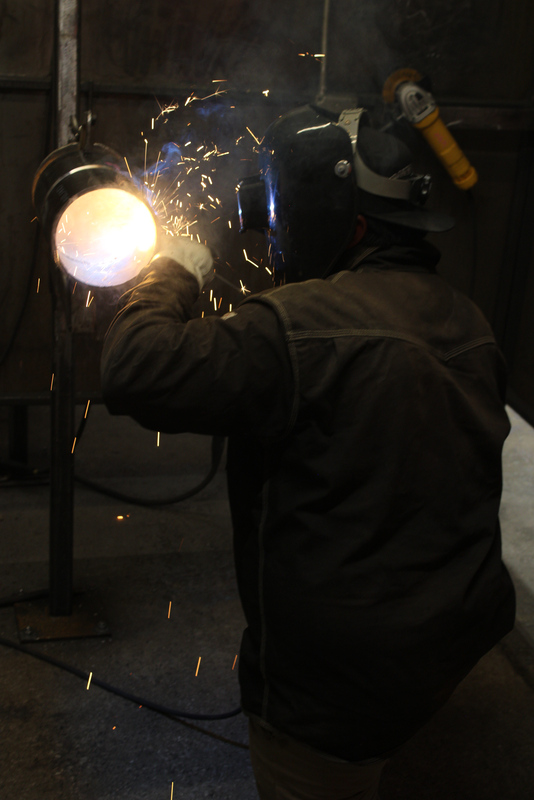
Shop fabrication rewards speed. The faster a welder moves, the more linear footage they produce. Over years of production work, fast travel speed becomes an unconscious default. When these welders switch to pipe, they bring that same pace to the root pass. The result is incomplete fusion, porosity, and inconsistent penetration.
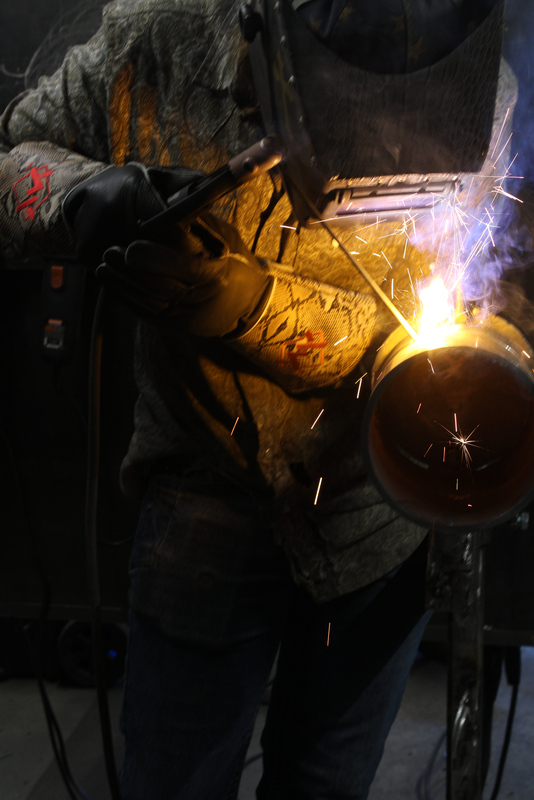
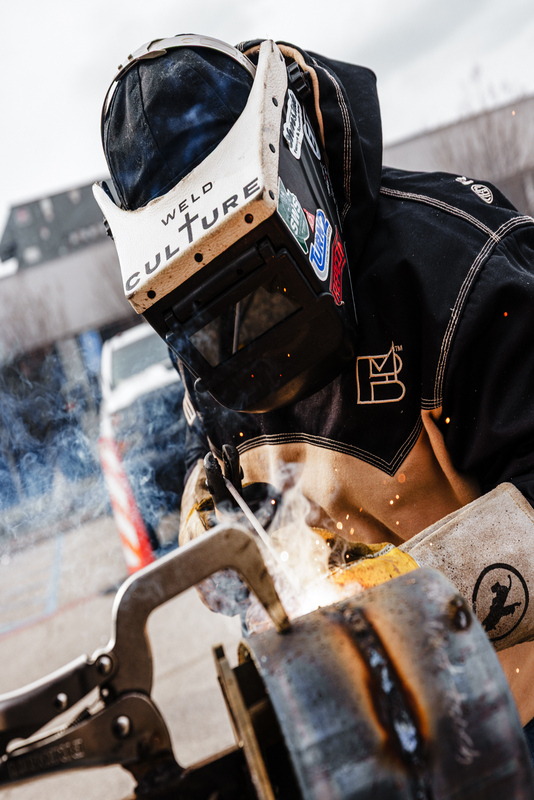
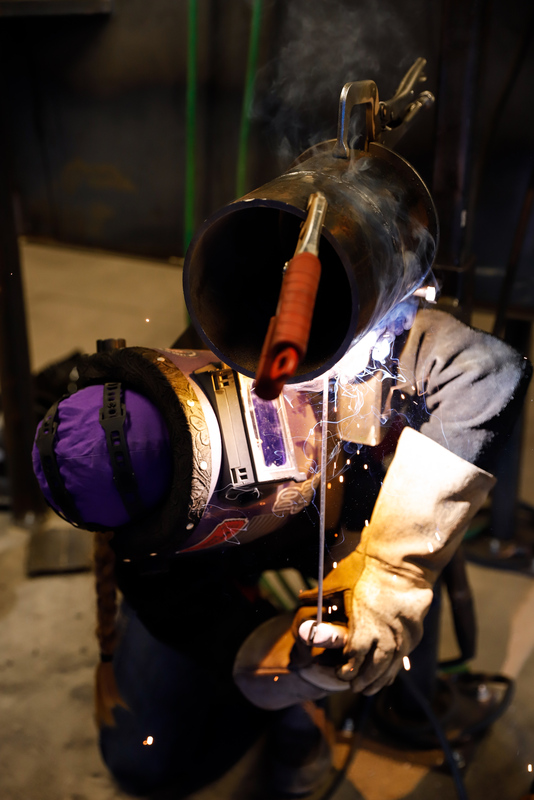
Pipe root passes demand controlled, deliberate movement. The welder maintains a keyhole that must stay open long enough for full penetration but not so long that it blows through. Travel speed on a pipe root pass is roughly half the speed of a typical plate production weld. Slowing down feels wrong to an experienced welder. Their hands want to move at the speed they have practiced for years.
This is why instructor feedback matters more than practice volume for experienced welders. A coach who catches the speed habit in real time and corrects it immediately accelerates the retraining. At Western Welding Academy, instructors work with students daily and identify travel speed problems before they become new habits. Self practice without this feedback lets the speed mistake continue unchecked.
Fix the mistakes that shop experience creates. Apply now or call (307) 284-5313.
Mistake 3: Trusting Visual Inspection as the Quality Standard
In most shops, if the weld looks good on the surface, it passes. The supervisor does a quick visual check and moves on. Experienced welders internalize this standard. They develop an eye for clean surface appearance and assume that surface quality equals joint quality. On pipe work, that assumption fails every time the joint gets tested.
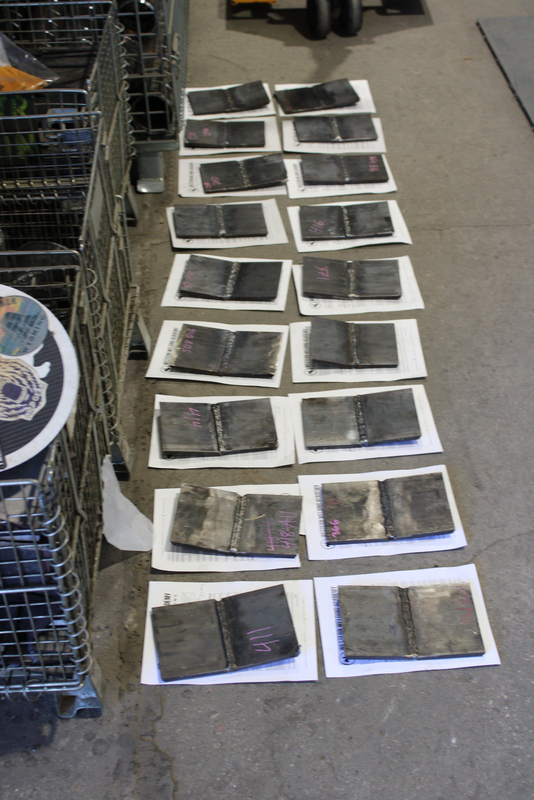
Pipe welding quality is verified with X ray imaging, ultrasonic testing, bend tests, and destructive tests. Internal defects that are invisible on the surface fail the joint. Porosity buried in the root pass, lack of fusion between passes, and slag inclusions trapped mid joint all show up under examination. A welder who has spent years passing visual inspection has no calibration for internal quality.
The fix is exposure to real testing results. At Western Welding Academy, students see destructive test results of their own welds throughout the program. They learn what their welds look like inside, not just outside. That feedback loop resets the quality standard from visual to code level.
Mistake 4: Ignoring Process Limitations
Many experienced welders have spent their entire career on MIG. They know MIG inside and out. Wire speed, voltage, gas flow, push versus pull angles. They assume that deep process knowledge in MIG translates to competence in stick and TIG. It does not. Each welding process has its own physics, its own manipulation technique, and its own defect patterns.
Stick welding requires manual electrode feeding at a controlled rate while managing slag coverage and arc stability. TIG requires simultaneous torch control and filler rod feeding with two hands while maintaining gas coverage. A skilled MIG welder attempting stick for the first time will struggle with rod angle, arc length, and restart technique. These are beginner problems in a new process regardless of how experienced the welder is in their primary process.
The question of which process to learn first is already answered for pipe work: stick first, then TIG. Western Welding Academy teaches each process separately before combining them on pipe joints. Experienced MIG welders build stick and TIG skills from a structured foundation rather than trying to translate MIG technique into a different process.
Mistake 5: Skipping Tack and Fit Up Discipline
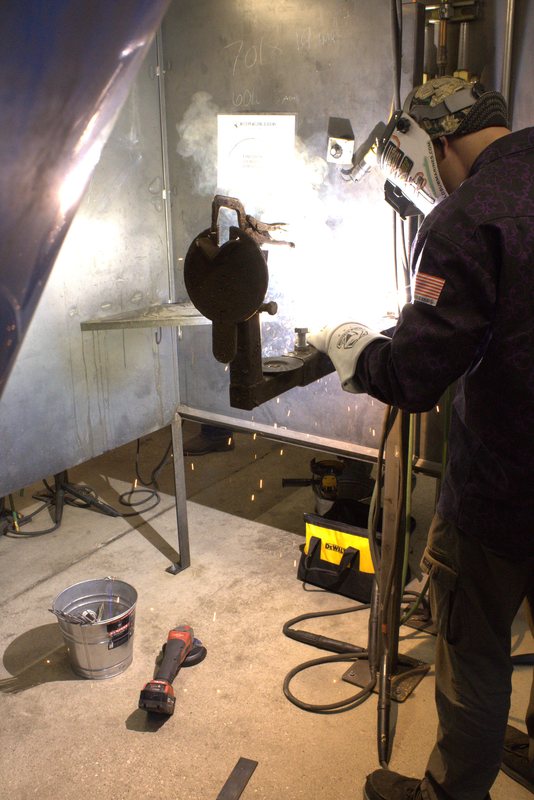
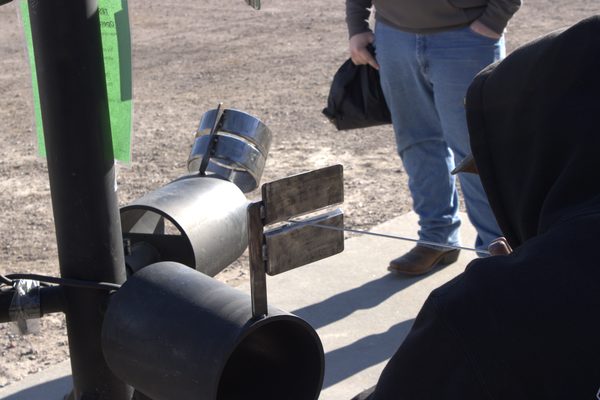
Shop fabrication often uses fixtures, clamps, and jigs that hold joints in alignment. The welder does not have to think about fit up because the tooling handles it. Pipe welding has no fixtures. The welder is responsible for gap, alignment, and tack sequence on every joint. A millimeter of misalignment on a pipe joint causes a defect that fails the certification test.
Experienced welders who skip fit up discipline assume the joint will hold itself or that minor misalignment does not matter. On plate, they might be right. On pipe, they are wrong. A root gap that varies by even half a millimeter changes the heat input required for full penetration. Tack welds that are too large or poorly placed interfere with the root pass. Pipe fit up is a precision skill that has to be learned separately from welding technique.
The structured curriculum at Western Welding Academy includes dedicated fit up training. Students learn to set pipe joints with consistent gaps, aligned bevels, and proper tack placement before they start welding. This discipline eliminates a category of defects that experienced welders do not realize they are creating.
Mistake 6: Expecting to Pass Certification Without Mock Tests
Certification tests run under specific conditions: time limits, observed performance, test coupons that get destroyed for evaluation. Many experienced welders walk into a certification test expecting their daily welding ability to carry them through. They have never practiced under test conditions. The pressure, the scrutiny, and the one shot format are all new.
Test anxiety is real and it affects experienced welders as much as beginners. A root pass that succeeds 90% of the time in practice needs to succeed 100% of the time on the test coupon. The margin disappears. Welders who practice in the same facility where they test, on the same equipment, under simulated test conditions, perform significantly better than those who show up cold.
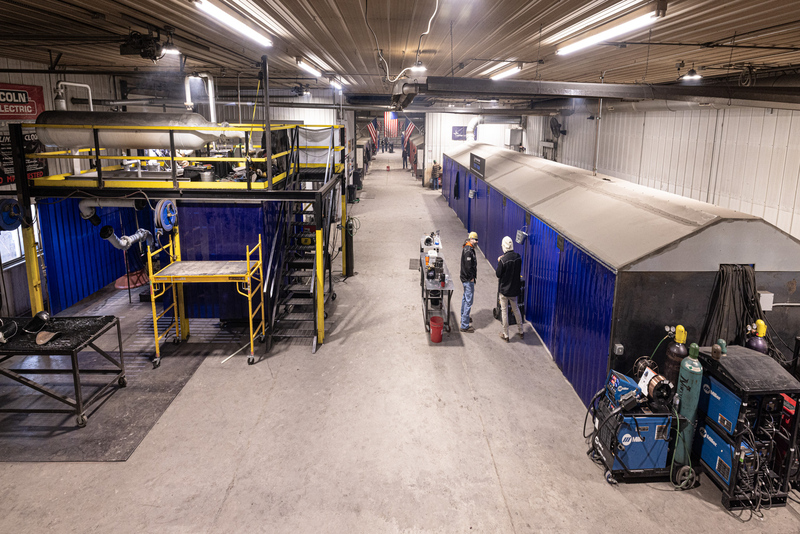
Western Welding Academy operates the number one AWS Testing Facility in the country on site. Students run mock certification tests throughout the program. By the time they sit for the actual 6G or API 1104 test, they have already completed the same process dozens of times. The test is familiar, not foreign.
What Do Experienced Welders Earn After Correcting These Mistakes?
Every mistake on this list is fixable. The welders who fix them earn $60,000 to $125,000 per year in pipe welding versus $35,000 to $55,000 in general shop work. Here are verified paychecks from Western Welding Academy graduates who corrected their shop habits and earned pipe certifications.
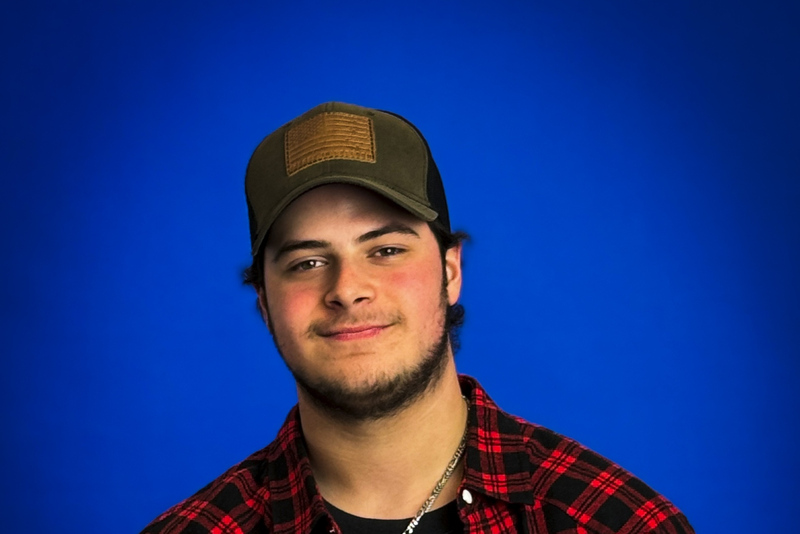
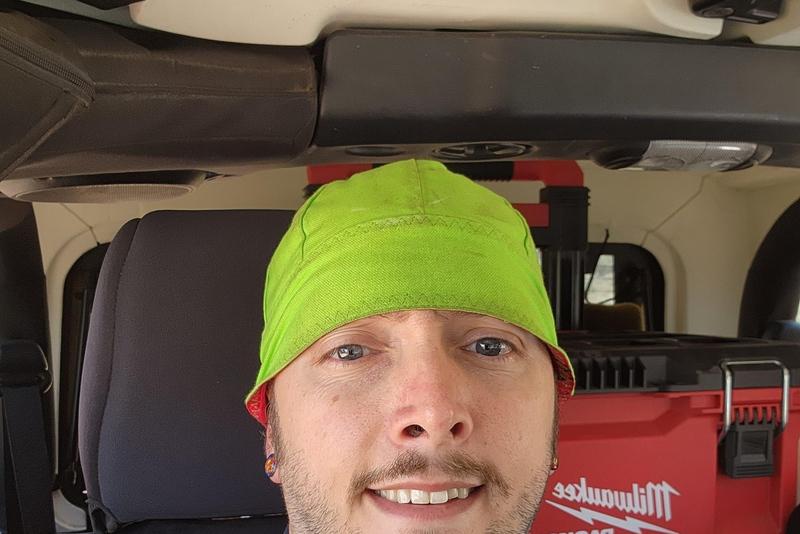
Leyton Wagner earned $4,514 on a single paycheck after completing the Expert Pipe Welder program at Western Welding Academy. That figure is published on the school's website. Gavin Walden posted a $3,986 paycheck on social media. David Smolek shared his $3,417 paycheck publicly. They all had to unlearn shop habits to get there.
Noah started clearing $4,800 per week right out of welding school. Hank reached $150,000 per year at age 21. The mistakes cost time. The corrections create careers.
Stop making shop mistakes on pipe joints. Apply now or call (307) 284-5313.
Frequently Asked Questions
Q1. Is it harder for experienced welders to retrain than for complete beginners?
In some ways, yes. Experienced welders have to unlearn habits before building new ones. Complete beginners start fresh. However, experienced welders have arc control and metal knowledge that accelerate the learning process once old habits are corrected. The net result is usually faster overall progress.
Q2. Which mistake causes the most certification test failures?
Root pass technique is the number one failure point. Experienced welders who have never practiced open root joints on pipe fail the root pass more than any other part of the test. Dedicated root pass training with instructor feedback is the most effective fix.
Q3. Can I fix these mistakes through self practice at home?
Self practice without feedback reinforces mistakes instead of correcting them. You cannot see internal defects without destructive testing. You cannot identify subtle travel speed problems without an experienced instructor watching. Structured training with daily feedback is the efficient path to correction.
Q4. How long does it take to unlearn shop habits?
Most experienced welders at Western Welding Academy report that old habits surface for the first 4 to 6 weeks of pipe training. After that, the new techniques become more automatic. The full 12 to 24 week program ensures the new skills are solid enough to hold up under test pressure.
Q5. Do instructors at Western Welding Academy have experience with retraining experienced welders?
Yes. Over 2,000 students have graduated from the school. Many come in with shop, structural, or fabrication backgrounds. The instructors know exactly which habits to watch for and how to correct them efficiently through daily one on one feedback during 40 hour training weeks.
Q6. What makes Western Welding Academy different from other welding schools?
The school runs 85% hands on booth time at 40 hours per week, maintains an 85% Expert graduation rate compared to an industry average below 60%, places 94% of graduates within 90 days, and operates the number one AWS Testing Facility in the country. Over 2,000 graduates from all 50 states have completed training in Gillette, Wyoming.
Fix the Mistakes That Cost You Pipe Welding Money
Your shop skills are not the problem. Your shop assumptions are. A structured pipe training program identifies and corrects each mistake while building the technique, position skills, and certifications that pipe employers demand. Call Western Welding Academy at (307) 284-5313 or apply now to replace the habits that hold you back with the skills that move you forward.

.jpg)


.jpg)


.jpg)
.jpg)
.jpg)
.jpg)
.jpg)
-thumbnail.jpg)

.jpg)