What Black Iron Pipe Actually Is
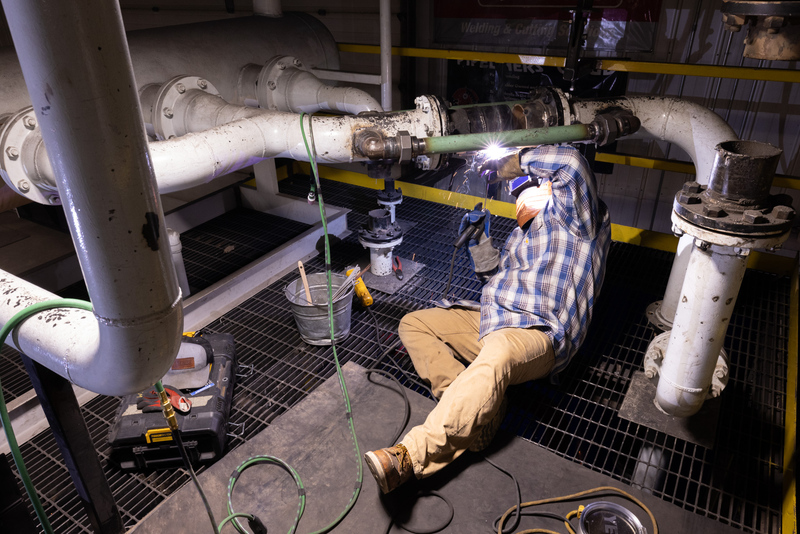
Black iron pipe is not actually made of iron. It is low-carbon steel (typically A53 or A106 grade) with a dark iron oxide surface finish created during the manufacturing process. The dark coating gives it the name. Black iron pipe is used for natural gas distribution, steam systems, water supply, fire sprinkler systems, and structural applications. It comes in standard sizes from 1/2 inch to over 12 inches in diameter.
Unlike galvanized pipe, black iron pipe has no zinc coating. This means there are no toxic fume concerns specific to the coating material. The pipe welds like standard carbon steel, making it one of the most common and straightforward materials welders encounter in the field. The primary considerations are joint preparation, process selection, and code compliance for the specific application.
Which Welding Processes Work on Black Iron Pipe
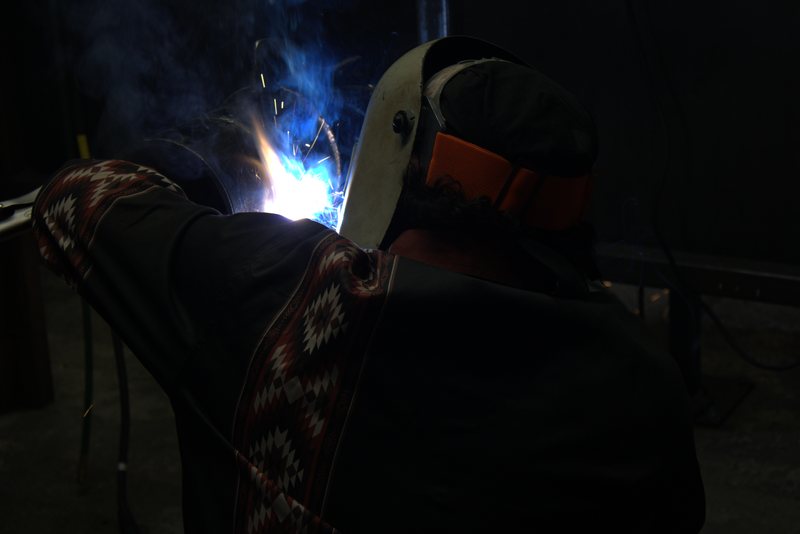
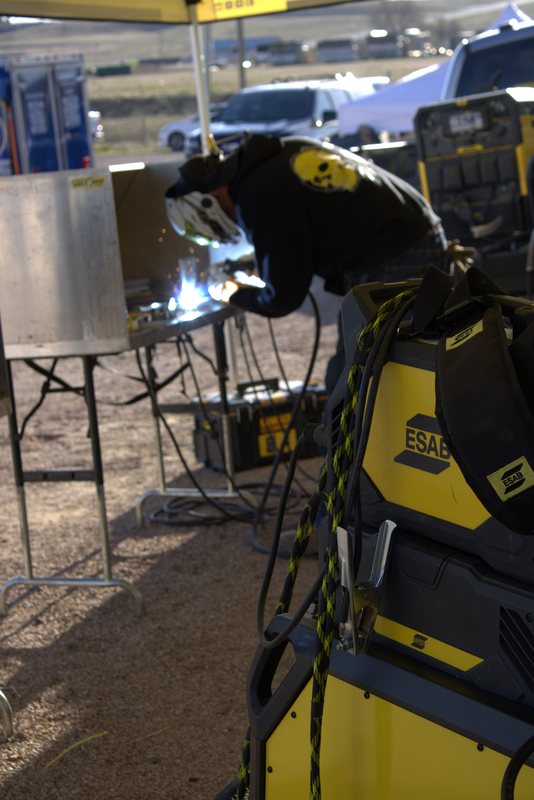
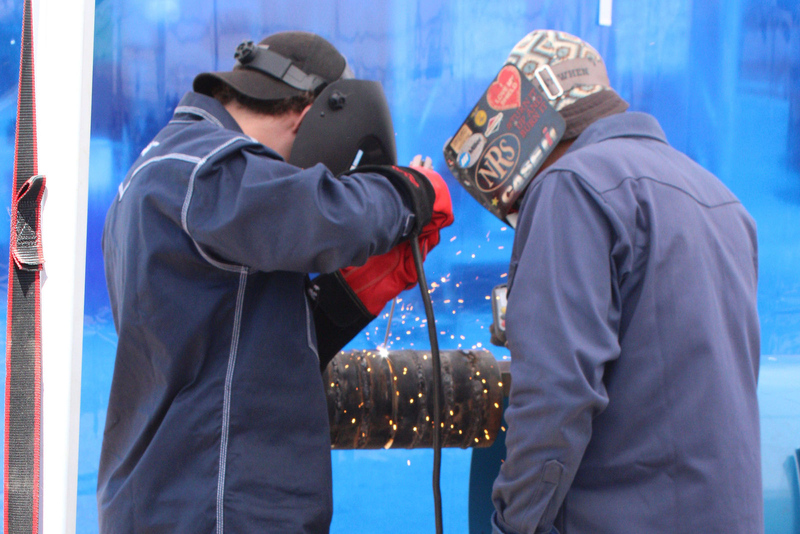
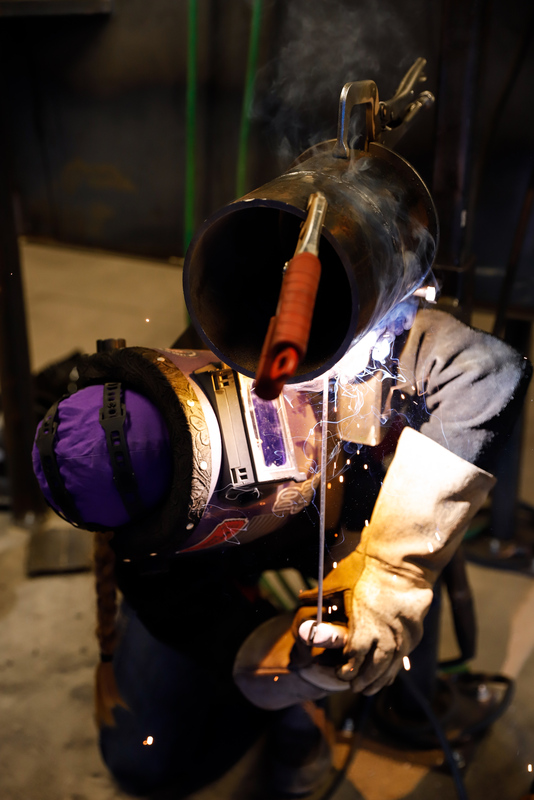
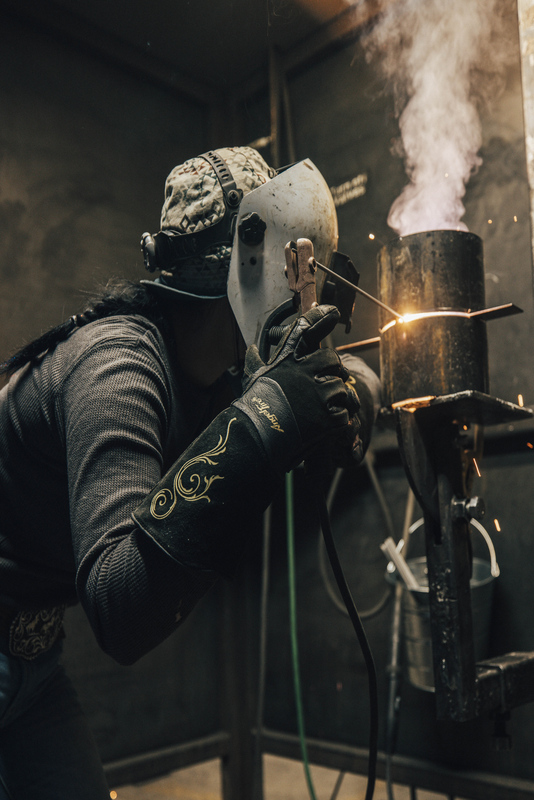
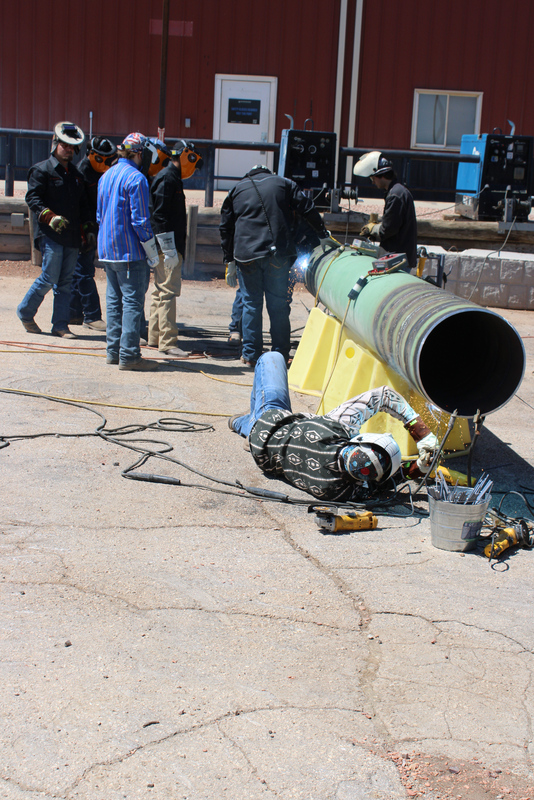
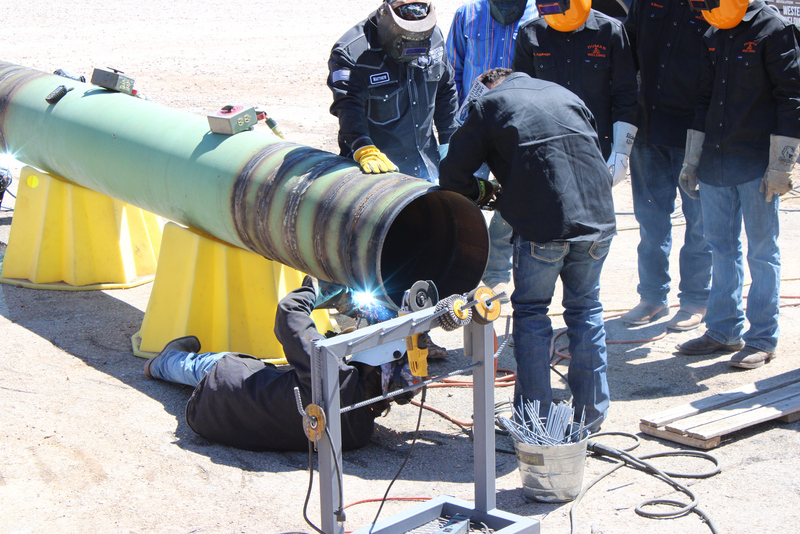
All four major welding processes work on black iron pipe. Stick welding (SMAW) with E6010 electrodes is the standard for root passes on gas line piping and pressure applications. E7018 electrodes provide strong fill and cap passes with low hydrogen content. MIG welding (GMAW) with ER70S-6 wire and 75/25 argon/CO2 gas works well for shop fabrication and non-pressure applications.
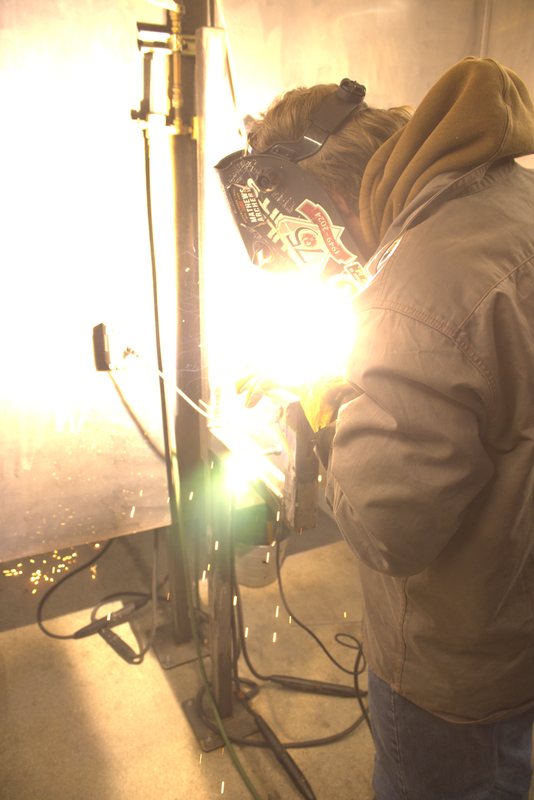
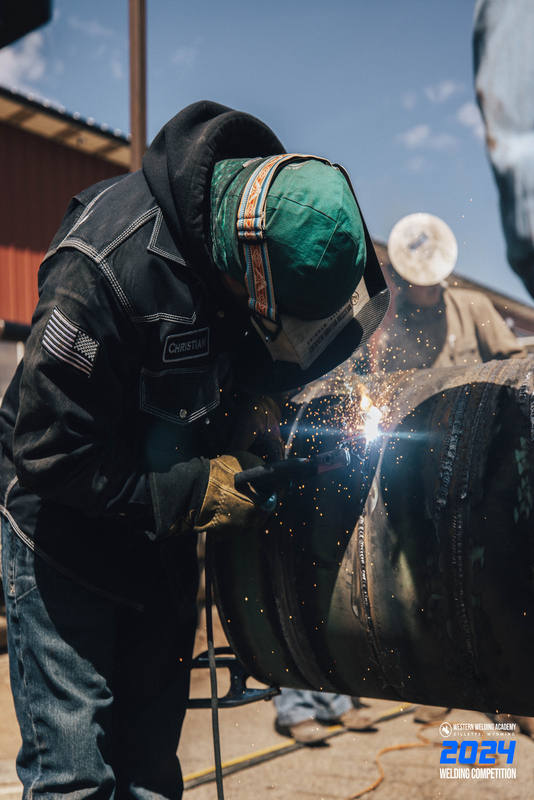
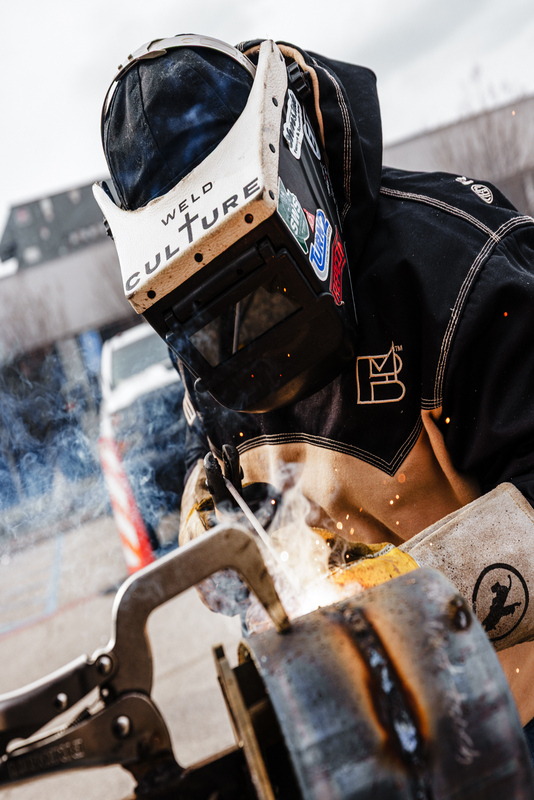
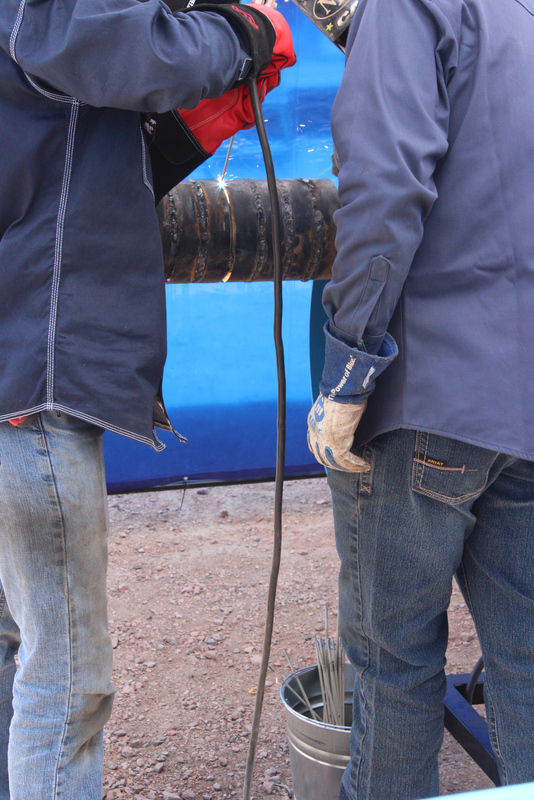
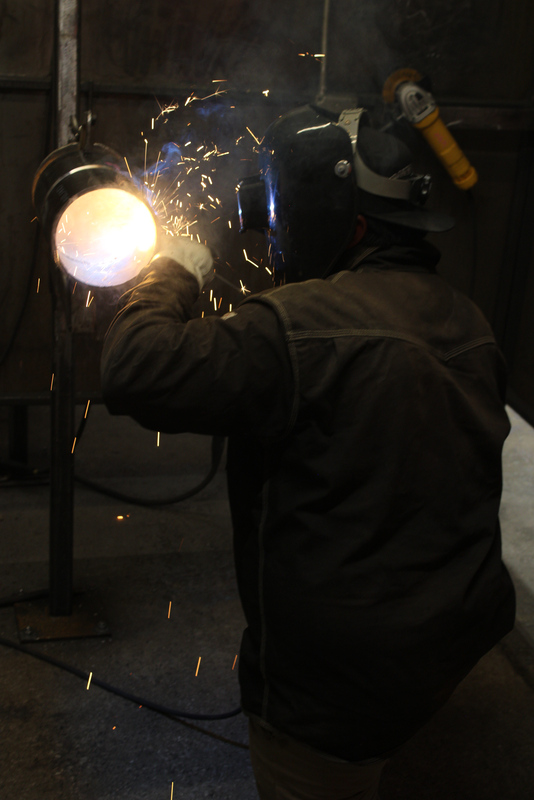
TIG welding (GTAW) with ER70S-2 or ER70S-6 filler rod produces the cleanest, most precise welds and is used for root passes on high-quality pipe joints. Flux-core welding (FCAW) handles thicker wall pipe with higher deposition rates for fill passes. Most professional pipe welding jobs on black iron combine TIG or stick for the root pass with stick or flux-core for fill and cap passes. See how MIG, TIG, and stick compare across applications.
Ready to launch your welding career? Apply now or call Western Welding Academy at (307) 284-5313 today.
Joint Preparation for Black Iron Pipe
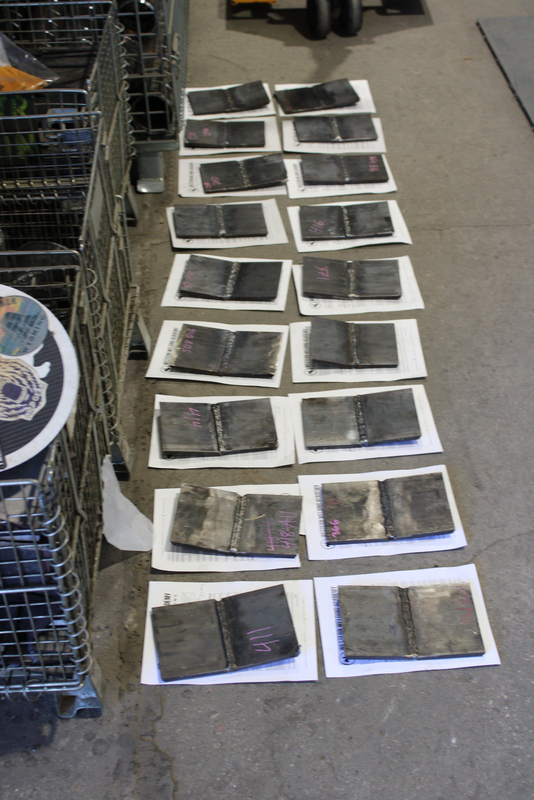
Clean the weld zone with a wire brush or grinder to remove the oxide scale, oil, and any contaminants within 1 inch of the joint. For butt joints on pipe, bevel the edges to create a V-groove (typically 37.5 degrees per side for a 75-degree included angle) with a 1/16 inch root opening and a 1/16 inch root face. Proper fit-up is critical because gaps and misalignment cause defects that fail inspection.
For socket welds and fillet welds on branch connections, the pipe end must be square-cut and properly seated. Tack welds hold the assembly in position during welding. Use at least 3 tack welds evenly spaced around the pipe circumference. Each tack should be small enough to be consumed by the final weld pass without creating defects.
Code Requirements for Gas and Pressure Piping
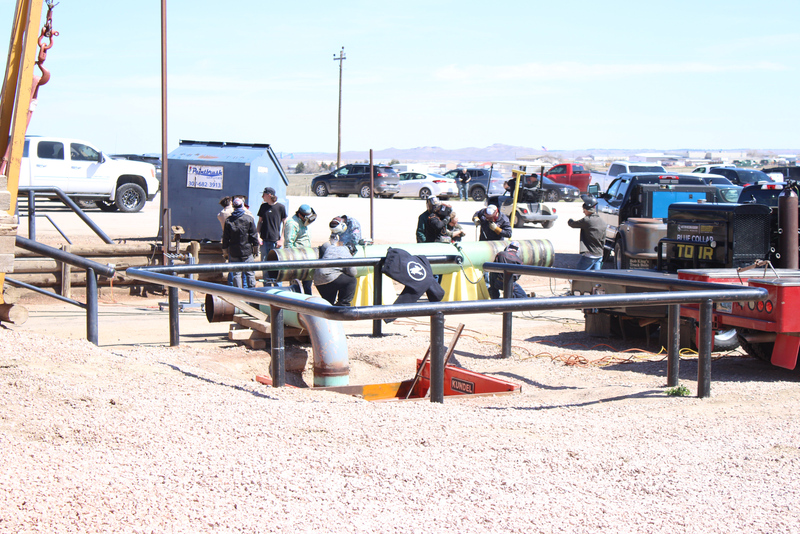
If the black iron pipe carries natural gas, it falls under NFPA 54 (National Fuel Gas Code) and local building codes. Gas piping welds must be performed by qualified welders using approved procedures. ASME B31.1 (power piping) and B31.3 (process piping) govern pressure applications. Pipeline work on black iron falls under API 1104 or ASME Section IX depending on the application.
Non-pressure applications like structural supports, handrails, and non-critical fabrication do not require code-qualified welders, but quality workmanship still matters for safety and durability. Always check local code requirements before welding gas or pressure piping.
Why Pipe Welding Training Matters Even for Common Materials
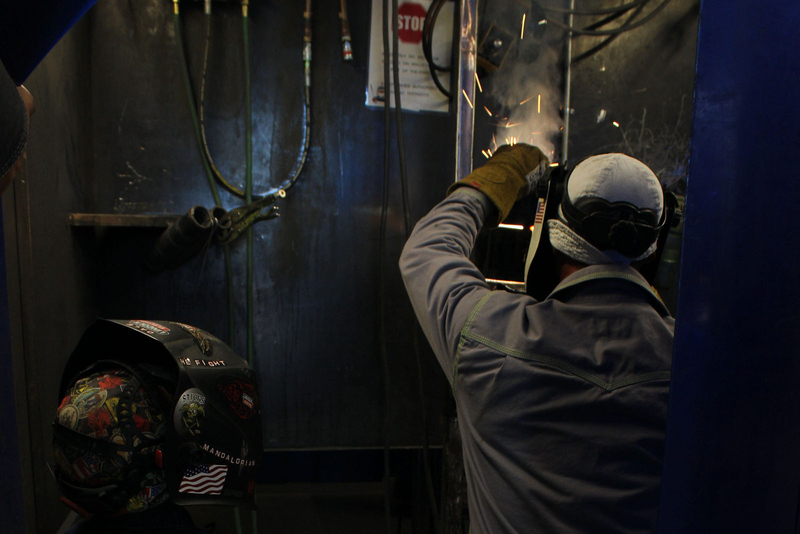
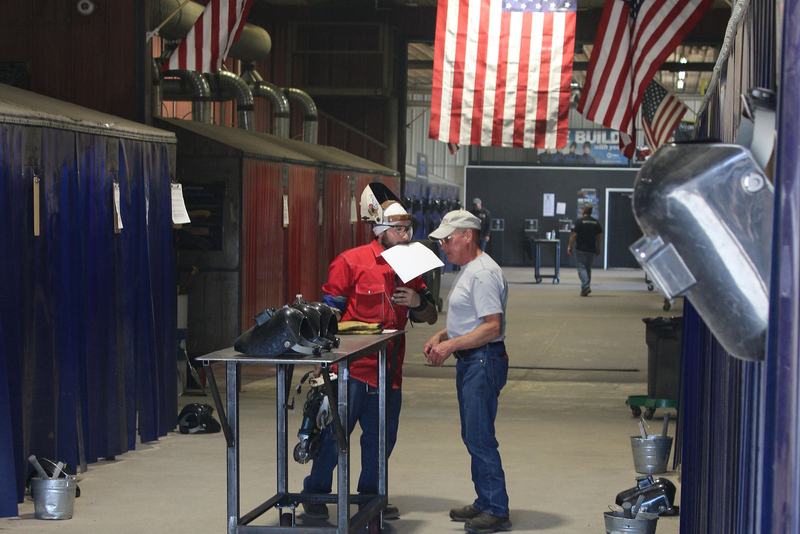
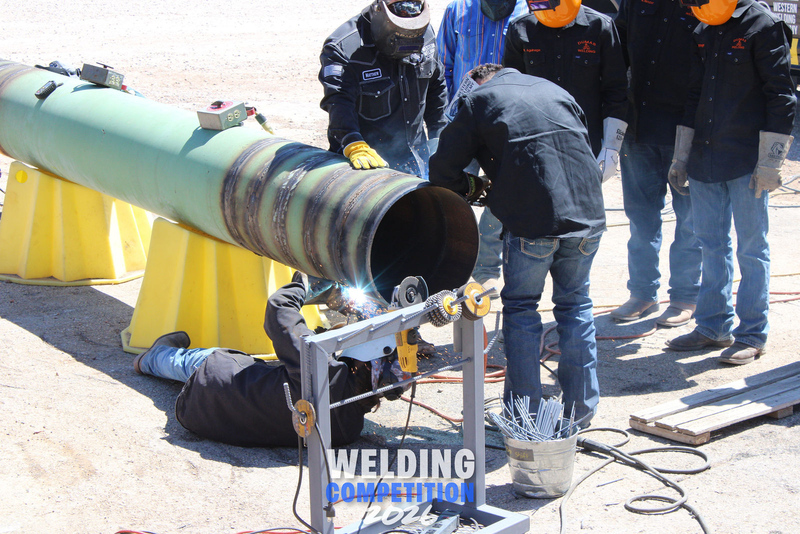
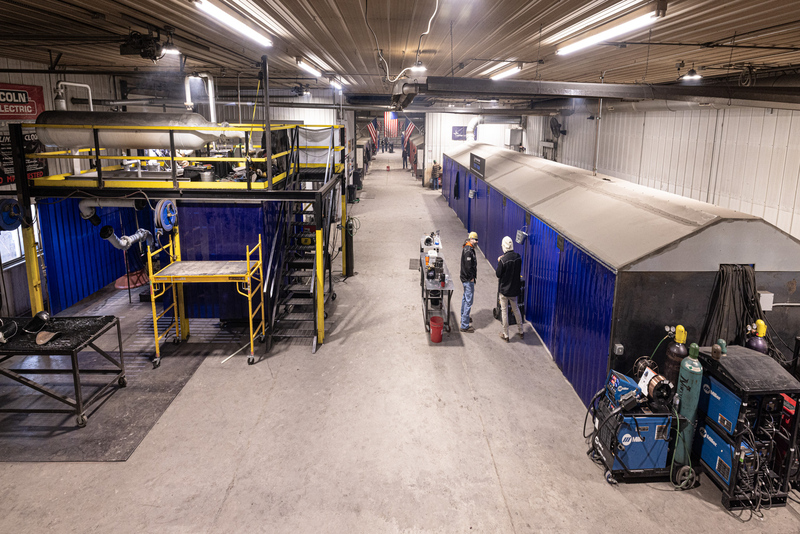
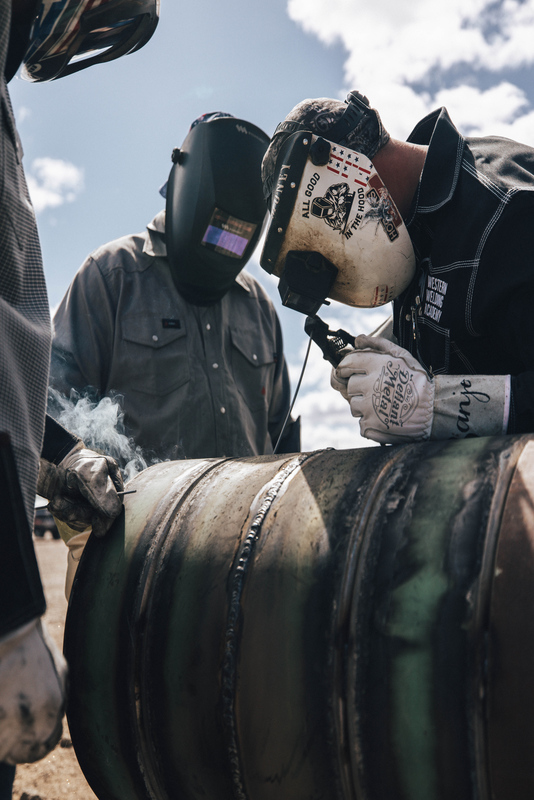
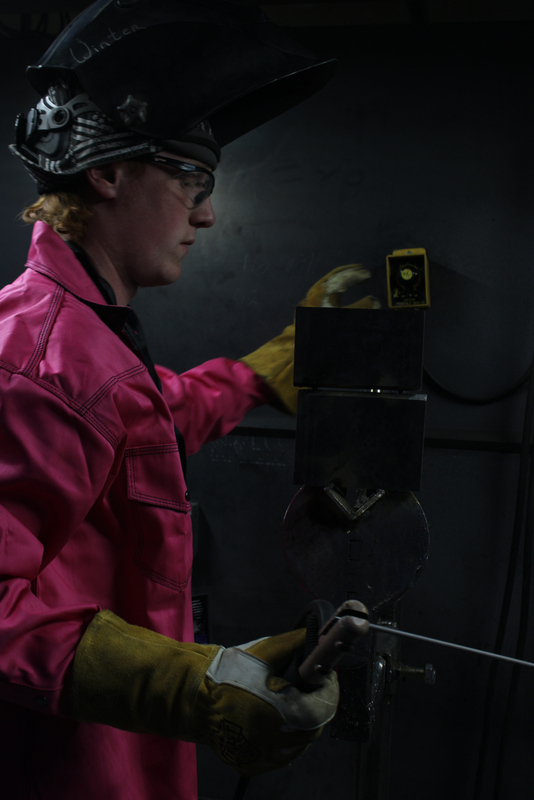
Western Welding Academy trains students on pipe welding across all processes with 85 percent booth time. Black iron pipe is one of the most common materials students weld during training because it appears on nearly every industrial and commercial job site. The Professional Pipe Welder program runs 19 weeks at $27,600 covering MIG, TIG, and stick on pipe.
The school holds a 94 percent hire rate within 90 days, verified by a 234-alumni survey. With 2,000 graduates, 330 combined instructor years, and the number one AWS Accredited Testing Facility ranking, Western Welding Academy builds welders who handle black iron, stainless, and specialty materials with equal confidence. Explore how welders handle galvanized pipe safely and see the difference material knowledge makes.
What Western Welding Academy Graduates Earn
Graduates of Western Welding Academy earn verified paychecks welding black iron and every other material on professional job sites.
Leyton Wagner earns $4,514 per paycheck. Gavin Walden takes home $3,986. David Smolek earns $3,417. Noah clears $2,800 per week on the North Slope. Hank reached $150,000 per year by age 21. Black iron pipe welding is a daily skill for all of them. See what pipe welders earn nationwide.
Ready to launch your welding career? Apply now or call Western Welding Academy at (307) 284-5313 today.
Frequently Asked Questions
Q1. Is black iron pipe easy to weld?
Yes. Black iron pipe is low-carbon steel that welds readily with all major processes. It has no zinc coating (unlike galvanized pipe), so there are no toxic fume concerns from the pipe material itself. Standard carbon steel welding procedures and filler metals apply.
Q2. What is the best welding process for black iron pipe?
Stick welding with E6010 (root) and E7018 (fill/cap) is the standard for gas and pressure piping. TIG welding produces the cleanest root passes. MIG works well for non-pressure shop fabrication. The best process depends on the application, code requirements, and joint position.
Q3. Can you MIG weld black iron gas pipe?
MIG welding on gas pipe is technically possible but may not meet local code requirements. Most gas piping codes require stick or TIG welding performed by qualified welders using approved procedures. Always check NFPA 54 and local building codes before welding gas lines.
Q4. Do you need to be certified to weld black iron pipe?
For gas piping and pressure applications, yes. Welders must qualify under ASME Section IX, API 1104, or applicable local codes. For non-pressure structural or fabrication work, certification is not legally required in most states but improves employability and demonstrates competence.
Q5. What filler metal do you use on black iron pipe?
For stick welding: E6010 for root passes, E7018 for fill and cap. For MIG and TIG: ER70S-6 solid wire. For TIG root passes: ER70S-2 provides the cleanest results. Match the filler metal classification to the base metal grade and the applicable welding code.
Q6. What makes Western Welding Academy different from other welding schools?
Western Welding Academy delivers 85 percent hands-on booth time with pipe welding training across all processes. Students weld black iron, stainless, and specialty materials daily. The school holds a 94 percent hire rate within 90 days, verified by a 234-alumni survey. With 2,000 graduates, 330 combined instructor years, and the number one AWS Accredited Testing Facility ranking, graduates handle any pipe material on any job site.
Master Pipe Welding on Every Material
Black iron pipe is the foundation. The right training builds your skills from there. Call Western Welding Academy at (307) 284-5313 or apply now to start welding pipe with professional-level skills.


.jpg)



.jpg)


.jpg)
.jpg)
.jpg)
.jpg)
.jpg)
-thumbnail.jpg)

.jpg)