Why Stainless Steel Pipe Is Different from Carbon Steel
Stainless steel conducts heat approximately 50 percent less efficiently than carbon steel, which means heat concentrates in the weld zone and causes warping faster. The material expands about 50 percent more than carbon steel, increasing distortion risk. Excessive heat input causes carbide precipitation (sensitization) in the heat-affected zone, which destroys the corrosion resistance that makes stainless steel valuable in the first place.
Stainless pipe is used in pharmaceutical manufacturing, food and beverage processing, chemical plants, nuclear facilities, and any application where corrosion resistance and sanitary weld surfaces are required. The interior surface of the weld must be smooth, free of oxidation, and fully penetrated. Any discoloration on the root side indicates improper shielding and potential contamination.
The TIG Root Pass: The Most Critical Skill
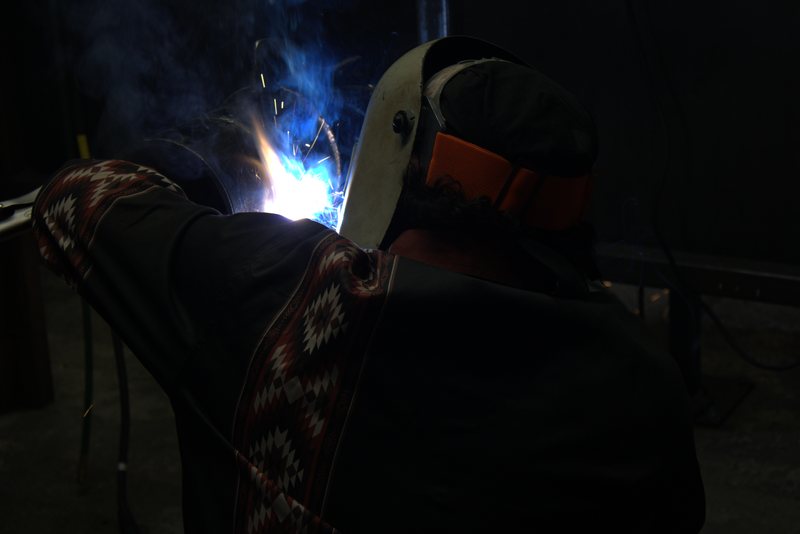
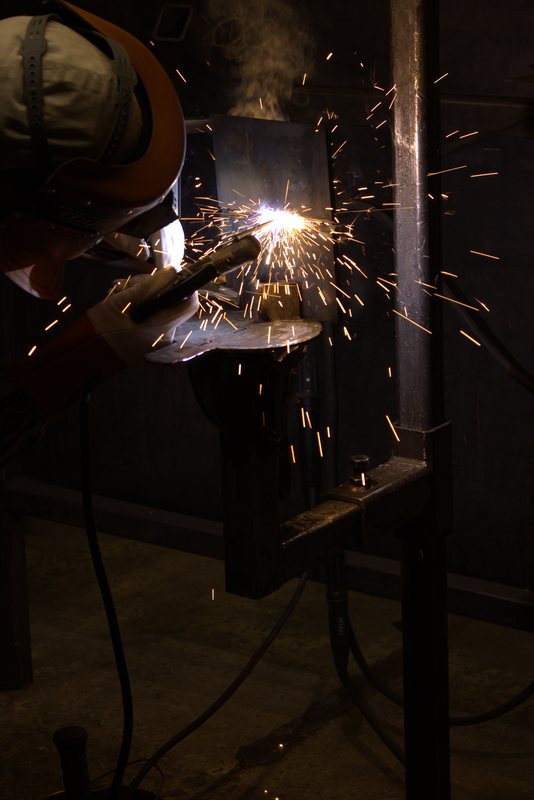
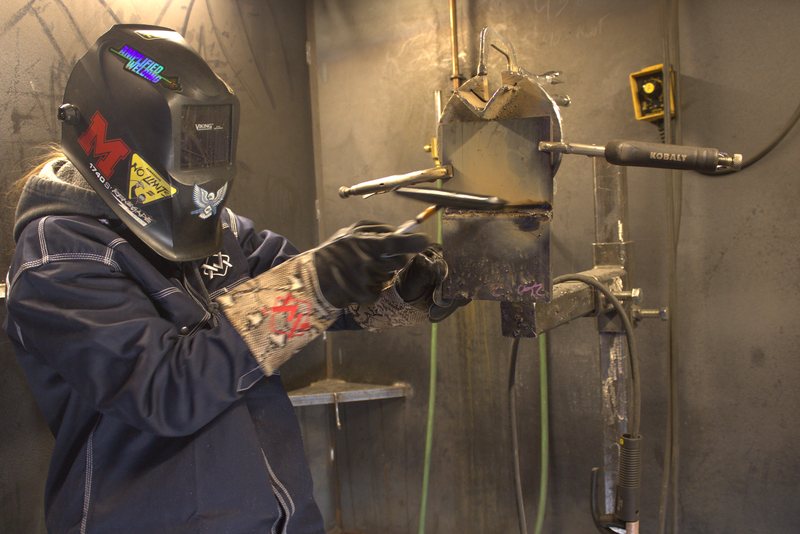
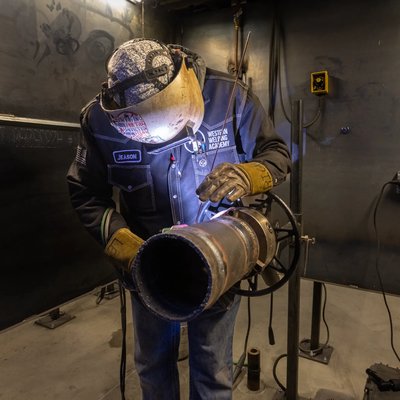
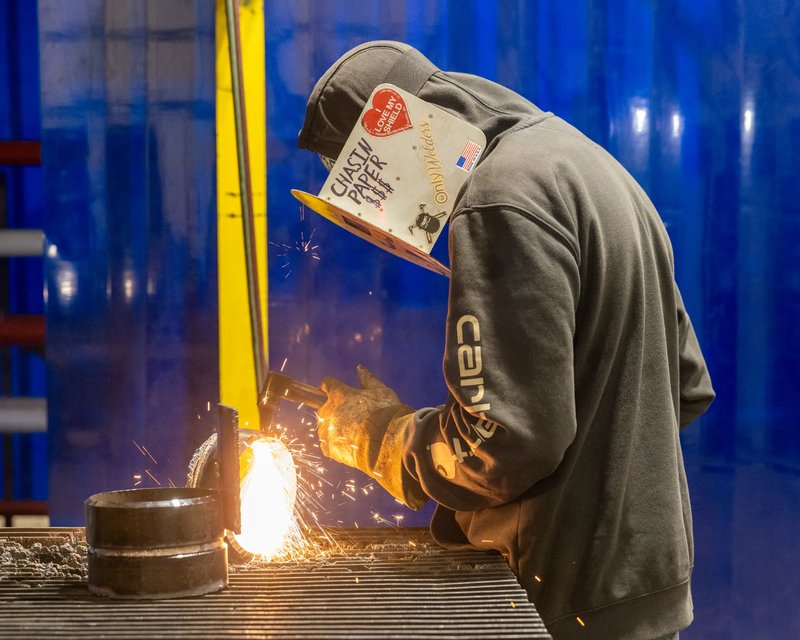
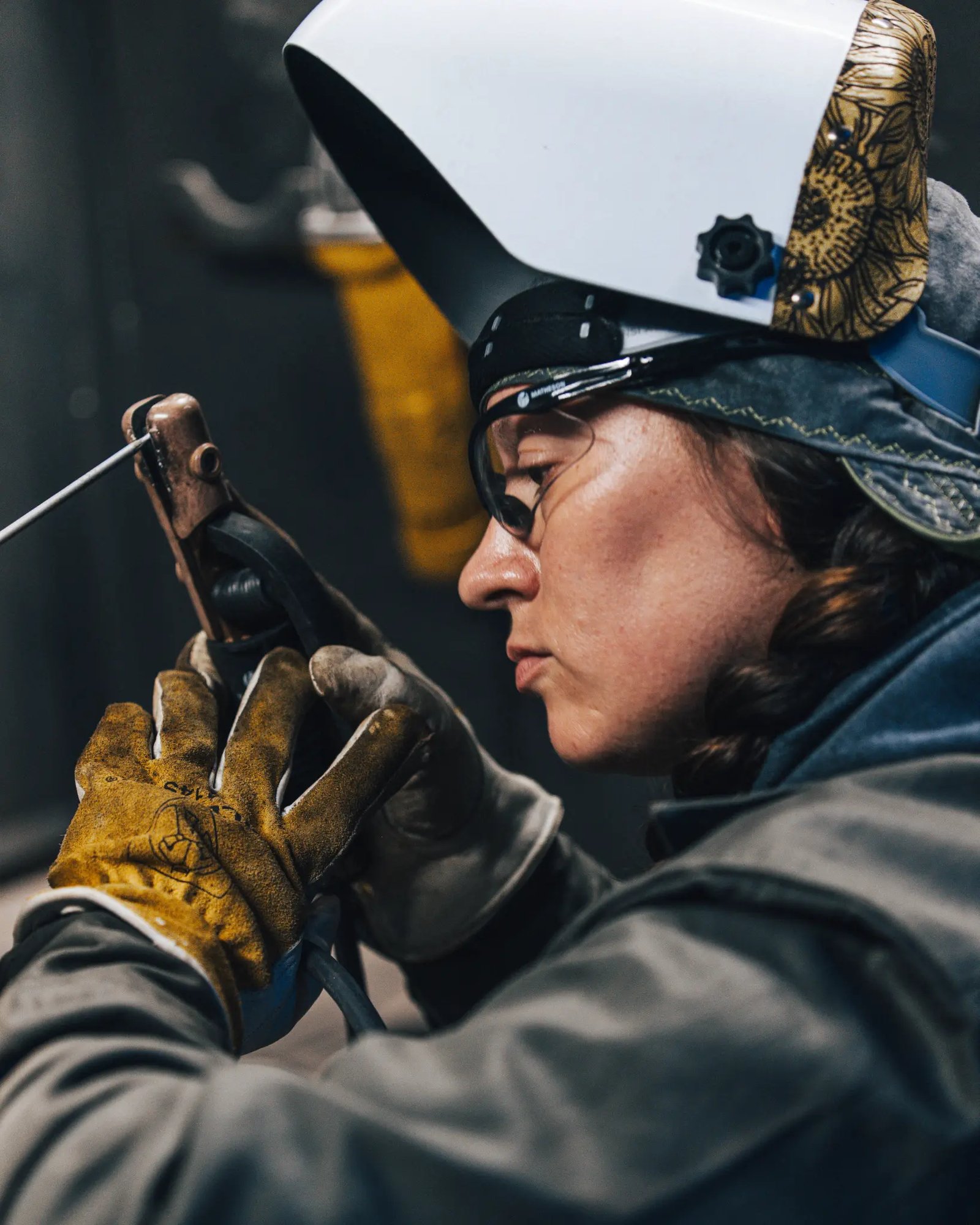
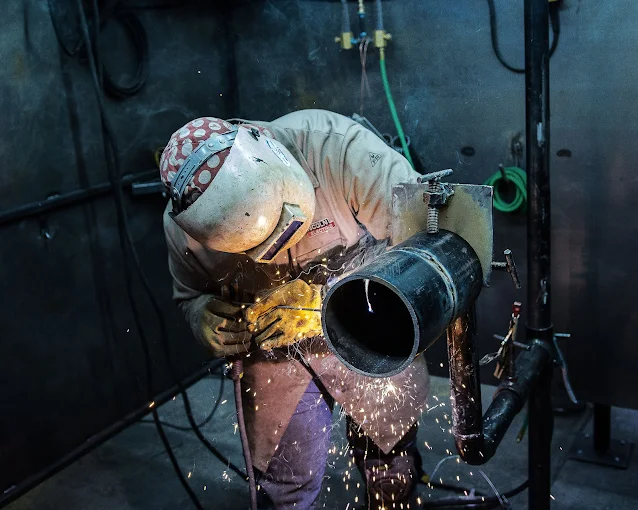
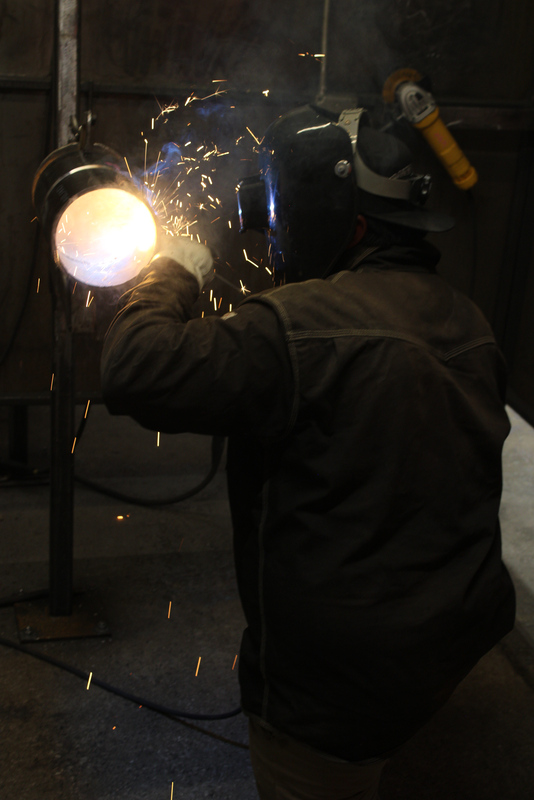
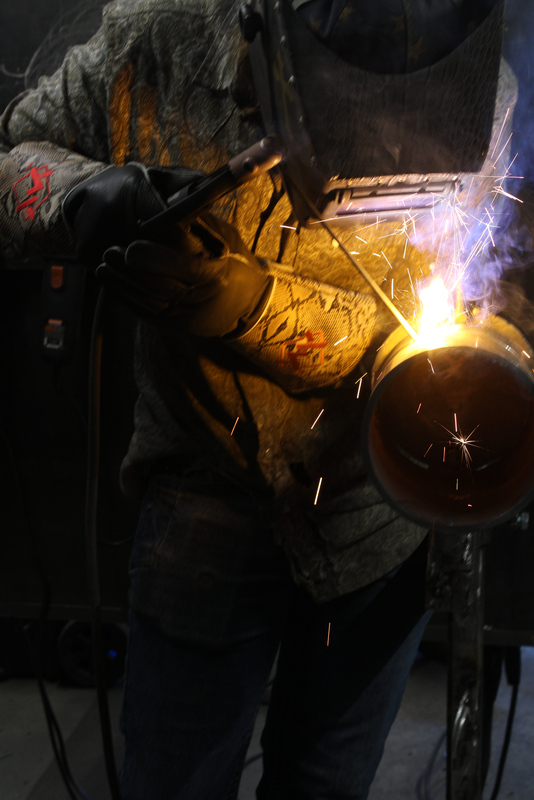
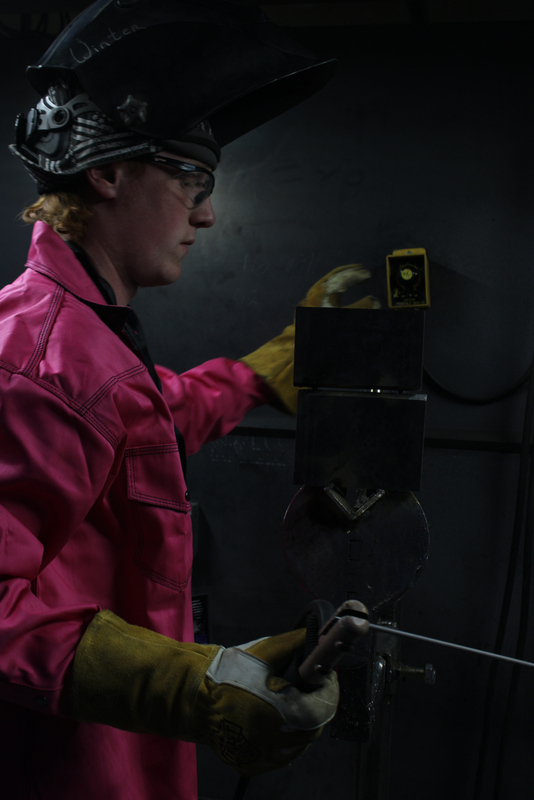
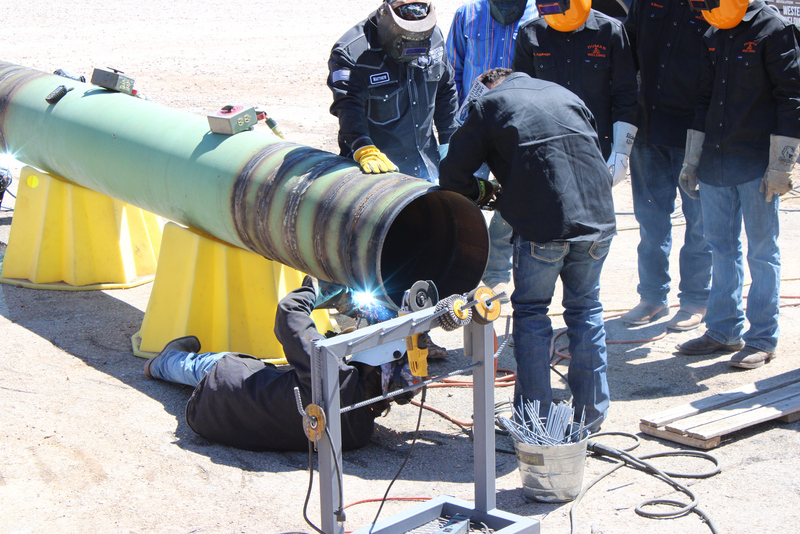
TIG welding (GTAW) is the standard process for root passes on stainless steel pipe. The root pass must achieve full penetration with a smooth, uniform interior surface. Use ER308L filler rod for 304 stainless, ER316L for 316 stainless, and ER309L for dissimilar metal joints. Keep amperage as low as practical while maintaining full fusion. Use a foot pedal for precise heat control.
Travel speed must be fast enough to prevent excessive heat buildup but slow enough for complete fusion. The weld pool should be small and controlled. If the pool becomes too large, you are running too hot and risking warping and sensitization. Stringer beads (no weave) are preferred for stainless pipe root passes to minimize heat input per pass.
Ready to launch your welding career? Apply now or call Western Welding Academy at (307) 284-5313 today.
Back Purging: Why It Is Non-Negotiable
Back purging is the process of flowing argon gas through the inside of the pipe to displace oxygen during welding. Without a purge, the root side of the weld oxidizes instantly, creating a rough, discolored surface called sugaring. Sugaring weakens the joint, traps contaminants, and fails inspection in every code-quality application.
Set up purge dams on either side of the weld joint using soluble purge dam material or inflatable pipe purge bladders. Flow argon at 15 to 25 CFH through the purge until oxygen levels drop below 50 PPM (measured with an oxygen analyzer for code work). Maintain the purge through the root pass and at least one additional pass. Removing the purge too early ruins the root. Learn how TIG skills connect to orbital welding where back purging is equally critical.
Fill and Cap Passes on Stainless Pipe
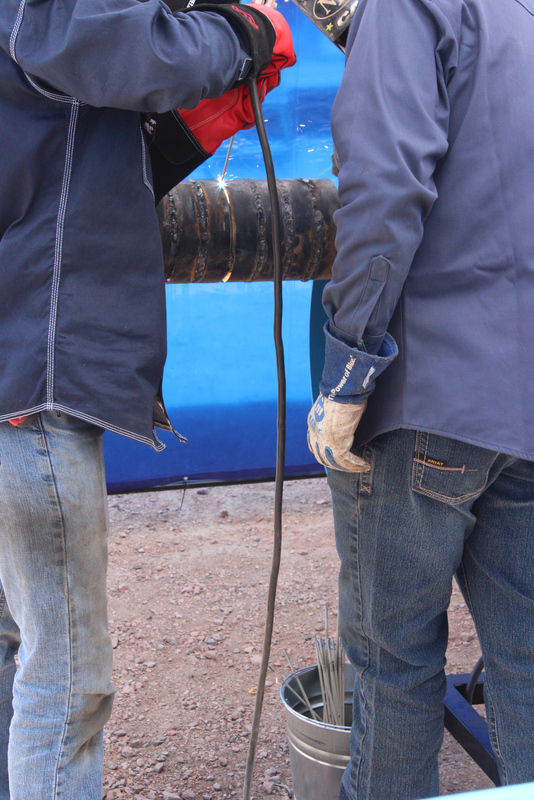
After the TIG root, fill and cap passes can use TIG, stick (E308L-16 or E316L-16 electrodes), or MIG (ER308LSi wire with 98% argon / 2% CO2 tri-mix gas). Each subsequent pass must use minimal heat input. Interpass temperature should not exceed 350 degrees Fahrenheit. Allow the pipe to cool between passes rather than stacking heat.
Post-weld cleaning is essential. Use a stainless steel wire brush (never a carbon steel brush, which contaminates the surface) and passivation solution to restore the chromium oxide layer. Proper cleaning ensures long-term corrosion resistance.
Why TIG Training Is the Foundation for Stainless Pipe Work
Western Welding Academy builds deep TIG pipe welding skills through the Expert Pipe Welder program (24 weeks, $35,800) and the Professional Pipe Welder program (19 weeks, $27,600). With 85 percent booth time and 40 hours per week, students develop the arc control and heat management that stainless steel demands.
The school holds a 94 percent hire rate within 90 days, verified by a 234-alumni survey. With 2,000 graduates, 330 combined instructor years, and the number one AWS Accredited Testing Facility ranking, Western Welding Academy produces welders ready for stainless pipe work in pharmaceutical, food, nuclear, and industrial applications. See what pipe welders earn across specialties.
What Western Welding Academy Graduates Earn
Graduates of Western Welding Academy earn verified paychecks that reflect the premium employers pay for precision pipe welding skills.
Leyton Wagner earns $4,514 per paycheck. Gavin Walden takes home $3,986. David Smolek earns $3,417. Noah clears $2,800 per week. Hank reached $150,000 per year by age 21. Stainless pipe welders at the top of the skill range command even higher rates than general pipe welding.
Ready to launch your welding career? Apply now or call Western Welding Academy at (307) 284-5313 today.
Frequently Asked Questions
Q1. What is the best welding process for stainless steel pipe?
TIG (GTAW) is the standard for root passes because it provides precise heat control and clean, fully penetrated welds. Fill and cap passes can use TIG, stick with stainless electrodes, or MIG with appropriate shielding gas.
Q2. What filler metal do you use on 316 stainless pipe?
Use ER316L filler rod for TIG welding and E316L-16 electrodes for stick welding on 316 stainless steel. The 'L' designation indicates low carbon content, which reduces the risk of carbide precipitation and maintains corrosion resistance in the heat-affected zone.
Q3. What is back purging and why is it required?
Back purging flows argon gas through the inside of the pipe to displace oxygen during welding. Without a purge, the root side oxidizes (sugaring), creating a rough, contaminated surface that fails code inspection. Purge until oxygen drops below 50 PPM for code-quality work.
Q4. Why does stainless steel warp more than carbon steel?
Stainless conducts heat about 50 percent less efficiently and expands about 50 percent more than carbon steel. This means heat concentrates in the weld zone and causes greater distortion. Using lower amperage, faster travel speed, stringer beads, and controlled interpass temperatures minimizes warping.
Q5. Can you use a carbon steel wire brush on stainless?
No. Carbon steel particles embed in the stainless surface and cause rust spots that destroy corrosion resistance. Always use dedicated stainless steel wire brushes, grinding discs, and tools that have never contacted carbon steel.
Q6. What makes Western Welding Academy different from other welding schools?
Western Welding Academy delivers 85 percent hands-on booth time with deep TIG pipe welding training. The school holds a 94 percent hire rate within 90 days, verified by a 234-alumni survey. With 2,000 graduates, 330 combined instructor years, and the number one AWS Accredited Testing Facility ranking, the school produces welders with the precision that stainless steel pipe demands.
Master Stainless Steel Pipe and Command Premium Pay
Stainless pipe welding separates average welders from top earners. Call Western Welding Academy at (307) 284-5313 or apply now to build the TIG precision that stainless demands.


.jpg)
.jpg)
.jpg)
.jpg)
.jpg)
-thumbnail.jpg)

.jpg)