What Makes Pipe Welding So Difficult for Beginners?
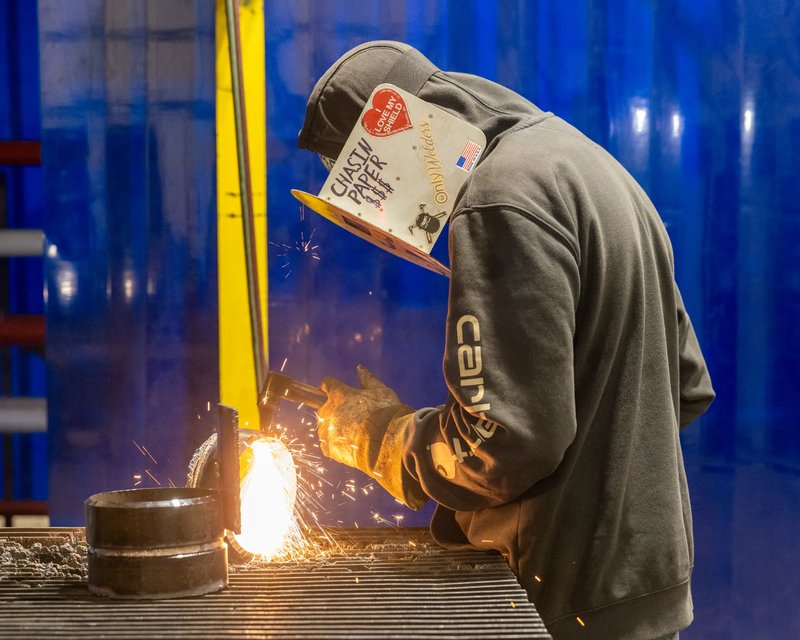
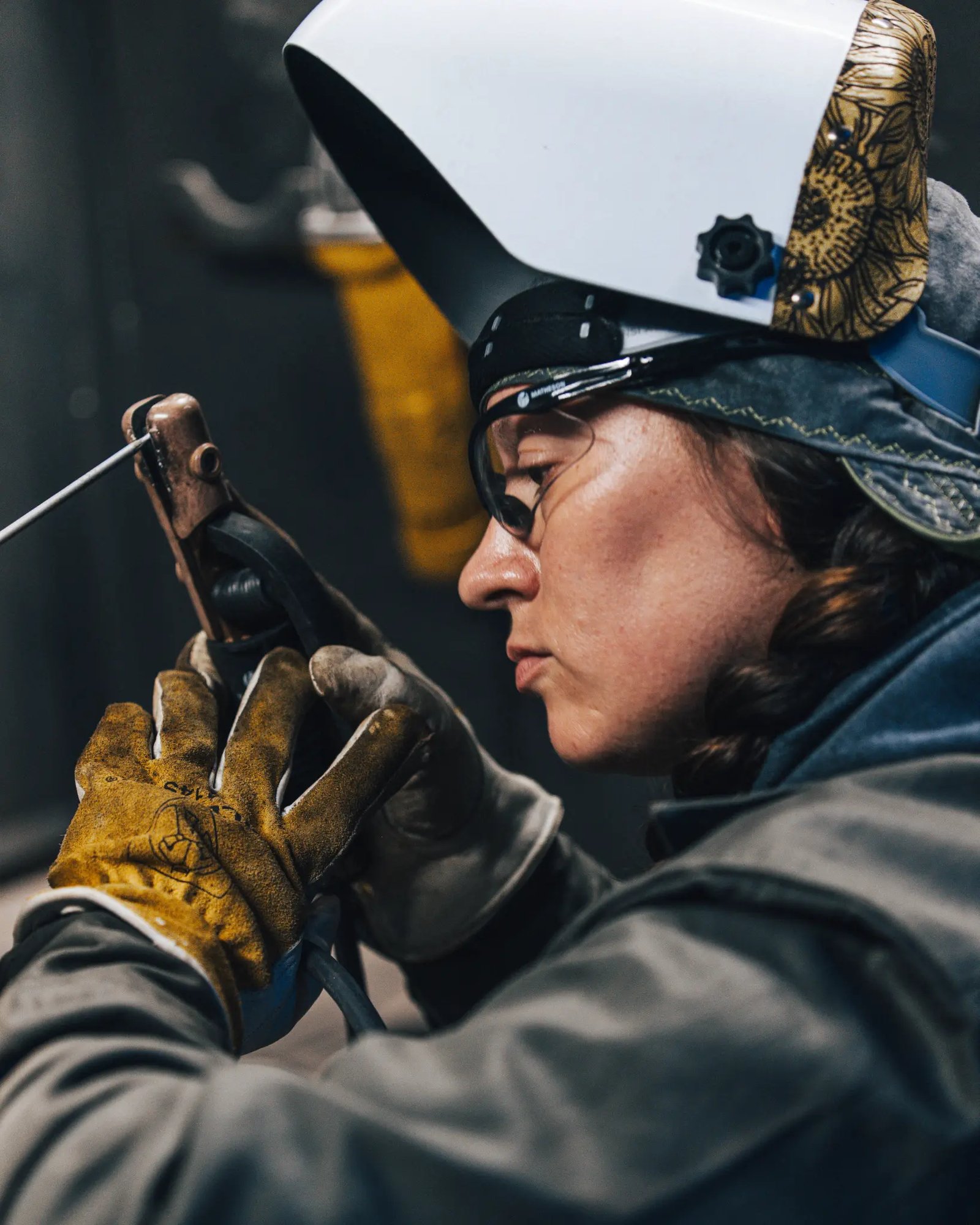
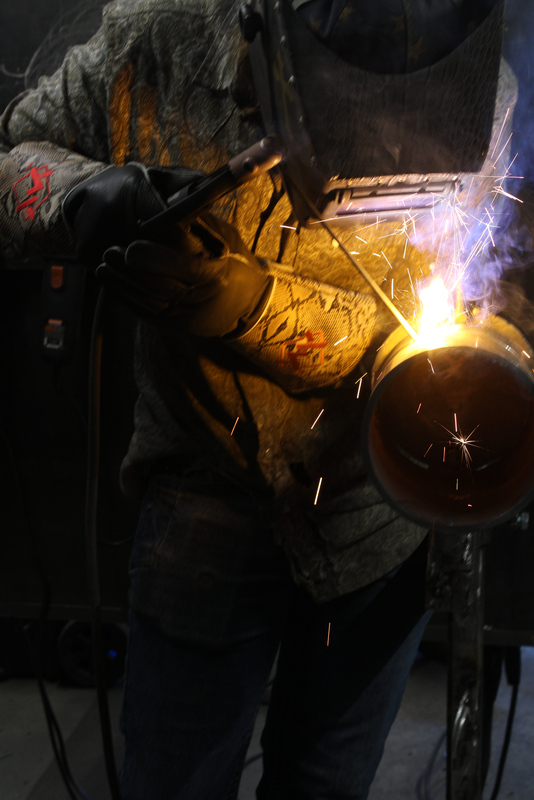
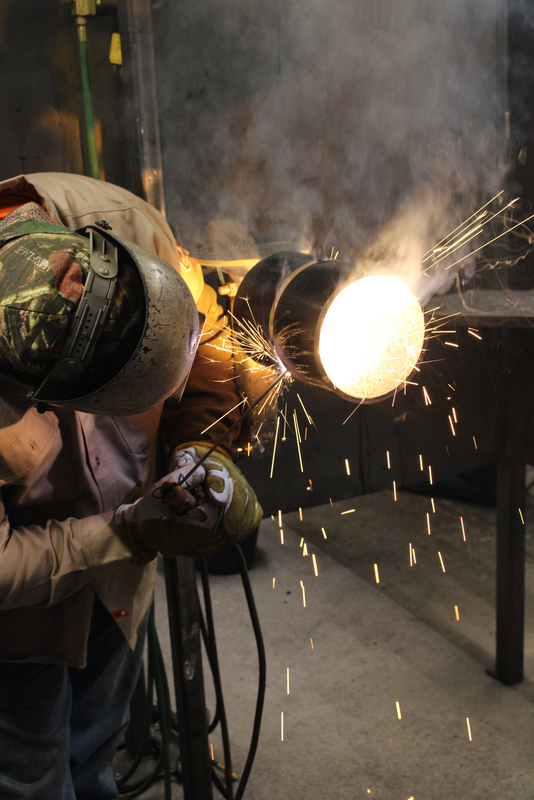
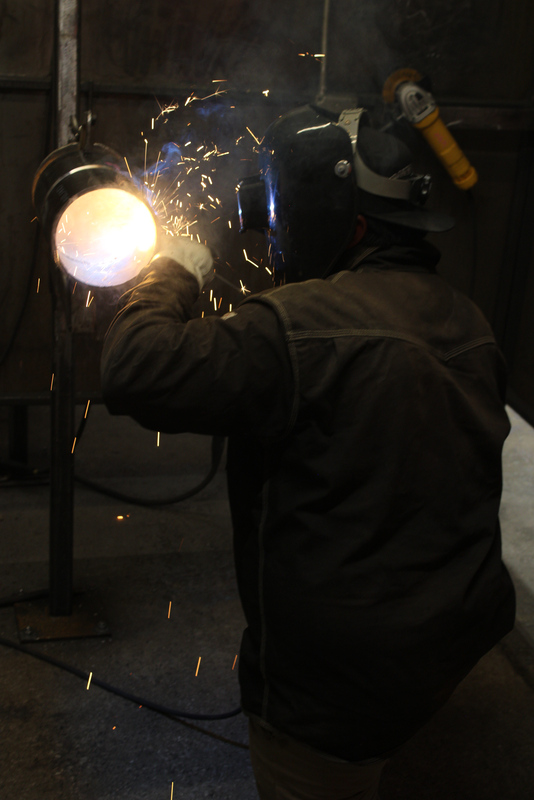
Pipe welding is harder than flat or structural welding because every variable changes at once. You are welding on a curved surface. Gravity pulls the weld pool differently depending on your position. The heat moves through the pipe and changes the behavior of the metal as you go. You must adjust your angle, speed, and heat input continuously through every pass.
Flat welding is forgiving. Pipe welding is not. A small mistake on a flat plate might go unnoticed. The same mistake on a high-pressure pipe joint gets caught on an X-ray and fails your certification test. That is why the difference between pipeline, refinery, and structural welding matters so much. Pipe welders face tighter tolerances, harder tests, and higher stakes on every joint.
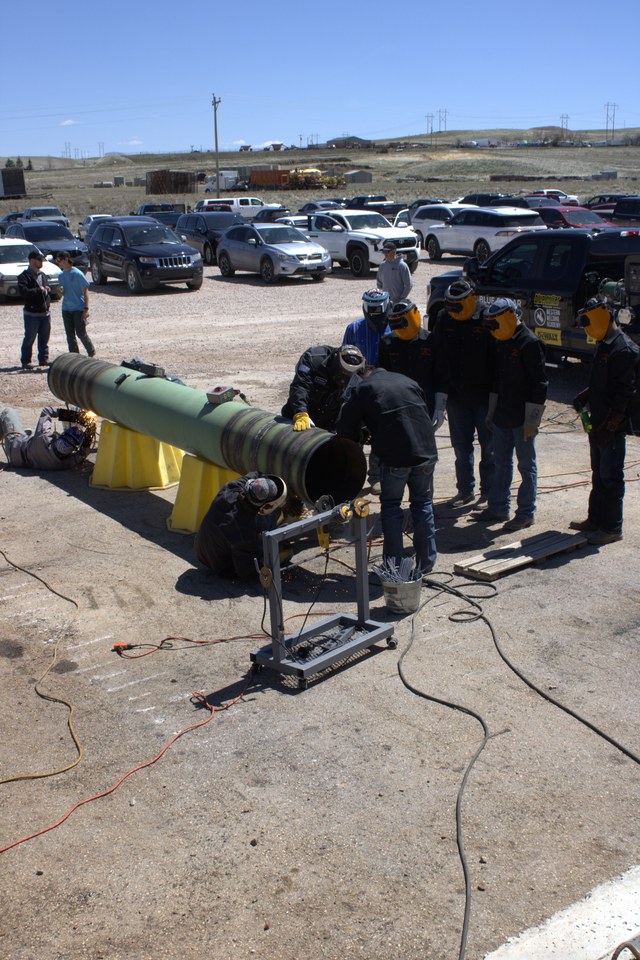
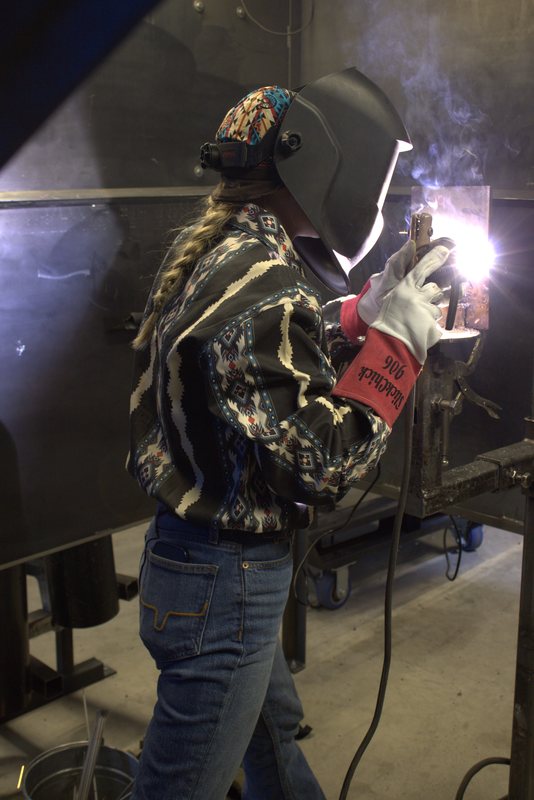
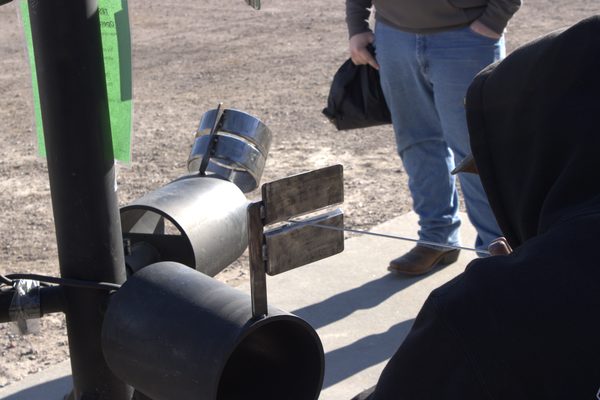
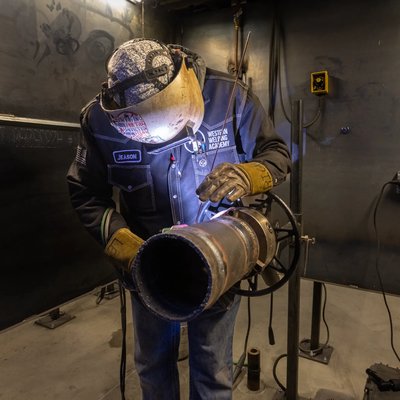
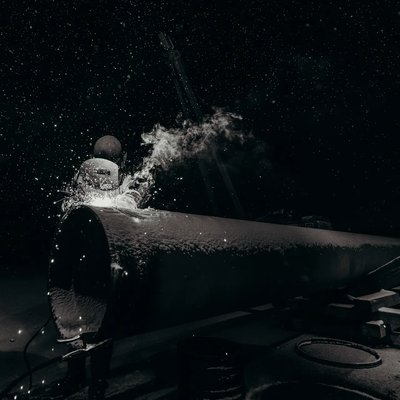
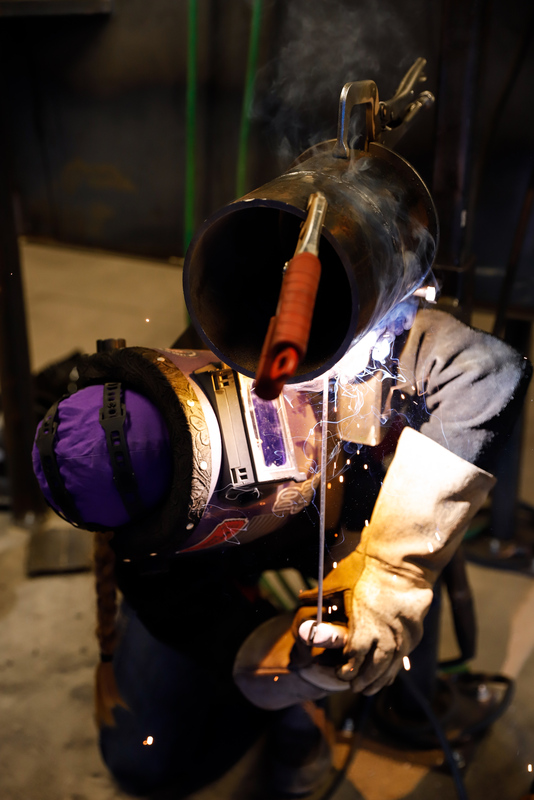
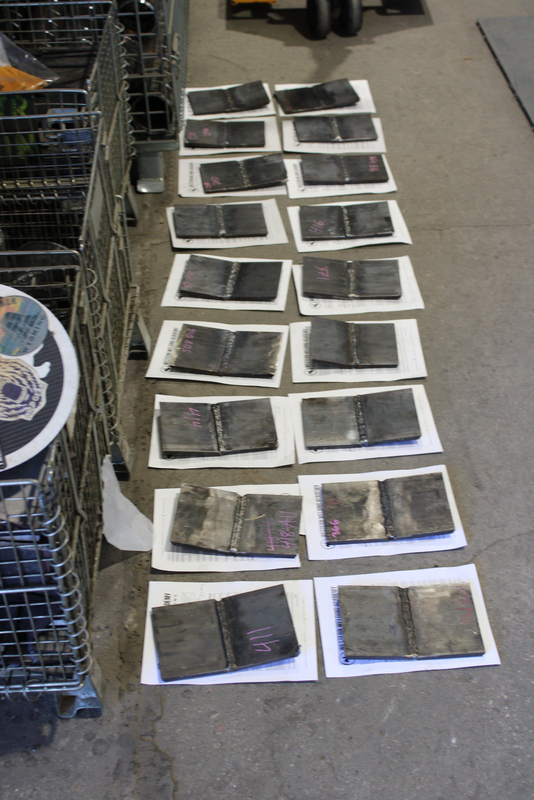
The 6G position is the industry standard for pipe welding certification. It requires you to weld a pipe fixed at a 45 degree angle without moving it. You weld overhead, vertical, and horizontal all in one test. Most beginners have never welded in any of those positions before they sit for this exam. Without proper training, the hardest welding certifications become a wall that stops your career before it starts.
Why Does Booth Time Matter More Than Classroom Hours?
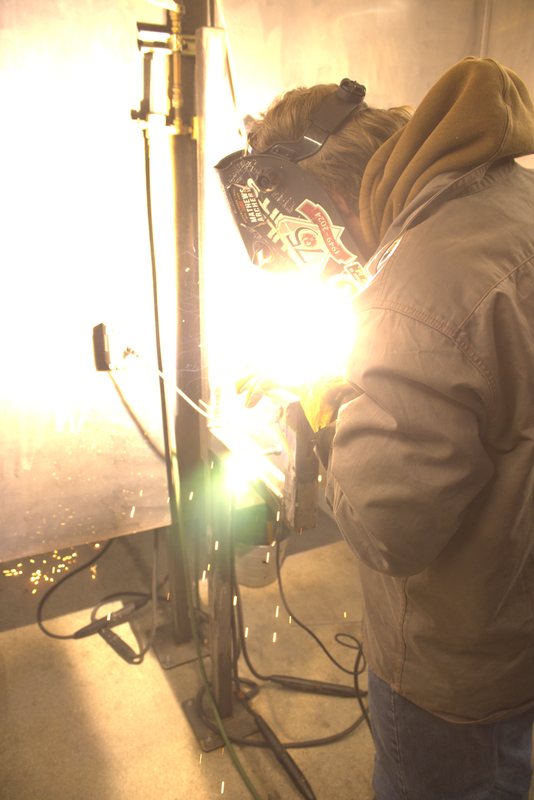
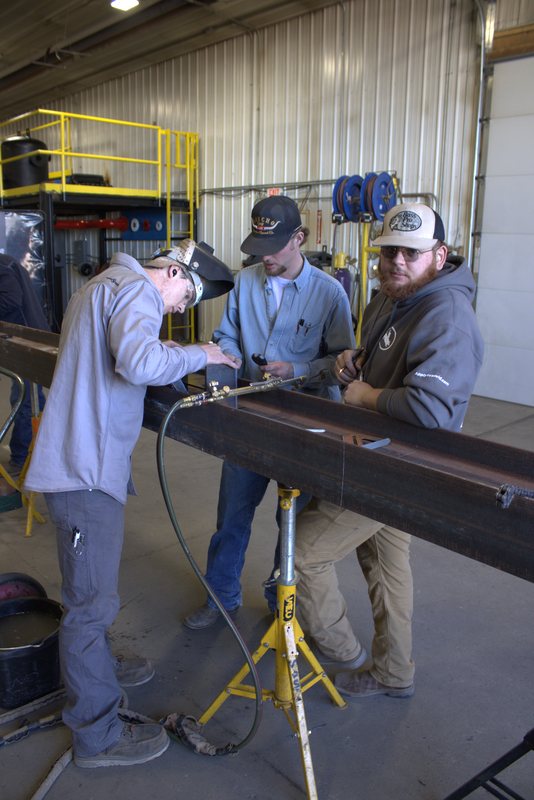
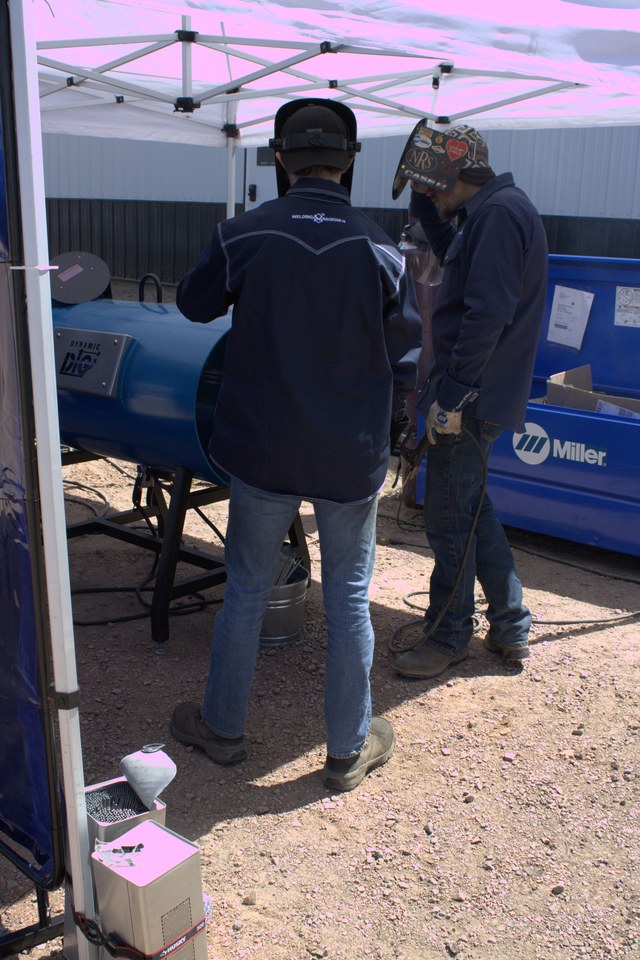
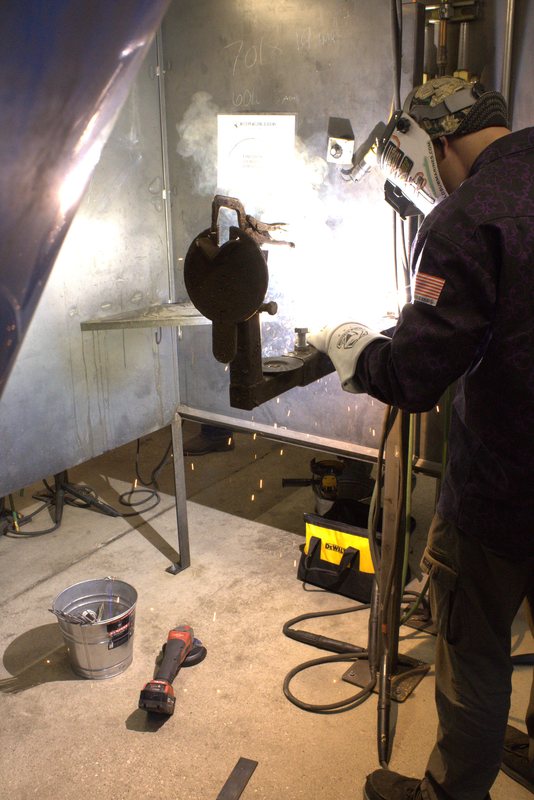
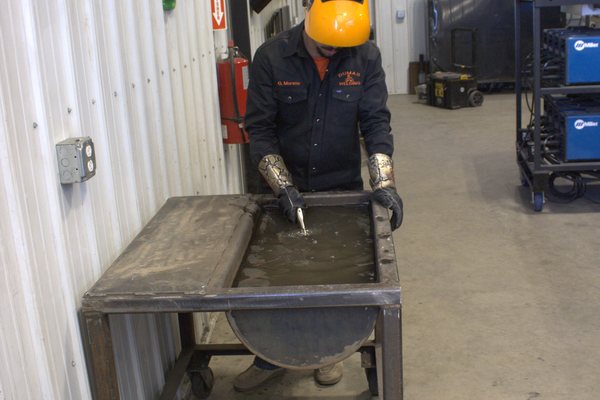
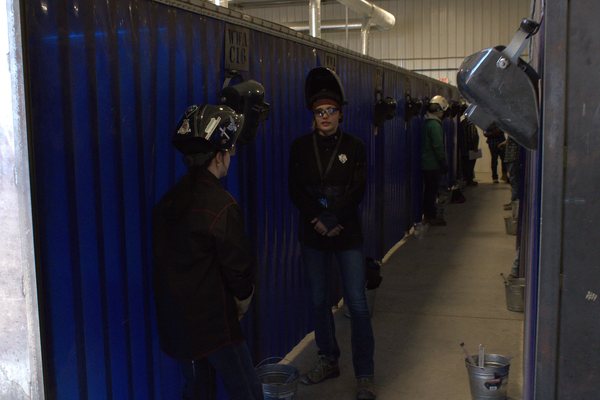
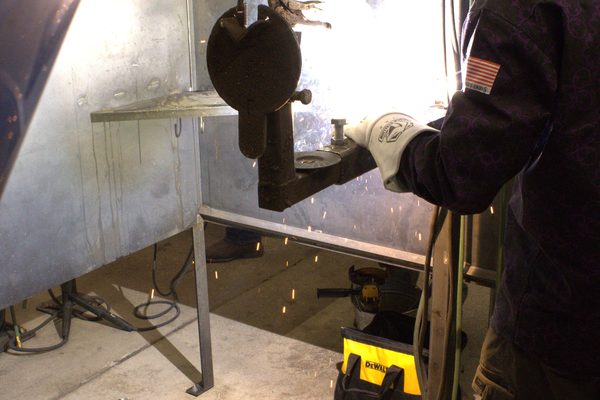
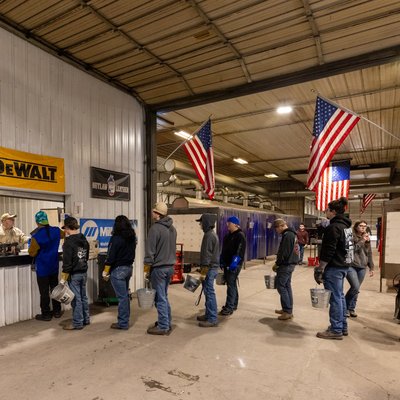
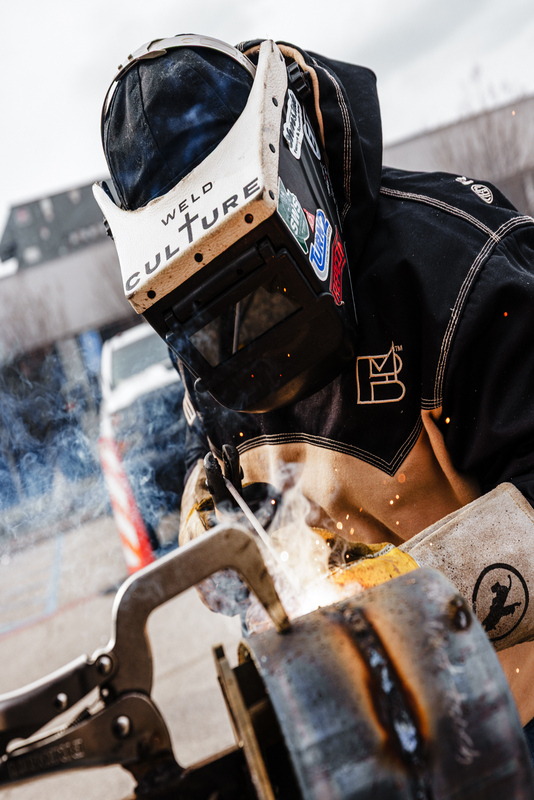
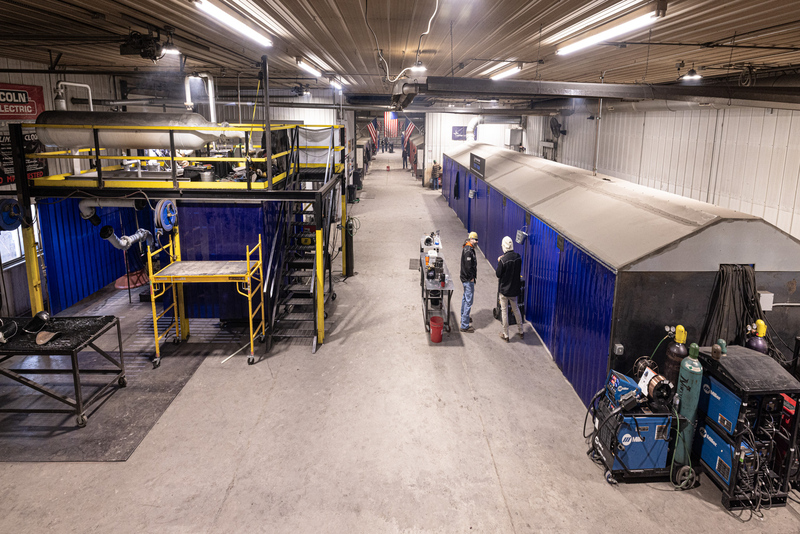
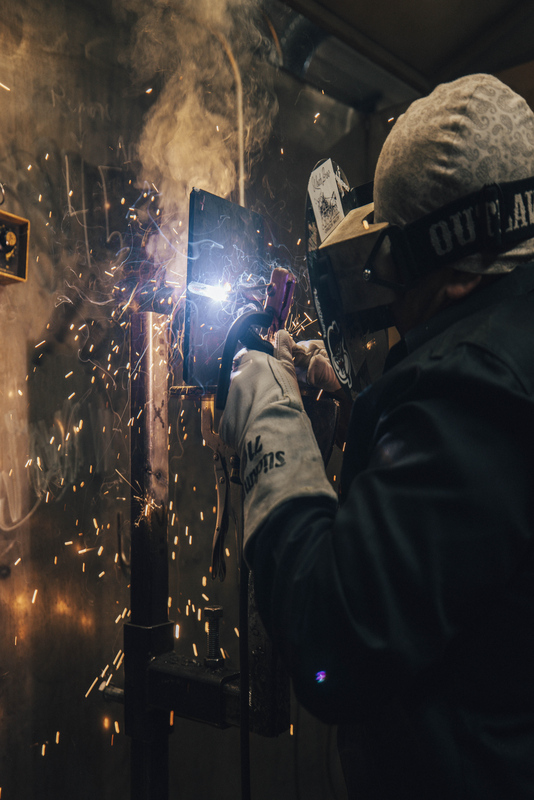
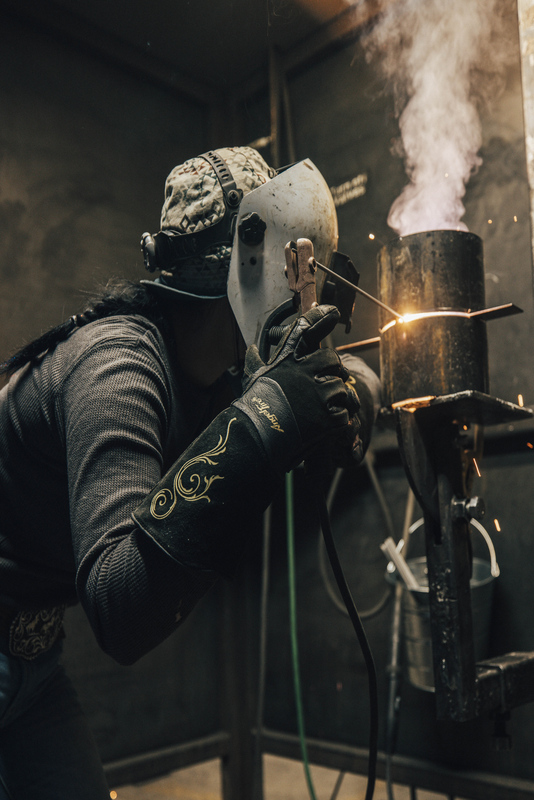
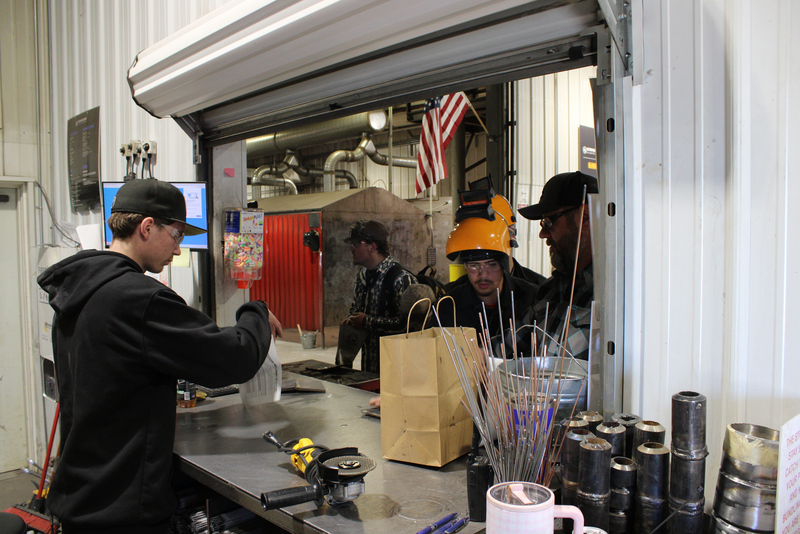
The number one reason new welders struggle is not enough time welding. Community colleges split training between classroom lectures, written exams, and lab time. A typical community college program gives you 15 to 20 hours a week in the booth at best. Western Welding Academy gives you 40 hours a week with 85% of that time spent welding. That is more than double the hands-on training of most programs.
Pipe welding is a physical skill. You cannot learn it from a textbook. You learn it by running hundreds of practice joints until your hands know what to do before your brain catches up. How much practice it takes to get good at welding depends almost entirely on how many hours you spend in the booth each week. A student with 34 booth hours a week will outperform a student with 15 booth hours every time.
The math is simple. A 12 week program at Western Welding Academy gives you roughly 408 booth hours. A two semester community college program spread over 8 months might give you 300 booth hours total. You get more hands-on training in 12 weeks here than most schools deliver in a full academic year.
Skip the struggle. Train the right way from day one. Apply now or call (307) 284-5313 today.
How Does Instructor Quality Change Your Results?
The second reason beginners struggle is instructor quality. Many welding programs hire retired shop welders or educators with welding certificates. They teach from a curriculum. They have not worked on a pipeline or in a refinery in years, if ever. The techniques they teach pass a classroom test but fall apart on a real job site.
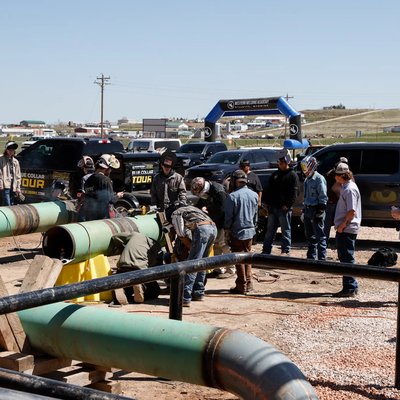
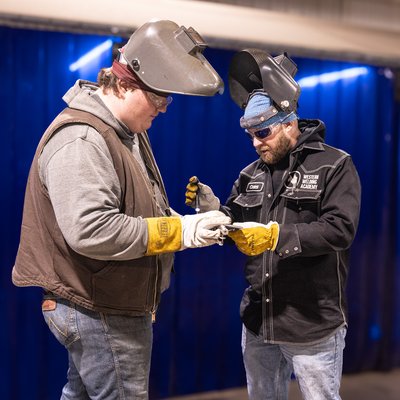
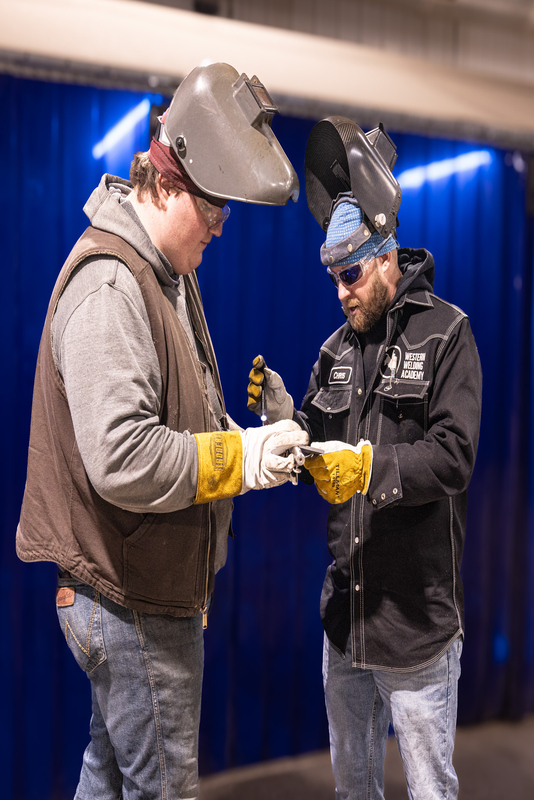
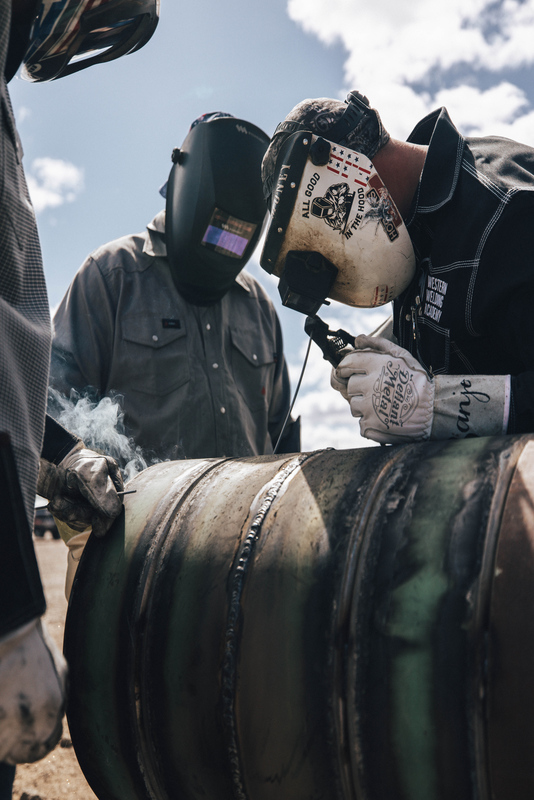
Western Welding Academy is the only pipe welding school solely owned and operated by real pipeline welders. The instructors are active industry professionals. They teach the specific techniques that pass field certification tests because they have passed those tests themselves, on real jobs, in real conditions. That difference shows up directly in the graduation rate: 85% on the Expert program versus 68% at Competitor A, 43% at Competitor B, and 56% at Competitor C.
When your instructor has welded the North Slope in Alaska and built pipeline in Texas, they teach you how to handle the variables that textbooks do not cover. How the wind affects your arc. How to adjust for different pipe wall thicknesses. How to read a weld pool that is about to go bad. This is the kind of training that employers look for when hiring new welders. It cannot be learned from a PowerPoint.
Why Do Weak Certification Programs Cost You Thousands?
The third reason beginners struggle is weak certification prep. Your certifications determine your starting pay. A welder with 6G pipe certifications from Western Welding Academy, the number one AWS Testing Facility in the country, starts at $30 to $35 an hour in the field. A welder with basic flat certifications from a community college starts at $15 to $20 an hour in a shop. The gap is $20,000 to $30,000 a year in lost income.
Certification quality also determines which employers will hire you. Pipeline contractors, Boilermakers locals, and companies like SpaceX want certifications from testing facilities with proven track records. How much a welding certification costs matters less than where you earn it. A cheap certification that does not open doors is the most expensive one you can buy.
Which Program Fixes These Problems Before They Start?
Western Welding Academy offers four programs designed to eliminate every beginner struggle covered in this post. Each program is all inclusive. Tuition covers housing, tools, materials, and safety gear. No hidden fees.
The Foundational Pipe Welder program is 12 weeks at $17,050. It takes you from zero experience to certified pipe welder with 85% booth time from day one. This is the right entry point if you want the fastest path to earning.
The Professional Pipe Welder program is 19 weeks at $27,600. It adds downhill welding and qualifies you for field positions starting at $30 to $35 an hour. If your goal is pipeline work, this program gets you there.
The Expert Pipe Welder program is 24 weeks at $35,800. It covers every process and position for the highest earning ceiling. Graduates pull $3,000 to $4,000 per week in the field. Tuition pays for itself in 5 to 7 months.
The Structural Welding Advanced program is 12 weeks at $20,800. It focuses on structural steel and fabrication for careers in data centers, manufacturing, and building construction.
What Do Graduates Earn After Training the Right Way?
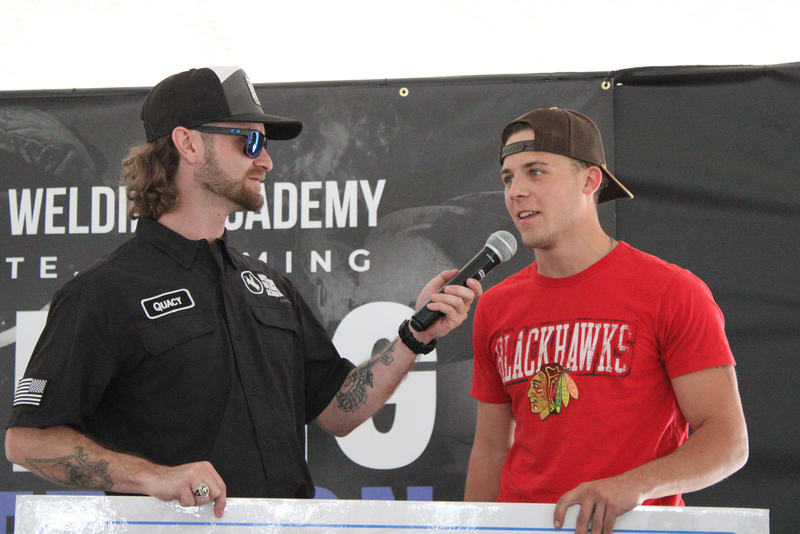
The proof is in the paychecks. Western Welding Academy publishes verified graduate earnings. These are not projections or industry averages. They are real dollar amounts from graduates who trained correctly and went straight to work.


.jpg)
.jpg)
.jpg)
.jpg)
.jpg)
-thumbnail.jpg)

.jpg)