What Basic Welding Covers and Where It Leads
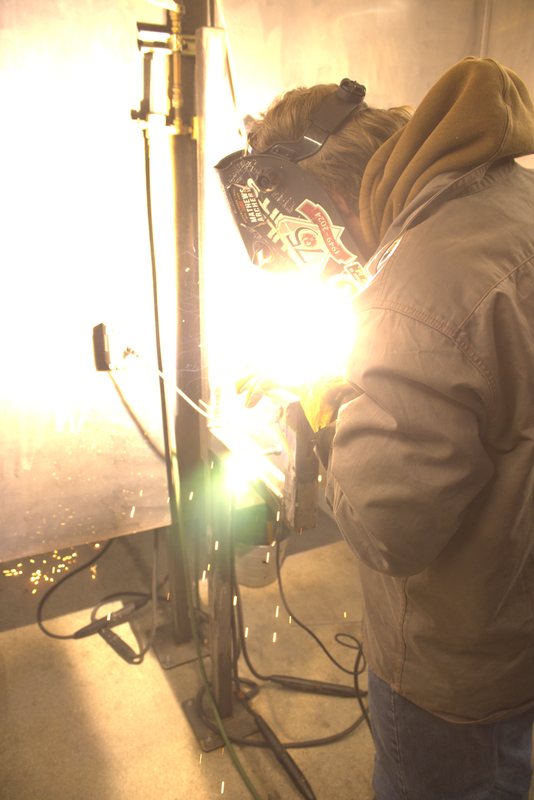
Basic welding includes flat and horizontal position welding on plate steel using MIG (GMAW) and stick (SMAW) processes. Most community college programs and short term trade schools teach these fundamentals. Students learn to run beads on flat plate, make fillet welds, and pass basic structural certification tests in the 1G and 2G positions.
These skills qualify graduates for entry level structural welding jobs: fabrication shops, construction sites, maintenance welding, and general repair work. The pay range for basic structural welders typically falls between $18 and $28 per hour depending on location and employer. The work is steady but the ceiling is low because basic certifications do not qualify welders for the specialized, high paying segments of the industry.
Basic welding is a starting point, not a destination. Welders who stay at the basic level compete in the most crowded segment of the job market where apprenticeship trained and self-taught welders also compete. Supply is high, wages are capped, and advancement requires additional certification.
What Pipe Welding Requires and Why It Pays More
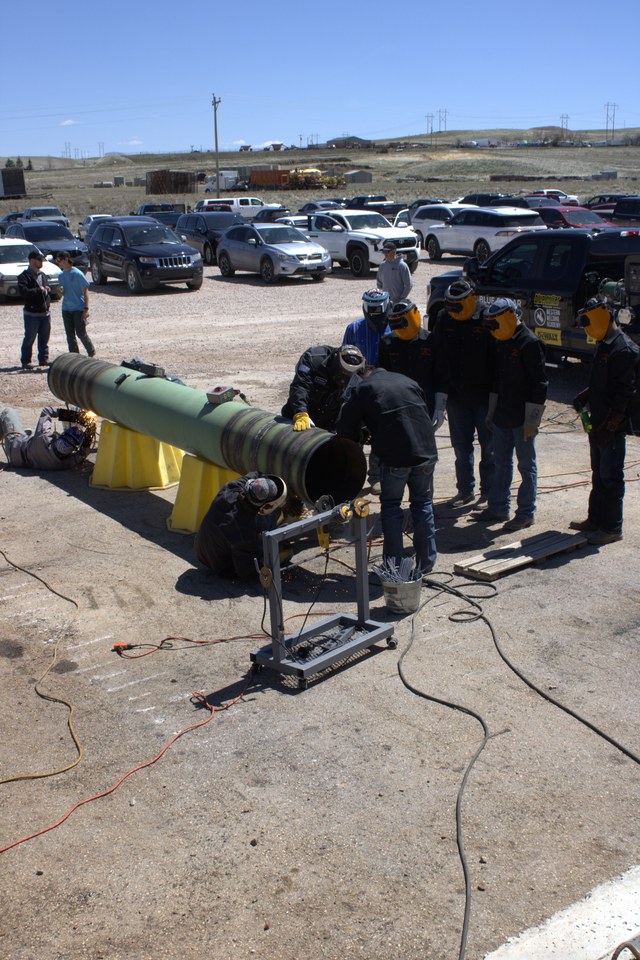
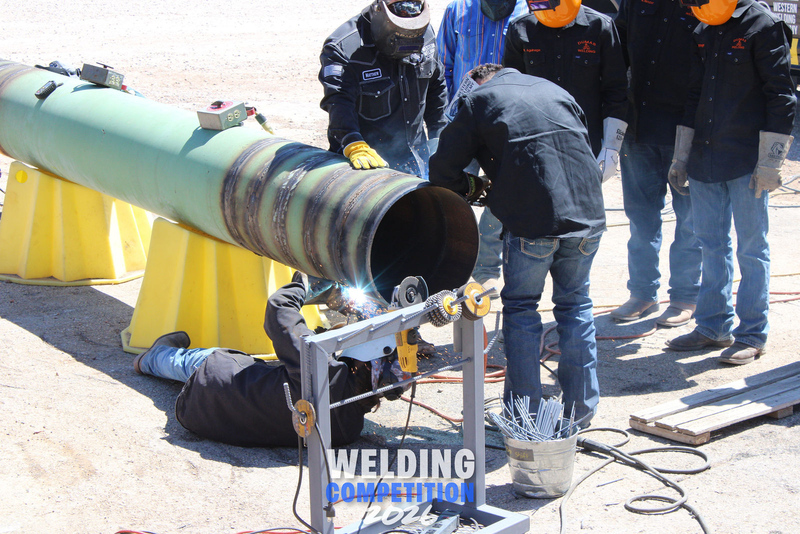
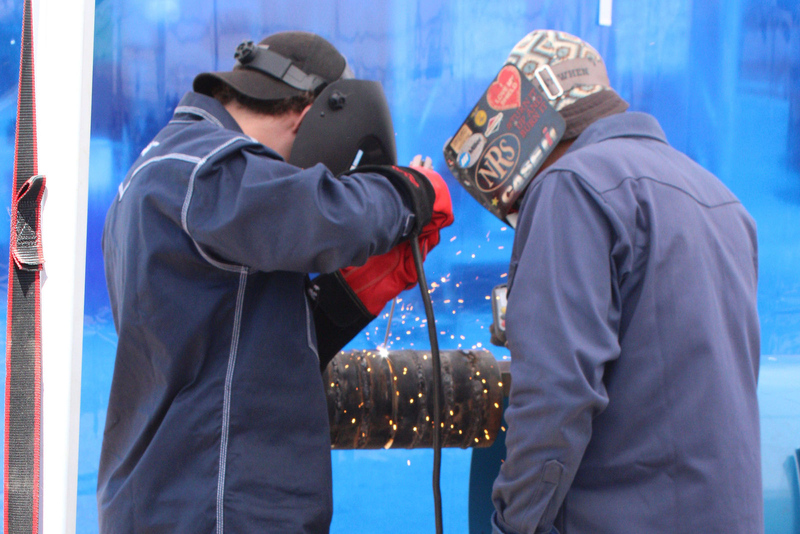
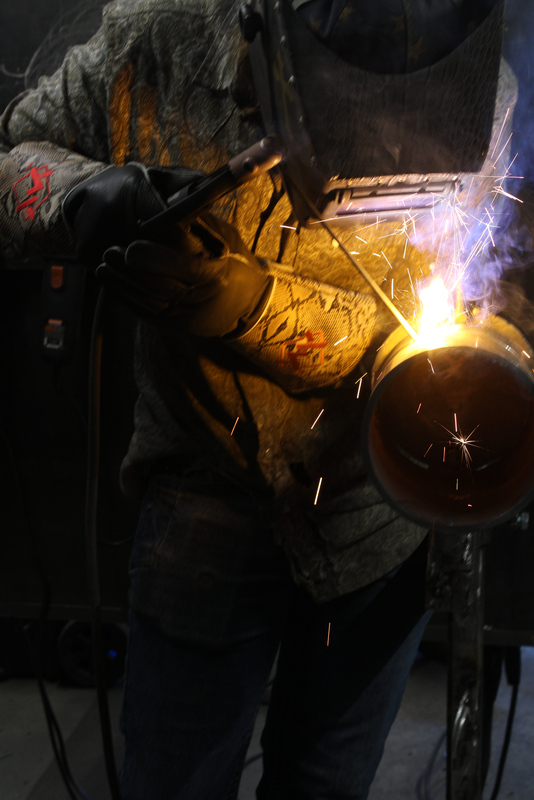
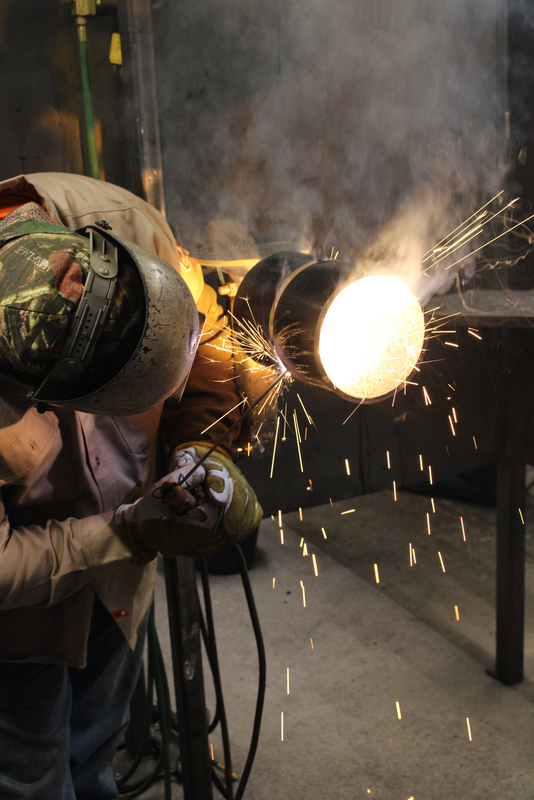
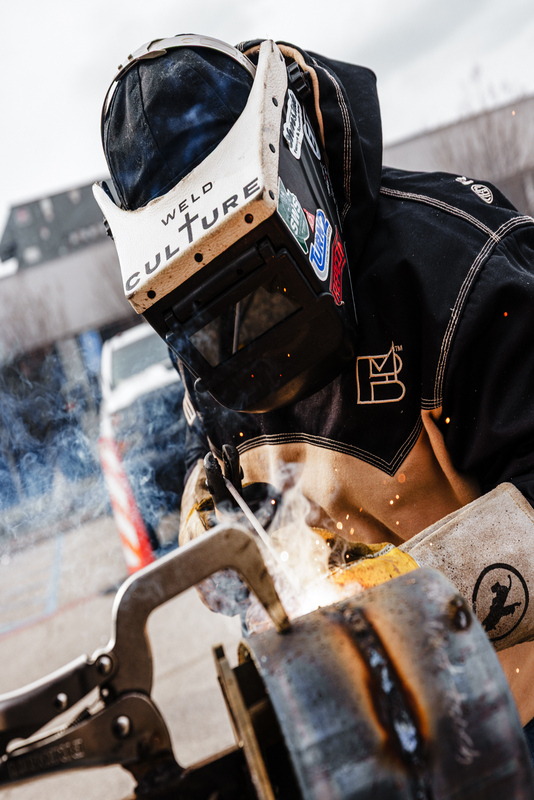
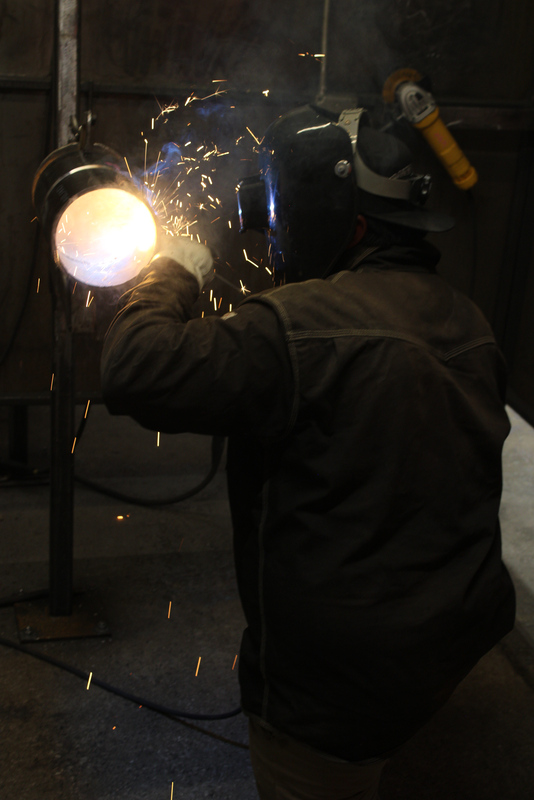
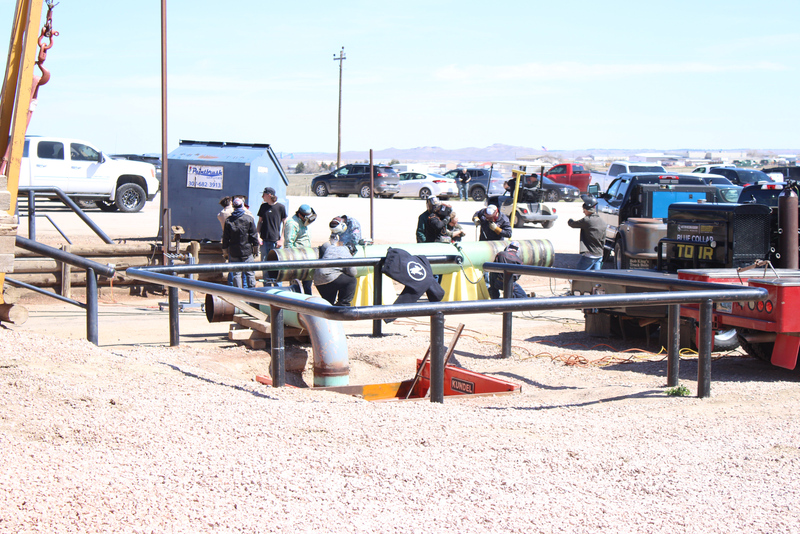
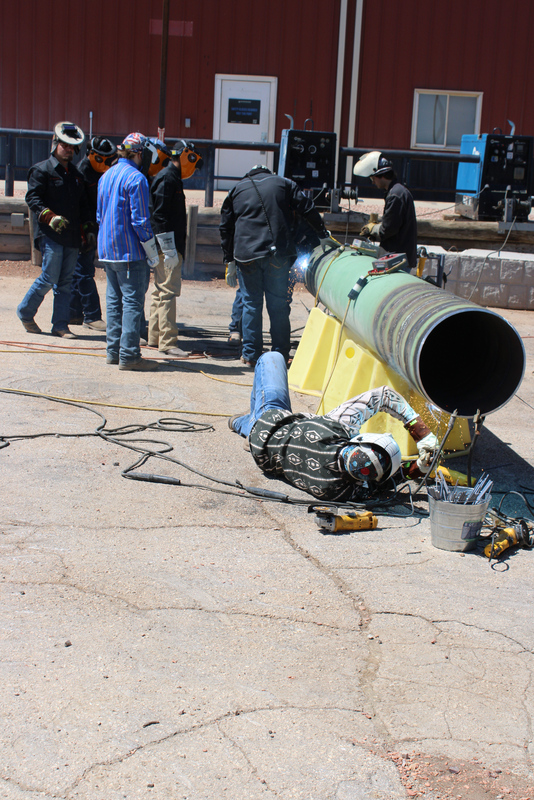
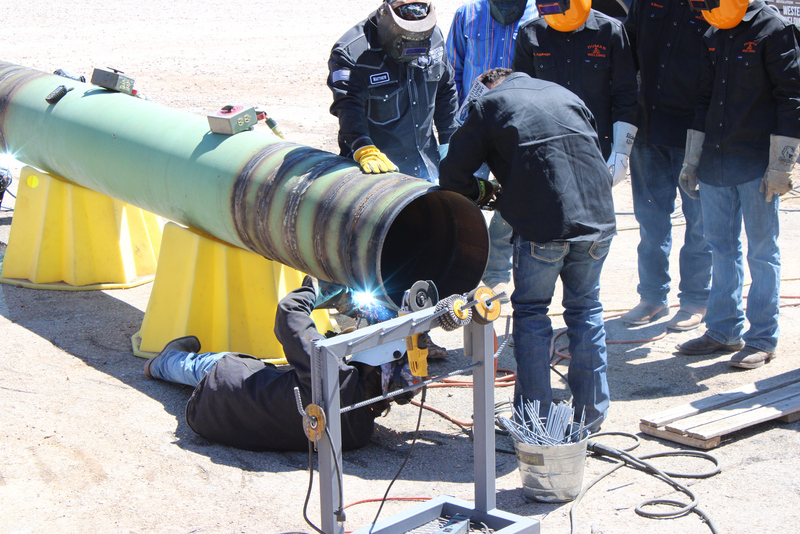
Pipe welding adds vertical (5G), overhead, and 45 degree (6G) position welding on round pipe joints. The welds must meet code requirements that do not apply to basic structural work. Pipeline welders work to API 1104, ASME Section IX, and AWS D1.1 codes that specify joint preparation, filler metal, preheat requirements, and inspection standards far beyond what basic welding requires.
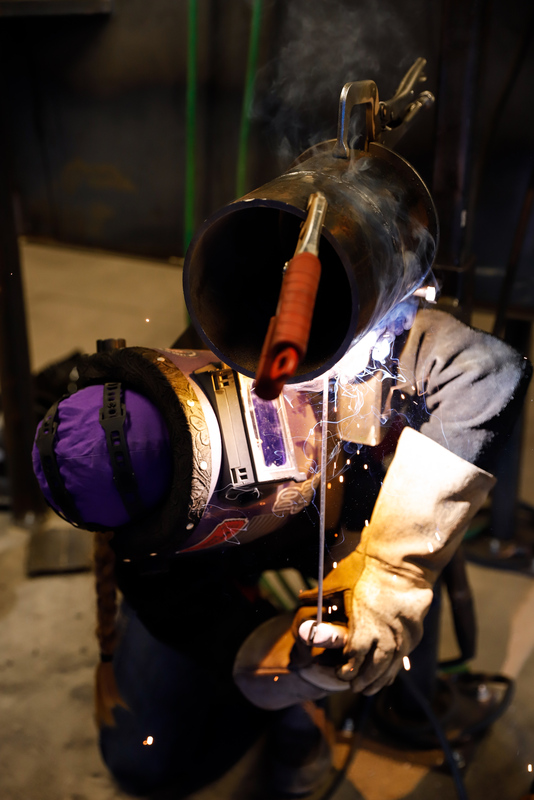
The 6G certification test is the industry standard for pipe welders. It requires welding a pipe joint fixed at a 45 degree angle, which forces the welder to execute flat, vertical, and overhead techniques in a single continuous weld. Passing this test demonstrates that a welder can handle any position on a real job site. The difficulty of this test is exactly why pipe welders command premium wages.
Pipe welders work on oil and gas pipelines, power plants, refineries, boiler systems, and industrial process piping. These projects pay $35 to $60 per hour or more, with overtime and per diem that push annual earnings well above $100,000 for skilled welders. The pay premium exists because the certification barrier keeps the talent pool small while demand from energy, infrastructure, and industrial projects remains high.
Train for pipe welding careers that pay two to three times more than basic welding. Apply now or call (307) 284-5313.
How the Certification Requirements Differ
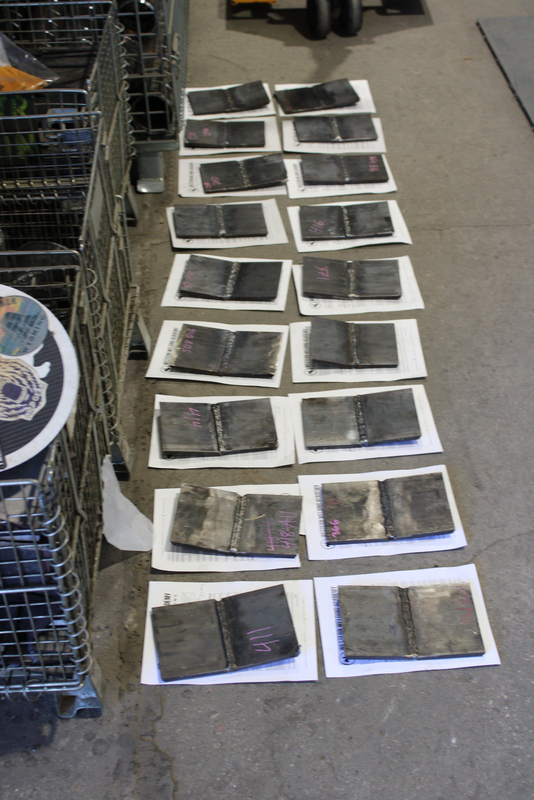
Basic welding certifications test flat and horizontal position welds on plate steel. A 1G test is a flat groove weld. A 2G test is a horizontal groove weld. These tests verify that a welder can produce sound joints in the easiest positions. Most community college programs prepare students for these tests.
Pipe welding certifications test all position welds on round pipe. A 5G test is a horizontal fixed pipe joint requiring vertical up and overhead welding. A 6G test is a pipe joint fixed at 45 degrees, covering every position in a single weld. API 1104 certification adds specific code requirements for cross country pipeline welding. Each certification opens access to higher paying positions and more specialized job sites.
Why Training Programs Matter More for Pipe Welding
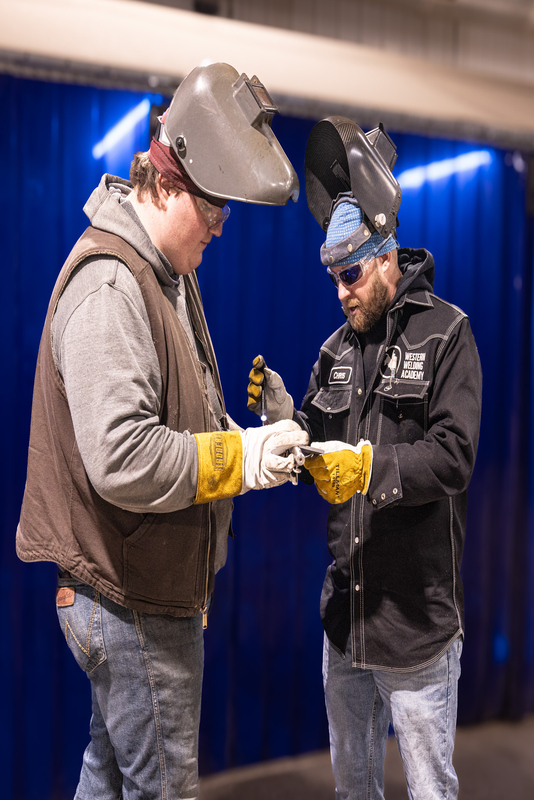
A basic structural welder can develop adequate skills through on the job training or a short community college program because the positions and codes are relatively straightforward. Pipe welding does not work that way. The position complexity, code requirements, and multi process demands of pipeline work require structured, intensive training with high booth time ratios and expert instruction.
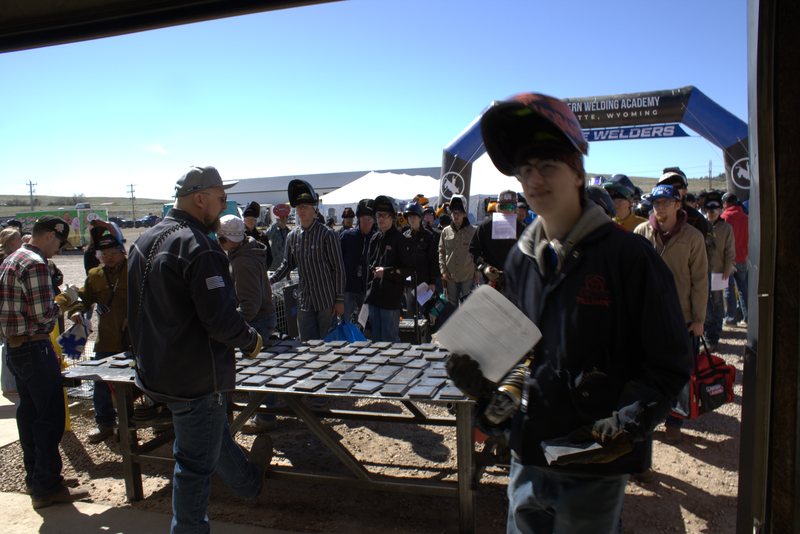
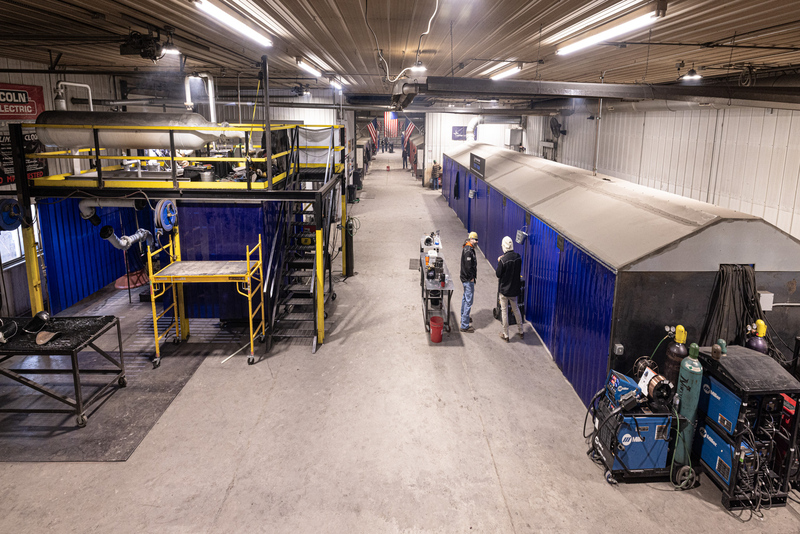
At Western Welding Academy, every program is designed specifically for pipe welding careers. The curriculum covers SMAW, FCAW, and GTAW processes across all positions. Students spend 85% of their program hours in the booth, logging over 400 hours of hands-on welding in the 12 week Foundational Pipe Welder program alone. The Expert Pipe Welder program runs 24 weeks with over 816 booth hours, producing graduates who hold 6G, 6GR, and API 1104 certifications on graduation day.
What Pipe Welding Graduates Actually Earn
The earnings gap between basic welders and pipe welders is not marginal. It is transformational. Western Welding Academy graduates enter pipeline careers with certifications that command premium wages from day one. The academy's 94% placement rate within 90 days means most graduates start earning pipeline wages within weeks of completing their program.
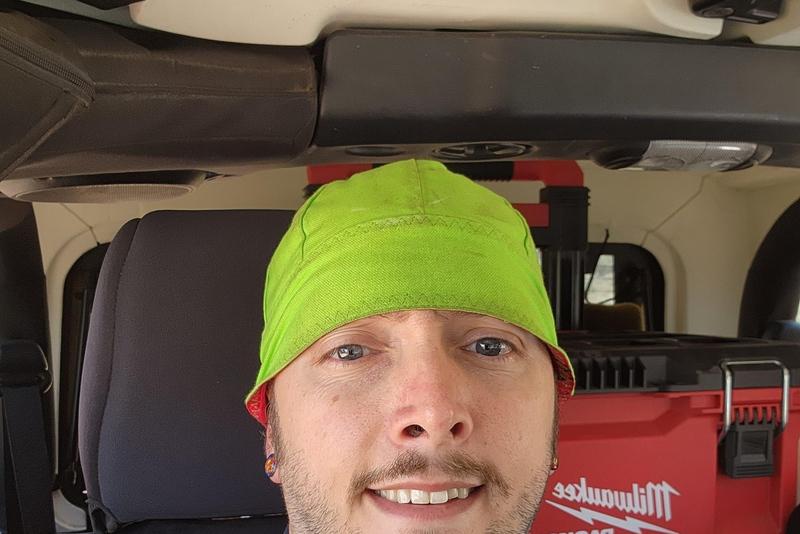
Leyton Wagner earns $4,514 per paycheck as a pipeline welder after completing his training at Western Welding Academy. Compare that to the $1,400 to $2,200 per paycheck range that basic structural welders typically earn. The difference is the certification stack and position welding skills that only come from pipe specific training.
Gavin Walden takes home $3,986 per paycheck. His ability to weld in all positions on pipe joints qualified him for contractor positions that basic certification holders cannot access. Every additional position certification increased his earning potential.
David Smolek earns $3,417 per paycheck. He chose pipe welding training over a basic welding program and the investment paid back within months. His first year earnings exceeded what many basic welders earn in two years.
Noah clears $4,800 per week on pipeline projects. His multi process pipe welding skills make him valuable on job sites that require SMAW root passes with FCAW fill, a combination that basic welding training does not cover.
Hank crossed $150,000 per year before age 22. He entered pipe welding training instead of a basic program and reached a six figure income before most basic welders reach $50,000 per year.
How to Decide Between Basic and Pipe Welding Training
If your goal is a steady job at $20 to $28 per hour, basic welding training will get you there. Community college programs and short trade courses cover the fundamentals. If your goal is a career earning $60,000 to $150,000 or more per year with opportunities to travel, work on major projects, and build long term wealth, pipe welding is the only path that gets you there.
The tuition difference between a basic welding program and a pipe specific one like those at Western Welding Academy pays for itself within the first few months of higher wages. A basic welder earning $24 per hour makes roughly $50,000 per year. A pipe welder earning $50 per hour makes $104,000. The gap grows every year you work. See how welding school job placement compares between basic welding programs and pipe welding programs.
Choose the training that leads to pipe welding wages, not basic welding wages. Apply now or call (307) 284-5313.
Frequently Asked Questions
Q1. What is the main difference between basic welding and pipe welding?
Basic welding covers flat and horizontal position welds on plate steel. Pipe welding adds vertical, overhead, and 45 degree position welds on round pipe joints, requires code compliance to API 1104 and ASME standards, and demands multi process skills. The position and code complexity is what drives the wage premium.
Q2. How much more do pipe welders earn than basic welders?
Basic structural welders typically earn $18 to $28 per hour. Pipe welders earn $35 to $60 per hour or more, with annual incomes commonly exceeding $100,000 when overtime and per diem are included. Western Welding Academy graduates report paychecks of $3,400 to $4,800.
Q3. Can you transition from basic welding to pipe welding?
Yes, but it requires additional training. Basic welding skills do not prepare you for the position demands, code requirements, or certification tests of pipe welding. Structured pipe welding programs build on basic fundamentals and add the specific skills employers test for during hiring.
Q4. What certifications do pipe welders need that basic welders do not?
Pipe welders need 5G, 6G, and often 6GR and API 1104 certifications. These test all position welding on round pipe joints to specific code standards. Basic welders typically hold 1G and 2G plate certifications, which cover only flat and horizontal positions.
Q5. Is pipe welding harder to learn than basic welding?
Yes. Pipe welding requires mastering all positions on a round joint where gravity, access, and torch angle change continuously around the pipe. It demands more booth hours, more process knowledge, and higher precision. That difficulty is exactly why pipe welders earn premium wages.
Q6. What makes Western Welding Academy different from other welding schools?
Western Welding Academy trains exclusively for pipe welding careers with 85% hands-on booth time, on-site AWS accredited testing, 6G and API 1104 certification, a 94% placement rate within 90 days, and named graduates earning $3,400 to $4,800 per paycheck. Over 2,000 graduates from all 50 states have completed the program.
Train for Pipe Welding, Not Just Basic Welding
The difference between basic welding and pipe welding is the difference between a $50,000 career and a $150,000 career. Western Welding Academy trains welders specifically for the pipe welding jobs that pay the highest wages in the industry. Call Western Welding Academy at (307) 284-5313 or apply now to start training for pipe welding wages.


.jpg)


.jpg)


.jpg)
.jpg)
.jpg)
.jpg)
.jpg)
-thumbnail.jpg)

.jpg)